Support

Kushiro

About

Kushiro is a captivating port city located on the southeastern coast of Hokkaido. As the political and economic center of eastern Hokkaido, it serves as a vital gateway to some of the most pristine natural landscapes in Japan. The city is renowned for its unique atmosphere, characterized by a deep connection to the ocean and the surrounding wilderness, offering visitors a blend of urban comfort and rugged beauty.

Geographically, the city sits at the mouth of the Kushiro River facing the Pacific Ocean. It is famously known as the "City of Mist" due to the cooling sea fogs that frequently blanket the area during the summer months, creating a romantic and mysterious ambiance. With a population of approximately 165,000 residents, it is a bustling hub that maintains a relaxed pace of life compared to the nation's larger metropolises.
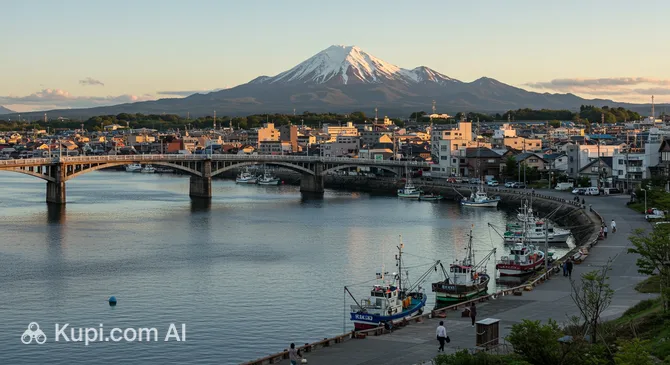
Kushiro. Source: Kupi.Binoculars

Travelers are drawn to this region primarily for its stunning nature. The city is the doorstep to the Kushiro Shitsugen National Park, the largest wetland in the country. This vast marshland is the sanctuary of the majestic Tancho, or Japanese red-crowned crane, a symbol of luck and longevity. Additionally, the city is famous for its culinary scene, particularly Robatayaki—a style of cooking where fresh seafood and vegetables are grilled over charcoal—which is said to have originated here.

The area has developed significantly over the centuries, transforming from a small trading post into a major industrial port. Exploring the history of Kushiro provides fascinating insights into its growth and its relationship with the indigenous Ainu people and the sea.

Whether you are admiring the world-famous sunset from the Nusamai Bridge or savoring a custom-made seafood bowl at the Washo Market, Kushiro offers an unforgettable experience. It is a must-visit destination for nature lovers and food enthusiasts looking to discover the authentic charm of northern Japan.
Weather Overview

The climate in this region is generally cool and comfortable during the warmer months, making it a popular summer retreat, while winters can be quite cold and crisp. To help you pack appropriately for your trip, it is useful to review the detailed weather in Kushiro before your departure, as conditions can vary significantly between seasons.

Winter, spanning from December to February, brings freezing temperatures. February is typically the coldest month, with an average temperature of -5.1°C and lows plunging to -8.8°C. Despite the chill, precipitation is relatively low during this time, with fewer wet days compared to the summer season.

Summers are mild and refreshing, offering a stark contrast to the intense heat found in other parts of the country. August is usually the warmest month, with average highs reaching 21.6°C. However, travelers should be prepared for rain, as August also sees the highest frequency of precipitation with approximately 16 wet days. Overall, you can expect mild summers with occasional rain and cold, dry winters.

Interesting Facts

Beyond its famous wetlands and misty harbor, Kushiro hides fascinating stories rooted in its unique local culture and architecture. Visitors willing to dig a little deeper will discover that this port city has made significant contributions to Japanese cuisine and sports.
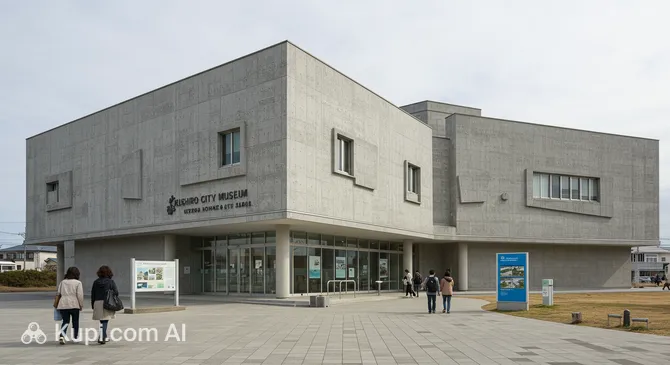
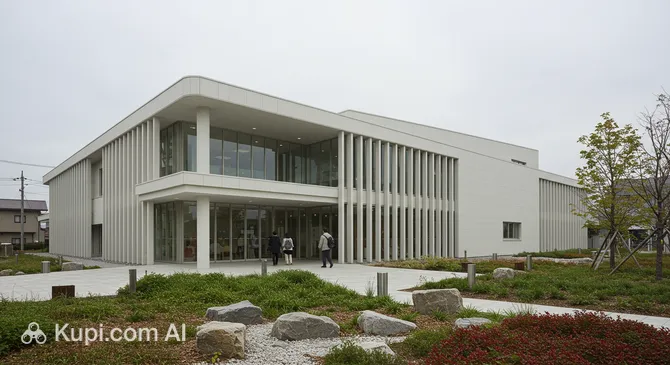
  • The striking architecture of the Kushiro City Museum is more than just a modern design; the building was intentionally crafted by architect Kiko Mozuna to resemble a Japanese red-crowned crane spreading its wings to protect its eggs, paying homage to the region's most iconic bird.

  • Kushiro is widely celebrated as the "Ice Hockey Capital of Japan." Unlike the rest of the country where baseball dominates, this city has a fervent ice hockey culture, boasting a high concentration of rinks and a history of producing many top players for the national team.

  • Food enthusiasts might be surprised to learn that zangi—Hokkaido's beloved version of deep-fried chicken—is said to have originated here. Distinct from standard Japanese karaage, the chicken is marinated in a robust sauce before frying, a recipe developed to ensure the flavor stood out even in the cold northern climate.

Kushiro City Museum. Source: Kupi.Binoculars

How to Get There

Reaching this eastern Hokkaido hub is relatively straightforward, with air travel being the most time-efficient option for visitors coming from outside the island. For travelers planning their journey, you can find all ways to reach the city in our detailed guide, covering various transport methods to suit your itinerary.

The primary gateway is Kushiro Airport (KUH), conveniently located within the city limits. It handles regular flights from major hubs like Tokyo (Haneda) and Sapporo (New Chitose). From the airport, the city center is approximately 16.6 km away. A taxi or shuttle bus ride typically takes about 45 minutes, offering a quick transition from the tarmac to your hotel. With a passenger volume reflecting its status as a key regional hub, the airport provides essential services and easy access to the surrounding wetlands.

Alternatively, if flights to Kushiro are fully booked, travelers might consider Nakashibetsu Airport (SHB), situated in the neighboring town of Nakashunbetsu. It is approximately 80.8 km away from Kushiro. The journey by car or taxi from here is longer, taking around 2 hours and 20 minutes. Another option is Tokachi-Obihiro Airport (OBO) in Obihiro, located roughly 99.2 km to the west. While it serves a significant number of passengers, the transfer to Kushiro will take nearly 3 hours by road, making it a viable but less direct alternative.

For clarity, here is a summary of the main airports:

Airport Name City Passenger Traffic Km from City
Asahikawa AirportAsahikawaHigh174.4
Kushiro AirportKushiroMedium16.6
Tokachi-Obihiro AirportObihiroMedium99.2
Nakashibetsu AirportNakashunbetsuSmall80.8

For those preferring rail travel, Kushiro Station serves as the terminal for the JR Nemuro Main Line. It is well-connected to other major cities in Hokkaido, most notably Sapporo. The limited express train "Super Ozora" offers a scenic journey from Sapporo to Kushiro, taking approximately four hours. The train ride itself is a highlight for many, passing through lush forests and along the coast, providing a relaxing introduction to the region's natural beauty before you even arrive.

Main Attractions

Kushiro is a city that prides itself not only on its natural splendor but also on its rich cultural and culinary heritage. Visitors can immerse themselves in the local history, explore educational facilities perfect for families, and indulge in unique regional flavors at some of the city's most renowned establishments.

One of the most prominent landmarks is the Kushiro City Museum. While its exterior is celebrated for resembling a crane spreading its wings, the interior offers a deep dive into the region's natural history. The museum features comprehensive exhibits detailing the formation of the Kushiro Wetlands, the diverse wildlife that inhabits the area, and the history of the indigenous Ainu people. It is an essential stop for anyone wanting to understand the unique ecosystem and cultural background of eastern Hokkaido.

Kushiro City Museum. Source: Kupi.Binoculars

For those traveling with family, the Kushiro City Children's Learning Center is a wonderful destination. Known locally as "Kodomo Yugakkan," this facility is designed to inspire curiosity through interactive science exhibits and play areas. A highlight of the center is its planetarium, which provides entertaining and educational shows about the starry skies, making it a perfect indoor activity regardless of the weather outside.

Kushiro City Children's Learning Center. Source: Kupi.Binoculars

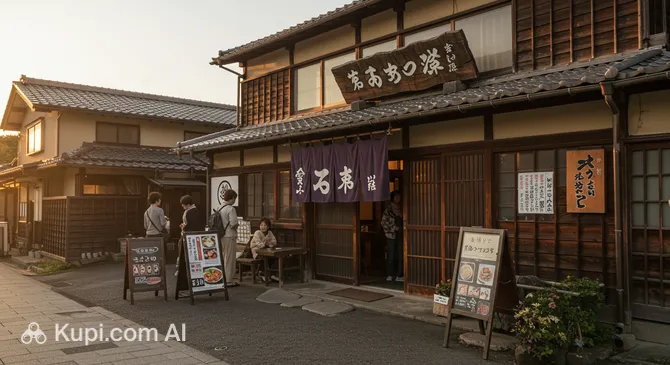
No visit to this port city would be complete without experiencing its seafood culture. Shakebanya offers an authentic taste of the fisherman's lifestyle. Located near the harbor, this establishment allows diners to enjoy fresh seafood, particularly salmon and roe, in a rustic atmosphere reminiscent of a traditional "banya" or fisherman's hut. It provides a genuine connection to the city's fishing roots through simple, high-quality ingredients.

Shakebanya. Source: Kupi.Binoculars

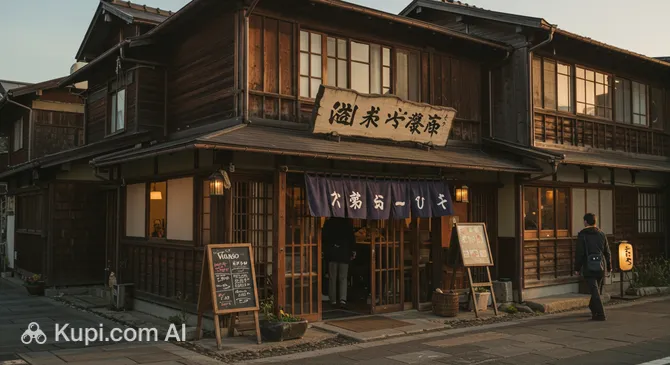
Another culinary institution is the Chikuroen Azumaya Main Branch. This historic restaurant is famous for serving Kushiro's unique green soba noodles, which are colored with chlorella. As the oldest soba shop in the city, it has been a beloved local favorite for decades. The noodles are typically enjoyed with a savory dipping sauce, offering a distinct flavor profile that sets them apart from standard buckwheat noodles found elsewhere in Japan.

Chikuroen Azumaya Main Branch. Source: Kupi.Binoculars

Local Cuisine

Kushiro is widely regarded as one of Hokkaido's premier gourmet destinations, thanks to its thriving port and cold, nutrient-rich waters. The city's culinary identity is deeply intertwined with the sea, offering seafood that is exceptionally fresh and rich in flavor. For food lovers, the highlight is undoubtedly the abundance of seasonal catches, including Pacific saury (sanma), succulent oysters, and fatty sardines, which can be enjoyed in various styles throughout the city.

A quintessential dining experience here is Robatayaki, a style of charcoal grilling that is said to have originated in Kushiro. In these atmospheric restaurants, fresh seafood and local vegetables are grilled to perfection over an open hearth, often right in front of the customers. It is a social and warming way to dine, perfect for the cool northern climate. Visitors should try grilled hokke (Okhotsk atka mackerel) or menme (kichiji rockfish), which are local favorites known for their tender, flaky meat.

For a unique breakfast or lunch, the "Katte-don" at the local markets is a must-try. This "do-it-yourself" seafood bowl allows you to purchase a bowl of plain rice and then wander from stall to stall, selecting your favorite toppings—such as sea urchin, salmon roe, and scallops—to create a personalized masterpiece. It is a fun, interactive way to sample the freshest ingredients available that day.

Beyond seafood, the city has a surprising soul food culture. Spa-katsu is a hearty dish consisting of spaghetti topped with a rich meat sauce and a crispy pork cutlet, served on a sizzling hot iron plate. This volume-heavy meal is a beloved comfort food among locals. Additionally, the region is famous for its distinct style of fried chicken known as zangi, which is typically more heavily seasoned than standard Japanese karaage.

To accompany these rich flavors, locals often turn to regional sake. The cool climate and clean water sources are ideal for brewing, and the local breweries produce crisp, dry sake that pairs beautifully with seafood. For a non-alcoholic option, the city offers high-quality dairy products from the surrounding farmlands, including fresh milk and creamy soft-serve ice cream.

Travel Tips

Welcome to Kushiro! To help you navigate this unique "City of Mist" and its breathtaking natural surroundings with ease, we have compiled a set of essential practical tips for your journey.

  1. Clothing and Gear: The climate here is distinct from the rest of Japan. Even in summer, the famous sea fog can drop temperatures significantly, so bringing a windbreaker and layers is essential. If visiting in winter, heavy coats, thermal underwear, and shoes with non-slip soles (or attachable cleats) are mandatory to handle icy streets safely.
  2. Transportation: While buses and trains connect the city center and main tourist spots, renting a car is highly recommended for exploring the Kushiro Shitsugen National Park efficiently. Public transport schedules in the marshland areas can be infrequent. If you rely on taxis, the "JapanTaxi" or "GO" apps are useful, though hailing one on the street is easy near the station.
  3. Finances: While major hotels and department stores accept credit cards, cash is king in local establishments. You will definitely need Japanese Yen (JPY) for the famous Washo Market to buy your seafood bowl ingredients. International ATMs are readily available at 7-Eleven and Lawson convenience stores; there is no tipping culture here, so excellent service is standard without extra cost.
  4. Health and Safety: Kushiro is a very safe city, but nature presents its own risks. If you are hiking in the wetlands or nearby forests, be aware of wildlife, particularly brown bears; carrying a bear bell is a common precaution. For minor health issues, drugstores like Tsuruha Drug are widespread, but always carry travel insurance for emergencies.
  5. Communication: English proficiency is generally limited outside of the airport and major hotels. It is crucial to have a translation app (like Google Translate) installed on your phone. Renting a Pocket Wi-Fi or buying a SIM card at the airport upon arrival is strongly advised, as free public Wi-Fi can be spotty in remote nature areas.
  6. Local Etiquette: When visiting hot springs (onsen) in the area, remember to wash your body thoroughly before entering the bath and never wear swimsuits unless explicitly stated. In public spaces and on trains, keep your voice down and avoid talking on the phone, as silence is considered polite.
  7. What to Avoid: Never step off the designated wooden boardwalks when visiting the wetlands. The marshland ecosystem is incredibly fragile, and walking on the peat damages it and can be dangerous for you. Also, do not feed the wildlife, including the red-crowned cranes and foxes, as it harms their natural behaviors.
  8. Local Insight: If you plan to see the world-renowned sunset at Nusamai Bridge, arrive at least 20 to 30 minutes before sundown to secure a good viewing spot on the bridge or the nearby waterfront promenade, as it is a popular daily event for both locals and tourists.

Armed with these practical tips, you are all set to enjoy the rugged beauty and delicious flavors of Kushiro. We hope you have a safe, comfortable, and truly memorable adventure in eastern Hokkaido!

Entertainment & Nightlife

While Kushiro is widely known for its pristine nature and daytime adventures, the city transforms as the sun sets, offering a nightlife scene that is warm, nostalgic, and centered heavily around its rich culinary culture. Unlike the high-energy clubbing scenes found in Tokyo or Sapporo, entertainment here is more about socializing in cozy spaces, savoring exceptional local spirits, and enjoying the atmospheric charm of a port town wrapped in evening mist.

The heartbeat of the city's nightlife is undoubtedly the Suehiro-cho district. Located just north of the Nusamai Bridge, this area boasts one of the highest concentrations of restaurants and bars in Hokkaido relative to the population. As dusk falls, the streets illuminate with the glow of red lanterns and neon signs, inviting locals and travelers alike into hundreds of izakayas (Japanese pubs), snack bars, and dining establishments. The atmosphere is welcoming and unpretentious, with a distinct "Showa-era" retro vibe that makes hopping from one venue to another a delightful experience.

For a truly iconic evening, visitors should head to Kushiro Fisherman's Wharf MOO. Located right on the waterfront, this complex is not just a shopping center but a hub for evening entertainment. During the warmer months (typically May to October), the outdoor "Ganpeki Robata" opens here, allowing guests to grill fresh seafood over charcoal in a lively tented setting by the river. It is a fantastic way to mingle with locals and enjoy the cool evening breeze. Even in winter, the indoor eateries provide a warm refuge with views of the illuminated bridge.

When it comes to drinking, the local culture favors a relaxed pace. After a hearty meal of Robatayaki, many locals move to "Snack" bars—small, intimate establishments often run by a "mama-san" where singing karaoke and chatting with the staff is the main activity. For those preferring a standard cocktail or whisky, Suehiro-cho has several authentic shot bars. The dress code almost everywhere is casual; jeans and a warm jacket are perfectly acceptable, prioritizing comfort against the cool night air.

From a practical standpoint, the nightlife district is compact and walkable, but safety and preparation are key. The area is generally very safe for night walks, though solo travelers should always exercise standard caution. Taxis are plentiful along the main streets of Suehiro-cho and are the best way to return to your hotel, as bus services stop relatively early. Be aware that many smaller bars and traditional eateries only accept cash, so ensure you have sufficient Japanese Yen on hand before heading out. Average costs can range from 3,000 to 5,000 JPY per person for dinner and drinks.

Before the evening festivities begin, there are plenty of daytime entertainment options to fill your schedule. Visitors can explore the region's history at local museums or enjoy family-friendly activities at the science centers mentioned in our attractions guide. For those seeking a mix of nature and leisure, a walk around the harbor area or a visit to the observational decks offers a relaxing prelude to a vibrant night out in this charming northern city.

Parks & Museums

For nature enthusiasts, the city serves as the ultimate gateway to the Kushiro Shitsugen National Park. As the largest wetland in Japan, this sprawling ecosystem is a designated national monument and a Ramsar site, preserving a vast landscape of reeds and peat bogs that remains largely untouched by modern development. Visitors can explore the area via a network of maintained wooden boardwalks, which allow for an immersive experience in the heart of the marshland without disturbing the fragile environment. The Kushiro Marsh Observatory is a popular starting point, offering elevated panoramic views that are particularly breathtaking when the summer greenery shifts to the rich golden hues of autumn.

The wetlands are perhaps most famous as the sanctuary of the Japanese red-crowned crane, known locally as Tancho. Once on the brink of extinction, these majestic birds have made a remarkable recovery in this protected habitat. While they are most easily observed at feeding stations during the winter months, the park supports a diverse array of wildlife year-round, including Ezo deer and white-tailed eagles, making it a prime destination for birdwatchers and photographers in any season.

Within the city limits, Lake Harutori offers a serene natural escape. Designated as a National Natural Monument, this lake is historically significant as a habitat for the red-crucian carp. A walking trail encircles the water, providing a peaceful route for a morning jog or a leisurely stroll amidst the urban landscape. The lake is situated near the Kushiro City Museum, making it easy to combine a nature walk with a visit to the hilltop facility to learn about the region's geological history.

Another excellent spot for outdoor relaxation is Nusamai Park. Located on the high ground overlooking the harbor and the iconic Nusamai Bridge, the park features statuary, manicured flower beds, and walking paths. It serves as a fantastic vantage point for viewing the city grid and the Pacific Ocean, especially during the city's renowned sunsets. For families, the nearby Kushiro City Children's Learning Center provides a fun and educational indoor alternative, ensuring that visitors of all ages can find something to enjoy.

Getting Around

Public transportation in Kushiro primarily consists of a network of buses and trains, as the city does not have a subway or tram system. For visitors, the bus network is the most practical way to navigate within the city center and to reach nearby scenic spots. Two main companies, Kushiro Bus and Akan Bus, operate routes that cover the downtown area, residential districts, and major tourist destinations, including the famous marshlands and the airport.

The train system is operated by JR Hokkaido and serves as a vital link for traveling to and from the city rather than for commuting within it. The station acts as a hub for the Nemuro Main Line and the Senmo Main Line. A unique feature of the local rail service is the seasonal sightseeing trains. In summer, the "Kushiro Shitsugen Norokko Train" offers a leisurely open-air journey through the wetlands, while in winter, the "SL Fuyu-no-Shitsugen" steam locomotive provides a nostalgic and scenic ride through the snowy landscape. These are not just modes of transport but popular attractions in their own right.

When using local buses, the payment system is distance-based. You enter through the rear door and take a small numbered ticket (seiriken) from a machine. A display at the front of the bus shows the fare corresponding to your ticket number. Upon reaching your destination, you deposit the ticket and the exact fare in cash into the box next to the driver before exiting through the front door. While some local IC cards exist, major nationwide cards like Suica or Pasmo are not universally accepted on all local bus routes, so carrying cash, particularly coins and 1,000-yen bills, is essential.

For tourists planning to explore the national park extensively, purchasing a special pass such as the "Senmo Line Free Pass" or specific bus passes like the "Kushiro Shitsugen/Akan Tour 3 Days Pass" can be economical. These passes are typically available for purchase at the bus terminal near the main railway station or at the airport information desk. Be sure to validate your pass dates upon first use if they are not pre-stamped.

Given the expansive nature of the region and the relatively infrequent schedule of public transport compared to larger metropolises, many visitors find alternatives to be more convenient. Renting a car is highly recommended for those who wish to explore at their own pace, especially for reaching remote observation decks. Taxis are available at the station and major hotels but can be costly for long distances. For shorter trips around the city center, rental bicycles are available during the warmer months and offer a pleasant way to visit the waterfront and nearby parks.

Travelers should be aware that public transport services often stop running earlier in the evening than one might expect. It is crucial to check the return schedules in advance, especially when visiting outlying areas like the marsh observatory or the crane reserve, to avoid being stranded. Using a navigation app is helpful, but always have a paper schedule or a saved screenshot as a backup in areas where signal might be weak.

Accommodation

Accommodation in Kushiro is designed primarily to support its role as a transit hub and a base for exploring the nearby wetlands. The city offers a functional range of options, dominated largely by Western-style business hotels. These establishments are typically clean, efficient, and affordable, providing all the necessary amenities for a comfortable night's sleep. For those seeking a more cultural experience, there are a few traditional Japanese inns (ryokan) and smaller guesthouses scattered throughout the city, though the selection is more limited compared to the abundance of modern hotels.

When choosing where to stay, location is the key factor. Most travelers opt for the area immediately surrounding JR Kushiro Station. Staying here offers the ultimate convenience for those arriving by train or planning to take the bus to the national park, with many hotels located within a few minutes' walk of the terminals. Alternatively, the waterfront area near Nusamai Bridge is a popular choice for tourists. Hotels in this district often offer scenic views of the river and ocean and place you right on the doorstep of the lively Suehiro-cho dining and nightlife district, making it easy to walk home after a dinner of fresh seafood.

Price-wise, Kushiro is generally very reasonable compared to major tourist centers like Sapporo or Tokyo. Most accommodation falls into the budget to mid-range category, making it an economical stopover. Booking can be easily done through major online travel platforms. However, a crucial tip for visitors is to book well in advance if you are traveling during the peak seasons: August, when domestic tourists flock to escape the heat, and February, when photographers from around the world arrive to see the red-crowned cranes. During these times, the best-located rooms can sell out quickly.

Nearby Cities

For those looking to explore the surroundings, Kushiro serves as an excellent base for day trips to several interesting nearby locations:

City Population Distance (km)
Asahikawa331,392185
Obihiro165,68497
Hidaka54,728197
Otofuke44,04997
Abashiri34,640115

Among these destinations, Obihiro is particularly popular for a culinary day trip. Located in the heart of the Tokachi Plain, it is famous throughout Japan for its high-quality dairy products and sweets. Visitors can explore the beautiful gardens of the region or experience the unique Ban'ei horse racing, the only race of its kind in the world where heavy draft horses pull weighted sleds.

Another fascinating option is Abashiri, situated on the coast of the Sea of Okhotsk. While it is a bit of a journey, it offers experiences found nowhere else in the country. In winter, it becomes the prime spot for viewing spectacular drift ice, while history enthusiasts can visit the Abashiri Prison Museum year-round to learn about the harsh realities of the frontier era.

These nearby destinations offer a glimpse into the diverse culture and landscapes of the region, ranging from pastoral farmlands to rugged northern coastlines.

Shopping & Souvenirs

Shopping in Kushiro offers a delightful dive into the local culture, focusing less on high-end fashion and more on authentic regional products. The city is a treasure trove for foodies and lovers of craftsmanship, where the bounty of the Pacific Ocean meets the artistic traditions of the north. Visitors will find that the retail experience here is relaxed and welcoming, centered around fresh markets, souvenir hubs, and convenient shopping centers that cater to both locals and tourists.

The main commercial artery of the city is Kita-Odori, a wide street that stretches from JR Kushiro Station down to the famous Nusamai Bridge. While this area was once the bustling heart of downtown, today it offers a mix of banks, hotels, and smaller shops. Strolling down this avenue provides a pleasant connection between the station area and the waterfront, where the more tourist-centric shopping facilities are located.

For a concentrated shopping experience, Kushiro Fisherman's Wharf MOO is the place to go. Located right next to the Nusamai Bridge, this unique complex is a landmark in itself. It houses a variety of souvenir shops selling Hokkaido specialties, handicrafts, and marine products. It also features a fresh food market on the ground floor. For general needs, clothing, and electronics, the Aeon Mall Kushiro Showa and Aeon Mall Kushiro located in the suburbs are large, modern complexes where you can find everything from Japanese cosmetics to international brands.

No shopping trip to Kushiro is complete without visiting Washo Market. Located just a short walk from the main train station, it is celebrated as one of Hokkaido's top three markets. The atmosphere here is lively and authentic, filled with stalls selling crab, salmon, and scallops. It is world-famous for the "Katte-don" (literally "whatever you like bowl"), where you buy a bowl of rice and roam the market to top it with your choice of fresh sashimi slices purchased individually from different vendors.

When looking for souvenirs, the region's seafood is the top choice. Vacuum-packed salmon, dried scallops, and jars of pickled marine delicacies are popular gifts. Beyond food, the city is known for Ainu wood carvings, particularly intricate statues of bears and owls which are considered protectors in Ainu culture. You might also find goods featuring "Marimo" (moss balls), a protected species from the nearby Lake Akan, as well as locally made sweets like the famous sweet potato cakes from local confectioneries.

Most shops in the city center and shopping malls typically open around 10:00 AM and close between 7:00 PM and 8:00 PM. Convenience stores operate 24 hours a day. While credit cards are widely accepted at major malls like MOO and Aeon, as well as at convenience stores, cash is essential when visiting traditional markets like Washo Market or smaller independent souvenir stands. It is advisable to carry sufficient Japanese Yen, especially for small purchases.

Tax-free shopping is available for international tourists at participating stores, including the major Aeon Malls and select shops within Fisherman's Wharf MOO. Look for the "Japan. Tax-free Shop" symbol at the entrance or cashier. To claim the refund, you will need to present your passport with a valid entry stamp, and the purchased goods must be taken out of the country.

Reached the end of the page?

That means the route is fully explored