Support

Obihiro

About

Welcome to Obihiro, a vibrant city located in the heart of the Tokachi subprefecture on the northern island of Hokkaido. Known for its distinct grid-patterned streets and wide, tree-lined avenues, the city offers a spacious and relaxed atmosphere that differs from the dense urban sprawl found elsewhere in the country. As a major agricultural hub, Obihiro is often celebrated for its high-quality dairy products, wheat, and vegetables, making it a true paradise for food lovers exploring Japan.

Geographically, the city sits on the vast Tokachi Plain, surrounded by fertile farmland and distant mountain ranges. The climate here is characterized by distinct seasons, with crisp, snowy winters and pleasant, low-humidity summers that are perfect for outdoor activities. With a population of approximately 165,000 residents, it balances the amenities of a modern city with easy access to the pristine nature of the region. Those interested in the origins of this planned city and its development from a pioneer settlement can delve deeper into the history of Obihiro to appreciate its unique heritage.

Obihiro. Source: Kupi.Binoculars

Visitors are drawn to Obihiro for its unique attractions, most notably the Ban'ei Tokachi horse racing. This is the only place in the world where you can watch draft horses pull heavy sleds over sand ramps, a testament to the region's working-horse culture. Additionally, the city is a gateway to the famous Hokkaido Garden Path, featuring stunning locations like the Manabe Garden and Shichiku Garden. For those with a sweet tooth, the city is renowned as a "Kingdom of Sweets," home to famous confectioneries that use the rich local butter and sugar beets.

Whether you are here to cheer on the powerful horses, stroll through carefully curated botanical gardens, or indulge in some of the freshest desserts in the country, Obihiro promises a memorable experience. It is a destination that perfectly captures the pioneering spirit and agricultural abundance of Hokkaido, inviting travelers to relax and enjoy the bounty of the land.
Weather Overview

The climate in Obihiro is defined by distinct seasonal changes, offering travelers a variety of experiences throughout the year. Winters are characteristically cold, with January seeing average temperatures of -8.5°C and lows dipping to -13.4°C. This season is crisp and chilly, making warm clothing essential for any visit between December and February.

Spring brings a gradual warming, with averages climbing to 11.9°C by May, leading into a comfortable summer season. Unlike the sweltering heat often found elsewhere, summers here are mild, with July and August averaging around 20°C and maximums reaching roughly 23.6°C. However, visitors should be prepared for rain, particularly in August, which records about 17 wet days. For more specific details to help plan your packing, you can view the detailed report on weather in Obihiro.

Autumn sees temperatures cooling from a pleasant 16.7°C in September down to 3.1°C in November. In general, expect warm summers with occasional rain and cold winters during your stay.

Interesting Facts

Beyond the main attractions, Obihiro holds many fascinating secrets and unique local quirks that surprise visitors.
  • Obihiro is one of the rare places in the world where you can bathe in "Moor" hot springs, which are plant-derived rather than volcanic. The water contains organic matter from ancient peat, giving it a distinct amber color and natural moisturizing properties found at local spots like Yayoi-no-Yu Natural Hot Spring.

  • The city is the proud birthplace of butadon, a famous pork bowl dish created in the 1930s to provide stamina for local farmers and laborers. This culinary tradition features thick slices of pork simmered in a sweet and savory sauce, a flavor you can experience at renowned establishments such as Butadon no Tonta.

  • Located within the expansive Midorigaoka Park is a massive wooden bench that stretches for 400 meters across the green lawn. Built by local volunteers to foster community connection, it was long recognized as the longest bench in Japan and remains a beloved symbol of the city.

  • Obihiro is home to Kofuku Station, a former railway stop whose name literally translates to "Happiness." Although the train line has been discontinued, the station remains a popular pilgrimage site where travelers leave tickets and messages on the walls to wish for good fortune and romance.

Midorigaoka Park. Source: Kupi.Binoculars

How to Get There

Reaching this part of Hokkaido is relatively easy, with air travel being the most common method for long-distance visitors. To see all available options and plan your route, you can read more about how to get to Obihiro.

The most convenient hub is Tokachi-Obihiro Airport (OBO), located directly in Obihiro, just 21.2 km from the city center. It offers easy access to the downtown area, with a travel time of approximately 52 minutes by taxi or bus. This airport is the best choice for domestic travelers or those connecting from Tokyo.

For international arrivals, New Chitose Airport (CTS) in Sapporo is the major gateway. Although it is situated about 124 km away from Obihiro, it serves millions of passengers annually and offers a wider range of flight connections. The journey from Sapporo to Obihiro by road takes roughly 3.5 hours. Another regional option is Kushiro Airport in Kushiro, located about 82 km away, which offers an alternative entry point closer than Sapporo.

For clarity, here is a summary of the main airports:

Airport Name City Passenger Traffic Km from City
New Chitose AirportSapporoHigh124.1
Asahikawa AirportAsahikawaMedium102.9
Kushiro AirportKushiroMedium82.3
Tokachi-Obihiro AirportObihiroMedium21.2
Nakashibetsu AirportNakashunbetsuLow160.5

Main Attractions

Obihiro offers a delightful mix of cultural, artistic, and culinary experiences that reflect the unique character of the Tokachi region. From spiritual sites to famous confectionery shops, the city provides varied destinations for travelers looking to explore beyond the landscape.

For those who love sweets, a visit to the Rokkatei Main Shop is an absolute must. As the flagship store of one of Hokkaido's most famous confectioneries, it offers an array of desserts that are renowned across Japan. Visitors can enjoy exclusive treats available only at this location, such as the "Saku Saku Pie," a crispy pastry filled with fresh cream that is best eaten immediately. The shop also features a charming cafe area where you can relax and savor these local delicacies.

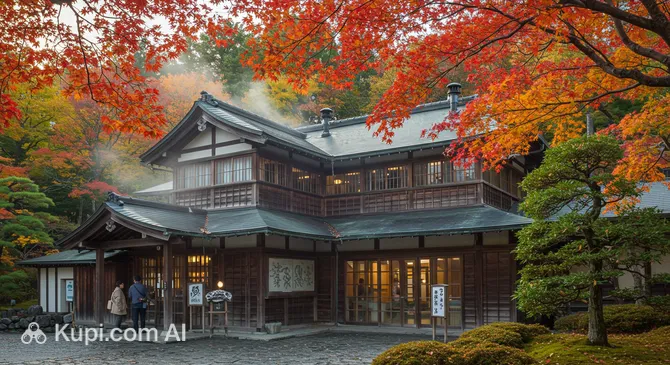
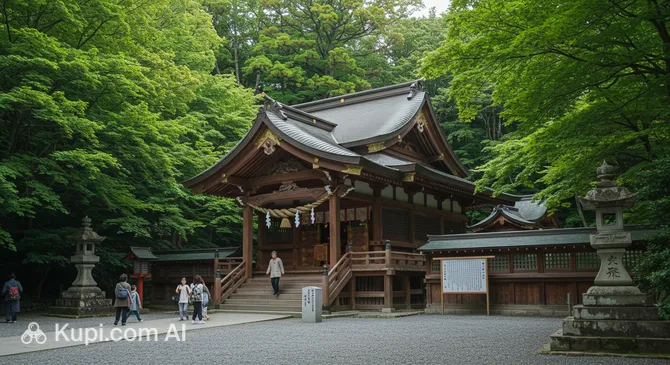
Travelers seeking a spiritual connection should head to Obihiro Shrine. This Shinto shrine is deeply integrated with the local nature, providing a serene atmosphere that feels worlds away from the city center. It is a popular "power spot" where locals go to pray for good fortune and peace. The shrine grounds are beautifully maintained, offering a tranquil environment for a reflective walk among the trees.

Obihiro Shrine. Source: Kupi.Binoculars

Families and animal lovers will enjoy a trip to Obihiro Zoo. Located within the lush surroundings of Midorigaoka Park, this facility is one of the oldest zoos in Hokkaido. It focuses on animals that are well-adapted to cold climates, allowing visitors to observe them in a comfortable environment. The zoo is designed to be accessible and educational, making it a perfect afternoon stop for visitors with children.

Art enthusiasts can explore the region's creative side at the Hokkaido Obihiro Museum of Art. Also situated in the verdant park area, the museum's architecture is inspired by the silos typical of the Tokachi plains. The collection primarily features works by artists associated with the region, as well as the Barbizon School, offering a unique cultural perspective that connects local heritage with broader artistic movements.

Local Cuisine

Obihiro is frequently referred to as the "Food Valley" of Hokkaido, a title it earns through its location in the fertile Tokachi plain. This region is Japan's primary producer of wheat, beans, sugar beets, and dairy, resulting in a culinary scene defined by exceptional freshness and high-quality local ingredients. For tourists, dining here is not just about the recipes but about enjoying the rich flavors of the land, from creamy milk to tender pork raised on nearby farms.

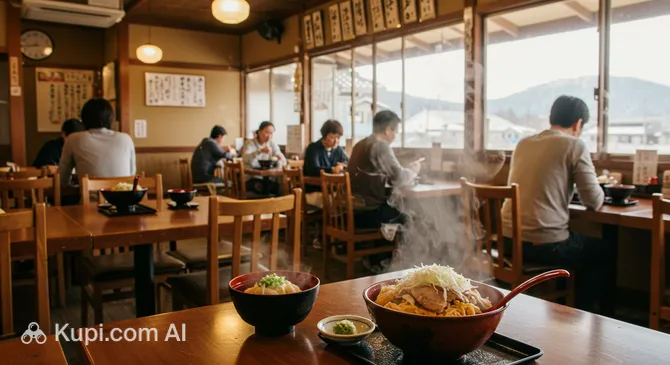
The undisputed soul food of the city is butadon, a hearty pork bowl that originated here. This dish consists of thick, succulent slices of pork loin that are grilled over charcoal and glazed with a savory-sweet soy sauce, then served over a bowl of steaming Hokkaido rice. It is simple yet incredibly satisfying, designed originally to give farmers energy. Visitors often flock to Butadon no Tonta, a renowned establishment where you can experience the authentic, smoky flavor that has made this dish a regional icon.

Butadon no Tonta. Source: Kupi.Binoculars

Beyond savory meals, Obihiro is famous as a "Kingdom of Sweets." The abundance of fresh milk, butter, and sugar beets has led to a high concentration of confectionery shops offering cakes, soft-serve ice cream, and chocolates at surprisingly affordable prices. A visit to the Rokkatei Main Shop is essential for any dessert lover. While famous nationwide, the local shop offers exclusive treats that highlight the richness of Tokachi dairy, making it a perfect spot for an afternoon break.

For a unique dining experience in the evening, travelers should explore the "Kita no Yatai" (North Food Stalls). This lively alleyway features roughly 20 small, independent food stalls serving everything from traditional yakitori and tempura to French and Chinese fusion cuisines using local ingredients. The intimate setting encourages interaction between locals and tourists, creating a warm and friendly atmosphere that defines the city's nightlife.

When it comes to drinks, the local dairy is so high in quality that a glass of fresh milk is considered a legitimate beverage to enjoy with meals or as a treat. For those seeking alcoholic options, the region produces excellent craft beers and Tokachi wine, which pairs beautifully with the local cheeses and meats. Whether you are enjoying a casual street food dinner or a refined sweet treat, the flavors of Obihiro are sure to be a highlight of your trip.

Travel Tips

Preparing for a trip to Obihiro is straightforward, but a few local insights will ensure your journey through the Tokachi region is smooth and enjoyable. Here are some practical tips to help you navigate the city like a pro and make the most of your visit.

  1. Clothing and Gear: The weather in Hokkaido varies drastically by season. If visiting in winter, heavy thermal clothing, gloves, and boots with non-slip soles are mandatory, as sidewalks often become icy. Summer is generally mild and pleasant, but temperatures can drop in the evenings, so packing a light jacket or cardigan is wise. Don't forget a universal power adapter for Type A outlets.
  2. Transportation: While there is a local bus network, the best way to explore Obihiro and the surrounding "Garden Path" is by renting a car. The city's grid layout and wide roads make driving much easier here than in other parts of Japan. If you rely on public transport, check schedules in advance, as buses may run infrequently in rural areas.
  3. Finances: The local currency is the Japanese Yen (JPY). While major hotels and department stores accept credit cards, cash is still king in smaller establishments, including the famous yatai food stalls and some local sweet shops. Ensure you withdraw enough cash from ATMs at convenience stores like 7-Eleven, which typically accept international cards. Tipping is not practiced and can cause confusion; excellent service is standard.
  4. Health and Safety: Obihiro is a very safe city with low crime rates. For minor health issues, drugstores (like Tsuruha Drug) are widely available, though few are open 24 hours. If you plan to drive into the countryside or hike, be aware of wildlife; Ezo deer often cross roads at dusk, and brown bears inhabit the mountains, so carry a bear bell if trekking.
  5. Communication: English is not widely spoken outside of the airport and major tourist centers. It is highly recommended to download a translation app and offline maps before you arrive. Renting a Pocket Wi-Fi or buying a data SIM card at the airport is essential for staying connected, as free public Wi-Fi can be spotty outdoors.
  6. Local Etiquette: Politeness is key. Always take off your shoes when entering traditional accommodations (ryokan), private homes, or certain temple areas. When visiting an onsen (hot spring), you must wash your body thoroughly before entering the bath, and swimsuits are generally not allowed.
  7. What to Avoid: Do not eat or drink while walking, as it is generally considered rude; instead, consume your snacks near the shop where you bought them. Also, avoid being loud on public transportation, as locals value a quiet atmosphere during their commute.
  8. Additional Tip: Take advantage of the "Obihiro Sweets Map" or coupon booklets often available at the tourist information center at the train station. Since the city is famous for its confectionery, these coupons allow you to sample treats from multiple famous shops at a discounted rate, making for a perfect self-guided dessert tour.

By keeping these practicalities in mind, you can focus on relaxing and enjoying the vast landscapes and delicious food that make Obihiro such a special destination. Safe travels and enjoy the warm hospitality of the Tokachi region!

Entertainment & Nightlife

Entertainment in Obihiro is defined by a blend of unique cultural spectacles and deep relaxation, reflecting the city's connection to the earth and its history. Unlike the frenetic energy of Japan's metropolises, the leisure activities here invite visitors to slow down, whether by soaking in rare thermal waters or cheering on a powerful test of equine strength.

The city is famous for its "Moor" hot springs, a botanical type of onsen containing organic plant matter that gives the water a golden-brown hue and natural moisturizing qualities. For a nostalgic and authentic experience, travelers can visit the Asahi-yu Public Bath. This local favorite is known for its retro atmosphere and the exceptional quality of its water, which is pumped directly from the source to the bath without recirculation, offering one of the freshest onsen experiences in the region.

Asahi-yu Public Bath. Source: Kupi.Binoculars

For a more expansive bathing experience, the Yayoi-no-Yu Natural Hot Spring is an excellent choice. This facility features a variety of indoor pools and spacious open-air baths, or rotenburo, where you can relax under the open sky. It is a popular spot for both locals and tourists looking to rejuvenate their muscles after a day of hiking or sightseeing in the Tokachi plains.

A trip to Obihiro would not be complete without witnessing Ban'ei Horse Racing, a sport unique to this area. Held at the local racecourse, this event involves large draft horses pulling heavy iron sleds over sand ramps. It is a slow, powerful, and suspenseful competition that celebrates the region's agricultural heritage. Even for those who do not gamble, the atmosphere is electric and provides a fascinating look into Hokkaido's pioneer culture.

When the sun sets, the downtown area offers a warm and welcoming nightlife scene. The streets are lined with cozy izakayas and bars where you can sample Tokachi wines and locally brewed sake. The social culture here is friendly and unpretentious, making it easy to strike up a conversation with residents while enjoying the vibrant evening ambiance of the city.

Parks & Museums

Obihiro is widely recognized as a "garden city," serving as the gateway to the famous Hokkaido Garden Path. The city seamlessly blends urban living with vast natural landscapes, offering visitors a chance to explore meticulously curated botanical gardens, expansive public parks, and cultural institutions that celebrate the region's artistic and agricultural heritage.

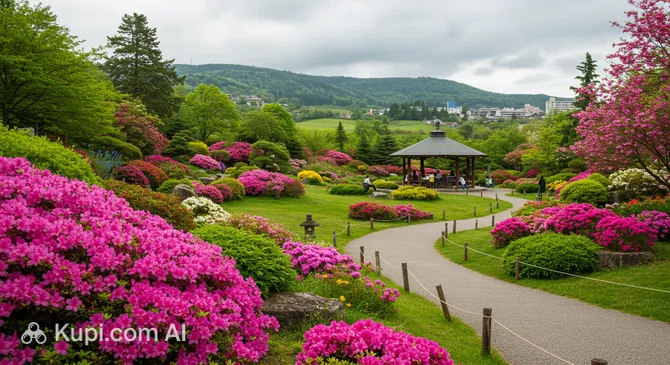
The crown jewel of the city's green spaces is Midorigaoka Park. Spanning an impressive 50 hectares in the center of the city, this park is not just a place for relaxation but a cultural hub. It features vast lawns where locals enjoy picnics, a wild forest area inhabited by Ezo squirrels, and a "Sculpture Path" lined with contemporary artworks. The park is renowned for its harmonious design, where cultivated flower beds meet the natural beauty of old-growth trees, making it a perfect spot for a leisurely afternoon stroll.

For those interested in horticulture, the city is home to several unique private gardens that are open to the public. Manabe Garden is particularly famous as Japan's first conifer garden, often described as a "fairy tale forest" due to its towering trees and enchanting pathways. Similarly, Shichiku Garden offers a vibrant explosion of seasonal flowers, designed by a beloved local grandmother to bloom continuously from spring to autumn, reflecting the wild beauty of the Tokachi plains.

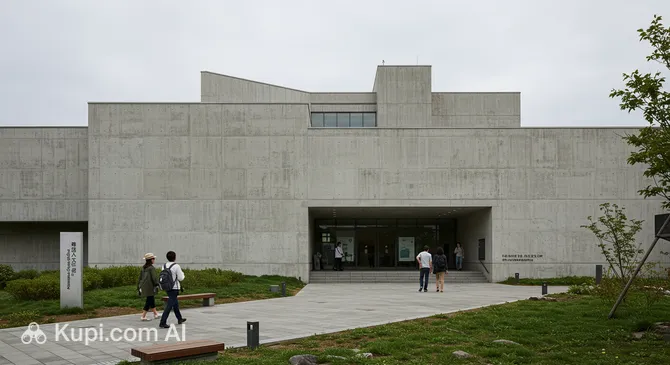
Within the verdant grounds of Midorigaoka Park, you will find the Hokkaido Obihiro Museum of Art. The building itself is an architectural landmark, featuring red brick tiles and a design reminiscent of the silos found on local farms. Inside, the museum focuses on print art and works by artists associated with the Tokachi region, as well as a notable collection of pieces from the Barbizon School, drawing a thematic parallel between the peasant life of 19th-century France and the agricultural history of Hokkaido.

Hokkaido Obihiro Museum of Art. Source: Kupi.Binoculars

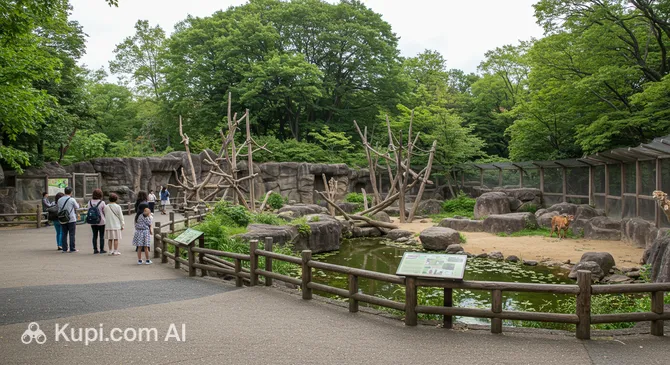
Another highlight located within the park complex is the Obihiro Zoo. While it serves as a recreational spot, it also acts as an educational facility that highlights the biodiversity of northern regions. It is one of the few zoos in the country where visitors can observe animals that are perfectly adapted to sub-zero temperatures, offering a unique perspective on wildlife during the snowy winter months.

Obihiro Zoo. Source: Kupi.Binoculars

For an authentic local experience, consider renting a bicycle to tour these sites. The flat terrain and wide roads connect the city's major parks and the riverside, allowing you to experience the "Green Park" atmosphere at your own pace while enjoying the fresh, clean air of the Tokachi region.

Getting Around

Public transport in Obihiro is reliable and straightforward, though it operates on a different scale compared to major metropolitan areas. The city does not have a subway or tram system; instead, it relies primarily on a network of buses and the JR train lines for intercity connections. For most visitors staying within the city limits or heading to nearby gardens, the local bus network, operated mainly by Tokachi Bus and Takushoku Bus, is the primary mode of transit. The central hub for all routes is the bus terminal located directly in front of JR Obihiro Station.

The bus system uses a rear-boarding method that is common in the region but may be unfamiliar to first-time visitors. When entering the bus through the back door, passengers must take a small numbered ticket from a dispenser. This number corresponds to a fare display at the front of the bus, which updates as the journey progresses. Upon reaching your destination, you match your ticket number to the screen to determine the fare, drop the exact amount of cash (coins and 1,000-yen bills can be exchanged in the machine) into the box next to the driver, and exit through the front door.

Regarding payment, while major nationwide IC cards (like Suica or Pasmo) are becoming more common across the region, they are not universally accepted on all local bus lines in the Tokachi area yet. Therefore, carrying cash is highly recommended. However, the "Visit Tokachi Pass" is an excellent alternative for tourists. Available for purchase at the Obihiro Station Bus Terminal information desk, this pass offers unlimited rides on local buses for one or two days and often includes discount coupons for popular tourist facilities, making it both convenient and cost-effective.

Because Obihiro is famous for its wide, grid-patterned streets and flat terrain, renting a bicycle is a popular and pleasant alternative to motorized transport. The "Obichari" rental service serves the city center, allowing visitors to easily pedal between parks and shops. For those planning to explore the famous "Garden Path" or more distant scenic spots, renting a car is arguably the most efficient option. The roads are spacious and less congested than in other parts of the country, offering a stress-free driving experience.

Taxis are readily available at the taxi stand outside the train station and can be hailed on major streets. They are a practical choice for short trips or when bus schedules—which can be infrequent in the evenings—do not align with your plans. Most taxis accept credit cards and are equipped with GPS navigation.

A unique and charming feature of Obihiro's transport landscape is the "Basha Bar" (Horse Cart Bar). While not a practical means of commuting, this horse-drawn carriage tours the city center at night. Passengers can enjoy local craft beer and snacks while being pulled by a powerful draft horse, a nod to the region's agricultural history and a memorable way to see the city lights at a leisurely pace.

Accommodation

Finding the perfect place to stay in Obihiro is relatively straightforward, as the city offers a range of accommodations that cater to both leisure travelers and those visiting for business. The options primarily consist of modern Western-style hotels, functional business hotels, and a few traditional inns. A unique feature of staying in this city is that many standard city hotels pump natural "Moor" hot spring water directly into their public baths or even private room tubs, allowing guests to enjoy a spa-like experience without leaving the downtown area.

The most convenient area for tourists to base themselves is the district immediately surrounding JR Obihiro Station. Staying here places you in the heart of the city, within easy walking distance of the bus terminal for day trips to the famous gardens. This central location also offers immediate access to the city's best dining spots, including the famous "Kita no Yatai" food stalls and numerous restaurants serving the local specialty, butadon. Unlike the sprawling districts of larger capitals, Obihiro's city center is compact and navigable, making the station area a strategic hub for all activities.

For travelers seeking a more luxurious or traditional resort experience, the renowned Tokachigawa Onsen area is located just a short drive or bus ride across the river from the city center. While technically in the neighboring town of Otofuke, it serves as the primary resort district for visitors to the region, offering large ryokans (traditional inns) with expansive outdoor baths and river views. However, for those who prefer to stay strictly within Obihiro city limits, the downtown hotels provide excellent value and comfort.

Booking Tip: While accommodation in Obihiro is generally easier to secure than in Sapporo, the city can fill up quickly during the peak summer season (July and August) when the flower gardens are in bloom, and during local festivals. It is highly recommended to book your room at least two to three months in advance if you plan to visit during these popular times.

The price range for accommodation is typically moderate and affordable. Budget travelers can find reasonably priced business hotels near the station that offer clean, compact rooms and complimentary breakfast. Mid-range options often include larger rooms and on-site hot spring facilities. Booking is easily done through major international online travel platforms, though some smaller, traditional guesthouses may prefer direct inquiries or payment in cash upon arrival.

Nearby Cities

For those looking to explore the surroundings, Obihiro serves as an excellent base for day trips to several interesting nearby locations:

Otofuke is located just north of Obihiro, essentially serving as a neighboring town across the river. It is most famous for Tokachigawa Onsen, a resort area known for its rare "Moor" hot springs, which are derived from plants and are gentle on the skin. Additionally, the town is a sweet-lover's delight, home to the Ryugetsu Sweetpia Garden, a grand confectionery factory and shop that draws visitors from all over the region.

To the east lies Kushiro, a port city celebrated for its incredible seafood, particularly the robatayaki style of charcoal grilling. It is the gateway to the vast Kushiro Shitsugen National Park, Japan's largest wetland, which offers stunning opportunities for nature observation, including the chance to see the iconic Japanese red-crowned cranes in their natural habitat.

Heading north, travelers can reach Asahikawa, the second-largest city in Hokkaido. It is globally renowned for the Asahiyama Zoo, which pioneered unique enclosures that allow animals to demonstrate their natural behaviors. The city is also a culinary hotspot, famous for its distinct soy-sauce based ramen, making it a rewarding destination for both families and foodies.

City Population Distance (km)
Asahikawa 331,392 116
Kushiro 165,699 97
Iwamizawa 79,361 120
Hidaka 54,728 104
Otofuke 44,049 8

These nearby destinations offer a glimpse into the diverse culture and landscapes of the region.

Shopping & Souvenirs

Shopping in Obihiro is a unique experience that differs significantly from the fashion-forward retail therapy of Tokyo or Osaka. As the center of the "Food Valley" of Hokkaido, the city's shopping scene is heavily focused on high-quality agricultural products, local craftsmanship, and, most notably, confectionery. While you will find standard goods, the real treasures here are edible, ranging from fresh dairy and cheese to some of Japan's most famous sweets.

The primary shopping district for tourists is concentrated around JR Obihiro Station and the immediate downtown area. The station itself serves as a convenient hub, housing a variety of souvenir shops that stock regional specialties. Just a short walk from the station, the downtown streets offer a mix of covered arcades and standalone boutiques, where visitors can enjoy a leisurely stroll while browsing for local goods without the overwhelming crowds of larger metropolises.

For a more comprehensive shopping experience, the ESTA Obihiro complex, located within the station building, is an excellent stop. It features a dedicated souvenir section where travelers can purchase famous Tokachi confectionery brands and local produce in one place. Additionally, AEON Obihiro stands as the city's major large-scale shopping mall. Situated a bit further from the station, it offers a wide range of fashion, electronics, and daily necessities, making it a practical destination for any travel essentials you might need.

One of the most interesting market-style experiences can be found at Tokachi Mura, located adjacent to the Obihiro Racecourse. This facility is a collection of shops and stalls that function as a marketplace for the region's farmers. Here, you can find fresh seasonal vegetables, locally processed meats, and artisanal cheeses. It is a vibrant spot where the connection between the region's agriculture and its retail culture is most visible.

Rokkatei Main Shop. Source: Kupi.Binoculars

When it comes to souvenirs, sweets are the undisputed king in Obihiro. A visit to the Rokkatei Main Shop is essential. As one of Hokkaido's most celebrated confectioneries, it offers iconic treats like the Marusei Butter Sand, along with shop-exclusive items that make for perfect gifts. Beyond sweets, bottles of Tokachi wine, vacuum-packed local cheese, and flasks of the savory sauce used for butadon (pork bowls) are highly recommended items to bring the flavors of Hokkaido home with you.

Most shops in Obihiro typically open around 10:00 AM and close between 7:00 PM and 8:00 PM, though some supermarkets and convenience stores operate longer hours. While major shopping centers, hotels, and famous establishments like Rokkatei accept credit cards and IC cards, smaller stalls at markets or local vendors may still prefer cash. It is always wise to carry some yen notes for smaller purchases.

Tax-free shopping is available for international tourists at major retailers, including AEON and larger souvenir shops, provided you spend over a certain amount (usually 5,000 JPY or 5,500 JPY including tax) on consumable or general goods. Be sure to have your passport with you to take advantage of this exemption at the service counters.

Reached the end of the page?

That means the route is fully explored