Support

Misawa

About

Welcome to Misawa, a captivating city located in Aomori Prefecture that offers a unique blend of traditional Japanese culture and international flair. Situated on the northeastern coast of Honshu, the main island of Japan, this vibrant community is known for its welcoming atmosphere and rich connections to the world of aviation. With a population of approximately 38,000 residents, Misawa provides a friendly, small-town environment where visitors can easily immerse themselves in the local lifestyle while enjoying modern conveniences.

The city's geography is defined by its stunning natural surroundings, bordered by the Pacific Ocean to the east and the expansive Lake Ogawara to the north. The climate here features four distinct seasons, ranging from comfortable, breezy summers ideal for outdoor exploration to snowy winters that transform the landscape into a picturesque white wonderland. The history of Misawa is deeply intertwined with the skies; it gained global fame in 1931 as the starting point for the first non-stop trans-Pacific flight by the aircraft "Miss Veedol," a legacy that is proudly celebrated to this day.
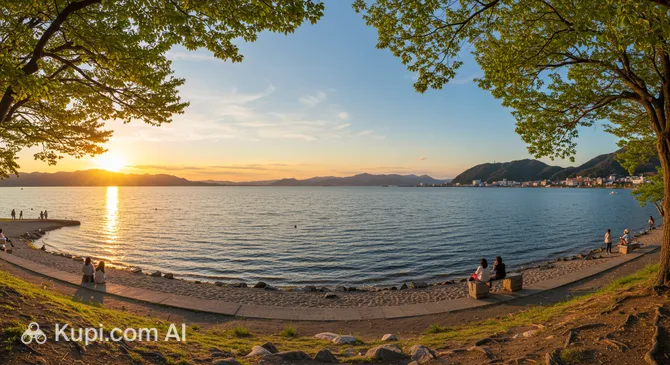
Misawa. Source: Kupi.Binoculars

For travelers, Misawa offers several must-visit attractions that highlight its unique character. The Misawa Aviation & Science Museum is a standout destination, featuring an impressive collection of aircraft and interactive exhibits that fascinate both children and aviation enthusiasts. Nature lovers will find tranquility at Lake Ogawara, one of Japan's largest lakes, which is famous for its abundant surf clams, excellent camping grounds, and opportunities for water sports like kayaking and fishing.

Whether you are eager to learn about aerospace history, taste fresh local seafood, or simply enjoy the scenic beauty of northern Japan, Misawa awaits with open arms. We invite you to discover the charm and hospitality of this dynamic city on your next adventure.

Weather Overview

Misawa features a climate characterized by distinct seasonal changes, offering travelers different experiences throughout the year. Winters are generally cold, with average temperatures in January dropping to around -1.6°C and minimums reaching -4.2°C. This season sees a high frequency of precipitation, with December recording up to 21 wet days, often transforming the city into a snowy winter landscape.

As the region transitions into spring, temperatures gradually rise, reaching a comfortable average of 14.3°C by May. Summers are pleasant and warm rather than intensely hot; August is typically the warmest month, boasting an average temperature of 23.7°C and highs around 26.4°C. However, visitors should be prepared for rain during this period, as August also averages about 20 wet days. Autumn brings crisp, cooler air, with temperatures dipping from 20.2°C in September to 7.7°C by November.

Overall, you can expect warm summers with occasional rain and cold, damp winters. For a more comprehensive breakdown of the forecast and climate trends, you can visit our guide to the weather in Misawa to help plan your trip effectively.

Interesting Facts

Beyond the main attractions, Misawa holds many fascinating secrets that highlight its role as a bridge between cultures and history. Here are a few unique aspects of the city that often surprise visitors.

  • The Case of the Missing Wheels: While many know Misawa as the starting point for the first non-stop trans-Pacific flight in 1931, few realize the extreme measures the pilots took. To ensure the Miss Veedol had enough fuel range to reach North America, Clyde Pangborn and Hugh Herndon deliberately jettisoned their landing gear into the sea shortly after takeoff from Sabishiro Beach, forcing them to perform a daring belly landing upon arrival.

  • A Cross-Cultural Hub: Thanks to the presence of the Misawa Air Base, the city is often described as one of the most Americanized towns in Japan. This unique friendship is celebrated during the annual "Misawa American Day," a massive festival featuring American parades, authentic food stalls, and a Harley-Davidson motorcycle run that creates an atmosphere unlike anywhere else in the country.

  • Strictly Certified Seafood: Misawa is a top producer of surf clams, known as hokki, but the local specialty dish, "Misawa Hokki-don," is not just any seafood bowl. To serve this official dish, restaurants must adhere to rigorous standards, including using live clams caught specifically in Misawa waters and presenting the meal in a designated artisanal bowl to ensure authenticity.

How to Get There

Reaching this northern Japanese city is relatively convenient thanks to its well-connected transport infrastructure. Whether you prefer flying directly into the area or taking a scenic train ride through the Tohoku region, there are several viable options for travelers. To plan your journey in detail and explore all available routes, you can read more about how to get to Misawa.

The most direct way to arrive is via Misawa (IATA: MSJ), which is located within the city itself. This regional transport hub sits just 2.2 km from the city center, making the commute incredibly short. A taxi or bus ride from the terminal to downtown typically takes around 25 minutes. Although it is a smaller facility with annual passenger traffic of roughly 600,000 people, it offers essential connections, primarily to Tokyo, ensuring easy access for domestic travelers.

Another option is to fly into Aomori Airport (IATA: AOJ), situated in the city of Aomori. While this airport handles more passengers—over 1.2 million annually—it is located approximately 57.6 km away from Misawa. Travelers choosing this route should expect a transfer time of about 1 hour and 50 minutes by road to reach their final destination. It serves as a good alternative if flights to the local airport are fully booked or if you plan to explore the wider prefecture before heading to the coast.

For clarity, here is a summary of the main airports in the region:

Airport Name City Passenger Traffic Km from City
Hakodate Airport Hakodate Large 129.1
Aomori Airport Aomori Medium 57.6
Hanamaki Airport Morioka Small 140.7
Misawa Misawa Small 2.2
Odate Noshiro Airport Kitaakita Small 100.7

Traveling by rail is also a popular and efficient way to reach the area. While Misawa is not a stop on the Shinkansen (bullet train) line, it is well-served by the Aoimori Railway. Most visitors take the Tohoku Shinkansen to the nearby Hachinohe Station, a major transit hub. From Hachinohe, you can easily transfer to a local train that will take you directly to Misawa Station in about 20 minutes. This combination of high-speed travel and local rail offers a comfortable and scenic journey through northern Japan.

Main Attractions

Misawa is a city where the sky and the sea meet, offering a distinct lineup of attractions that celebrate its pioneering aviation history and abundant natural resources. Visitors can explore world-class museums, relax by scenic lakes, or immerse themselves in local festivals and hot spring culture throughout the year.

One of the most prominent landmarks is the Misawa Aviation & Science Museum. Celebrating the city's identity as a hub for aerospace innovation, this facility houses an extensive collection of real aircraft, both indoor and outdoor. Exhibits range from historical planes to modern jets, and there are plenty of interactive science displays designed to inspire curiosity in visitors of all ages. It serves as a tribute to the region's contribution to flight, particularly the record-breaking journey of the Miss Veedol.

Nature enthusiasts should not miss a trip to Lake Ogawara, a vast brackish lake that offers stunning scenery and a wealth of outdoor activities. Known locally for its rich harvest of surf clams and icefish, the lake is a popular spot for fishing, camping, and kayaking. In the summer, the lakeside beaches come alive with families enjoying the water, while the winter months offer a serene, snowy landscape perfect for photography and quiet reflection.

For a deep dive into history, Sabishiro Beach holds a special place in the narrative of global aviation. This was the launch site for the first non-stop trans-Pacific flight to the United States in 1931. Today, the area features the Miss Veedol Memorial Park, where you can see a full-scale model of the famous red monoplane and stand at the very spot where the daring pilots began their journey. It is a poignant location that connects this small Japanese city to the wider world.

Finally, travelers seeking relaxation and culture often visit Aomoriya, a renowned hot spring resort that captures the spirit of the region. Even if you are not staying overnight, the facility is famous for its "Ukiyu," an open-air bath that appears to float on a pond, surrounded by beautiful gardens that change with the seasons. The resort also showcases local traditions, including vibrant Nebuta festival decorations and folk music performances, providing a concentrated taste of regional culture.

Local Cuisine

The culinary scene in Misawa is a fascinating reflection of its unique identity, blending the bountiful seafood of northern Japan with a distinct American influence. Situated between the Pacific Ocean and Lake Ogawara, the city has access to incredibly fresh ingredients, while its long-standing relationship with the U.S. air base has introduced hearty Western flavors to the local palate. This combination creates a dining environment where you can enjoy delicate sashimi one night and an authentic American-style burger the next.

The undisputed star of the local menu is the Misawa Hokki-don. This signature rice bowl features the city's famous surf clams (hokki), which are prized for their meaty texture and subtle sweetness. To be officially recognized as a Misawa Hokki-don, restaurants must adhere to strict rules: the clams must be caught locally, they must be blanched rather than eaten raw to enhance their color and sweetness, and the dish must be served in a specific type of artisanal bowl. It is a seasonal delicacy, typically available from winter through early spring, and is a must-try for any seafood lover.

For a taste of the city's cross-cultural history, look for the Misawa Air Force Burger. Inspired by the American community living in the area, these burgers are known for their generous sizes, juicy patties, and creative toppings that often fuse local ingredients with classic American BBQ styles. Another beloved "soul food" in the area is the Cheese Roll. Originally a favorite in local school lunches, this simple yet addictive snack consists of cheese wrapped in a dumpling skin and deep-fried to crispy perfection, often available at supermarkets and casual eateries.

Beyond the main courses, Misawa is a major agricultural hub, particularly famous for its high-quality burdock root (gobou). You will find this earthy vegetable featured in everything from tempura and salads to distinctively fragrant teas (gobou-cha). When it comes to beverages, the region offers excellent options. As part of Aomori Prefecture, the city serves plenty of premium apple juice and cider. For adult beverages, local izakayas (Japanese pubs) stock a wide range of Aomori sake, known for its crisp, dry profile that pairs perfectly with seafood.

The dining atmosphere in Misawa is split between traditional Japanese charm and vibrant international nightlife. For fresh seafood and local produce, visitors often head to the city's markets or family-run restaurants near the port. In contrast, the area near the base, particularly Gate 2 Street, offers a lively collection of bars, clubs, and diners that feel like a slice of America in Japan. Here, tourists can mingle with locals and expatriates alike, enjoying craft beers and international cuisine in a friendly, energetic setting.

Travel Tips

Planning a trip to Misawa is an exciting prospect, as this unique city offers a blend of authentic Japanese culture and international influence that you won't find anywhere else in Aomori. To help you navigate the local customs, weather, and logistics with ease, we have compiled a set of essential practical tips for your journey.

  1. Clothing and Gear: Since Misawa experiences four distinct seasons, packing smart is crucial. If you visit in winter (December to March), bring heavy coats, thermal layers, and non-slip waterproof boots, as the city sees significant snowfall and icy sidewalks. Summers are generally mild and comfortable, but a light rain jacket is recommended for the rainy season in June and July. Regardless of the season, pack slip-on shoes, as you will frequently need to remove them when entering traditional inns, temples, or some restaurants.
  2. Transportation: While there is a local bus network and the Aoimori Railway for intercity travel, renting a car is highly recommended for exploring Misawa and the surrounding Aomori Prefecture. Many of the best scenic spots, such as Lake Ogawara and the aviation museum, are spread out and easier to reach by vehicle. Taxis are available, especially near the station, but can be expensive for long distances.
  3. Finances: The official currency is the Japanese Yen (JPY). While credit cards are increasingly accepted at hotels and larger establishments, cash is still king in smaller shops, local restaurants, and for public transport. International ATMs are readily available at convenience stores like 7-Eleven and Lawson, which are open 24/7. Tipping is not practiced in Japan; excellent service is standard, and leaving extra money can cause confusion.
  4. Health and Safety: Misawa is an incredibly safe city for tourists, with very low crime rates. Pharmacies and drugstores (often marked with the character 薬) are easy to find for basic supplies. If you are visiting in winter, take extra precautions when walking, as paths can be extremely slippery; locals often buy attachable shoe spikes from convenience stores for better grip.
  5. Communication: The primary language is Japanese, but English is more widely understood here than in many other rural Japanese towns due to the presence of the U.S. air base. You will find many English signs and menus, particularly near the city center. However, downloading a translation app and learning a few basic phrases like Arigato (Thank you) and Sumimasen (Excuse me) is always appreciated.
  6. Local Etiquette: Politeness is key in Japanese culture. A slight bow is the standard greeting rather than a handshake. Be mindful of noise levels; talking loudly on public transport is considered rude. When entering a room with tatami (straw mats), you must take off even your slippers and walk in socks or bare feet to avoid damaging the delicate flooring.
  7. What to Avoid: Never stick your chopsticks vertically into a bowl of rice, as this resembles a funeral ritual and is considered bad luck. Additionally, avoid eating or drinking while walking down the street, which is generally seen as unmannerly; it is better to stop near a vending machine or designated area to finish your snack.
  8. Additional Tip: For a unique evening experience, head to Gate 2 Street (near the base entrance). This area offers a fascinating "American village" vibe with international bars and eateries that cater to a diverse crowd, providing a lively contrast to the quiet, traditional atmosphere found elsewhere in the prefecture.

By keeping these practical tips in mind, you will be well-prepared to enjoy everything Misawa has to offer, from its snowy landscapes to its warm hospitality. Have a safe and memorable trip to this distinctive corner of Northern Japan!

Entertainment & Nightlife

Nightlife in Misawa offers a unique experience that sets it apart from typical Japanese cities, largely due to the influence of the nearby air base. The evening entertainment scene is a vibrant fusion of American bar culture and traditional Japanese hospitality, creating an atmosphere where international visitors feel instantly at home. The action is concentrated and easy to navigate, making it perfect for travelers looking to unwind after a day of sightseeing without the need for extensive travel planning.

The undisputed heart of the city's nightlife is Gate 2 Street, located just outside the main entrance to the Misawa Air Base. As the sun sets, this area transforms into a bustling neon-lit district often referred to as "American Village." Here, you will find a dense collection of bars, nightclubs, and restaurants that cater to a diverse crowd of locals, expats, and tourists. The vibe is casual and energetic, with many venues playing Western music and staff who are often fluent in English. It is common to see menus in both languages and, in some establishments, payments accepted in US dollars alongside Japanese yen.

For those seeking specific spots to enjoy the evening, Live Bar Moon River is a popular venue known for its live music performances, ranging from rock to blues, fostering a lively and interactive environment. Another favorite among the late-night crowd is Nitrous, a club that offers a more energetic setting with DJ sets and a dance floor, perfect for those looking to party until the early hours. If you prefer a more relaxed pace, the district is dotted with numerous izakayas (Japanese pubs) where you can enjoy local sake and grilled skewers in a cozy, authentic setting.

When planning a night out, it is best to arrive around 9:00 PM when the streets begin to fill up. Most bars stay open late, often until 2:00 AM or 3:00 AM on weekends. The dress code is generally casual; jeans and a t-shirt are perfectly acceptable in almost all venues. Prices are reasonable, with drinks typically costing between 500 and 800 yen. While the area is very walkable, if you need to travel further, taxis are readily available near the main intersections. Misawa is incredibly safe for night walks, but standard precautions should always be taken.

While the nightlife is a major draw, Misawa also offers engaging daytime entertainment. Before the bars open, visitors can explore the Misawa Aviation & Science Museum to learn about the region's aerospace history or visit Sky Plaza Misawa, a shopping center that reflects the city's international character with imported goods and local souvenirs. These attractions provide a perfect cultural balance to the high-energy excitement of the evening.

Parks & Museums

Misawa offers a compelling mix of expansive green spaces and cultural institutions that celebrate both its rich aviation heritage and its unique artistic legacy. From scenic urban parks perfect for relaxation to world-class museums dedicated to science and literature, the city provides diverse opportunities for exploration and discovery.

Misawa Central Park is the city's premier outdoor gathering spot, located conveniently in the heart of town. This spacious park is a favorite among locals, particularly in spring when hundreds of cherry trees bloom, transforming the area into a canopy of pink blossoms. It features wide lawns, walking paths, and a playground for children, making it an ideal location for a family picnic. A notable highlight within the grounds is a preserved steam locomotive, which adds a touch of nostalgia and serves as a popular photo spot for visitors.

For those interested in the intersection of history and nature, Miss Veedol Memorial Park is a must-visit destination situated near Sabishiro Beach. This coastal park commemorates the starting point of the first non-stop trans-Pacific flight. Aside from its historical significance, the park offers sweeping views of the Pacific Ocean and features a full-scale replica of the famous red monoplane. It is a serene place to walk along the coast, enjoy the sea breeze, and reflect on the daring spirit of early aviators.

The city's cultural landscape is anchored by the Misawa Aviation & Science Museum, one of the largest aviation museums in Japan. The facility is dedicated to the history of flight and aerospace technology, housing an impressive array of real aircraft, including historic military jets and civilian planes. The museum is highly interactive, featuring flight simulators and science exhibits that explain the principles of aerodynamics, ensuring an engaging experience for both aviation buffs and curious children.

On the artistic side, the Shuji Terayama Museum offers a fascinating glimpse into the mind of one of Japan's most avant-garde poets and playwrights, who had close ties to Misawa. The building itself is an architectural marvel, designed to reflect Terayama's surreal and theatrical style. Inside, visitors can explore exhibits that showcase his literary works, films, and stage productions through innovative displays that challenge conventional museum formats. It is a captivating venue for anyone interested in modern Japanese culture and the arts.

To understand the region's pioneer roots, travelers should visit the Tonami Clan Memorial Tourist Village. This historical site recreates the settlement established by former samurai of the Aizu clan who were exiled to this northern region in the late 19th century. The village features restored thatched-roof houses and exhibits that tell the story of their struggle and resilience in developing the harsh land. It provides a quiet, atmospheric walk through history, offering a stark contrast to the modern city.

For a truly authentic experience, take a stroll along the "Literature Monument Path" near the Shuji Terayama Museum. This wooded trail is lined with stone monuments inscribed with haiku and poems from local writers, offering a peaceful and contemplative atmosphere that feels worlds away from the busy city center.

Getting Around

Public transport in Misawa is reliable but operates on a smaller scale compared to Japan's major metropolitan areas. The system primarily relies on the Aoimori Railway for regional travel and a network of local buses for movement within the city. While the downtown area is relatively compact and walkable, reaching the outskirts, the airport, or specific tourist attractions often requires using these services or alternative means of transport.

The main rail hub is Misawa Station, served by the Aoimori Railway Line. This line connects the city to major transit points like Hachinohe and Aomori City. It is important to note that this is a "third-sector" railway, meaning it is not directly operated by the national JR network, although some regional passes may cover it. Trains run regularly throughout the day, making it an efficient way to enter or leave the city, but they do not function as a metro system for short hops within the downtown area.

For getting around the city streets, the local bus network is the primary option. Standard routes are largely operated by Towada Kanko Bus (Toutetsu), connecting key locations such as Misawa Station, the City Hall area, and Misawa Airport. Additionally, the city operates the Mi-Bus (Misawa City Community Bus), which offers circular routes through residential and commercial districts. This is a paid service with a flat fare of typically 150 yen, offering a budget-friendly way to navigate the center. On weekends and holidays, tourists can also utilize the Misawa Gurutto Bus, a free loop bus that specifically connects major sightseeing spots like the Aviation & Science Museum.

The payment system varies depending on the mode of transport. For the Aoimori Railway, you can purchase paper tickets at vending machines using cash, and the line has recently begun accepting major IC cards (like Suica or Pasmo) at Misawa Station for tap-and-go convenience. However, for local buses, cash is still the standard. When boarding a bus, you usually enter through the rear door and take a small numbered ticket (seiriken) from a machine. A display at the front will show the fare corresponding to your number, and you pay the exact change into the fare box next to the driver upon exiting.

Tourists should be aware that bus frequencies can be low, with some routes operating only once an hour or less frequently on weekends. It is highly recommended to check timetables in advance; while apps like Google Maps are generally accurate, having a photo of the schedule from the bus stop is a good backup. Service typically winds down in the early evening, so if you are planning a night out, you should not rely on buses to get back to your accommodation.

Given the spread-out nature of attractions like Lake Ogawara and the coastal parks, many visitors find that renting a car is the most practical solution. Rental agencies are available near the train station and the airport. Alternatively, taxis are plentiful and can be found waiting at Misawa Station and the airport, or hailed via phone. They are a convenient, albeit more expensive, option for reaching destinations that are off the main bus routes.

Accommodation

Finding a place to stay in Misawa is relatively straightforward, with options that cater to a mix of business travelers, military families, and leisure tourists. The city offers a range of accommodation styles, primarily focusing on functional Western-style business hotels and traditional Japanese inns. While you won't find an abundance of ultra-luxury international chains, there are unique resorts and comfortable mid-range properties that provide excellent hospitality and local charm.

For most visitors, the most convenient area to base yourself is near Misawa Station. Staying here ensures easy access to the Aoimori Railway for day trips and offers a quiet environment. Alternatively, the area surrounding Gate 2 Street and the city center is ideal if you want to be within walking distance of the vibrant nightlife, American-style diners, and local izakayas. This district is particularly lively and offers a more "urban" feel compared to the quieter outskirts.

One of the standout accommodations in the region is Aomoriya. This renowned hot spring resort is more than just a place to sleep; it is a cultural destination in itself, featuring open-air baths, park-like grounds, and nightly festivals that showcase Aomori's traditions. For travelers seeking reliable and standard amenities, business hotels such as Hotel Route-Inn Misawa are popular choices. These establishments typically offer clean, compact rooms and are well-suited for those who plan to spend most of their day exploring the city.

In terms of pricing, Misawa is generally affordable, with most business hotels falling into the budget to mid-range category. Booking can be easily done through major online travel platforms. However, a key travel tip is to book as far in advance as possible if your trip coincides with the annual Misawa Air Festival or American Day. During these major events, the city sees a massive influx of visitors, and rooms can sell out months beforehand.

Nearby Cities

For those looking to explore the surroundings, Misawa serves as an excellent base for day trips to several interesting nearby locations. The region is rich in history, natural beauty, and culinary delights, making it easy to experience the diversity of Aomori Prefecture within a short drive or train ride.

Just a short distance away lies Hachinohe, a vibrant port city famous for its bustling morning markets and rugged coastline. It is a paradise for seafood lovers, offering some of the freshest catches in the region at the Hasshoku Center, and nature enthusiasts will appreciate the scenic hiking trails along the Tanesashi Coast. Further inland, Aomori stands as the prefectural capital, renowned for its spectacular Nebuta Festival. Visitors can explore the Nebuta Museum Wa Rasse to see the massive, illuminated festival floats year-round or visit the Sannai-Maruyama site to learn about ancient Jomon history. For a touch of feudal tradition, Hirosaki offers a beautifully preserved castle park and a charming atmosphere filled with historical samurai residences and western-style architecture from the Meiji era.

City Population Distance (km)
Aomori 425,962 55
Hirosaki 335,203 77
Hachinohe 222,799 22
Towada 60,063 16
Mutsu 53,393 69

These nearby destinations offer a glimpse into the diverse culture and landscapes of the region, providing ample opportunities for memorable excursions.

Shopping & Souvenirs

Shopping in Misawa offers a distinctive experience that reflects the city's dual identity as a traditional Japanese town and an international community. Visitors can explore a unique blend of retail environments, ranging from local markets brimming with fresh Aomori seafood to American-style shops stocking imported goods. Whether you are looking for authentic regional crafts or aviation-themed memorabilia, the city provides a diverse array of options that you won't find elsewhere in the prefecture.

The most famous shopping district is undoubtedly Gate 2 Street, located immediately outside the main entrance of the Misawa Air Base. This area, often referred to as "American Village," is lined with eclectic shops that cater to both the local Japanese population and the American community. Here, tourists can browse through stores selling vintage clothing, military surplus items, and unique accessories. The atmosphere is vibrant and distinctly international, making it a fascinating place to walk around and window shop.

For a more concentrated shopping experience, Sky Plaza Misawa is the city's central commercial hub. Situated right in the heart of the downtown area near Gate 2, this complex is a favorite among locals and tourists alike. It features a large selection of imported American groceries, household goods, and toys, creating a supermarket experience that feels like a slice of the United States. Additionally, the plaza houses sections dedicated to local Aomori souvenirs, making it a convenient one-stop destination for gifts.

Travelers interested in fresh local produce should visit the Misawa Fishing Port area or look for local morning markets. As a coastal city, Misawa is renowned for its seafood, particularly surf clams (hokki). While you might not be able to take fresh seafood home internationally, these markets often sell processed marine products and dried snacks that make excellent gifts. The markets also feature seasonal vegetables, including the city's high-quality burdock root.

When it comes to souvenirs, Misawa has several specialties worth buying. Burdock tea (Gobou-cha) is a popular local health product with a distinct, earthy flavor. Processed Hokki clam products, such as retort curries or vacuum-packed snacks, are also widely available. Due to the city's aviation history, Air Base memorabilia—such as embroidered patches, challenge coins, and T-shirts—are unique keepsakes that capture the spirit of Misawa. Don't forget to look for Aomori apple snacks, which are a staple of the wider region.

Opening hours for most shops are typically from 10:00 AM to 8:00 PM, though smaller independent boutiques on Gate 2 Street may have irregular hours or open later in the day. In terms of payment, cash is still the most reliable method, especially in smaller stores and markets. However, due to the significant American presence, many shops in the central district and Sky Plaza accept US dollars in addition to Japanese Yen. Credit cards are widely accepted at larger establishments and convenience stores.

Tax-free shopping is available at designated stores, including Sky Plaza Misawa and major drugstores, for foreign tourists who spend over a certain amount (usually 5,000 yen or more). Be sure to carry your passport with you, as it is required to process the tax refund at the counter.

Reached the end of the page?

That means the route is fully explored