Support

Aomori Airport

About the Airport

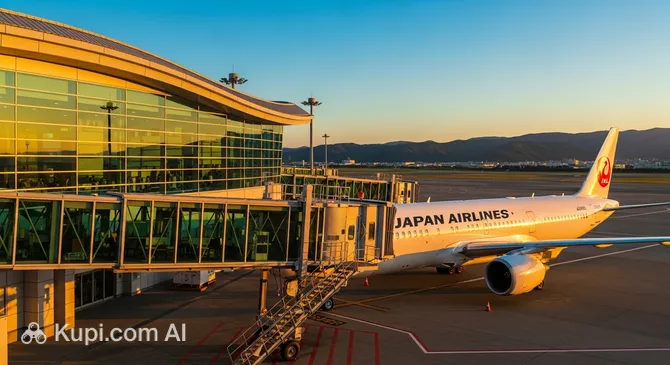
Aomori Airport. Source: Kupi.com Binoculars

Aomori Airport is more than just a transport hub; it is the true northern gateway to Japan's main island of Honshu, where the struggle against the elements has been turned into an art form. This airport is famous worldwide for its legendary "White Impulse" snow removal team, which ensures the runway operates smoothly even during the harshest blizzards, turning snow clearing into a spectacular sight. Inside the terminal, travelers are greeted by a cozy atmosphere featuring elements of local culture, including vibrant decorations in the style of the famous Nebuta Festival, allowing you to feel the spirit of the region immediately upon landing.

IATA Code AOJ
ICAO Code RJSA
City Aomori
Distance to center ~12 km
Status International / Domestic
Annual Passengers Approx. 1.2 million
Schedule Seasonal schedule

Features and Advantages of the Airport:

Legendary Snow Management. Aomori is considered one of the snowiest airports in the world. The local "White Impulse" team uses a fleet of specialized vehicles to clear the runway in a matter of minutes. Their coordinated work has become so popular that tourists sometimes visit specifically to watch this process.

Gastronomic Experience. In the terminal, you can try unique regional dishes without going into the city. Be sure to taste the famous Miso Curry Milk Ramen — a hearty and warming dish that has become a hallmark of Aomori. There is also a wide selection of desserts made from local apples, for which the prefecture is famous.

Convenience and Navigation. Thanks to its compact size, the airport is intuitive and convenient for passengers. After the 2019 renovation, the terminal became even more comfortable, offering modern waiting areas and duty-free shops. Transport connections to the city center (about 35 minutes by bus) and the resort areas of the Hakkoda Mountains are organized with maximum efficiency.

Contact Information

For the most up-to-date information on flights, services, and airport regulations, we recommend contacting official channels. Below are the main contact details for Aomori Airport.

  • Official Website: www.aomori-airport.co.jp
  • Information Desk Phone: +81 17-739-2000 (international calling rates may apply).
  • Airport Address: 1-1-5 Kotani, Aomori-shi, Aomori 030-0155, Japan.
  • Email: The airport does not provide a public email address for general inquiries. It is recommended to use the feedback form on the official website or call by phone.
  • Social Media: Official social media pages are not maintained for immediate passenger communication. It is best to verify all information on the website.
  • Lost Luggage Information: For issues related to lost or damaged luggage, please contact your airline's representative directly.
  • Passenger Support Contacts: For general questions and passenger support, please use the main airport information desk phone number.

How to Get to the Airport

Getting to Aomori Airport from the city center is straightforward — the transport system offers several convenient options for travelers with different budgets and preferences. The airport is located approximately 30-40 minutes by road from the center of Aomori, making it easily accessible.

Public Transport: Bus
The most popular and economical way to get to the airport is to use the scheduled bus service operated by JR Bus Tohoku. Buses depart regularly from Aomori Station and go directly to the terminal. The trip takes approximately 35–40 minutes, and the ticket cost is about 860 Yen. This is an excellent choice for solo travelers and those looking to save money. It is important to note that there are no direct trains or metro lines to the airport, so the bus is the main mode of public transport.

Taxi and Private Transfer
For maximum comfort, especially if you are traveling with family, children, or a large amount of luggage, you can order a taxi. A taxi ride from the city center to the airport will take about 30 minutes. This option is significantly more expensive than the bus — the estimated cost will be from 5,000 to 7,000 Yen, but it provides door-to-door service. You can also book a private transfer in advance, which guarantees a car at your desired time and a fixed trip cost.

Car Rental and Parking
If you plan to actively explore Aomori Prefecture and other picturesque corners of Japan, renting a car is an ideal solution. You can rent a car both in the city and directly at the airport upon arrival. For those arriving in their own or rented vehicle, the airport grounds feature convenient parking, where you can leave your car for a short or long term.

Terminals and Map

Aomori Airport (AOJ) is a modern and compact aviation hub that serves both domestic and select international flights. Its main feature is the presence of a single passenger terminal, which makes navigation intuitive and convenient even for first-time visitors.

The terminal layout is simple and logical. The building consists of three floors, each performing a specific function:

  • First Floor — This is the arrival and check-in zone. Here you will find airline check-in counters, the baggage claim area, customs control for international flights, an information desk, as well as car rental offices and bus ticket counters.
  • Second Floor — The departure zone. After ascending here post-check-in, passengers undergo pre-flight security screening. This floor also houses the boarding gates, duty-free shops, souvenir shops where you can buy the famous Aomori apples, and several restaurants.
  • Third Floor — This is primarily an observation deck, offering a beautiful view of the runway and the surrounding landscapes. There are also a few cafes located here.

Since there is only one terminal at the airport, transfers between different zones are not required, which significantly saves time. Departure and arrival zones are clearly separated by floors, eliminating confusion. Signs are provided in Japanese and English, facilitating orientation for international tourists.

Completing all procedures at Aomori Airport usually takes little time thanks to its compactness and the efficiency of the staff. For domestic flights, it is recommended to arrive 1-1.5 hours before departure, and for international flights — 2-2.5 hours. This time is generally sufficient for calm registration, baggage drop, and passing security checks. For navigation, simply follow the signs: up the escalator or elevator for departures, and straight to the exit after collecting baggage upon arrival.

Airport History

The history of Aomori Airport (AOJ) is a tale of constant development and overcoming harsh weather conditions. The first airport in this region of Japan was opened in 1964 with a runway 1,200 meters long. However, this was insufficient to meet modern aviation requirements. A key moment in history was the opening of the new airport at its current location in 1987. The new site received a longer runway of 2,000 meters, allowing it to accommodate jet aircraft and significantly expand its flight geography.

From that moment, a period of active growth began. In 1995, Aomori Airport received international status, opening regular flights to Seoul and Khabarovsk. To accommodate growing passenger traffic and accept larger aircraft, the runway was extended multiple times: first to 2,500 meters in 1998, and then to 3,000 meters in 2005. These upgrades allowed the airport to become a vital transport hub for the northern part of Honshu island.

The most recent significant stage of modernization was the opening of the new international terminal building in 2019, which further increased comfort for passengers and the airport's capacity. This update confirmed Aomori's commitment to remaining a modern and convenient air gateway for the region.

One of the most interesting facts and a subject of special pride for the airport is its unique ability to operate during heavy snowfalls, as Aomori is considered one of the snowiest cities in the world. The legendary snow removal team known as "White Impulse" operates here. Thanks to their highest level of professionalism and refined techniques, the airport has one of the best on-time performance records in the world and almost never closes due to snow. The work of this team is a true spectacle and a shining example of Japanese efficiency and dedication.

Services and Amenities

Aomori Airport (AOJ) offers passengers all necessary services for a comfortable wait before their flight. In the terminal, you will find several restaurants and cafes where you can try local cuisine, including the famous Aomori apples, as well as enjoy a cup of coffee. For shopping enthusiasts, there are souvenir shops with regional goods and duty-free shops offering a wide range of perfumes, beverages, and tobacco products.

Comfortable waiting halls are provided for relaxation before departure. Passengers seeking greater comfort can use the paid lounge services. Free Wi-Fi is available throughout the terminal, and numerous charging stations for gadgets will allow you to stay connected at all times.

ATMs and currency exchange counters function within the airport. In case of need, there is a medical station in the terminal building where first aid can be provided. For travelers with small children, nursing rooms are equipped with everything necessary for baby care.

The airport is fully adapted for passengers with reduced mobility: ramps, elevators, and specially equipped restrooms are available. Airport staff are always ready to provide necessary assistance during boarding and disembarking. Conference rooms and business services are available for business travelers.

Although there are no hotels directly on the airport grounds, the city of Aomori itself, which can be easily reached by bus or taxi, offers a multitude of accommodation options to suit any taste and budget.

Where to Eat

Aomori Airport (AOJ), despite its compact size, offers passengers a decent selection of establishments to grab a snack before departure or have a full lunch. It is important to note that most restaurants and cafes are located in the public area (landside), before security control. Therefore, if you wish to enjoy local cuisine, it is best to do so before heading to the departure gate.

For those with time for a leisurely lunch, restaurants with a panoramic view of the runway operate on the third floor of the terminal. Here you can try the main gastronomic hits of Aomori Prefecture. Pay attention to dishes made from local scallops (hotate), sashimi sets with the freshest seafood, and dishes featuring "Shamrock" chicken. The price range for a main course here is average, usually between 1,500 and 2,500 Yen. These restaurants are an excellent choice for getting acquainted with the authentic cuisine of the region.

If time is limited, cafes offering faster options can be found on the first floor of the airport. Here you will be offered coffee, sandwiches, pastries, and, of course, the famous apple pies — Aomori's calling card. This is also a wonderful place to drink a glass of freshly squeezed apple juice, which has an incredible taste here. It is an ideal option for a light breakfast or a quick snack.

Regarding special dietary needs, the choice may be limited. Vegetarians will find it easier to find suitable dishes in Japanese restaurants, for example, vegetable tempura or tofu dishes. However, for strict vegans, as well as those looking for Halal or gluten-free options, the selection is practically non-existent. It is recommended to check the ingredients with the staff or carry suitable snacks with you. Most establishments operate according to the flight schedule, usually opening in the morning and closing after the departure of the last evening flight.

Traveler Tips

To ensure your journey through Aomori Airport goes as smoothly as possible, take advantage of these useful tips. Planning ahead will help avoid stress and save time to enjoy your trip to Japan.

Arrival Time at the Airport. We recommend arriving at the airport at least 1.5–2 hours before domestic flights and 2.5–3 hours before international flights. Although Aomori Airport is not as large as capital hubs, the extra time will allow you to complete all formalities without rushing.

Check-in and Screening. To save time, use online check-in if your airline provides this service. Keep your passport and boarding pass ready at check-in counters and security control. The screening procedure is standard: be prepared to remove laptops, tablets, and liquid containers from your carry-on luggage.

Seat Selection. Want to enjoy stunning views of the Hakkoda Mountains or the Aomori Prefecture coastline during takeoff or landing? Choose a window seat. If you value comfort and the ability to stand up freely without disturbing neighbors, your choice is an aisle seat.

Carry-on Luggage. Remember the general rules: liquids are allowed in containers up to 100 ml, packed in a single transparent bag. Sharp objects, weapons, and flammable substances are prohibited. Be sure to check your airline's website for exact weight and size requirements for carry-on luggage, as they may vary. Power banks should only be carried in hand luggage.

Connecting Passengers. Aomori Airport is primarily used for domestic flights. If you have a connecting flight to another city in Japan, the transfer is usually quick. However, always verify if you need to collect and re-check your luggage. International transfers will likely require transit through major airports such as Tokyo or Osaka.

Customs Control. When entering the country, be prepared to present a completed customs declaration. The import of certain categories of goods, especially food products (meat, fruit), is strictly controlled. To avoid issues, familiarize yourself with Japan's current customs regulations in advance.

Saving Time and Money. Besides online check-in, booking your airport transfer in advance helps save time. To avoid extra spending, you can bring non-liquid snacks with you, as prices in airport cafes may be higher than in the city. There are also souvenir shops in the airport where you can buy gifts at fixed prices.

In Case of Flight Delay. If your flight is delayed, first contact your airline representative for the latest information. Monitor updates on information screens. While waiting for departure, you can relax in one of the cafes or visit the shops. Having travel insurance will help compensate for potential food or accommodation expenses.

Reached the end of the page?

That means the route is fully explored