Support

Aomori

About

Aomori is a captivating port city situated at the northernmost tip of Honshu, the main island of Japan. As the capital of Aomori Prefecture, it serves as a vital transportation hub and a cultural gateway connecting the main island to Hokkaido across the Tsugaru Strait. Visitors often find the city to be a delightful blend of urban convenience and stunning natural beauty, framed by the calm waters of Mutsu Bay and the rugged Hakkoda Mountains.

Geographically, the city is defined by its coastal location and its distinct four seasons. It is particularly famous for its winters, as the region experiences significant snowfall, transforming the landscape into a pristine white wonderland. With a population of approximately 425,000 residents, the city maintains a lively yet relaxed atmosphere, offering a pace of life that is distinct from the bustling metropolises further south.
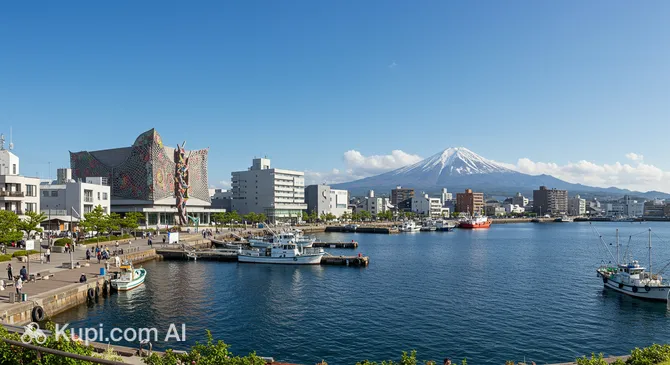
Aomori. Source: Kupi.Binoculars

The region is deeply rooted in tradition and ancient culture. Exploring the history of Aomori reveals a timeline that stretches back thousands of years, most notably evidenced by the nearby Sannai-Maruyama Site, one of the largest and most significant settlements from the Jomon Period. Today, this rich heritage blends seamlessly with modern life, visible in the city's architecture and the enduring pride of its local people.

Travelers are frequently drawn to the city's unique attractions, particularly the spectacular Nebuta Matsuri. This vibrant summer festival features massive, illuminated floats and dynamic dancing, and its spirited atmosphere can be experienced year-round at the Nebuta Museum WA RASSE. Additionally, the city is renowned for its exceptional food culture, boasting fresh seafood delicacies at the Furukawa Fish Market and the region's celebrated apples, which are widely considered some of the best in the world.

Whether you are looking to explore ancient ruins, enjoy winter sports in the nearby mountains, or simply savor fresh sushi, Aomori offers a memorable experience for every traveler. It is a destination that invites you to slow down and appreciate the unique rhythms and warm hospitality of the north.
Weather Overview

The climate in this northern city is characterized by distinct seasonal changes, offering travelers a different experience depending on when they visit. Winters are famously cold and snowy, with January temperatures averaging around -1.6°C and dipping as low as -3.6°C. During this time, precipitation is frequent, with December and January seeing between 23 and 25 wet days per month, transforming the region into a winter landscape.

Summer brings a pleasant contrast with warm, comfortable days perfect for exploration. August is typically the hottest month, with average temperatures reaching 23.9°C and highs of nearly 27°C. To help you pack appropriately for your trip, it is helpful to review the detailed guide to the weather in Aomori before your departure.

Spring and autumn serve as mild transitional periods, though evenings can still be quite cool. Expect warm summers with occasional rain and cold winters with frequent precipitation throughout the season.

Interesting Facts

Beyond its famous festivals and scenic landscapes, Aomori holds several fascinating titles and historical secrets that often surprise visitors. From holding a global weather record to preserving a unique era of railway history, the city offers intriguing details for the curious traveler.
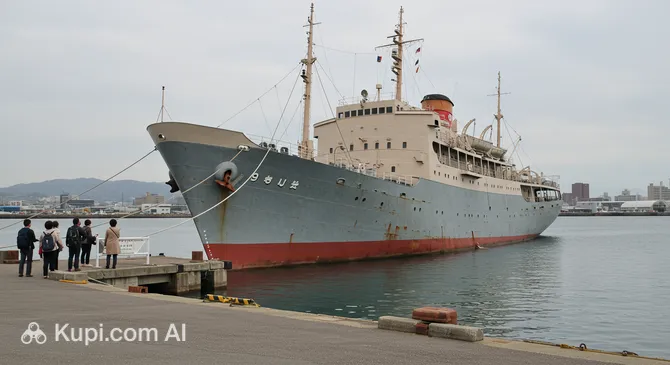
Seikan Ferry Memorial Ship Hakkoda Maru. Source: Kupi.Binoculars
  • Aomori City is widely considered the snowiest major city in the world. Due to its unique geographical position between the Hakkoda Mountains and Mutsu Bay, it receives an astounding average of nearly 8 meters (26 feet) of snow annually, creating towering snow walls along the roads in winter.

  • Before the construction of the undersea Seikan Tunnel, the city was the only rail link to Hokkaido, where entire trains were driven directly onto ships to cross the strait. This rare chapter of maritime and railway engineering is preserved aboard the Seikan Ferry Memorial Ship Hakkoda Maru, which remains docked at the port.

  • The city is the undisputed "Apple Capital" of Japan, producing more than half of the nation's supply. The local dedication to this fruit is so immense that you can find apple-shaped mailboxes, specialized apple cider factories, and even hot springs featuring floating apples.

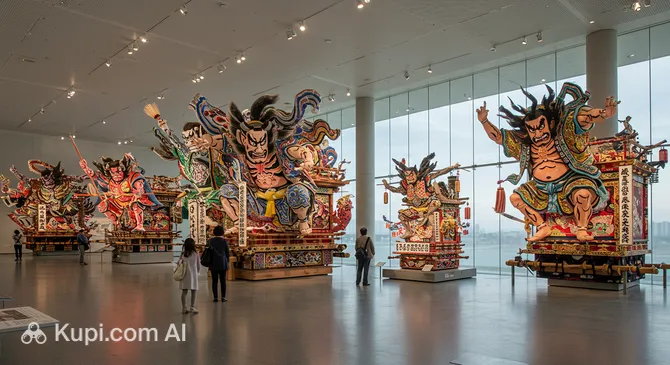
  • While the Nebuta Festival is famous, few realize that the massive illuminated floats are meticulously hand-crafted using wire and traditional Japanese washi paper. Visitors can examine this delicate artistry up close and even try their hand at the local Haneto dancing at the Nebuta Museum WA RASSE.

How to Get There

Reaching the northern tip of Honshu is easier than ever, thanks to a variety of convenient transportation options connecting the region to Tokyo and other major hubs. Whether you prefer the speed of the bullet train or the convenience of flying, you can choose the route that best suits your itinerary. For a comprehensive breakdown of all available routes and schedules, you can read more about how to get to Aomori in our detailed guide.

For air travelers, the most direct gateway is Aomori Airport (AOJ). Located just 10.8 km from the city center, it handles a significant number of domestic flights, particularly from Tokyo, Osaka, and Sapporo. The airport serves as a primary entry point for over a million passengers annually. Upon arrival, a taxi or bus ride to the downtown area typically takes around 35 to 40 minutes. This proximity makes it the most efficient choice for those flying directly into the prefecture.

Another option for visitors is Misawa Airport (MSJ), situated in the city of Misawa. Although it is smaller than the main city airport and located approximately 54.1 km away from Aomori, it offers an alternative route, especially for those planning to explore the eastern side of the prefecture first. Travel time from Misawa to Aomori by road is longer, taking about 1 hour and 40 minutes by taxi or rental car.

For clarity, here is a summary of the main airports in the wider region:

Airport Name City Passenger Traffic Km from City
Akita Airport Akita Large 141.3
Hakodate Airport Hakodate Large 105.4
Aomori Airport Aomori Medium 10.8
Misawa Misawa Medium 54.1
Odate Noshiro Airport Kitaakita Small 76.9

In addition to air travel, the city is a major railway hub. The Tohoku Shinkansen connects Tokyo directly to Shin-Aomori Station in roughly three hours, offering a scenic and comfortable journey through northern Japan. From Shin-Aomori, a short local train ride brings you to Aomori Station in the heart of the city, making rail travel an extremely popular choice for both international tourists and locals.

Main Attractions

The city's waterfront area is a vibrant hub of culture and tourism, offering visitors a chance to dive deep into local traditions. A focal point for many is the Nebuta Museum WA RASSE, a striking modern facility dedicated to the region's most famous summer festival. Here, you can admire the massive, illuminated floats up close and learn about the history and craftsmanship behind this spirited event, regardless of the season.

Nebuta Museum WA RASSE. Source: Kupi.Binoculars

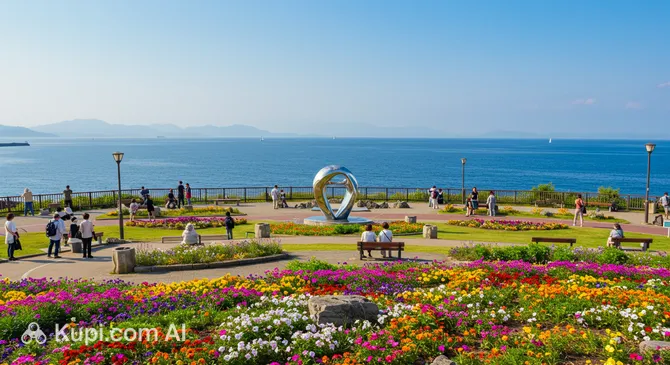
Just a short walk away, the waterfront promenade of Aoi Umi Park provides a relaxing atmosphere with sweeping views of Mutsu Bay. It is an excellent spot for a leisurely stroll, often hosting local events and offering a clear view of the city's landmarks. Nearby, maritime history enthusiasts can explore the Seikan Ferry Memorial Ship Hakkoda Maru. This preserved vessel serves as a floating museum, showcasing the era when rail ferries were the primary link between Honshu and Hokkaido.

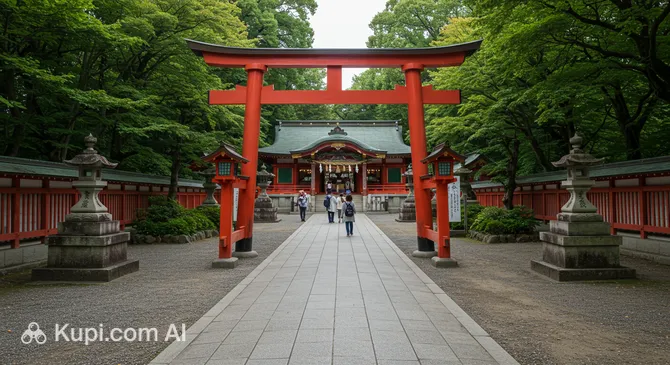
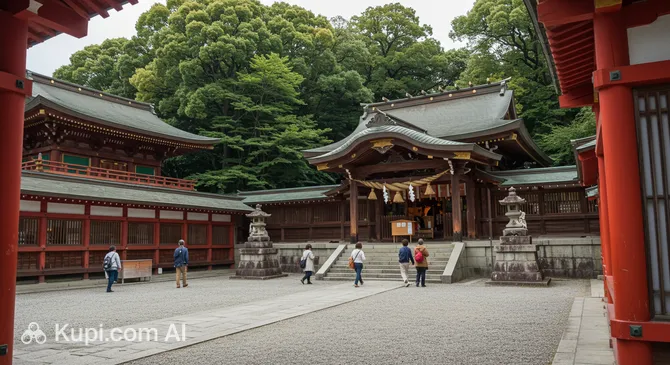
For those seeking a connection to the spiritual side of the region, Utou Shrine is a significant destination. Located in the center of the city, this historic shrine is associated with ancient legends and offers a peaceful respite from the urban environment. Its tranquil grounds and traditional architecture make it a respected site for both locals and travelers.

Utou Shrine. Source: Kupi.Binoculars

Nature lovers will appreciate Gappo Park, a scenic urban park that blends seaside landscapes with lush greenery. It is particularly popular during the cherry blossom season and offers a sandy beach for summer relaxation. Another notable spiritual site is Hirota Shrine, known for its long history and connection to the city's development.

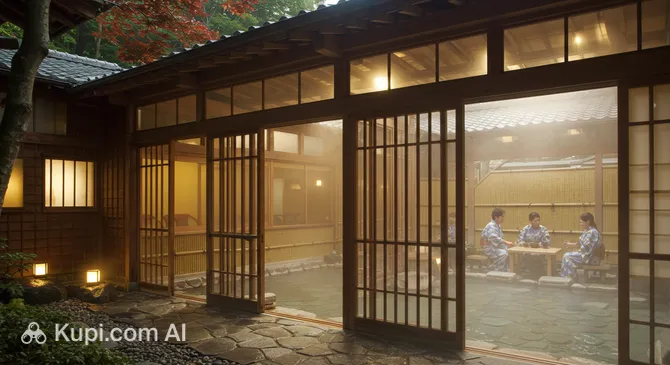
After a day of sightseeing, visitors can unwind at Aomori Machinaka Onsen, a convenient hot spring facility located downtown. To experience the local culinary scene, you might stop by Osanai, a restaurant famous for its scallop dishes, or enjoy a retro atmosphere at Coffee Marron, a beloved local cafe.

Local Cuisine

The culinary landscape of Aomori is deeply connected to the cold, nutrient-rich waters of Mutsu Bay, making it a paradise for seafood lovers. The undisputed king of local ingredients is the scallop, or hotate. These are enjoyed in various forms, from fresh sashimi to grilled preparations. A signature local dish to try is Miso Kayaki, where scallops are grilled in their large shells with miso, eggs, and bonito flakes, creating a savory and warming delight.

Osanai. Source: Kupi.Binoculars

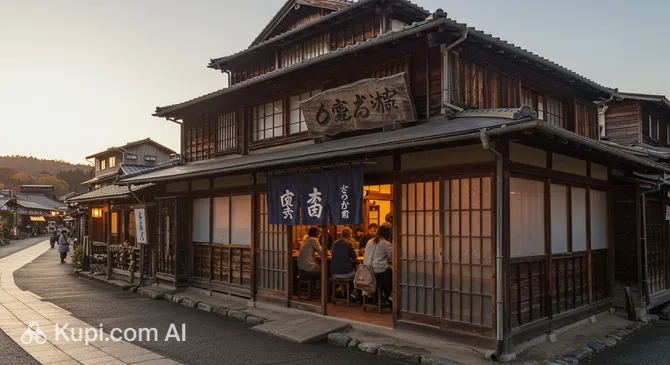
For those seeking the freshest catch, the Nokke-don is a must-try experience found at local markets like the Furukawa Fish Market. Here, visitors purchase a bowl of rice and wander between stalls, buying small portions of their favorite sashimi—such as tuna, shrimp, and salmon roe—to create a personalized seafood rice bowl. If you prefer a sit-down meal featuring traditional scallop dishes, Osanai is a highly regarded establishment located near the station that specializes in these local flavors.

Beyond seafood, the city offers some surprisingly hearty soul food. Miso Curry Milk Ramen is a unique local invention that combines the richness of miso, the spice of curry, and the creaminess of milk, topped with a slice of butter. It sounds unusual, but the flavors balance perfectly to warm you up during the snowy winters. Another comfort food is Ginger Miso Oden, a stew of fish cakes and vegetables served with a distinctive ginger-infused miso sauce, originally sold to passengers waiting for ferries in the cold.

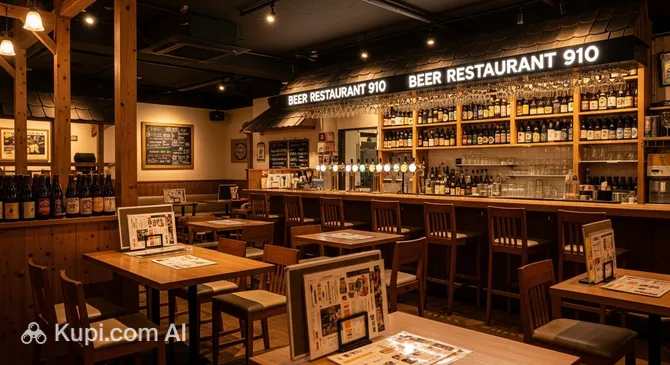
When it comes to beverages, the region's status as Japan's largest apple producer plays a significant role. You will find high-quality apple juice and apple cider everywhere, ranging from sweet and unfiltered varieties to dry, sparkling alcoholic ciders. For beer enthusiasts, Beer Restaurant 910 offers a chance to enjoy drinks in a relaxed setting, often accompanied by local snacks.

Beer Restaurant 910. Source: Kupi.Binoculars

The city also boasts a refined sake culture, thanks to its pristine water sources and high-quality rice. Local jizake (craft sake) is best enjoyed at evening izakayas. For a non-alcoholic break during the day, the coffee culture is vibrant as well. You can step back in time at Coffee Marron, a classic kissaten (coffee shop) that has been serving locals for decades, offering a cozy atmosphere to enjoy a morning set or a sweet treat.

Travel Tips

Welcome to Aomori! To help you navigate this snowy northern city and enjoy its rich culture without a hitch, we have compiled a list of essential travel advice. A little preparation, especially regarding the unique climate and local customs, will ensure your journey is as smooth and enjoyable as possible.

  1. Clothing and Gear: The most critical advice for Aomori concerns the winter. As one of the snowiest cities globally, heavy snowfall is guaranteed from December to March. Bring waterproof, insulated boots with non-slip soles, as sidewalks become icy. Detachable shoe spikes (sold at local convenience stores) are a lifesaver. In summer, light and breathable clothing is sufficient, but evenings can be cool, so a light jacket is always recommended.

  2. Transportation: The city center is compact and walkable, but for slightly longer distances, the local bus network is reliable. The Nebutan-go tourist bus is particularly useful for reaching main attractions like the ferry terminal and museums. While rental cars offer freedom, avoid driving in winter unless you are highly experienced with heavy snow and icy roads; relying on trains and taxis is much safer during the colder months.

  3. Finances: While major hotels and department stores accept credit cards, Aomori is still very much a cash-based society, especially at local markets like the Furukawa Fish Market. Always carry sufficient cash (Japanese Yen). You can withdraw money from international ATMs found in 7-Eleven convenience stores and Japan Post Bank branches throughout the city. Tipping is not practiced and can even cause confusion; excellent service is standard.

  4. Health and Safety: Aomori is extremely safe, but the biggest hazard for tourists is slipping on ice during winter. Walk with small steps and keep your hands out of your pockets to maintain balance. Pharmacies (often labeled as "Drugstores") are common and sell basic over-the-counter medicine, but they are rarely open 24/7 outside of emergency hospitals. In an emergency, dial 119 for an ambulance.

  5. Communication: English signage is increasing but is not ubiquitous outside major transport hubs. Locals are friendly but may speak the Tsugaru-ben dialect, which can be difficult to understand even for native Japanese speakers. It is highly advisable to rent a pocket Wi-Fi or buy a SIM card at the airport upon arrival in Japan to use translation apps, which are indispensable here.

  6. Local Etiquette: When visiting hot springs (onsen), which are popular in the region, you must wash your body thoroughly before entering the communal bath. Tattoos are often prohibited in public baths, so check ahead or ask for private family baths. In general public spaces, keep your voice down, especially on trains and buses, as loud conversations are considered rude.

  7. What to Avoid: Do not wear shoes on tatami mats (woven straw flooring) in traditional inns or restaurants; always leave them at the entrance. Additionally, avoid eating or drinking while walking down the street, as it is generally considered bad manners, except in designated areas at festivals or street markets.

  8. Local Insight: Embrace the "Apple Capital" status! You will find vending machines at Aomori Station and other locations that sell only apple juice. There are often different varieties available (like Fuji or Tsugaru), so try comparing them to find your favorite flavor profile—it is a fun and delicious way to connect with the local agriculture.

By keeping these practical tips in mind, you will be well-equipped to explore the stunning landscapes and warm hospitality of Aomori. Whether you are navigating the snowy streets or savoring fresh scallops at a market, respectful and prepared travel will open doors to a truly authentic experience.

Entertainment & Nightlife

Entertainment in Aomori is characterized by a relaxed pace that allows visitors to immerse themselves in the local culture and natural surroundings. After a day of sightseeing, one of the best ways to unwind is to experience a traditional Japanese hot spring. Located conveniently in the city center, Aomori Machinaka Onsen offers a rejuvenating escape with its natural thermal baths. It is a popular spot for both residents and tourists to soak in the healing waters, providing a perfect respite from the cold winter air or travel fatigue.

Aomori Machinaka Onsen. Source: Kupi.Binoculars

For those who enjoy a touch of nostalgia, the city’s cafe scene offers a charming step back in time. Coffee Marron is a beloved historic establishment that has maintained its retro "kissaten" atmosphere for decades. With its antique decor and cozy seating, it serves as a delightful venue to enjoy a quiet afternoon, sipping on house-roasted coffee and soaking in the classic ambiance that defines a bygone era of Japanese leisure.

Coffee Marron. Source: Kupi.Binoculars

Outdoor enthusiasts will find plenty of recreational opportunities at Gappo Park. This sprawling urban park is unique for its seaside location, allowing visitors to enjoy picnics under ancient pine trees while looking out over Mutsu Bay. In the warmer months, the park comes alive with families enjoying the swimming beach, while spring draws crowds for spectacular cherry blossom viewing parties, making it a year-round hub for local relaxation.

Gappo Park. Source: Kupi.Binoculars

As the evening sets in, the city offers welcoming spots to enjoy a drink and mingle with the locals. Beer Restaurant 910 provides a friendly environment to sample a variety of beverages in a casual setting. It is an excellent place to experience the warm hospitality of Aomori, whether you are toasting with friends or reflecting on the day's adventures over a cold glass of beer.

Parks & Museums

Aomori is a city where urban life coexists harmoniously with rich history and stunning natural landscapes. Beyond its famous festivals and delicious seafood, the area offers tranquil green spaces and world-class cultural facilities that allow visitors to explore the artistic and spiritual depth of the region.

One of the most accessible and scenic spots in the city is Aoi Umi Park. Located directly along the waterfront of Mutsu Bay, this spacious promenade offers sweeping views of the sea and the iconic Aomori Bay Bridge. It is a favorite place for locals to enjoy a sunset stroll or a morning jog, with the gentle sea breeze providing a refreshing escape from the city streets. The park frequently hosts outdoor events and provides a perfect vantage point to admire the triangular architecture of the nearby ASPAM building.

Aoi Umi Park. Source: Kupi.Binoculars

For those willing to venture a bit further for a true immersion in nature, the Hakkoda Mountains offer a spectacular alpine environment. While technically a range of volcanic peaks rather than a city park, this area serves as the region's premier natural playground. In summer, it features lush hiking trails through marshlands and forests, while winter transforms the trees into famous "snow monsters" (frozen trees), attracting skiers and nature enthusiasts from around the world.

The city's cultural scene is anchored by the renowned Aomori Museum of Art. Situated near the Sannai-Maruyama archaeological site, this architectural marvel is designed to resemble an excavation trench, blending into the surrounding earth. It houses an impressive collection of works by local artist Yoshitomo Nara, including the massive "Aomori-ken" dog statue that has become a symbol of the museum. The collection also features grandiose backdrops used in the Nebuta Festival and works by Marc Chagall, making it a must-visit for art lovers.

History enthusiasts should not miss the Sannai-Maruyama Site, which sits adjacent to the art museum. This expansive open-air museum preserves one of the largest and most complete Jomon Period settlements in Japan. Visitors can walk among reconstructed pit dwellings and massive wooden pillar structures that date back thousands of years, offering a fascinating glimpse into the lives of the region's prehistoric inhabitants.

In the heart of the city, you can discover significant spiritual landmarks that have watched over the area for centuries. Hirota Shrine is one such site, known for its solemn atmosphere and connection to the local community's history. It serves as a quiet sanctuary where travelers can offer prayers and appreciate the traditional Shinto architecture amidst the modern cityscape.

Hirota Shrine. Source: Kupi.Binoculars

Another important historical site is Utou Shrine, often cited as the birthplace of the city's name and legends. Surrounded by ponds and ancient trees, it provides a serene environment for reflection. Exploring these shrines offers a deeper understanding of the traditions that underpin the vibrant culture of this northern port city.

For a truly authentic experience, take a moment to visit the museum shop at the Aomori Museum of Art or the Sannai-Maruyama Site. They often carry unique, high-quality souvenirs designed by local artists that you won't find in standard gift shops, such as Jomon-inspired pottery or stationery featuring contemporary art motifs.

Getting Around

Navigating Aomori is straightforward, even without a subway system, as the city relies on a well-connected network of buses and surface trains. The central hub for all public transport is Aomori Station, located right in the downtown area near the waterfront. From here, travelers can easily access major tourist sites, hotels, and suburban areas. For most visitors, the extensive bus network will be the primary mode of getting around the city center and reaching nearby attractions like the Sannai-Maruyama Site or the art museum.

For tourists, the most convenient option is often the Nebutan-go, a sightseeing loop bus. This distinctive bus connects Aomori Station with key destinations, including the ferry terminal, the Nebuta Museum WA RASSE, and the Aomori Museum of Art. It runs at regular intervals throughout the day and is specifically designed for visitors, making it much easier to use than standard commuter routes. Announcements are often available in English, which helps in identifying the correct stop.

The local train network, operated by JR East and the semi-public Aoimori Railway, is useful for traveling to the suburbs or neighboring hot spring towns like Asamushi Onsen. While there is no underground metro, these local trains are punctual and offer scenic views of the countryside. They are particularly reliable during the winter months when heavy snowfall can sometimes slow down road traffic.

Regarding payment, the city has modernized its systems significantly. Most buses and trains now accept major Japanese IC cards like Suica, Pasmo, and the local AOPASS. You can simply tap your card on the reader when entering and exiting. If you do not have an IC card, you will need to take a small numbered ticket (seiriken) from a machine by the door when you board the bus. A display at the front will show the fare corresponding to your ticket number, which you pay in exact change into the fare box next to the driver upon disembarking.

For those planning to visit multiple attractions in a single day, the "Aomori City Bus One-Day Pass" can be a cost-effective choice. It allows unlimited rides on city buses and the Nebutan-go loop bus for a fixed price. These passes can be purchased at the information center outside Aomori Station or sometimes directly on the bus. It is always wise to carry some cash, as smaller community buses or older machines may not accept credit cards.

Taxis are readily available at the station and major hotels, offering a comfortable alternative for short trips or when carrying heavy luggage. Ride-hailing apps are less common here than in major metropolises, so hailing a cab on the street or finding a taxi stand is the standard practice. For those wishing to explore the wider region, such as the Hakkoda Mountains or Lake Towada, renting a car is highly recommended, though drivers should be cautious of icy conditions in winter.

Operating hours for public transport generally run from around 6:00 AM to 10:00 PM, though frequencies drop significantly later in the evening. Visitors should be mindful that unlike Tokyo, buses and trains here do not run all night. During the winter season, delays can occur due to blizzards, so it is advisable to allow extra time for travel and check schedules in advance.

Accommodation

Finding a place to stay in Aomori is generally straightforward, with options catering to various travel styles and budgets. The city primarily offers a wide selection of Western-style business hotels, which are clean, efficient, and well-suited for travelers using the city as a base for exploration. For those seeking a more authentic Japanese experience, there are also traditional inns (ryokan) available, particularly if you venture slightly outside the immediate city center to the nearby hot spring districts.

The most convenient area for tourists is undoubtedly the district surrounding Aomori Station. Staying here places you within easy walking distance of the waterfront attractions, the fish markets, and the main transport hubs for buses and trains. This central location is ideal for those who plan to take day trips to the Hakkoda Mountains or Hirosaki. Alternatively, travelers looking for relaxation often choose to stay in Asamushi Onsen, a historic hot spring resort town located about 30 minutes by train from the city center. This area offers a resort-like atmosphere with ocean views and traditional hospitality.

Accommodation prices in the city are generally reasonable compared to Japan's major metropolitan areas. You can typically find comfortable mid-range hotels and budget-friendly hostels at very competitive rates throughout the year. Booking can easily be done through major international online platforms, which is recommended for securing the best deals.

Important Booking Tip: While finding a room is usually easy, the situation changes drastically during the Nebuta Festival in early August. During this week, the city fills to capacity, and accommodation prices can skyrocket. If you plan to visit during the festival, it is essential to book your hotel several months to a year in advance to ensure you have a place to stay.

Nearby Cities

Aomori serves as an ideal base for exploring the northern Tohoku region, with several fascinating destinations located just a short journey away. Whether you are interested in samurai history, contemporary art, or rugged coastal landscapes, the surrounding cities offer diverse experiences that complement your stay in the prefectural capital.

One of the most popular day trips is to Hirosaki, located approximately 34 km to the southwest. Known as the cultural heart of the region, it is famous for its magnificent castle and is widely considered one of Japan's premier cherry blossom viewing spots. The city retains a strong historical atmosphere with its well-preserved samurai districts and botanical gardens.

To the east lies the bustling port city of Hachinohe. Famous for its vibrant morning markets and the scenic Tanesashi Coast, it is a paradise for seafood lovers and hikers alike. Inland, Towada offers a different kind of beauty. It is the gateway to the breathtaking Lake Towada and Oirase Stream, and the city center itself is renowned for the Towada Art Center, which features large-scale outdoor sculptures lining the streets.

For those looking to venture further north onto the Shimokita Peninsula, Mutsu provides access to some of Japan's most spiritual and wild landscapes, including the sacred Mount Osore. Alternatively, crossing the border into Akita Prefecture brings you to Odate, a city celebrated as the birthplace of the Akita dog breed and known for its traditional bentwood craft.

Here is a quick reference for these nearby destinations:

City Population Distance (km)
Hirosaki 335,203 34
Towada 60,063 45
Odate 68,593 63
Mutsu 53,393 64
Hachinohe 222,799 71

Shopping & Souvenirs

Shopping in Aomori offers a delightful diversion from the typical high-fashion retail therapy found in Japan's larger metropolises. Instead of endless rows of luxury brands, the city specializes in high-quality local products, traditional crafts, and arguably the best apple-based goods in the world. Visitors will find that the shopping experience here is deeply connected to the region's agriculture and artisan culture, making it the perfect place to find unique gifts that tell a story of the north.

For a stroll through the heart of the city's daily life, head to Shinmachi Street. This covered shopping arcade stretches eastward from Aomori Station and is lined with a mix of department stores, clothing boutiques, and old-school specialty shops. It is a convenient place to walk regardless of the weather, protected from the winter snow and summer sun. The atmosphere here is relaxed and nostalgic, offering a glimpse into the local lifestyle while providing access to everything from books to shoes.

When it comes to modern shopping complexes, the waterfront area is the main attraction. A-Factory is a stylish, warehouse-style market located right next to the station. It functions as a massive showroom for Aomori's produce, featuring an on-site apple cider factory, a gelato shop, and shelves stocked with stylishly packaged local foods. Nearby, the triangular ASPAM building serves as the tourism center for the prefecture and houses a large section dedicated to regional crafts and souvenirs, making it a one-stop destination for travelers.

Markets are an essential part of the local culture, with the Furukawa Fish Market (Aomori Gyosai Center) taking center stage. While famous for its custom seafood bowls, it is also a vibrant marketplace where you can purchase fresh seafood, dried goods, and local pickles directly from vendors. For a different vibe, the basement of the Auga building, known as the Auga Fresh Market, offers a bustling atmosphere where locals shop for the morning's catch and fresh vegetables starting as early as 5:00 AM.

Searching for the perfect souvenir often leads visitors to the city's rich artistic heritage. Beautiful hand-blown glass known as Tsugaru Vidro and the intricate Tsugaru Nuri lacquerware are popular high-end gifts. For those captivated by the city's famous summer festival, the shop at the Nebuta Museum WA RASSE offers an extensive collection of Nebuta-themed goods, from towels and fans to miniature floats. And, of course, no trip is complete without buying apple products—whether it is 100% pure juice, apple pies, or apple-infused curries.

Most shops in the city center operate from around 10:00 AM to 8:00 PM, though smaller boutiques may close earlier. While major shopping centers like A-Factory and station buildings accept credit cards and IC cards, cash is still the preferred method of payment at traditional markets and smaller street-side vendors. It is advisable to carry sufficient Japanese Yen when visiting places like the fresh markets.

Tax-free shopping is available for international tourists at many of the larger establishments, including A-Factory, ASPAM, and major drugstores along Shinmachi Street. Look for the "Japan Tax-Free Shop" symbol at the entrance or cashier. To claim the refund, you will need to present your passport at the time of purchase, and the items must be taken out of the country unused.

Reached the end of the page?

That means the route is fully explored