Support

Miyako

About

Nestled along the rugged Sanriku Coast in the Iwate Prefecture, Miyako is a captivating destination known for its dramatic seascapes and vibrant maritime culture. This coastal city serves as a gateway to some of the most breathtaking natural scenery in Japan, offering visitors a perfect blend of relaxation and outdoor adventure. With a population of approximately 50,000 residents, the city maintains a welcoming, community-focused atmosphere while providing modern amenities for travelers exploring the Tohoku region.

Geographically, Miyako faces the vast Pacific Ocean and is characterized by its intricate coastline, which includes rias (drowned river valleys) that create stunning harbors and cliffs. The climate here is generally mild compared to inland areas, influenced by the ocean currents, making it a pleasant destination throughout the year. As you delve into the history of Miyako, you will discover a city that has thrived on fishing and trade for centuries, deeply shaping its local traditions and way of life.
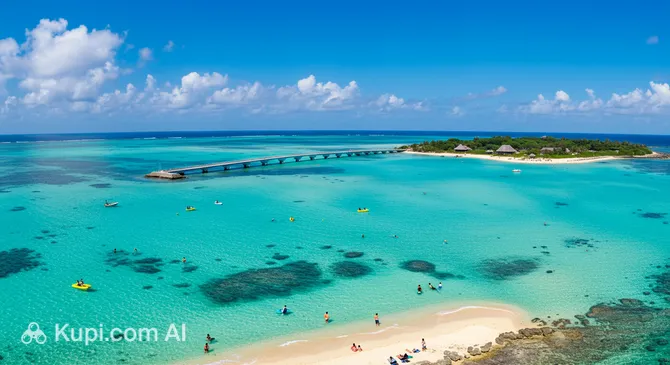
Miyako. Source: Kupi.Binoculars

One of the city's most iconic attractions is Jodogahama Beach, often referred to as "Pure Land Beach." This scenic spot is famous for its sharp white volcanic rocks, calm blue waters, and lush pine trees, creating a landscape that resembles a traditional Japanese garden. It is a centerpiece of the Sanriku Fukko National Park and a must-visit for photographers and nature lovers. Additionally, the city is a paradise for seafood enthusiasts, boasting fresh catches like salmon, sea urchin, and abalone, which can be enjoyed at the lively Miyako City Gyosai Market.

Whether you are hiking along the scenic trails of the coastline or savoring the freshest sushi in a local restaurant, Miyako offers an unforgettable experience. It is an ideal stop for those seeking to explore the authentic beauty of Japan's northern coast, inviting everyone to discover its unique charm and hospitality.
Weather Overview

The climate in Miyako is characterized by distinct seasonal changes, heavily influenced by its location on the Pacific coast of Iwate Prefecture. For those planning outdoor activities or sightseeing, checking the detailed weather in Miyako is highly recommended. Winters in the region are generally cold, with January seeing an average temperature of -1.5°C and lows frequently dropping to around -4.2°C. In contrast, the summer months offer pleasant warmth without extreme heat; August is typically the warmest month, with an average temperature of 22.3°C and highs reaching approximately 24.6°C.

Precipitation patterns vary throughout the year, with the frequency of rain increasing significantly during the warmer seasons. July and August are particularly noted for their dampness, recording up to 20 wet days each month, while the winter months like January and February are comparatively drier with about 9 to 10 wet days. Overall, visitors can expect warm summers with frequent rainfall and cold, relatively dry winters.

Interesting Facts

Beyond the main attractions and scenic vistas, Miyako holds many fascinating secrets that add depth to its coastal charm. From geographical extremes to unique natural phenomena, the city offers curious travelers a wealth of stories to discover.
  • The Easternmost Edge: Miyako is home to Cape Todo (Todogasaki), which stands as the easternmost point of Japan's main island, Honshu. Visitors who trek to the lighthouse at this rugged cape can claim to be at the very edge of the island, witnessing the sunrise earlier than almost anyone else in the country.

  • A Hidden Blue Grotto: Just a short boat ride from the coast lies the mystical Blue Cave (Aonodokutsu). Accessible only by small fishing boats known as "sappa," the water inside the cave glows with a brilliant, ethereal cobalt blue hue caused by the unique reflection of sunlight, rivaling the famous grottos of Italy.

  • Salmon City: The city boasts one of the largest catches of salmon on Honshu, making it a premier destination for seafood connoisseurs. The local culinary scene is deeply defined by this abundance, and visitors can taste the freshest catches at renowned local spots like Janome, which serves authentic dishes prepared with ingredients straight from the port.

  • Ancient Warning Stones: The region is dotted with centuries-old stone markers known as "tsunami stones." These historical tablets were placed by ancestors on hillsides to mark the reach of past waves, serving as silent, enduring warnings to future generations not to build homes below that point.

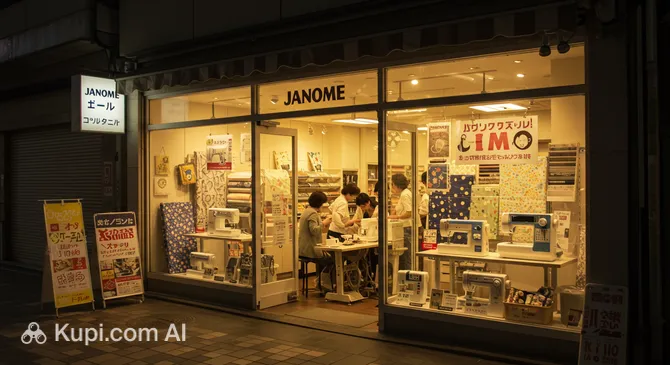
Janome. Source: Kupi.Binoculars

How to Get There

Reaching the scenic coast of Iwate Prefecture requires a bit of planning, as the region is known for its rugged terrain and natural beauty. While the journey involves traversing the scenic landscapes of northern Japan, visitors can find more about how to get to Miyako to choose the best route for their itinerary. The city is well-connected by road and rail to major transport hubs in the Tohoku region.

The city of Miyako does not have its own airport, but you can fly into Hanamaki Airport (IATA: HNA) in the city of Morioka, which is about 73.5 km from Miyako. This is generally the most convenient air gateway for travelers. From the airport, the journey by road typically involves a combination of bus or taxi transfers, taking approximately 130 minutes. The airport handles a moderate volume of regional traffic, making it a relatively stress-free entry point.

Alternatively, travelers can utilize Misawa (IATA: MSJ), located in Misawa city roughly 128 km north of Miyako. While further away, it serves as another option for accessing the northern Pacific coast. The travel time from Misawa is significantly longer, estimated at around 3.5 hours by car or taxi. For those arriving on major domestic routes, Akita Airport (IATA: AXT) in Akita is a larger facility but is situated about 148 km away on the Sea of Japan side, requiring a trip across the prefecture.

For clarity, here is a summary of the main airports:

Airport Name City Passenger Traffic Km from City
Akita Airport Akita Large 148.4
Aomori Airport Aomori Large 161.9
Hanamaki Airport Morioka Medium 73.5
Misawa Misawa Medium 128.0
Odate Noshiro Airport Kitaakita Small 148.0

Main Attractions

Miyako offers a compelling mix of natural wonders and cultural landmarks that highlight the unique character of the Sanriku Coast. While the city is famous for its dramatic ocean views, it also provides opportunities to engage with local history and indulge in the region's renowned culinary traditions. Here are some of the top places to visit during your stay.

Undoubtedly the crown jewel of the city is Jodogahama Beach. Its name translates to "Pure Land Beach," a reference to Buddhist paradise, and it is easy to see why. The cove is sheltered by majestic, sharp-edged white volcanic rocks topped with pine trees, contrasting beautifully with the calm, emerald-green waters. Visitors can explore the area via walking trails or take a sightseeing boat cruise to view the rock formations from the sea. In summer, the gentle waves make it a popular swimming spot, while the surrounding rest house offers excellent views year-round.

For those looking to taste the authentic flavors of the port, a visit to Janome is highly recommended. This established restaurant is a local favorite, celebrated for serving some of the freshest seafood in the prefecture. It is particularly famous for its variety of sushi and rice bowls topped with seasonal catches like sea urchin, scallops, and salmon. Dining here offers a direct connection to Miyako's fishing heritage, providing a culinary experience that is both high-quality and deeply rooted in the local culture.

Another significant site is the Sanriku Railway, often enjoyed by travelers for its scenic journeys along the coastline. The train line itself is an attraction, offering panoramic views of the Pacific Ocean as it winds through tunnels and over bridges. The retro-styled trains and special seasonal events, such as the winter "Kotatsu Train" where passengers stay warm under heated tables, make the ride a memorable adventure that connects various coastal communities.

Finally, visitors interested in the region's resilience should visit the Taro Kanko Hotel remains. Preserved as a disaster heritage site, the skeleton of this building stands as a powerful testament to the force of nature and the importance of disaster preparedness. Guided tours are often available, offering educational insights into the history of the area and the massive sea walls that protect the town of Taro, providing a moving and informative experience.

Local Cuisine

The culinary landscape of Miyako is deeply intertwined with the rhythms of the Pacific Ocean, making it a premier destination for seafood lovers. As a major port city on the Sanriku Coast, the local diet is defined by the freshness of the daily catch. Visitors can expect an abundance of high-quality marine products, particularly salmon, abalone, and sea urchin, which are often served just hours after being hauled from the sea.

One of the most unique and popular dining experiences in the city is Bin-don. This visually striking specialty involves fresh seafood—such as raw sea urchin, salmon roe, and cod—packed into small glass milk bottles. The tradition stems from the local practice of storing freshly shelled sea urchin in sterile seawater bottles to preserve its flavor. At restaurants, diners are given these colorful bottles to pour over a bowl of hot rice themselves, creating a fresh and customizable seafood donburi that is as fun to assemble as it is delicious.

For those seeking something warm and comforting, Miyako Ramen is a beloved local soul food. Unlike the heavy, rich broths found in other parts of Japan, this style typically features a clear, light soy sauce-based soup with thin, curly noodles. It is often described as having a nostalgic, gentle flavor that pairs perfectly with the salty sea breeze. Additionally, the region is famous for its wakame seaweed and succulent scallops, which are often grilled simply to highlight their natural sweetness.

The heart of the local food culture can be found at the bustling Miyako City Gyosai Market, often called the "Kitchen of Miyako." Here, locals and tourists alike browse stalls overflowing with fresh fish and vegetables, offering a lively glimpse into daily life. For a convenient and authentic meal near the train station, travelers should visit Janome. This established restaurant is a favorite among locals for its generous portions of sushi and its own take on the famous Bin-don, making it an excellent spot to sample the city's gastronomic highlights.

To complement the rich flavors of the ocean, be sure to try the local sake. Miyako is home to the historic Hishiya Sake Brewery, which has been operating since the mid-19th century. Their signature brand, Senryo Otokoyama, is a dry and crisp sake specifically brewed to pair well with fresh seafood, cutting through the richness of sashimi and enhancing the delicate taste of the region's white fish.

Travel Tips

Traveling to Miyako offers a glimpse into the authentic coastal life of Northern Japan, far removed from the hustle of the big metropolises. To ensure your journey along the rugged Sanriku Coast is as smooth and enjoyable as possible, here are some practical tips to help you navigate the city and its surroundings.

  1. Dress for the Coastal Elements. Since Miyako is located directly on the Pacific Ocean, the weather can be changeable. Even in summer, the sea breeze can be cool, so it is wise to carry a light windbreaker. If you are visiting in winter, bring heavy coats, scarves, and thermal layers, as temperatures often drop below freezing. Comfortable, sturdy walking shoes are essential for exploring the rocky trails of Jodogahama.

  2. Rent a Car for Flexibility. While the Sanriku Railway offers a scenic experience, train services can be infrequent compared to urban areas. To reach dispersed attractions like the Blue Cave or specific viewpoints along the cliffs, renting a car is the most practical option. Taxis are available but can become expensive for longer distances.

  3. Cash is King. Although Japan is modernizing, many smaller shops, traditional restaurants, and stalls at the fish market in Miyako still only accept cash. Ensure you carry sufficient Japanese Yen (JPY). ATMs that accept international cards are typically found at convenience stores like 7-Eleven and Lawson, as well as at the post office.

  4. Stay Safe and Informed. Miyako is a very safe city with low crime rates. However, as a coastal town, it is well-prepared for natural disasters. You will see green evacuation signs pointing towards higher ground; it is good practice to simply notice these as you travel. For minor health issues, local drugstores are well-stocked, but carry any specific prescription medications you need.

  5. Overcome the Language Barrier. English is not widely spoken in rural Iwate. It is highly recommended to have a translation app installed on your phone. Locals are generally very helpful and patient, but having key phrases written down or a digital translator will make interactions much smoother. Renting a pocket Wi-Fi or buying a SIM card at the airport upon arrival in the country is crucial for navigation.

  6. Mind Your Manners. Politeness is paramount. When entering traditional inns (ryokan) or certain restaurants with tatami mats, always remove your shoes. On public transport like the Sanriku Railway, keep your voice down and avoid talking on the phone. Tipping is not part of the culture; excellent service is standard, and a sincere "Arigato gozaimasu" (Thank you very much) is the best reward.

  7. Respect the Schedule. Public transportation in the region adheres to a strict timetable. Being even a minute late can mean missing your bus or train, and in rural areas, the next one might not arrive for an hour or two. Always plan to arrive at stations or stops a few minutes early.

  8. Morning Market Timing. If you plan to visit the Miyako City Gyosai Market, go early in the morning. The market is liveliest between 7:00 AM and 9:00 AM when the fresh catch is brought in. This is the best time to see the local trade in action and grab a fresh seafood breakfast.

By keeping these practical tips in mind, you will be well-prepared to embrace the natural beauty and warm hospitality of Miyako. Enjoy your adventure along the stunning coastline and the unforgettable flavors of this unique port city.

Entertainment & Nightlife

Nightlife in Miyako offers a refreshing change of pace from the neon-lit intensity of Japan's major metropolises. Instead of thumping nightclubs and sprawling entertainment complexes, the evening scene here is defined by warm, intimate izakayas (Japanese-style pubs) and local dining establishments where the focus is on high-quality food, local sake, and conversation. The atmosphere is undeniably laid-back and welcoming, allowing visitors to mingle with friendly locals who are often eager to share stories about their coastal hometown.

The main hub for evening entertainment is clustered around Miyako Station and extends toward the port area. In these walkable districts, you will find red lanterns (akachochin) hanging outside doorways, signaling open establishments. The vibe is casual, so there is no need for a dress code; comfortable attire is perfectly acceptable. Most venues open around 17:00 or 18:00 and typically close by midnight, with some smaller snack bars staying open a bit later on weekends. It is a safe area for night walks, though the streets can be quite dark, so sticking to the main lit roads is advisable.

For a quintessential taste of Miyako's evening culture, Janome is an excellent starting point. While famous for its lunch bowls, in the evening it transforms into a cozy spot where you can savor the day's freshest sashimi paired with local sake. It provides an authentic setting to experience the "farm-to-table"—or rather, "ocean-to-table"—dining that the city is famous for. Other popular local spots include Bureiko, a well-regarded izakaya known for its relaxed ambiance and diverse menu, and Izakaya Daichan, where the friendly staff and hearty dishes create a homely environment perfect for unwinding after a day of sightseeing.

When planning a night out, keep in mind that public transportation options like buses stop running relatively early in the evening. If your accommodation is not within walking distance of the station area, it is best to arrange a taxi. Taxis are generally available at the rotary in front of Miyako Station, or your restaurant host can call one for you. Also, while some larger establishments accept credit cards, many smaller bars and traditional eateries still operate on a cash-only basis, so be sure to carry sufficient yen.

During the daylight hours, entertainment in Miyako shifts towards immersing oneself in nature and local history. Visitors can enjoy scenic boat cruises around the rock formations of Jodogahama or take a nostalgic ride on the Sanriku Railway, which offers breathtaking coastal views and a unique travel experience. For a touch of culture, the city’s museums and visitor centers provide fascinating insights into the region's maritime heritage and resilience, offering a meaningful way to spend the afternoon before the sun sets.

Parks & Museums

Miyako is a city defined by its relationship with nature, offering visitors a compelling mix of scenic national parks and educational museums. Located within the expansive Sanriku Fukko National Park, the area provides numerous opportunities to explore the rugged coastline while learning about the region's maritime history and resilience against natural forces.

The centerpiece of the city's natural attractions is the Jodogahama Visitor Center, located just a short walk from the famous Jodogahama Beach. This modern facility serves as the gateway to the national park, offering interactive exhibits on the local geology, flora, and fauna. It is an excellent starting point for hikers and nature enthusiasts, providing maps and information on the trails that wind through the pine forests and along the dramatic cliffs of the Sanriku Geopark.

For those interested in the ocean's bounty, the Iwate Prefectural Fisheries Science Museum is a must-visit. Situated near Jodogahama, this museum—the first of its kind in Japan—is dedicated entirely to the science of fisheries. Inside, visitors can marvel at a giant diorama recreating the Sanriku seabed, explore exhibits on traditional fishing methods, and learn about the cultivation of local specialties like abalone and wakame seaweed. It offers a fascinating look into how the people of Miyako have lived in harmony with the sea for centuries.

A more somber but deeply meaningful site is the Taro Kanko Hotel remains. Located in the Taro district, this building has been preserved as a disaster heritage site following the 2011 Great East Japan Earthquake. Tours of the facility provide powerful lessons in disaster prevention and preparedness, standing as a testament to the community's strength and determination to rebuild. It is a place for quiet reflection and education on the power of nature.

Travelers willing to venture inland towards the mountains can visit the Miyako City Kitakami Mountains Folklore Museum in the Kawai area. In contrast to the coastal focus of the city center, this museum showcases the lifestyle and wisdom of the people who lived in the steep valleys of the Kitakami Mountains, displaying traditional tools and recreating varied aspects of mountain village life.

Getting Around

Navigating Miyako requires a mix of transportation methods, as the city's attractions are spread across a rugged coastline and mountainous interior. While the city center around the station is compact enough for walking, reaching the most scenic spots and outlying districts is best done by vehicle. For travelers who value freedom and flexibility, renting a car is highly recommended. Having your own vehicle allows you to explore the Sanriku Coast at your own pace, stopping at viewpoints and hidden coves that are difficult to access via public transport.

For those relying on public transit, the Iwate Kenpoku Bus network serves as the primary means of getting around. Local buses connect Miyako Station to key tourist destinations, including the famous Jodogahama Beach. Visitors should be aware that bus frequencies can be low, especially on weekends and holidays, so checking timetables in advance is essential. The tourist information center at the station can provide current schedules and help with route planning.

The Sanriku Railway (Santetsu) is not just a way to arrive in the region but also a practical option for moving between coastal points within and near the city. The Rias Line runs north and south along the coast, offering a scenic and efficient link to neighboring towns and districts. Riding this train is a unique local experience, providing breathtaking ocean views while connecting you to other communities along the jagged shoreline.

Taxis are readily available at the rotary outside Miyako Station and are a convenient choice for short trips or when bus schedules do not align with your itinerary. While more expensive than buses, they offer a direct and comfortable way to reach hotels or specific restaurants. For shorter excursions near the port or city center, walking is a pleasant option, allowing you to soak in the calm atmosphere of this maritime town in Japan.

Accommodation

Accommodation in Miyako caters to a variety of travelers, ranging from those seeking convenient stopovers to those looking for a relaxing resort experience by the sea. The city primarily offers a mix of functional business hotels, scenic seaside resorts, and traditional Japanese inns (ryokan). While it lacks the ultra-luxury international chains found in major metropolitan areas, visitors will find clean, comfortable, and hospitable options that reflect the warmth of this coastal community.

For travelers prioritizing accessibility and transport links, the area surrounding Miyako Station is the most practical place to stay. Here, you will find standard business hotels that offer Western-style rooms and essential amenities, making them an excellent base for those using the Sanriku Railway or local buses. Staying in the city center also places you within walking distance of local izakayas and restaurants, allowing for easy exploration of the local dining scene after dark.

If you prefer a more scenic retreat, look for accommodations located along the coastline, particularly near the famous Jodogahama Beach. This area features larger resort-style hotels and ryokans that often boast panoramic views of the Pacific Ocean. Many of these establishments highlight the region's culture by offering spacious public baths and serving elaborate kaiseki dinners featuring fresh local seafood, such as abalone and sea urchin. Staying here allows you to wake up to the sound of waves and witness the stunning sunrise over the ocean.

For a more intimate and authentic experience, smaller family-run guesthouses, known as minshuku, are scattered throughout the region. These lodgings are typically more affordable and offer a homely atmosphere where guests sleep on futons in tatami-matted rooms. They are a fantastic way to interact with locals and enjoy home-cooked regional dishes, often prepared with the catch of the day.

Booking Tips and Prices: Prices in Miyako are generally reasonable, falling into the budget to mid-range categories. A typical night at a business hotel or minshuku is quite affordable, while seaside resorts with dinner plans will be at a higher price point. It is highly recommended to book your accommodation well in advance, especially if you plan to visit during the summer months (July and August) or during Japan's Golden Week in spring, as rooms near popular attractions like Jodogahama can fill up quickly. While major hotels can be booked via international online platforms, some smaller traditional inns may require direct inquiries or assistance if you do not speak Japanese.

Nearby Cities

Miyako serves as a serene gateway to the Sanriku Coast, but it is also conveniently situated near several other vibrant cities in the Tohoku region. For travelers wishing to explore beyond the immediate coastline, the surrounding area offers a mix of bustling urban centers, historic hot spring resorts, and scenic inland towns. The prefectural capital is easily accessible, providing a perfect connection for those continuing their journey through Japan.

Below is a list of nearby cities that can be reached by car or public transport, making them excellent options for day trips or the next stop on your itinerary:

City Population Distance (km)
Morioka 290,553 68
Kitakoriyama 84,007 68
Hanamaki Onsen 92,815 79
Kitakami 92,348 82
Kesennuma 59,341 87

Shopping & Souvenirs

Shopping in Miyako offers a delightful glimpse into the daily life of a Japanese port city, focusing less on high-end fashion and more on authentic local products. Visitors will not find sprawling luxury avenues here; instead, the city provides a selection of charming local stores, community shopping centers, and vibrant markets. The retail experience is deeply connected to the ocean, with the best purchases often being fresh seafood, processed marine goods, and regional crafts that reflect the heritage of the Sanriku Coast.

The main shopping activities are concentrated around Miyako Station and the central downtown area. The streets radiating from the station feature a mix of small specialty shops, drugstores, and convenience stores that cater to both residents and travelers. A stroll through these neighborhoods reveals traditional confectioneries selling Japanese sweets and small boutiques offering clothing and daily necessities. It is a walkable area where you can easily browse for unique items while soaking in the relaxed atmosphere of the town.

For a more comprehensive shopping experience under one roof, the Marine Coop DORA is the city's primary shopping center. Located a short distance from the city center, this complex serves as a community hub containing a supermarket, clothing stores, a bookstore, and a 100-yen shop. It is an excellent place to stock up on travel supplies, buy Japanese snacks, or observe the everyday lifestyle of the locals. Another key spot for tourists is Seatopia Naado (Roadside Station Miyako), located near the port. This facility combines a souvenir shop with a restaurant and is arguably the best place to find a wide variety of regional gifts all in one location.

The highlight of Miyako's shopping scene is undoubtedly the Miyako City Gyosai Market. Known as the "Kitchen of Miyako," this lively market is where the bounty of the Pacific Ocean is displayed in full force. Visitors can walk through aisles lined with stalls selling fresh salmon, scallops, sea urchin, and seasonal vegetables. Even if you cannot buy raw fish to take home, the atmosphere is electric, and many vendors sell processed seafood items that make for excellent, non-perishable gifts.

When it comes to souvenirs, marine products are the top recommendation. Look for canned mackerel, dried seaweed (wakame), and salted salmon, which are local specialties. A unique item famous in this region is the Ika-tokkuri, a sake bottle and cup made entirely from dried squid; after finishing your sake, you can lightly toast the bottle and eat it as a snack. Additionally, locally brewed sake and traditional Japanese sweets (wagashi) from long-standing confectioneries make for thoughtful and culturally rich mementos.

Most shops in Miyako operate from around 9:00 AM or 10:00 AM until 7:00 PM or 8:00 PM. The Gyosai Market opens much earlier, typically around 6:30 AM, and closes by late afternoon, with many stalls selling out by lunch. Regarding payment, while larger supermarkets and souvenir shops at Seatopia Naado accept credit cards, cash is still the preferred method of payment in smaller shops, traditional businesses, and market stalls. It is highly advisable to carry sufficient Japanese yen.

Tax-free shopping is generally limited in smaller cities like Miyako compared to major tourist hubs like Tokyo or Osaka. However, some larger drugstores or major retail chains may offer tax exemption services for tourists presenting a valid passport. Look for the "Japan Tax-Free Shop" symbol at the entrance or cash register, but assume that most small local vendors will not have this facility.

Reached the end of the page?

That means the route is fully explored