Support

Hanamaki Onsen

About

Welcome to Hanamaki Onsen, a premier hot spring resort area located within the verdant landscapes of Iwate Prefecture. Known for its therapeutic waters and serene atmosphere, this destination serves as a tranquil escape in northern Japan. The surrounding city, home to approximately 93,000 residents, offers a delightful mix of rural charm and modern convenience, situated along the Kitakami River and surrounded by rolling mountains.

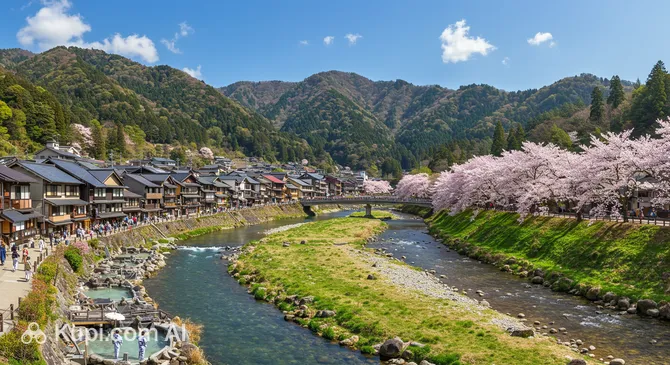
Hanamaki Onsen. Source: Kupi.Binoculars

The region is deeply connected to the arts and literature, most notably as the hometown of the celebrated writer Kenji Miyazawa. Visitors interested in the historical heritage of Hanamaki Onsen will find that the development of the hot springs went hand-in-hand with the area's cultural growth in the 20th century. Today, travelers can enjoy a variety of baths, ranging from luxurious hotel spas to rustic, traditional inns hidden in the valleys.

Beyond the baths, the Hanamaki Onsen Rose Garden is a must-see attraction, featuring thousands of rose bushes that create a stunning display of color and fragrance. Whether you are seeking physical rejuvenation or cultural inspiration, Hanamaki Onsen offers a warm and inviting experience for every traveler.

Weather Overview

The climate in Hanamaki Onsen is defined by distinct seasonal changes, featuring cold winters and pleasantly warm summers. Visitors should expect temperatures to fluctuate significantly depending on the season, with a consistent pattern of precipitation throughout the year.

Winter brings the coldest conditions, particularly in January when the average temperature drops to -3.0°C and minimums can reach -6.3°C. This season is also characterized by frequent precipitation, with December seeing up to 22 wet days, creating a snowy atmosphere ideal for enjoying the hot springs. Conversely, the summer months are much warmer; August is typically the hottest time, with average temperatures of 23.5°C and highs reaching 26.7°C.

The transitional seasons of spring and autumn offer moderate weather. By May, the average temperature rises to a comfortable 13.9°C, while October sees it cool down to roughly 12.5°C. To pack the right gear for your trip, we recommend checking the detailed forecast for weather in Hanamaki Onsen before your departure.

Interesting Facts

Beyond the relaxing waters and scenic landscapes, Hanamaki Onsen and the surrounding area hold several fascinating secrets that surprise many visitors. From literary legends to modern sports fame, the city offers more than just a traditional bath experience.

  • A Literary Railway Inspiration: The Hanamaki Electric Railway, which once connected the main station to the hot spring resort, operated tiny, narrow cars often called "matchbox trains." It is widely believed that this charming railway served as the real-life inspiration for the celestial train in Kenji Miyazawa’s beloved novel, Night on the Galactic Railroad.

  • A Baseball Powerhouse: Despite its rural atmosphere, the city is a breeding ground for world-class athletes. Hanamaki Higashi High School is the alma mater of Major League Baseball superstars Shohei Ohtani and Yusei Kikuchi, making the town a pilgrimage site for baseball fans from Japan and abroad.

  • The Home of Competitive Eating: Hanamaki is the founding place of the "All-Japan Wanko Soba Eating Contest." While the small-bowl noodle dish is a regional staple, this specific city hosts the prestigious annual championship where legendary competitors have consumed over 250 bowls in just a few minutes.

  • A Planned Resort Legacy: Unlike many ancient hot springs discovered by warriors or monks, Hanamaki Onsen was developed in the 1920s as a modern, planned resort. It was designed with a western-style rose garden and recreational facilities from the very beginning, reflecting the forward-thinking optimism of the Taisho era.

How to Get There

Reaching this scenic hot spring resort is quite convenient, thanks to its proximity to regional transport hubs and high-speed rail lines. Whether you are flying from within Japan or arriving by train from major cities like Tokyo, the journey is part of the experience. For a comprehensive guide on all transport options, you can read more about how to get to Hanamaki Onsen.

The most direct entry point by air is Hanamaki Airport (IATA: HNA). Although this facility is listed in the city of Morioka, it is situated just 6.9 km from Hanamaki Onsen, making it an incredibly convenient option. A taxi or bus ride from the terminal to the hot springs typically takes around 30 minutes. This airport handles a significant number of travelers and connects the region to several major Japanese cities.

Alternatively, travelers can fly into Akita Airport (IATA: AXT), located in the city of Akita, approximately 74.7 km away. While further afield, it serves as a larger regional hub. The transfer from Akita to Hanamaki Onsen by road takes roughly 2 hours and 15 minutes. Other airports in the wider Tohoku region, such as Shonai or Odate Noshiro, are available but involve significantly longer travel times.

For clarity, here is a summary of the main airports:

Airport Name City Passenger Traffic Km from City
Akita Airport Akita High 74.7
Hanamaki Airport Morioka Medium 6.9
Shonai Airport Sakata Medium 131.3
Junmachi Airport Yamagata Low 130.4
Odate Noshiro Airport Kitaakita Low 101.0

For those preferring rail travel, Hanamaki Onsen is well-served by Japan's extensive railway network. The Shin-Hanamaki Station is a stop on the Tohoku Shinkansen line, allowing for rapid access from Tokyo in under three hours. From Shin-Hanamaki Station or the local Hanamaki Station, regular shuttle buses and taxis are available to whisk visitors directly to the various ryokans and bathhouses in the hot spring village.

Main Attractions

Attractions:

For those looking to explore beyond the baths, Miyazawa Kenji Dowa Mura (Village of Fairy Tales) offers a whimsical journey into the imagination of Hanamaki's most famous son. This unique facility brings the author's stories to life with interactive exhibits and dreamlike landscapes. Visitors can explore "Kenji's School," which features five themed zones including space and earth, or stroll through the "Fairy’s Path" in the surrounding forest, making it a magical experience for both children and literature enthusiasts.

Nature lovers should not miss Kamafuchi Waterfall, a scenic spot located just a short walk from the main hot spring area. The waterfall stands about 8.5 meters high and 30 meters wide, cascading over a rounded rock face that resembles an overturned rice cooking pot. A promenade leads to the falls, offering a refreshing walk through the forest that is particularly beautiful during the fresh greenery of spring or the vibrant colors of autumn.

Osawa Onsen stands out as a historic highlight within the wider hot spring village. With a history spanning over 200 years, it retains a nostalgic atmosphere reminiscent of old Japan. The resort is famous for its open-air bath located right along the Toyosawa River, allowing bathers to soak in therapeutic waters while enjoying unobstructed views of the changing seasons and the rushing river nearby.

Families and admirers of craftsmanship will find the Hanamaki Toy Museum to be a delightful stop. Located in the Marukan Building, this museum is filled with wooden toys and play equipment made from local Iwate timber. It is designed as a space where people of all ages can interact and play, showcasing the warmth and versatility of wood in a charming, hands-on environment.

Finally, the Hanamaki Onsen Rose Garden remains a centerpiece of the resort area. While it is a visual treat with thousands of blooming roses, it also holds historical significance. The garden features a unique flower bed sundial designed by Kenji Miyazawa himself, adding a touch of literary history to the botanical beauty. The best time to visit is from late May to early July when the fragrance and colors are at their peak.

Local Cuisine

The culinary landscape of Hanamaki Onsen is deeply rooted in the rich agricultural traditions of Iwate Prefecture, offering visitors a taste of fresh, locally sourced ingredients. A standout delicacy in the region is Platinum Pork (Hakkinton), a premium brand of meat raised in Hanamaki. Known for its soft texture and delicate, sweet fat, this high-quality pork is a staple in many local restaurants and ryokan dinners, where it is often served as savory shabu-shabu or simply grilled to highlight its natural flavor.

For a dining experience that doubles as entertainment, travelers must try Wanko Soba. As one of the region's most famous noodle dishes, it involves serving buckwheat noodles in small, bite-sized bowls. Servers stand by your table, rhythmically refilling your bowl the moment you empty it, often accompanied by encouraging chants. It is a fun, interactive meal where the goal is to stack as many empty bowls as possible, offering a memorable way to engage with local hospitality.

Those with a sweet tooth should seek out the legendary Marukan soft-serve ice cream. Located in the cafeteria of the historic Marukan Building, this iconic dessert is famous for its towering height, featuring ten swirls of creamy vanilla. It is so large and precarious that the local custom is to eat it with chopsticks rather than a spoon. This nostalgic treat is a beloved symbol of the city and provides a charming glimpse into the daily life of Hanamaki residents.

The region is also a fantastic destination for beverage enthusiasts. Hanamaki is part of the land of the Nanbu Toji, a prestigious guild of sake brewers, ensuring that local sake is of exceptional quality. In addition to rice wine, the area has a thriving viticulture scene, particularly in the Ohasama district. Local wines, such as the popular Edel Wine, are crafted from grapes grown in the city's vineyards and make for excellent souvenirs or accompaniments to dinner.

Dining in Hanamaki Onsen typically centers around the hot spring resorts, where guests enjoy elaborate kaiseki courses featuring seasonal mountain vegetables (sansai) and river fish. However, exploring the town center reveals a mix of retro diners and casual izakayas. These spots offer a relaxed atmosphere where tourists can enjoy authentic regional dishes alongside locals, making for a warm and inviting culinary adventure.

Travel Tips

Planning a trip to Hanamaki Onsen promises a rejuvenating experience, but a little preparation goes a long way in this rural yet culturally rich part of Iwate Prefecture. To help you navigate the local customs and logistics smoothly, here are some essential practical tips for your stay.

  1. Clothing and Gear: Since you will likely be visiting traditional inns and bathhouses, pack shoes that are easy to slip on and off, as you will frequently remove them at entryways. The winters here can be quite snowy and cold, so heavy coats and non-slip boots are essential from December to March. In summer, light, breathable fabrics are best, but bring a light jacket for cooler evenings in the mountains.
  2. Transportation: While the area is served by buses connecting to Hanamaki and Shin-Hanamaki stations, the frequency can be low compared to big cities. Many major hotels offer free shuttle services for guests, so check with your accommodation in advance. If you plan to explore the wider Iwate region or visit secluded spots like the Kamafuchi Waterfall at your own pace, renting a car is highly recommended.
  3. Finances: The local currency is the Japanese Yen (JPY). While larger hotels and ryokans usually accept credit cards, many smaller shops, local eateries, and bus services operate on a cash-only basis. It is wise to carry sufficient cash. International ATMs are typically found at convenience stores like 7-Eleven or Japan Post offices in the main city area, rather than in the resort village itself.
  4. Health and Safety: Hanamaki is a very safe destination, but if you are hiking in the surrounding forests, be aware of local wildlife, including bears; carrying a bear bell is a common precaution. Pharmacies are available in the city center, but they may not be open 24/7, so bring a basic travel health kit with you.
  5. Communication: English proficiency can be limited in rural areas outside of major hotel reception desks. It is highly advisable to have a translation app installed on your phone. Renting a Pocket Wi-Fi or purchasing a local SIM card at the airport upon arrival in Japan is crucial, as public Wi-Fi may not be available everywhere in the countryside.
  6. Local Etiquette: The most important rules revolve around the hot springs. You must wash your body thoroughly before entering the communal bath water, and swimwear is generally strictly prohibited in traditional onsens. Also, remember to keep your voice down in the bathing areas to maintain the serene atmosphere that guests come to enjoy.
  7. What to Avoid: Do not enter a hot spring with visible tattoos unless you have confirmed that the specific facility allows them. Tattoos are often associated with organized crime in Japan, and many public baths prohibit entry to anyone with ink. If you have tattoos, look for "kashikiri" (private rental baths) or cover them with waterproof skin-colored patches if permitted.
  8. Additional Tip: If you plan to visit the Rose Garden or the Miyazawa Kenji Dowa Mura, check for combination tickets or discount passes often available at the tourist information center at the train station. Also, keep an eye on the "Wanko Soba" restaurants; they often close earlier than you might expect, so plan your challenge for lunch rather than a late dinner.

By keeping these practicalities in mind, you can focus entirely on soaking in the therapeutic waters and enjoying the literary charm of the region. Hanamaki Onsen is a place to slow down and breathe, and with these tips, you are all set for a stress-free and memorable adventure.

Entertainment & Nightlife

Nightlife in Hanamaki Onsen and the surrounding city of Hanamaki is distinctively relaxed, focusing on cultural immersion, dining, and socialization rather than the high-energy clubbing scenes found in Tokyo or Osaka. The atmosphere here is warm and welcoming, characterized by the glow of lanterns outside traditional pubs and the sound of laughter drifting from hotel lounges. Visitors should expect a laid-back evening environment where the dress code is casual, and in the resort area, it is perfectly acceptable to wander between venues in a yukata (cotton kimono) provided by your inn.

The heart of the evening entertainment often lies within the major hot spring resorts themselves, particularly the connected complex of Hotel Hanamaki, Hotel Senshukaku, and Hotel Koyokan. These venues are not just for sleeping; they function as nightlife hubs featuring karaoke boxes, noodle corners for late-night snacks, and spacious lounges. A highlight for many tourists is the traditional Deer Dance (Shishi-odori), a local folk performance often held in the evenings at the Festival Plaza within the Hotel Koyokan. This vibrant display of drumming and dancing offers a unique cultural night out without leaving the comfort of the resort.

For those seeking a more local vibe, the streets surrounding Hanamaki Station offer a cluster of authentic dining and drinking spots. This district is home to numerous izakayas (Japanese-style pubs) and "Snack Bars"—small, retro establishments where locals gather to drink whisky, chat with the host, and sing karaoke. While these places can seem intimate, many owners are welcoming to respectful travelers. A stroll through this area reveals the authentic, slow-paced nightlife of northern Japan, where the focus is on good food, local sake, and conversation.

Practicality is key when enjoying a night out in Hanamaki. Public transport, including buses and trains, typically stops running before midnight, and earlier in the resort areas. If you venture into the city center from Hanamaki Onsen, you will likely need a taxi to return. Taxis are safe and reliable, though it is advisable to have your destination written in Japanese or pinned on a map, as few drivers speak fluent English. The area is extremely safe for night walks, even solo, though the streets can be quite dark and quiet compared to big cities.

While the nights are for relaxing, daytime entertainment in Hanamaki offers a mix of culture and whimsy. Before the evening sets in, visitors can explore the Miyazawa Kenji Dowa Mura, a museum dedicated to the famous author's fairy tales, or visit the nearby Hanamaki City Museum to learn about the region's history. For families, the open spaces and flower beds of the Rose Garden provide a delightful afternoon stroll, setting the perfect calm tone before a soothing evening in the hot springs.

Parks & Museums

Hanamaki Onsen and its surrounding areas offer a rich tapestry of cultural and natural attractions that extend far beyond the relaxing hot spring baths. The city is deeply intertwined with the legacy of Japan’s beloved author Kenji Miyazawa, and its green spaces often reflect the landscapes described in his stories, making it a fascinating destination for literature fans and nature lovers alike.

One of the most poetic natural spots in the city is the English Coast (Ingurisu Kaigan). Located along the western bank of the Kitakami River, this area was named by Kenji Miyazawa himself, who felt the exposed white mudstone of the riverbed during dry seasons resembled the white cliffs of Dover in England. It is a serene place for a riverside walk, offering a peaceful atmosphere where visitors can observe the changing water levels and the surrounding foliage that inspired much of the local poetry. It provides a quiet contrast to the bustling resort areas and connects tourists directly with the region's literary history.

For those seeking a more active nature experience, Mount Hayama offers excellent hiking opportunities. This mountain has been cherished by locals for generations and features a trail that leads to a summit with panoramic views of the Hanamaki area and the Kitakami Basin. The path is lined with varied vegetation, including beautiful alpine plants and vibrant autumn leaves later in the year. It serves as a perfect day-trip for travelers wanting to immerse themselves in the rugged beauty of Iwate's landscape.

Delving into the cultural heart of the city, the Miyazawa Kenji Memorial Museum is an essential stop for understanding the region's most famous figure. Unlike the whimsical "Village of Fairy Tales" mentioned earlier, this museum focuses on the author's biography, scientific studies, and personal life. Perched on Mount Hu, the facility displays his handwritten manuscripts, favorite cello, and geological specimens. It offers a profound look into how his deep connection with nature and science influenced his fantastical writings, making it a deeply moving experience for visitors.

Another significant cultural venue is the Takamura Kotaro Memorial Museum. This site is dedicated to the renowned sculptor and poet who evacuated to Hanamaki during World War II. The museum preserves the small, rustic mountain hut where he lived a simple, solitary life for seven years. Visitors can see his sculptures and writings, gaining insight into how the rural environment of Hanamaki provided solace and artistic inspiration during a turbulent period in history.

For a truly authentic local experience, keep an eye out for the Future City Galaxy Earth Railroad Mural. Located near Hanamaki Station, this illuminated wall art depicts scenes from Night on the Galactic Railroad. It is best viewed at night when the special paint glows under black light, creating a magical, ethereal scene that feels like a secret discovered only by those who take the time to explore the city streets after dark.

Getting Around

Navigating Hanamaki Onsen and the surrounding city requires a slightly different approach compared to Japan's major metropolises. The public transport system here is reliable but rural, primarily revolving around a network of local buses and trains that connect the hot spring resorts with the city center and transit hubs. The main provider for bus services is Iwate Kenkotsu, which operates routes linking JR Hanamaki Station and JR Shin-Hanamaki Station directly to the Hanamaki Onsen area. These buses are the lifeline for tourists without cars, running regularly throughout the day.

For rail travel, the city is served by two key stations. Shin-Hanamaki Station is a stop on the high-speed Tohoku Shinkansen, making it the primary entry point for long-distance travelers. Meanwhile, Hanamaki Station serves local lines, including the Tohoku Main Line and the Kamaishi Line. The Kamaishi Line is particularly special; known as the "Galaxy Dream Line," it features station signs written in Esperanto and designs inspired by the works of local author Kenji Miyazawa, offering a whimsical atmosphere for passengers traveling through the countryside.

When using local buses, the payment system is typically based on distance. You enter through the rear door and take a small numbered ticket from a machine. At the front of the bus, a digital display board shows the fare corresponding to your ticket number. When you arrive at your destination, you drop the ticket and the exact fare in cash into the box next to the driver. While major IC cards like Suica or Pasmo are widely accepted on JR trains, they may not be usable on all local bus routes in this region, so carrying a sufficient amount of coins and 1,000-yen notes is highly recommended.

For tourists staying at the major resort hotels within Hanamaki Onsen, there is often a convenient alternative to public buses. Many large ryokans and hotels operate free shuttle bus services for their guests, running to and from the nearest train stations. These shuttles usually require a reservation made in advance or upon booking your room, so it is wise to check with your accommodation to save time and money.

Given the rural nature of the area, schedules can be less frequent than in big cities, with some bus lines stopping operations in the early evening. For greater flexibility, taxis are readily available at both train stations and can be called by hotels. Car rentals are also a popular choice for visitors who wish to explore the wider Iwate Prefecture or visit secluded attractions like the Kamafuchi Waterfall at their own pace. Bicycle rentals may be available seasonally at tourist information centers, offering a pleasant way to view the nearby rose gardens and scenery during warmer months.

Accommodation

Accommodation in Hanamaki Onsen is centered around the therapeutic experience of the hot springs, offering a delightful contrast between modern convenience and traditional charm. The options primarily consist of large onsen resorts and historic ryokans (Japanese inns). While the city center near the train stations offers functional business hotels for those merely passing through, the true essence of a visit here is found in the dedicated hot spring villages where hospitality includes elaborate meals and access to multiple baths.

The most popular area to stay is the designated Hanamaki Onsen resort district. This planned area features expansive hotel complexes surrounded by the Rose Garden and nature trails, making it ideal for families and travelers who prefer modern amenities and easy accessibility. For those seeking a more secluded and atmospheric experience, the Hanamaki Minami Onsenkyo (South Hot Spring Village) along the Toyosawa River is excellent. Here, inns are often tucked into the valley, offering rustic wooden architecture and open-air baths with river views.

Travelers looking for a quintessential resort experience often choose the major connected hotels in the main Hanamaki Onsen area, such as Hotel Hanamaki, Hotel Senshukaku, or Hotel Koyokan. Staying at one of these typically grants access to the baths of the others, allowing for a diverse soaking experience. Alternatively, for history enthusiasts, places like the venerable Osawa Onsen in the southern village offer a chance to stay in buildings that have welcomed guests for over two centuries, providing a deep connection to the region's past.

When planning your stay, it is important to note that most accommodations in the hot spring areas operate on a half-board basis, meaning the price per night usually includes a multi-course dinner and breakfast. Consequently, the price range tends to be mid-range to luxury. Budget travelers can find more affordable "room-only" options near Hanamaki Station or by selecting older wings of traditional inns. Booking in advance is highly recommended, especially during the autumn foliage season and Japanese holidays, as the popular ryokans fill up quickly via online booking platforms.

Nearby Cities

For those looking to explore the surroundings, Hanamaki Onsen serves as an excellent base for day trips to several interesting nearby locations. The region is rich in history and natural beauty, allowing travelers to easily experience the wider Iwate Prefecture.

Just a short distance to the north lies Morioka, the prefectural capital. It is a cultural hub famous for its "Three Great Noodles" and the atmospheric ruins of Morioka Castle, offering a perfect blend of urban convenience and historical charm. To the south, Kitakami is a must-visit, particularly in spring when Tenshochi Park hosts one of the Tohoku region's most spectacular cherry blossom festivals. Further afield, Ichinoseki serves as the gateway to the stunning Geibikei Gorge, where visitors can take scenic boat rides down the river amidst towering cliffs.

City Population Distance (km)
Morioka 290,553 29
Oshu 112,402 35
Ichinoseki 111,824 58
Kitakami 92,348 19
Yokote 84,556 46

These nearby destinations offer a glimpse into the diverse culture and landscapes of the region.

Shopping & Souvenirs

Shopping in Hanamaki Onsen and the surrounding city is a delightful exploration of regional craftsmanship and local flavors rather than a hunt for high-end fashion. The shopping scene here is deeply connected to the area's agricultural bounty and cultural heritage. Visitors will find that the best items to purchase are those that tell a story, whether it is a bottle of wine from local vineyards, traditional handicrafts, or sweets inspired by the city's literary history.

For many tourists, the most convenient shopping destinations are located directly within the Hanamaki Onsen resort complex. The major hotels, such as Hotel Hanamaki and Hotel Senshukaku, feature extensive gift shops that resemble small marketplaces. These are stocked with a wide variety of regional souvenirs, making it easy to browse for gifts in your yukata after a relaxing bath. Outside the resorts, the area around Hanamaki Station offers a more retro atmosphere, with small specialty shops selling local sake, pottery, and daily necessities.

If you are looking for a more modern retail experience, Ginga Mall Hanamaki is the city's primary shopping center. It houses a large supermarket, clothing retailers, and a food court, serving as a practical stop for travelers who need to restock on supplies or purchase travel gear. Another unique venue is the Marukan Building. Once a bustling department store, it has been revitalized as a community hub where visitors can buy local wooden toys and regional products on the first floor before heading up to its famous cafeteria.

While traditional open-air markets are rare, the region is renowned for its Michi-no-Eki (Roadside Stations), which function as excellent markets for tourists. Michi-no-Eki Hanamaki and the nearby Michi-no-Eki Ishidoriya are must-visits. These facilities offer fresh, seasonal produce like apples and grapes directly from local farmers. They are also the best places to find a comprehensive selection of locally brewed sake and specialty foods in a lively, market-style environment.

When it comes to souvenirs, Hanamaki offers several distinct specialties. Kinkon-zuke, a spicy and savory pickle stuffed with vegetables and wrapped in shiso leaves, is a famous local delicacy perfect for bringing home. Beverage enthusiasts should look for Edel Wine, produced in the city's Ohasama district, or sake brewed by the prestigious Nanbu Toji guild. For non-food items, goods featuring motifs from Kenji Miyazawa’s works—such as "Night on the Galactic Railroad" stationery or textiles—are popular, as are the traditional hand-painted Hanamaki clay dolls.

Standard operating hours for shops in the city are typically from 10:00 AM to 7:00 PM or 8:00 PM. However, the souvenir shops within the hot spring hotels often remain open later to accommodate guests in the evening. Regarding payment, while large hotels, malls, and the airport accept credit cards, many smaller souvenir shops, traditional craft stores, and roadside markets operate on a cash-only basis. It is advisable to carry sufficient Japanese Yen for these transactions.

Tax-free shopping is available but is generally limited to larger establishments. You can find tax-exemption services at major drugstores, supermarkets in the shopping malls, and the gift shops at Hanamaki Airport. Look for the "Japan Tax-Free Shop" logo at the entrance and be sure to have your passport with you to claim the refund on eligible purchases.
Reached the end of the page?

That means the route is fully explored