Support

Fukushima

About

Welcome to Fukushima, the vibrant capital city of the prefecture bearing the same name. Nestled in the Tohoku region of Japan, this city serves as a welcoming gateway to the north, offering a delightful mix of urban convenience and stunning natural landscapes. Known for its warm hospitality and scenic surroundings, Fukushima provides travelers with a unique opportunity to experience the authentic lifestyle of the Japanese countryside combined with modern comforts.

Geographically, the city is situated in the Fukushima Basin and is framed by the majestic Azuma mountain range to the west. The climate here is characterized by distinct seasons, from snowy winters perfect for scenic views to warm summers that ripen the local produce. With a population of approximately 284,000 residents, the city is large enough to offer diverse activities yet small enough to maintain a friendly, community-oriented atmosphere.
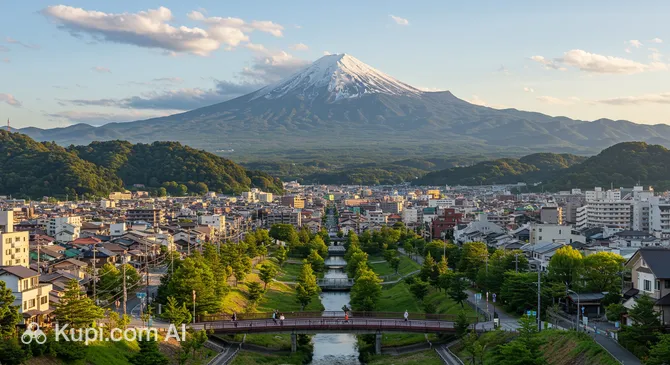
Fukushima. Source: Kupi.Binoculars

The city has deep roots, and exploring the history of Fukushima reveals its origins as a castle town and an important post station during the Edo period. Today, it is famously celebrated as the "Kingdom of Fruit" for its high-quality peaches and pears, which are a must-try for any visitor. Nature lovers flock to Hanamiyama Park, a hillside park that transforms into a breathtaking sea of pink during the cherry blossom season. For relaxation, the historic Iizaka Onsen offers soothing hot spring baths that have been enjoyed for centuries.

Whether you are hiking in the nearby mountains, tasting the freshest seasonal fruits, or soaking in a traditional onsen, Fukushima promises a memorable escape. We invite you to discover the charm and resilience of this beautiful city on your next journey.
Weather Overview

The climate in this region is characterized by distinct seasonal changes, offering a different atmosphere depending on when you visit. Winters are generally cold, with average temperatures in January dropping to around -1.4°C. In contrast, the summer months bring warmth, with August seeing average temperatures of 24.3°C and highs reaching up to 27.6°C.

Rainfall is a common feature throughout the year, particularly in the summer; July and August can experience up to 21 wet days per month. For a more detailed breakdown of seasonal conditions, you can consult the guide to weather in Fukushima. Overall, expect warm summers with frequent rain and cold winters that require plenty of warm layers.

Interesting Facts

Beyond the main attractions and scenic parks, Fukushima holds many fascinating secrets and local traditions that often escape the average traveler's radar. From quirky roadside art to unique culinary inventions, the city offers a layer of depth that makes exploring it even more rewarding.
  • The city is the proud birthplace of Yuji Koseki, a legendary composer best known for creating the iconic march used during the 1964 Tokyo Olympics. His musical legacy is celebrated at the Yuji Koseki Memorial Hall, which preserves his instruments, scores, and personal effects.

  • Hidden in the Hiraishi district lies a truly unexpected sight: the Sleeping Gundam Statue. This peculiar concrete sculpture was hand-crafted by a local resident and has become a quirky, off-the-beaten-path destination for fans of the famous anime franchise.

  • Fukushima is home to one of Japan's most distinctive festivals, the Waraji Matsuri. The highlight of this event is the parade of a colossal straw sandal (waraji), measuring 12 meters in length and weighing two tons, which is carried through the streets to pray for safe travels and healthy legs.

  • Foodies should look out for "Enban Gyoza," a local dumpling style that dates back to the post-war era. Unlike typical servings, these dumplings are fried into a crispy, circular disk shape that fills the entire plate, a tradition said to have been popularized by chefs returning from China.

Yuji Koseki Memorial Hall. Source: Kupi.Binoculars

How to Get There

Travelers planning a trip to this region have several convenient options for arrival, thanks to Japan's efficient transport network. Whether you prefer the speed of the Shinkansen or the convenience of air travel, reaching the city is straightforward. For a detailed breakdown of routes and tips, you can read more about how to get to Fukushima.

If you prefer to fly, one of the most significant hubs nearby is Sendai Airport (SDJ) in the city of Sendai. Although it is located in a neighboring prefecture, it is approximately 57 km away from Fukushima, making it a very practical entry point. Accessing the city from here is relatively easy via train or highway bus. This airport handles a large volume of passengers annually, ensuring good connectivity with various domestic and international destinations. You can find more information about Sendai Airport to help plan your arrival.

Alternatively, the city is served by its own local aviation hub, Fukushima Airport (FKS). Located roughly 59 km from the city center, it offers a connection within the prefecture. While it sees less traffic compared to Sendai, it provides a convenient option for those looking to land closer to specific areas in the region without navigating the larger crowds of a major international hub. You can check details for Fukushima Airport before booking your tickets.

For clarity, here is a summary of the main airports in the vicinity:

Airport Name City Passenger Traffic Km from City
Sendai Airport Sendai High 57.3
Niigata Airport Niigata Medium 121.1
Shonai Airport Sakata Small 131.3
Fukushima Airport Fukushima Small 59.3
Junmachi Airport Yamagata Small 72.8

In addition to air travel, Fukushima is a major railway hub on the JR East network. The city is served by the Tohoku Shinkansen, which provides high-speed connections to Tokyo in the south and other major cities in the Tohoku region. The Yamagata Shinkansen also stops here, making train travel one of the most popular and efficient ways to reach the city.

Main Attractions

Fukushima offers a diverse array of sights that blend natural beauty with rich cultural heritage. From flower-filled parks to impressive art collections and volcanic landscapes, the city provides travelers with memorable experiences that highlight the unique character of the Tohoku region.

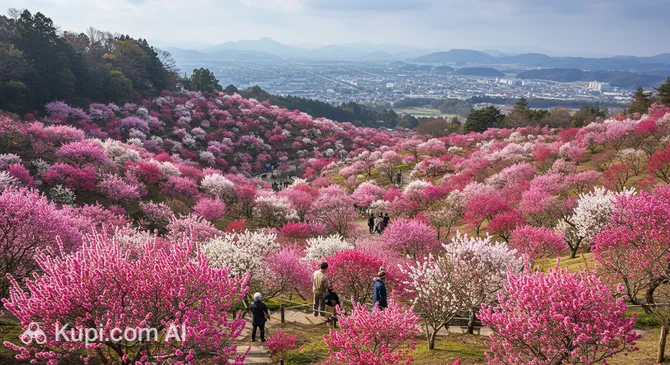
One of the most celebrated spots in the city is Hanamiyama Park. Originally started by local farmers who planted ornamental flowers on the hillsides, it has grown into a spectacular destination known as a "paradise of flowers." Visitors flock here, especially in spring, to see the breathtaking contrast of pink cherry blossoms, yellow Forsythia, and the snow-capped Azuma mountains in the distance. It is a perfect location for photography and leisurely hiking.

Hanamiyama Park. Source: Kupi.Binoculars

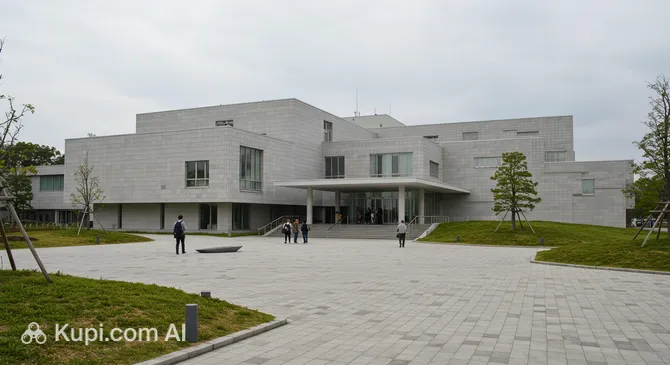
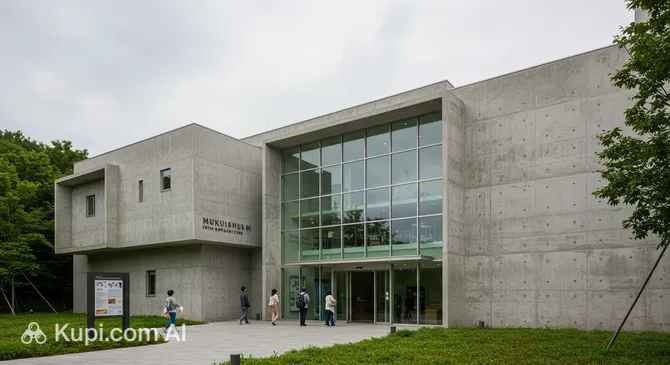
For those interested in culture and aesthetics, the Fukushima Prefectural Museum of Art is a must-visit. Located at the foot of Mount Shinobu, this museum houses a significant collection of works by French Impressionists, 20th-century American Realists, and renowned Japanese artists. The facility also features a spacious garden and a library, making it a serene environment to appreciate creativity and relax.

Fukushima Prefectural Museum of Art. Source: Kupi.Binoculars

Families and craft enthusiasts will enjoy the Village of Four Seasons (Shiki no Sato). This expansive park is designed to celebrate the region's agricultural heritage and traditional crafts. Visitors can try their hand at making Kokeshi dolls or glass blowing, enjoy local cuisine at the on-site restaurants, and wander through beautifully landscaped gardens that change vividly with the seasons.

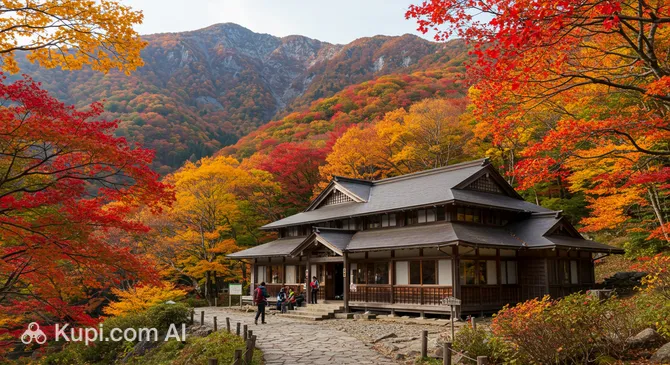
Nature lovers seeking a more dramatic landscape should head to the Jododaira Rest House, located along the famous Bandai-Azuma Skyline. Situated at an elevation of about 1,600 meters, it serves as a base for exploring the volcanic terrain of Mount Azuma-Kofuji. A short climb up the wooden stairs leads to the crater rim, offering panoramic views of the desolate yet majestic volcanic scenery and the lush wetlands below.

Jododaira Rest House. Source: Kupi.Binoculars

Local Cuisine

The culinary landscape of Fukushima is a delightful reflection of its rich agricultural heritage and warm hospitality. Often referred to as the "Kingdom of Fruit," the city is famous for its exceptional produce, particularly juicy peaches and crisp pears that are celebrated nationwide. However, beyond its sweet harvest, the city boasts a savory food scene characterized by hearty, comfort-style dishes that are perfect for satisfying a traveler's appetite.

The undisputed star of the local dining table is Enban Gyoza, or "disk dumplings." Unlike the typical pan-fried dumplings found elsewhere in Japan, these are arranged in a tight circle and fried together to create a crispy, golden-brown crust that connects them all. The filling usually consists of vegetables and ground meat, making them juicy on the inside and crunchy on the outside. This dish is best enjoyed at local specialty shops or izakayas, often accompanied by a cold beer or local sake.

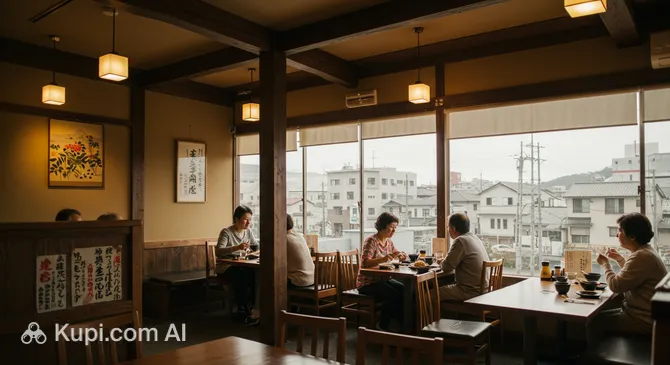
Another regional staple worth trying is Ika Ninjin, a traditional side dish with deep roots in the area. It is a simple yet flavorful salad made from shredded carrots and dried squid, marinated in soy sauce, sake, and mirin. Originally a winter preservative, it is now a year-round favorite that perfectly complements white rice or alcoholic beverages. For those looking to experience authentic local dining, restaurants like Kashiwaya Shokudo offer a welcoming atmosphere where you can sample these down-to-earth flavors.

Dateya. Source: Kupi.Binoculars

When it comes to beverages, Fukushima Prefecture is renowned for its award-winning sake. Thanks to the region's high-quality rice and pure water sources, local breweries consistently earn top honors in national competitions. Visitors can enjoy tasting flights at local bars and restaurants to appreciate the smooth and aromatic profiles of these premium rice wines. If you prefer something different, the city also embraces international influences; for instance, Rosenkeller is a popular spot that brings a German beer hall vibe to the city, serving a variety of brews and Western-style dishes.

Dining in Fukushima is generally a casual and social affair. While you will find elegant establishments, the heart of the food culture lies in its approachable eateries and lively izakayas. Whether you are enjoying a sophisticated meal at Dateya or grabbing a quick bite of street food during a festival, the focus is always on fresh ingredients and robust flavors. Don't forget to finish your meal with fresh seasonal fruit, which is widely available at local markets and often featured in desserts across the city.

Travel Tips

Planning a trip to Fukushima is an exciting prospect, as this welcoming city offers a perfect blend of Japanese tradition and natural beauty. To help you navigate the local customs and make the most of your stay, we have compiled a list of practical tips that will ensure your journey is as smooth and enjoyable as possible.

  1. Clothing and Gear: The weather varies significantly by season, so pack accordingly. Winters can be quite cold with snow, requiring heavy coats, gloves, and warm boots, while summers are hot and humid, calling for light, breathable fabrics. Since you will likely visit traditional sites or izakayas (Japanese pubs) where removing footwear is mandatory, bring comfortable slip-on shoes and clean socks. If you plan to hike Mount Azuma or visit Hanamiyama Park, sturdy walking shoes are a must.
  2. Transportation: While the city center is well-served by buses and local trains, renting a car is highly recommended if you want to explore the wider prefecture or visit scenic spots like the Bandai-Azuma Skyline at your own pace. Taxis are available at the station but can be expensive for long distances. For rail travel, the Japan Rail Pass is valid on JR lines, including the Shinkansen stop at Fukushima Station.
  3. Finances: The currency is the Japanese Yen (JPY). While major hotels and department stores accept credit cards, Fukushima still has a cash-based culture, especially in smaller restaurants, local souvenir shops, and for bus fares. It is wise to carry sufficient cash. You can withdraw money using international cards at ATMs found in 7-Eleven or Lawson convenience stores, which operate 24/7. Tipping is not practiced and can even be considered rude; excellent service is standard here.
  4. Health and Safety: Fukushima is a very safe city for tourists. Pharmacies (often labeled as "Drugstores") are widely available for basic medical supplies, though few are open 24 hours outside of emergency hospitals. If you are hiking in the nearby mountains, be aware of wildlife; carrying a bear bell is a common safety precaution in this region. Tap water is safe to drink everywhere.
  5. Communication: The primary language is Japanese, and English proficiency can be limited outside of major transport hubs and hotels. It is essential to download a translation app like Google Translate or DeepL beforehand. Renting a Pocket Wi-Fi or buying a SIM card at the airport upon arrival in Japan is crucial for staying connected, as free public Wi-Fi can be spotty in rural areas. Learning a few phrases like "Arigato" (Thank you) and "Sumimasen" (Excuse me) goes a long way.
  6. Local Etiquette: Politeness is key. A slight bow is the standard greeting. When using public transport, keep your voice down and avoid talking on the phone. If you visit an onsen (hot spring), such as those in Iizaka, remember to wash your body thoroughly before entering the communal bath and keep your towel out of the water. Tattoos may be restricted in some public baths, so check the policy in advance or cover them with a patch.
  7. What to Avoid: Never stick your chopsticks vertically into a bowl of rice, as this resembles a funeral ritual and is considered very bad luck. Additionally, avoid eating or drinking while walking in public streets, which is generally frowned upon; it is better to stop near a vending machine or sit on a bench to finish your snack.
  8. Seasonal Delight: Don't miss the chance to experience the "Fruit Line," a stretch of road lined with orchards. If you visit in summer or autumn, look for "fruit picking" signs where you can pay a set fee to pick and eat fresh peaches, pears, or apples directly from the trees—a quintessential Fukushima experience!

By keeping these simple tips in mind, you will be well-prepared to embrace the local culture and hospitality. Fukushima is a place that rewards the curious and respectful traveler, promising unforgettable memories and delicious discoveries around every corner.

Entertainment & Nightlife

While Fukushima may not have the frenetic neon intensity of Tokyo, its nightlife offers a warm, authentic, and lively experience that centers heavily on dining and socializing. The evening entertainment scene is primarily concentrated around Fukushima Station, particularly near the East Exit. Here, narrow streets come alive after dark with the glow of red lanterns (akachochin) marking the entrances to countless izakayas (Japanese pubs), bars, and restaurants where locals unwind after work.

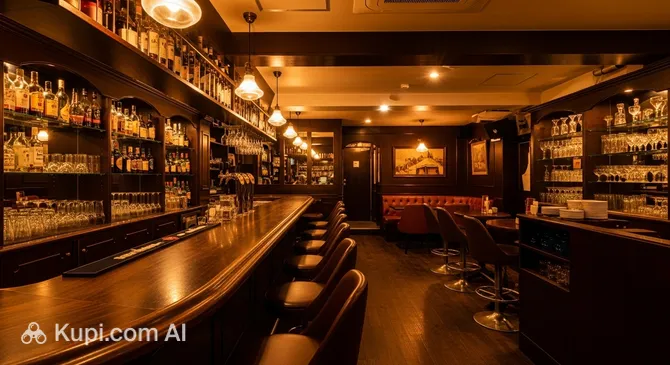
The atmosphere is generally relaxed and welcoming. You won't find strict dress codes here; casual attire is perfectly acceptable at almost all venues. The crowd is a mix of salarymen, groups of friends, and travelers enjoying the region's famous hospitality. For a distinct change of pace from traditional Japanese pubs, you can visit Rosenkeller. This popular venue offers a German beer hall atmosphere right in the heart of the city, serving a wide selection of draft beers and hearty dishes, making it a fantastic spot for groups looking for a lively night out.

Rosenkeller. Source: Kupi.Binoculars

For those seeking a more culinary-focused evening, the city's night restaurants are exceptional. Since Fukushima is renowned for its sake, many establishments specialize in pairing local brews with regional dishes. Dateya is a prime example of a venue where you can enjoy high-quality meals in a comfortable setting. It is an excellent place to sample local specialties like gyutan (grilled beef tongue) while soaking in the sophisticated yet cozy ambiance. Most bars and restaurants stay open until around midnight or 1:00 AM, though some karaoke bars may operate later.

Safety is rarely a concern in Fukushima; the streets are safe to walk at night, even for solo travelers. However, public transport does stop running around midnight. If you stay out late, taxis are the best way to get back to your hotel. You can easily find a taxi stand outside the train station or ask a restaurant staff member to call one for you. Prices are reasonable, and drivers are generally trustworthy and polite.

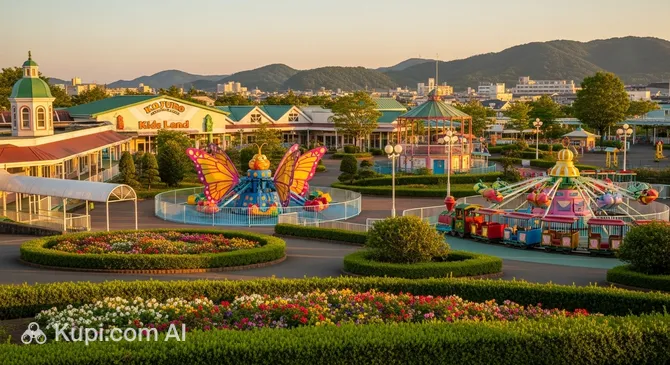
During the daylight hours, the city offers a different kind of entertainment suitable for all ages. Families traveling with children should consider a trip to Kojuro Kids Land, an engaging indoor amusement facility designed to keep little ones active and entertained regardless of the weather. For animal lovers, the Tohoku Safari Park provides an exciting adventure where you can see exotic animals up close against the backdrop of the region's beautiful nature. Whether you are exploring museums or enjoying these recreational spots, the city ensures your days are just as fulfilling as your nights.

Kojuro Kids Land. Source: Kupi.Binoculars

Parks & Museums

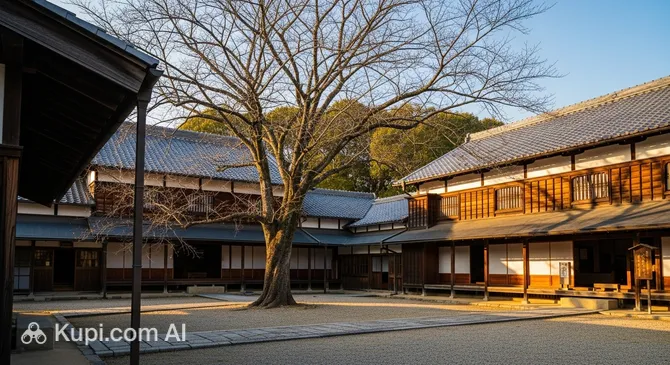
Beyond the bustling city center, the region offers a wealth of historical parks and museums that showcase the area's rich heritage and natural beauty. A fascinating destination for history enthusiasts is Sairi Yashiki, a beautifully preserved merchant estate turned museum. This complex features multiple traditional storehouses and a magnificent residence that once belonged to a wealthy family, offering a glimpse into the opulent lifestyle of the past through its impressive collection of antiques and household items.

Sairi Yashiki. Source: Kupi.Binoculars

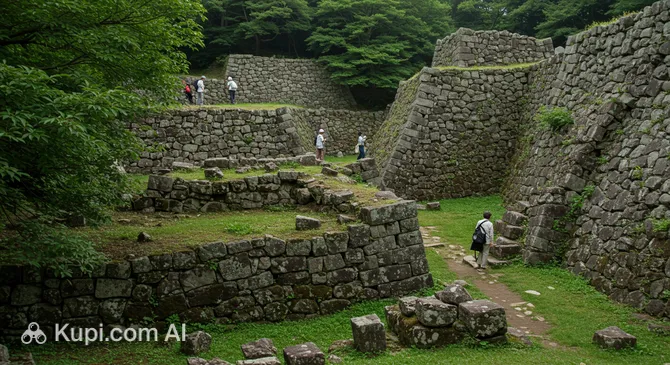
For those who appreciate history combined with scenic landscapes, the Nihonmatsu Castle Ruins are a spectacular choice. The grounds of this former fortress have been transformed into Kasumigajo Park, a location celebrated for its seasonal splendor. It is particularly famous in spring for its thousands of blooming cherry trees and in autumn for the vibrant Chrysanthemum Doll Exhibition, making it a perfect spot for leisurely strolls and photography.

Nihonmatsu Castle Ruins. Source: Kupi.Binoculars

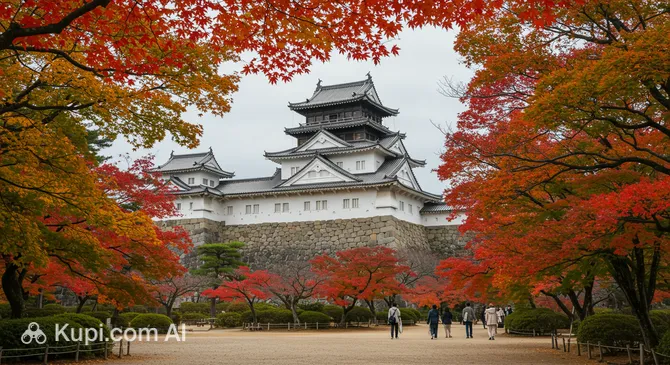
Another impressive historical site accessible from the area is Shiroishi Castle. This faithfully reconstructed fortress stands as a proud symbol of the samurai era, allowing visitors to explore traditional wooden architecture. Climbing to the top of the keep provides commanding views of the surrounding town and mountains, offering a unique perspective on the strategic importance this location once held during the feudal period.

Shiroishi Castle. Source: Kupi.Binoculars

If you are seeking a more relaxed atmosphere to unwind, Mizuiro Park is a delightful green space often frequented by locals and families. Known for its large, scenic waterfall and tranquil water features, the park offers expansive lawns that are ideal for picnics. It serves as a refreshing oasis where travelers can escape the pace of sightseeing and enjoy the soothing sounds of flowing water.

Mizuiro Park. Source: Kupi.Binoculars

Getting Around

Navigating Fukushima is relatively straightforward, as the city is compact and well-connected by a reliable network of trains and buses. Unlike Japan's massive metropolises, there is no subway system here; instead, public transit relies heavily on surface rail lines and an extensive bus network. The central hub for all travel is Fukushima Station, where the Shinkansen, JR local lines, and private railways converge, making it the perfect starting point for any excursion.

For getting around the city center and reaching the famous hot springs, the Fukushima Kotsu Iizaka Line is a favorite among locals and tourists alike. Often affectionately referred to as the "Iizaka Densha," this charming local train connects Fukushima Station to Iizaka Onsen in about 23 minutes. It offers a nostalgic ride through the suburbs and is the most convenient way to access the historic bathhouses. For destinations not served by rail, local buses operated by Fukushima Transportation cover most major tourist sites, including Hanamiyama Park and the art museum.

Recent updates to the transit system have made traveling around the city significantly easier for international visitors. A major improvement introduced in 2024 is the adoption of contactless credit card payment (touch payment) on the Iizaka Line and local route buses. This allows travelers to simply tap their credit cards to pay fares without needing to purchase tickets or carry cash. While the local NORUCA card remains popular among residents, please note that nationwide IC cards like Suica and Pasmo are not yet supported on these specific local lines, with full integration expected around FY2025.

For those who prefer a more active way to explore, the city offers a convenient bicycle rental service known as Momorin Share Cycle. Named after the city's pink rabbit mascot, this service provides electric-assist bicycles that make navigating the city streets a breeze. Visitors can rent these bikes for a nominal fee at several locations, including the station, offering an eco-friendly and efficient alternative for visiting nearby shrines, parks, and downtown shops at your own pace.

If you plan to venture further into the mountains, such as driving the breathtaking Bandai-Azuma Skyline, renting a car is arguably the best option. Car rental agencies are plentiful near the station. Alternatively, taxis are readily available at designated stands. While more expensive than buses, they are convenient for short trips or when traveling with heavy luggage. Most drivers are helpful, though having your destination written in Japanese can smooth out any language barriers.

Accommodation

Finding the perfect place to stay in Fukushima is easy, as the city offers a wide variety of accommodation options to suit every preference and budget. Travelers can choose from efficient business hotels located near transport hubs, charming guesthouses, and luxurious resorts. For those seeking a truly authentic Japanese experience, the region is famous for its traditional ryokans (inns), where you can sleep on tatami mats and enjoy elaborate multi-course kaiseki meals.

When selecting a base for your trip, location is key. The area immediately surrounding Fukushima Station is the most convenient choice for visitors who plan to use public transport extensively. Here, you will find numerous modern hotels that offer easy access to the Shinkansen and local bus lines. Alternatively, if your goal is relaxation, consider staying in the Iizaka Onsen district. Located just a short train ride from the city center, this historic area allows you to stay in riverside inns with direct access to soothing natural hot springs, providing a peaceful retreat after a day of sightseeing.

For travelers looking to immerse themselves in nature while enjoying comfortable amenities, the region boasts several excellent resort hotels. One notable option is Namegawa Onsen Fukushimaya, a secluded retreat tucked away in the mountains. It is renowned for its "secret" hot springs and rustic atmosphere, making it an ideal escape for those wanting to disconnect from the bustle of daily life.

Namegawa Onsen Fukushimaya. Source: Kupi.Binoculars

Another fantastic choice for outdoor enthusiasts is Tengendai Kogen. Situated in the highlands, this resort hotel serves as a gateway to alpine adventures, offering spectacular views and immediate access to hiking trails and skiing slopes depending on the season. Staying here places you right in the heart of the majestic Azuma mountain range.

Prices in Fukushima generally range from budget-friendly rates for hostels and business hotels to higher prices for upscale ryokans and resorts. Booking is typically straightforward via major online platforms, though some smaller, family-run inns may prefer direct inquiries. A helpful tip for prospective visitors: accommodation can fill up quickly during the cherry blossom season in April and the Waraji Matsuri festival in August, so it is highly recommended to book your room well in advance if you plan to travel during these peak periods.

Nearby Cities

For those looking to explore the surroundings, Fukushima serves as an excellent base for day trips to several interesting nearby locations:

Just a short distance to the south lies Nihonmatsu, a city rich in history and natural beauty. It is most famous for the ruins of Nihonmatsu Castle (Kasumigajo), which transforms into a spectacular display of cherry blossoms in spring and hosts Japan's premier chrysanthemum doll exhibition in autumn. The city is also a gateway to Mount Adatara, where visitors can enjoy hiking and relax in the hot springs at the mountain's base.

Crossing into the neighboring Yamagata Prefecture, travelers can visit the historic castle town of Yonezawa. This destination is a paradise for history enthusiasts and gourmets alike. It is home to the majestic Uesugi Shrine, dedicated to a legendary samurai warlord. Furthermore, the city is globally renowned for Yonezawa Beef, one of Japan's top three wagyu brands, offering a culinary experience that is well worth the journey.

For a more urban experience, Koriyama acts as the commercial hub of the region and is known as the "Vienna of Tohoku" for its vibrant music culture. The city features the expansive Kaiseizan Park, a favorite spot for locals to view cherry blossoms. Its central location makes it a convenient stop for shopping and dining, or as a transfer point to the scenic Lake Inawashiro.

City Population Distance (km)
Koriyama 329,706 41
Yonezawa 80,795 36
Nihonmatsu 54,447 20
Minamisoma 52,619 45
Soma 36,752 39

These nearby destinations offer a glimpse into the diverse culture and landscapes of the region.

Shopping & Souvenirs

Shopping:

Shopping in Fukushima is a delightful experience that allows visitors to take home a piece of the region's rich culture and agricultural bounty. The city center, particularly the area around the main train station, is a hub of activity where modern conveniences meet traditional charm. Here, travelers can explore department stores like S-PAL Fukushima, directly connected to the station, which offers a wide range of fashion, lifestyle goods, and local confectionery.

As the capital of the "Kingdom of Fruit," the city is the perfect place to purchase fresh seasonal produce. During the harvest months, shelves are stocked with the region's famous peaches (momo) and pears (nashi), known for their exceptional sweetness and size. For a year-round treat, look for processed fruit products such as 100% pure juices, jams, and fruit-filled jellies, which make for excellent and transportable gifts.

For those interested in traditional craftsmanship, the city is renowned for its Kokeshi dolls, particularly the Tsuchiyu style. These wooden dolls, characterized by their simple shapes and painted floral patterns, have been crafted in the local hot spring districts for centuries. Visitors can find these charming figures at souvenir shops or even watch artisans at work in specialized studios.

A fantastic destination to explore local artistry is the Village of Four Seasons (Shiki no Sato). This expansive park not only offers beautiful scenery but also features a craft center where you can purchase handmade glasswork and traditional Kokeshi dolls. It is a wonderful spot to find unique, high-quality souvenirs that reflect the dedication of local craftsmen.

Village of Four Seasons (Shiki no Sato). Source: Kupi.Binoculars

Another essential stop for souvenir hunters is the Fukushima Prefecture Tourism Product Center, located on the first floor of the Corasse Fukushima building near the station. This facility gathers the best products from across the entire prefecture under one roof. It is especially recommended for browsing the extensive selection of local sake. Fukushima's breweries are consistently awarded top honors in national competitions, and picking up a bottle of premium junmai or ginjo sake is a great way to remember your trip.

Reached the end of the page?

That means the route is fully explored