Support

Rishiri

About

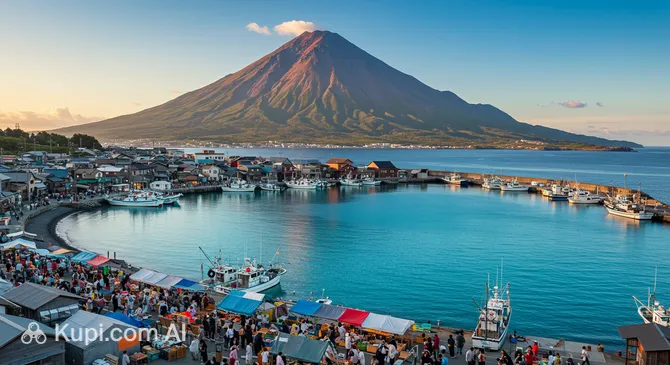
Rishiri is a stunning destination located on a round island off the northwestern coast of Hokkaido, Japan. Dominated by the majestic peak of a dormant volcano, this town offers a unique blend of dramatic alpine scenery and oceanic beauty. It is a place where nature reigns supreme, providing a serene atmosphere far removed from the hustle and bustle of major metropolises.

Rishiri. Source: Kupi.Binoculars

With a population of approximately 2,100 residents, the town maintains a close-knit community vibe. The geography is defined by the central Mount Rishiri, often referred to as "Rishiri-Fuji" because of its striking resemblance to Mount Fuji. This iconic mountain attracts hikers and photographers from all over the world, serving as the centerpiece of the Rishiri-Rebun-Sarobetsu National Park.

Exploring the history of Rishiri reveals a rich heritage connected to maritime trade and fishing. The island is renowned for its exceptional seafood, particularly sea urchin and premium kelp, which are considered some of the best in the country. Visitors can enjoy a cycling path that circles the entire island, offering breathtaking views of the Sea of Japan and the rugged coastline. Whether you are seeking outdoor adventure or culinary delights, Rishiri promises an unforgettable experience.

Weather Overview

Understanding the local climate is key to fully enjoying the outdoor activities this island has to offer, from hiking to cycling. Before packing your bags, it is helpful to consult the current forecast and historical trends regarding the weather in Rishiri to ensure you are prepared for the conditions.

The town experiences a cool climate with distinct seasonal variations. Winters are generally cold, with January seeing average temperatures of -3.7°C and precipitation occurring on approximately 26 days of the month, often resulting in snowy landscapes. In contrast, summers are refreshing and mild rather than hot, peaking in August with an average temperature of 20.2°C. Overall, visitors can expect comfortable, breezy summers and cold winters with frequent precipitation throughout the colder months.

Interesting Facts

Beyond its dramatic landscapes and hiking trails, Rishiri holds fascinating stories that add depth to its scenic beauty. From culinary secrets to pop culture connections, there is much more to this island than meets the eye.

  • A Famous Sweet Wrapper: If you have ever bought the iconic Hokkaido souvenir Shiroi Koibito (White Lover) cookies, you have already seen this island. The picturesque snow-capped mountain depicted on the box is not a generic alp, but specifically Mount Rishiri as viewed from the nearby town of Numakawa.

  • Ancient Name: The name "Rishiri" is derived from the indigenous Ainu language, combining "ri" (high) and "sir" (island). It is a literal and fitting description, as the dormant volcano rises abruptly from the sea to an elevation of 1,721 meters, dominating the entire landmass.

  • Kyoto's Culinary Secret: While located far in the north, Rishiri is inextricably linked to the cuisine of Japan's ancient capital. The local Rishiri Kombu (kelp) is so highly prized for its rich umami that it is the preferred choice for making dashi stock in Kyoto's most exclusive ryotei restaurants, where it is sometimes aged like fine wine before use.

  • Rare Flora: The island is the only place in the world where you can find the Rishiri Poppy (Papaver fauriei). This delicate yellow flower is a survivor, blooming on the harsh, gravelly slopes of the mountain, and is a treasured sight for botanists and hikers alike.

How to Get There

Reaching this remote island destination requires some planning, as it is separated from the Hokkaido mainland by the Sea of Japan. Most travelers arrive by air or by a combination of train and ferry. For a comprehensive overview of your travel options, you can read more about how to get to Rishiri.

The most direct way to arrive is via Rishiri Airport (RIS), which is conveniently located on the island itself. It is a small regional hub with an annual passenger traffic of approximately 93,000 people. The airport is situated just 5.4 km from the town center, making the transfer very quick; a taxi ride typically takes around 28 minutes. Flights usually connect from Sapporo, operating seasonally or year-round depending on the airline.

For international travelers, the main gateway is New Chitose Airport (CTS) in Sapporo. This is a major international airport with a passenger volume of over 23 million annually. Located about 272 km from Rishiri, it serves as the primary connection point where you can transfer to a domestic flight directly to the island. Alternatively, you can fly into Wakkanai Airport (WKJ) in Wakkanai, which is approximately 50.7 km away across the water. From Wakkanai, visitors must take a bus to the ferry terminal and then board a ferry to reach Rishiri.

For clarity, here is a summary of the main airports:

Airport Name City Passenger Traffic Km from City
New Chitose AirportSapporoLarge272.1
Yuzhno-Sakhalinsk AirportYuzhno-SakhalinskLarge222.0
Asahikawa AirportAsahikawaLarge196.0
Wakkanai AirportWakkanaiMedium50.7
Rishiri AirportRishiriSmall5.4

Rishiri is an island and does not have any railway stations. While the provided data lists stations such as Yuzhno-Sakhalinsk Railway Station, these are located in Russia and are not accessible routes for travelers visiting Japan. The most common rail route for domestic travelers is to take a JR train to Wakkanai Station on the northern tip of Hokkaido. From there, you can transfer to a ferry that will take you across the sea to the island.

Below is the data regarding the nearest railway stations geographically, though they are not practical for this route:

Station City Passenger Traffic Km to Center
Yuzhno-Sakhalinsk Railway StationYuzhno-SakhalinskMedium232.2
Dolinsk Railway StationDolinskMedium265.5

Main Attractions

The island's compact size makes it possible to visit several key sites in a single day, though the profound beauty of its nature often encourages travelers to linger. Most sightseeing spots are centered around the coastline, offering different vantage points of the central volcano, while the mountain itself provides a challenging adventure for active visitors.

Mount Rishiri is undoubtedly the island's most prominent feature and a top destination for serious trekkers. Rising 1,721 meters above sea level, this dormant volcano offers a rigorous hiking experience that typically takes 10 to 12 hours to complete round-trip. The trails are lined with unique alpine flora, and the summit rewards climbers with a spectacular 360-degree panorama of the ocean and the neighboring Rebun Island. For those who prefer not to climb, the mountain serves as a majestic backdrop visible from almost every corner of the town.

Located on the southern side of the island, Otatomari Swamp is the largest pond in Rishiri and a favorite stop for photographers. A well-maintained boardwalk allows visitors to stroll along the water's edge, enjoying pristine views of the mountain reflected on the surface. The site is surrounded by native spruce forests, making it a peaceful retreat. Nearby souvenir shops offer local treats, including snacks made with the island's famous kelp and sea urchin, making it a perfect spot for a relaxing break.

Another scenic highlight is Hime-numa Pond, often referred to as "Princess Pond." Situated near the northern port of Oshidomari, this small, artificial lake is famous for its "Sakasa-Fuji" (upside-down Fuji) phenomenon, where Mount Rishiri is perfectly mirrored in the calm waters on clear days. A gentle wooden path circles the pond, taking about 20 minutes to walk, passing through a lush forest filled with wild birds and seasonal flowers.

For a quick but rewarding hike near the town center, Cape Peshi offers stunning coastal views. Known locally as "Gorilla Rock" due to its distinctive shape when viewed from a distance, this rocky cape rises steeply next to Oshidomari Port. A short, steep trail leads to the top, where visitors can find a lighthouse and enjoy a sweeping vista of the harbor, the sea, and the towering peak of Mount Rishiri behind them, especially beautiful during sunset.

Local Cuisine

The local cuisine of Rishiri is defined by the cold, nutrient-rich waters of the Sea of Japan, which surround the island. For food lovers, this destination is legendary, primarily due to the symbiotic relationship between its two most famous products: kelp and sea urchin. The island offers a gastronomic experience that focuses heavily on freshness and the natural flavors of high-quality ingredients rather than complex preparation methods.

The absolute must-try dish is Uni-don, a bowl of rice topped with a generous portion of fresh, raw sea urchin. Rishiri's sea urchins are renowned across Japan for their rich, creamy sweetness, a flavor profile attributed to their diet of premium local kelp. Visitors can typically find two varieties: the orange Ezo Bafun Uni, known for its intense richness, and the lighter-colored Kita Murasaki Uni. The season for fresh sea urchin is summer, usually from June to August, and eating it here is considered a bucket-list experience for many Japanese gourmets.

Noodle lovers should not miss Rishiri Ramen, a savory dish that has gained fame far beyond the island's shores. The secret to this ramen lies in its broth, which is made using copious amounts of the celebrated Rishiri Kombu (kelp). This creates a deep, umami-packed soup, often seasoned with burnt soy sauce, that pairs perfectly with curly noodles. It is a warming, hearty meal that contrasts beautifully with the cool island breeze.

When it comes to beverages, the island has a unique local secret known as Milpis. This is a handmade lactic acid drink, similar to a yogurt drink but with a distinct, slightly tangy flavor. It is produced locally and sold in bottles, serving as a nostalgic and refreshing non-alcoholic option that you won't easily find elsewhere. For those interested in alcohol, the local seafood pairs exceptionally well with dry Hokkaido sake, which cuts through the richness of the sea urchin and scallops.

The food culture on Rishiri is split between casual lunch spots and elaborate inn dining. During the day, tourists flock to small canteens and specialty restaurants near the ferry terminals to enjoy ramen or seafood bowls. In the evenings, the dining scene often shifts to the ryokans (traditional inns) and hotels, where guests are treated to multi-course kaiseki feasts featuring grilled fish, sashimi, and hot pots. It is worth noting that many independent restaurants close early, so planning your evening meals in advance is recommended.

Travel Tips

A trip to Rishiri is a journey to the northern frontier of Japan, where the sea meets the mountains in dramatic fashion. To make the most of your time on this remote island, a few practical preparations will help you navigate the local environment and enjoy a stress-free adventure.

  1. Clothing and Gear: Even in summer, the wind coming off the Sea of Japan can be chilly, so bringing a windbreaker and layers is essential. If you plan to hike Mount Rishiri, professional trekking gear and sturdy boots are mandatory, as the trail is steep and demanding. Don't forget sun protection, as the air is clear and UV rays can be strong at higher altitudes.

  2. Transportation: Public transport is limited to a local bus service that circles the island, but the frequency is low (often 4-5 times a day). The best way to explore is by renting a car or a bicycle. The island features a fantastic cycling path that runs along the coast, making electric bicycles a popular and eco-friendly choice for sightseeing.

  3. Finances: Cash is king in rural Japan. While some hotels and larger shops accept credit cards, many small eateries and souvenir stands operate on a cash-only basis. Ensure you withdraw enough Japanese Yen (JPY) before leaving the mainland or use the ATMs at the local Post Office or convenience store, as international ATM access can be sparse.

  4. Health and Safety: There are small medical clinics on the island, but serious emergencies may require medical evacuation to the mainland. Bring a sufficient supply of any personal prescription medications, as pharmacies may not stock specific international brands. On a positive note, unlike mainland Hokkaido, Rishiri is known for having no brown bears, making hiking significantly less stressful.

  5. Communication: English is not widely spoken outside of major tourist information centers. It is highly recommended to have a translation app installed on your phone. Buy a SIM card or rent a pocket Wi-Fi at New Chitose or Wakkanai Airport before boarding the ferry, as tech shops are virtually non-existent on the island.

  6. Local Etiquette: When staying in traditional inns (ryokans), always remove your shoes at the entrance. If you visit a public bath (onsen), remember to wash your body thoroughly before entering the communal tub and keep your towel out of the water. Silence is golden here; locals appreciate a quiet and respectful demeanor.

  7. What to Avoid: Never step on or touch the kelp (kombu) drying on the gravel areas along the coast. This is the livelihood of the local fishermen and a high-value product. Also, do not feed the wild birds or foxes, as this disrupts the local ecosystem.

  8. Ferry Schedule Tip: The ferry service connecting Rishiri to Wakkanai and Rebun is subject to weather conditions. High waves can lead to cancellations, especially in the shoulder seasons. Always check the operational status in the morning and have a flexible buffer in your travel itinerary just in case.

By packing the right gear and respecting the local island customs, you will be perfectly set to enjoy the "Floating Island" of the north. Have a safe trip and soak in the incredible views of Mount Rishiri!

Entertainment & Nightlife

Nightlife in Rishiri is a world away from the neon-lit streets and bustling clubs found in Japan's major cities. Instead of thumping bass and crowded dance floors, the evening entertainment here is defined by tranquility, intimacy, and a deep connection to the local community. The island’s nightlife is centered around relaxation and socializing in small, authentic venues where the pace is slow and the atmosphere is welcoming.

The majority of evening activity is concentrated in the two main residential hubs: Oshidomari in the north and Kutsugata in the west. Oshidomari, being the primary port of entry, has the highest concentration of dining and drinking establishments. Here, you will not find sprawling nightlife districts, but rather a collection of cozy izakayas (Japanese-style pubs) and small eateries clustered near the ferry terminal and major hotels. These venues typically open around 6:00 PM and serve as the social heart of the town, offering locals and tourists a place to unwind with grilled seafood, sake, and beer.

For those looking to experience the local drinking culture, the "Snack Bar" is a common fixture in rural Japan, and Rishiri is no exception. These small bars, often illuminated by modest signs on the street, offer a retro atmosphere where guests can sing karaoke and chat with the host. While they can be intimidating for non-Japanese speakers, they provide a genuinely authentic glimpse into island life. Alternatively, many travelers prefer to spend their evenings at Rishiri Fuji Onsen. This hot spring facility is a popular spot to relax after a day of hiking; bathing in the thermal waters while looking out toward the sea is a quintessential evening activity here, usually available until around 9:00 PM.

One of the most spectacular forms of nightlife on Rishiri requires no entry fee: stargazing. Due to the island's remote location and lack of light pollution, the night sky is incredibly clear. Visitors often head to the viewing decks at Cape Peshi or the park areas around Kutsugata Cape Park to watch the Milky Way stretch across the sky above the silhouette of Mount Rishiri. It is a serene and awe-inspiring experience that far outweighs a typical night out at a club.

Practical planning is essential for a night out in Rishiri. Most venues close relatively early compared to the mainland, with last orders often around 9:00 PM or 10:00 PM. Cash is essential, as many small bars and izakayas do not accept credit cards. Transportation at night is very limited; the local bus service stops running in the early evening, so you will need to rely on taxis. Taxis do not cruise the streets looking for fares, so you must ask your hotel or the restaurant staff to call one for you. The island is extremely safe for night walks, with virtually no crime, but be mindful of the weather and carry a flashlight if venturing away from streetlights.

Regarding daytime entertainment, the island focuses heavily on nature, but there are cultural stops worth visiting. The Rishiri Town Museum offers fascinating exhibits on the island's history, geology, and the life of the Ainu people. For a more hands-on experience, visitors can try sea urchin shucking experiences at the Kamui Kaigan Park center, allowing you to prepare and eat the local delicacy fresh from the shell.

Parks & Museums

Rishiri is often described as a floating alpine garden, where the boundaries between civilized town life and untamed wilderness blur seamlessly. While the entire island falls within the boundaries of a national park, there are specific designated areas and cultural facilities that allow visitors to deepen their understanding of this unique northern environment and its human history.

Kutsugata Cape Park is a standout natural space located on the western tip of the island. Unlike the calm waters of the northern ponds, this park faces the rougher open sea, offering dramatic views of crashing waves and rugged volcanic rock formations. It is particularly famous for its spectacular sunsets, which paint the horizon in deep hues of orange and purple. The park includes a well-maintained campground and walking paths lined with seasonal alpine flowers, making it a favorite spot for both leisurely strolls and outdoor stays.

The island is a central part of the Rishiri-Rebun-Sarobetsu National Park, a designation that highlights its ecological significance. While "parks" in cities are often manicured, here the concept encompasses the wild slopes of the mountain and the coastal fringes. Visitors can explore the Rishiri Cycling Road, a dedicated path that effectively functions as a linear park. Stretching for approximately 25 kilometers, it winds through forests and along the coastline, offering a safe and scenic green corridor that connects various viewpoints without the interference of car traffic.

For a hands-on approach to the island's marine culture, Kamui Kaigan Park offers more than just scenic beauty. Located on the rocky shores, this facility is designed to connect visitors with the local fishing heritage. It features a seaside promenade and an experience center where tourists can try their hand at traditional sea urchin harvesting. The park's rugged coastline also provides excellent opportunities for observing marine life in the clear, cold waters of the Sea of Japan.

To understand the human story behind this remote island, a visit to the Rishiri Town Museum is essential. Housed in a distinctive building in Oshidomari, the museum offers a comprehensive look at the island's development. Exhibits cover the geological formation of Mount Rishiri, the indigenous Ainu culture, and the hardy lifestyle of the early Japanese settlers who established the kelp and herring fisheries. It is an excellent place to learn about the unique ecosystem, including displays on the island's rare alpine flora and migratory birds.

Another cultural point of interest is the Former Oniwaki Village Office, which often serves as a local heritage site. While smaller than the main museum, historical buildings scattered around the island reflect the architectural adaptation to the heavy snowfalls and harsh winds of the north. These structures stand as silent witnesses to the booming herring era of the early 20th century, offering a glimpse into a time when the island was a bustling hub of maritime trade.

For an authentic local experience, keep an eye out for the small wildflower gardens maintained by local residents near the trailheads. These often go unnoticed by the average tourist but are lovingly cared for to showcase the specific endemic species of Rishiri, such as the yellow Rishiri Poppy, allowing those who cannot hike to the summit a chance to see these rare blooms up close.

Getting Around

Navigating Rishiri is quite different from moving around a bustling metropolis. As a remote island destination with a small population, there are no subways, trams, or trains. The public transport system relies entirely on a local bus network, which provides a scenic and relaxed way to travel between the ferry terminals, the airport, and the main residential areas.

The primary mode of public transportation is the Soya Bus service. These buses operate on a loop route that circles the island, running in both clockwise and counter-clockwise directions. While reliable, the service is infrequent, with buses often running only a few times a day, particularly outside the peak summer season. It is essential to check the timetable in advance, as missing a bus could result in a wait of several hours. The buses generally stop at major landmarks, trailheads, and the ferry terminals in Oshidomari and Kutsugata.

For payment, the system typically follows the standard Japanese rural bus format. When you board through the rear door, you take a numbered ticket (seiriken) from a machine. A display at the front of the bus shows the fare corresponding to your ticket number, which increases as you travel. You pay the exact amount in cash into the fare box next to the driver when exiting through the front door. While major IC cards (like Suica or Pasmo) are ubiquitous in big cities, they are often not accepted on these local island buses, so carrying plenty of coins and 1,000-yen bills is highly recommended.

A special feature for tourists is the Regular Sightseeing Bus. Since the local line buses do not stop long enough at attractions for sightseeing, this guided bus tour is an excellent alternative for those who do not drive. These buses run specific courses (usually morning and afternoon) that take passengers to key scenic spots like Otatomari Swamp and Senposhi Misaki Park. Reservations are required, and tickets can be purchased at the ferry terminal counters. This is often the most stress-free way to see the island's highlights without worrying about logistics.

Given the limited frequency of public transport, many visitors opt for alternatives to gain more freedom. Rental cars are the most popular choice, allowing you to explore at your own pace and reach secluded spots. Reservations should be made well in advance, especially for summer travel. Taxis are available but can be expensive for long distances and do not cruise the streets; you must arrange them via your hotel or the ferry terminal.

Finally, for the active traveler, bicycles are a fantastic transport option. Rishiri features a dedicated cycling road that runs for about 25 kilometers along the coast, separate from vehicle traffic. Many accommodations and shops near the Oshidomari ferry terminal offer rental bikes, including electric-assist models, which make tackling the island's gentle slopes much easier. Whether by bus, car, or bike, getting around the island offers constant views of the sea and the towering central mountain.

Accommodation

Accommodation in Rishiri is primarily designed to cater to nature lovers and hikers, reflecting the island's rustic and remote character. You will not find international luxury hotel chains or high-rise resorts here. Instead, the lodging landscape is dominated by minshuku (family-run guesthouses) and traditional ryokans (Japanese inns), which offer a warm, personal touch. There are also a few mid-range hotels that provide Western-style amenities, often featuring large public baths powered by the island's volcanic activity.

When choosing where to stay, location is a key factor. The majority of accommodations are clustered in Oshidomari on the northern coast. This is the most convenient area for first-time visitors, as it surrounds the main ferry terminal and is just a short drive from the airport. Staying here places you close to the primary trailhead for Mount Rishiri and the largest selection of dining options. Alternatively, the Kutsugata area on the western side offers a quieter, more laid-back atmosphere. It is a great choice for those arriving via the seasonal ferry from Rebun Island or for travelers who want to enjoy spectacular sunsets over the Sea of Japan.

A highlight of staying on this volcanic island is the bathing culture. Many hotels and larger ryokans feature natural hot springs (onsen). Soaking in these mineral-rich waters is considered an essential part of the daily routine here, especially after a long day of trekking or cycling. Guests should be prepared for a traditional experience; while some hotels offer beds, many rooms feature tatami flooring where you will sleep on fluffy futons. It is also standard for accommodations to operate on a "half-board" basis, including a lavish dinner and breakfast featuring local seafood, which is highly recommended given the limited evening dining options in town.

Booking Tip: The tourist window in Rishiri is relatively short, peaking intensely from June to August. This is when the alpine flowers are in bloom and the famous sea urchin is in season. During this period, rooms are in extremely high demand and can sell out months in advance. It is crucial to secure your reservation as early as possible. Conversely, be aware that many smaller establishments close down completely during the winter season.

Regarding budget and payment, prices tend to be higher during the summer peak compared to rural areas on the mainland. While major booking sites list the larger hotels, many smaller minshuku still rely on direct phone bookings or Japanese-language websites. Furthermore, while the main hotels accept credit cards, many family-run guesthouses operate on a cash-only basis, so it is wise to bring sufficient Japanese Yen to cover your stay.

Nearby Cities

For those looking to explore the surroundings, Rishiri serves as an excellent base for day trips to several interesting nearby locations. While the island itself offers plenty to do, the neighboring areas provide a chance to experience different landscapes and the unique culture of northern Hokkaido.

The most practical and popular destination for a day trip is Wakkanai, the northernmost city in Japan. Located just a ferry ride away across the channel, it offers visitors the chance to stand at Cape Soya, the true northern tip of the country. The city is famous for its wind-swept scenery, Russian cultural influences, and fresh seafood markets near the port. It serves as the primary gateway to the island and is easily accessible for a day of sightseeing before returning to Rishiri.

Although not listed in the city data below, travelers often combine a visit to Rishiri with a trip to the neighboring Rebun Island. Known as the "Floating Island of Flowers," Rebun is visible from Rishiri and is accessible via a short ferry connection (approximately 40-45 minutes). It is renowned for its rare alpine flowers that bloom at sea level and offers hiking trails with stunning views of Mount Rishiri across the water.

City Population Distance (km)
Asahikawa 331,392 183
Otaru 112,452 224
Ishikari 58,284 226
Takikawa 39,266 191
Wakkanai 34,000 43

These nearby destinations offer a glimpse into the diverse culture and landscapes of the region, ranging from bustling port cities to scenic floral paradises.

Shopping & Souvenirs

Shopping in Rishiri is a distinct experience that revolves around the island's rich marine bounty rather than high-street fashion or sprawling department stores. As a remote island with a small population, the retail scene is intimate and authentic, focused almost entirely on local food products and handicrafts. Visitors should not expect extensive shopping districts; instead, the joy lies in discovering high-quality, locally produced items that capture the essence of the northern sea.

The primary shopping hubs are conveniently located within the island's main transport gateways. The Oshidomari Ferry Terminal serves as the central commercial point for most tourists. The terminal building houses several souvenir shops on its upper floors, offering a comprehensive selection of the island's most famous goods. It is the perfect place to browse while waiting for a ferry. Similarly, the area around the Kutsugata Ferry Terminal on the western side of the island features smaller local shops and stands that cater to visitors, particularly during the summer tourist season.

Travelers looking for large shopping malls or international brand outlets will not find them on Rishiri. The island maintains a rural atmosphere, and the "largest" stores are typically local supermarkets or drugstores that serve the daily needs of residents. For general supplies, snacks, and drinks, the Seicomart convenience stores are the most reliable option. These iconic orange-and-white stores are a staple of Hokkaido life and often stock a surprising range of local products, including wine and ready-to-eat meals, making them a mini-shopping destination in their own right.

While there are no bustling street markets in the traditional sense, the Fishery Cooperative Direct Sales Shops offer a market-like experience where freshness is guaranteed. Located near the ports in Oshidomari and Senposhi, these outlets sell seafood directly from the fishermen. Here, you can find premium dried products and processed marine goods at prices often lower than in mainland cities. It is an excellent spot to see the local catch up close and purchase authentic ingredients.

When it comes to souvenirs, Rishiri Kombu (kelp) is the undisputed king. Considered some of the finest kelp in Japan, it is used by top chefs in Kyoto and Tokyo. You can buy it in various forms: large dried sheets for making dashi stock, shredded versions for rice, or even kelp-flavored candies and teas. Another must-buy is processed sea urchin (uni), such as bottled uni preserved in salt or canned versions, which allow you to take the island's delicacy home. For a unique local beverage, look for bottles of Milpis, the island's exclusive lactic acid drink, or packets of dried Rishiri Ramen to recreate the savory local noodle soup in your own kitchen.

Store hours on the island are generally tied to the rhythm of the ferry schedules and daylight. Souvenir shops typically open around 8:00 AM and close relatively early, often between 5:00 PM and 6:00 PM. Convenience stores are open longer, but 24-hour service is not guaranteed everywhere. Regarding payment, cash is essential. While the ferry terminal shops and some larger hotels may accept credit cards, many smaller vendors, independent grocery stores, and food stalls operate on a cash-only basis. It is highly recommended to withdraw sufficient Japanese Yen before arriving or at the local post office ATM.

Tax-free shopping services are limited on the island compared to major tourist hubs like Sapporo or Tokyo. While a few major souvenir counters at the ferry terminal may offer tax exemption procedures for international tourists spending over a certain amount, it is not a widespread standard. Visitors should generally expect to pay the standard consumption tax on their purchases.
Reached the end of the page?

That means the route is fully explored