Wakkanai offers a compelling blend of rugged natural beauty and deep-rooted history, with its green spaces and cultural institutions reflecting the unique character of Japan's northern frontier. Visitors can explore windswept capes that look out toward foreign shores and visit museums that chronicle the city's resilience and maritime heritage.
Parks and Natural Areas
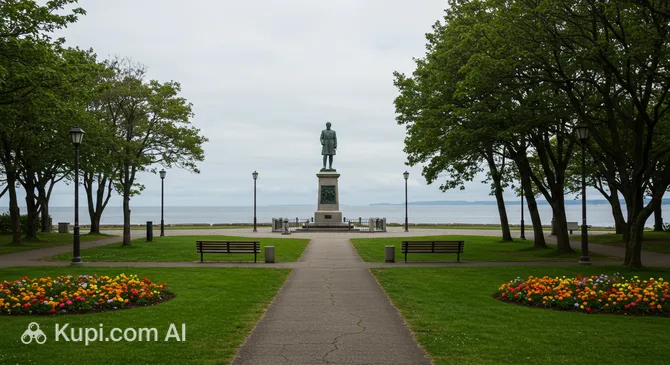
The city's most prominent green space is Wakkanai Park, a sprawling area located on a hill that protects the downtown area from strong sea winds. Spanning roughly 45 hectares, it is not only a place for leisure but also a repository of the city's history, housing numerous monuments and statues. Nature lovers will appreciate the park's diverse flora, including over 4,000 mountain cherry trees and clumps of Siberian dwarf pine. It offers walking paths with commanding views of the port and, on clear days, the silhouette of Sakhalin Island on the horizon.
For a coastal experience, Cape Noshappu serves as a fantastic natural vantage point. Located on the northwestern tip of the peninsula, this area is famous for its stunning sunsets where the sun dips below the horizon into the Sea of Japan. The cape is home to a park area where wild Ezo deer are frequently seen grazing, adding a touch of wilderness to the scenic views of Mount Rishiri floating in the distance.
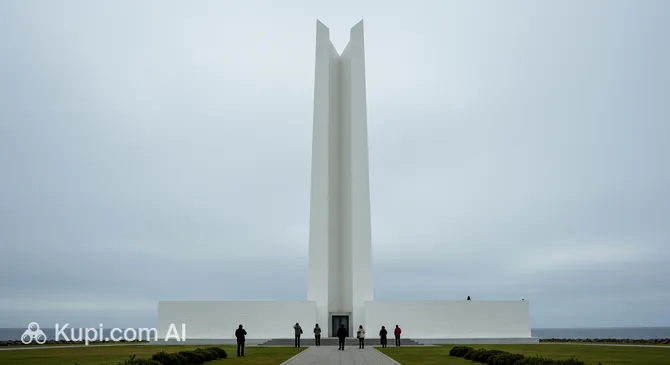
Another significant spot is Cape Soya, the northernmost point of Japan. While geographically famous, the surrounding area functions as a beautifully maintained park featuring the Monument of the Northernmost Point of Japan. The open grassy areas and the "Path of White Shells" nearby provide a unique walking experience, where the ground is covered in crushed scallop shells, creating a striking contrast against the green hills and blue sea.
Museums and Galleries
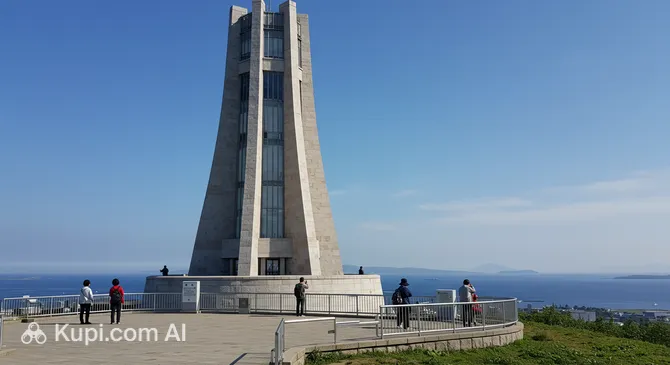
To understand the local history, a visit to the Northern Memorial Museum is essential. This facility is located inside the Wakkanai Centennial Memorial Tower within Wakkanai Park. The museum exhibits a wide range of artifacts related to the city's development, the history of the Soya Straits, and the life of early settlers who braved the harsh northern climate. The tower itself acts as a gallery of views, but the internal exhibits provide the context needed to appreciate the region's past.
Adjacent to Cape Noshappu is the Wakkanai City Youth Science Museum. This facility is particularly interesting for its focus on Antarctic exploration. Wakkanai played a crucial role in training the sled dogs for Japan's Antarctic expeditions, and the museum houses exhibitions dedicated to this connection, including displays about the famous dogs Taro and Jiro. It also features a planetarium and interactive science exhibits, making it an educational stop for families.
Historical and Architectural Sites
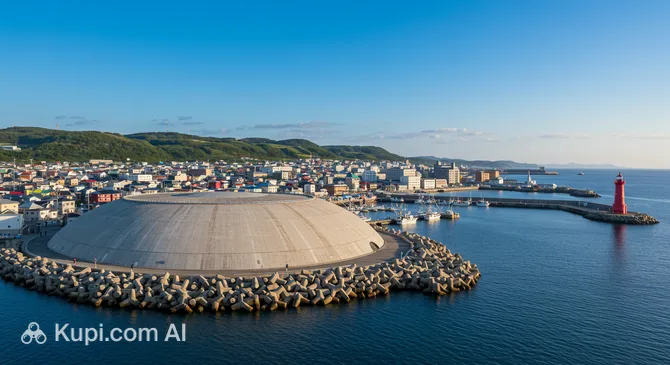
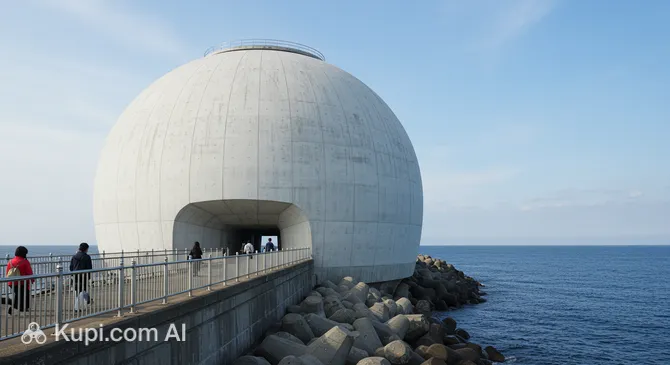
Wakkanai's architecture is defined by its battle against the elements. The Wakkanai North Breakwater Dome is a masterpiece of civil engineering and a designated Hokkaido Heritage site. Built to shield the port and railway from high waves, its unique semi-arched structure consisting of 70 pillars resembles a classical Roman corridor. It is a photogenic landmark that perfectly illustrates the city's adaptation to its environment.
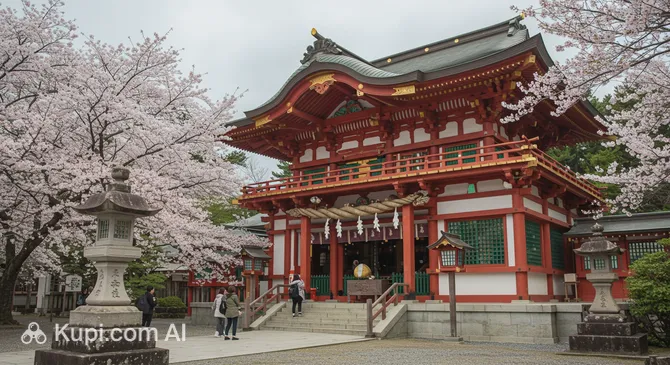
The city also honors its spiritual and emotional history through various sites. The Gate of Ice and Snow (Sakhalin Islanders Memorial) is a poignant monument dedicated to the people of Sakhalin. Its design, featuring a statue of a woman facing the strait, captures the longing and historical ties to the island. Nearby, the Hokumon Shrine stands as the guardian of the north. As the northernmost Shinto shrine with a priest, it is an important cultural site where locals pray for safety at sea and good harvests.
Insider Tip
For a truly authentic experience, keep an eye out for the wild Ezo deer that roam freely around the city's outskirts and parks, particularly near Cape Noshappu and the path leading to the Centennial Tower. They are generally docile but should be admired from a distance. Additionally, if you visit the breakwater dome at night, the warm illumination creates a surreal, cinematic atmosphere that is completely different from its daytime appearance.