Support

Wajima

About

Wajima is a captivating city located on the rugged northern coast of the Noto Peninsula in Ishikawa Prefecture. Renowned for its deep cultural roots and scenic beauty, this coastal settlement offers visitors a genuine glimpse into the traditional lifestyle of Japan. The city is embraced by the Sea of Japan, creating a dramatic backdrop of ocean views that perfectly complements its rich artistic heritage.

With a population of approximately 26,000 residents, Wajima maintains a welcoming, small-town atmosphere while serving as a significant cultural hub for the region. The area is characterized by its maritime climate and stunning natural landscapes, ranging from rocky coastlines to lush, terraced hillsides.
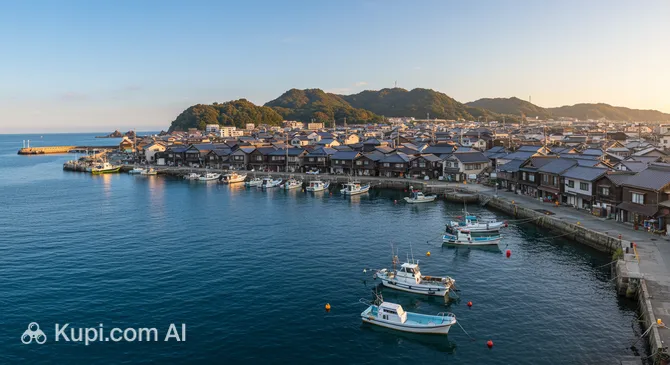
Wajima. Source: Kupi.Binoculars

The city is perhaps best known globally for Wajima-nuri, a distinctive style of high-quality lacquerware that represents the pinnacle of Japanese craftsmanship. The history of Wajima is inextricably linked to this art form, which has been refined by local artisans over many centuries. Beyond its crafts, the city is famous for the Wajima Morning Market, one of the three largest morning markets in the country, where locals sell fresh seafood, produce, and handmade goods in a lively, historic setting.

Nature lovers will find the Shiroyone Senmaida rice terraces particularly enchanting. These "thousand rice paddies" cascade down the slopes toward the sea, creating a geometric marvel that changes colors with the seasons. Whether you are interested in exploring exquisite traditional arts or soaking in the serene coastal views, Wajima invites you to experience a unique and unforgettable side of the Noto Peninsula.
Weather Overview

The climate in Wajima is characterized by four distinct seasons, offering a variety of atmospheric backdrops for your visit. To plan your trip effectively, it is helpful to check the detailed weather in Wajima before you go. Generally, the city experiences warm, humid summers and cold, damp winters due to its location on the Sea of Japan.

During the winter months, particularly December and January, temperatures typically range between 3°C and 7°C. This period sees a high frequency of precipitation, with December experiencing up to 27 wet days, making it the dampest time of the year. Travelers visiting in this season should come prepared for cold days and frequent rain or snow.

In contrast, the summer season brings warmer and more pleasant conditions. August is usually the warmest month, with average temperatures reaching around 26.7°C and daily highs near 28°C. Spring and autumn offer moderate temperatures, with May and October providing comfortable averages of approximately 16°C and 18°C respectively, which are ideal conditions for outdoor exploration.

Interesting Facts

Beyond the main attractions, Wajima holds many fascinating secrets that reveal the depth of its maritime and artistic heritage. From legendary drumming rituals to remote islands, the city offers unique stories waiting to be discovered.
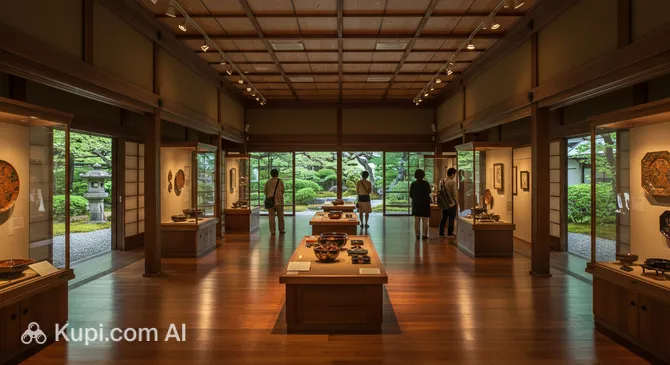
Wajima Kiriko Art Museum. Source: Kupi.Binoculars
  • The Noto Peninsula is famous for its "Kiriko" festivals, featuring massive lantern floats that can reach up to 15 meters in height. You can see these towering masterpieces up close at the Wajima Kiriko Art Museum, where the glowing floats are displayed in a dark, atmospheric hall to mimic the night festival experience.

  • Wajima is the birthplace of Gozinjo Daiko, a drumming performance where players wear fearsome demon masks and seaweed wigs. Legend has it that in 1576, local farmers used these masks and the thunderous sound of drums to scare off the invading army of the powerful warlord Uesugi Kenshin, saving their village without using conventional weapons.

  • About 50 kilometers off the coast lies Hegura Island, a remote spot administratively part of Wajima. It is known for its community of Ama (female free-divers) who still harvest abalone and turban shells using traditional breath-holding techniques passed down for generations.

  • While local lacquerware is famous for its beauty, its legendary durability comes from a secret ingredient called jinoko. This locally sourced diatomaceous earth is mixed into the lacquer undercoating, making the bowls and trays so strong that they were historically used by farmers and fishermen for their daily meals rather than just as decorative art.

How to Get There

Reaching the scenic Noto Peninsula requires a bit of planning, but the journey offers travelers a chance to see some of the country's beautiful coastal landscapes. Whether you choose to fly directly into the region or arrive via a major neighboring hub, there are several options available. You can read more about how to get to Wajima to decide which route best suits your itinerary.

The most convenient entry point by air is Noto Airport (NTQ), which is located directly in Wajima. Situated just 12.1 km from the city center, it offers the quickest access to the area. A trip from the airport to downtown by taxi or bus takes approximately 40 minutes. Although it handles a smaller volume of passengers compared to major hubs, its proximity makes it an excellent choice for those wishing to minimize ground travel time.

Alternatively, travelers can fly into Komatsu Airport (KMQ) in the city of Komatsu. This airport is significantly larger and serves as a major regional hub with higher passenger traffic. It is located about 119 km from Wajima. The journey from Komatsu to Wajima typically takes around 3 hours and 20 minutes by road, often involving a combination of train and express bus services. Another option is Toyama Airport (TOY) in Toyama, which is approximately 86 km away and offers a travel time of about 2.5 hours by car or taxi.

For clarity, here is a summary of the main airports:

Airport Name City Passenger Traffic Km from City
Komatsu AirportKomatsuLarge119.1
Niigata AirportNiigataMedium205.5
Toyama AirportToyamaMedium86.2
Noto AirportWajimaSmall12.1
Matsumoto AirportMatsumotoSmall163.6

Regarding rail travel, it is important to note that Wajima does not have an active railway station. Visitors typically take the Shinkansen to Kanazawa Station, which is the nearest major rail hub. From Kanazawa, an express bus service connects directly to Wajima, offering a scenic ride along the coast that completes the journey.

Main Attractions

Wajima offers a compelling mix of natural wonders and deep-rooted cultural traditions. One of the most iconic sights in the region is Shiroyone Senmaida, a breathtaking hillside of over 1,000 small rice paddies cascading down to the Sea of Japan. These geometric terraces create a stunning mosaic that changes with the seasons: vibrant green in summer, golden in autumn, and often covered in snow during winter. From October to March, the paddies are illuminated by thousands of LED lights after sunset, creating a magical atmosphere known as Aze no Kirameki.

For a taste of local life, a visit to the Wajima Morning Market (Wajima Asaichi) is essential. With a history spanning more than a millennium, it is one of Japan's three most famous morning markets. Here, local women, often referred to as "obachan," sell fresh seafood, seasonal vegetables, and handmade crafts. It is a lively place to interact with residents, try local snacks, and shop for souvenirs, including the city's renowned lacquerware.

To understand the spiritual and festive culture of the Noto Peninsula, you should visit the Wajima Kiriko Art Museum. This facility showcases the massive kiriko lanterns used in local summer festivals, some of which stand up to 15 meters tall. The museum is designed to recreate the vibrant energy of a festival night, complete with traditional music and dramatic lighting, allowing visitors to experience this dynamic tradition year-round.

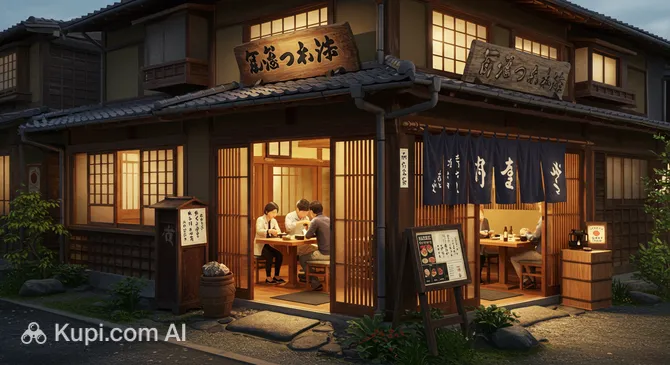
Yabu Shimbashi. Source: Kupi.Binoculars

After exploring the sights, travelers can enjoy the local culinary heritage at Yabu Shimbashi. This restaurant is a popular spot for tasting Wajima's fresh seafood, including specialties like fugu (pufferfish) and elaborate sashimi bowls. A unique feature of dining here is that meals are often served on authentic Wajima-nuri lacquerware, providing a sensory experience that combines exquisite local flavors with the city's most famous craft.

Local Cuisine

The culinary landscape of Wajima is deeply connected to the Sea of Japan, making it a paradise for seafood lovers. The city is particularly famous for Wajima Fugu (natural pufferfish). Wajima Port consistently records the highest catch of natural pufferfish in Japan, allowing visitors to enjoy this delicacy at a much more reasonable price than in other parts of the country. In the winter months, the local tables are also graced with fresh snow crab, known locally as Kano-gani, which is prized for its sweet and rich flavor.

Another distinct flavor of the Noto Peninsula found here is Ishiru, a traditional fish sauce made from fermented squid or sardines. This savory seasoning is the base for Ishiru Nabe, a hearty hot pot dish typically filled with seasonal vegetables and seafood. For those with a sweet tooth, a must-try local snack is Egara Manju. These are steamed buns filled with red bean paste and coated with yellow-dyed glutinous rice, resembling a chestnut burr. They are a staple treat often sold fresh and warm at the morning market.

To accompany these rich flavors, locals often turn to the region's nihonshu (sake). The Noto Peninsula is home to several historic breweries that produce high-quality sake using local rice and pure water. The crisp, dry profile of Noto sake pairs exceptionally well with the fresh sashimi and fermented dishes typical of Wajima's cuisine. Non-alcoholic options include locally produced teas and fruit juices derived from the region's agriculture.

Dining in Wajima offers a unique cultural experience where gastronomy meets art. Many local establishments serve their meals on authentic Wajima-nuri lacquerware, adding a touch of elegance to the dining experience. Visitors can enjoy casual street food and grilled seafood at the bustling morning market or opt for a sit-down meal at specialized restaurants. For a taste of traditional soba noodles or fresh seafood bowls served in a classic setting, Yabu Shimbashi is a well-regarded establishment that allows diners to appreciate both the local flavors and the city's famous craftsmanship.

Travel Tips

Visiting Wajima offers a unique opportunity to experience the authentic rural culture of the Noto Peninsula, but its location off the main tourist trail requires a bit of extra preparation. To help you navigate the city and its surroundings with ease, here are some practical tips for your journey.

  1. Clothing and Gear: The weather on the coast can be unpredictable. In winter, heavy snowfall and strong winds from the Sea of Japan are common, so bring warm, waterproof layers and sturdy boots. Summers are warm and humid, but a light jacket is still recommended for breezy evenings. Since you will likely visit traditional inns or restaurants with tatami mats, wear shoes that are comfortable for walking and easy to slip on and off.
  2. Transportation: Wajima does not have a train station, and while there is a local bus network (including the "Noranke Bus"), frequencies can be low. To fully explore the scenic coast and reach attractions like the rice terraces efficiently, renting a car is the best option. If you do not drive, plan your bus connections carefully or use local taxis for short distances.
  3. Finances: While major hotels and the Kiriko Art Museum accept credit cards, Wajima is still a largely cash-based society. You will absolutely need Japanese Yen (cash) for the Morning Market, small eateries, and local buses. International ATMs are available at convenience stores like 7-Eleven and at the local Post Office, but it is wise to withdraw sufficient funds before heading to more remote areas.
  4. Health and Safety: Wajima is a very safe city with low crime rates. However, pharmacies and drugstores generally close in the early evening and are not open 24/7. It is advisable to bring a basic travel health kit with you. In an emergency, dial 119 for medical assistance. Always exercise caution near steep cliffs and breakwaters along the coast.
  5. Communication: English proficiency is limited compared to major cities like Tokyo. Most locals are friendly but may not speak fluent English. Having a translation app on your smartphone is essential for reading menus and asking for directions. Renting a pocket Wi-Fi or purchasing a SIM card upon arrival in Japan is highly recommended to stay connected.
  6. Local Etiquette: When browsing the Morning Market, interaction is encouraged, but always ask for permission before taking close-up photos of the vendors or their goods. Be mindful of Wajima-nuri (lacquerware) in shops; it is extremely delicate and expensive, so look without touching unless you are serious about buying or are invited to handle it.
  7. What to Avoid: Do not plan your visit to the Morning Market for the afternoon. The market strictly operates from 8:00 AM to 12:00 PM, and vendors begin packing up promptly at noon. Arriving late means missing the experience entirely. Also, avoid eating while walking in crowded areas, as it is generally considered impolite.
  8. Additional Tip: Check the calendar before you go. The Wajima Morning Market is closed on the second and fourth Wednesdays of every month, as well as the first three days of the New Year. Double-checking these dates ensures you won't be disappointed upon arrival.

By keeping these local insights in mind, you can ensure a smooth and respectful visit to this historic artisan city. A little planning allows you to relax and fully appreciate the stunning craftsmanship and coastal beauty that Wajima has to offer.

Entertainment & Nightlife

Nightlife in Wajima differs significantly from the neon-lit bustle of Japan's major metropolises. Instead of noisy clubs and all-night dance floors, the evening entertainment here is intimate, cultural, and deeply connected to local traditions. The city quiets down early, shifting the focus to warm, inviting izakayas (Japanese pubs) and restaurants where the main events are savoring the region's exceptional sake and fresh seafood. The atmosphere is relaxed and welcoming, dominated by locals unwinding after work, making it a perfect setting for travelers seeking authentic connections.

The central area around Kawai-machi and the famous Morning Market street is where you will find the highest concentration of evening establishments. While there is no designated "nightlife district" in the modern sense, the glowing red lanterns of small eateries in this neighborhood signal open doors. For a memorable evening meal accompanied by local Noto sake, Yabu Shimbashi is a standout choice. This venue is well-regarded for its authentic local cuisine, allowing you to dine on exquisite dishes often served on the city's prized lacquerware, blending culinary art with traditional craftsmanship.

Cultural experiences in Wajima often extend into the evening, providing a unique form of entertainment. Although it is primarily a museum, the Wajima Kiriko Art Museum is essential to the city's night aesthetic. The museum is dedicated to the massive kiriko lanterns used in night festivals, and the exhibition hall is permanently darkened to simulate a vibrant festival evening. Additionally, during peak seasons, the venue often hosts live performances of Gozinjo Daiko—traditional drumming by performers wearing demon masks—which create a thrilling and dramatic atmosphere that rivals any concert.

For those visiting in the colder months (typically October to March), the nightlife expands to the outdoors with the Aze no Kirameki event at the Shiroyone Senmaida rice terraces. Thousands of solar-powered LED lights illuminate the paddies after sunset, creating a spectacular light show that changes colors every 30 minutes. It is a romantic and serene alternative to a busy bar scene, offering one of the most photogenic night views in the prefecture.

Practicality is key when planning a night out in this rural city. Venues typically close earlier than in Tokyo, often around 10:00 PM or 11:00 PM, so it is best to start your evening early. Taxis can be scarce late at night, so it is highly recommended to ask your hotel or restaurant to call one for you in advance. Wajima is extremely safe for night walks, but carry cash, as many smaller bars and izakayas do not accept credit cards.

Before the sun sets, Wajima offers a rich array of daytime entertainment centered on its heritage. Visitors can explore the historic Wajima Morning Market, browse intricate lacquerware at local workshops, or visit the various museums dedicated to this craft. While you won't find large amusement parks here, the dramatic coastal scenery and cultural depth provide a fulfilling itinerary leading up to a relaxing evening.

Parks & Museums

Wajima offers a compelling blend of dramatic coastal landscapes and deeply rooted cultural institutions. The city's green spaces are defined by the rugged beauty of the Sea of Japan, while its museums provide an intimate look at the region's artistic heritage, from centuries-old craftsmanship to modern pop culture.

For those interested in the region's most vibrant traditions, the Wajima Kiriko Art Museum is an essential stop. Located near the waterfront, this facility is dedicated to the massive kiriko lanterns that are paraded during the Noto Peninsula's summer festivals. The main hall displays around 30 of these towering floats, some reaching over 10 meters in height, illuminated against a dark background to recreate the mystical atmosphere of a festival night. It provides a powerful visual introduction to the spiritual life of the local community.

Another cultural pillar is the Wajima Museum of Lacquer (Wajima Shikki Kaikan). Since the city is Japan's premier producer of lacquerware, this museum is crucial for understanding the meticulous process behind the art. Exhibits detail the 124 steps required to produce a single piece of authentic Wajima-nuri, showcasing both historical masterpieces and contemporary works. Visitors can often observe artisans demonstrating their skills, offering a rare glimpse into the precision required for this craft.

On a lighter note, fans of manga and anime should not miss the Go Nagai Wonderland Museum. Dedicated to the Wajima-born creator of iconic series like Mazinger Z and Devilman, this museum features original artwork, life-sized figures, and interactive exhibits. It stands as a colorful and energetic contrast to the traditional arts, celebrating the city's contribution to modern Japanese pop culture.

When it comes to natural scenery, Kamogaura offers one of the most unique coastal walks in the area. Unlike the typical dark volcanic rock found along much of the coast, this spot features striking white reefs and eroded rock formations. A promenade allows visitors to walk safely along the water's edge, making it a perfect location for a refreshing stroll and photography, especially during sunset when the white rocks contrast beautifully with the blue sea.

Another significant natural area is the Sosogi Coast, located in the northeastern part of the city. Famous for its harsh, dramatic beauty, particularly in winter, it is home to the "Window Rock" (Madoiwa), a rock formation with a hole in the center carved by the waves. The area is also known for the "Nami-no-Hana" (flowers of waves) phenomenon in winter, where sea foam is whipped up by strong winds and flutters like snow along the rocky shore.

For a quiet moment away from the main tourist trail, visit the Sodegahama Beach area near the city center. While popular for swimming in summer, it offers a peaceful park-like atmosphere in other seasons, with views stretching out to the horizon. It is a favorite spot for locals to watch the sunset and provides a serene environment to reflect on the day's travels.

Getting Around

Public transportation in Wajima differs significantly from the extensive rail and subway networks found in Japan's major metropolitan areas. As the city does not have an active railway station, the local transport system relies entirely on a network of buses. The central hub for all transit is Michi-no-Eki Wajima (Roadside Station Wajima), which occupies the site of the former railway station. This terminal serves as the arrival and departure point for both long-distance express buses connecting to Kanazawa and local routes serving the city and the wider Noto Peninsula.

For getting around the city center and visiting main attractions like the Morning Market and the Lacquerware Museum, the Noranke Bus is the most convenient option for tourists. This community loop bus offers several routes that cover the central districts and residential areas. It is easily recognizable and designed to be user-friendly, providing a cost-effective way to navigate the compact downtown area without needing to walk long distances.

Travelers wishing to visit outlying attractions, such as the Shiroyone Senmaida rice terraces or the Sosogi Coast, will need to use the regional bus lines operated by Hokutetsu Okunoto Bus. These buses run less frequently than city transport, so it is crucial to check the return schedules in advance. When boarding these buses, you should enter through the rear door and take a numbered ticket (seiriken) from the machine. This ticket indicates your starting zone, and the fare is displayed on a digital screen at the front of the bus, corresponding to your ticket number upon arrival at your destination.

Regarding payment, the public transport system in Wajima is primarily cash-based. Unlike in Tokyo or Osaka, IC cards like Suica or Pasmo are generally not accepted on local buses in this region. The Noranke Bus typically operates on a flat-fare system, costing approximately 100 yen per ride for adults, making it exceptionally affordable. For regional buses, fares vary by distance. It is essential to carry a sufficient supply of 1,000-yen notes and coins. While buses are equipped with change machines near the driver's seat, they cannot break bills larger than 1,000 yen.

Given the rural nature of the peninsula and the limited frequency of buses, many visitors find that renting a car is the most efficient way to explore. Rental agencies are available near the city center and allow for greater freedom to visit remote coastal spots at your own pace. For shorter excursions within the city, electric bicycle rentals are often available at the Michi-no-Eki Wajima tourism center. Taxis are also stationed at the terminal and can be a good alternative for reaching specific destinations quickly, though they are significantly more expensive than the bus.

Accommodation

Accommodation in Wajima primarily reflects the city's traditional atmosphere, offering visitors a chance to immerse themselves in authentic Japanese hospitality. The options range from standard Western-style business hotels to charming family-run guesthouses known as minshuku. However, the highlight for many travelers is staying in a ryokan (traditional inn). These establishments often feature tatami-matted rooms, communal hot spring baths (onsen), and elaborate multi-course dinners showcasing the region's famous fresh seafood.

The most convenient area for tourists to stay is the downtown district, particularly near the site of the Wajima Morning Market (Asaichi-dori). Staying in this vicinity allows you to wake up early and stroll directly to the market stalls without the need for transportation. Alternatively, there are several larger hotels and ryokans located along the coastline. These properties often capitalize on the dramatic scenery, offering rooms with sweeping views of the Sea of Japan, which are especially beautiful during sunset.

Prices in Wajima can vary significantly depending on the type of experience you choose. Budget travelers will find minshukus to be the most affordable option, providing a cozy, home-like environment often including simple home-cooked meals. Mid-range and luxury travelers usually opt for seaside ryokans or hotels, where the price often reflects the inclusion of high-end kaiseki meals featuring local delicacies like snow crab and pufferfish. While online booking platforms are widely used, some smaller traditional inns may still prefer direct contact or might have limited English support, so using a major booking site is often the easiest method for international visitors.

Booking Tip: Wajima is a popular destination, particularly during the tourist seasons of summer and autumn. Since many accommodations are smaller, family-operated businesses with limited room counts, it is highly recommended to book your stay well in advance. If you plan to dine at your ryokan—which is highly suggested for the culinary experience—be sure to request dinner inclusion at the time of booking, as last-minute meal requests can be difficult to accommodate.

Nearby Cities

For those looking to explore the surroundings, Wajima serves as an excellent base for day trips to several interesting nearby locations. The region offers a mix of coastal beauty, historical sites, and modern urban attractions that complement the traditional atmosphere of the Noto Peninsula.

Just a short drive south lies Nanao, the largest city on the peninsula. It is most famous for Wakura Onsen, a historic hot spring resort located right on the water's edge of Nanao Bay. Visitors can enjoy relaxing baths with ocean views or explore the Notojima Glass Art Museum on the nearby Noto Island. The city offers a perfect blend of relaxation and art, making it an ideal complement to the rugged coast of Wajima.

Further afield, crossing into the neighboring prefecture, is Toyama. As a major regional hub, it offers a more urban experience with sophisticated attractions like the Toyama Glass Art Museum and the scenic Fugan Canal Kansui Park. Alternatively, history enthusiasts might prefer Takaoka, known for its massive Great Buddha statue and the solemn Zuiryu-ji Temple. Takaoka is also celebrated for its metal casting heritage, sharing a deep connection to craftsmanship much like Wajima.

City Population Distance (km)
Toyama 413,028 82
Takaoka 165,880 72
Imizu 90,201 75
Nanao 51,001 39
Tonami 47,638 83

These nearby destinations offer a glimpse into the diverse culture and landscapes of the region, ranging from therapeutic hot springs to historic castle towns.

Shopping & Souvenirs

Shopping in Wajima is an experience defined by heritage rather than modern retail therapy. Unlike the bustling fashion districts of larger Japanese metropolises, this city focuses on high-quality artisanal crafts and local culinary specialties. The area is globally renowned for its lacquerware and fresh seafood, offering visitors a chance to purchase goods that are deeply connected to the region's history and culture. It is the perfect place to find durable, handcrafted items that carry the spirit of the artisan.

The primary destination for shoppers is Asaichi-dori, the street that hosts the famous morning market. This pedestrian-friendly avenue is lined with a mix of open-air stalls and permanent wooden storefronts. Even after the market stalls close, many of the established shops along this street remain open, inviting visitors to explore galleries filled with intricate lacquerware, traditional confectioneries, and local sake breweries. It serves as the commercial and cultural heart of the city.

Due to its small population and rural location, Wajima does not feature large modern shopping malls or department stores. The closest equivalent for tourists is Michi-no-Eki Wajima (Roadside Station Wajima). Situated at the former railway station, this facility acts as a central hub for visitors. It features a well-stocked souvenir center offering a wide range of regional products, from boxed sweets to high-end crafts, making it a convenient stop for last-minute gifts.

The Wajima Morning Market (Wajima Asaichi) is the undisputed highlight of the local shopping scene. With a history spanning over a thousand years, it is one of Japan's three most famous morning markets. Every morning from 8:00 AM until noon (except on specific closed days), the street bustles with local vendors selling fresh seafood, dried fish, vegetables, and handmade crafts. It offers a lively atmosphere where bargaining is sometimes possible, and the interaction with the friendly local sellers is part of the charm.

The most iconic souvenir is undoubtedly Wajima-nuri lacquerware. Known for its durability and elegance, it is considered some of the best in Japan. While bowls and trays can be an investment, visitors can find more accessible items like chopsticks, spoons, or small jewelry boxes. For food lovers, Egara Manju (steamed buns with red bean paste and yellow rice) and bottles of Ishiru (local fish sauce) are popular and authentic gifts to bring back home.

Travelers should be mindful of the city's early schedule. The Morning Market operates strictly from 8:00 AM to 12:00 PM, and vendors begin packing up promptly. Regular shops typically open around 9:00 AM and close by 5:00 PM or 6:00 PM. In terms of payment, cash is essential. While established lacquerware galleries and the Wajima Kiriko Art Museum shop may accept credit cards, the market stalls and smaller vendors deal almost exclusively in cash.

Tax-free shopping is available but is generally limited to specific high-end establishments. You are most likely to find tax exemption services at larger lacquerware specialty stores or major souvenir shops catering to international tourists. Look for the "Japan Tax-Free Shop" logo at the entrance, and remember to carry your passport if you intend to claim the refund on eligible purchases.

Reached the end of the page?

That means the route is fully explored