Support

Tottori

About

Welcome to Tottori, a captivating coastal city located in the Chūgoku region of Japan. As the capital of Tottori Prefecture, this destination offers a refreshing escape from the country's bustling metropolises, blending unique natural wonders with a relaxed, welcoming atmosphere. It is a place where the grandeur of nature meets urban comfort, making it a fascinating stop for travelers exploring the western part of Honshu.

Tottori. Source: Kupi.Binoculars

Geographically, Tottori is situated along the Sea of Japan, which influences its climate and provides stunning coastal scenery. With a population of approximately 187,000 people, it retains a cozy community feel while providing all the necessary amenities for visitors. The city is most famous for its dramatic landscape, particularly the Tottori Sand Dunes, which stretch along the coast and create a surreal, desert-like environment that is unique in the country.

Beyond its natural beauty, the city has a rich cultural heritage. Visitors can delve into the history of Tottori by visiting the ruins of Tottori Castle on Mount Kyusho. Although the main keep is no longer standing, the stone walls and the surrounding Kajo Park offer a glimpse into the feudal past and provide panoramic views of the city below. Nearby, the Jinpukaku, a French Renaissance-style residence, stands as a symbol of the Meiji era's modernization.

Art enthusiasts and nature lovers alike will be impressed by the Sand Museum, the world's first museum specializing in sculptures made of sand. The exhibits change annually and feature incredibly detailed works by artists from around the globe. Whether you are riding a camel on the dunes or enjoying the local Matsuba crab delicacies, Tottori promises an unforgettable journey full of discovery.


Weather Overview

The climate in this region is characterized by distinct seasons, offering travelers a variety of experiences depending on the time of year. To help you pack appropriately for your trip, it is recommended to check the detailed forecast for the weather in Tottori.

Summers are generally warm, with August being the hottest month. During this time, the average temperature is around 26.4°C, with daily highs often reaching 28.3°C. In contrast, winters are quite cold. January typically sees the lowest temperatures, averaging 4.9°C, with minimums dropping to approximately 3.0°C.

Precipitation is a common feature throughout the year, with a notable pattern of frequent wet days in the winter. December and January are particularly damp, recording up to 24 wet days each month. The frequency of precipitation decreases slightly in the spring, with April and May seeing fewer wet days, making it a relatively drier period for exploration. Overall, visitors should expect warm summers and cold, frequently wet winters.

Interesting Facts

Beyond the main attractions, Tottori holds many fascinating secrets and local quirks that often go unnoticed by casual visitors. From culinary obsessions to unique architectural feats, here are some intriguing details about this coastal city.

Tottori Castle Tenkyu-maru (Spherical Stone Wall). Source: Kupi.Binoculars
  • Tottori is often referred to as the "Curry Kingdom" of Japan. Statistics frequently show that households in Tottori City purchase more curry roux per capita than almost anywhere else in the country, making the dish a beloved local staple rather than just a quick meal.

  • The city is home to a rare architectural feature within the ruins of its former fortress. The Tottori Castle Tenkyu-maru (Spherical Stone Wall) is a unique spherical stone wall designed to prevent enemies from climbing up, a structural innovation not commonly seen in other Japanese castles.

  • Tottori embraces pop culture enthusiastically, dubbing itself a "Manga Kingdom." This is celebrated at the local airport, officially named "Tottori Sand Dunes Conan Airport" in honor of Gosho Aoyama, the creator of the famous Detective Conan series, who hails from the prefecture.

  • When the elegant western-style residence Jinpukaku was constructed in 1907 for the visit of Crown Prince Yoshihito, it became the very first building in Tottori to be illuminated by electric lights, marking a significant moment in the city's modernization.

How to Get There

Reaching this coastal destination is straightforward, with several convenient transport options available depending on your starting point. Whether you prefer the speed of air travel or the scenic routes of Japan's railway network, you can easily plan your journey. For a comprehensive guide on the best routes and tips, you can read more about how to get to Tottori.

The most direct way to arrive by air is via Tottori Airport (IATA: TTJ). Located within the city of Tottori itself, this convenient hub is situated just 7 km from the city center. It is a smaller regional airport, ensuring a quick and easy arrival process. A taxi ride from the terminal to the downtown area is efficient, typically taking about 20 minutes.

Alternatively, travelers can fly into Okayama Airport (IATA: OKJ), which serves as a larger gateway to the region. Note that this airport is located in the city of Okayama, approximately 89.5 km from Tottori. While it handles a higher volume of passenger traffic, offering potentially more flight connections, the transfer to Tottori by road takes significantly longer—around 2.5 hours by taxi or shuttle bus. Another option within the prefecture is Miho Airport (IATA: YGJ) in Yonago, located roughly 90 km to the west.

For clarity, here is a summary of the main airports serving the region:

Airport Name City Annual Passengers Distance to Tottori (km)
Okayama Airport Okayama ~1,390,000 89.5
Izumo Airport Izumo ~1,015,000 122.5
Miho Airport Yonago ~463,000 89.8
Tottori Airport Tottori ~402,000 7.0
Oki Airport Oki Islands ~128,000 111.3

In addition to air travel, the city is well-served by Japan's extensive railway network. The main hub, Tottori Station, connects the area to major urban centers. Limited express trains, such as the Super Hakuto from Kyoto and Osaka, or the Super Inaba from Okayama, provide a comfortable and scenic journey through the countryside, making rail travel a popular choice for many visitors.

Main Attractions

While the famous sand dunes often steal the spotlight, Tottori city offers a wealth of other fascinating sites that delve into the region's rich history and culture. Visitors can explore elegant historic residences, comprehensive museums, and nostalgic exhibits that appeal to travelers of all ages.

A standout architectural gem is Jinpukaku, a stunning French Renaissance-style residence located at the foot of the castle ruins. Built in 1907 for the visit of the Crown Prince (later Emperor Taisho), this Western-style mansion contrasts beautifully with the traditional Japanese landscape surrounding it. Tourists are drawn to its elegant white exterior, the beautiful spiral staircase inside, and the balcony that offers commanding views of the extensive Japanese gardens, making it a perfect spot for photography and history enthusiasts.

Jinpukaku. Source: Kupi.Binoculars

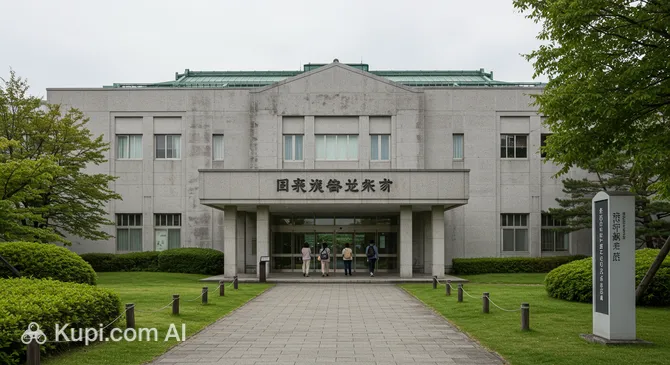
For those interested in a deeper understanding of the area's heritage, the Tottori Prefectural Museum is an essential stop. Situated near the castle grounds, this facility covers a wide range of topics, from the natural history of the San'in Coast to the folklore and art of the prefecture. The museum is particularly interesting for its diverse collection, which includes geological specimens, local artifacts, and works by regional artists, providing a comprehensive overview of what makes Tottori unique.

Tottori Prefectural Museum. Source: Kupi.Binoculars

Families and those with a sense of nostalgia will find the Warabe-kan to be a delightful experience. This museum is dedicated to childhood, featuring extensive exhibits on toys, children's songs, and games from various eras. Housed in a retro-style building that was formerly the prefectural library, it allows visitors to interact with vintage toys and explore the evolution of play in Japan. It is a heartwarming attraction that offers a fun and educational break from traditional sightseeing.

Warabe-kan. Source: Kupi.Binoculars

Local Cuisine

The culinary landscape of Tottori is a delightful reflection of its rich natural environment, where the bounty of the Sea of Japan meets the fertile soil of the region. Visitors can expect a gastronomic journey that highlights fresh, seasonal ingredients, ranging from premium seafood to exquisite fruits and high-quality meats. The local food culture is deeply rooted in the concept of savoring the natural flavors of the produce.

One of the most celebrated delicacies in the region is the Matsuba Crab, the local name for the male snow crab caught off the San'in coast. Available primarily during the winter months from November to March, this crab is prized for its sweet, firm meat and rich flavor. It is often enjoyed boiled, grilled, or as sashimi, drawing gourmets from all over the country to experience the quintessential "Taste of Winter" in Tottori.

On land, the prefecture is famous for its Tottori Wagyu beef. This high-grade beef is known for its high content of oleic acid, which gives it a melt-in-the-mouth texture and a distinct savory aroma. Additionally, the region is a major producer of 20th Century Pears (Nijisseiki Nashi). These pears are characterized by their crisp texture and refreshing juice, making them a perfect dessert or souvenir for travelers.

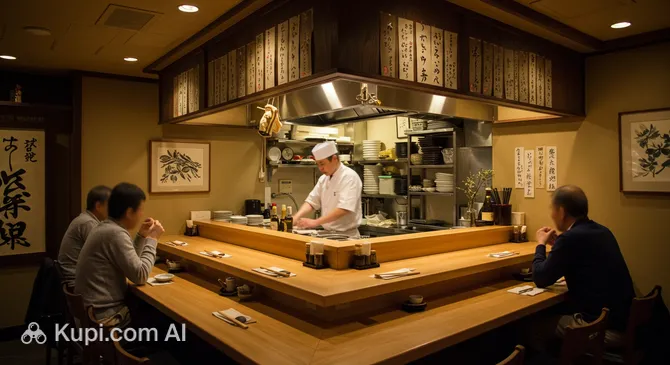
For a dining experience that combines local history with culinary tradition, travelers should visit Takumi Kappo. This renowned restaurant was founded by Shoya Yoshida, a key figure in the Tottori folk craft (Mingei) movement. It is widely credited with popularizing shabu-shabu (thinly sliced beef hot pot) in Japan. The interior features beautiful folk craft furniture and tableware, allowing guests to enjoy traditional local dishes in an atmosphere that celebrates the region's artistic heritage.

Takumi Kappo. Source: Kupi.Binoculars

Another unique aspect of the local palate is the fondness for curry, as Tottori consistently ranks among the top consumers of curry roux in Japan. Alongside this, the sandy soil of the dunes provides the perfect conditions for growing rakkyo (Japanese shallots). These are typically harvested in late spring and are famous for their crispness and white color, often served pickled as a refreshing accompaniment to meals.

Travel Tips

Planning a trip to Tottori is an exciting prospect, but navigating this unique coastal region requires a bit of local know-how to ensure a seamless experience. To help you make the most of your time exploring the sand dunes and historic streets, here is a collection of practical advice designed for travelers.

  1. Clothing and Gear: Since you will likely spend time walking on the famous sand dunes, shoes that are easy to clean or sandals are essential; avoid high heels or heavy boots that trap sand. The weather can change quickly near the coast, so bringing layers is smart, and a windbreaker is recommended for the breezy shorelines of Japan.

  2. Transportation: While Tottori Station is a central hub, many attractions are spread out. The Kirin Shishi Loop Bus is a fantastic option for tourists, running on weekends and holidays to major sites like the dunes and port. However, for complete freedom to explore the wider prefecture, renting a car is often the most efficient choice.

  3. Finances: While major hotels accept credit cards, Tottori is still largely a cash-based society, especially in smaller shops and traditional restaurants. Always carry sufficient Japanese Yen (JPY). International ATMs are readily available at 7-Eleven convenience stores and post offices if you need to withdraw cash.

  4. Health and Safety: Tottori is an incredibly safe city with low crime rates. Pharmacies (often marked as "Drug") are available for minor ailments, but they may not have English-speaking staff. In case of an emergency, dial 119 for an ambulance or fire, and 110 for the police.

  5. Communication: English is not widely spoken outside of major tourist information centers and hotels. It is highly recommended to have a translation app downloaded on your phone. Renting a Pocket Wi-Fi or buying a SIM card at the airport upon arrival is crucial for navigation and communication.

  6. Local Etiquette: Politeness is key. When entering traditional inns, temples, or even some restaurants with tatami mats, you must remove your shoes. Tipping is not practiced and can even be considered rude; excellent service is standard, and a simple "Arigato gozaimasu" (Thank you very much) is the best reward.

  7. What to Avoid: Do not write graffiti or draw large patterns in the sand at the Tottori Sand Dunes. This is actually prohibited by local ordinance to preserve the natural beauty of the landscape for all visitors, and you could face a warning or fine.

  8. Additional Tip: Be mindful of the sand temperature if you are visiting in the summer. The surface of the dunes can become scorching hot, often exceeding 50°C (122°F) around noon. It is best to plan your dune walk for the early morning or late afternoon to enjoy the experience comfortably.

Armed with these practical tips, you are well-prepared to dive into the wonders of Tottori with confidence and ease. Whether you are marveling at the vast sandy landscapes or enjoying fresh seafood, a little preparation ensures that your journey will be as relaxing as it is memorable.

Entertainment & Nightlife

Entertainment in Tottori is characterized by a relaxed and welcoming atmosphere, reflecting the city's manageable size and community-focused culture. Unlike the neon-soaked districts of Japan's larger metropolises, the nightlife here is lower-key, centering around intimate izakayas, cozy bars, and local dining establishments where travelers can mingle with residents. The primary nightlife districts are conveniently located near Tottori Station, particularly in the Suehiro-onsen-cho and Eiraku-onsen-cho areas, which come alive after sunset with the glow of lanterns and the hum of conversation.

For a sophisticated start to the evening, visitors can enjoy a traditional dinner at Takumi Kappo. This renowned establishment offers an exquisite setting to savor local flavors before heading out for drinks. After dining, a stroll through the Suehiro-onsen-cho district reveals a variety of "snack bars" and pubs. A popular spot for a refined drink is Bar Style, known for its extensive cocktail menu and friendly staff who make tourists feel at home. For those who enjoy live music with their meal, JAZZ Izakaya Mine offers a stylish environment where guests can listen to jazz performances while enjoying Japanese dishes and sake.

The atmosphere in these venues is generally casual, and there is rarely a strict dress code; smart-casual attire is perfectly appropriate. Most bars and izakayas stay open until around midnight or 2:00 AM, though some may close earlier on weekdays. It is important to note that Tottori is still largely a cash-based society, especially in smaller, independent bars, so carrying sufficient yen is essential. Taxis are readily available at the rotary outside Tottori Station and can be easily flagged down on main streets in the entertainment districts to ensure a safe return to your accommodation.

While the nights are quiet and charming, the city offers diverse entertainment options during the day as well. Families and culture enthusiasts should visit the Warabe-kan, a museum dedicated to childhood that features vintage toys and interactive exhibits. For outdoor fun, the Tottori Sand Dunes Kodomonokuni is a vast amusement park near the dunes offering rides and workshops. Whether exploring museums or unwinding in a jazz bar, the city provides a balanced mix of leisure activities to suit every traveler's pace.

Parks & Museums

Tottori offers a harmonious blend of dramatic natural landscapes and refined cultural institutions, making it a delightful destination for those who enjoy both outdoor exploration and artistic appreciation. From the vast, wind-swept dunes that define the prefecture to quiet, historic gardens in the city center, the area provides diverse green spaces alongside unique museums that celebrate local creativity and craftsmanship.

Key Parks and Green Spaces

Undoubtedly the most famous natural attraction is the area surrounding the Tottori Sand Dunes, which is part of the San'in Kaigan National Park. While often viewed as a desert-like spectacle, this area functions as a massive natural park where visitors can hike along the coast, enjoy panoramic views of the Sea of Japan, and observe unique coastal plants that thrive in the sandy environment. It is a place of constantly changing beauty, where the wind sculpts new patterns into the sand daily, offering a profound connection to nature's power.

For a more traditional park experience, Kajo Park is the green heart of the city. Located at the foot of Mount Kyusho, this park is built around the ruins of Tottori Castle. It is the city's premier spot for cherry blossom viewing (hanami) in spring, when hundreds of trees bloom against the backdrop of ancient stone fortifications. Within the park grounds, history enthusiasts can find the intriguing Tottori Castle Tenkyu-maru (Spherical Stone Wall), a unique architectural remnant that adds a touch of historical mystery to a leisurely walk.

Museums and Galleries

Just a short distance from the dunes lies the Sand Museum, a one-of-a-kind cultural venue that is essential for any visitor. As the world's first museum dedicated permanently to sand sculpture, it showcases breathtaking, large-scale works of art created by artists from around the globe. The exhibitions change annually with different themes, often depicting world heritage sites or historical events, all fleetingly carved from sand and water. The impermanence of the art makes a visit here a poignant and moving experience.

In the city center, the Tottori Folk Crafts Museum (Tottori Mingei Bijutsukan) offers a deep dive into the region's artistic soul. Founded by Shoya Yoshida, a leader in the folk craft movement, the museum displays a beautiful collection of practical yet artistic everyday items, including local pottery, textiles, and woodwork. It stands as a testament to the beauty found in utilitarian objects and is located right next to the famous Takumi Kappo restaurant, creating a hub of local culture.

Historical and Architectural Sites

The area around Kajo Park is a dense cluster of historical significance. Besides the castle ruins, the park is home to Jinpukaku, a majestic Western-style residence that serves as a museum of the Meiji era. Walking through this area allows tourists to bridge the gap between the feudal warlord era and Japan's rapid modernization in the early 20th century, all within a lush, garden setting.

Authentic Experiences

For a serene escape known mostly to locals, visit Ochidani Park. Located near the Tottori Toshogu Shrine, this park is a designated national natural monument renowned for its fireflies in early summer. A quiet evening stroll here during the firefly season offers a magical, glowing spectacle that feels worlds away from the busy city streets.

Getting Around

Navigating the public transport system in Tottori is relatively straightforward, as the city is compact and tourist-friendly. Unlike Japan's massive metropolises, Tottori does not have a subway or tram network. Instead, the city relies on an efficient system of buses and trains that connect the central downtown area with major sightseeing spots like the sand dunes and the coast. For most visitors, the bus network will be the primary mode of travel.

For tourists, the most convenient option is the Kirin Shishi Loop Bus. This special bus is designed specifically for sightseeing and connects Tottori Station with key attractions, including the Tottori Sand Dunes, the Sand Museum, and Tottori Port. It typically operates on weekends, public holidays, and daily during the peak summer season (August). The bus features a distinct design, making it easy to recognize, and offers a comfortable way to hop between major sites without worrying about complex transfers.

Within the city center, the 100-yen Kururi Bus is an excellent and affordable choice. These small community buses run on two circular routes (the Red Course and the Blue Course) that cover the main downtown area, including the government district, historical sites, and shopping streets. As the name suggests, the fare is a flat rate of 100 yen per ride, making it perfect for short trips between hotels, museums, and restaurants.

Regarding payment and tickets, the system differs slightly depending on the bus. For the Kururi Bus, you simply pay the flat fare into the box next to the driver upon exiting. For regular route buses and the Kirin Shishi Loop Bus, the standard Japanese bus etiquette applies: enter through the rear door and take a small numbered ticket from the machine. When you reach your destination, check the electronic board at the front of the bus to match your ticket number with the fare displayed, and pay the exact amount in the fare box next to the driver as you exit. While IC cards like Suica or ICOCA are increasingly accepted at major train stations like Tottori Station, many local buses still require cash, so it is essential to carry small change.

For those planning to visit multiple attractions in a single day, purchasing a 1-Day Pass is highly recommended. A dedicated pass for the Kirin Shishi Loop Bus allows for unlimited rides on that specific line, offering significant savings. These passes can be purchased at the Tottori Station Bus Terminal or sometimes directly from the bus driver. Validating your pass is simple; just show the date stamped on the pass to the driver each time you exit the bus.

Travelers should be aware of the operating hours. Public transport in Tottori tends to stop earlier than in larger cities. Buses to the sand dunes generally run until the early evening, so it is important to check the return schedule if you plan to stay for the sunset. Taxis are a reliable alternative for late-night travel or for reaching destinations not covered by the bus network. You can easily find a taxi stand outside the north exit of Tottori Station.

For a more active and flexible way to explore, bicycle rentals are a popular alternative. Rental shops are located near Tottori Station and the Tottori Sand Dunes, allowing visitors to cycle along the coast or through the city streets at their own pace. Additionally, "sightseeing taxis" are available for hire for set periods, offering customized tours with local drivers who can guide you to hidden gems efficiently.

Accommodation

Accommodation in Tottori offers a diverse range of options, catering to travelers seeking both modern convenience and traditional hospitality. Unique among cities in Japan, the downtown area features a natural hot spring district known as Tottori Onsen. This allows visitors to enjoy the luxury of thermal baths while staying in the heart of the city, blending the accessibility of an urban environment with the relaxation typically associated with remote resort towns.

For those prioritizing logistics and ease of travel, the area surrounding Tottori Station is the most practical choice. As the main transportation hub, it provides immediate access to trains and the bus terminal for excursions to the famous sand dunes. This district is populated with numerous modern business hotels that offer clean, compact, and affordable rooms. These establishments are ideal for visitors who plan to spend most of their day exploring and simply need a comfortable, functional base.

Travelers looking for a more atmospheric experience should explore the streets slightly north of the station, particularly around the Suehiro-onsen-cho area. Here, historic ryokans (traditional inns) operate alongside the city's nightlife. Guests can experience sleeping on futons in tatami-mat rooms and indulging in elaborate multi-course kaiseki dinners that highlight local seafood, all while being just a short walk from the city center.

In terms of cost, lodging in Tottori is generally more reasonable than in major tourist hubs like Tokyo or Kyoto. Budget-conscious travelers can find hostels and guesthouses near the station or along the coast. It is highly recommended to book in advance, especially during the winter crab season (November to March) and the Golden Week holidays in spring, as accommodations fill up quickly with domestic tourists seeking the region's culinary delights.

Nearby Cities

For those looking to explore the surroundings, Tottori serves as an excellent base for day trips to several interesting nearby locations:

Located just a short distance west of the city, Kurayoshi is a cultural gem known for its preserved white-walled storehouses, or shirakabe dozogun, from the Edo and Meiji periods. Visitors can wander through the historic district, enjoying the retro atmosphere, traditional soy sauce breweries, and craft shops that preserve the charm of old Japan.

Nature enthusiasts will find Daisen to be a spectacular retreat. Dominated by Mount Daisen, the highest peak in the Chugoku region, this area is a spiritual and recreational hub. It features the ancient Daisen-ji Temple and offers excellent hiking trails with panoramic views of the Sea of Japan, making it a perfect spot for outdoor adventure.

Another worthwhile destination is Toyooka, home to the famous Kinosaki Onsen district. This historic hot spring town invites travelers to experience quintessential Japanese culture by donning yukata robes and strolling along willow-lined canals while hopping between seven traditional public bathhouses.

City Population Distance (km)
Tsuyama 99,410 52
Toyooka 77,005 53
Daisen 76,164 67
Kyotango 50,857 76
Kurayoshi 46,269 38

These nearby destinations offer a glimpse into the diverse culture and landscapes of the region.

Shopping & Souvenirs

Shopping in Tottori offers a delightful mix of modern convenience and deep-rooted tradition, focusing less on high-end fashion and more on local craftsmanship and regional produce. The city is renowned for its "Mingei" (folk craft) movement, meaning visitors can find exquisite handmade pottery, paper, and textiles that are unique to this part of Japan. Additionally, the abundance of fresh seafood and agricultural products makes food shopping a major attraction for tourists.

The most accessible shopping area for travelers is the district surrounding Tottori Station. The station building itself houses Shanshan Plaza, where you can find a variety of local souvenirs and confectionery. Just a short walk from the north exit leads to the main commercial streets, including the Sunroad shopping arcade. This covered street retains a nostalgic atmosphere and features smaller boutiques, specialty shops, and cafes, perfect for a leisurely stroll rain or shine.

For a more comprehensive retail experience, Aeon Mall Tottori Kita is the largest shopping complex in the vicinity. Located a short distance from the city center (accessible by train to Tottori-Daigaku-Mae Station or by bus), it features a wide array of brand-name clothing stores, general goods, a cinema, and a food court. Closer to the main station, the Tottori Daimaru department store offers a more traditional upscale shopping environment, with a basement food floor that is excellent for picking up high-quality gifts and bento boxes.

A must-visit for food lovers is the Tottori Port Seafood Market Karoichi. Located near the harbor, this lively market is the best place to see the region's famous Matsuba crabs and other fresh catches from the Sea of Japan. Even if you cannot buy fresh fish to take home, the market sells processed seafood products like chikuwa (fish cake) and dried squid, which make for savory souvenirs. There are also restaurants on-site where you can taste the produce immediately.

When searching for the perfect souvenir, look for items related to the city's icons: sand and pears. Sweets and jellies made from the famous 20th Century Pear (Nijisseiki Nashi) are extremely popular. Unique "sand" products, such as sand-roasted coffee or small statues made from the dunes' sand, are also quirky local specialties. For those interested in traditional crafts, look for Inshu Washi paper products or Ushinoto and Nakai pottery, which are characterized by their beautiful, functional designs. The area near Takumi Kappo is historically significant for the folk craft movement, and you can often find shops selling these authentic items nearby.

Standard operating hours for shops in Tottori are typically from 10:00 AM to 8:00 PM. While large malls and supermarkets may stay open later, smaller local boutiques often close by 7:00 PM. Regarding payment, major department stores, shopping malls, and convenience stores accept credit cards and IC cards. However, smaller traditional shops, souvenir stands at the market, and independent craft stores may still prefer or only accept cash, so it is wise to carry sufficient yen.

Tax-free shopping is available for international tourists at major retail outlets, including Aeon Mall and the department store near the station, provided you spend a certain amount (usually over 5,000 yen) on eligible goods. Look for the "Japan Tax-Free Shop" symbol at the entrance or cash register, and be sure to have your passport with you to process the refund.

Reached the end of the page?

That means the route is fully explored