Support

Tokushima

About

Tokushima is a captivating city located on the eastern coast of the island of Shikoku in Japan. As the capital of Tokushima Prefecture, it serves as a bustling hub of culture and commerce, defined by the mighty Yoshino River flowing through its heart. With a population of approximately 254,000 residents, the city offers a perfect blend of urban convenience and scenic beauty, making it a welcoming destination for travelers seeking an authentic experience away from the country's busiest metropolises.
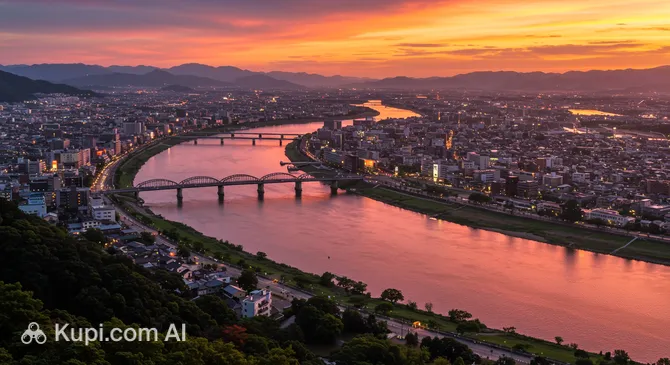
Tokushima. Source: Kupi.Binoculars

The city developed as a castle town during the Edo period, and traces of this past can still be found today. Exploring the history of Tokushima reveals its transformation from a feudal stronghold to a modern center of arts. The ruins of Tokushima Castle in Chuo Park provide a serene glimpse into the area's heritage, offering a quiet retreat amidst the city landscape where visitors can imagine the grandeur of bygone eras.

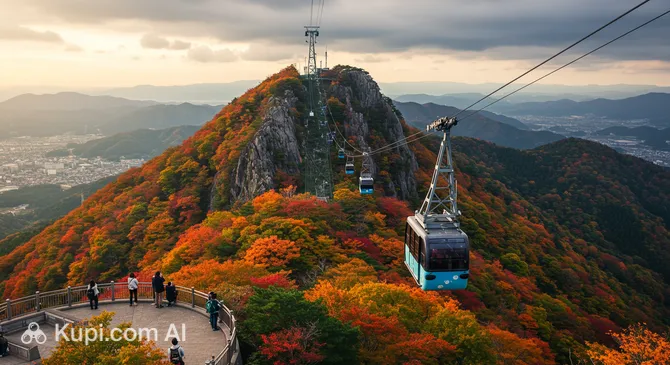
Tokushima is most famous worldwide for the Awa Odori, one of the most renowned and energetic traditional dance festivals in the country, held every August. Even outside the festival season, visitors can experience this vibrant culture at the Awa Odori Kaikan, where daily performances bring the dance to life. For panoramic views, a trip up Mount Bizan via the ropeway is essential, offering breathtaking sights of the cityscape, the river delta, and the distant sea.

Whether you are drawn by the rhythmic beats of traditional dance, the charm of riverside walks, or the delicious local cuisine, Tokushima promises an unforgettable journey. It is a destination that captures the spirited soul of Shikoku and invites you to discover its many unique treasures.
Weather Overview

Tokushima features a temperate climate with four distinct seasons, making it a year-round destination with varying charms. To help plan your trip around the conditions, you can consult the detailed guide to the weather in Tokushima. Generally, visitors can expect hot, humid summers with frequent rain and cool, dry winters.

The summer months bring the highest temperatures, peaking in August with an average of 27.3°C and daily highs reaching nearly 30°C. This season is also the wettest, particularly in July, which records about 18 wet days. Conversely, winters are much chillier; January is typically the coldest month with an average temperature of 6.2°C and lows dipping to 3.8°C, though rainfall is minimal at just 2mm.

Spring and autumn provide comfortable transition periods ideal for sightseeing. May offers pleasant warmth with an average of 18.0°C, while October cools down to a similar 18.8°C after the summer heat. These seasons strike a balance between the temperature extremes, offering moderate conditions for exploring the city's outdoor attractions.

Interesting Facts

Beyond the main attractions, Tokushima holds many fascinating secrets that reveal the depth of its cultural heritage and local lifestyle. From ancient puppetry traditions to unique culinary habits, the city offers surprising discoveries for the curious traveler.
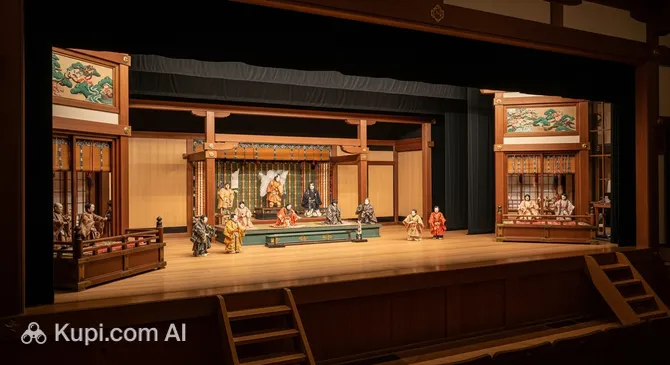
  • Tokushima is the guardian of a unique traditional art form called Awa Ningyo Joruri, or puppet theater. Unlike the more common styles found elsewhere in Japan, these puppets are significantly larger and feature glossy painted heads, a design choice originally made so they could be seen clearly during outdoor performances lit by torches. You can watch this dramatic cultural display at the Awa Jurobe Yashiki Puppet Theater and Museum.

  • The city and its surrounding prefecture are the undisputed kingdom of sudachi, a small, green citrus fruit. Tokushima produces nearly 98% of Japan's supply of this zest, and locals love it so much that they squeeze its tart juice over almost everything, from grilled fish and sashimi to miso soup and even alcoholic beverages.

  • The iconic Mount Bizan, which dominates the city's skyline, derives its name from a poetic visual reference. The characters for its name literally translate to "Eyebrow Mountain" because, no matter which angle you view it from within the city, its gentle, arching slope is said to resemble the shape of a traditional eyebrow.

  • Tokushima is historically celebrated as the center of Japanese indigo dyeing, known as "Awa Ai." during the Meiji era, the deep, vibrant blue color produced here was so prevalent in Japanese clothing that visiting Westerners coined the term "Japan Blue" to describe it, a legacy that continues in local craft workshops today.

Awa Jurobe Yashiki Puppet Theater and Museum. Source: Kupi.Binoculars

How to Get There

Reaching this scenic part of Shikoku is convenient thanks to a variety of transport options, ranging from air travel to highway buses. Whether you are arriving from within Japan or from abroad, you can easily plan your journey. For a detailed breakdown of routes and schedules, you can read more about how to get to Tokushima.

The most direct way to arrive is via Tokushima Awaodori Airport (TKS), which is located within the city itself. It primarily serves domestic flights from major hubs like Tokyo. Since the airport is only about 8.4 km from the city center, the transfer is quick; a taxi ride typically takes around 35 minutes. Airport limousine buses are also frequently available to take visitors downtown.

For international travelers, the closest major gateway is Kansai International Airport (KIX), located in Osaka. Although it is situated across the water, approximately 75 km away, it is well-connected to Tokushima by direct highway buses. If you choose to drive or take a taxi, the journey via the connecting bridges takes roughly 2 hours and 15 minutes.

Another accessible option is Takamatsu Airport (TAK) in the neighboring city of Takamatsu. Located about 52 km from Tokushima, it offers both domestic and select international routes. A car or taxi ride from this airport to Tokushima generally takes about 1 hour and 40 minutes, making it a viable alternative if flights to Tokushima are full.

For clarity, here is a summary of the main airports:

Airport Name City Passenger Traffic Km from City
Kansai International AirportOsakaVery High74.8
Kobe AirportOsakaMedium88.2
Takamatsu AirportTakamatsuMedium52.2
Tokushima Awaodori AirportTokushimaMedium8.4
Shirahama AirportShirahamaSmall87.5

If you prefer traveling by rail, Tokushima is served by the JR Shikoku network, with Tokushima Station acting as the central hub. It is important to note that the Shinkansen (bullet train) does not travel directly to Tokushima. Most rail travelers take the Shinkansen to Okayama Station on the main island of Honshu, transfer to the Marine Liner rapid train to reach Takamatsu, and then switch to a limited express train bound for Tokushima.

Main Attractions

Tokushima offers a delightful mix of cultural heritage and natural beauty. While the city is world-famous for its summer dance festival, there are several permanent attractions that allow visitors to immerse themselves in the local atmosphere and history throughout the year.

The heartbeat of the city's culture is undoubtedly the Awa Odori Kaikan. Located at the base of Mount Bizan, this facility ensures that the excitement of the Awa Odori festival is accessible in any season. Visitors can watch daily dance performances in the hall, learn the steps from professionals in hands-on workshops, and explore a museum dedicated to the history of the tradition. It also serves as the lower station for the ropeway, making it a convenient starting point for your sightseeing tour.

Awa Odori Kaikan. Source: Kupi.Binoculars

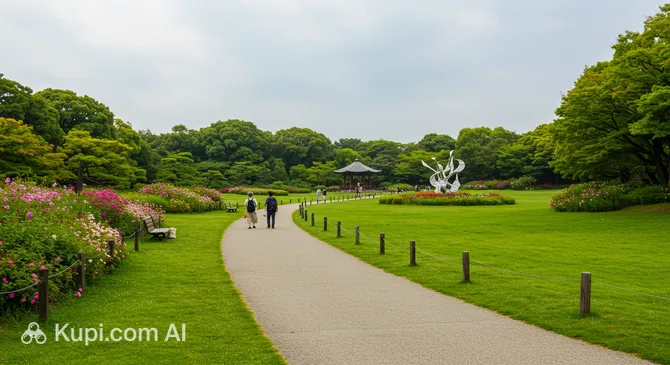
For a peaceful retreat in the city center, Tokushima Central Park is a favorite among locals and tourists alike. Situated on the grounds of the former Tokushima Castle, the park features the Omotegoten Garden, a traditional Japanese landscape garden characterized by dry scenic elements and lush greenery. It is a wonderful spot for a leisurely stroll, particularly during the spring when the cherry blossoms are in full bloom, transforming the grounds into a vibrant shade of pink.

Tokushima Central Park. Source: Kupi.Binoculars

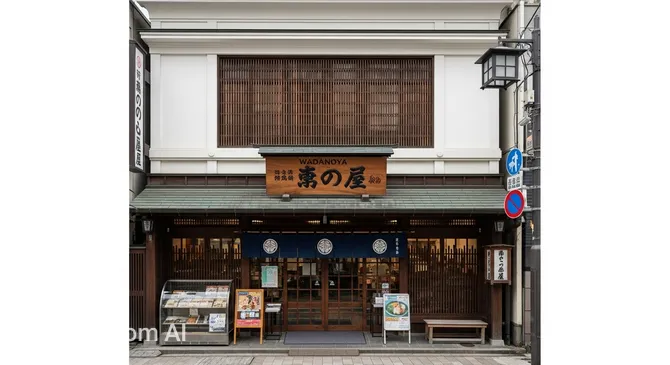
Travelers with a sweet tooth should not miss the Wadanoya Main Store. This historic tea house has been serving visitors for centuries and is renowned for its taki-yaki-mochi, a grilled rice cake stamped with a chrysanthemum crest. Enjoying these warm, sweet treats with a cup of matcha tea provides a perfect cultural break, allowing you to relax in a traditional setting after a day of exploring the nearby mountain trails.

Wadanoya Main Store. Source: Kupi.Binoculars

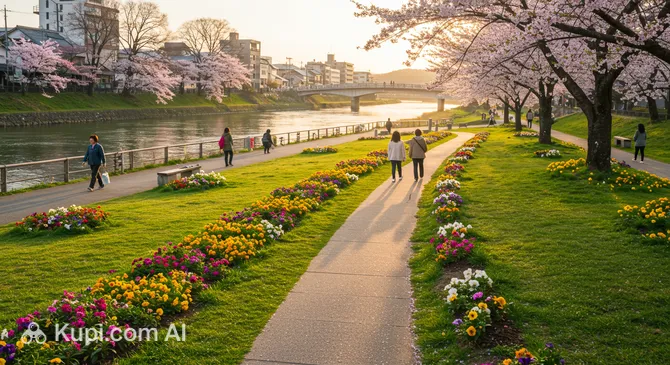
Those who enjoy waterfront scenery will appreciate a visit to Shimmachi Riverside Park. This promenade along the Shimmachi River offers a picturesque setting for walking, especially in the evening when the area is beautifully illuminated. It frequently hosts markets and music events on weekends, making it a lively spot to experience the contemporary pulse of the city by the water.

Local Cuisine

The culinary landscape of Tokushima is a hearty reflection of its rich natural resources, offering distinct flavors that set it apart from other regions in Japan. The most famous local dish is undoubtedly Tokushima Ramen. Unlike the lighter broths found elsewhere, this local variety typically features a rich, dark brown soup made from pork bones and soy sauce. Uniquely, it is topped with sweet and savory stewed pork belly slices instead of the usual char siu, and it is customarily served with a raw egg cracked on top, which adds a creamy richness to the flavorful broth.

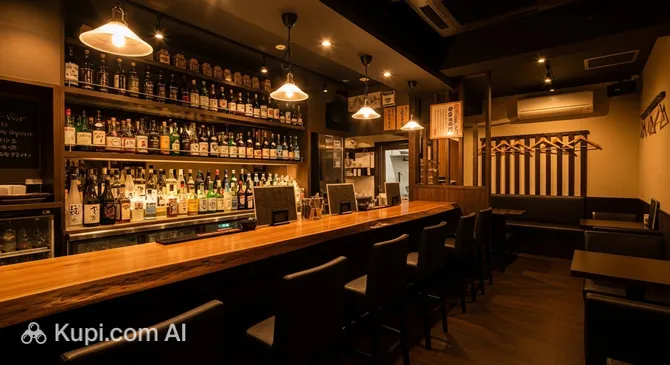
Beyond noodles, the region is celebrated for its high-quality meats, particularly Awa Odori Chicken. This premium poultry is renowned for its low fat content, reddish color, and firm texture that delivers a deep savory taste, known as umami. Meat lovers should also look for Awa Beef, a tender and marbled wagyu variety produced in the prefecture. For those looking to sample excellent meat dishes in a stylish setting, Niku-Bar Gyuuu offers a great opportunity to enjoy these local flavors paired with beverages.

Niku-Bar Gyuuu. Source: Kupi.Binoculars

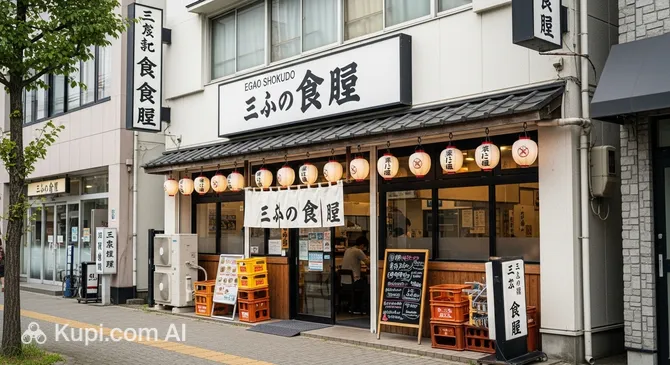
For a more casual everyday dining experience, visitors can explore the city's "shokudo" (cafeteria-style diners) and local restaurants. These establishments often serve set meals featuring fresh ingredients from the nearby sea and mountains. Egao Shokudo is one such spot where travelers can enjoy a satisfying meal in a relaxed atmosphere, mingling with locals who stop by for their daily sustenance.

Egao Shokudo. Source: Kupi.Binoculars

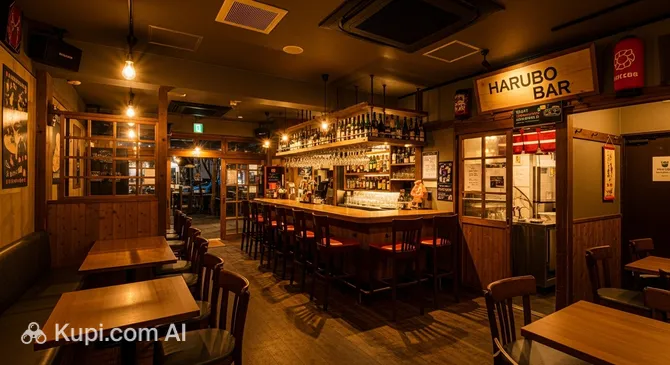
No culinary tour of Tokushima is complete without tasting the local citrus, sudachi. While often used as a garnish for grilled fish and sashimi, its zesty juice is also a key ingredient in local drinks. You can enjoy refreshing sudachi-infused sodas or try "sudachi-shu," a local liqueur that balances sweetness with tart acidity. As the evening sets in, the city's nightlife comes alive in cozy bars and izakayas like Harubo, where you can unwind with a drink and light snacks after a day of sightseeing.

Travel Tips

Visiting Tokushima offers a glimpse into the authentic lifestyle of Shikoku, and a few practical preparations will ensure your journey is as seamless as it is memorable. Here are some essential tips to help you navigate the city with ease and confidence.

  1. Clothing and Gear: Tokushima experiences hot, humid summers and chilly winters, so pack breathable fabrics for August or warm layers for January. Since you may visit traditional sites like the Awa Odori Kaikan or local tea houses where removing footwear is required, bringing comfortable slip-on shoes is highly recommended. Don't forget a universal power adapter for Type A sockets.
  2. Transportation: The city center is relatively compact, and renting a bicycle is often the most enjoyable way to explore the flat river delta area. For longer distances, an extensive bus network connects Tokushima Station to major sites. While IC cards (like Suica or Pasmo) are accepted on trains, some local buses may still require cash, so it is wise to carry coins.
  3. Finances: The currency is the Japanese Yen (JPY). While major hotels and department stores accept credit cards, Tokushima is still largely a cash-based society, especially in smaller shokudo (diners) and souvenir shops. Ensure you have sufficient cash on hand; international ATMs are readily available at 7-Eleven and Japan Post Bank locations. Tipping is not practiced and may even cause confusion.
  4. Health and Safety: Tokushima is an incredibly safe city for tourists, even at night. Pharmacies and drugstores (often marked with the character 薬) are common near the station and shopping arcades, offering basic medical supplies, though few are open 24 hours. Tap water is perfectly safe to drink, so carrying a reusable bottle is a good idea.
  5. Communication: English is not widely spoken outside of major tourist hubs and hotels. It is essential to have a translation app like Google Translate or DeepL installed on your phone. Renting a Pocket Wi-Fi or purchasing a local data SIM card at the airport is crucial for navigation and communication, as free public Wi-Fi can be spotty outdoors.
  6. Local Etiquette: Politeness is paramount; a small bow is the standard greeting. When using public transport, keep your voice down and avoid talking on the phone. If you encounter people dressed in white vests and conical hats, they are O-henro (pilgrims) embarking on the 88 Temple Pilgrimage; they are deeply respected, and locals often practice osettai (giving gifts) to support them.
  7. What to Avoid: Avoid eating or drinking while walking down the street, as it is generally considered rude unless you are at a festival stall. Also, never stick your chopsticks vertically into a bowl of rice, as this resembles a funeral ritual and is considered a major taboo.
  8. Festival Planning: If you plan to visit during the Awa Odori festival in mid-August, be aware that accommodation fills up months in advance. It is vital to book your hotel as early as possible, or consider staying in nearby cities and commuting by train if Tokushima is fully booked.

By keeping these practicalities in mind, you will be well-equipped to relax and fully immerse yourself in the vibrant culture and warm hospitality of Tokushima. Enjoy your adventure in the heart of the "Indigo City"!

Entertainment & Nightlife

Entertainment and Nightlife:

When the sun sets, the city's energy shifts to the bustling Akita-machi district, the heart of Tokushima's nightlife. Located just a short walk south of the main station, this entertainment quarter is packed with neon-lit streets, narrow alleys, and a vibrant mix of locals and visitors. Unlike the overwhelming scale of Tokyo, Akita-machi offers a more intimate and friendly atmosphere where "izakayas" (Japanese pubs) and snack bars dominate the scene. It is a safe and welcoming area where you can easily hop from one venue to another, soaking in the retro "Showa-era" vibe that still lingers in the backstreets.

For an authentic local experience, Harubo is an excellent choice. This popular izakaya is celebrated for its relaxed environment and fresh seafood sourced directly from the nearby waters. It is the perfect spot to sip on local sake or "sudachi-shu" while chatting with friends or the friendly staff. The venue captures the essence of Tokushima's social dining culture, making it a must-visit for anyone looking to unwind after a day of travel.

Harubo. Source: Kupi.Binoculars

If you are in the mood for something different, Pizzeria Trattoria Sugattii offers a delightful change of pace. This highly-rated Italian restaurant is a favorite among locals for its authentic wood-fired pizzas and warm hospitality. With an English menu available, it provides a comfortable and stylish setting for a relaxed evening dinner, allowing you to enjoy high-quality cuisine paired with excellent wine in the heart of the city.

Navigating the nightlife here is straightforward. The streets of Akita-machi are pedestrian-friendly, and the area is generally very safe for night walks. Most venues are open until late, with the peak hours being between 8:00 PM and 11:00 PM. Dress codes are casual, so there is no need to dress up unless you prefer to. Taxis are plentiful in the district, making it easy to return to your hotel safely. Prices are reasonable, with an average evening out costing between 3,000 and 5,000 yen depending on how much you eat and drink.

While the nights are lively, daytime entertainment in Tokushima takes a more cultural turn. Visitors can explore the serene grounds of Tenjin Shrine, a peaceful spot dedicated to the deity of learning. It hosts various local festivals and offers a quiet respite from the urban buzz. Additionally, the city features several museums and the scenic ropeway to Mount Bizan, ensuring that there is plenty to see and do before the evening festivities begin.

Parks & Museums

Tokushima is a city where cultural heritage and natural beauty coexist harmoniously, offering visitors a chance to explore lush green spaces and institutions deeply rooted in local history. From the scenic slopes of its iconic mountain to museums that preserve centuries-old traditions, the city provides ample opportunities for leisurely exploration and learning.

One of the most prominent natural landmarks is Bizan Park, located on the slopes and summit of Mount Bizan. While many visitors ascend primarily for the panoramic city views, the park itself is a botanical haven, particularly beautiful during the spring cherry blossom season. The area features walking trails that wind through the forest, a Burmese-style pagoda that stands as a peace memorial, and serene spots perfect for picnics. It serves as a green lung for the city, allowing travelers to escape the urban bustle without leaving the city limits.

Mount Bizan. Source: Kupi.Binoculars

For those interested in wildlife and expansive outdoor recreation, the Tokushima Family Land and the adjacent Tokushima Zoo are excellent destinations. Located in the southern part of the city, this area combines an amusement park with a spacious zoological garden. The zoo is designed to replicate natural habitats and houses a variety of animals, including polar bears and capybaras. It is a favorite spot for families and nature lovers, offering a relaxed environment surrounded by the rich vegetation of the countryside.

In terms of cultural institutions, the Awa Jurobe Yashiki Puppet Theater and Museum is a must-visit for understanding the region's performing arts. This museum is the former residence of Jurobe Bando, a samurai who sacrificed himself to save his master's honor and became the model for a famous puppet play. Visitors can explore the traditional house and garden, view exhibitions of antique puppets and costumes, and watch daily performances of "Awa Ningyo Joruri" (puppet theater) that bring these tragic and heroic stories to life.

Another significant venue is the Tokushima Castle Museum, situated within the grounds of the central park. The museum is dedicated to the history of the Hachisuka clan, who ruled the domain during the Edo period. Inside, you will find an impressive collection of daimyo artifacts, including samurai armor, swords, tea ceremony utensils, and personal letters. The building itself is designed to resemble a traditional Japanese palace, providing an atmospheric setting to learn about the feudal past of Tokushima.

For a unique cultural experience slightly off the beaten path, consider visiting the Ai no Yakata (House of Indigo). Although located on the outskirts, it is the premier place to learn about the region's "Japan Blue" heritage. Housed in the former mansion of a wealthy indigo merchant, the museum displays the history of indigo production and offers hands-on workshops where you can dye your own handkerchief or scarf using traditional methods.

Getting Around

Navigating Tokushima is a straightforward and relaxed experience, quite different from the complex transit webs of Japan's massive metropolises. The city does not have a subway or tram system; instead, it relies on a comprehensive network of buses and trains, with the central Tokushima Station serving as the primary hub for almost all public transportation. For many visitors, the city center's compact nature means that a combination of walking and short bus rides is sufficient to see the main sights.

The local bus network is the most practical way to reach attractions within the city limits. Buses depart from the terminal located immediately outside the train station. There are two main operators: Tokushima City Bus, which handles routes within the urban center, and Tokushima Bus, which connects to the suburbs and wider prefecture. For tourists, the frequent loop buses are particularly convenient for hopping between the station, the central park, and the ropeway station.

Using the bus requires familiarity with the standard Japanese system, which can be slightly confusing for first-timers. You enter through the rear door and take a small numbered ticket from the machine. This number corresponds to a fare displayed on a screen at the front of the bus, which increases as you travel. When you reach your destination, you drop the ticket and the exact fare into the box next to the driver before exiting through the front door. While major nationwide IC cards (like Suica or ICOCA) are increasingly accepted on some routes, many local buses still rely on cash, so it is essential to carry coins or 1,000-yen bills. Note that the fare box includes a change machine that breaks bills into coins but does not dispense change automatically.

For travel to the outskirts or neighboring districts, the JR train lines are efficient and punctual. Tokushima Station connects the city to the rest of the island via the Kotoku, Tokushima, and Mugi lines. Unlike the subway-style rapid transit in larger cities, these trains run less frequently, often with 20 to 60 minutes between departures, so checking the timetable in advance is crucial. Automatic ticket gates at the main station accept IC cards, making travel smooth if you already possess one from another region.

Given the city's topography—located on a flat river delta often referred to as "Hyotan-jima" (Gourd Island)—cycling is an extremely popular and pleasant alternative to motorized transport. The terrain is level, and the distances between major attractions are short. Rental bicycles are available near the station and at various points around the city center. Cruising along the riverside promenades offers a scenic and efficient way to explore without waiting for bus schedules.

Taxis are readily available at the taxi stand outside the station and can be hailed on major streets. They are a reliable option for late-night travel after the buses stop running, usually around 9:00 PM or 10:00 PM. Additionally, while not a primary mode of commute, the Bizan Ropeway serves as a unique form of aerial transport. It whisks passengers from the city center at the Awa Odori Kaikan up to the summit of Mount Bizan, offering both transit to the park and spectacular views of the cityscape below.

Accommodation

Finding the right place to stay in Tokushima is relatively straightforward, as the city offers a functional mix of accommodation options suited to various budgets. The selection primarily consists of modern business hotels, which provide clean and compact rooms ideal for travelers on the move. For those seeking a more cultural experience, there are also traditional Japanese inns (ryokan) and guest houses, particularly catering to the many pilgrims embarking on the Shikoku 88 Temple Pilgrimage. While ultra-luxury resorts are scarce within the city center, visitors will find plenty of comfortable and affordable choices.

The most convenient area for tourists to base themselves is undoubtedly around Tokushima Station. Staying here places you at the transport hub of the prefecture, with immediate access to trains, highway buses, and the local bus terminal. This location is within walking distance of major sites like Tokushima Central Park and the ropeway station for Mount Bizan. Another popular area is the downtown district near the Akita-machi entertainment quarter. Choosing a hotel here means you are just steps away from the city's best dining and nightlife, making it easy to enjoy a late dinner without worrying about transport back to your room.

When planning your trip, one specific booking tip is absolutely critical: if you intend to visit during the Awa Odori festival in mid-August, you must book your accommodation months in advance. During this period, the city's population swells with over a million visitors, and hotels are often fully booked up to a year ahead. Prices during the festival can also be significantly higher than usual. For travel outside of this peak season, booking a few weeks in advance is generally sufficient to secure a good rate.

In terms of pricing, Tokushima is generally very affordable compared to major tourist hubs like Tokyo or Kyoto. Budget travelers can find hostels and capsule hotels for reasonable rates, while standard business hotels offer excellent value for mid-range budgets. Most accommodations can be easily booked through major international online platforms, though some smaller, family-run minshuku (guesthouses) may still prefer direct inquiries or reservations via local Japanese websites.

Nearby Cities

For those looking to explore the surroundings, Tokushima serves as an excellent base for day trips to several interesting nearby locations:

Just a short distance north of the city lies Naruto, a destination world-famous for the swirling whirlpools that form in the strait beneath the Onaruto Bridge. Visitors can witness these powerful tidal currents from sightseeing boats or the Uzu-no-Michi walkway. The city also hosts the Otsuka Museum of Art, the largest museum in Japan, which displays an impressive collection of ceramic reproductions of Western masterpieces.

Traveling west along the coast brings you to Takamatsu, the capital of Kagawa Prefecture. It is best known for the exquisite Ritsurin Garden, a designated Special Place of Scenic Beauty that is often cited as one of the finest landscape gardens in the country. Food enthusiasts also flock here to enjoy Sanuki Udon, the thick and chewy wheat noodles that are the region's soul food.

To the south is Anan, a coastal city that offers a quieter escape into nature. It is known for its rugged coastline, including Cape Kamoda, the easternmost point of Shikoku, which offers breathtaking views of the Pacific Ocean. The area is also popular for marine leisure activities and its dedication to LED light displays, earning it the nickname "City of Light."

City Population Distance (km)
Takamatsu 417,814 56
Anan 69,259 19
Naruto 55,264 12
Shimotsu 47,697 54
Sanuki 46,723 45

These nearby destinations offer a glimpse into the diverse culture and landscapes of the region.

Shopping & Souvenirs

Shopping in Tokushima offers a delightful contrast to the frantic pace of Japan's larger metropolises. While you will not find endless rows of high-end luxury boutiques, the city excels in offering high-quality local craftsmanship and unique regional products. The shopping scene here is a blend of modern convenience and nostalgic charm, allowing visitors to discover authentic items that reflect the rich culture and natural bounty of Shikoku.

The city center features several traditional covered shopping arcades, known as "shotengai," particularly in the Higashi Shinmachi and Ginza districts near the station. These pedestrian-friendly streets have a retro atmosphere and are lined with a mix of long-standing family shops, clothing boutiques, and cafes. Walking through these arcades provides a glimpse into the daily life of locals and offers a more relaxed environment for browsing than the crowded centers of Osaka or Tokyo.

For a more modern and comprehensive shopping experience, the Tokushima Station Clement Plaza is the most convenient option for travelers. Located directly within the station building, it houses floors of fashion retailers, bookstores, and souvenir shops, making it easy to pick up items while waiting for a train. For a larger scale excursion, Aeon Mall Tokushima is a massive complex located near the coast. It features a wide array of international brands, a cinema, and a food court, and is easily accessible via a short bus ride from the city center.

Markets play a vibrant role in the local community. The most famous is the Tokushima City Sunday Market, held every Sunday morning along the streets near the station. It is one of the largest street markets in the region, with hundreds of vendors selling fresh produce, antiques, and handmade goods. Additionally, the picturesque Shimmachi Riverside Park frequently hosts the "Tokushima Marche," a stylish market event where local farmers and artisans gather to sell high-quality vegetables, processed foods, and crafts along the boardwalk.

Shimmachi Riverside Park. Source: Kupi.Binoculars

When searching for souvenirs, the most iconic local product is Awa Indigo (Aizome). You can find beautifully dyed scarves, handkerchiefs, and clothing that showcase the deep "Japan Blue" color the region is famous for. Food souvenirs are also popular, particularly items made from sudachi citrus or Naruto Kintoki sweet potatoes. The souvenir shop on the ground floor of the Awa Odori Kaikan is one of the best places to find a comprehensive selection of these local specialties all under one roof.

Most shops in Tokushima operate from around 10:00 AM to 8:00 PM. While major shopping malls, department stores, and the station building accept credit cards and IC cards, many smaller shops in the arcades and almost all vendors at the morning markets operate on a cash-only basis. It is highly recommended to carry sufficient Japanese Yen when exploring these local spots.

Tax-free shopping is available for tourists at major department stores and large retail chains like Aeon Mall, provided you spend over a certain amount (usually 5,000 yen) and present your passport. Look for the "Japan Tax-Free Shop" symbol at the entrance or cashier to take advantage of this benefit.

Reached the end of the page?

That means the route is fully explored