Support

Matsuyama

About

Welcome to Matsuyama, the vibrant capital of Ehime Prefecture and the largest city on the island of Shikoku. Known for its rich cultural heritage and literary connections, this city offers a delightful mix of urban convenience and historical charm. As you explore Japan, Matsuyama stands out as a destination where ancient traditions seamlessly blend with modern life, creating a unique atmosphere that captivates every visitor.

With a population of over 500,000 residents, the city is a bustling hub situated on the northeastern coast of the Seto Inland Sea. Its geographical location blesses it with a relatively mild climate and stunning coastal views. The city sprawls across a plain, overlooked by its iconic castle on Mount Katsuyama, providing a picturesque backdrop for your travels.
Matsuyama. Source: Kupi.Binoculars

The city is perhaps most famous for Dogo Onsen, one of the oldest and most celebrated hot springs in the country, featuring a magnificent wooden bathhouse that transports visitors back in time. Dominating the skyline is the majestic Matsuyama Castle, one of the twelve original castles in the country that survived the post-feudal era intact. For those interested in the deeper narrative of this region, the history of Matsuyama reveals a fascinating past filled with samurai legends and connections to literary giants like Natsume Soseki.

Whether you are soaking in the healing waters of a traditional bathhouse or taking a chairlift up to the castle for panoramic views of the city and sea, Matsuyama promises an unforgettable experience. It is a city that invites you to slow down and savor the authentic beauty of Shikoku, making it a must-visit stop on your itinerary.
Weather Overview

The climate in this region is generally temperate, characterized by four distinct seasons that offer different experiences for visitors. Before heading out, it is helpful to review the weather in Matsuyama to ensure you are prepared for the conditions. The city experiences its warmest weather in August, with average temperatures around 26.7°C and highs reaching 29.0°C, while January is the coldest month, averaging 5.6°C with lows of 3.3°C.

Precipitation patterns vary throughout the year, with the summer months seeing a higher frequency of wet days. July is particularly notable for its dampness, recording approximately 18 wet days, whereas the winter months like November and December differ significantly with fewer rainy days. In general, you can expect warm summers with occasional rain and cold, dry winters, making spring and autumn popular times for comfortable exploration.

Interesting Facts

Beyond the main attractions, Matsuyama holds many fascinating secrets and local quirks that add depth to its character. From literary traditions to citrus-themed legends, the city offers several surprises for the curious traveler.
  • Matsuyama is often celebrated as the capital of modern haiku poetry, largely because it was the hometown of the influential poet Masaoka Shiki. To honor this heritage, the city has installed over 90 "Haiku Postboxes" at various locations, including the Matsuyama Castle grounds and street corners. Visitors are encouraged to submit their own poems, and the best entries are selected and published annually.

  • A popular urban legend in Japan claims that because Ehime Prefecture is a top producer of citrus fruits, orange juice flows from the faucets here. While this is a playful myth, the city has embraced it; you can actually find special faucets that dispense fresh mandarin orange juice at the airport and certain tourist shops, bringing the local joke to life.

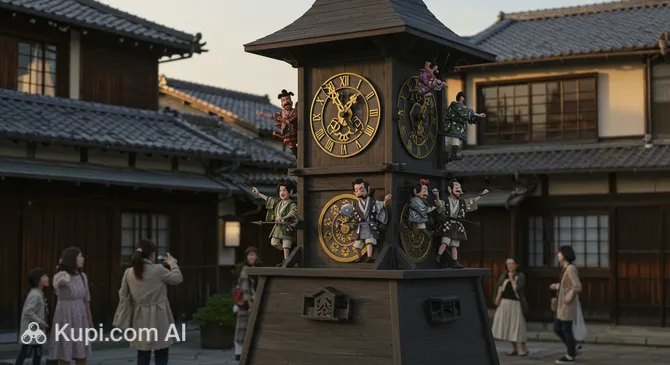
  • The city serves as the setting for "Botchan," one of Japan's most famous novels by Natsume Soseki, and the story's characters are local icons. This literary connection is vividly celebrated by the Botchan Karakuri Clock, a mechanical clock that performs a melody every hour as figurines from the novel emerge from within the structure.

  • While many visitors know of the pilgrimage route, Ishite-ji Temple—number 51 on the Shikoku 88 Temple Pilgrimage—hides a mysterious feature. Behind the main hall lies a dimly lit, tunnel-like cave filled with Buddhist statues and carvings, leading visitors through a unique underground passage to a hidden inner temple area.

Botchan Karakuri Clock. Source: Kupi.Binoculars

How to Get There

Reaching this charming city in Ehime Prefecture is relatively straightforward, thanks to its well-connected transportation network. Whether you are flying in from a major Japanese hub or exploring the region by train, there are several convenient routes to consider. You can find more about how to get to Matsuyama and choose the option that best fits your itinerary.

The most direct way to arrive is via Matsuyama Airport (MYJ), which is conveniently located within the city limits. This international airport handles a significant volume of travelers and is situated just 6.0 km from the city center. A taxi or bus ride from the terminal to downtown typically takes around 30 minutes, making it an extremely efficient entry point. The airport connects the region to major cities like Tokyo and Osaka, as well as international destinations like Seoul and Shanghai.

Alternatively, travelers might consider flying into Hiroshima Airport (HIJ) in the neighboring city of Hiroshima. Although it is located approximately 68 km away across the Seto Inland Sea, it serves as a major hub with substantial passenger traffic. Reaching Matsuyama from here usually involves a combination of airport limousine bus and a high-speed ferry ride, with the total journey taking roughly 2 hours. This route offers a scenic approach to Shikoku, allowing you to enjoy views of the inland sea.

For clarity, here is a summary of the main airports:

Airport Name City Passenger Traffic Km from City
Matsuyama AirportMatsuyamaLarge6.0
Hiroshima AirportHiroshimaLarge68.1
Oita AirportOitaMedium103.1
Kochi Ryoma AirportKochiMedium89.9
Iwakuni Kintaikyo AirportIwakuniSmall59.6

Regarding rail travel, the available data highlights Sønderborg Station (QSG) in Sonderborg. However, it is important to note that this station is located approximately 241 km away and is not a standard entry point for Matsuyama. In practice, the city is best served by JR Matsuyama Station, which is the primary terminus for limited express trains connecting to Okayama and other major cities on Shikoku and Honshu. Visitors typically arrive via the JR Yosan Line, enjoying scenic coastal views along the way.

Below is the data for the listed railway station:

Station City Passenger Traffic Km to Center
Sønderborg StationSonderborg241.1

Main Attractions

Matsuyama is a city where history breathes through every street corner, offering visitors a chance to step back in time while enjoying the comforts of modern Japan. The city's attractions range from ancient architectural marvels to elegant European-style villas, providing a diverse itinerary for any traveler.

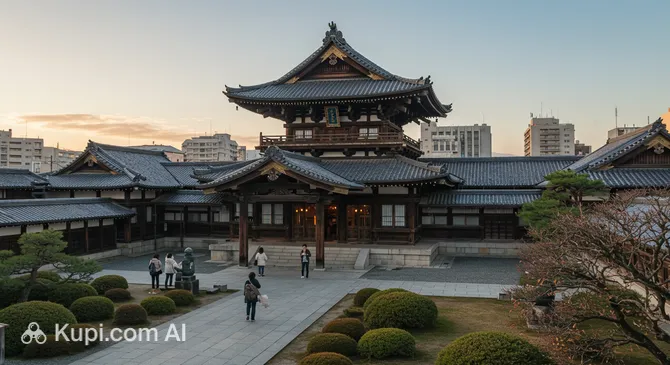
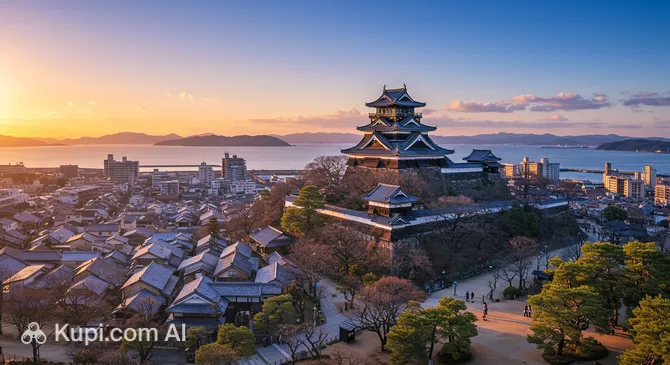
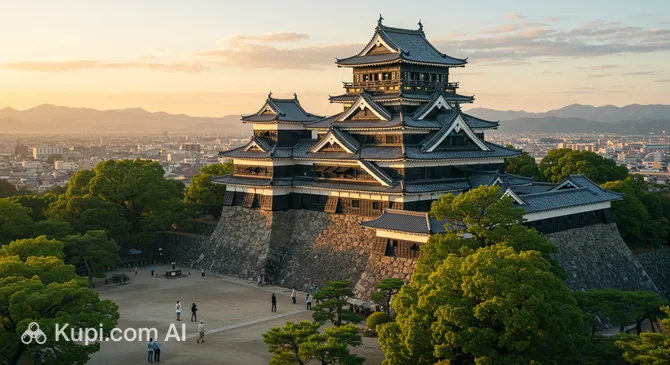
Dominating the city center from the summit of Mount Katsuyama is Matsuyama Castle. As one of only twelve "original castles" in Japan that have survived the post-feudal era intact, it is a significant historical treasure. Visitors can take a ropeway or a chairlift to reach the top, where they are rewarded with sweeping panoramic views of the city and the Seto Inland Sea. The castle grounds are particularly stunning during the cherry blossom season, making it a favorite spot for both locals and tourists.

Matsuyama Castle. Source: Kupi.Binoculars

No visit to the city is complete without experiencing the Dogo Onsen Main Building. Often cited as the oldest hot spring in Japan, this magnificent three-story wooden structure is a masterpiece of traditional architecture. Its maze of stairways, rooms, and baths offers a unique atmosphere that is said to have inspired the bathhouse in famous animated films. Even if you do not bathe, the building's exterior, especially when lit up at night, is a sight to behold.

Dogo Onsen Main Building. Source: Kupi.Binoculars

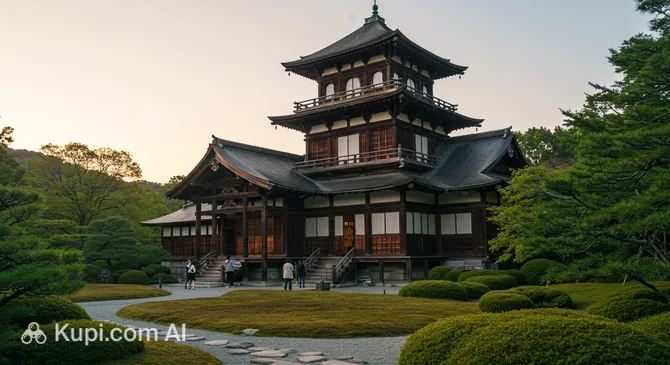
For a change of pace and architectural style, the Bansuiso Villa offers a glimpse into the Taisho era's fascination with Western culture. Built in 1922 as a second home for the descendants of the former feudal lord, this French Neo-Renaissance building stands in stark contrast to the surrounding Japanese structures. It serves as a museum and event space, showcasing the elegant lifestyle of the aristocracy in the early 20th century.

Bansuiso Villa. Source: Kupi.Binoculars

Located just a short walk from the Dogo Onsen area, Isaniwa Shrine is another must-visit spiritual site. Famous for its vermilion-lacquered corridors and rare Hachiman-zukuri architectural style, the shrine is reached by climbing 135 stone steps. The effort is well worth it, as the shrine offers a peaceful atmosphere and beautiful craftsmanship that dates back to the Edo period.

Local Cuisine

The culinary landscape of Matsuyama is deeply influenced by the bounty of the Seto Inland Sea and the region's warm, mild climate. As the capital of Ehime Prefecture, the city offers a rich variety of fresh seafood and agricultural products, making it a fantastic destination for food lovers. Local dining is characterized by fresh ingredients, sweet and savory flavor profiles, and a deep appreciation for citrus.

One dish that stands as a symbol of the region is Tai-meshi, or sea bream rice. There are two distinct styles you might encounter here. The Matsuyama style involves cooking the whole fish with rice in an earthen pot, allowing the savory flavors to permeate every grain. The other popular version, originally from nearby Uwajima but widely available in the city, features raw sea bream sashimi served over rice with a raw egg and a special soy sauce-based dressing. Another local favorite is Jakoten, a fried fish cake made from small fish ground bones and all, which is often enjoyed as a snack or a side dish.

For a comforting meal that locals hold dear, try Nabeyaki Udon. Unlike the savory udon found elsewhere in Japan, Matsuyama's version features soft noodles simmered in a notably sweet broth, served in individual aluminum pots. It is a soul-warming dish that pairs perfectly with the city's relaxed atmosphere. Those with a sweet tooth should not miss Botchan Dango, three-colored rice dumplings named after Natsume Soseki's novel, or Taruto, a sponge cake roll filled with yuzu-flavored red bean paste.

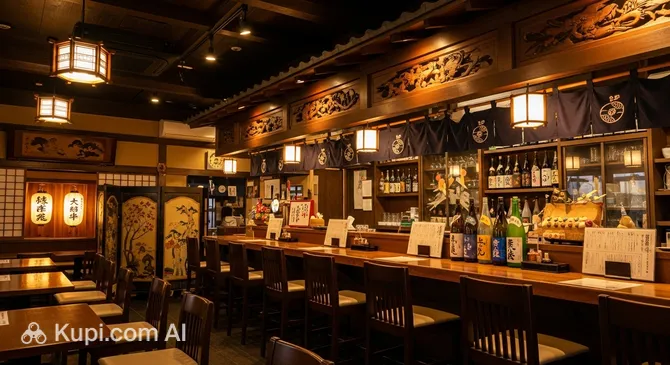
When it comes to beverages, the "Citrus Kingdom" lives up to its name. Fresh Mikan (mandarin orange) juice is ubiquitous, ranging from sweet to tart depending on the variety. For something stronger, the local sake is exceptional, benefiting from the region's high-quality water and rice. You can sample a wide variety of these local brews at Kuramotoya Ehime Sake Bar, a specialized spot where you can taste and compare different labels from across the prefecture.

Kuramotoya Ehime Sake Bar. Source: Kupi.Binoculars

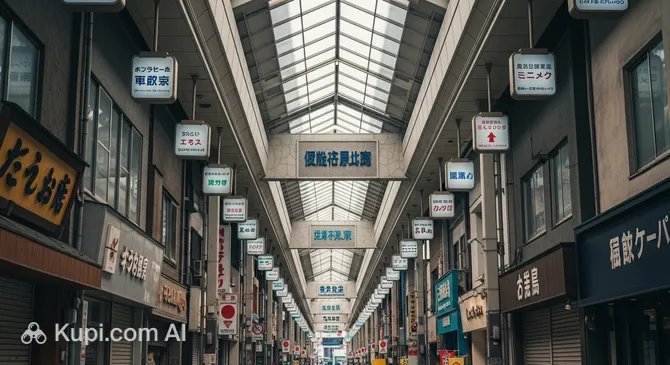
To experience the vibrant food culture firsthand, head to the bustling Okaido Shopping Street. This covered arcade is the heart of the city's dining scene, lined with countless restaurants, cafes, and izakayas. Whether you are looking for a high-end kaiseki dinner or a casual bite of street food, this area offers a diverse range of options where tourists and locals mingle to enjoy the best of Matsuyama's gastronomy.

Okaido Shopping Street. Source: Kupi.Binoculars

Travel Tips

To help you make the most of your journey to this charming castle city, we have compiled a set of practical tips designed to ensure your visit is smooth and enjoyable. From navigating the historic streets to understanding local customs, these insights will help you travel like a pro in Matsuyama.

  1. Clothing and Footwear: Matsuyama has a temperate climate, so lightweight, breathable clothing is best for summer, while layers and a warm coat are necessary for winter. Since you will likely visit traditional sites like the castle or ryokans (Japanese inns), bring comfortable slip-on shoes. You will frequently need to take them off to enter tatami rooms, and constantly lacing and unlacing boots can become tiresome.
  2. Getting Around: The most convenient way to navigate the city is by the extensive Iyotetsu tram network. It connects major hubs like JR Matsuyama Station, Matsuyama City Station, and Dogo Onsen. Keep an eye out for the "Botchan Ressha," a diesel-powered replica of a vintage steam train that runs on the tram lines; riding it is a fun experience in itself. Taxis are available but can be pricey; walking is often a viable option for the city center.
  3. Cash is King: While major hotels and department stores accept credit cards, many smaller shops, ticket vending machines for trams, and traditional restaurants in Matsuyama operate on a cash-only basis. Ensure you carry sufficient Japanese Yen. International ATMs are readily available at 7-Eleven and Japan Post Bank locations if you need to withdraw funds. Tipping is not practiced and may even cause confusion, so polite thanks are sufficient.
  4. Health and Safety: Matsuyama is an incredibly safe city for tourists, even at night. Pharmacies (often labeled as "Drugstores") are common and sell basic medical supplies, though carrying a translation app is helpful to read labels. In an emergency, dial 119 for ambulance or fire services. Tap water is safe to drink everywhere.
  5. Communication: While staff at major tourist attractions like Matsuyama Castle and Dogo Onsen often speak some English, it is less common in smaller local eateries. Installing a translation app on your phone is highly recommended. Free Wi-Fi is available at major stations and tourist spots, but renting a Pocket Wi-Fi or buying a SIM card at the airport upon arrival in Japan ensures you stay connected everywhere.
  6. Onsen Etiquette: Since visiting Dogo Onsen is a highlight, knowing bathhouse manners is crucial. You must wash your body thoroughly at the shower stations before entering the communal bath. Never let your small modesty towel touch the bathwater; rest it on your head or the side of the tub. Also, be aware that some onsens may restrict entry for guests with visible tattoos, though rules are slowly relaxing.
  7. What to Avoid: Do not eat or drink while walking in public, as it is generally considered rude; instead, stop and finish your snack near the shop where you bought it. Additionally, avoid talking loudly on public transport (trams and trains), as locals value a quiet and respectful atmosphere during their commute.
  8. Local Life Hack: Take advantage of the Ashiyu (footbaths). Several free footbaths are located around the Dogo Onsen area, including one right next to Dogo Onsen Station. They are a perfect way to soothe your tired feet after climbing the steps to the castle or shrines—just remember to bring a small hand towel to dry off afterwards!

By keeping these practical tips in mind, you will be well-prepared to embrace the relaxed pace and historical beauty of Matsuyama. Whether you are riding a vintage tram or soaking in ancient waters, respecting these local norms will help you connect more deeply with the city and its welcoming people.

Entertainment & Nightlife

While Matsuyama is steeped in history, it also offers a variety of modern entertainment options, from bustling shopping complexes to cultural institutions that celebrate the city's artistic spirit. Whether you are looking to shop for the latest trends, enjoy panoramic views, or dive into the local nightlife, the city has plenty to keep you entertained.

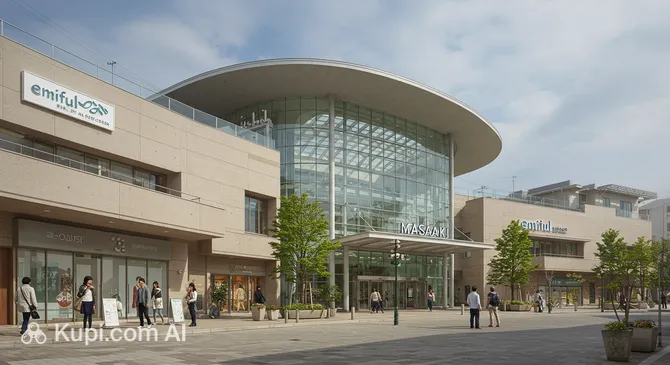
For those who love shopping, a visit to Emifull MASAKI is highly recommended. As one of the largest shopping malls in Shikoku, it features over 200 stores, including fashion boutiques, general goods shops, and a cinema complex. Located just a short train ride from the city center, it is a perfect destination for families and anyone looking to indulge in some retail therapy.

Emifull MASAKI. Source: Kupi.Binoculars

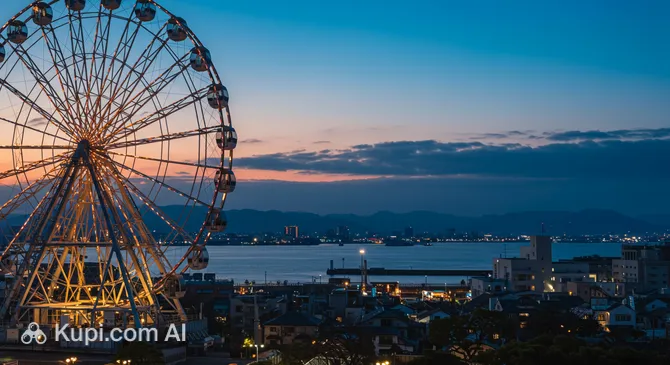
If you want to see the city from a different perspective, head to the rooftop of the Iyotetsu Takashimaya department store to ride the Kururin Ferris Wheel. Rising 85 meters above the ground, this landmark offers breathtaking 360-degree views of Matsuyama, the castle, and the distant Seto Inland Sea. It is particularly magical at night when the city lights twinkle below, creating a romantic atmosphere.

Kururin Ferris Wheel. Source: Kupi.Binoculars

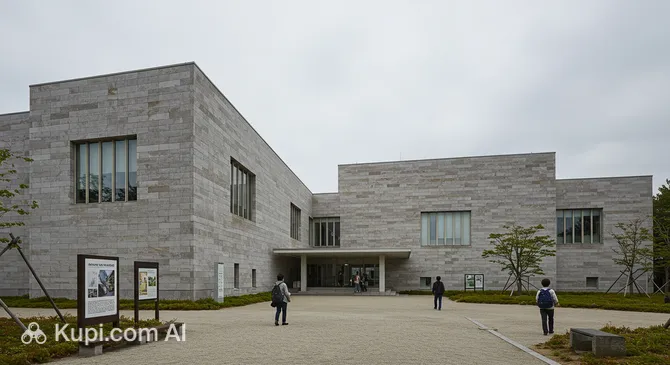
Culture enthusiasts will find the Saka no Ue no Kumo Museum fascinating not only for its exhibits but also for its stunning architecture designed by Tadao Ando. Dedicated to the novel "Clouds Above the Hill" by Ryotaro Shiba, the museum explores Japan's modernization during the Meiji era. Another intellectual retreat is the Shiki Museum, located in Dogo Park, which honors the life and works of the haiku master Masaoka Shiki.

Saka no Ue no Kumo Museum. Source: Kupi.Binoculars

When the sun goes down, the city's nightlife comes alive, particularly around the Okaido area. For a classic Japanese pastime, you can visit Karaoke Mega Big Matsuyama Ōkaidō to sing your heart out in a private room. The streets here are lined with various establishments, offering a lively mix of dining and entertainment that continues well into the night.

For a more unique cultural experience, the Itami Juzo Museum celebrates the multi-talented film director and essayist. The museum itself is a work of art, with a courtyard and exhibition spaces that reflect Itami's wit and creativity, making it an inspiring stop for fans of Japanese cinema and art.

Parks & Museums

Beyond its bustling arcades and famous bathhouses, Matsuyama offers a refreshing array of green spaces and historical sites that function as open-air museums. These areas allow visitors to step away from the city center's energy and immerse themselves in nature and the region's samurai past.

One of the most beloved green spots is Dogo Park. Located on the former site of Yuzuki Castle, this park is a designated national historic site that offers a peaceful retreat with its moat and lush walking paths. It is particularly famous as a cherry blossom viewing spot in spring, drawing locals for lively picnics under the pink blooms. Inside the park, you can explore reconstructed samurai residences that provide a glimpse into medieval life.

[IMAGE tourist_attraction id=149534]

For those seeking panoramic views with a unique architectural twist, Matsuyama General Park is a hidden gem located on a hill to the west of the city center. The park is crowned by a replica of a European-style castle, which serves as an observation deck. From here, you can enjoy a sweeping vista of the city, the main Matsuyama Castle, and the Seto Inland Sea, making it a perfect spot for a sunset stroll.

[IMAGE tourist_attraction id=160799]

History enthusiasts should not miss the Birthplace of the Akiyama Brothers. This restored traditional house was the childhood home of Yoshifuru and Saneyuki Akiyama, two pivotal figures in Japan's modernization and the protagonists of the famous novel "Clouds Above the Hill" (Saka no Ue no Kumo). The site features a modest museum and a dojo, offering an intimate look at the upbringing of these local heroes.

[IMAGE historical_place id=185666]

Another scenic location that blends relaxation with sightseeing is the Dogo Onsen Sky Walkway and Footbath. Situated on a hill overlooking the Dogo Onsen main building, this promenade offers a free footbath where you can soak your feet in the same therapeutic waters while admiring the view of the historic bathhouse below. It is especially atmospheric in the evening when the area is illuminated.

[IMAGE tourist_attraction id=184091]

Getting Around

Navigating Matsuyama is remarkably convenient and straightforward, thanks largely to its compact size and efficient public transportation network. The city is served primarily by a system of trams, buses, and suburban trains operated by Iyotetsu, distinguishable by their vibrant orange branding. For most visitors, the streetcar (tram) network is the primary mode of travel, as its lines crisscross the city center and connect all major hubs, including JR Matsuyama Station, Matsuyama City Station, and the historic Dogo Onsen area.

The tram system consists of five lines, but the loop line is particularly useful for tourists as it circles the downtown area, providing easy access to the castle and shopping districts. A unique feature of this network is the "Botchan Ressha," a diesel-powered replica of a vintage steam locomotive from the Meiji era. While it runs on the same tracks as the modern trams, it offers a nostalgic experience complete with conductors in period uniforms. Note that riding this retro train requires a separate ticket and costs more than the standard tram fare.

For destinations outside the tram network or for faster travel to the suburbs, the city offers an extensive bus network and suburban train lines. The buses are essential for reaching the airport or ferry ports. Boarding a bus or tram typically involves entering through the rear door. If you are paying with cash, take a numbered ticket from the dispenser. If you are using a card, simply tap the reader upon entry. When you reach your destination, you exit from the front, either paying the fare indicated on the digital board into the box or tapping your card again.

Regarding payment, the system in Matsuyama is now extremely tourist-friendly. Nationwide IC cards such as Suica, ICOCA, and PASMO are fully accepted on all Iyotetsu trams, buses, and suburban trains, allowing for seamless travel if you are arriving from other parts of Japan. In addition to these transport cards, the network supports contactless credit card payments. You can often simply tap a contactless credit card (Visa, JCB, etc.) on the reader when boarding and exiting. Cash is also accepted, though carrying exact change is recommended as the machines on board only break small bills.

For those planning to explore extensively, purchasing a day pass is a highly economical option. The "ALL IYOTETSU Pass" is available in 1-day, 2-day, and other variations, offering unlimited rides on trams, buses, and suburban trains within designated areas. These passes can be purchased at major stations, the airport, or sometimes digitally through smartphone apps. They not only save money but also eliminate the hassle of calculating fares for every ride.

Beyond public transit, the city is quite walkable, especially around the Okaido shopping arcade and the castle park. Bicycles are also a popular alternative, with rental cycles available at various locations, making it easy to enjoy the flat terrain of the city center. Taxis are plentiful and can be hailed at stations or on the street; they are a good option for late-night travel after public transport stops running, typically around 11:00 PM. Most taxis now accept credit cards and payment apps, offering a comfortable door-to-door service.

Accommodation

Finding the perfect place to stay in Matsuyama is an integral part of the travel experience, offering options that range from historic luxury to modern convenience. The city provides a wide spectrum of accommodation types, ensuring that every traveler, whether a backpacker or a luxury seeker, finds a comfortable base. The choice largely depends on whether you prefer the atmospheric charm of a hot spring resort or the functional efficiency of a city center hotel.

For many visitors, the highlight of staying in Matsuyama is the opportunity to book a room in the Dogo Onsen area. This district is famous for its traditional Japanese inns, known as ryokans. Staying here often means sleeping on tatami mats, wearing a yukata (light cotton kimono), and indulging in elaborate kaiseki multi-course dinners featuring local seasonal ingredients. Many of these establishments have their own private hot spring baths, allowing for a relaxing soak just steps from your room. It is the ideal location for those who want to immerse themselves in the city's rich history and bath culture.

If you prioritize convenience and nightlife, the downtown area around Okaido and Matsuyama City Station is the best choice. This central district is bustling with activity and offers a variety of mid-range and business hotels. Staying here places you within walking distance of the major shopping arcades, numerous restaurants, and the ropeway to the castle. These hotels typically offer Western-style rooms and modern amenities, making them a practical option for families and business travelers who want easy access to the city's transport network and dining scene.

For those arriving late or departing early by train, the area surrounding JR Matsuyama Station offers several functional business hotels. While slightly removed from the main entertainment districts, this area provides affordable and reliable accommodation perfect for transit passengers. It is a quiet and strategic location for travelers planning to explore the wider Ehime Prefecture or take early trains to other parts of Shikoku.

Booking Tips and Prices: Accommodation prices in Matsuyama are generally reasonable compared to major metropolises like Tokyo or Osaka. Business hotels and hostels are quite budget-friendly, while high-end ryokans in Dogo Onsen can be a splurge, particularly those offering in-room dining and private baths. It is highly recommended to book well in advance, especially if you plan to visit during the spring cherry blossom season or the autumn festival period, as popular ryokans fill up quickly. Most bookings can be made easily through major online travel platforms.

Nearby Cities

For those looking to explore the surroundings, Matsuyama serves as an excellent base for day trips to several interesting nearby locations:

Just a short distance north lies Imabari, a city celebrated for its high-quality towel production and maritime history. It is perhaps best known as the gateway to the Shimanami Kaido, a spectacular route of bridges and islands connecting Shikoku to Japan's main island, which is a paradise for cyclists. Visitors can also explore Imabari Castle, famous for being one of the few Japanese castles surrounded by a seawater moat.

Located across the Seto Inland Sea and accessible by ferry is the port city of Kure. Rich in naval history, it offers unique attractions such as the Yamato Museum and the JMSDF Kure Museum, where you can walk through a real retired submarine. The ferry ride itself provides scenic views of the calm inland waters, making the journey part of the experience.

To the east, Saijo is known as the "City of Water" due to its abundant natural springs, called uchinuki, which bubble up throughout the town. It serves as a base for hikers aiming to conquer Mount Ishizuchi, the highest peak in western Japan. Nearby Niihama offers a glimpse into the region's industrial heritage at Minetopia Besshi, a theme park built on the site of a historic copper mine.

City Population Distance (km)
Kure212,15949
Imabari149,20933
Iwakuni128,40162
Niihama114,97150
Saijo103,76040

These nearby destinations offer a glimpse into the diverse culture and landscapes of the region, ranging from coastal beauty and naval history to mountain adventures.

Shopping & Souvenirs

Shopping in Matsuyama offers a delightful blend of modern convenience and traditional charm, making it easy to find everything from high-end fashion to unique regional crafts. The city’s retail landscape is centered around its expansive pedestrian arcades and bustling malls, where the warm hospitality of Shikoku is always on display.

The heart of the city's shopping district is the Okaido Shopping Street. This massive covered arcade, stretching nearly 500 meters, is a vibrant hub that connects to the Gintengai Shopping Street, forming a sprawling L-shaped walking course. Unlike the dining-focused sections, the retail areas here feature a mix of department stores, trendy clothing boutiques, and kimono shops. It is the perfect place to enjoy a leisurely stroll while browsing for Japanese cosmetics, stationery, and lifestyle goods, all protected from the elements.

For a more souvenir-oriented experience, head to the Dogo Shopping Arcade, affectionately known as "Dogo Haikara Dori." Located just steps from the historic Dogo Onsen, this atmospheric lane is lined with shops catering to visitors. Here, you can purchase Ehime's renowned Imabari towels, famous worldwide for their exceptional softness and quality. The arcade is also a great spot to find Tobe ware, a local style of thick, durable porcelain adorned with indigo designs, which makes for a practical and beautiful memento.

As the capital of the "Citrus Kingdom," Matsuyama offers an abundance of products made from mikan (mandarin oranges). Specialty shops throughout the city and at the airport sell everything from 100% pure orange juice and jams to citrus-infused bath salts and skincare products. Be sure to look for Taruto, a sponge cake roll filled with yuzu-flavored red bean paste, which is a classic gift from the region.

For those looking for a comprehensive modern shopping experience, Emifull MASAKI is the largest shopping complex in the area. Located a short train ride from the city center, this massive mall houses over 200 shops, including major international fashion brands, variety stores, and a cinema. It serves as a convenient one-stop destination for families and travelers needing to pick up travel essentials or indulge in a full day of retail therapy.

Additionally, the Iyotetsu Takashimaya department store at Matsuyama City Station provides a high-end shopping environment. Its basement food hall, or depachika, is a treasure trove of gourmet Japanese foods, seasonal fruits, and beautifully packaged confectionery, offering a glimpse into the country's gift-giving culture.

Reached the end of the page?

That means the route is fully explored