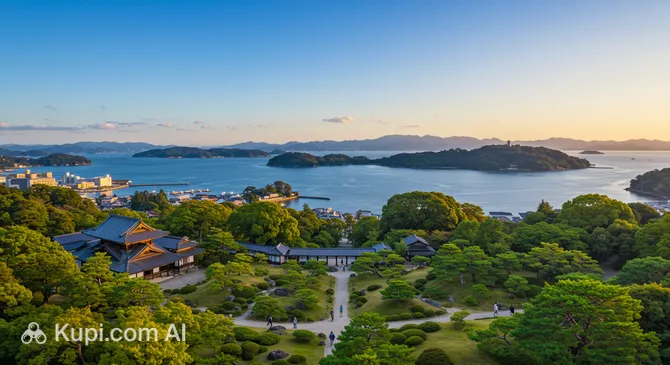
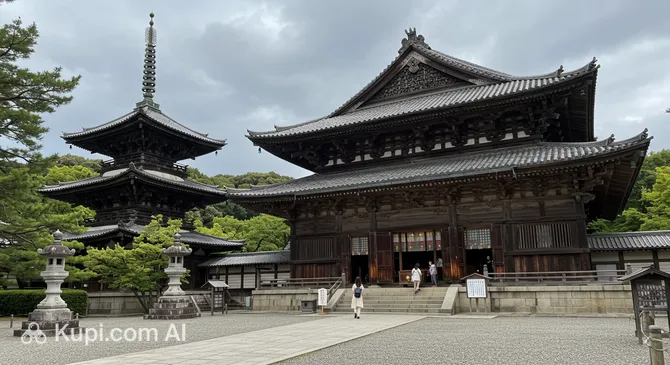
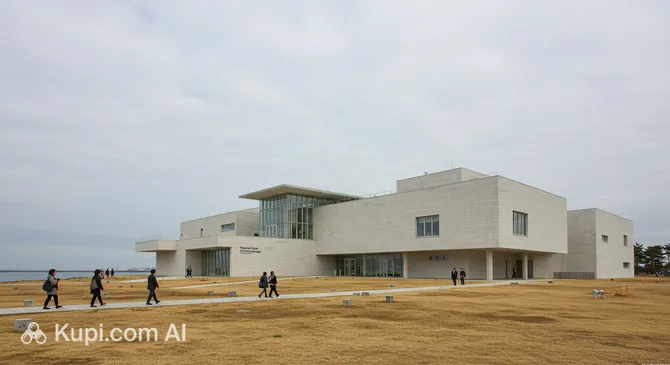
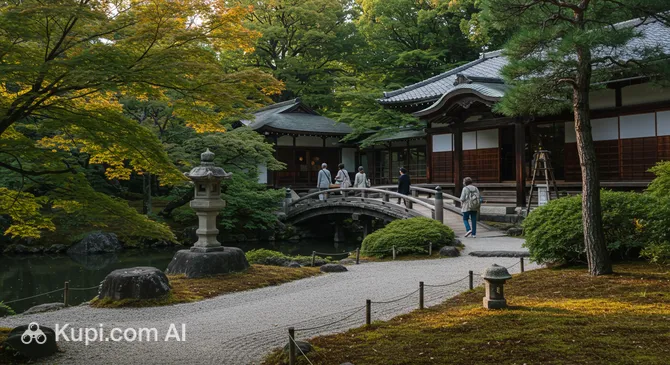
Welcome to Takamatsu, a vibrant port city located in the Kagawa Prefecture of Japan. Often referred to as the "Gateway to Shikoku," this bustling hub serves as a primary entry point for travelers exploring the island. With a population of approximately 417,000 residents, the city offers a perfect blend of urban convenience and a relaxed seaside atmosphere, characterized by the gentle breezes of the Seto Inland Sea.
Takamatsu. Illustration.
Source: Kupi.com AI
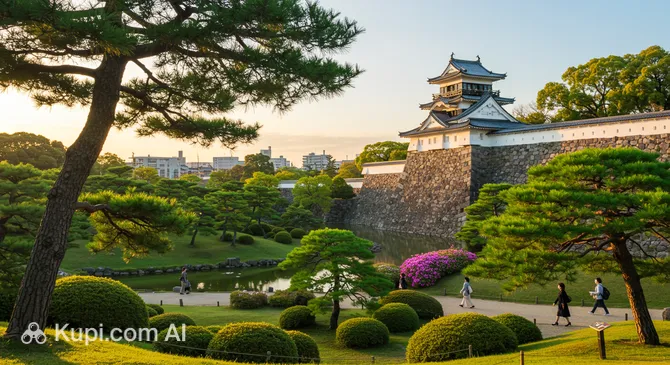
The city's location on the coast provides it with a mild and pleasant climate, making it an attractive destination throughout the year. Originally developed as a castle town, the area has a rich cultural heritage. Visitors interested in the feudal era and the region's evolution can dive deeper into the history of Takamatsu to understand how it grew from a strategic fortification into a modern commercial center. The ruins of Takamatsu Castle, distinctively built facing the sea, stand as a testament to this past.
Takamatsu is celebrated for several key attractions that draw tourists from around the world. The most famous is undoubtedly Ritsurin Garden, a masterpiece of Japanese landscape architecture that rivals the country's most renowned gardens. Visitors can enjoy a peaceful boat ride on the ponds or sip matcha in a traditional teahouse. Additionally, the city is known as the "Udon Kingdom," famous for its Sanuki Udon. These thick, chewy noodles are a local staple, and hunting for the best bowl is a favorite pastime for visitors.
Whether you are planning to hop on a ferry to the nearby "Art Islands" like Naoshima or simply want to enjoy the scenic beauty of the waterfront, Takamatsu is a delightful destination. Its welcoming spirit and unique cultural treasures make it a must-visit spot on any Japanese itinerary.
Weather Overview
Takamatsu generally enjoys a temperate climate typical of the Seto Inland Sea region, characterized by four distinct seasons. While the city is a year-round destination, understanding the seasonal variations can help you pack appropriately. For a more detailed breakdown of monthly forecasts and conditions, you can consult the guide to the weather in Takamatsu.
Summers in the city are warm and often humid. August is typically the hottest month, with average temperatures hovering around 27.5°C and highs frequently reaching nearly 30°C. This period also brings the highest chance of rain, particularly in July, which sees about 15 wet days on average. Conversely, winters are quite chilly but notably dry. January and February are the coldest months, with average temperatures dropping to approximately 6.0°C and minimal precipitation of just 2mm.
Spring and autumn offer mild and comfortable transitions, making them popular times for outdoor activities. May features pleasant averages of 17.8°C, while October cools down to a refreshing 18.9°C. In general, travelers should expect warm summers with occasional rain and cold, dry winters.
Average monthly temperature
Average monthly precipitation
Interesting Facts
Beyond the main attractions and the scenic beauty of the Seto Inland Sea, Takamatsu holds fascinating secrets and unique local customs that often surprise visitors. Here are some intriguing facts that make this port city truly one of a kind:
Takamatsu Castle Park. Illustration.
Source: Kupi.com AI
Traveler photos:
A Moat Filled with Sea Bream: The historic Takamatsu Castle Park is one of the few Japanese castles built directly on the waterfront. Uniquely, its moat draws water from the ocean, meaning it is filled with saltwater. Instead of carp, you will find Red Sea Bream swimming here, and visitors can even experience the novelty of feeding these saltwater fish from the castle grounds.
The Udon Taxi Service: The city takes its reputation as the "Udon Kingdom" very seriously. To help travelers navigate the hundreds of noodle shops, Takamatsu offers specialized "Udon Taxis." Drivers of these cabs must pass a rigorous exam about local noodles, and the vehicles are easily spotted by the udon-bowl-shaped lanterns on their roofs.
Japan's Bonsai Capital: While many associate bonsai with Kyoto or Tokyo, the Kinashi and Kokubunji areas of Takamatsu are actually the largest producers of pine bonsai in the country. This region accounts for approximately 80% of Japan's pine bonsai market, with a tradition of cultivation that has flourished for over 200 years.
Legend of the Shape-Shifting Tanuki: Local folklore is deeply rooted at Yashima-ji Temple, which is associated with Tasaburo Tanuki. He is celebrated as one of the three most famous tanuki (raccoon dogs) in Japan, known for his ability to shape-shift and his benevolence in bringing good luck to families and businesses.
How to Get There
Reaching this scenic port city is a straightforward part of your journey, with convenient air connections serving the region. For a detailed breakdown of all transport options, including trains and ferries, you can read more about how to get to Takamatsu.
The most direct point of entry is Takamatsu Airport (TAK), which is located approximately 14.5 km from the city center. As a key transport hub with significant passenger traffic, it offers a comfortable gateway to Kagawa Prefecture. A trip from the terminal to the downtown area by taxi or airport limousine bus typically takes about 42 minutes. Alternatively, travelers can fly into Okayama Airport (OKJ) in the nearby city of Okayama. Although it is situated roughly 49 km away, requiring a travel time of about 1 hour and 35 minutes, it serves as an important alternative hub for the region.
Another option for accessing the area is Tokushima Awaodori Airport (TKS), located in the city of Tokushima. It is about 57 km from Takamatsu, and the transfer by road usually takes around 1 hour and 45 minutes. While slightly further afield, it provides additional flight schedules that may suit some itineraries.
For clarity, here is a summary of the main airports:
Takamatsu offers a delightful array of sights that blend historical grandeur with scenic beauty and modern art. While the city is a gateway to the islands of the Seto Inland Sea, its own attractions are compelling enough to warrant a dedicated stay. From expansive feudal gardens to unique architectural landmarks, here are the top places to explore.
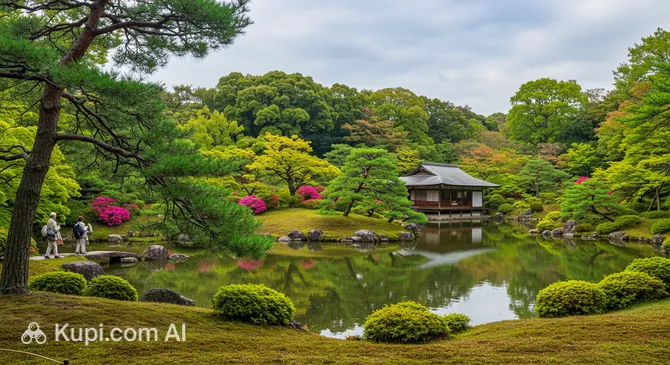
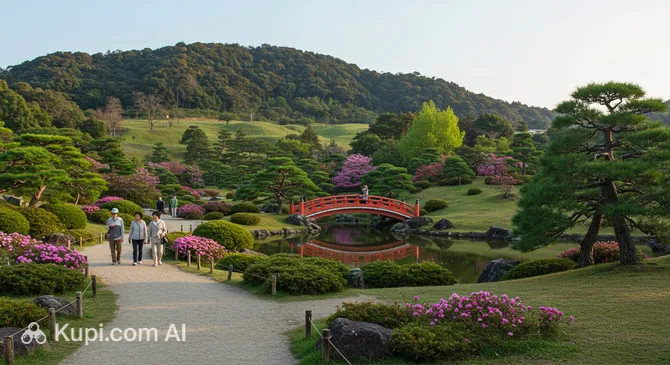
Widely considered one of the most beautiful landscape gardens in Japan, Ritsurin Garden is a masterpiece that dates back to the early Edo period. Although it is not officially one of the "Three Great Gardens of Japan," many visitors argue it surpasses them in beauty. Spanning a vast area against the backdrop of Mount Shiun, the garden features six ponds and thirteen landscaped hills. Tourists can enjoy a traditional boat ride on the water or sip matcha in the Kikugetsutei teahouse, immersing themselves in the tranquil atmosphere of the feudal era.
Ritsurin Garden. Illustration.
Source: Kupi.com AI
Traveler photos:
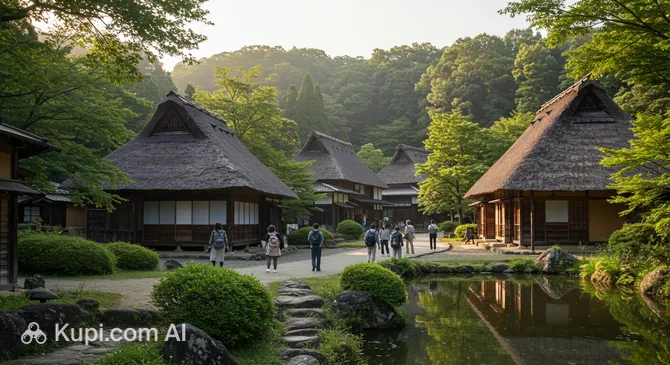
For those interested in the region's rural heritage, Shikoku Village is an open-air museum located at the base of the Yashima plateau. This hillside park displays over 30 traditional structures relocated from across Shikoku Island, including farmhouses, workshops, and a kabuki theater. A highlight for many is the replica of the vine suspension bridge from the Iya Valley, offering a thrilling crossing without the long journey into the mountains. It is a fantastic spot to learn about the daily lives of people in historic Japan.
Shikoku Village. Illustration.
Source: Kupi.com AI
Traveler photos:
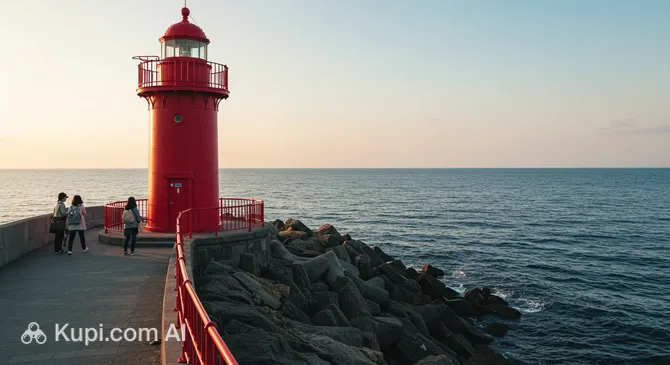
A striking symbol of the city's port is the Takamatsu Red Lighthouse (Setoshirube). Located at the end of a long pier in the Sunport district, this is the world's first lighthouse made entirely of glass blocks. It glows a vibrant red at night, guiding ships and creating a romantic atmosphere for evening strolls. The walk out to the lighthouse offers panoramic views of the Seto Inland Sea and the passing ferries, making it a popular spot for both locals and tourists to watch the sunset.
Takamatsu Red Lighthouse (Setoshirube). Illustration.
Source: Kupi.com AI
Traveler photos:
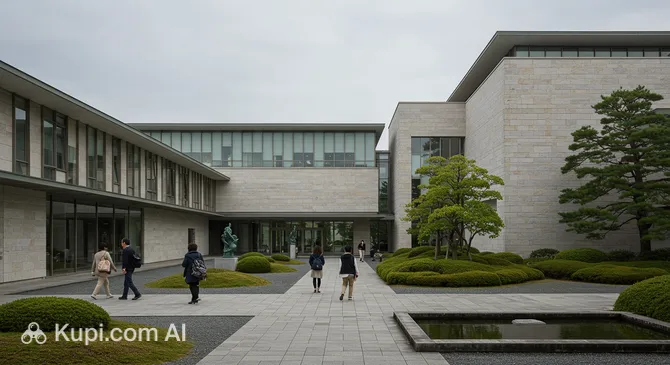
Art enthusiasts should not miss the Takamatsu Art Museum, conveniently situated near the city's central shopping arcade. The museum boasts an impressive collection focusing on postwar Japanese contemporary art, as well as renowned international works. It also plays a significant role in promoting the region's artistic culture, featuring exhibits on traditional Sanuki lacquerware. It serves as a cultural hub that connects the local community with the broader world of modern art.
Local Cuisine
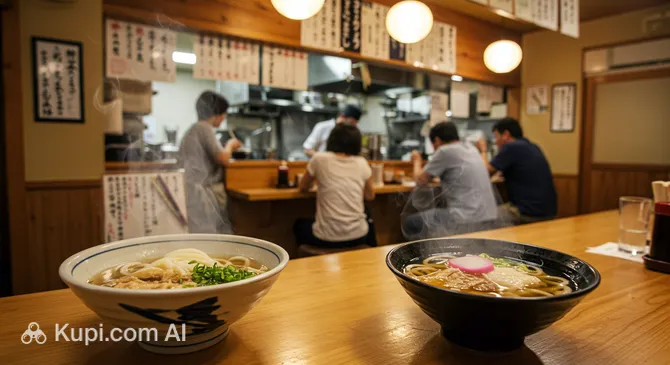
The culinary identity of Takamatsu is inseparable from Sanuki Udon. Kagawa Prefecture is often playfully called the "Udon Prefecture," and Takamatsu is its heart. These thick, square-cut wheat noodles are famous for their firm, chewy texture (known as koshi) and smooth throat feel. They are typically served in a savory broth made from iriko (dried sardines) or simply with soy sauce and a raw egg. The city is dotted with hundreds of shops, ranging from full-service restaurants to rustic, self-service spots that open early in the morning.
Dining here is often a fun, interactive experience. In many "self-service" establishments, you warm your own noodles in hot water and select your preferred toppings, such as tempura or green onions, from a buffet line. For an authentic taste of this tradition, you can visit Sanuki Udon Ueharaya, a popular spot located near Ritsurin Garden that is beloved by locals. Another celebrated destination is Chikusei, which is renowned for its perfectly fried half-boiled egg tempura, a topping that perfectly complements the chewy noodles.
Sanuki Udon Ueharaya. Illustration.
Source: Kupi.com AI
Traveler photos:
Beyond noodles, the city is famous for Hon-etsuki-dori (Bone-in Chicken). This savory dish features a whole chicken leg seasoned heavily with garlic and spices, then oven-baked until the skin is crisp and the inside remains juicy. It traditionally comes in two varieties: oyadori (chewy, flavorful meat from older chickens) and hinadori (tender meat from young chickens). It is considered the region's soul food and is a staple in local izakayas, pairing perfectly with a cold beer or local sake.
Given its location on the Seto Inland Sea, fresh seafood is also a highlight. A unique local specialty is Olive Hamachi (Yellowtail). As Kagawa is the birthplace of olive cultivation in Japan, local farmers mix crushed olive leaves into the feed for the fish. This process suppresses the fishy smell and prevents discoloration, resulting in a rich, savory flavor. You can enjoy this premium fish as sashimi or sushi at various restaurants throughout the downtown area.
For a more tranquil gastronomic experience, the local tea culture offers a refined break. At the historic Kikugetsutei teahouse, visitors can sip matcha green tea accompanied by traditional Japanese sweets while gazing at the beautiful ponds of Ritsurin Garden. It provides a peaceful contrast to the lively atmosphere of the udon shops and offers a taste of the daimyo lifestyle of the past.
Travel Tips
To ensure your trip to Takamatsu is as smooth and enjoyable as possible, we have compiled a set of practical guidelines tailored to this unique port city. These tips will help you navigate the local customs, transport options, and famous culinary scene with the confidence of a seasoned traveler.
Dress for the Season and Occasion: Takamatsu has hot, humid summers and chilly winters, so pack breathable fabrics or warm layers accordingly. Since you will likely visit traditional sites like Ritsurin Garden or various temples where removing footwear is mandatory, bring comfortable shoes that are easy to slip on and off. If you plan to hike up to Yashima or explore the "Art Islands," sturdy walking shoes are a must.
Rent a Bicycle for City Travel: While the Kotoden trains and local buses are charming and reliable, Takamatsu is famous for being incredibly bike-friendly due to its flat terrain. The city operates a convenient and affordable rental bicycle system with stations near the main train station and tourist spots. It is often the fastest and most enjoyable way to hop between udon shops and the waterfront.
Cash is King for Udon Hunting: While major department stores and hotels accept credit cards, many of the best, authentic Sanuki Udon shops are small, family-run businesses that strictly accept cash only. Ticket machines at these eateries rarely take cards, so always carry a sufficient amount of Yen notes and coins, especially if you plan a "noodle tour" in the outskirts.
Stay Connected for Island Hopping: Free Wi-Fi is available at Takamatsu Station, the port, and major tourist facilities, but it can be spotty on the ferries or smaller islands like Megijima and Ogijima. Renting a Pocket Wi-Fi or buying a SIM card at the airport is highly recommended to check ferry schedules and navigate remote areas without interruption.
Master the Udon Shop Etiquette: Dining at a self-service udon shop can be confusing for first-timers. Generally, you grab a tray, order your noodle type (hot or cold), warm the noodles yourself in hot water if required, add broth from a tap, and pick tempura sides before paying. Return your tray to the designated area when finished. Slurping your noodles is culturally acceptable and shows you are enjoying the meal.
Timing Your Meals: One specific thing to avoid is waiting until late afternoon for lunch. Many of Takamatsu's most popular udon shops open early in the morning (some as early as 6:00 AM) and close by 2:00 PM or whenever they run out of noodles. Plan to eat your main noodle meal before the standard lunch rush ends to avoid disappointment.
Health and Safety: Takamatsu is a safe city with low crime rates. For minor health issues, look for drugstores with the "kusuri" (薬) sign. In an emergency, dial 119 for an ambulance or fire, and 110 for police. Tap water is safe to drink, which is convenient for refilling bottles during summer excursions.
Respect Priority Seating: On the Kotoden trains and buses, priority seats (usually marked by a different color) are reserved for the elderly, pregnant women, and those with disabilities. Even if the train is empty, it is polite to leave these seats free or vacate them immediately if someone in need boards.
By keeping these practical tips in mind, you will be well-equipped to explore the "Gateway to Shikoku" without any hassles. Embrace the local pace of life, enjoy the sea breeze, and savor every bowl of udon on your Takamatsu adventure!
Entertainment & Nightlife
While Takamatsu may not have the frenetic neon intensity of Tokyo or Osaka, its nightlife offers a warm, welcoming, and lively atmosphere that centers heavily on dining and socializing. The city comes alive after dark, particularly in the covered shopping arcades and the narrow streets branching off them. The vibe is distinctly relaxed and friendly, with a mix of salarymen loosening up after work, locals enjoying regional delicacies, and travelers exploring the vibrant izakaya (Japanese pub) culture.
The heart of the action is found in the entertainment districts of Lion Dori (Lion Street) and Furubaba-cho. Located just south of the main shopping arcades, these areas are packed with hundreds of establishments, ranging from tiny standing bars and yakitori joints to sophisticated cocktail lounges and karaoke clubs. The streets here are illuminated by lanterns and bustling with pedestrians. It is the perfect place to hop from one venue to another, sampling local sake and the city's famous bone-in chicken. Most venues are casual, and the dress code is generally relaxed, so there is no need for formal attire.
For those seeking a more scenic evening experience away from the crowded bars, Mineyama Park is a hidden gem. Located on a hill to the west of the city center, it serves as a popular observation spot. At night, the park offers a stunning panoramic view of the glittering city lights contrasting with the dark expanse of the Seto Inland Sea. It is a romantic and quiet alternative to the downtown hustle, perfect for a peaceful night drive or walk.
Mineyama Park. Illustration.
Source: Kupi.com AI
Traveler photos:
When planning a night out, keep in mind that many restaurants and bars open around 17:00 or 18:00 and stay busy until midnight, though some close earlier on Sundays. Prices are generally reasonable; expect to pay a "table charge" (otoshi) of 300 to 500 yen at most bars, which usually includes a small appetizer. The downtown area is very walkable, but if you need to travel further, taxis are plentiful along the main streets like Chuo-dori. Takamatsu is incredibly safe for night walks, even for solo travelers, but standard precautions should always be taken in entertainment districts.
Before the sun sets, the city offers a variety of daytime entertainment options that cater to culture and family fun. A highlight for many visitors is the New Yashima Aquarium, uniquely located on the summit of the Yashima plateau. Standing at an altitude of about 300 meters, it is one of the highest aquariums in Japan. It is famous for its dolphin shows performed against the backdrop of the sky and sea, as well as its interactive exhibits where visitors can feed sea turtles and playful otters.
New Yashima Aquarium. Illustration.
Source: Kupi.com AI
Traveler photos:
While on the Yashima plateau, travelers can also visit the historic Yashima-ji Temple. As the 84th temple on the famous Shikoku 88 Temple Pilgrimage, it draws pilgrims in white vestments and tourists alike. The temple grounds feature a striking vermilion main hall and a treasure house displaying artifacts from the 12th-century Battle of Yashima. Combining a visit here with the aquarium makes for a diverse and fulfilling day trip.
For art and history lovers, the Kagawa Museum offers a deep dive into the region's heritage. Located near the waterfront, it features comprehensive exhibits ranging from primitive times to the modern era, including samurai armor and local folk crafts. The city's various theaters also host traditional performances and concerts throughout the year, ensuring there is always something to see.
Parks & Museums
Takamatsu is a city where urban life seamlessly intertwines with manicured nature and a deep appreciation for the arts. Beyond its busy port and shopping arcades, the city boasts exquisite green spaces and museums that reflect both its historical roots and its modern creative aspirations. Whether you are looking for a quiet place to stroll or an immersion in local culture, the city's parks and galleries offer a refreshing escape.
At the heart of the city's waterfront lies Takamatsu Castle Park, known locally as Tamamo Park. Built on the site of one of Japan's three great water castles, it is a designated National Historic Site that offers a glimpse into the grandeur of the feudal era. Although the original main keep no longer stands, the park features beautifully preserved turrets, sturdy stone walls, and the majestic Hiunkaku Villa. Constructed in the early 20th century, this sprawling residence blends traditional Japanese aesthetics with subtle Western influences and currently serves as a venue for tea ceremonies and cultural exhibitions. The grounds are particularly enchanting during spring, where the cherry blossoms create a soft pink canopy against the historic fortifications.
A short distance from the station and the port, the Kagawa Museum stands as the definitive cultural facility for the prefecture. This comprehensive museum guides visitors through the rich history of the Seto Inland Sea region, tracing its development from primitive settlements to the modern age. A highlight of the collection is the exhibition dedicated to the Matsudaira clan, the feudal lords who once ruled Takamatsu; visitors can view impressive displays of samurai armor, swords, and historical documents. The building itself is architecturally striking, featuring a spacious, glass-walled lobby that offers calming views of the harbor, effectively connecting the indoor exhibits with the maritime history visible outside.
Kagawa Museum. Illustration.
Source: Kupi.com AI
Traveler photos:
For a more spiritual experience away from the city center, travelers can visit Ichinomiya-ji Temple. As the 83rd site on the famous Shikoku 88 Temple Pilgrimage, it holds significant religious importance and is often bustling with pilgrims dressed in white vestments. The temple is renowned for its serene atmosphere and a curious stone monument known as "Hell's Cauldron" (Jigoku no Kama). According to local legend, if a person with an evil heart places their head inside the stone opening, the rocks will close around their neck, making it a unique spot for self-reflection and local folklore.
Ichinomiya-ji Temple. Illustration.
Source: Kupi.com AI
Traveler photos:
Insider Tip: Art enthusiasts willing to venture a bit further should visit the Isamu Noguchi Garden Museum in the Mure district. Housed in the former studio of the world-renowned sculptor Isamu Noguchi, this museum preserves his working atmosphere, displaying unfinished sculptures alongside his living quarters. Admission is strictly by appointment, typically requiring a reservation via postcard or email well in advance, ensuring an exclusive and intimate viewing experience.
Getting Around
Navigating Takamatsu is a breeze for travelers, thanks to its compact size and well-integrated public transport network. The city is served by two main railway systems: JR Shikoku and the local Kotoden (Takamatsu-Kotohira Electric Railroad). JR Takamatsu Station acts as the primary hub for intercity travel and connections to the airport, while the charming Kotoden trains, easily recognizable by their bright colors, are perfect for reaching local sightseeing spots. The Kotoden lines connect the city center to major attractions like Ritsurin Garden and the famous Konpira-san shrine in nearby Kotohira, offering a scenic and nostalgic ride through the town.
For destinations not covered by rail, the local bus network provides comprehensive coverage. The "Shopping Rainbow Bus" is particularly useful for tourists, looping through the main shopping districts and residential areas. Given Takamatsu's status as a gateway to the Seto Inland Sea, ferries are also a crucial mode of transport. From the Sunport Takamatsu pier, travelers can easily hop on high-speed boats and large ferries to explore nearby islands such as Naoshima, Shodoshima, and Megijima, making island-hopping a standard part of the local commute.
One of the most popular and efficient ways to explore the city is by bicycle. Takamatsu is often called a "bicycle kingdom" due to its flat terrain and wide, paved paths. The city operates an incredibly convenient and affordable municipal bicycle rental system. You can rent a bike at one station, such as the underground lot near the station, and drop it off at another near your destination. It is often faster than waiting for a bus and allows you to enjoy the seaside breeze as you travel between udon shops.
Regarding payment, the city is modernized and tourist-friendly. The local IC card is called IruCa, featuring a cute dolphin mascot, which can be used on Kotoden trains, buses, and for shopping in designated arcades. However, visitors carrying nationwide IC cards like Suica, PASMO, or ICOCA can also use them on both JR and Kotoden lines. If you do not have a card, ticket machines are available at all stations with English language options. Fares are calculated by distance, so be sure to check the fare map above the vending machines before purchasing.
Taxis are readily available outside major stations, hotels, and the shopping arcades. They are a reliable alternative for late-night travel after the trains stop running, typically around midnight. For a smooth experience, remember that public transport runs punctually. When taking the bus, board from the rear door, take a numbered ticket if paying with cash, and pay at the front when you exit. Whether you choose the retro charm of the Kotoden or the freedom of a rental bike, getting around Takamatsu is an enjoyable part of the journey.
Accommodation
Accommodation in Takamatsu caters to a wide spectrum of travelers, ranging from business professionals passing through to art enthusiasts exploring the Setouchi islands. The city is compact, meaning that wherever you stay, you are likely within easy reach of major transport hubs and attractions. Generally, lodging options are concentrated in two main areas: the waterfront near the station and the central downtown shopping districts.
For those prioritizing convenience and mobility, the area around JR Takamatsu Station and the Sunport district is the ideal choice. This waterfront zone is populated by modern Western-style hotels, many of which offer higher floors with sweeping views of the Seto Inland Sea and the nearby Takamatsu Castle Park. Staying here places you just steps away from the ferry terminals, making it the perfect base for early morning departures to Naoshima, Teshima, and Shodoshima.
Travelers looking to immerse themselves in the local urban pulse should look for hotels in the Kawaramachi and Marugamemachi districts. Located south of the station, this is the city's downtown core, home to extensive covered shopping arcades and a vibrant nightlife scene. Hotels here are typically business-style, offering clean, functional rooms at reasonable rates. This location is excellent for those who want to step out of their hotel and immediately find themselves surrounded by udon shops, izakayas, and cultural stops like the Takamatsu Art Museum.
Takamatsu Art Museum. Illustration.
Source: Kupi.com AI
Traveler photos:
If you prefer a more traditional Japanese experience, you can find ryokans (traditional inns) scattered throughout the city, particularly near the historic Ritsurin Garden. Staying in this area offers a quieter atmosphere, often with the added luxury of tatami rooms and kaiseki (multi-course) dinners. For a retreat further removed from the urban bustle, the Yashima plateau offers accommodations with panoramic views of the harbor, while the Shionoe Onsen area in the southern mountains provides a classic hot spring resort experience within the city limits.
A crucial tip for planning your stay is to check the calendar for the Setouchi Triennale. During this contemporary art festival, held every three years, accommodation in Takamatsu fills up months in advance, and prices can rise significantly. Even outside festival years, it is wise to book early during Golden Week (late April to early May) and the Obon holidays in August to secure your preferred location.
Nearby Cities
For those looking to explore the surroundings, Takamatsu serves as an excellent base for day trips to several interesting nearby locations:
City
Population
Distance
Sanuki
46 723
12 km
Ayagawa
22 730
15 km
Sakaide
50 577
17 km
Tonosho
13 085
20 km
Utazu
18 897
21 km
Just across the Seto Ohashi Bridge lies Okayama, a major transport hub often called the "Land of Sunshine" due to its low rainfall. It is most famous for Korakuen Garden, ranked as one of the Three Great Gardens of Japan, which sits adjacent to the striking black facade of Okayama Castle. Visitors can easily spend a full day wandering the spacious lawns of the garden and exploring the castle grounds.
A short train ride from Okayama brings you to Kurashiki, a city renowned for its beautifully preserved Bikan Historical Quarter. This area features a picturesque canal lined with weeping willows and traditional white-walled storehouses that date back to the Edo period. Many of these historic buildings have been converted into museums, boutiques, and cafes, offering a charming atmosphere for a leisurely afternoon stroll.
Closer to Takamatsu within Kagawa Prefecture is Marugame, famous for its castle which boasts one of only twelve original wooden keeps remaining in Japan. Perched atop some of the highest stone walls in the country, Marugame Castle offers commanding views of the city and the inland sea. The city is also known for its production of uchiwa (traditional fans) and a distinct style of bone-in chicken that rivals Takamatsu's own local specialty.
These nearby destinations offer a glimpse into the diverse culture and landscapes of the region.
Shopping & Souvenirs
Shopping:
As the commercial heart of Shikoku, Takamatsu offers a shopping experience that ranges from high-end boutiques to nostalgic covered arcades. The city serves as a regional hub where modern trends meet traditional craftsmanship, making it an excellent place to pick up both fashion items and unique local souvenirs. Whether you are looking for the latest Japanese cosmetics or handcrafted folk art, the city's diverse retail landscape has something to offer every traveler.
The crown jewel of the city's retail scene is the Takamatsu Central Shopping Arcade. This sprawling network of eight connecting streets spans a total length of approximately 2.7 kilometers, making it the longest covered shopping arcade in Japan. The most prominent section is the Marugamemachi Shopping Street, which has been beautifully redeveloped with a high glass dome ceiling and European-style architecture. Here, you will find luxury brands, trendy cafes, and lifestyle stores. Connected to it are more traditional streets like Minamishinmachi and Lion Dori, where older establishments sell everything from kimonos to books, offering a glimpse into the daily life of the locals.
For a more concentrated shopping experience, visitors can head to the Sunport Takamatsu area near the station. The Maritime Plaza located here features a variety of shops and restaurants with views of the harbor. It is a convenient stop for travelers waiting for a ferry, offering a selection of regional goods and gifts. Further inland, large shopping malls like Youme Town Takamatsu provide a typical one-stop destination for electronics, fashion, and groceries, catering largely to families and residents.
While Takamatsu does not have a permanent large-scale market in the traditional sense, the Sanuki Marche is a beloved event held regularly at Sunport Takamatsu, usually on Sundays. This market brings together local farmers, chefs, and artisans who sell fresh produce, prepared foods using local ingredients, and handmade crafts. It is a fantastic place to interact with the community and discover seasonal specialties that you won't find in standard souvenir shops.
When it comes to souvenirs, Sanuki Udon is the undisputed king. You can purchase semi-dried or dried noodle packs at virtually every souvenir shop, often accompanied by bottles of specialized soy sauce broth. Another refined local product is Wasanbon, a rare, fine-grained sugar traditionally made in Kagawa and Tokushima prefectures. These delicate, melt-in-your-mouth sweets are often molded into intricate floral shapes.
Kikugetsutei. Illustration.
Source: Kupi.com AI
Traveler photos:
Travelers can often enjoy these sweets during tea ceremonies at historic venues like Kikugetsutei, and boxed sets make for elegant and culturally significant gifts. Additionally, the region is famous for Kagawa Lacquerware (Sanuki Shitsugei), known for its durability and vibrant colors, as well as olive-based cosmetics and oils from the nearby Shodoshima Island.
Most shops in the central arcades and malls are open from around 10:00 AM or 11:00 AM until 7:00 PM or 8:00 PM. While major department stores and modern shops in Marugamemachi accept credit cards and IC cards, many smaller, family-run businesses in the older sections of the arcade may still prefer cash. Visitors should also look for the "Japan. Tax-free Shop" symbol at larger retailers; if you spend over 5,000 yen (excluding tax) on consumables or general goods, you may be eligible for an immediate tax refund upon presenting your passport.