Support

Shirahama

About

Shirahama is a premier resort destination renowned for its sparkling white sands and therapeutic hot springs. This captivating coastal town offers a perfect blend of relaxation and natural beauty, making it a favorite getaway for travelers seeking a break from the hustle and bustle of city life. With its laid-back atmosphere and stunning ocean views, the area provides a refreshing escape on the Kii Peninsula.

Located in Wakayama Prefecture, Japan, the town sits comfortably along the southwestern coast. Blessed with a mild climate that makes it an attractive destination year-round, Shirahama is home to a welcoming community of approximately 20,000 residents. Its geographic position allows for breathtaking sunsets over the Pacific Ocean, adding to the romantic and serene vibe of the locality.
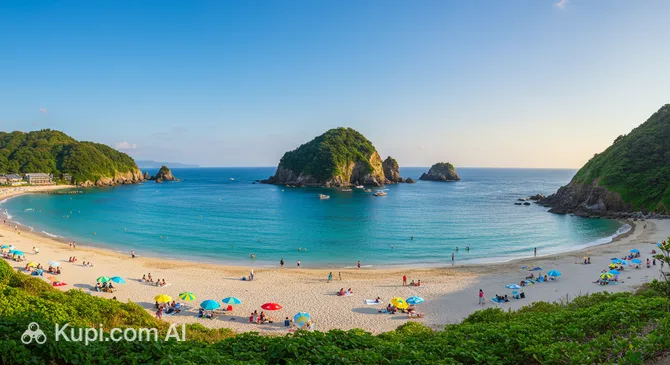
Shirahama. Source: Kupi.Binoculars

The town is deeply rooted in tradition, boasting a legacy as one of the country's oldest onsen (hot spring) resorts. Those interested in the history of Shirahama will discover that emperors and nobles have visited these healing waters for centuries. Today, visitors flock to attractions like Shirarahama Beach, a pristine stretch of quartz sand that is often compared to Waikiki Beach, and Adventure World, a popular theme park famous for its giant panda breeding program.

Beyond the beaches and pandas, the area features dramatic coastal scenery. Unique geological formations such as Engetsu Island, with its circular sea cave, and the towering Sandanbeki Cliffs offer spectacular photo opportunities. Whether you are looking to soak in ancient thermal baths or explore rugged natural landscapes, Shirahama invites you to experience a truly rejuvenating holiday.

Weather Overview

Shirahama generally enjoys a temperate climate, making it a pleasant destination for most of the year, though visitors should be prepared for distinct seasonal variations. To plan your trip effectively, it is helpful to check the detailed forecast for the weather in Shirahama before you pack. The area typically experiences warm, humid summers and cool, relatively drier winters.

Winter, spanning from December to February, brings cooler temperatures, with January being the coldest month at an average of 7.0°C. While the mercury can dip to around 4.8°C at night, it rarely reaches freezing, ensuring the climate remains manageable for sightseeing. This season sees fewer rainy days compared to summer, usually averaging between 9 and 10 wet days per month, making it a decent time for enjoying the hot springs.

Conversely, the summer months of June through August are significantly warmer and wetter. August is the hottest month, with average temperatures reaching 26.9°C, which is ideal for beachgoers. However, travelers should be aware that this is also the rainiest period; July and August can see up to 18 wet days each. Expect warm summers with frequent rainfall and cool winters with moderate temperatures.

Interesting Facts

Beyond the famous white sands and relaxing hot springs, Shirahama holds a treasure trove of fascinating stories and unique distinctions. From ancient pirate hideouts to unexpected international connections, there is much more to this coastal town than meets the eye.
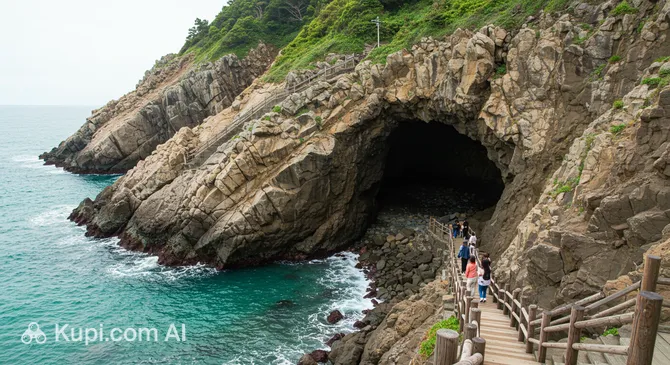
Sandanbeki Cave. Source: Kupi.Binoculars
  • The dazzling white sand of Shirarahama Beach has a surprising origin. To maintain its pristine appearance against natural erosion, sand has been imported from the desert near Perth, Australia, since 1989, creating a unique geological connection between the two continents.

  • Deep beneath the coastal cliffs lies the Sandanbeki Cave, which served as a secret fortress for the Kumano Navy pirates during the Heian period. These caverns were used to hide ships and prepare for naval battles, and today they offer a glimpse into the area's turbulent feudal history.

  • Shirahama is recognized globally for its contribution to giant panda conservation. Adventure World boasts one of the most successful breeding programs outside of China, having raised a large family of pandas that has significantly contributed to the species' preservation.

  • The historic Saki-no-Yu Onsen is among the oldest hot springs in Japan, with its origins recorded in ancient texts like the Nihon Shoki. For over a millennium, emperors and aristocrats have visited this open-air bath to soak in its healing waters while being sprayed by the natural sea mist of the Pacific.

How to Get There

Reaching this scenic coastal destination is straightforward, with options ranging from direct flights to scenic drives. Whether you are arriving from within Japan or from abroad, you can find more about how to get to Shirahama to plan the most convenient route for your trip. The town is well-served by air and rail connections, ensuring a smooth journey for all visitors.

For those seeking the quickest access, Shirahama Airport (SHM) is the most convenient option. Located directly in the city of Shirahama, it sits just 2.3 km from the town center. A taxi ride from the terminal is very short, typically taking about 5 to 10 minutes, bringing you right to the heart of the resort area. Although it handles a smaller volume of passengers, this regional airport offers essential domestic connections, particularly from Tokyo.

International travelers will likely arrive at Kansai International Airport (KIX), located in the city of Osaka. This major hub is approximately 83.7 km from Shirahama and serves a large number of passengers annually. The city of Shirahama does not have its own international airport, but flying into Osaka is a common choice. The journey from Kansai International to Shirahama takes approximately 2 hours and 30 minutes by taxi or shuttle, offering a route that often features views of the coastline.

For clarity, here is a summary of the main airports:

Airport Name City Passenger Traffic Km from City
Kansai International Airport Osaka Large 83.7
Itami Airport Osaka Large 123.1
Kobe Airport Osaka Medium 106.9
Tokushima Awaodori Airport Tokushima Medium 85.1
Shirahama Airport Shirahama Small 2.3

In addition to air travel, the railway system provides a popular and scenic way to reach the town. Shirahama Station is a key stop on the JR Kinokuni Line, connecting the area effectively with major cities like Osaka and Kyoto. The Limited Express Kuroshio train is a favorite among tourists, offering a comfortable ride that hugs the coast and provides beautiful ocean views before arriving at the station, which is a short bus or taxi ride from the main beach and hot spring districts.

Main Attractions

Shirahama offers a diverse array of sights, ranging from world-class wildlife parks to unique geological formations sculpted by the sea. Whether you are looking for family entertainment or a quiet place to admire nature, the town's main attractions provide memorable experiences for every type of traveler.

One of the most famous destinations in the region is Adventure World. This expansive facility is a unique combination of a zoo, an aquarium, and an amusement park, drawing visitors from all over the country. It is particularly renowned for its successful giant panda breeding center, where guests can observe these gentle giants in a comfortable environment. In addition to the pandas, the park features a safari zone with free-roaming animals and entertaining marine shows, making it a top choice for a full day of family fun.

Adventure World. Source: Kupi.Binoculars

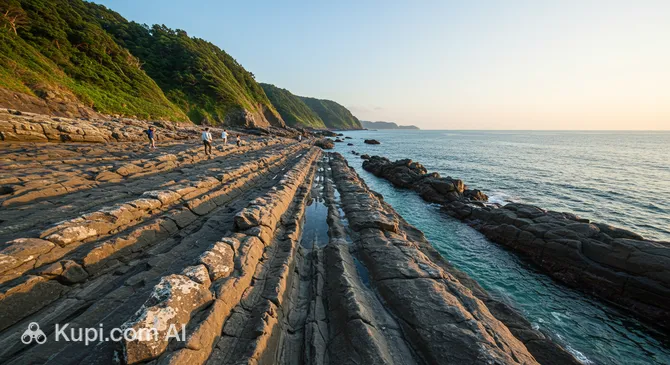
For those who appreciate dramatic natural landscapes, the Senjojiki Rock Plateau is a must-see. The name translates to "One Thousand Tatami Mats," describing the vast, flat layers of sandstone that stretch out into the Pacific Ocean. Carved by the rough waves over countless years, these rock formations offer a spectacular place to walk and enjoy the fresh sea breeze. It is especially popular at sunset, when the fading light casts a warm glow over the rugged textures of the coast.

Senjojiki Rock Plateau. Source: Kupi.Binoculars

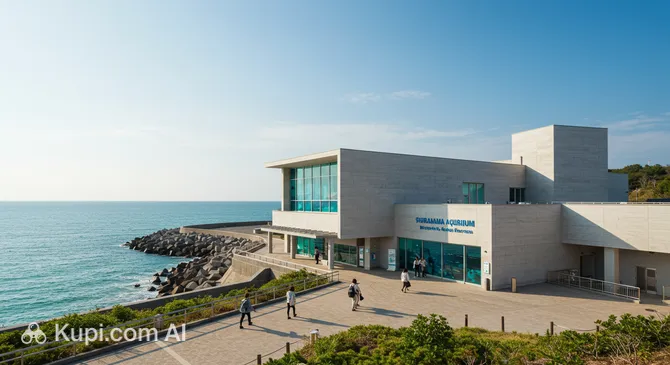
Visitors interested in marine life will find the Kyoto University Shirahama Aquarium to be a fascinating stop. Unlike many large commercial aquariums, this facility focuses on the rich biodiversity of the local waters, with a special emphasis on invertebrates. The tanks display a variety of creatures such as crabs, starfish, and sea urchins found along the Wakayama coastline, providing an educational and intimate look at the ocean's ecosystem.

Kyoto University Shirahama Aquarium. Source: Kupi.Binoculars

To explore the intellectual history of the area, you can visit the Minakata Kumagusu Museum. This institution honors the life and achievements of Minakata Kumagusu, a celebrated naturalist and folklorist who made significant contributions to biology and mycology. The museum showcases his personal collections, specimens, and writings. Located on a hill, it also offers a lovely vantage point for viewing the bay and the iconic Engetsu Island nearby.

Local Cuisine

As a coastal town located in Wakayama Prefecture, Shirahama offers a culinary scene deeply connected to the bounties of the Pacific Ocean. The warm Kuroshio Current that flows past the Kii Peninsula brings an abundance of marine life, making fresh seafood the cornerstone of the local diet. Visitors can expect to feast on high-quality sashimi, grilled fish, and shellfish, all prepared with a freshness that only a seaside resort can provide.

The most celebrated local delicacy is the Kue (longtooth grouper), a high-end white fish often referred to as a "phantom fish" due to its rarity. It is particularly prized during the winter months when its meat is fatty and rich in flavor. Travelers often visit specifically to enjoy Kue-nabe, a hot pot dish that highlights the fish's exquisite texture. In addition to Kue, the region is famous for spiny lobster (*Ise-ebi*) and abalone, which are typically served grilled or as sashimi in traditional multi-course meals.

Beyond seafood, the region is known as the "Fruit Kingdom" of Japan. The mild climate is perfect for growing citrus, particularly Arida Mikan (mandarins), which are sweet and juicy. Another staple is the Nanko Ume plum. Wakayama produces the majority of Japan's plums, and you will find them processed into umeboshi (pickled plums) or used to make refreshing plum wine (*umeshu*), both of which make excellent souvenirs.

For dining options, the town offers a mix of traditional Japanese eateries and charming western-style spots. If you are looking for a meal with a view, Pizzeria Pescatore is a popular choice. This restaurant serves authentic Italian cuisine, including stone-oven baked pizzas that often feature local seafood ingredients, all enjoyed against a backdrop of the ocean.

For a more casual break, perhaps after exploring the nearby cliffs, you might visit Tsumugi Cafe. It provides a relaxing atmosphere where visitors can enjoy light meals, coffee, and desserts, offering a perfect respite during a day of sightseeing.

Travel Tips

Visiting Shirahama offers a delightful mix of beach relaxation and cultural discovery, but knowing a few local logistics can make your stay much smoother. To help you navigate this coastal resort town with confidence, here is a collection of practical advice designed for international travelers.

  1. Clothing and Gear: Since Shirahama is a coastal destination, summer attire should be light and breathable, but bring a jacket for breezy evenings. If you visit in winter, pack warm layers as the sea wind can feel quite chilly. Comfortable walking shoes are a must for exploring the cliffs and caves. Also, bring slip-on shoes if you plan to visit shrines or traditional inns, as you will need to remove them frequently.

  2. Transportation: The local Meiko Bus network is the primary way to get around, connecting the train station, the beach, and major attractions like Adventure World efficiently. Taxis are available but can be expensive for longer distances. If you wish to explore the wider Wakayama coastline at your own pace, renting a car is highly recommended, though you will need an International Driving Permit.

  3. Finances: The currency is the Japanese Yen (JPY). While major hotels and attractions accept credit cards, many smaller restaurants, souvenir shops, and local buses operate on a cash-only basis. It is wise to carry sufficient cash. International ATMs are commonly found in 7-Eleven convenience stores. Tipping is not practiced in Japan and can even cause confusion; excellent service is standard.

  4. Health and Safety: Shirahama is very safe, but as a coastal town, it is important to be aware of tsunami evacuation routes, which are clearly marked with green signs. Pharmacies (often labeled as "Drug Stores") are available for minor ailments, but few are open 24 hours. In summer, the sun can be strong on the white sand, so high-SPF sunscreen is essential.

  5. Communication: While staff at major hotels may speak English, it is not widely spoken in smaller shops or by taxi drivers. It is highly useful to have a translation app like Google Translate on your phone. Free Wi-Fi is available at some tourist spots, but it can be spotty; renting a Pocket Wi-Fi or purchasing a data SIM card at the airport upon arrival in Japan is the most reliable option.

  6. Local Etiquette: Politeness is key. Bow slightly when greeting locals. When using public transport, keep your voice down and avoid talking on the phone. The most important etiquette applies to onsen (hot springs): you must wash your body thoroughly before entering the bath, and swimsuits are generally not allowed in traditional gender-segregated baths.

  7. What to Avoid: Do not enter a hot spring with tattoos unless the facility is explicitly "tattoo-friendly," as they are often associated with organized crime in Japan and may lead to you being denied entry. Also, avoid eating while walking in public areas, as it is generally considered bad manners, although rules are slightly more relaxed directly on the beach.

  8. Local Tip: Carry a small hand towel with you at all times. Shirahama is dotted with free ashi-yu (foot baths) along the streets and near the beach. Having your own towel allows you to spontaneously enjoy a relaxing soak whenever you stumble upon one of these steaming thermal spots.

By keeping these tips in mind, you will be well-prepared to embrace the laid-back rhythm of Shirahama. Whether you are soaking in an ancient hot spring or watching pandas play, a little preparation ensures you can focus entirely on enjoying your Japanese seaside adventure.

Entertainment & Nightlife

Shirahama is a destination where leisure takes many forms, from thrilling live performances to indulgent resort experiences. The town’s entertainment scene is designed to complement its natural beauty, offering visitors engaging ways to spend their days and nights. Whether you are seeking the excitement of a marine show or the tranquility of a luxury spa, there are plenty of options to fill your itinerary.

At the heart of the local amusement scene is Big Ocean. This large-scale venue is famous for its high-energy marine live shows, where dolphins and whales perform in harmony with upbeat music. It provides a captivating spectacle that delights audiences of all ages, serving as a dynamic counterpoint to the town's quieter natural attractions. The stadium atmosphere and the intelligence of the marine life make it a standout entertainment experience.

For those who prefer a closer connection with wildlife, Panda Love offers a heartwarming encounter. This specialized facility focuses on the care and breeding of giant pandas, allowing visitors to observe these beloved animals in an environment designed for their comfort. Unlike a standard zoo enclosure, it provides an intimate setting where you can watch the pandas eat, play, and relax, making it a must-visit for animal enthusiasts.

The resort lifestyle itself is a major part of the entertainment in Shirahama. Many visitors choose to spend their time enjoying the extensive facilities of hotels such as the Shirahama Coganoi Resort & Spa. With illuminated gardens, private hot spring baths, and seasonal events, these resorts offer a self-contained world of relaxation and fun. Spending an evening soaking in a thermal bath while overlooking the bay is considered one of the finest ways to enjoy the local culture.

In the summer months, the entertainment spills out onto the sands of Shirarahama Beach. The area comes alive with fireworks festivals that light up the night sky over the ocean. These events are a beloved local tradition, drawing crowds who gather in yukata (summer kimonos) to enjoy the vibrant displays and the festive atmosphere of the seaside at night.

Parks & Museums

Shirahama is best known for its resort atmosphere, but the city also possesses a rich tapestry of natural parks and cultural institutions. Beyond the main tourist draws, the area offers serene green spaces and museums that delve into the region's unique biological and historical heritage, providing a deeper understanding of this coastal gem.

The coastline itself acts as a magnificent natural park, largely falling within the Yoshino-Kumano National Park Sandanbeki and Senjojiki Area. This protected zone encompasses some of the most dramatic scenery on the Kii Peninsula. Visitors can explore rugged paths that offer panoramic views of the Pacific Ocean, where the power of nature is on full display in the sculpted rock formations and crashing waves.

A visit to the town would be incomplete without spending time at Shirarahama Beach. While famous as a swimming spot, it also functions as a beautiful public park area perfect for strolling. The contrast between the brilliant white quartz sand and the azure water creates a tropical atmosphere that is rare in Honshu, making it a relaxing place to unwind even outside the swimming season.

For a more dramatic natural experience, the Sandanbeki Cliffs are a must-see. These towering rock walls drop 50 meters vertically into the sea, offering breathtaking observation points. The site includes walking trails and an observation deck where you can feel the spray of the ocean and witness the dynamic interplay between the land and the sea.

To understand the intellectual history of the region, the Minakata Kumagusu Museum is an essential stop. Dedicated to the polymath Minakata Kumagusu, a world-renowned naturalist and folklorist born in Wakayama, the museum houses his extensive research materials on slime molds and local ecology. It sits atop a hill near the coast, combining educational exhibits with a rooftop deck that offers one of the best views in the city.

History in Shirahama is often tied to its bathing culture, and Saki-no-Yu Onsen stands as a significant historical landmark. As one of Japan's oldest recorded baths, mentioned in texts over a thousand years old, it offers a tangible connection to the past. The open-air stone basins are located right on the rocky shore, allowing visitors to bathe while waves crash just meters away, exactly as ancient nobles once did.

For a truly magical end to the day, look for a spot to view Engetsu Island at sunset. The setting sun often aligns perfectly with the island's central sea cave, creating a stunning silhouette that is a favorite among local photographers. Additionally, keep an eye out for the free footbaths scattered around the town, which offer a quick and authentic way to experience the local hot spring culture without committing to a full bath.

Getting Around

Navigating Shirahama is relatively simple, as the town is compact and tourist-friendly. Unlike major metropolises with complex subway networks, the public transport system here relies primarily on a reliable bus network and taxi services. For most visitors, the journey begins at Shirahama Station, which serves as the central hub connecting the railway to the local transit options that reach the hot spring resorts, beaches, and major attractions like Adventure World.

The backbone of local transportation is the Meiko Bus system. These buses run frequently along the main tourist route, connecting the station to Shirarahama Beach, the Sandanbeki Cliffs, and other key sights. The buses are easily recognizable, and the route stops are generally announced in English, making it accessible for international travelers. While there are no trams or metros, this bus network is efficient enough to cover almost all popular destinations within the town limits.

Regarding payment, the system is designed to be flexible. You can pay with cash or widely used Japanese IC cards like ICOCA or Suica. If paying by cash, you enter the bus through the rear door and take a small numbered ticket from the dispenser. This number corresponds to a fare chart displayed at the front of the bus. When you reach your destination, you pay the exact amount indicated on the screen for your number into the fare box next to the driver. The machine can change 1,000 yen bills, but it is wise to carry coins.

For tourists planning to visit multiple attractions, purchasing a Meiko Bus Unlimited Ride Pass is highly recommended. These passes are available for one, two, or three days and offer significant savings compared to paying for individual trips. You can purchase these passes at the bus ticket center located right outside Shirahama Station. Having a pass also simplifies the travel process, as you just need to show the ticket to the driver upon exiting, eliminating the need to handle small change for every ride.

A unique and convenient feature for overnight guests is the free shuttle bus service operated by the local inn association. These shuttles run from Shirahama Station to various hotels and ryokans (traditional inns) in the hot spring district. They typically operate in the afternoon to align with train arrivals. Seats are on a first-come, first-served basis, and it is a hassle-free way to get your luggage to your accommodation without spending extra money.

For those who prefer more independence, renting a car is a very popular option. While the bus covers the main spots, a car allows you to explore the rugged coastline and hidden cafes at your own pace. Rental agencies are located near the station. Alternatively, for short distances around the beach area, rental bicycles—including electric-assist models—are available and offer a breezy, pleasant way to enjoy the seaside scenery. Taxis are also readily available at the station and major hotels, providing a comfortable but more expensive alternative for direct travel.

Accommodation

As one of Japan's premier coastal resort towns, Shirahama offers a diverse range of accommodation options designed to maximize relaxation. The lodging landscape is dominated by hot spring resorts (*onsen* hotels) and traditional Japanese inns (*ryokans*), many of which feature ocean views and private thermal baths. While luxury establishments are prominent, visitors can also find mid-range hotels, budget-friendly guest houses, and vacation rentals suitable for families and solo travelers alike.

The most popular area to stay is undoubtedly the district surrounding Shirarahama Beach. Staying here places you within walking distance of the white sands and the azure ocean, as well as numerous restaurants and footbaths. Alternatively, many larger resorts are perched on the hills overlooking the bay, offering panoramic vistas and a quieter atmosphere, often with shuttle services connecting them to the town center and the station.

For travelers looking for extensive facilities, the town boasts several large-scale hotels. The Shirahama Coganoi Resort & Spa is a well-known establishment that combines the comfort of a modern hotel with the luxury of traditional hot springs. It is particularly noted for its illuminated gardens and variety of baths, making it a destination in itself. Such resorts often provide both Western-style rooms and Japanese-style rooms with tatami mats, catering to different preferences.

Another notable option for a comfortable stay is Sun Resort Shirahama. Located conveniently for exploring the area, this hotel offers a relaxing environment where guests can unwind after a day of sightseeing. Many of these resort hotels focus heavily on the dining experience, offering expansive buffet breakfasts or traditional multi-course *kaiseki* dinners featuring fresh local seafood like grouper and abalone.

Booking Tips and Prices:

Prices in Shirahama can vary drastically depending on the season. During the summer beach season (July and August) and major Japanese holidays (Golden Week in May, New Year's), rates are at their highest, and availability disappears quickly. It is highly recommended to book at least three to four months in advance if you plan to visit during these peak times. Off-peak seasons, such as late autumn or winter, often offer more reasonable rates and a quieter experience.

When booking, pay close attention to meal plans. In traditional ryokans and many resorts, the room rate often includes dinner and breakfast (half-board). This is a convenient and culturally immersive way to dine, but if you prefer to eat out at local restaurants, look for "room only" or "breakfast only" plans. Reservations can easily be made through major international online platforms, though some smaller, family-run inns may still rely on direct inquiries or Japanese-language sites.

Nearby Cities

For those looking to explore the surroundings, Shirahama serves as an excellent base for day trips to several interesting nearby locations.

Just a short distance away lies Tanabe, the second-largest city in the prefecture and the spiritual gateway to the sacred Kumano Kodo pilgrimage trails. It offers a lively dining scene with numerous izakayas in the Ajikoji district and the beautiful Ogigahama Beach, making it perfect for a quick excursion. Further north, the prefectural capital, Wakayama, invites travelers to explore the majestic castle and enjoy fresh seafood at the Kuroshio Market, known for its tuna-cutting shows.

City Population Distance (km)
Wakayama 353,299 63
Anan 69,259 69
Tanabe 68,986 6
Hashimoto 60,058 74
Sennan 59,634 77

These nearby destinations offer a glimpse into the diverse culture and landscapes of the region.

Shopping & Souvenirs

Shopping in Shirahama differs from the high-fashion retail therapy of Japan's major metropolises. Instead of sprawling designer outlets, the town offers a charming selection of local stores that focus on regional specialties, resort wear, and unique gifts. The experience is centered around the bounty of the land and sea, allowing visitors to take home a piece of the Wakayama lifestyle, from exquisite seafood to traditional crafts.

For a stroll past various shops, the area immediately surrounding Shirarahama Beach is the most accessible district for tourists. Often referred to as the "Shirahama Ginza" shopping street, this strip runs parallel to the coast and is lined with small boutiques, souvenir stands, and convenience stores. Here, you can easily find everything from beach sandals and swimwear to boxes of local confectioneries, making it a convenient stop after a day on the sand.

While the city does not host large-scale shopping malls or department stores typical of big cities, it features extensive commercial complexes that serve a similar purpose. Visitors looking for a comprehensive shopping experience often head to the large gift shops located within major hotels or the dedicated commercial zones near the fishing port. These facilities act as one-stop shops where you can browse a wide array of goods in a comfortable, indoor environment.

The undisputed highlight of the local shopping scene is the Toretore Market. As one of the largest seafood markets in western Japan, it is a bustling hub where vendors sell fresh catch directly from the ocean, including tuna, shellfish, and local specialty fish. Beyond fresh food, the market functions as a massive souvenir center offering dried seafood, local sake, and boxed sweets, making it an essential destination for anyone looking to buy authentic regional products.

When searching for the perfect souvenir, there are several local staples to consider. Wakayama is Japan's top producer of plums, so umeboshi (pickled plums) and plum wine are popular choices. The region is also famous for its sweet tangerines (*mikan*), which are available as fresh fruit or processed into juices and jellies. Additionally, due to the immense popularity of the pandas at Adventure World, the town is filled with adorable panda-themed merchandise, from plush toys to cookies, which make fantastic gifts for children.

Most shops in the town operate from around 9:00 AM to 6:00 PM, though convenience stores and some larger souvenir centers may stay open later. While major commercial facilities and hotel shops readily accept credit cards and IC cards, smaller vendors along the street or in traditional markets may still prefer cash. It is advisable to carry some Japanese Yen with you, especially when purchasing small items or street food.

Tax-free shopping is available at select locations in Shirahama, particularly at the larger souvenir complexes like Toretore Market and the gift shops within major tourist attractions. Visitors should look for the "Japan. Tax-Free Shop" symbol at the entrance or counter. To claim the refund, you will need to present your passport at the time of purchase, provided you spend the required minimum amount on eligible goods.

Reached the end of the page?

That means the route is fully explored