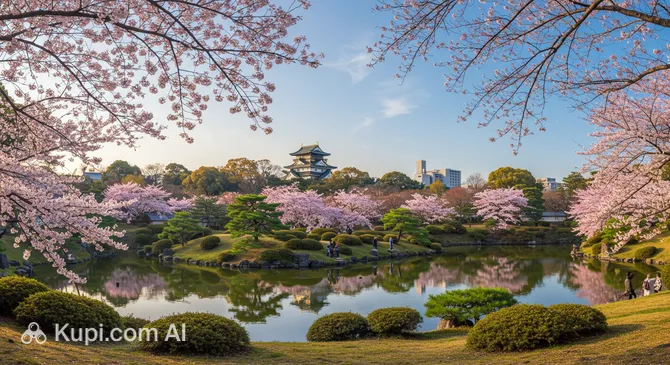
Welcome to Okayama, a vibrant city often celebrated as the "Land of Sunshine" due to its mild climate and low rainfall. Located in the Chugoku region of Japan, it serves as a vital transportation hub connecting the main island of Honshu with Shikoku via the Great Seto Bridge. With a population of approximately 720,000 people, the city offers a harmonious blend of modern urban life and relaxed, scenic beauty, making it an excellent stop for travelers exploring western Japan.
Okayama. Illustration.
Source: Kupi.com AI
The city is rich in cultural heritage, and visitors can easily immerse themselves in the fascinating history of Okayama by exploring its well-preserved landmarks. One of the most famous attractions is Korakuen Garden, ranked as one of the three best landscape gardens in the country. Just across the river stands the majestic Okayama Castle, affectionately known as "Crow Castle" for its striking black exterior. These sites provide a glimpse into the feudal era and offer picturesque views throughout the seasons.
Beyond its historical architecture, Okayama is renowned as the setting for the famous Japanese folktale of Momotaro (Peach Boy), and you will find statues and references to this legendary hero throughout the streets. The city is also famous for its high-quality fruit, particularly white peaches and grapes. Whether you are strolling through its exquisite gardens or enjoying fresh local produce, Okayama invites you to experience its warm hospitality and unique charm.
Weather Overview
The climate in Okayama is generally temperate, featuring distinct seasonal changes that influence the best times to visit. Winters are typically cold and dry, with January seeing an average temperature of 5.1°C and minimal precipitation. As the season shifts to spring, temperatures rise comfortably, reaching an average of 18.4°C in May, which is excellent for outdoor activities.
Summer brings heat and increased humidity, with August reaching average highs of 31.3°C. While the overall precipitation volume remains low year-round, travelers should note that July has the highest number of wet days. To help plan your trip around these patterns, you can view the detailed report on weather in Okayama. By October, the weather cools down to a pleasant average of 18.1°C, marking the arrival of a crisp and enjoyable autumn.
Average monthly temperature
Average monthly precipitation
Interesting Facts
Beyond the main attractions, Okayama holds many fascinating secrets and cultural quirks that often surprise visitors. From its deep connection to Japanese folklore to its status as a trendsetter in the fashion world, the city offers plenty of unique stories waiting to be discovered.
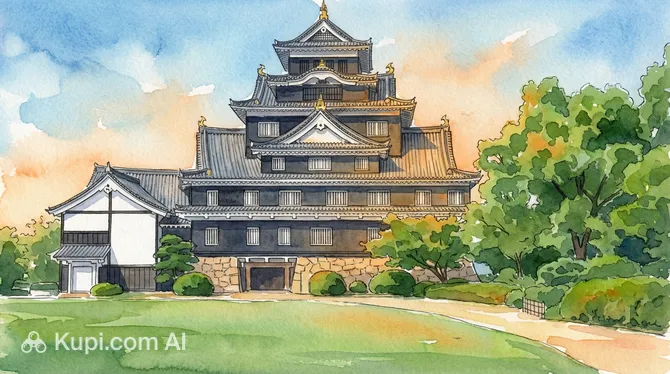
Okayama Castle. Illustration.
Source: Kupi.com AI
Traveler photos:
The city is widely recognized as the setting for the famous Japanese legend of Momotaro, or "Peach Boy." Travelers arriving by train are immediately greeted by the Momotaro Statue in front of the station, and you can even spot images of the hero on local manhole covers throughout the streets.
Unlike most Japanese castles which are white, Okayama Castle is distinctively black. Its dark, lacquered exterior has earned it the nickname "Crow Castle" (U-jo), creating a striking visual contrast with the neighboring white Himeji Castle.
Okayama Prefecture is known globally as the "Denim Capital of Japan." The local textile industry in the Kojima district pioneered domestic jeans production, and today, high-quality Okayama denim is coveted by fashion enthusiasts around the world for its superior craftsmanship and rich indigo dye.
The expansive Okayama Korakuen Garden is not just famous for its landscape but also for its resident cranes. The garden raises majestic red-crowned cranes, which are traditionally released into the park on New Year's Day and other special occasions, a practice that dates back to the Edo period.
How to Get There
Reaching Okayama is convenient thanks to its strategic location in western Japan, serving as a vital link between Honshu and Shikoku. Whether you are arriving by air or utilizing Japan's efficient rail network, the city is easily accessible from major metropolitan areas. For a comprehensive guide on all available transport options and routes, you can read more about how to get to Okayama.
The most direct way to arrive by air is via Okayama Airport (OKJ). Located just 12.6 km from the city center, it handles domestic flights from Tokyo, Sapporo, and Okinawa, as well as select international routes. The journey from the airport to downtown Okayama typically takes around 30 to 40 minutes by taxi or bus, making it the most time-efficient entry point for air travelers. With a passenger volume of over a million people annually, it is a well-equipped medium-sized facility.
Travelers can also consider flying into Takamatsu Airport (TAK), situated in the neighboring city of Takamatsu. Although it is located across the Seto Inland Sea, about 49.8 km from Okayama, it is a significant regional hub. Reaching Okayama from here involves a travel time of approximately 1 hour and 35 minutes. Another option is Hiroshima Airport (HIJ) in Hiroshima, a large international airport located about 95 km away. Thanks to efficient connections via limousine bus and Shinkansen, the transfer to Okayama can be completed in approximately 1.5 hours.
For clarity, here is a summary of the main airports:
In addition to air travel, Okayama is a major railway hub on the Sanyo Shinkansen line. The city's central station connects travelers rapidly to Osaka, Kyoto, and Hiroshima, making the "bullet train" an extremely popular and scenic method for reaching the city from other parts of Japan.
Main Attractions
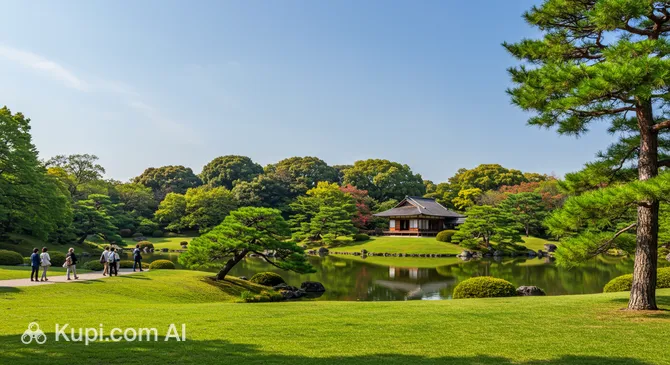
One of the most celebrated sites in the city is Okayama Korakuen Garden, which is ranked as one of the Three Great Gardens of Japan. Constructed during the Edo period, this expansive green space features large, open lawns that are unique among traditional Japanese gardens, creating a bright and airy atmosphere. Visitors can wander past scenic ponds, tea plantations, and winding streams, all while enjoying a perfectly framed view of the nearby castle in the background.
Okayama Korakuen Garden. Illustration.
Source: Kupi.com AI
Traveler photos:
Directly across the river stands the imposing Okayama Castle, a landmark famous for its distinctive black exterior that has earned it the nickname "Crow Castle." Originally built in the 16th century, the six-story donjon offers a striking contrast to the white castles typically found in the region. Inside, you can explore exhibits showcasing samurai history and local artifacts, and even try on traditional kimono for a memorable photo opportunity.
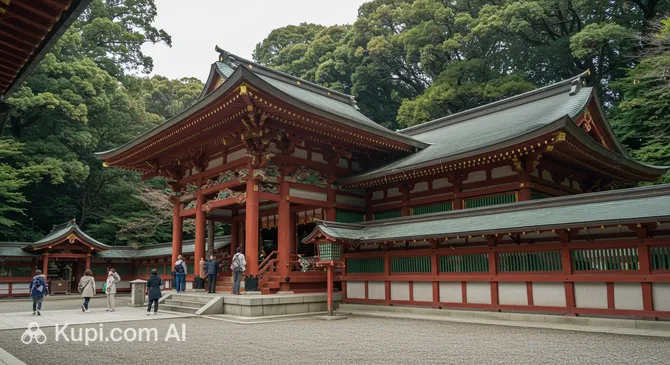
For a deeper dive into local folklore, a visit to Kibitsuhiko Shrine is highly recommended. This spiritual site is closely associated with the legend of Momotaro, the Peach Boy, who is said to have prayed here before setting out to defeat the ogres. The shrine grounds are serene and historically significant, featuring a beautiful main hall and a large stone lantern that adds to the mystical ambiance at the foot of the mountain.
Kibitsuhiko Shrine. Illustration.
Source: Kupi.com AI
Traveler photos:
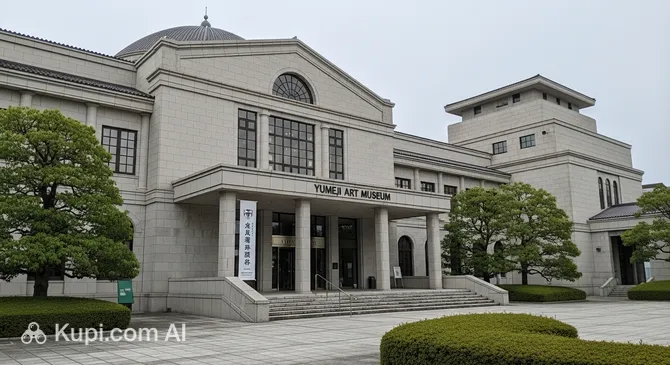
Art lovers should not miss the Yumeji Art Museum, which honors the life and work of Yumeji Takehisa, a renowned poet and painter from the area. His unique "Taisho Roman" style captures the nostalgic elegance of early 20th-century Japan through delicate illustrations of beautiful women and landscapes. The museum building itself is designed to reflect this romantic era, housing a collection that offers a quiet and culturally enriching experience.
Yumeji Art Museum. Illustration.
Source: Kupi.com AI
Traveler photos:
Local Cuisine
The culinary scene in Okayama is a delightful reflection of its geography, benefiting from the bountiful seafood of the Seto Inland Sea and the fresh produce grown in its sunny climate. Known as the "Fruit Kingdom," the city offers a unique mix of traditional Japanese flavors and sweet indulgences. One of the most famous local specialties is Okayama Barazushi, a festive dish featuring a bed of vinegar rice topped with a colorful assortment of seafood, such as Spanish mackerel, and locally grown vegetables. It is a dish that dates back to the feudal era and remains a symbol of regional hospitality.
For a heartier meal, visitors should try Demi-Katsudon, a distinct local variation of the classic pork cutlet bowl. Unlike the standard version which is simmered with egg and dashi, Okayama's version features a crispy pork cutlet smothered in a rich, savory demi-glace sauce, often served over rice with green peas. This Western-inspired dish is a beloved comfort food found in many casual dining spots throughout the city.
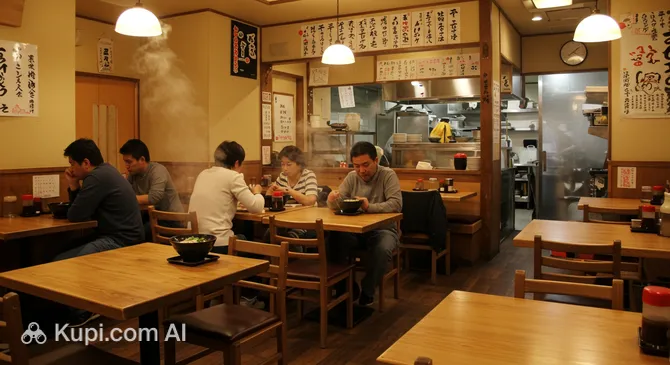
Noodle lovers will find plenty to enjoy as well. The city has a thriving ramen culture, often characterized by rich broths and high-quality ingredients. A great place to experience this is Issyoan Ramen Okayama, where you can savor bowls crafted with care, often highlighting local flavors such as sesame or soy sauce bases. Whether you are looking for a quick lunch or a late-night meal, the local ramen shops offer a warm and welcoming atmosphere.
Issyoan Ramen Okayama. Illustration.
Source: Kupi.com AI
Traveler photos:
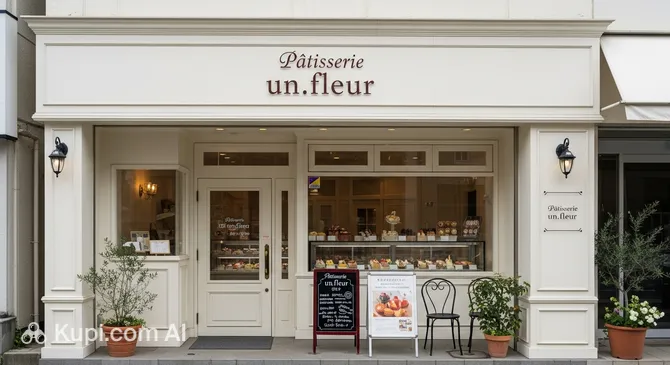
No visit to Okayama is complete without tasting its legendary fruits. The region is celebrated for its high-quality white peaches and Muscat grapes, which are often expensive delicacies in Japan. You can enjoy these fresh or as the star ingredients in elaborate fruit parfaits served in cafes across the city. For those with a sweet tooth, Patisserie un.fleur is a charming spot to explore a variety of cakes and pastries that showcase the delicate sweetness typical of Japanese confectionery.
Patisserie un.fleur. Illustration.
Source: Kupi.com AI
Traveler photos:
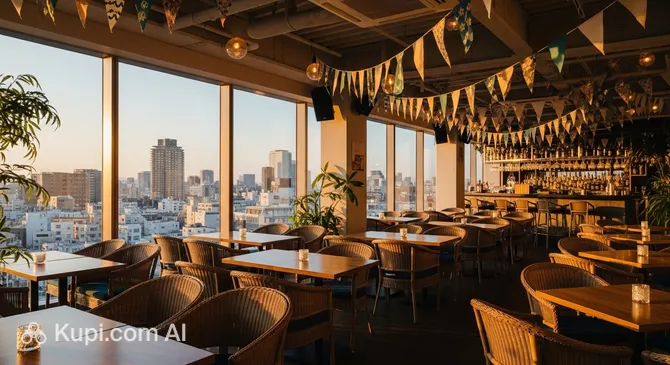
When it comes to drinks, Okayama is a premier producer of sake, thanks to its production of "Omachi" rice, an ancient strain prized by brewers. You can sample local brews at izakayas (Japanese pubs) or specialty bars. For a more modern drinking experience, you might visit Nakasange Terrace, a venue that offers a relaxed environment to enjoy beverages while soaking in the local city vibe. From fresh seafood markets to stylish rooftop bars, the city provides a diverse gastronomic journey for every palate.
Travel Tips
Preparing for a trip to Okayama ensures you can fully enjoy its sunny weather and historic charm without hassle. Here are some essential tips to help you navigate the city like a pro and make the most of your visit.
Clothing and Gear: Okayama is known for its sunny days, so sunglasses and sunscreen are must-haves year-round. Summers are hot and humid, requiring breathable fabrics, while winters are chilly but rarely see heavy snow; a warm coat is sufficient. Since you will likely be walking through sprawling sites like Korakuen Garden, bring comfortable walking shoes.
Transportation: The city center is compact and easy to navigate using the local streetcars (trams), known as "Okaden," which are both charming and budget-friendly. For exploring the wider area, the JR train lines are efficient, and you can use prepaid IC cards like ICOCA or Suica on most public transport. Rental bicycles, often called "Momochari," are also a fantastic way to get around this flat city.
Finances: The currency is the Japanese Yen (JPY). While major department stores and hotels accept credit cards, many smaller restaurants, ticket counters, and souvenir shops still prefer cash. It is wise to carry sufficient cash, which you can withdraw from ATMs found in convenience stores like 7-Eleven using international cards. Tipping is not practiced and can even cause confusion; polite service is standard.
Health and Safety: Okayama is generally very safe for tourists, even at night. Tap water is safe to drink, and cleanliness standards are high. If you need minor medical supplies, look for drugstores with the "kusuri" (medicine) sign. In an emergency, dial 119 for an ambulance or fire department, but keeping a translation app handy is crucial as English support may be limited in emergency situations.
Communication: The primary language is Japanese, and English proficiency can vary, though it is generally better at major tourist spots. It is highly recommended to download a translation app and learn a few basic phrases like "Sumimasen" (Excuse me) and "Arigato" (Thank you). Free Wi-Fi is available at major stations and convenience stores, but renting a pocket Wi-Fi or buying a SIM card ensures you stay connected everywhere.
Local Etiquette: Politeness is key in Japan. When entering traditional inns, temples, or even some restaurant fitting rooms, you must remove your shoes. On public transport, keep your voice down and avoid talking on the phone. Bowing is the standard greeting; a slight nod is sufficient for casual interactions.
What to Avoid: Do not eat or drink while walking in public, as it is considered rude; instead, consume your food where you bought it or in designated areas. Also, avoid sticking your chopsticks vertically into a bowl of rice, as this resembles a funeral ritual and is highly taboo.
Additional Tip: Take advantage of Okayama's reputation as the "Fruit Kingdom." If high-end fruit parlors are out of your budget, visit the basement food halls (depachika) of major department stores near the station. You can often find single servings of premium white peaches or Muscat grapes at a fraction of the price of a full gift box.
By keeping these practical tips in mind, you will be well-prepared to experience the best of Okayama. Whether you are riding a tram or savoring local fruit, a little preparation goes a long way in ensuring a smooth and memorable journey.
Entertainment & Nightlife
While Okayama may not have the frenetic energy of Japan's largest metropolises, its nightlife offers a welcoming and lively atmosphere that centers conveniently around the main transport hub. The primary entertainment districts are located just east of Okayama Station, particularly in the Honmachi and Tamachi areas. Here, narrow streets are packed with glowing neon signs, bustling izakayas, and cozy bars where locals unwind after work. The vibe is generally relaxed and friendly, making it easy for travelers to join in the fun without feeling overwhelmed.
For those looking to enjoy a drink with a view and a unique twist, Sky Garden Glamp Almin is a standout choice. Located on a rooftop, this venue combines the style of "glamping" (glamorous camping) with a city bar experience. Guests can enjoy BBQ courses and drinks inside tents or under the open sky, creating a memorable evening that feels like an urban escape. It is particularly popular during the warmer months, so reservations are recommended if you plan to visit with a group.
Sky Garden Glamp Almin. Illustration.
Source: Kupi.com AI
Traveler photos:
If you are interested in live entertainment or large-scale events, check the schedule for ZIP Arena Okayama. This multi-purpose facility hosts everything from sports matches to music concerts and cultural performances. It serves as a major gathering point for the community and offers a chance to experience the local excitement surrounding big events.
ZIP Arena Okayama. Illustration.
Source: Kupi.com AI
Traveler photos:
When planning a night out, you will find that the dress code is almost universally casual, though some higher-end bars may appreciate "smart casual" attire. The area is very safe, even for solo travelers, and walking between venues is common practice. Most bars and restaurants stay open until late, with many izakayas serving customers until midnight or later. If you need to return to your hotel after the trains stop running, taxis are plentiful around Okayama Station and the main nightlife streets.
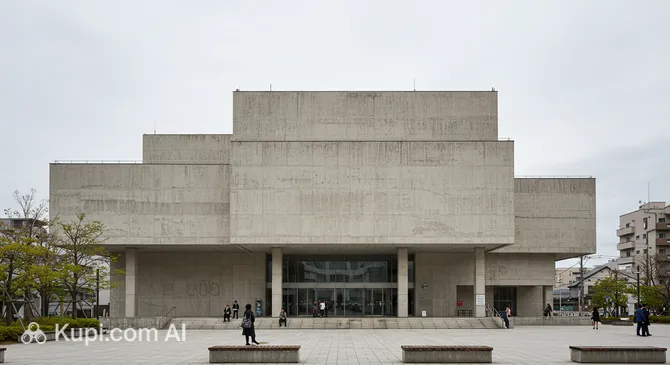
Before the sun goes down, the city offers plenty of cultural and leisure activities to fill your day. Art enthusiasts should visit the Okayama Prefectural Museum of Art, which houses an impressive collection of works by artists connected to the prefecture. Nearby, the Okayama Orient Museum stands out as one of the few museums in Japan dedicated specifically to Middle Eastern art and archaeology. For a more modern pastime, Okayama Mall provides a comprehensive shopping experience with a variety of stores and cafes perfect for a relaxing afternoon.
Okayama Prefectural Museum of Art. Illustration.
Source: Kupi.com AI
Traveler photos:
Parks & Museums
Beyond the celebrated Korakuen Garden, the city offers a wealth of green spaces and cultural institutions that allow visitors to explore its artistic depth and natural beauty. From hillside botanical collections to unique museums dedicated to ancient civilizations, Okayama provides a diverse array of environments for relaxation and learning.
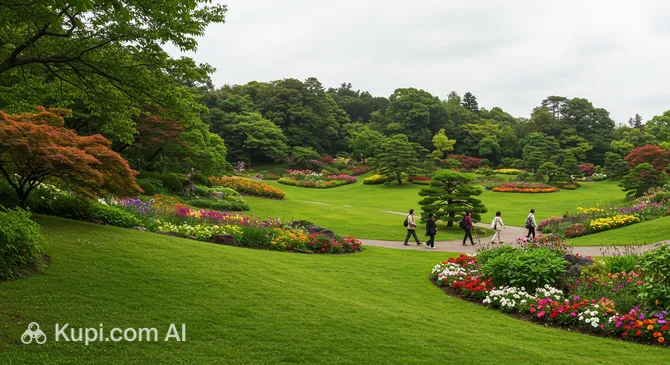
For a peaceful escape with a view, the Okayama City Handayama Botanical Garden is a magnificent choice. Located on a hillside overlooking the city, this expansive garden is home to approximately 3,200 cherry trees, making it one of the region's premier spots for hanami (flower viewing) in spring. Throughout the year, visitors can enjoy a variety of seasonal blooms, including camellias and roses, while taking in panoramic vistas of the urban landscape below.
Okayama City Handayama Botanical Garden. Illustration.
Source: Kupi.com AI
Traveler photos:
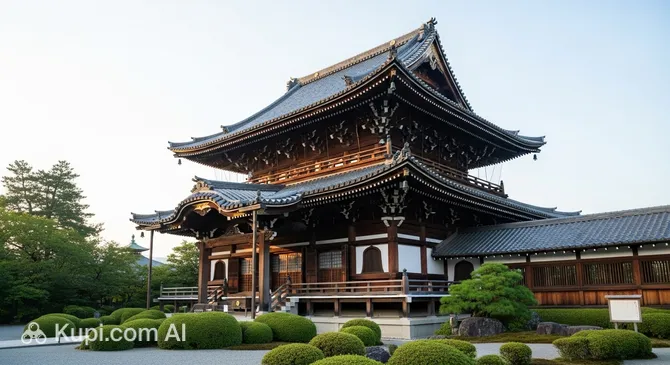
Another serene retreat is found within the grounds of Sogenji Temple. While it is an active Zen temple, it is renowned for its stunning strolling garden, which centers around a beautiful pond. The scenery is particularly breathtaking in autumn when the maple trees turn vibrant shades of red and orange. The temple serves as a training ground for international monks, adding a unique, contemplative atmosphere to your walk through its moss-covered paths.
Sogenji Temple. Illustration.
Source: Kupi.com AI
Traveler photos:
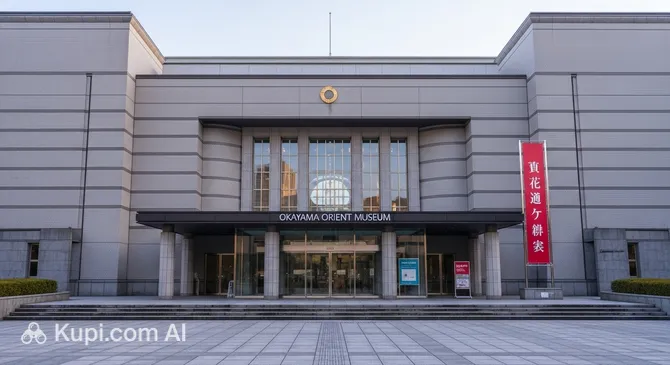
In terms of cultural heritage, the city boasts the Okayama Orient Museum, a rare facility in Japan dedicated entirely to the art and archaeology of the ancient Near East. The museum's distinctive architecture houses roughly 5,000 artifacts, including pottery, glass, and metalwork from Mesopotamia, Iran, and Egypt. It offers a fascinating educational journey into civilizations that are often underrepresented in East Asian collections.
Okayama Orient Museum. Illustration.
Source: Kupi.com AI
Traveler photos:
To connect with the local artistic spirit, a visit to the Okayama Prefectural Museum of Art is essential. This spacious venue focuses on works by artists with strong ties to Okayama Prefecture, such as the celebrated ink painter Sesshu Toyo. The exhibitions range from traditional Japanese paintings to contemporary sculpture, providing a comprehensive look at the region's creative evolution in a calm and modern setting.
For those interested in spiritual history, Okayama Shrine offers a quiet moment of reflection right in the city center. As a guardian shrine for the castle town, it has watched over the area for centuries and features a dignified main hall that contrasts with the surrounding modern buildings.
An excellent insider tip for families or nature enthusiasts is to visit the Children's Forest. This park is designed to encourage interaction with nature through play, featuring wooden athletic equipment and water play areas nestled within a lush forest setting. It is a perfect spot to experience the local lifestyle away from the main tourist trail.
Getting Around
Navigating Okayama is a pleasant and straightforward experience, thanks to its compact city center and efficient public transport network. The hub of all movement is the central railway station, from which travelers can easily access the city's main attractions. The most popular and convenient mode of transport for visitors is the Okayama Electric Tramway, locally known as "Okaden." These charming streetcars operate on two main lines: the Higashiyama Line and the Seikibashi Line. They are frequent, affordable, and offer a scenic way to reach major sites like the castle and the garden.
For destinations not covered by the tram network, the city has an extensive bus system operated by several companies, including Okaden Bus and Ryobi Bus. Buses are particularly useful for reaching the airport or suburban areas. When using buses, you generally enter through the rear door and take a small numbered ticket from a machine. This ticket indicates your boarding point. When you arrive at your destination, you check the electronic board at the front of the bus to match your ticket number with the fare, then pay at the driver's seat upon exiting through the front door.
Payment is made easy with the widespread acceptance of prepaid IC cards. The local card is called ICOCA (issued by JR West), but cards from other regions, such as Suica or Pasmo, are fully compatible and can be used on trams, trains, and most buses. If you plan to stay for a while, you might encounter the "Hareca" card, a local IC card offering bus and tram discounts, though a standard nationwide IC card is usually sufficient for short-term tourists. If paying by cash, ensure you have coins, as drivers cannot give change for large bills, although change machines for 1,000-yen notes are often available on board.
One of the most delightful ways to explore the city is by bicycle. Because the terrain is largely flat, cycling is extremely popular among locals and tourists alike. The city operates a convenient bike-sharing system called Momochari. You can rent a bicycle from one of the many docking stations located near the station and tourist spots at a very low cost. It is an excellent alternative that offers the freedom to explore side streets and canals at your own pace.
Taxis are readily available at the station and major hotels, offering a comfortable but more expensive alternative. They are reliable and safe, with automatic doors that are opened and closed by the driver. For those who enjoy a touch of whimsy, keep an eye out for the city's unique trams. You might spot the sleek, ultra-modern "MOMO" low-floor tram or the colorful "Chuggington" themed train, which is a favorite among children and adds a playful character to the streetscape.
Public transport generally operates from early morning until around 10:00 PM or 11:00 PM, depending on the line. It is advisable to check the schedule if you plan to stay out late. For most tourists, a combination of the streetcar for main sights and walking or cycling for short distances provides the perfect balance of convenience and immersion in the local atmosphere.
Accommodation
Finding a place to stay in Okayama is generally straightforward, as the city offers a well-balanced mix of accommodation options suited to various travel styles and budgets. Visitors can choose from efficient modern business hotels, friendly guesthouses for backpackers, and a selection of upscale establishments. For those seeking a more authentic Japanese experience, there are also traditional ryokans (inns) available, where you can sleep on tatami mats and enjoy local hospitality.
The most convenient area for tourists is undoubtedly the district surrounding Okayama Station. Staying here places you right at the heart of the city's transport network, providing immediate access to the Shinkansen (bullet train), local trains, and the bus terminal. This area is bustling with restaurants, shopping malls, and cafes, making it easy to find dinner or pick up souvenirs after a day of sightseeing. For travelers who prefer a quieter environment with scenic views, looking for accommodation near Okayama Korakuen Garden and the Okayama Castle area is a great alternative, offering a peaceful atmosphere within walking distance of the main landmarks.
In terms of pricing, Okayama is generally more affordable than major tourist hubs like Tokyo or Kyoto. Budget travelers can find hostels and capsule hotels ranging from roughly 3,000 to 6,000 JPY per night. Mid-range business hotels, which are clean, compact, and highly functional, typically cost between 8,000 and 15,000 JPY. Luxury options and high-end ryokans can go upwards of 20,000 JPY per night, often including elaborate meals.
Most accommodations can be easily reserved through major international online booking platforms, though some smaller traditional inns may prefer direct inquiries or use Japanese-specific sites. A helpful tip for planning your trip is to book well in advance if you are visiting during the peak seasons of spring (cherry blossoms) and autumn (fall foliage). During these times, rooms near the station fill up quickly, so securing your reservation early ensures you get the best location and rates.
Nearby Cities
For those looking to explore the surroundings, Okayama serves as an excellent base for day trips to several interesting nearby locations:
One of the most popular destinations is Kurashiki, located just a short train ride west of the city. It is famous for its Bikan Historical Quarter, a picturesque area characterized by traditional white-walled storehouses and willow-lined canals. Visitors can take a relaxing boat tour along the canal or explore the prestigious Ohara Museum of Art, which houses an impressive collection of Western masterpieces.
Crossing the Great Seto Bridge to the island of Shikoku brings you to Takamatsu, the capital of Kagawa Prefecture. This coastal city is best known for Ritsurin Garden, a masterpiece of Japanese landscape design that rivals the most famous gardens in the country. It is also the perfect place to sample authentic "Sanuki Udon," the thick wheat noodles for which the region is renowned.
Another worthwhile stop in Kagawa is Marugame, celebrated for its historic castle. Marugame Castle is one of only twelve in Japan to retain its original wooden keep, which sits atop massive stone walls that are among the highest in the country. The city offers a blend of samurai history and scenic views of the Seto Inland Sea.
City
Population
Distance
Hayashima
12 584
10 km
Akaiwa
42 341
14 km
Kurashiki
474 862
16 km
Soja
68 551
16 km
Setouchi
35 624
16 km
These nearby destinations offer a glimpse into the diverse culture and landscapes of the region.
Shopping & Souvenirs
Shopping in Okayama offers a delightful blend of modern convenience and traditional craftsmanship, reflecting the city's status as a major regional hub. Visitors can explore everything from expansive commercial complexes to nostalgic covered arcades, ensuring a satisfying experience whether you are looking for the latest fashion or unique local handicrafts. The city is particularly renowned for its high-quality textiles, including denim, as well as its exquisite pottery and delicious fruit-based products.
The area surrounding the central station acts as the primary shopping district, bustling with activity from morning until night. Beneath the streets lies the extensive underground mall known as Okayama Ichibangai, which connects directly to the transport terminals and features numerous fashion boutiques and variety stores. For a more traditional atmosphere, a walk through the Omotecho Shopping Street is highly recommended. This covered arcade stretches for over a kilometer and is lined with long-established family businesses, kimono shops, and the historic Tenmaya Department Store.
For those seeking a comprehensive retail experience, the city boasts several large shopping centers. A notable destination is Okayama Mall, where visitors can browse through a wide selection of specialty stores and enjoy a relaxed environment perfect for a leisurely afternoon. Additionally, the massive Aeon Mall Okayama, located just a short walk from the station, is one of the largest in western Japan, housing hundreds of international brands and dining options.
Okayama Mall. Illustration.
Source: Kupi.com AI
Traveler photos:
To experience the local flavor, a visit to the Okayama Central Wholesale Market is a must. While it functions as a working market, it features a welcoming area for tourists known as "Fuku Fuku Dori." Here, you can purchase fresh seafood, seasonal fruits like the famous white peaches and Muscat grapes, and various dried goods. It is a fantastic spot to find authentic ingredients and enjoy a lively, down-to-earth atmosphere.
When searching for souvenirs, Okayama has several signature items that make for perfect gifts. The most iconic sweet is kibidango, a millet dumpling associated with the local legend of Momotaro, which is sold in colorful packaging throughout the city. The region is also famous as the birthplace of domestic jeans, so high-quality denim goods are a popular choice. For art lovers, traditional Bizen ware pottery, known for its distinct reddish-brown earth tones and lack of glaze, offers a timeless piece of Japanese culture to take home.
Most shops in the city typically open around 10:00 AM and close between 7:00 PM and 8:00 PM, although restaurants and stores within large malls often stay open later. While major department stores and shopping centers readily accept credit cards, smaller boutiques and market stalls may prefer cash, so it is advisable to carry some Japanese Yen. Visitors should also look for the "Tax-Free" symbol at major retailers; if you spend over a certain amount on eligible goods, you can often receive an immediate consumption tax refund upon presenting your passport.