Support

Tsushima

About

Tsushima is a fascinating island city located in the Nagasaki Prefecture of Japan. Situated strategically in the Korea Strait between the Japanese mainland and the Korean Peninsula, this archipelago offers a unique blend of breathtaking natural beauty and deep cultural significance. Its remote yet accessible location makes it an intriguing destination for travelers looking to explore a distinct side of the country.
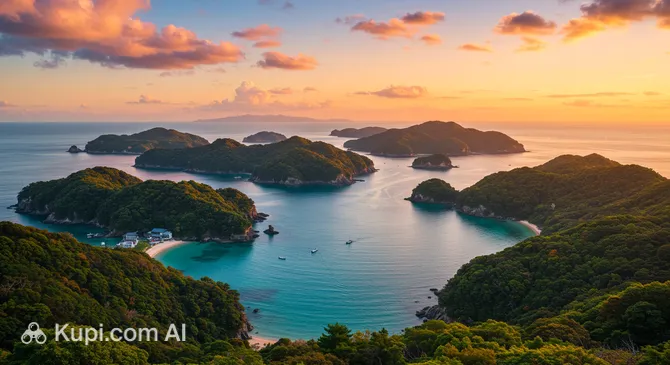
Tsushima. Source: Kupi.Binoculars

Although often referred to as a single entity, the city actually spans a cluster of islands, primarily divided into Kami-shima (Upper Island) and Shimo-shima (Lower Island). The region is defined by its mountainous terrain and lush, ancient forests, which cover nearly 90% of the land area. With a population of approximately 60,000 residents, Tsushima maintains a tranquil atmosphere, offering a peaceful retreat far removed from the hustle and bustle of Japan's major metropolises.

The islands have long served as a gateway for trade and diplomacy due to their border position. Visitors can delve into the rich history of Tsushima to understand its pivotal role as a bridge between cultures over the centuries. This legacy is evident in the local architecture, ruins, and the enduring traditions that are carefully preserved by the local community.

Nature lovers and explorers will find plenty to admire here. The iconic Watazumi Shrine is a highlight, famous for its torii gates that appear to float in the sea during high tide, creating a mystical scene. For those who enjoy hiking, Mount Shiratake offers a spiritual climb through primeval forests to a rocky summit with panoramic views of the rugged coastline and azure waters. On clear days, the view from the northern observation decks is so expansive that you can even catch a glimpse of the Korean coast.

Whether you are drawn by its ancient spiritual sites, pristine wilderness, or unique local cuisine, Tsushima promises an unforgettable journey off the beaten path. It is a perfect destination for those seeking to immerse themselves in nature and discover the hidden gems of the Japanese archipelago.

Weather Overview

Tsushima enjoys a temperate climate with distinct seasonal changes, influenced by its maritime location in the Korea Strait. Winters are generally cool rather than freezing, with January average temperatures sitting around 7.1°C. In contrast, summers are warm and humid, peaking in August with an average temperature of 27.6°C and highs reaching nearly 29°C.

Rainfall is a consistent factor throughout the year, though it becomes more frequent during the warmer months. July is typically the wettest month with about 16 rainy days, while late autumn and winter tend to be drier. Spring and autumn offer mild and comfortable conditions, with temperatures gradually rising from 11.4°C in March to a pleasant 19.8°C by October.

To help you pack the right gear, it is helpful to review the detailed weather in Tsushima before your departure. Generally, you can expect warm summers with frequent rain and cool, relatively dry winters.

Interesting Facts

Beyond the main attractions and scenic landscapes, Tsushima holds many fascinating secrets that deepen its allure for travelers. From rare wildlife to surprising modern cultural connections, the island offers unique stories found nowhere else in the archipelago.

  • Home to the "Phantom" Cat: The island is the exclusive habitat of the Tsushima Leopard Cat (Tsushima Yamaneko), a critically endangered wildcat that is distinct from domestic breeds. Designated as a National Natural Monument in Japan, this elusive creature is known locally as a "phantom" because it is rarely seen, lurking deep within the island's protected forests.

  • A Modern Pilgrimage Site: While the island is steeped in ancient history, it recently gained global fame through the video game Ghost of Tsushima. This digital popularity translated into real-world aid when fans of the game crowdfunded millions of yen to restore a typhoon-damaged Torii gate at the Watatsumi Shrine, creating a remarkable link between modern pop culture and traditional heritage.

  • Ancient Beekeeping Traditions: Tsushima is one of the few places where traditional beekeeping using native Japanese honeybees is still widely practiced. Unlike modern methods, locals use hollowed-out logs placed in the mountains to house the bees, a technique that has remained virtually unchanged for centuries and produces a rare, flavorful honey.

  • Closer to the Continent: Geographically, the island is actually closer to the Korean Peninsula than to the main island of Kyushu. The distance to Busan is approximately 49.5 kilometers, whereas the nearest Japanese city of Fukuoka is about 132 kilometers away, a proximity that has historically made Tsushima a primary gateway for cultural exchange.

How to Get There

Reaching the island city of Tsushima is an adventure in itself, typically involving a flight or a ferry crossing due to its unique location between the Japanese mainland and the Korean Peninsula. For a comprehensive guide on all available routes, including ferry schedules, you can read more about how to get to Tsushima to plan your journey effectively.

The most direct way to arrive by air is via Tsushima Airport (TSJ), which is conveniently located on the island itself. It is a regional hub situated approximately 9.9 km from the city center. A trip from the airport to the main districts by taxi or bus typically takes around 35 minutes. For international travelers, a common strategy is to fly into Fukuoka Airport (FUK) in the city of Fukuoka. Although it is about 127.5 km away, it serves as a major gateway; from there, you can transfer to a domestic flight to Tsushima or head to the port for a high-speed ferry.

For clarity, here is a summary of the main airports:

Airport Name City Passenger Traffic Km from City
Fukuoka AirportFukuokaVery High127.5
Gimhae International AirportBusanHigh113.0
Saga AirportSagaMedium150.0
Tsushima AirportTsushimaSmall9.9
Sacheon AirportJinjuSmall148.7

The city of Tsushima does not have a railway station, as it is an isolated island municipality. Travelers relying on rail networks usually arrive at major hubs on the mainland before transferring to a ferry or plane. One of the closest significant rail terminals is Dongdaegu Station in the city of Daegu (South Korea), located approximately 195.5 km away across the strait. Another option on the Korean side is Gwangju Songjeong Station in Gwangju. From these stations, you would typically travel to a port city like Busan to catch a ferry to Tsushima.

Below is a list of nearby railway stations for reference:

Station City Passenger Traffic Km to Center
Dongdaegu StationDaeguVery High195.5
Gwangju Songjeong StationGwangjuHigh251.3
Jinju StationJinju-150.2
Yeosu Expo StationYeosu-154.0

Main Attractions

Tsushima offers a compelling mix of historical intrigue and natural splendor. While the island is often celebrated for its remote atmosphere, its specific landmarks provide a deep dive into the region's unique heritage as a border frontier and its stunning geological formations. Here are some of the most interesting places to visit during your stay.

One of the most significant historical sites is the Kaneda Castle Ruins. Located on Mount Joyama, this ancient fortress was originally built in 667 AD to defend against potential invasions from the continent. Today, it serves as an exceptional trekking destination. As you hike up the mountain, you will encounter the remains of sturdy stone walls and gates that have withstood centuries of exposure. The summit rewards hikers with sweeping views of Aso Bay and the surrounding islands, merging a lesson in history with breathtaking scenery.

For a spiritual and serene experience, a visit to Banshoin Temple is essential. This temple served as the family temple for the So clan, who governed Tsushima for generations. The site is renowned for its solemn atmosphere, highlighted by the "Hyakugangi," a steep flight of 132 stone steps leading to the cemetery. Flanking the path are massive cedar trees, some estimated to be over 1,000 years old, which add a sense of ancient majesty to the grounds. It is a place of quiet reflection that connects visitors to the island's feudal past.

To fully appreciate the island's complex geography, travelers should head to the Eboshi-dake Observatory. Situated to the north of the airport, this observation deck offers a 360-degree panorama of Aso Bay. The view showcases the intricate rias coastline, where dozens of small islands dot the calm blue waters. It is widely considered one of the best vantage points on Tsushima, providing a perfect photo opportunity and a clear understanding of the archipelago's landscape.

Another highlight is the Tsushima Wildlife Conservation Center, located in the northern part of the island. This facility is dedicated to the protection and study of the Tsushima Leopard Cat, a critically endangered species found only on this island. Visitors can learn about the local ecosystem and, if lucky, see a leopard cat in the enclosure. It is an educational stop that emphasizes the importance of preserving the island's unique biodiversity.

Local Cuisine

The culinary landscape of Tsushima is heavily defined by its isolation and its bountiful surrounding waters. As an island situated in the nutrient-rich currents of the Korea Strait, seafood is naturally the star of the local table. However, the mountainous terrain has also given rise to unique agricultural traditions, resulting in a distinct regional cuisine that differs significantly from mainland Japan.

One of the absolute must-try delicacies is Golden Anago (conger eel). Tsushima catches the largest amount of conger eel in Japan, and the local variety is prized for its thickness and rich, fatty flavor. Unlike the common unagi, these eels are often enjoyed as sashimi—a rare preparation that highlights their extreme freshness—or served as fluffy, melt-in-your-mouth sushi and tempura.

For a taste of traditional island soul food, look for Rokube. These are short, dark noodles made from fermented sweet potato dough. Historically, when rice was scarce due to the island's steep slopes, sweet potatoes became a staple. The noodles have a unique, chewy texture and are typically served in a savory broth made from fish stock, offering a comforting and earthy flavor profile found nowhere else.

Another signature dish is Iriyaki, a local hot pot (nabe) that was traditionally reserved for special celebrations. It features chicken or fresh fish simmered with vegetables and somen noodles in a soy sauce-based broth. The name comes from the process of roasting ("iri") the chicken in sesame oil before boiling it, which adds a deep, nutty aroma to the soup.

When it comes to sweets, Kasumaki is the undisputed king of Tsushima confectioneries. It is a coarse sponge cake rolled around a generous filling of sweet bean paste (anko). Originally created to celebrate the safe return of the feudal lords from Edo, it pairs perfectly with green tea. For drinks, the island produces its own shochu and sake, often brewed using local sweet potatoes or rice, providing a smooth accompaniment to the fresh seafood dinners.

The dining scene in Tsushima is relaxed and authentic. You won't find many high-end luxury chains; instead, the best meals are found in small izakayas (Japanese pubs) and family-run eateries, particularly around the port areas of Izuhara and Hitakatsu. Here, locals and tourists alike gather to enjoy the "Ishiyaki" style of dining, where fresh fish and vegetables are grilled directly on hot stones, a rustic fishermen's tradition that engages all the senses.

Travel Tips

Visiting Tsushima offers a rare glimpse into a frontier island rich in nature and history, but its remote character requires a bit of extra planning compared to mainland Japan. Here are some practical tips to help you navigate this "border island" with ease and confidence.

  1. Clothing and Gear: Since Tsushima is mountainous and heavily forested, comfortable, sturdy walking shoes are essential, especially if you plan to hike Mount Shiratake or visit the Kaneda Castle Ruins. The weather can be changeable with significant rainfall, particularly in summer, so packing a lightweight, waterproof rain jacket is highly recommended regardless of the season. If you visit shrines like Watazumi, dress modestly out of respect for the sacred grounds.

  2. Transportation: Public transportation is limited to infrequent local buses that may not align with a tight sightseeing schedule. The most practical way to explore the island is by renting a car. This gives you the freedom to travel between the northern port of Hitakatsu and the southern center of Izuhara at your own pace. Ensure you have an International Driving Permit (IDP) valid for Japan before you arrive.

  3. Finances: While credit cards are accepted at major hotels, ferry terminals, and larger supermarkets, Tsushima is still a largely cash-based society. Many small local restaurants, izakayas, and souvenir shops only accept cash. It is wise to withdraw sufficient Japanese Yen (JPY) at ATMs in convenience stores (like FamilyMart or Lawson) or post offices in the main towns, as ATMs can be scarce in rural areas.

  4. Health and Safety: The island is very safe, but if you are trekking, be mindful of local wildlife, including hornets, snakes, and wild boars. Pharmacies and clinics are primarily located in the main districts of Izuhara and Hitakatsu; they are generally not open 24/7, so bring a basic first-aid kit and any personal prescriptions with you. In an emergency, dial 119 for an ambulance.

  5. Communication: English proficiency is generally low, though you may find some signage in Korean due to the high volume of visitors from the neighboring peninsula. It is crucial to have a translation app installed on your phone. Free public Wi-Fi is limited to major tourist spots and ports, so renting a Pocket Wi-Fi or purchasing a SIM card at a major airport (like Fukuoka) before arriving on the island is strongly advised.

  6. Local Etiquette: As in the rest of Japan, politeness is paramount. Bowing is the standard greeting. When visiting traditional inns (ryokan) or entering temple buildings, always remove your shoes. Tsushima locals are known for their hospitality, but they appreciate visitors who respect the quiet atmosphere of the residential neighborhoods, particularly at night.

  7. What to Avoid: Do not enter private agricultural fields or fenced-off forest areas without permission. The island has a strong farming community, and trespassing can cause damage to crops and offend landowners. Additionally, avoid flying drones without strictly checking local regulations, as the island's strategic border location means there are restricted airspaces.

  8. Strategic Planning: Do not underestimate the size of the island. Driving from the northern tip (Hitakatsu) to the southern hub (Izuhara) takes about 2 hours on winding roads. To maximize your time, group your activities by region rather than trying to crisscross the island multiple times in one day.

By keeping these practicalities in mind, you can focus on soaking up the stunning coastal views and ancient history that make Tsushima such a rewarding destination. Prepare well, and you are sure to have a smooth and memorable adventure.

Entertainment & Nightlife

Nightlife in Tsushima is a far cry from the neon-lit frenzy of Tokyo or Osaka, offering instead a warm, local, and intimate atmosphere. The island's evening entertainment is centered almost entirely around dining and drinking in a relaxed setting. Rather than thumping nightclubs, you will find a vibrant culture of izakayas (Japanese pubs) and "Snack" bars, where the focus is on fresh food, local shochu, and conversation.

The primary hub for evening activities is the southern town of Izuhara. The streets surrounding the main river and the administrative center come alive after sunset. Here, lanterns light up the entrances to small eateries and bars, creating a nostalgic port-town vibe. The northern port of Hitakatsu is much quieter at night, so travelers seeking a semblance of nightlife should base themselves in Izuhara. The crowd is a mix of locals unwinding after work and tourists, creating a welcoming environment where language barriers are often overcome by hospitality.

For a quintessential local experience, visitors should head to Izakaya Chingu. This establishment is well-known among both locals and visitors for its hearty atmosphere and grilled dishes, making it a lively spot to start the evening. Another popular option is Senryo, a venue that specializes in fresh seafood, allowing diners to enjoy the island's famous catch, such as squid and anago, alongside sake. While these venues do not have strict dress codes, a smart-casual appearance is appreciated.

A unique aspect of Tsushima's nightlife is the prevalence of Snack Bars. These are small, often retro-styled establishments run by a "Mama-san" or "Master." They typically charge a set cover fee (table charge) which includes unlimited dried snacks and sometimes karaoke. It is a distinctively Japanese experience where the entertainment comes from singing songs and chatting with the staff and other patrons. Be aware that these places often do not display prices outside, so it is polite to ask about the system before entering.

Practicality is key when enjoying a night out here. Most establishments close relatively early compared to big cities, with last orders often around 10:00 PM or 11:00 PM, though some Snack bars stay open later. Cash is essential; very few small night venues accept credit cards. Taxis can be scarce late at night, especially on weekends. If you are staying in central Izuhara, the nightlife district is compact and walkable, which is the safest and most convenient way to get around.

In terms of safety, Tsushima is incredibly secure. The streets of Izuhara are safe for night walks, even for solo travelers. However, the streets can be dimly lit away from the main strip, so carrying a small flashlight or using your phone light is a good idea. If you do need a taxi, it is best to ask the restaurant staff to call one for you rather than trying to flag one down on the street.

During the daylight hours, entertainment takes a more cultural and educational turn. The Tsushima Museum in Izuhara is a fantastic modern facility where visitors can explore the island's history and diplomatic legacy. For those looking for light shopping and leisure, the area near the Izuhara Port offers duty-free shops and local souvenir stores, which are bustling with activity before the evening calm sets in.

Parks & Museums

Tsushima’s landscape is a dramatic tapestry of dense forests and craggy coastlines, interspersed with cultural institutions that chronicle its unique position as a border island. Visitors will find that the city’s green spaces are not just recreational areas but are often deeply intertwined with the island's geological roots, while its museums offer a window into centuries of diplomatic exchange.

For those seeking pristine coastal beauty, Miuda Beach in the northern district of Hitakatsu is an unmissable stop. Recognized as one of Japan’s "Top 100 Beaches," it is famous for its remarkably fine, powdery sand and emerald-green waters that resemble a tropical paradise. The beach is set against a backdrop of small, pine-covered islands, making it a perfect spot for swimming in the summer or a scenic stroll in cooler months.

Another geological marvel is Ayumodoshi Natural Park, located in the southern part of the island near Izuhara. The park is renowned for its massive granite riverbed, a smooth stone foundation formed naturally over millennia. The clear Sasu River flows over this rock, creating gentle pools and slides that are popular with families for picnicking and wading. It offers a refreshing escape into nature where the unique bedrock formation creates a landscape found in few other places in the country.

To understand the rich heritage of the region, a visit to the Tsushima Museum in Izuhara is essential. This modern facility serves as the primary repository for the island's history, focusing heavily on Tsushima's role as a bridge between Japan and the Asian continent. The exhibits feature a vast collection of artifacts, including diplomatic documents and items related to the Korean missions (Joseon Tongsinsa), providing a deep dive into the cross-cultural exchanges that shaped the island.

History and landscape design merge beautifully at the Kaneishi Castle Garden. Located on the grounds of the former Kaneishi Castle, which served as a residence for the ruling So clan, this garden is a designated National Place of Scenic Beauty. Unlike a fortress built for war, this site was designed for living and diplomacy. Visitors can admire the reconstructed Otemon Gate and wander through a traditional Japanese garden that utilizes the surrounding mountains as "borrowed scenery," creating a tranquil atmosphere of feudal elegance.

An iconic architectural landmark that defines modern Tsushima is the Manzeki Bridge. Spanning a canal that was excavated by the Japanese Imperial Navy in 1900 to connect the east and west coasts, this striking red bridge links the upper and lower islands. It is not only a vital transport artery but also offers a spectacular vantage point to watch the powerful tidal currents swirling in the channel below.

For a truly authentic experience, try to visit during the blooming season of the Genkai Azalea (Mitsuba Tsutsuji) in early spring. These vibrant purple flowers are native to the region and cover the hillsides, particularly around Mount Senbyomaki, creating a breathtaking contrast against the blue sea that few international tourists get to witness.

Getting Around

Navigating Tsushima requires a shift in mindset from the rail-centric travel often associated with major Japanese metropolises. As an island municipality, the city does not have any train lines, subways, or trams. Instead, the public transport system relies entirely on a network of local buses, supplemented significantly by rental cars and taxis, which are often the preferred methods for visitors wishing to explore the more remote coastal and mountainous areas.

The main public transport provider is Tsushima Kotsu, which operates bus routes connecting the key hubs of Izuhara in the south, Hitakatsu in the north, and Tsushima Airport. While these buses are reliable, their frequency can be low, especially in rural districts where services may only run a few times a day. The main line connecting the two major ports is the most frequent, but it still takes over two hours to traverse the island, so planning your schedule around the timetable is essential.

For payment, the system is traditional and largely cash-based. When boarding a bus, you must enter through the rear door and take a small numbered ticket (seiriken) from the machine. This number corresponds to a fare display at the front of the bus, which increases as you travel. When you arrive at your destination, you drop the ticket and the exact fare in coins or 1,000-yen bills into the box next to the driver. Modern IC cards like Suica or Pasmo are generally not accepted on these local buses, so always carry plenty of small change.

To make travel more affordable and convenient for visitors, a "1-Day Free Pass" (or unlimited ride pass) is often available for purchase. These passes allow unlimited travel on the local bus network for a fixed price and can be bought at the bus terminals in Izuhara and Hitakatsu, or sometimes directly from the bus driver. This is highly recommended for tourists, as a single one-way fare between the north and south of the island can be quite expensive without the pass.

Given the dispersed nature of the island's attractions, renting a car is arguably the most practical option for tourists. Rental agencies are conveniently located near the airport and ferry terminals. Having a vehicle gives you the freedom to reach hidden observation decks, shrines, and trailheads that are inaccessible by bus. Be sure to book your vehicle in advance and bring an International Driving Permit (IDP) if you plan to drive.

For shorter distances within the main towns of Izuhara and Hitakatsu, taxis and rental bicycles are excellent alternatives. Taxis can be found at designated stands at the ports and airport, or called via hotel reception desks. Since the terrain is hilly, electric-assist bicycles are a popular choice and can be rented at tourist information centers. They offer a pleasant way to explore the local port areas and nearby historical sites without the fatigue of steep climbs.

Accommodation

Accommodation in Tsushima is practical and welcoming, reflecting the island's status as a remote yet historically significant destination. Unlike the major tourist hubs of mainland Japan, you will not find sprawling luxury resort complexes or international five-star hotel chains here. Instead, the island offers a solid selection of Western-style business hotels, traditional Japanese inns (ryokan), and family-run guesthouses (minshuku). The emphasis is often on hospitality and proximity to fresh seafood rather than opulent amenities.

When choosing where to stay, location is the most critical factor due to the island's elongated shape. Most travelers base themselves in one of the two main port districts:

  • Izuhara Area (South): This is the island's administrative center and the most popular place to stay. It offers the widest range of options, from modern hotels to historic inns. Staying here places you within walking distance of major historical sites like the Banshoin Temple and the liveliest dining district, making it convenient for those who want to explore on foot in the evenings.

  • Hitakatsu Area (North): Located near the northern international ferry terminal, this area is quieter and serves as a convenient base for travelers arriving from Busan or those focusing on the northern natural attractions like Miuda Beach. The options here are fewer but include comfortable hotels and smaller guesthouses catering to cross-border tourists.

For a truly authentic experience, consider booking a minshuku. These family-operated lodgings are often located in smaller fishing villages scattered along the coast. While the rooms are typically simple with tatami mats and futon bedding, the highlight is almost always the food. Hosts often serve lavish dinners featuring fresh catch from the local waters, such as abalone, squid, and the famous Tsushima conger eel, providing a culinary experience that rivals high-end restaurants.

Booking Tip: Accommodation capacity on the island is limited compared to the demand, especially during peak travel seasons like Golden Week (early May) and the summer holidays. It is highly recommended to book your room well in advance. While larger hotels can be booked via major international online platforms, many smaller traditional inns may only accept reservations by phone or through Japanese-language websites, so you may need to plan accordingly or seek assistance.

In terms of pricing, Tsushima is generally affordable. Most options fall into the budget to mid-range categories. A night in a business hotel is typically functional and reasonably priced, while ryokans and minshukus may charge a per-person rate that includes two meals (dinner and breakfast). Be aware that while larger establishments accept credit cards, many smaller guesthouses still prefer or require cash payment upon arrival.

Nearby Cities

For those looking to explore the surroundings, Tsushima serves as an excellent base for day trips to several interesting nearby locations:

Fukuoka is a vibrant metropolis that serves as a major gateway to Kyushu. Known for its delicious Hakata ramen and lively open-air food stalls called yatai, the city offers a fantastic mix of modern shopping complexes, historical shrines, and beautiful parks. It is easily accessible by high-speed ferry or plane from Tsushima.

Karatsu, located along the coast of Saga Prefecture, is celebrated for its exquisite pottery known as Karatsu-yaki. Visitors can explore the majestic Karatsu Castle, which overlooks the bay and is often referred to as the "Dancing Crane Castle" due to its graceful structure. The city also hosts the spectacular Karatsu Kunchi festival featuring massive floats.

Sasebo offers a unique blend of Japanese and Western influences, partly due to its history as a naval port. It is famous for the Huis Ten Bosch theme park, which faithfully recreates a Dutch town with canals and windmills, as well as its local culinary specialty, the Sasebo Burger.

City Population Distance (km)
Fukuoka 2,286,000 123
Sasebo 242,664 120
Karatsu 116,052 105
Kasuga 111,144 132
Onojo 101,603 133

These nearby destinations offer a glimpse into the diverse culture and landscapes of the region.

Shopping & Souvenirs

Shopping in Tsushima is a unique experience that reflects its identity as a border island. Unlike the sprawling retail districts found in Japan’s major metropolises, the shopping scene here is compact, local, and heavily focused on regional specialties. While you will not find high-end fashion boutiques or massive department stores, the island offers a charming selection of duty-free shops, local craft stores, and supermarkets that cater to both residents and the many international visitors arriving by ferry.

The primary shopping district is located in Izuhara, the island's administrative center in the south. The area surrounding the Izuhara Port and the main government buildings is where you will find the highest concentration of stores. The streets here are lined with small souvenir shops, drugstores, and convenience stores that are well-stocked with Japanese cosmetics and snacks. In the north, the port town of Hitakatsu serves as another hub, specifically tailored to tourists. The area around the international ferry terminal features several large duty-free shops and souvenir outlets designed for travelers looking to make last-minute purchases before departing.

For a more concentrated shopping experience, the Izuhara Shopping Center Tiara is the island's most prominent commercial complex. Located in the heart of Izuhara, this "shopping mall" serves as a lifeline for the local community. It houses a large supermarket on the ground floor, which is excellent for picking up fresh fruits or local snacks, and features a variety of specialty tenants, including clothing stores, a 100-yen shop, and a fast-food outlet. It is a convenient one-stop destination for travelers needing to restock on daily essentials.

While traditional open-air markets are not a major feature of the city, the Fureai Dokoro Tsushima acts as a central marketplace for visitors. Located near the entrance of the Izuhara bustling district, this facility serves as a tourist information center and a souvenir market. Here, you can browse a curated selection of the island's best agricultural and marine products in one place. It is the perfect spot to find locally produced items without having to travel to the widely scattered production sites.

When it comes to souvenirs, Tsushima offers distinct treasures that are hard to find elsewhere in Japan. Tsushima Honey is a top recommendation; produced by the native Japanese honeybee in traditional log hives, it is rare and highly prized for its rich, complex flavor. Another popular item is Kasumaki, a coarse sponge cake rolled with sweet bean paste, which makes for a delicious gift. For something more lasting, look for accessories made from Tsushima Pearls, cultivated in the calm waters of Aso Bay, or camellia oil products, which are famous throughout the Nagasaki region.

Store hours on the island are generally shorter than in big cities. Most shops open around 9:00 AM or 10:00 AM and close by 7:00 PM or 8:00 PM. The shopping center Tiara may stay open slightly later, but it is best to complete your shopping during the day. Regarding payment, while duty-free shops and the Tiara shopping center generally accept major credit cards, many smaller souvenir shops and family-run stores operate on a cash-only basis. It is strongly advised to carry sufficient Japanese Yen.

Tax-free shopping is widely available, particularly in the port areas of Izuhara and Hitakatsu. Due to the high volume of international ferry traffic, many drugstores and souvenir shops are well-equipped to handle tax refund procedures for tourists. Look for the "Japan. Tax-free Shop" symbol at the entrance or checkout counters, and be sure to have your passport handy to take advantage of these savings.

Reached the end of the page?

That means the route is fully explored