Support

Muan

About

Welcome to Muan, a captivating destination known for its pristine natural landscapes and ecological wonders. Located in the southwestern province of Jeollanam-do, this charming county offers a serene escape from the bustling city life. As a significant transportation hub and agricultural center, Muan provides visitors with a unique blend of rural tranquility and cultural richness, making it a hidden gem in Korea, Republic Of.

Muan. Source: Kupi.Binoculars

Geographically, Muan is situated on a peninsula jutting out into the Yellow Sea, blessed with an extensive coastline and fertile soil. With a population of approximately 77,000 residents, the area maintains a friendly, community-oriented atmosphere. The region is celebrated for its vast tidal flats, which are among the most important wetlands in the country, teeming with diverse marine life and migratory birds.

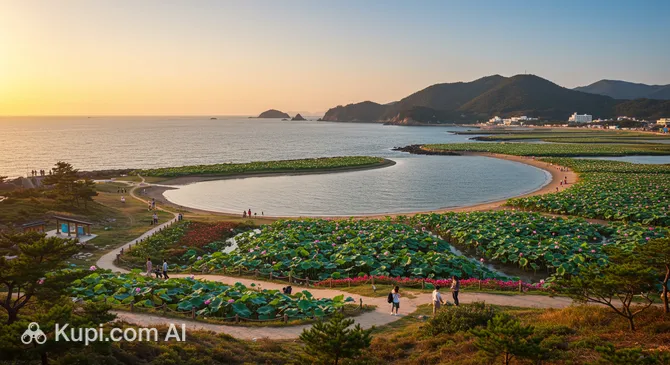
Travelers interested in the past can explore the fascinating history of Muan, which is deeply rooted in maritime traditions and agriculture. One of the city's most famous attractions is the Hoesan White Lotus Pond, the largest habitat of white lotuses in Asia. During the summer, the pond transforms into a breathtaking sea of white blooms, hosting the popular Muan White Lotus Festival. Additionally, the Muan Tidal Flat Center offers educational insights into the ecological value of the local mudflats, allowing visitors to walk along the boardwalks and observe the vibrant ecosystem up close.

Whether you are walking through fields of fragrant onions—a local specialty—or watching a spectacular sunset over the mudflats, Muan promises an unforgettable experience. We invite you to visit this beautiful region to reconnect with nature and discover the authentic charm of the Korean southwest.

Weather Overview

Muan experiences a temperate climate with four distinct seasons, offering a variety of conditions for travelers throughout the year. Generally, you can expect warm summers with frequent rain and cold, dry winters. To help plan your activities and packing list, it is helpful to review the specific weather in Muan before your trip.

The summer months bring the highest heat and humidity, with August being the warmest month, averaging around 27.2°C. This season also sees the highest frequency of precipitation; July is typically the wettest month with approximately 15 days of rain. Conversely, winters are chilly and much drier. January is usually the coldest time of year, with average temperatures dropping to 2.6°C and minimums reaching -0.4°C.

Spring and autumn offer mild and pleasant weather, making them popular times for outdoor exploration. May sees comfortable averages of 17.7°C, while October provides crisp air with temperatures around 16.7°C. These transitional months generally feature lower precipitation levels compared to the summer, ensuring clearer skies for sightseeing.

Interesting Facts

Beyond the main attractions, Muan holds many fascinating secrets that reveal the depth of its ecological and cultural heritage. Here are some intriguing details that make this county truly unique.

  • Germanium-Rich Red Soil: Muan is famous for its distinct red clay, known locally as "Hwangto." This soil is exceptionally rich in germanium, a mineral believed to have various health benefits. This unique geological feature is the secret behind the superior sweetness and quality of the region's famous onions and garlic.

  • First Coastal Wetland Protected Area: While the tidal flats are a known attraction, it is a little-known fact that the Muan Tidal Flat was the very first area in Korea, Republic Of to be officially designated as a Coastal Wetland Protected Area in 2001. This status highlights its pristine condition and importance compared to other wetlands in the nation.

  • Home of Sebal Nakji: The local mudflats are the specific habitat for "Sebal Nakji," or thin-legged octopus. Unlike the common octopus found elsewhere, this variety has exceptionally long, slender legs and a tender texture, making it a distinct and highly prized delicacy specific to the Muan mudflats.

  • Ancient Ceramic Hub: Muan was a significant production center for Buncheong ware, a traditional Korean grayish-blue powdered celadon, particularly during the 15th century. The region's rich clay deposits made it an ideal location for kilns, and this artistic legacy is still celebrated today.

How to Get There

Reaching Muan is quite convenient thanks to its strategic location in the Jeollanam-do province. Whether you prefer flying or taking the train, there are suitable options nearby. For a comprehensive guide on transportation routes and tips, you can read more about how to get to Muan.

The most direct way to arrive by air is via Muan International Airport (MWX). Located just 8.7 km from the city center, it serves as the main international gateway for the region. The short distance means a taxi ride to the city typically takes around 20 to 30 minutes, making it an incredibly convenient option for travelers. Although it handles a smaller volume of passengers compared to major hubs, it offers a comfortable and uncrowded arrival experience.

Alternatively, you can fly into Gwangju Airport (KWJ), situated in the neighboring city of Gwangju, approximately 33.8 km from Muan. This airport is a significant regional hub with frequent domestic connections. From here, a taxi or bus transfer to Muan generally takes about 1 hour and 10 minutes, depending on traffic conditions.

For clarity, here is a summary of the main airports in the vicinity:

Airport Name City Passenger Traffic Km from City
Jeju International Airport Jeju City Very High 163.8
Gwangju Airport Gwangju High 33.8
Yeosu Airport Yeosu Medium 105.3
Muan International Airport Gwangju Medium 8.7
Sacheon Airport Jinju Low 145.7

If you prefer traveling by rail, the region is well-connected by the national train network. The closest option is Mokpo Station (XKX), located in the city of Mokpo, about 23.4 km from Muan. It is a major terminal for the Honam Line, including high-speed KTX services. After arriving, a taxi or local bus can get you to Muan in approximately 45 to 55 minutes.

Another excellent option is Gwangju Songjeong Station (XNJ) in Gwangju, roughly 33.0 km away. This station is a busy transport hub serving millions of passengers annually and offers extensive high-speed rail connections from Seoul and other major cities. The transfer to Muan by road from here takes about an hour.

Below is a list of railway stations serving the area:

Station City Passenger Traffic Km to Center
Daejeon Station Daejeon Very High 171.9
Gwangju Songjeong Station Gwangju High 33.0
Mokpo Station Mokpo Medium 23.4
Yeosu Expo Station Yeosu 119.0
Jinju Station Jinju 150.6

Main Attractions

Hoesan White Lotus Pond is undoubtedly the crown jewel of Muan's tourism. Spanning an impressive 330,000 square meters, it is the largest habitat for white lotuses in Asia. While the pond is a tranquil spot year-round, it truly comes alive in the summer when thousands of lotus flowers bloom, creating a spectacular sea of white and green. Visitors can explore the area via wooden boardwalks that weave through the pond, allowing for close-up views of the blossoms and the aquatic life beneath. The site also features a glass greenhouse and shaded rest areas, making it a perfect spot for a leisurely afternoon walk.

For those interested in the region's unique ecosystem, the Muan Ecological Tidal Flat Center is a must-visit destination. Located within the Muan Tidal Flat Land, this facility is dedicated to preserving and educating the public about the diverse marine life found in the local mudflats. The center includes an indoor exhibition hall with interactive displays and an outdoor experience park where visitors can observe crabs, octopuses, and migratory birds in their natural habitat. It offers a fantastic educational experience for families and nature enthusiasts alike.

Topmeori Beach offers a distinct coastal experience characterized by its dramatic tides and scenic beauty. Unlike typical sandy beaches, Topmeori features a mix of sand and mudflats, changing its appearance significantly with the ebb and flow of the tide. The beach is lined with a dense forest of 200-year-old pine trees, providing cool shade and a picturesque backdrop. It is particularly famous for its breathtaking sunsets, which paint the sky and the wet mudflats in vibrant hues of orange and purple, drawing photographers and romantics from all over.

Culture and history buffs will appreciate a visit to the Birthplace of Cho-ui Seonsa. This historical site honors the celebrated Buddhist monk who is credited with reviving the Korean tea tradition during the late Joseon Dynasty. The restored traditional house and the memorial hall offer insight into his life and philosophy. Set against a backdrop of peaceful tea fields and mountains, it provides a serene atmosphere where visitors can learn about the history of Korean tea culture and enjoy a moment of quiet reflection.

Local Cuisine

To truly understand the culture of Muan, one must start with its most famous culinary treasure: the Sebal Nakji, or thin-legged octopus. Harvested from the nutrient-rich tidal flats that surround the county, these octopuses are smaller and more tender than varieties found elsewhere. Locals take great pride in this delicacy, which is prepared in several ways to highlight its fresh texture. Adventurous eaters should try Tangtangi, where the octopus is chopped and eaten raw with a drizzle of sesame oil and salt. For a comforting meal, Yeonpo-tang is a clear, refreshing soup that gently poaches the octopus with vegetables, allowing the clean taste of the sea to shine through.

Another unique gastronomic experience in Muan is Straw-Grilled Pork Belly, known locally as Jipbul-gui. This cooking method is a time-honored tradition, particularly in the Mongtan area, where pork belly is grilled rapidly over a high-heat fire made from rice straw. The process imparts a distinct, smoky aroma that permeates the meat while keeping it juicy and tender. It is traditionally served with Onion Kimchi, a specialty of the region, as Muan is the largest producer of onions in the country. The sweetness of the onions perfectly balances the savory, smoky richness of the pork.

When it comes to beverages, the region's connection to the Hoesan White Lotus Pond influences the local tea culture. Lotus Leaf Tea (Yeonip-cha) is a popular local drink, celebrated for its subtle fragrance and health benefits. Made from the leaves of the white lotus, it has a smooth, calming flavor that pairs well with traditional Korean sweets. For those seeking something stronger, you can find locally brewed Makgeolli (rice wine), which is often enjoyed alongside savory pancakes made with local chives or seafood.

The heart of Muan’s food scene can be found at the Muan Octopus Street (Nakji Golmok), located near the central bus terminal. This bustling alley is lined with restaurants specializing in octopus dishes, where tanks of live catch greet diners at the entrance. It is the perfect place to immerse yourself in the local atmosphere, watching skilled cooks prepare fresh seafood while the lively chatter of locals fills the air. Whether you are dining in a specialty restaurant or grabbing a bite at a traditional market, the food here is defined by the freshness of ingredients from both the red clay soil and the sprawling mudflats.

Travel Tips

Visiting Muan offers a peaceful retreat into nature, but being prepared for its rural charm and specific geography will ensure a much smoother trip. Here are some practical tips to help you navigate the region with ease and make the most of your time in this scenic county.

  1. Clothing and Gear: Muan has four distinct seasons, so pack accordingly. Summers are hot and humid, requiring light, breathable fabrics, while winters can be quite cold and windy, necessitating heavy coats and layers. Since Muan is famous for its tidal flats, bring comfortable shoes that you can easily clean, or old clothes if you plan to participate in mud experiences. When visiting cultural sites like the birthplace of Cho-ui Seonsa, dress modestly out of respect.

  2. Transportation: While public buses connect major points, they can be infrequent in rural areas. The most convenient way to explore scattered attractions like the Hoesan White Lotus Pond is by renting a car. If you prefer not to drive, download the Kakao T app to hail taxis easily, as flagging them down on the street can be difficult outside the town center.

  3. Finances: The local currency is the South Korean Won (KRW). Credit cards are widely accepted in most restaurants and shops, but it is wise to carry cash for small purchases at traditional markets or street food stalls, such as those on Muan Octopus Street. Tipping is not customary in Korea, Republic Of, and excellent service is standard without extra payment.

  4. Health and Safety: Muan is a very safe destination for travelers. Pharmacies are generally marked with a "Yak" (약) sign and are available in the town center, though they may close early in the evening. For emergencies, dial 112 for police or 119 for medical assistance. The sun can be strong on the open mudflats, so sun protection is essential.

  5. Communication: English may not be widely spoken outside of the airport and major hotels. It is highly recommended to download Naver Map for navigation, as Google Maps has limited functionality in the country. The Papago app is also an excellent tool for real-time translation of menus and conversations with locals.

  6. Local Etiquette: Politeness is key in Korean culture. A slight bow is the standard greeting. Always remove your shoes when entering a private home, a temple hall, or certain traditional restaurants with floor seating. When handing over money or receiving an item, use two hands or support your right arm with your left hand as a sign of respect.

  7. What to Avoid: refrain from speaking loudly in public transport or quiet areas, as this is considered rude. Also, never stick your chopsticks vertically into a bowl of rice, as this resembles a ritual performed at funerals and is considered bad luck.

  8. Check the Tides: If you plan to visit coastal spots like Topmeori Beach, check the tide tables in advance. The landscape changes drastically between high and low tide; visiting at low tide reveals the vast mudflats, while high tide offers beautiful ocean views, especially at sunset.

By keeping these practicalities in mind, you will be well-equipped to enjoy the natural beauty and warm hospitality of Muan. Have a wonderful journey exploring the lotus ponds and tasting the local delicacies!

Entertainment & Nightlife

Nightlife in Muan is a reflection of its laid-back, rural charm, distinct from the high-energy club scenes of Seoul or Busan. Here, the evening culture revolves primarily around socializing over good food and drinks, a practice known locally as anju culture. The nightlife is friendly and intimate, centered on "hofs" (Korean-style beer pubs), karaoke rooms (noraebang), and late-night dining spots that keep the streets lively well into the night.

The most vibrant district for evening entertainment is undoubtedly Namak New Town. Situated on the border with Mokpo, this modern area creates a stark contrast to the traditional countryside. The streets around Namak Central Park are lined with commercial buildings housing brightly lit bars, izakayas, and western-style pubs on the upper floors. This area attracts a mixed crowd of young professionals, government workers, and residents seeking a night out. The atmosphere here is bustling yet relaxed, with venues typically staying open until 2:00 or 3:00 AM.

For a more traditional experience, the Muan-eup downtown area offers a glimpse into local life. The vibe here is quieter and more rustic. You will find small, family-run fried chicken joints and seasoned pubs where locals gather after work. A key highlight here is the Muan Octopus Street. While primarily a dining destination, many restaurants here stay open late, allowing visitors to enjoy the famous local octopus dishes accompanied by soju or makgeolli late into the evening. It is the perfect place to start a night out before heading to a singing room.

Another notable area is the vicinity of Mokpo National University in Cheonggye-myeon. As a university town, it features affordable bars, coin karaoke booths, and internet cafes tailored to the student population. The energy here is youthful and wallet-friendly, making it a great spot for budget travelers to mingle with local students.

If you are looking for specific entertainment venues, Lotte Cinema Namak is a popular choice for catching the latest domestic and international films in a modern setting. It is located within a larger shopping complex, making it easy to combine a movie with dinner. For cultural performances, the Seungdal Arts Hall in Muan-eup occasionally hosts evening concerts, plays, and traditional performances, offering a sophisticated night out for culture enthusiasts.

Practical Tips for Nightlife:

  • Best Time to Go: Friday and Saturday nights are naturally the busiest, but the university area is lively on weekdays during the semester.
  • Prices: Muan is generally more affordable than major cities. A pint of beer costs around 4,000–5,000 KRW, and a bottle of soju is similarly priced.
  • Dress Code: The dress code is casual almost everywhere. Smart casual is suitable for the nicer bars in Namak, but comfort is key.
  • Getting Around: Public buses stop running around 10:00 or 11:00 PM. It is essential to download the Kakao T app to call taxis, as hailing one on the street late at night can be difficult, especially outside Namak.
  • Safety: Muan is extremely safe for night walks. Violent crime is rare, but it is always wise to stick to well-lit main streets and be cautious of traffic on narrow roads.

Regarding daytime entertainment, Muan offers a slower pace suited for relaxation and discovery. Visitors can explore the Muan Ecological Tidal Flat Center to learn about the region's natural history or enjoy a peaceful afternoon at the Hoesan White Lotus Pond, which features walking trails and pavilions. For those interested in local heritage, the Muan Seungdal Arts Hall serves as a cultural hub, hosting exhibitions and performances that showcase the artistic spirit of the region.

Parks & Museums

Muan offers a delightful mix of ecological wonders and cultural heritage, where visitors can transition seamlessly from exploring vast coastal wetlands to admiring ancient architectural treasures. The city's green spaces are deeply connected to its unique geography, while its museums provide intimate glimpses into the region's artistic and historical legacy.

Key Parks and Green Spaces

While the Hoesan White Lotus Pond is famous for its blooms, it also functions as a comprehensive recreational park. Beyond the lotus fields, the grounds feature a large outdoor swimming pool and a camping site, making it a favorite summer destination for families. The site also houses a glass greenhouse filled with various aquatic plants, ensuring there is something to see even when the lotuses are not in season. The well-maintained wooden decks provide a relaxing walking course that allows visitors to immerse themselves in the tranquility of nature.

For those seeking a more rugged natural experience, Seungdalsan Mountain is the premier hiking destination in the county. Standing at 318 meters, it is not excessively high, but its ridges are known for their resemblance to a Buddhist monk awaiting the moon, hence the name. The mountain offers several hiking trails that wind through dense forests and rocky outcrops. Reaching the summit rewards hikers with panoramic views of the Dadohae (archipelago) and the sprawling Yeongsangang River, offering a perfect vantage point to appreciate Muan's topography.

In the modern district, Namak Central Park serves as the green lung of the city. This urban park is beautifully landscaped with walking paths, fountains, and open lawns, providing a stark contrast to the rural scenery elsewhere. It is a hub of community life where locals gather for evening strolls, outdoor exercises, and small cultural events. The park's proximity to the commercial district makes it an excellent spot for a quiet break after shopping or dining in the city center.

Museums and Galleries

The Muan Ecological Tidal Flat Center is more than just an exhibition hall; it is an interactive gateway to understanding the Yellow Sea's biodiversity. Inside, visitors can explore the Exhibition Hall, which details the formation of tidal flats and the species that inhabit them through detailed dioramas and digital displays. The center also features a 4D theater that simulates a journey through the mudflats, providing an engaging educational experience for children and adults alike. It effectively bridges the gap between scientific knowledge and the live ecosystem just outside its doors.

Dedicated to the "Sage of Tea," the Memorial Hall of Cho-ui Seonsa offers a profound look into Korea's tea culture. The museum section of this historical site displays relics, writings, and tea utensils associated with the monk Cho-ui. Visitors can learn about his interactions with other scholars of the Joseon Dynasty and his efforts to revive the fading tradition of tea drinking. The exhibits are curated to reflect the Zen philosophy, creating a calm and contemplative atmosphere.

Historical and Architectural Sites

A significant landmark of traditional education is the Muan Hyanggyo. Originally established in 1398 during the early Joseon Dynasty, this local Confucian school has been relocated and reconstructed over the centuries but retains its historical aura. The complex includes the Daeseongjeon (Main Hall) and Myeongnyundang (Lecture Hall), where ancestral tablets are enshrined. Walking through its gates offers a quiet step back in time, allowing travelers to admire the classic Korean wooden architecture and the solemnity of the ancient academic grounds.

Authentic Experiences

For a truly local experience, seek out the region's Onggi (earthenware) workshops. Muan's rich red clay is not only good for onions but also excellent for pottery. Some local kilns allow visitors to observe the traditional process of making large fermentation jars, a craft that has been passed down for generations. Exploring these hidden workshops provides a tangible connection to the "Hwangto" (red clay) spirit of the region.

Getting Around

Public transportation in Muan primarily relies on a network of local buses, as the region does not have a metro or tram system. The bus service connects the traditional administrative center of Muan-eup, the modern district of Namak New Town, and the surrounding rural villages. While the buses are reliable, they operate less frequently than in major metropolitan areas, making it important for visitors to plan their journeys in advance. For travel between major districts, such as from Muan-eup to Namak or to the nearby city of Mokpo, "seat buses" (jwaseok bus) offer a faster and more comfortable option compared to the standard city buses.

The most convenient way to pay for transit is by using a rechargeable transportation card, such as T-money or Cashbee. These cards are widely used across Korea, Republic Of and can be purchased and topped up at major convenience stores like CU, GS25, and 7-Eleven found throughout the area. Using a card is slightly cheaper than paying with cash and allows for transfer discounts if you switch buses within a certain time frame, typically 30 to 60 minutes. If you choose to pay with cash, ensure you have small bills and coins, as drivers may not have change for large denominations.

For tourists, navigating the bus system requires some preparation. Bus stops in the central areas usually have digital displays or timetables, but stops in remote areas may simply be marked by a sign. It is highly recommended to use navigation apps like Naver Map or KakaoMap, which provide accurate schedules and route information in English. Remember to tap your card on the sensor both when boarding and when exiting the bus to ensure the correct fare is calculated. Be aware that public transport generally operates between 6:00 AM and 10:00 PM, with services ending earlier in outlying villages.

Given the rural nature of many attractions in Muan, taxis are a popular and often necessary alternative for reaching specific destinations like the Hoesan White Lotus Pond or Topmeori Beach. You can hail taxis on the street in busy areas like Namak or the Muan Bus Terminal, but in quieter spots, it is best to use the Kakao T app to request a ride. For those who prefer complete freedom to explore the scattered coastal and inland sights at their own pace, renting a car is arguably the most practical option. Additionally, in the flat, planned district of Namak, walking and cycling are pleasant ways to get around locally, with some parks offering recreational bike paths.

Accommodation

Accommodation in Muan reflects the county's blend of rural tranquility and developing urban infrastructure. Visitors can find a variety of lodging options ranging from modern business hotels and budget-friendly motels to scenic "pensions" (Korean-style holiday homes) located along the coast. While the selection is not as extensive as in major metropolitan areas, the available facilities are generally clean, comfortable, and well-suited for both short stopovers and leisurely nature trips.

For those seeking convenience and modern amenities, the Namak New Town area is the most popular place to stay. Situated on the border with the neighboring city of Mokpo, this district features the highest concentration of contemporary hotels and is surrounded by numerous restaurants, cafes, and shopping facilities. Staying here offers easy access to the vibrant nightlife and public transport, making it an ideal base for travelers who prefer a lively urban atmosphere.

Travelers looking to immerse themselves in the region's natural beauty should consider staying in the coastal areas, particularly near Topmeori Beach. This area is dotted with pensions and resorts that offer stunning views of the Yellow Sea and the tidal flats. These accommodations often feature barbecue facilities and outdoor decks, allowing guests to enjoy the famous Muan sunsets right from their rooms. It is a perfect choice for families and couples seeking a quiet, romantic getaway.

In the traditional center of Muan-eup, visitors will mostly find budget motels and smaller inns. These are practical options for backpackers or those prioritizing proximity to the Muan Bus Terminal and traditional markets. While they may lack the luxury of high-end resorts, they provide an authentic slice of local life and are often very affordable.

Booking and Prices
The cost of accommodation in Muan is generally reasonable compared to Korea's larger tourist hubs. Budget motels typically range from affordable to moderate, while modern hotels in Namak and scenic coastal pensions fall into the mid-range category. While major hotels can be booked via international online platforms, some smaller pensions and motels may only be listed on local Korean booking sites or require direct inquiries.

Travel Tip: If you plan to visit during the Muan White Lotus Festival in the summer, it is highly recommended to book your accommodation well in advance. This is the peak tourist season, and rooms near the festival grounds and popular coastal spots can fill up quickly.

Nearby Cities

For those looking to explore the surroundings, Muan serves as an excellent base for day trips to several interesting nearby locations:

Located just a short drive away, Gwangju is a vibrant hub of art and history, serving as the cultural center of the southwest. Visitors can hike the scenic trails of Mudeungsan National Park, which offers breathtaking views of the region, or explore the city's numerous galleries and the National Museum. The city is also renowned for its dynamic food scene and the Gwangju Biennale, attracting art lovers from around the world.

Further inland, Jeonju offers a journey back in time with its famous Hanok Village, a designated slow city. This charming destination is the spiritual capital of traditional Korean culture, where travelers can admire hundreds of preserved traditional houses and wear Hanbok while strolling through historic alleyways. It is also celebrated as the birthplace of Bibimbap, offering a culinary experience that is both authentic and flavorful.

City Population Distance (km)
Gwangju149009239
Jeonju631532111
Masan429612155
Jeju City435413165
Daejeon1475221173

These nearby destinations offer a glimpse into the diverse culture and landscapes of the region.

Shopping & Souvenirs

Shopping in Muan offers a fascinating contrast between the rustic charm of traditional Korean country life and the sleek convenience of modern urban development. As a region famous for its rich red soil and coastal mudflats, the shopping experience here is heavily influenced by local agriculture and maritime culture. Visitors can explore bustling open-air markets that have served the community for decades or visit contemporary districts in the newly developed areas to find popular fashion brands and lifestyle goods. Whether you are looking for unique local specialties or standard travel necessities, Muan provides a diverse range of options.

The primary destination for modern shopping is Namak New Town. Situated on the border with the neighboring city of Mokpo, this planned district serves as the commercial hub of the region. The streets here are lined with well-known Korean cosmetic shops, sportswear outlets, and trendy boutiques. It is a pedestrian-friendly area where you can easily browse through clothing racks and enjoy a coffee at one of the many cafes. For a more traditional atmosphere, the central district of Muan-eup offers smaller, family-run shops selling daily essentials, hardware, and general goods, providing a glimpse into the everyday life of the local residents.

For a comprehensive shopping experience under one roof, the Lotte Outlets Namak is the most prominent facility in the area. This large complex houses a wide variety of domestic and international brands, ranging from fashion and accessories to outdoor gear. It is a convenient stop for tourists as it also includes a large supermarket, Lotte Mart, where you can purchase groceries and snacks. The complex is designed to be family-friendly, often featuring entertainment options like a cinema and a variety of restaurants, making it a popular weekend spot for locals and visitors alike.

To truly understand the flavor of the region, a visit to the Muan Traditional Market is essential. This is a traditional "five-day market," meaning it fully opens on dates ending in 1 and 6 (e.g., the 1st, 6th, 11th, 16th). On these days, the market bursts with energy as vendors from the surrounding countryside bring their freshest harvest. You will find baskets of the region's famous red onions, garlic, and fresh seafood caught from the nearby tidal flats. It is a vibrant sensory experience where you can haggle for prices and taste local street food snacks.

When it comes to souvenirs, Muan has several distinct specialties that make for excellent gifts. The region is known as the "Onion City" of Korea, Republic Of, so products made from Muan red onions—such as onion juice or onion-flavored snacks—are top choices. Another unique item is Lotus Leaf Tea, inspired by the famous Hoesan White Lotus Pond; this tea is prized for its subtle fragrance and health benefits. Additionally, Muan has a rich history of pottery, specifically Buncheong ware. You can find beautiful, handcrafted ceramic cups and plates that reflect the artistic heritage of the area.

Most shops in the modern districts and the Lotte Outlets operate daily from around 10:30 AM to 9:00 PM. Traditional markets start much earlier, often at sunrise, and begin to wind down by late afternoon. Payment methods are convenient, with major credit cards and transportation cards being widely accepted in malls, convenience stores, and most restaurants. However, if you plan to shop at the Muan Traditional Market or small street stalls, it is highly recommended to carry cash (Korean Won), as many elderly vendors may not have card terminals.

Tourists should also be aware of the Tax-Free shopping system available in Korea, Republic Of. Major outlets and department stores, such as those in the Namak area, often participate in the tax refund program for foreign visitors. If you spend over a certain amount (typically 30,000 KRW), you may be eligible for an immediate tax deduction or a refund receipt which can be claimed at the airport upon departure. Look for the "Tax Free" logo at the checkout counters or ask the staff for assistance.
Reached the end of the page?

That means the route is fully explored