Support

Gunsan

About

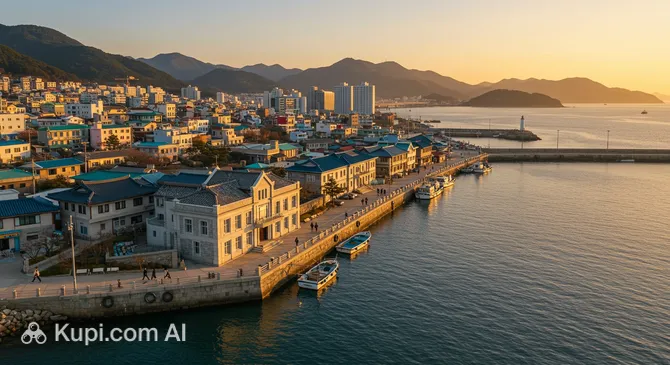
Gunsan is a captivating port city located on the west coast of Korea, Republic Of. Situated in the Jeollabuk-do province, this destination is known for its unique blend of modern industrial energy and preserved historical atmosphere. As a significant hub near the mouth of the Geum River, the city serves as a gateway to the Yellow Sea and is home to a population of approximately 275,000 people.

Gunsan. Source: Kupi.Binoculars

One of the city's most distinct features is its ability to transport visitors back in time. Walking through the downtown area reveals a rich architectural heritage, where numerous buildings from the early 20th century still stand. Exploring the history of Gunsan offers a fascinating glimpse into the past, with museums and old customs houses that tell the story of its transformation from a small fishing village to a major international trade port.

Beyond its historical streets, Gunsan offers remarkable scenic beauty and quirky attractions. The Gyeongam-dong Railroad Village is a favorite spot for photographers, featuring a narrow train track that runs right between rows of houses, creating a nostalgic setting. For nature enthusiasts, the nearby Gogunsan Islands, particularly Seonyudo, provide breathtaking coastal views, pristine beaches, and excellent routes for cycling and hiking.

Whether you are a history buff eager to explore modern cultural heritage or a traveler looking for scenic coastal landscapes, Gunsan has something special to offer. Its relaxed pace and welcoming atmosphere make it a delightful stop for anyone wishing to experience a different side of the Korean peninsula.

Weather Overview

Gunsan features a climate with distinct seasonal changes, making it important to choose the right time for your visit based on your preferences. To help plan your itinerary and packing list, it is helpful to review the detailed forecast and weather in Gunsan before your trip.

The winter months of December through February are generally cold, with January seeing average temperatures around 1.0°C and lows dipping to -1.9°C. While precipitation is relatively low during this time, the city still experiences about 6 to 8 wet days per month. As the season transitions, spring brings milder and more comfortable conditions, with average temperatures rising to 12.4°C in April and 17.0°C in May.

Summer is the warmest and most humid time of the year. August is typically the hottest month, with average temperatures reaching 26.8°C and highs peaking around 28.9°C. This season also sees the highest frequency of rainfall; July is particularly wet, recording approximately 16 wet days. Autumn offers a return to cooler, pleasant weather, with October averages sitting at 16.1°C. Overall, you can expect warm summers with frequent rain and cold, drier winters.

Interesting Facts

Beyond the main attractions, Gunsan holds many fascinating secrets that reveal its unique character. This city is not just a historical port but a place where distinct architectural and culinary traditions have been preserved for decades.
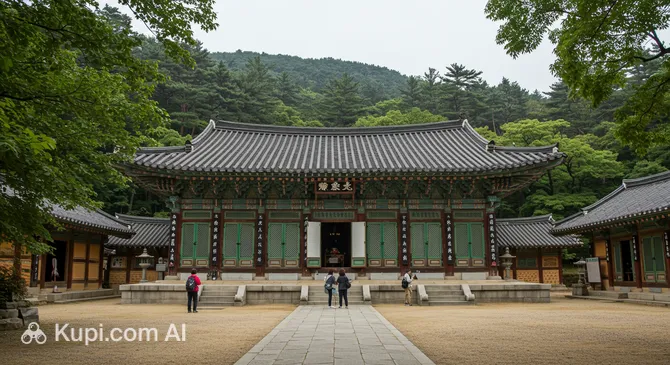
  • Gunsan is home to Dongguksa Temple, which holds the distinction of being the only remaining Japanese-style Buddhist temple in Korea. Unlike traditional Korean temples that are typically nestled in the mountains, this structure features a steep roof and unpainted wood, and it sits uniquely right in the city center.

  • The city boasts the oldest operating bakery in the entire country, Lee Sung Dang. Established in 1945, this legendary spot is famous for its vegetable bread and sweet red bean buns, often attracting long lines of visitors eager to taste a piece of culinary history.

  • Due to the dramatic tidal differences of the West Sea, Gunsan's inner port features unique floating piers known as "pontoon bridges." These historical structures were ingeniously designed to rise and fall with the tides, ensuring that ships could dock safely regardless of the water level.

  • At the Jinpo Maritime Theme Park, visitors can board a retired naval landing ship that has been converted into an explorable museum. The park commemorates the historic Battle of Jinpo from the 14th century, which is noted for being the first naval battle in the world to utilize gunpowder artillery on warships.

Dongguksa Temple. Source: Kupi.Binoculars

How to Get There

Reaching this charming port city is a straightforward journey, offering travelers a chance to see the scenic landscapes of the Jeollabuk-do province. Whether you prefer flying or taking the train, there are several convenient hubs nearby that serve as gateways to the region. For a comprehensive guide on all available transport methods, you can read more about how to get to Gunsan to plan your best route.

The city of Gunsan does not have its own major international airport listed in our database, but you can fly into Gwangju Airport (KWJ) in the city of Gwangju, which is about 95 km from Gunsan. It serves as a convenient regional entry point. From there, a journey by taxi or intercity bus typically takes approximately 2 hours and 45 minutes. Another viable option is Cheongju Airport (CJJ), located in Cheongju, roughly 108 km away. This airport handles significant passenger traffic and offers another route into the area, with ground transport to Gunsan taking around 3 hours.

For clarity, here is a summary of the main airports:

Airport Name City Approx. Passengers/Year Km from City
Cheongju AirportCheongju4,579,221107.9
Gwangju AirportGwangju2,026,65195.0
Yeosu AirportYeosu1,000,000150.4
Muan International AirportGwangju233,337113.7
Sacheon AirportJinju219,289157.7

If you prefer traveling by rail, the region is well-connected to Korea's extensive train network. While the specific stations listed below are not located within Gunsan itself, they act as major transit points. You can arrive at Daejeon Station in the city of Daejeon, which is a major hub about 73 km from Gunsan. From this busy station, you can transfer to a bus or taxi, which takes about 2 hours and 10 minutes to reach your final destination. Alternatively, Gwangju Songjeong Station (XNJ) in Gwangju is situated approximately 94 km away and provides another reliable link for travelers coming from other parts of the country.

Below is a list of the closest major railway stations:

Station City Approx. Passengers/Year Km to Center
Daejeon StationDaejeon18,615,00072.9
Gwangmyeong StationGwangmyeong12,410,000160.2
Gwangju Songjeong StationGwangju3,436,47593.6
Mokpo StationMokpo1,800,000135.2
Jinju StationJinjuN/A156.9

Main Attractions

Gunsan offers a delightful mix of historical depth and natural beauty, making it a rewarding destination for travelers. The city’s attractions range from educational museums that preserve its maritime past to scenic parks perfect for relaxation. Below are some of the top places to visit during your stay.

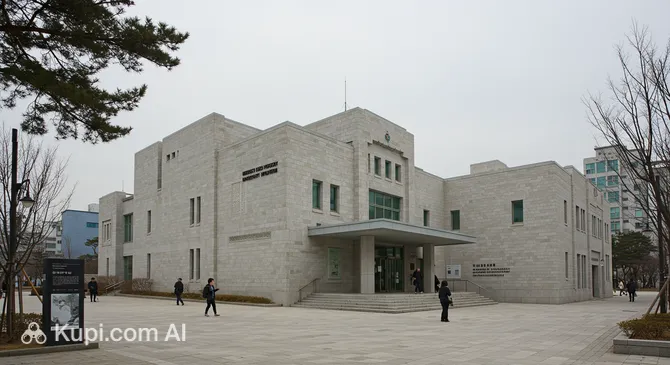
A visit to the Gunsan Modern History Museum is essential for understanding the city's heritage as a major trade port. Located in the historic downtown area, this museum features immersive exhibits that transport visitors back to the 1930s. Tourists are particularly drawn to the detailed recreations of old streets and buildings, which provide a tangible sense of the daily life and commerce that shaped the region during the modern era.

Gunsan Modern History Museum. Source: Kupi.Binoculars

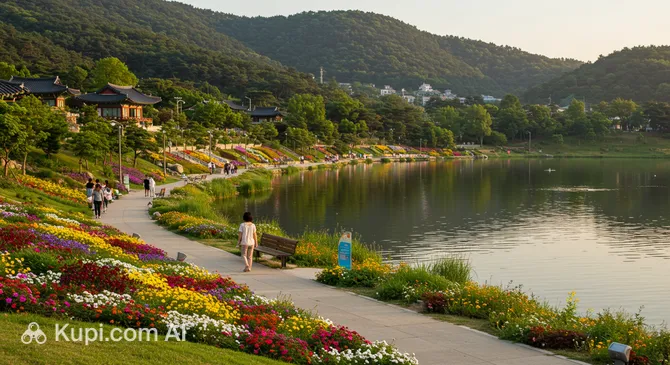
For a change of pace, Eunpa Lake Park serves as a serene urban retreat centered around a large reservoir. It is a favorite spot for walking, cycling, and enjoying the outdoors, especially during the cherry blossom season in spring. A major highlight within the park is the Mulbit Bridge, a pedestrian suspension bridge that lights up at night, creating a romantic atmosphere and offering stunning views of the water.

Eunpa Lake Park. Source: Kupi.Binoculars

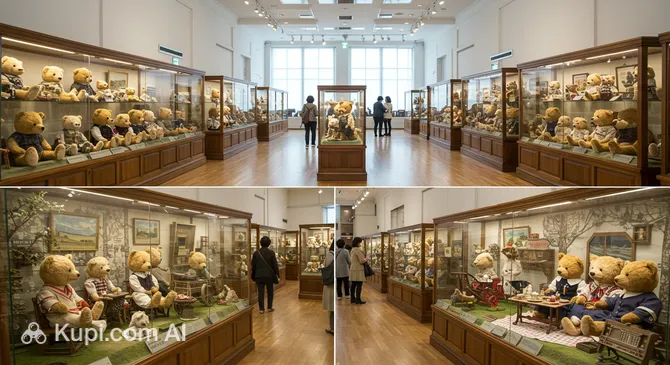
Travelers looking for a more whimsical experience will enjoy the Teddy Bear Museum. This attraction is popular among families and couples for its playful displays of teddy bears dressed in various costumes, depicting scenes from history, art, and local culture. It offers a lighthearted break from sightseeing and provides plenty of unique photo opportunities with the adorable exhibits.

Teddy Bear Museum. Source: Kupi.Binoculars

Local Cuisine

Gunsan’s culinary scene is deeply rooted in its identity as a bustling port city. The proximity to the Yellow Sea ensures a steady supply of fresh marine ingredients, making it a paradise for seafood lovers. Local tables are often overflowing with dishes that highlight the natural flavors of the ocean, ranging from spicy soups to savory grilled fish, all prepared with distinct Jeolla province seasonings known for their rich and robust taste.

One dish that has put Gunsan on the national food map is Jjamppong, a spicy noodle soup packed with seafood. While popular across Korea, the version here is legendary for its generous portions of mussels, clams, squid, and shrimp, often piled high atop the bowl. The broth is typically deep, fiery, and flavorful, drawing visitors from all over the country who come specifically to tour the city's famous noodle restaurants.

Another local specialty you must try is Bakdae (Red Tongue Sole). This flatfish is abundant in the mudflats around Gunsan and is commonly served semi-dried and pan-fried. The drying process concentrates the flavor and gives the fish a firm, chewy texture that pairs perfectly with steamed rice. Blue Crab is also a regional favorite, often prepared as Ganjang Gejang (raw crab marinated in soy sauce) or in spicy stews, showcasing the sweetness of the local catch.

For those with a sweet tooth or looking for a lighter snack, the city's bakery culture is historic and vibrant. Gunsan is famous for its old-school breads, particularly Danpatppang (red bean bread) and Yachaeppang (vegetable bread). These treats are characterized by their thin dough and abundant fillings, offering a nostalgic taste that has remained unchanged for decades.

Travel Tips

Traveling to Gunsan offers a unique journey through modern history and coastal beauty, but a little preparation goes a long way to ensure a smooth trip. Here are some practical tips to help you navigate the city comfortably and make the most of your visit to this charming port.

  1. Clothing and Gear: The climate features four distinct seasons, so pack accordingly. Winters are cold and require heavy coats, while summers are hot and humid, necessitating light, breathable fabrics. Since the "Time Travel Village" and many attractions are best explored on foot, bring comfortable walking shoes. If you visit temples like Dongguksa, modest clothing that covers shoulders and knees is appreciated.

  2. Transportation: The historic downtown area is compact and walkable. For longer distances, local buses are available, but taxis are often more convenient and affordable for tourists. It is highly recommended to download the Kakao T app, which allows you to hail taxis without needing to speak Korean or explain directions to the driver.

  3. Finances: The local currency is the South Korean Won (KRW). Credit cards are widely accepted in most restaurants, cafes, and shops. However, it is wise to carry some cash for street food stalls, small traditional markets, or topping up transportation cards. International ATMs are commonly found in banks and major convenience stores like CU or GS25.

  4. Health and Safety: Gunsan is a very safe city for travelers. Pharmacies are marked with a "Yak" (약) sign, and basic non-prescription medicines (painkillers, digestion aids) can be purchased 24/7 at convenience stores. Tap water is generally safe, but most locals and tourists prefer drinking filtered or bottled water.

  5. Communication: While younger people may speak some English, it is not widely spoken by the older generation or taxi drivers. A translation app like Papago or Google Translate is essential. Free Wi-Fi is available in many public spaces and cafes, but buying a SIM card or renting a Wi-Fi egg at the airport upon arrival in Korea is best for reliable connectivity.

  6. Local Etiquette: Politeness is highly valued. Greet people with a slight bow rather than a handshake. When paying or receiving items, use two hands as a sign of respect. Always remove your shoes when entering a private home, traditional guesthouse, or temple halls.

  7. What to Avoid: Do not speak loudly on public transportation, as this is considered rude. Additionally, avoid sitting in the designated priority seats on buses (usually marked in a different color) unless you are elderly, pregnant, or disabled, even if the bus is otherwise empty.

  8. Bakery Strategy: If you plan to visit the famous Lee Sung Dang bakery mentioned in city guides, try to arrive on a weekday morning. The lines for their signature red bean and vegetable breads can be incredibly long on weekends, so timing your visit can save you hours of waiting.

With these practical tips in hand, you are ready to explore the atmospheric streets and delicious flavors of Gunsan with confidence. Enjoy your time discovering the hidden gems of this historic city and experiencing the warm hospitality of the Jeolla province!

Entertainment & Nightlife

While Gunsan is generally known for its tranquil historical atmosphere during the day, the city transforms as the sun sets, offering a nightlife scene that is relaxed, welcoming, and centered around socializing. Unlike the high-energy clubbing districts found in Seoul or Busan, the evening culture here revolves around dining, drinking, and enjoying the company of friends. The nightlife is primarily concentrated in the modern commercial districts, particularly Susong-dong and Naun-dong, where the streets come alive with neon signs, bustling restaurants, and lively bars.

For travelers looking to experience the local vibe, Susong-dong is the place to be. This area is the modern heart of the city's entertainment, packed with trendy pubs, Izakayas (Japanese-style pubs), and Western-style bars. The crowd here is a mix of young locals and professionals unwinding after work. You can easily spend an evening hopping from a Korean BBQ restaurant to a "Hof" (beer bar) and finishing the night at a Noraebang (karaoke room), which is a quintessential part of Korean nightlife.

A unique cultural experience you should not miss is a visit to one of the city's famous Makgeolli (rice wine) establishments. Gunsan is renowned for its generous hospitality, often referred to as "Silbi" style, where ordering a kettle of Makgeolli results in a table overflowing with complimentary side dishes, ranging from savory pancakes to fresh seafood. This is less about heavy drinking and more about a communal culinary journey.

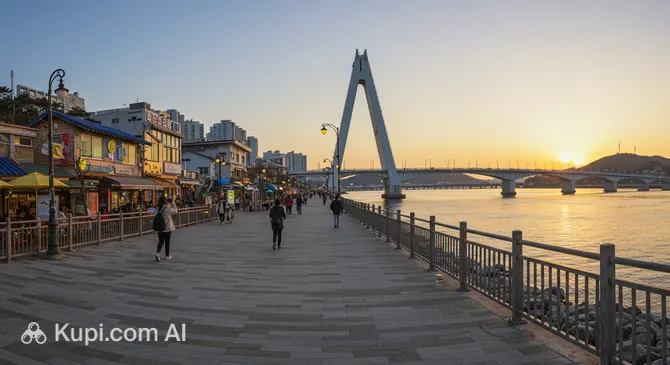
If you prefer a more scenic and romantic evening, the area around Eunpa Lake Park is a favorite destination for night walks. The highlight here is the Mulbit Bridge, which is beautifully illuminated after dark. The colorful lights reflecting off the water create a magical atmosphere, making it a popular spot for couples and photographers. Surrounding the lake, you will find numerous cafes and restaurants with outdoor seating, perfect for enjoying the cool night breeze.

Mulbit Bridge. Source: Kupi.Binoculars

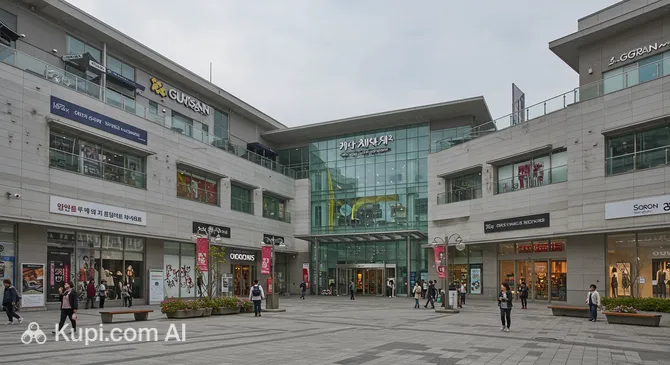
For those seeking indoor entertainment or a late-night shopping experience, Lotte Mall Gunsan offers a comprehensive complex of leisure activities. Beyond its retail stores, the mall houses a cinema where you can catch the latest movies, making it a convenient option for families or those looking for a laid-back evening. It serves as a modern contrast to the city's historic streets and provides a comfortable environment for dining and entertainment under one roof.

Lotte Mall Gunsan. Source: Kupi.Binoculars

Regarding daytime entertainment, the city offers a variety of cultural experiences beyond its museums. The Gunsan Arts Center frequently hosts performances, concerts, and exhibitions, adding a touch of high culture to your itinerary. Additionally, the city's cafe culture is thriving, with many venues located in renovated historical buildings, offering a perfect way to spend a leisurely afternoon before the nightlife begins.

Practical Nightlife Tips:

  • Safety: Gunsan is an incredibly safe city for night walks, even in quieter areas. However, standard travel precautions apply.
  • Transport: Public buses stop running relatively early (usually around 10:30 PM). Taxis are the best way to get around at night and are reasonably priced. The Kakao T app is highly recommended for hailing rides without language barriers.
  • Timing: Bars and restaurants in Susong-dong typically stay open until 1:00 AM or 2:00 AM, with some spots operating later on weekends.
  • Dress Code: The atmosphere is casual. Smart-casual attire is suitable for almost all venues, including hotel bars and lounges.

Parks & Museums

Gunsan offers a fascinating array of green spaces and cultural institutions that reflect its dual identity as a scenic coastal city and a living museum of modern history. From hilltop parks offering panoramic views of the Yellow Sea to exhibition halls housed in century-old buildings, the city provides ample opportunities for both relaxation and educational exploration.

One of the city's most beloved natural retreats is Wolmyeong Park. Situated on a hill near the inner port, this expansive area is famous for its dense forests and walking trails that lead to the Sea Sculpture Park. In the spring, the park transforms into a tunnel of cherry blossoms, drawing locals and tourists alike. The summit offers a breathtaking vantage point where you can gaze out over the Geum River estuary and the industrial port, providing a perfect blend of nature and urban scenery.

Another essential green space is Eunpa Lake Park. While often celebrated for its illuminated bridge at night, the park is equally rewarding during the day as an ecological sanctuary. A paved path circles the large reservoir, making it an ideal spot for a long, peaceful jog or a bicycle ride. The surrounding wooded areas provide a habitat for local birds, offering a quiet escape from the city center's bustle.

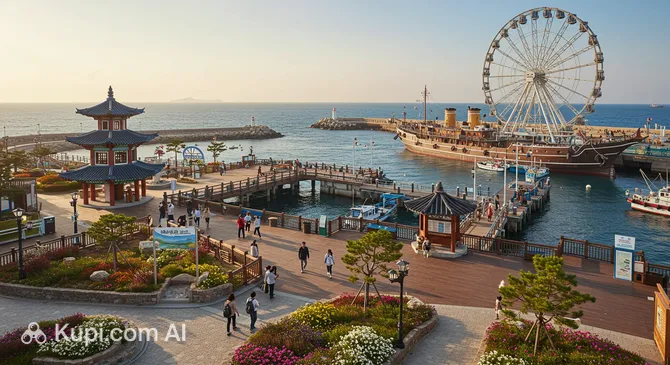
For those interested in the city's maritime heritage, the Jinpo Maritime Theme Park is a must-visit destination. Located directly on the waterfront, this unique open-air museum displays retired military hardware, including tanks, fighter jets, and artillery. The centerpiece is a massive naval landing ship that visitors can board to explore exhibits on naval history and the famous Battle of Jinpo. It is an engaging experience for visitors of all ages, combining history with the excitement of exploring real military machinery.

Jinpo Maritime Theme Park. Source: Kupi.Binoculars

The cultural heart of the city lies within the "Modern History District," anchored by the Gunsan Modern History Museum. This venue does an excellent job of contextualizing the Japanese colonial era and the city's rise as a trade hub. Nearby, you will find smaller but significant galleries like the Gunsan Modern Art Museum and the Gunsan Modern Architecture Museum. These are housed in the former buildings of the 18th Bank of Japan and the Bank of Joseon, respectively, allowing you to step directly into the architectural past while viewing contemporary art and historical displays.

A short walk from the museum district leads to Dongguksa Temple. While primarily a religious site, it serves as a crucial cultural landmark due to its rare Japanese architectural style. Behind the main hall, a serene bamboo grove offers a moment of Zen, distinguishing it from the typical pine forests found at most Korean temples. The garden here is meticulously maintained, providing a tranquil atmosphere for reflection.

For a truly authentic experience, take the time to walk the narrow alleyways of the Sinheung-dong neighborhood near the Teddy Bear Museum. Here, you can find the classic "Hirotsu House," a traditional Japanese-style wooden home that remains beautifully preserved. Exploring these backstreets reveals the genuine texture of old Gunsan, where time seems to have stood still.

Getting Around

Navigating Gunsan is straightforward and convenient, primarily relying on a well-connected network of city buses since the city does not have a metro or tram system. The bus network covers all major districts, including the historic downtown area, residential neighborhoods like Susong-dong, and outlying attractions. Buses are color-coded and numbered, with frequent services running to popular spots such as the Modern History Museum and the intercity bus terminals.

For payment, the most efficient method is using a rechargeable transportation card, such as T-money or Cashbee. These cards are widely used across the region and can be purchased and topped up at any major convenience store, including CU, GS25, and 7-Eleven. While cash is accepted on buses, using a card is slightly cheaper and allows for free transfer discounts if you switch buses within 30 to 60 minutes of alighting. A single ride typically costs around 1,500 KRW.

When using the bus, always board through the front door and tap your card on the sensor. Before getting off, press the stop button and exit through the rear door, remembering to tap your card again on the reader to ensure transfer discounts are applied. Buses generally operate from early morning, around 6:00 AM, until approximately 10:30 PM. It is advisable to check the specific schedule if you plan to travel late at night, as frequencies decrease in the evening.

Taxis are a popular and affordable alternative to buses, especially for tourists traveling in small groups or carrying luggage. You can easily hail a silver or orange taxi on the street, or find them waiting at designated stands near bus terminals and major landmarks. For added convenience, the Kakao T app is highly recommended, as it allows you to request a ride and set your destination in English, bypassing potential language barriers with drivers.

Gunsan is also a very walkable city, particularly within the "Time Travel Village" in the historic center. Many of the museums, old customs houses, and famous bakeries are clustered close together, making walking the best way to soak in the atmosphere. For those wanting to explore the scenic coastal areas or the nearby islands like Seonyudo, bicycle rentals are a fantastic option, offering a leisurely way to enjoy the sea breeze and flat terrain.

Accommodation

Finding the right place to stay in Gunsan is relatively easy, as the city offers a variety of accommodation options to suit different travel styles and budgets. While you will not find many ultra-luxury international hotel chains, there is a solid selection of comfortable mid-range business hotels, modern boutique motels, and charming traditional guesthouses. For those seeking a more authentic experience, the city has several renovated hanok stays and guest houses, particularly near the historical districts, allowing visitors to immerse themselves in the local atmosphere.

When choosing where to base yourself, location is key depending on your itinerary. The Historic Downtown area (near the Modern History Museum) is perfect for tourists who want to be within walking distance of the "Time Travel Village," famous bakeries, and major cultural sites. This area is rich in character and often features smaller, family-run accommodations. Alternatively, the newer commercial districts of Susong-dong and Naun-dong are excellent for travelers who prioritize convenience, offering easy access to a wide array of restaurants, bars, and modern amenities. For a more scenic and tranquil stay, look for hotels located near Eunpa Lake Park, where you can enjoy peaceful water views and relaxing evening strolls.

Price-wise, Gunsan is generally quite affordable compared to larger Korean cities like Seoul or Busan. Budget travelers can find clean and modern motels or hostels for very reasonable rates, while mid-range hotels offer spacious rooms and good service without breaking the bank. Booking is straightforward, with most major international online platforms listing the city's main hotels. However, a helpful tip for planning your trip is to book well in advance if you intend to visit during the spring cherry blossom season or on weekends, as the most popular guesthouses and well-located hotels can fill up quickly with domestic tourists.

Nearby Cities

For those looking to explore the surroundings, Gunsan serves as an excellent base for day trips to several interesting nearby locations:

City Population Distance (km)
Gwangju1,490,09293
Daejeon1,475,22174
Cheongju833,276100
Cheonan651,661100
Jeonju631,53240

Located just a short drive away, Jeonju is arguably the most popular destination for a day trip. It is famous worldwide for the Jeonju Hanok Village, a preserved area featuring hundreds of traditional Korean houses where visitors can rent hanbok, explore artisan shops, and taste the authentic version of the famous dish, bibimbap.

For travelers interested in science and urban leisure, Daejeon offers a distinct change of pace. As a major technology hub, it features the Expo Science Park and the National Science Museum. Additionally, the Yuseong district is well-known for its natural hot springs, providing a perfect way to relax after a day of sightseeing.

Further south lies Gwangju, a vibrant metropolis known as the city of art and culture. It is home to the impressive Asia Culture Center and hosts the renowned Gwangju Biennale. Nature lovers will also appreciate its proximity to Mudeungsan National Park, which offers excellent hiking trails and unique rock formations.

These nearby destinations offer a glimpse into the diverse culture and landscapes of the region.

Shopping & Souvenirs

Shopping in Gunsan offers a delightful mix of modern convenience and traditional charm, reflecting the city's unique character as a historic port. While it may not rival the massive fashion districts of Seoul, the city provides a satisfying retail experience ranging from contemporary department stores to bustling local markets. Visitors can expect to find everything from international fashion brands and cosmetics to distinctive regional specialties that make for perfect gifts.

For those looking for high-street fashion and a lively atmosphere, the Susong-dong district is the commercial heart of the city. This modern area is lined with brand-name clothing stores, sportswear outlets, and popular Korean cosmetic shops like Olive Young. It is a great place to browse the latest trends and enjoy the energetic vibe of the city's younger crowd. Alternatively, the historic downtown area around Yeonghwa-dong offers a more nostalgic shopping experience, with small boutiques, antique shops, and souvenir stores nestled among colonial-era buildings.

Travelers seeking a comprehensive one-stop shopping destination should head to Lotte Mall Gunsan. Located in the Di Ocean City area, this is the largest shopping complex in the region. It features a wide array of domestic and international brands, a large supermarket, and an outlet section offering discounted goods. The mall provides a comfortable, climate-controlled environment, making it an excellent option for families or for spending time during rainy weather.

To truly understand the local culture, a visit to the traditional markets is essential. The Gunsan Public Market is a unique facility that blends the spirit of a traditional bazaar with modern infrastructure, famously featuring moving walkways to transport shoppers between floors. Here, you can find fresh produce, household goods, and herbal medicines. Near the waterfront, the Sinyeong Market and the nearby Dried Seafood Market are bustling hubs where locals buy the city's famous marine products. The sight of rows of drying fish and the smell of the ocean create an authentic port city atmosphere.

When it comes to souvenirs, Gunsan is renowned for its culinary treats rather than trinkets. The most famous item to bring back is bread from the legendary Lee Sung Dang bakery. Their vegetable bread and red bean buns are national icons, often requiring a wait in long lines. Another top choice is local seafood, particularly Bakdae (dried red tongue sole) and high-quality seasoned seaweed (laver), which are staples of the region and widely available at the seafood markets.

Most shops in Gunsan typically operate from around 10:00 AM to 9:00 PM, though large malls and supermarkets may stay open until 10:00 PM or later. Traditional markets often start their day much earlier, around dawn, and wind down by early evening. Credit and debit cards are widely accepted almost everywhere, including taxis and most market stalls, though carrying some cash is useful for small street food purchases.

International tourists should also be aware of the Tax-Free shopping system. Major department stores like Lotte Mall and certified retail chains often participate in the tax refund program for purchases exceeding 30,000 KRW. Look for the "Global Tax Free" or "Tax Refund" signage at the entrance or cashier counter, and remember to present your passport to obtain the refund slip.
Reached the end of the page?

That means the route is fully explored