Support

Jinju

About

Jinju. Source: Kupi.Binoculars

Nestled in the heart of Gyeongsangnam-do, Jinju is a captivating destination that beautifully harmonizes its illustrious past with a vibrant present. Known as a city of art, culture, and education, it offers a serene yet engaging atmosphere for travelers exploring the southern regions of Korea, Republic Of. With a population of approximately 350,000 residents, Jinju maintains a welcoming community feel while providing all the amenities of a modern urban center.

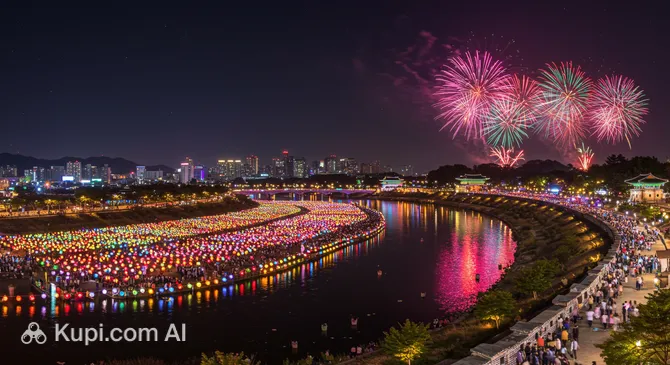
The city is geographically defined by the scenic Namgang River, which winds gracefully through the town center, creating picturesque landscapes and a calming ambiance. This river is not just a natural landmark but a central part of the history of Jinju, having witnessed centuries of events that shaped the region's identity. Today, the riverbanks serve as a popular spot for leisure and cultural festivities.

Visitors are often drawn to the magnificent Jinjuseong Fortress, a historically significant site that stands as a symbol of patriotism and resilience. Within its walls, you can explore pavilions and museums that tell the story of the city. Another highlight is the spectacular Jinju Namgang Yudeung Festival, a world-renowned lantern festival that illuminates the river with thousands of colorful lights every October, attracting tourists from all over the globe.

Whether you are a history buff, a nature lover, or simply seeking a peaceful retreat, Jinju promises an unforgettable experience. We invite you to walk along its fortress walls, enjoy the local cuisine, and immerse yourself in the rich cultural heritage of this delightful city.

Weather Overview

The climate in this region is characterized by four distinct seasons, ranging from hot, humid summers to cold, dry winters. To help you pack appropriately for your trip, it is helpful to review the detailed weather in Jinju before you arrive. Generally, the city experiences a temperate variance that allows for different travel experiences depending on the time of year.

Summer is the warmest and wettest period, with August seeing the highest average temperatures of around 26.5°C and daily highs reaching nearly 30°C. Travelers visiting in July and August should be prepared for frequent rainfall, as these months typically record between 17 and 18 wet days. Conversely, winters are significantly colder and drier. January is the coldest month, with average temperatures dropping to 1.5°C and minimums occasionally falling to -3.4°C, though precipitation is rare with only about 3 to 5 wet days per month during the season.

Spring and autumn offer a pleasant middle ground, making them excellent times for outdoor exploration. May brings comfortable warmth with an average of 18.3°C, while October sees crisp, cooling air averaging 15.5°C. Overall, you can expect warm summers with occasional rain and cold, dry winters, so checking the forecast close to your departure is always recommended.

Interesting Facts

Beyond the main attractions, Jinju holds many fascinating secrets that reveal the depth of its character and history. From cosmic events to culinary origins born of necessity, the city offers stories that go far beyond the typical guidebook descriptions.

  • The city is famous for the legend of Nonggae, a patriotic woman who sacrificed herself during the Imjin War. A specific detail often missed is that she is said to have worn rings on all ten fingers to lock her grip while embracing an enemy general, ensuring they would both fall into the river from the rocks beneath Chokseongnu Pavilion.

  • In 2014, Jinju became the center of astronomical attention when a rare meteorite shower occurred in the area. Several large meteorite fragments were discovered in local rice paddies and greenhouses, marking the first time in over 70 years that space rocks were recovered on the Korean Peninsula.

  • The local variation of a famous Korean dish, Jinju Bibimbap, has a unique origin story linked to military history. It is believed to have been created during the fortress battles as a way to feed soldiers a complete, nutritious meal quickly by mixing rice, vegetables, and beef tartare in a single bowl.

  • Jinju is one of the world's premier centers for silk production, a tradition that spans over a thousand years. The exceptional quality of the local silk is attributed to the soft, clean waters of the Namgang River, which are considered perfect for the delicate dyeing process.

Chokseongnu Pavilion. Source: Kupi.Binoculars

How to Get There

Reaching Jinju is convenient thanks to a variety of transport options connecting it to major cities across the country. Whether you prefer flying or taking the train, the city is accessible from several key hubs. For a detailed overview of routes and tips, you can read more about how to get to Jinju.

If you plan to arrive by air, the most direct option is Sacheon Airport (HIN), which is located within the Jinju administrative area, approximately 10.6 km from the city center. Although it is a smaller regional airport, it offers the quickest access to the city, with a taxi or bus ride taking around 36 minutes. For international travelers or those seeking more frequent flight schedules, Gimhae International Airport (PUS) in Busan is the primary choice. Situated about 75 km away, this major hub handles a large volume of passengers. The journey from Gimhae to Jinju by road typically takes about 2 hours and 15 minutes.

For clarity, here is a summary of the main airports:

Airport Name City Passenger Traffic Km from City
Gimhae International AirportBusanLarge74.7
Daegu International AirportDaeguMedium93.6
Gwangju AirportGwangjuMedium119.4
Yeosu AirportYeosuMedium58.8
Sacheon AirportJinjuSmall10.6

Traveling by train is another excellent way to reach the city. Jinju Station (XJX) serves as the main railway gateway and is conveniently located just 2.8 km from the downtown area. From here, a short taxi or bus ride of approximately 25 minutes will bring you to the heart of the city. If you are coming from other parts of the country via high-speed rail, you might also connect through Dongdaegu Station (XDK) in Daegu. Although it is about 91 km away, it is a massive transport hub with frequent connections, and travel from there to Jinju takes roughly 2 hours and 35 minutes by road.

Below is a list of relevant railway stations:

Station City Passenger Traffic Km to Center
Dongdaegu StationDaeguVery Large90.8
Daejeon StationDaejeonLarge146.2
Gwangju Songjeong StationGwangjuMedium121.0
Jinju StationJinju2.8
Yeosu Expo StationYeosu57.7

Main Attractions

Jinju is a city where history breathes through its architecture and nature offers a soothing escape. The attractions here range from ancient fortifications to scenic parks and vibrant culinary spots, ensuring that every traveler finds something to admire during their stay.

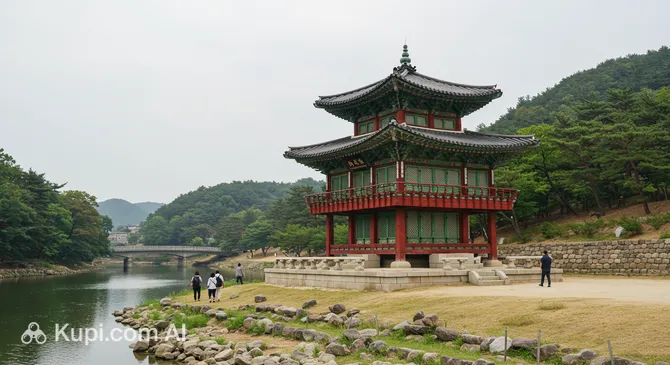
One of the most iconic landmarks is Chokseongnu Pavilion. Perched on a cliff overlooking the Namgang River, this historic structure is often cited as one of the three most beautiful pavilions in the country. It serves as a centerpiece of the local landscape, offering breathtaking views of the river and the city skyline. Visitors can relax on its wooden floors, enjoying the cool river breeze while imagining the poetic gatherings and historical events that took place here centuries ago.

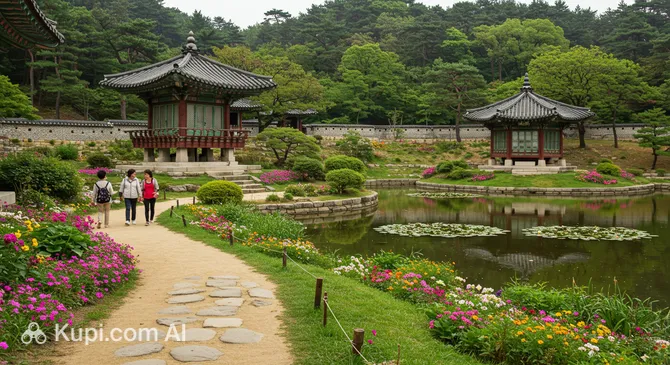
Just across the river, you will find Namgaram Park, a perfect destination for a leisurely stroll. This park is renowned for its lush bamboo groves and well-maintained walking paths that run along the water's edge. It is particularly enchanting in the evening when the lights of the fortress and the pavilion across the water create a dazzling reflection on the river surface, making it a favorite spot for night photography and romantic walks.

Namgaram Park. Source: Kupi.Binoculars

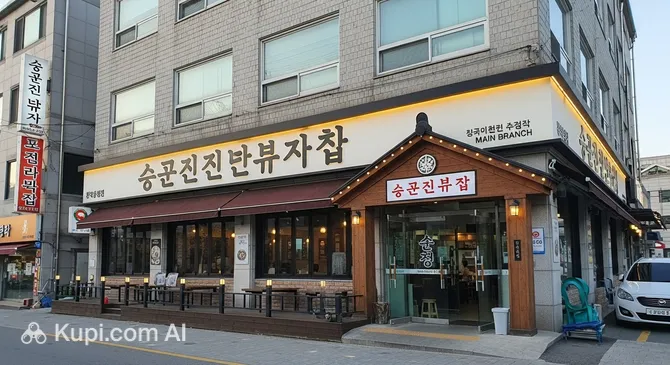
For a taste of the local culture, a visit to Song Giwon Jinju Naengmyeon Main Branch is highly recommended. The city is famous for its unique style of cold buckwheat noodles, which are typically topped with beef pancakes and various garnishes in a rich seafood-based broth. Dining here offers more than just a meal; it provides an authentic culinary experience that highlights the region's distinct flavors and gastronomic traditions.

Song Giwon Jinju Naengmyeon Main Branch. Source: Kupi.Binoculars

If you are in the mood for some retail therapy, Jinju Mall offers a lively atmosphere to explore. This shopping destination allows visitors to browse through a variety of goods, from fashion items to local souvenirs. It is a bustling hub where you can observe the daily life of the locals and find unique mementos to take home from your travels in the city.

Local Cuisine

The culinary landscape of Jinju is deeply rooted in its history as a center of aristocratic culture and tradition. The local cuisine is characterized by its refined presentation and rich flavors, often drawing inspiration from the ritual foods once served in the fortress. For food lovers, the city offers a unique gastronomic journey that distinguishes itself from other regions in Korea, particularly through its signature variations of classic dishes.

One of the most famous local specialties is Jinju Bibimbap, often referred to as "Flower Rice" due to its beautiful arrangement. Unlike the more common versions found elsewhere, this dish typically features seasoned raw beef (yukhoe) and a variety of cooked vegetables placed over rice cooked in beef broth. It is traditionally served in a brass bowl, which helps maintain the temperature and adds a touch of elegance to the meal. The combination of fresh ingredients and the savory depth of the seasoned beef makes it a must-try for any visitor.

Another delicacy unique to the city is Jinju Naengmyeon, a style of cold buckwheat noodles that was historically enjoyed as a night snack by government officials and scholars. What sets it apart is the broth, which is a complex blend of seafood—such as dried shrimp, anchovies, and clams—mixed with beef stock. The dish is generously topped with yukjeon (pan-fried beef pancakes), sliced egg garnish, and vegetables, creating a hearty and refreshing meal that is popular year-round.

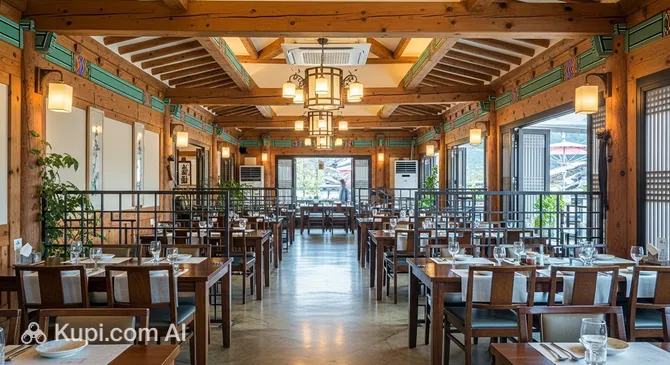
For those seeking a hearty dining experience, the city offers excellent venues to sample these local flavors. Restaurants like Jinju Goguryeo Main Branch provide a welcoming atmosphere where travelers can indulge in high-quality Korean cuisine. Whether you are looking for grilled meats or traditional sides, the local establishments take pride in using fresh, regional ingredients.

Jinju Goguryeo Main Branch. Source: Kupi.Binoculars

Beyond the famous noodle and rice dishes, the banks of the Namgang River are known for grilled eel. This nutritious dish is seasoned with a spicy marinade or simply salted and grilled over charcoal, offering a smoky and tender taste that pairs perfectly with the riverside views. It is considered a stamina food and is a favorite among locals, especially during the summer months.

To complement the meal, visitors often enjoy local alcoholic beverages such as Makgeolli (rice wine) or Soju. The traditional markets in Jinju also offer a vibrant street food scene where you can find sweet treats like Sikhye (sweet rice punch) or steamed buns. Exploring the food alleys and markets gives tourists a chance to eat shoulder-to-shoulder with residents and experience the authentic, bustling energy of Jinju's food culture.

Travel Tips

Visiting Jinju is a delightful experience, blending rich history with scenic river views and a welcoming atmosphere. To help you navigate the city with ease and confidence, we have compiled a list of essential practical tips for your journey.

  1. Clothing and Gear: The weather varies significantly by season, so pack accordingly. Summers are hot and humid, requiring light, breathable fabrics, while winters can be quite cold, making thermal layers and heavy coats necessary. Since you will likely spend time exploring Jinjuseong Fortress and walking along the Namgang River, bring comfortable walking shoes. If you plan to visit traditional sites or temples, modest clothing is appreciated.

  2. Transportation: Unlike Seoul or Busan, Jinju does not have a subway system. The primary mode of public transport is the city bus network, which is reliable and covers most attractions. Taxis are also affordable and easy to find; using the Kakao T app is highly recommended to hail rides without language barriers. Renting a car is generally not necessary unless you plan to explore the surrounding countryside of Korea, Republic Of.

  3. Finances: The local currency is the South Korean Won (KRW). International credit and debit cards are widely accepted in hotels, restaurants, and convenience stores. However, it is wise to carry some cash for street food stalls at the markets or for topping up transport cards. Tipping is not part of the culture and is not expected anywhere.

  4. Health and Safety: Jinju is a very safe city for travelers, even at night. Pharmacies are marked with a "약" (Yak) sign and are easy to find. For medical emergencies, dial 119. If you need general travel assistance or translation help, the 1330 Travel Helpline is available 24/7 and offers support in English.

  5. Communication: While younger locals may speak some English, it is not widely spoken by the older generation or taxi drivers. It is essential to download local navigation apps like Naver Map or KakaoMap, as Google Maps often lacks detail in this region. Translation apps like Papago are extremely useful for reading menus and communicating basic needs. SIM cards can be purchased at major airports upon arrival or at convenience stores.

  6. Local Etiquette: Politeness is key. A slight bow is the standard way to greet people. When handing over money or receiving an item, use two hands (or support your right arm with your left hand) as a sign of respect. Always remember to remove your shoes when entering a Korean home, guesthouse, or traditional floor-seating restaurant.

  7. What to Avoid: Avoid talking loudly on public buses or in quiet cafes, as this is considered rude. Also, never leave your chopsticks sticking vertically into a bowl of rice, as this resembles a funeral ritual and is considered bad luck.

  8. Festival Tip: If your visit coincides with the spectacular Jinju Namgang Yudeung Festival in October, be aware that the city becomes extremely busy. It is crucial to book your accommodation several months in advance, as hotels often sell out completely during the festivities.

Armed with these practical tips, you are ready to fully immerse yourself in the charm and culture of Jinju. We hope your adventure in this historic city is as smooth as it is memorable!

Entertainment & Nightlife

While Jinju is widely celebrated for its historical serenity, the city comes alive after dark with a vibrant and welcoming nightlife scene. Unlike the frenetic energy of Seoul's mega-clubs, the evening entertainment here is more focused on social dining, lively pubs, and scenic experiences. The atmosphere is generally relaxed and friendly, making it easy for travelers to mingle with locals, whether you are looking for a quiet craft beer or a bustling street full of youthful energy.

The epicenter of the city's nightlife is undoubtedly the area surrounding Gyeongsang National University in Gajwa-dong. This district is teeming with university students and features a high concentration of affordable bars, coin karaoke rooms (noraebang), and casual eateries. The vibe here is energetic and casual, with no strict dress codes; jeans and a t-shirt are perfectly acceptable. Visitors can hop between Western-style pubs, Korean hof (beer halls), and arcades that stay open late into the night. It is the best place to experience the modern, youthful spirit of the city.

For a slightly more upscale or mature atmosphere, head to the Pyeonggeo-dong district. Located near the river, this area has developed a reputation for its trendy cafes, izakayas, and wine bars. It is a popular spot for professionals and couples to unwind after work. The streets here are lined with restaurants that transition into drinking venues as the night progresses, offering a sophisticated yet comfortable environment to enjoy premium soju or imported beers.

One of the most unique aspects of nightlife in this city is the stunning illumination of its historical landmarks. A visit to Namgaram Park after sunset is essential. From here, you can enjoy a mesmerizing view of the fortress across the river, which is beautifully lit against the night sky. It is a favorite spot for evening walks, offering a romantic and peaceful alternative to loud bars. The reflection of the lights on the Namgang River creates a magical backdrop that defines the city's evening charm.

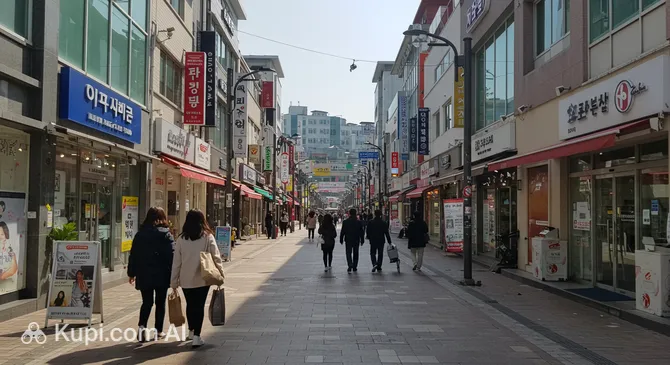
If you prefer to start your evening with some shopping or indoor entertainment, Jinju Mall is a central hub that remains active into the evening. It offers a variety of shops and facilities where you can browse local fashion or catch a late movie before heading out for dinner. It serves as a convenient meeting point and a good transition from daytime sightseeing to nighttime leisure.

Jinju Mall. Source: Kupi.Binoculars

Regarding logistics and safety, the city is extremely safe for night walks, even in less crowded areas. Public transport buses stop running around 10:30 PM or 11:00 PM, so taxis become the primary mode of transport late at night. They are affordable and easy to flag down in major districts like Gajwa-dong or Pyeonggeo-dong. Alternatively, using the Kakao T app is the most reliable way to secure a ride. Prices for drinks and cover charges (where applicable) are significantly lower than in the capital, making a night out here very budget-friendly.

Before the sun sets, the city offers plenty of daytime entertainment to fill your itinerary. Cultural enthusiasts should visit the Jinju National Museum located within the fortress grounds to learn about the Imjin War and local history. For families, the local amusement parks and the zoo near Jinyangho Lake provide fun diversions. Whether exploring history by day or enjoying the riverside breeze with a drink by night, the city offers a balanced mix of activities for every traveler.

Parks & Museums

Jinju is a city where urban life seamlessly blends with lush landscapes and deep-rooted heritage, offering visitors a wealth of green spaces and educational venues. From serene lakesides to institutions preserving centuries of history, the city invites travelers to explore its natural beauty and cultural depth at a relaxed pace.

One of the most beloved natural retreats in the area is Jinyangho Park. Situated around a vast man-made lake formed by the Namgang Dam, this park is a favorite among locals for its panoramic views and tranquil atmosphere. A highlight here is the observatory, which offers a breathtaking vantage point over the water, particularly stunning during sunset when the sky reflects off the lake surface. The park grounds are extensive, featuring walking trails, a small zoo, and an amusement park, making it an ideal destination for families and nature enthusiasts looking to spend a full day outdoors.

For those interested in botany and quiet reflection, the Gyeongsangnam-do Arboretum provides a perfect escape. Located a short drive from the city center, this expansive botanical garden is home to thousands of plant species, including rare trees, wildflowers, and medicinal plants. The arboretum is divided into various themed gardens and includes a forest museum, offering visitors a chance to learn about the regional flora while enjoying a peaceful stroll through beautifully landscaped paths. It is especially picturesque in autumn when the foliage turns vibrant shades of red and gold.

Delving into the region's rich past, the Jinju National Museum stands as a primary cultural institution. Uniquely located within the walls of the fortress, the museum specializes in the history of the Imjin War (1592–1598). Its architecture, designed by the renowned Korean architect Kim Swoo-geun, is a modern interpretation of a traditional wooden tower, harmonizing with the surrounding historical site. Inside, visitors can examine a vast collection of artifacts, including weaponry, documents, and personal items from the 16th century, providing a comprehensive insight into the battles that shaped the nation's history.

Another fascinating venue is the Jinju Bronze Age Museum, located near Jinyangho Lake. This museum is dedicated to the prehistoric era of the region, showcasing relics unearthed from the Namgang River basin. It features both indoor exhibitions and an outdoor park where replicas of Bronze Age dwellings are displayed. It is an educational stop that allows tourists to visualize how ancient people lived, farmed, and built their communities in this fertile river valley thousands of years ago.

The heart of the city's historical landscape is undoubtedly the grounds of Jinjuseong Fortress. While it is a fortification, the area functions as a sprawling historical park where visitors can walk along the stone walls and enjoy views of the river. Dominating this site is the magnificent Chokseongnu Pavilion, a structure celebrated for its architectural beauty and historical significance. Standing on the cliff's edge, it serves as a poignant reminder of the city's resilience and offers one of the most scenic spots to rest and admire the surroundings.

For a truly authentic experience, consider visiting the bamboo forest path at Namgaram Park early in the morning. While it is a popular spot, the early hours offer a misty, ethereal quality that is quite distinct from the evening illumination. Additionally, walking across the floating bridge on the Namgang River during the lantern festival season provides a unique perspective of the city's cultural landmarks from the water level.
Getting Around

Public transport in Jinju is straightforward and efficient, primarily relying on a comprehensive network of city buses. Unlike larger metropolitan areas, the city does not have a subway or tram system, making buses the backbone of daily commuting. The fleet is modern and comfortable, with routes that cover all major districts, including the historic city center, the fortress area, and the newer residential developments. For most tourists, the bus system is more than sufficient to reach key attractions such as Jinjuseong Fortress and the intercity terminals.

The payment system is fully integrated with the national standard, offering great convenience for travelers. The most practical way to pay is by using a rechargeable transportation card, such as T-money or Cashbee. These cards can be purchased and topped up at any major convenience store (like CU, GS25, or 7-Eleven) found throughout the city. Using a card is slightly cheaper than paying with cash and allows for free or discounted transfers between different bus lines if you board the next vehicle within a specific time window, typically 30 minutes.

When using the bus, it is important to tap your card on the sensor both when boarding and when exiting. Tapping off is crucial to ensure you are charged the correct fare and to activate the transfer discount for your next ride. Buses generally operate from early morning, around 5:30 AM, until approximately 10:30 PM or 11:00 PM. Stops are usually announced in English as well as Korean, and many bus shelters feature digital displays showing real-time arrival information, which helps in planning your journey.

For those seeking a more direct or private mode of travel, taxis are readily available and reasonably priced compared to many Western cities. You can easily hail a silver or white sedan on the street, or find them waiting at designated stands near bus terminals and major landmarks. For added convenience, the Kakao T app is widely used to book rides, allowing you to input your destination in advance and avoid potential language barriers with the driver.

Given the city's scenic layout along the Namgang River, cycling is a popular and pleasant alternative for getting around. The city has invested in well-maintained bicycle paths that run parallel to the river, offering a traffic-free route connecting various parks and cultural sites. While not a high-speed public transit option, renting a bike can be a delightful way to explore the area at a leisurely pace, combining transportation with sightseeing.

Accommodation

Accommodation in Jinju caters to a diverse range of travelers, offering everything from modern business hotels to budget-friendly guesthouses. While the city is not characterized by sprawling luxury resorts, it provides plenty of comfortable and clean options that ensure a pleasant stay. Visitors can typically choose between reliable chain hotels, affordable motels, and smaller guesthouses that offer a more personalized experience.

For those who want to be in the heart of the action, the downtown area near Jinjuseong Fortress and the Namgang River is the ideal location. Staying here allows for easy walking access to major historical sites, markets, and the scenic riverbanks. Alternatively, the newly developed Innovation City district offers contemporary facilities and newer buildings, making it a popular choice for business travelers and those preferring modern amenities, even if it requires a short taxi ride to the old city center.

Prices in the city are generally affordable compared to larger metropolitan areas like Seoul or Busan. Budget travelers can find good value in the numerous motels and hostels, while mid-range options provide excellent service without breaking the bank. It is highly recommended to use major online booking platforms to secure your room, as this ensures a smoother check-in process and helps overcome potential language barriers that might arise with direct bookings at smaller establishments.

A critical tip for planning your trip involves the timing of your visit. If you intend to see the famous Jinju Namgang Yudeung Festival in October, you must book your accommodation several months in advance. During this period, hotels and guest rooms across the entire city fill up rapidly, and finding a place to stay at the last minute can be nearly impossible.

Nearby Cities

For those looking to explore the surroundings, Jinju serves as an excellent base for day trips to several interesting nearby locations: Busan, Changwon, and Gimhae.

Busan, the second-largest city in the country, is a vibrant coastal metropolis famous for its stunning beaches, such as Haeundae and Gwangalli. Visitors can explore the bustling Jagalchi Fish Market, hike along scenic coastal trails, or visit the cliffside Haedong Yonggungsa Temple. It offers a lively contrast to the quieter atmosphere of Jinju and is perfect for those seeking ocean views and urban excitement.

For history enthusiasts, Gimhae offers a fascinating journey into the ancient past. As the historic capital of the Gaya Kingdom, the city is home to numerous royal tombs and the National Gimhae Museum. It provides deep insight into a unique period of Korean history that is distinct from the more commonly known dynasties.

Closer to home, Changwon is known for its well-planned urban layout and beautiful parks. It is particularly famous for the Jinhae district, which hosts the country's largest cherry blossom festival in spring. Even outside the festival season, the city offers pleasant green spaces and modern amenities, making it an easy and relaxing day trip option.

City Population Distance (km)
Busan 3,453,198 87
Daegu 2,461,002 83
Changwon 1,046,054 49
Gimhae 550,758 70
Masan 429,612 87

These nearby destinations offer a glimpse into the diverse culture and landscapes of the region.

Shopping & Souvenirs

Shopping in Jinju offers a delightful mix of traditional charm and modern convenience, reflecting the city's rich cultural heritage. While it may not have the massive scale of retail therapy found in the capital, the city provides a curated experience where visitors can find high-quality local specialties alongside contemporary fashion. The city is particularly renowned for its silk industry, making textile shopping a unique highlight of any visit.

For those looking to explore the bustling heart of the city's retail scene, Rodeo Street in the downtown area is the place to be. This pedestrian-friendly district is lined with trendy clothing boutiques, cosmetics shops, and brand-name outlets, attracting a youthful crowd. Beneath the surface, the Underground Shopping Mall near the central bridge offers a labyrinth of stalls selling accessories, apparel, and mobile phone cases at affordable prices, perfect for browsing on a rainy day.

Travelers seeking a more comprehensive shopping experience can visit Jinju Mall. This facility serves as a convenient one-stop destination where you can find a variety of goods ranging from daily necessities to fashion items. Additionally, the city is home to large department stores like the Galleria, situated in the central district, which feature high-end international brands and a polished shopping environment.

To truly understand the local lifestyle, a visit to the Jinju Central Market (Jungang Sijang) is essential. This historic market dates back over a century and is the commercial soul of the city. It is famous for its vibrant atmosphere, fresh produce, and delicious street food. Uniquely, the market houses a specialized section known as "Silk Road" on the second floor, where you can browse an array of vibrant fabrics and traditional garments directly from local producers.

When it comes to souvenirs, Jinju Silk is the undisputed top choice. As one of the world's top five silk-producing cities, the quality of the fabric here is exceptional, known for its soft texture and brilliant colors. Tourists often purchase silk scarves, ties, or even small pouches as elegant and lightweight gifts to take home. Other popular items include traditional handicrafts and local agricultural products like persimmons.

Most shops and malls in the city operate from around 10:00 AM to 9:00 PM or 10:00 PM, although traditional markets tend to open earlier and close by early evening. Payment is hassle-free, with major international credit cards and domestic transport cards being widely accepted in almost all establishments, including many market stalls.

International visitors should also be aware that tax-free shopping is available at major department stores and certified outlets. If you spend over a certain amount (typically 30,000 KRW), you may be eligible for an immediate tax refund or can claim it at the airport upon departure, so remember to keep your receipts and carry your passport.

Reached the end of the page?

That means the route is fully explored