Support

Daegu

About

Welcome to Daegu, a vibrant metropolis that perfectly balances the energy of a modern industrial hub with the serenity of traditional culture. As the fourth-largest city in the Republic of Korea, Daegu offers travelers a unique atmosphere characterized by its friendly locals, bustling markets, and scenic mountain surroundings. Known locally as the "Apple City" for its high-quality fruit and the "Textile City" for its fashion heritage, it serves as a fascinating gateway to the southeastern region of the peninsula.

Geographically, the city sits in a basin surrounded by low mountains, which contributes to its distinct climate. It is famous for having some of the warmest summers in the country, a feature that has earned it the playful nickname "Daefrica." With a population of approximately 2.46 million people, Daegu is a lively urban center where towering skyscrapers stand alongside ancient temples, creating a dynamic environment for exploration.
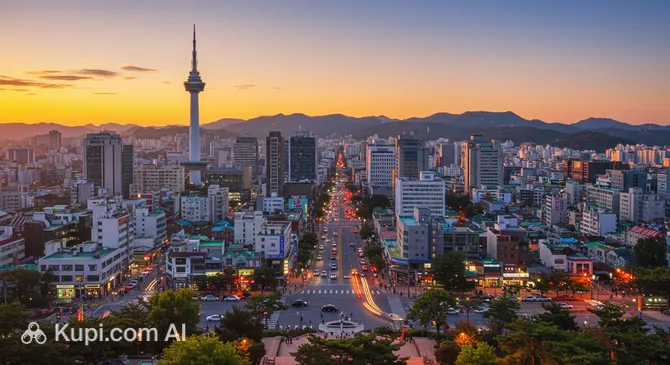
Daegu. Source: Kupi.Binoculars

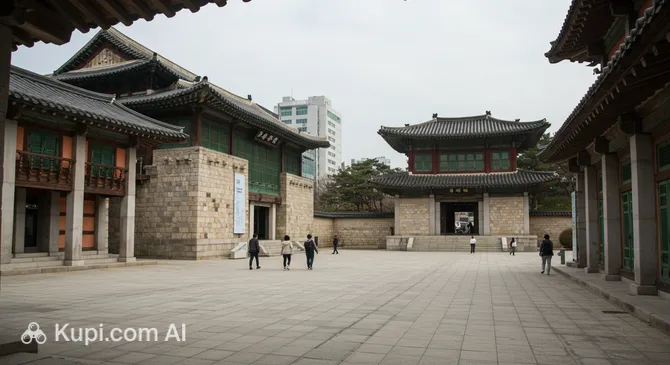
The city has played a pivotal role in the nation's development over the centuries. Visitors interested in the past can delve into the fascinating history of Daegu, which traces its roots from the Silla Kingdom era through the Korean War to its current status as a center for medical tourism and industry. This deep heritage is visible in the city's preserved architecture and long-standing cultural festivals.

Daegu is packed with attractions that cater to diverse interests. Nature lovers should not miss Palgongsan Natural Park, home to the majestic Gatbawi Buddha and beautiful hiking trails that offer respite from city life. For a taste of local flavor, Seomun Market is a must-visit; as one of the largest traditional markets in the country, it transforms into a vibrant night market offering delicious street food. Additionally, Apsan Park provides breathtaking panoramic views of the entire city, accessible via a scenic cable car ride.

Whether you are seeking culinary adventures, historical insights, or outdoor activities, Daegu promises a memorable experience. We invite you to discover the warmth and charm of this dynamic city on your next journey.

Weather Overview

Daegu experiences four distinct seasons, influenced by its basin geography which tends to make the city hotter in the summer and colder in the winter compared to Korea's coastal regions. To help you plan the best time for your visit, it is recommended to check the current weather in Daegu before your departure.

The summer months, particularly July and August, are characterized by high heat and humidity. August is typically the warmest month, with average maximum temperatures reaching 30.1°C. This period also corresponds with the rainy season; travelers should be prepared for frequent showers, as July and August can see up to 16 wet days each. Conversely, winters are cold but very dry. January is usually the coldest time of year, with average lows dipping to -3.8°C, while precipitation remains minimal at around 1mm per month during the peak of winter.

Spring and autumn serve as pleasant transitional periods with moderate temperatures. For instance, May offers a comfortable average of 18.4°C, while October provides a crisp average of 14.9°C, making these excellent times for sightseeing. In general, you can expect hot, humid summers with regular rainfall and cold, dry winters.

Interesting Facts

Beyond the main attractions, Daegu holds many fascinating secrets that surprise even seasoned travelers. From its origins as an industrial pioneer to its unique culinary alleys, the city offers plenty of hidden gems.
  • Daegu is the birthplace of the global giant Samsung, which began as a small trading company named Samsung Sanghoe in 1938. While the original building is gone, the city's spirit of commerce and industry remains a proud part of its heritage.

  • The city is a historic hub for traditional wellness, hosting a specialized herbal market that has been operating for over 350 years. Visitors can explore this aromatic legacy at the Daegu Yangnyeongsi Museum of Oriental Medicine, which offers deep insights into age-old remedies.

  • Daegu is often celebrated as the "Mecca of Fried Chicken" in Korea, with many of the country's most famous chicken franchises originating here. This passion for poultry is celebrated annually at the Chimac (Chicken and Beer) Festival in Duryu Park, drawing enthusiasts from all over.

  • A remarkable environmental success story can be found at the Daegu Arboretum. This lush botanical garden was the first in Korea to be created by transforming a former sanitary landfill into a thriving ecological park.

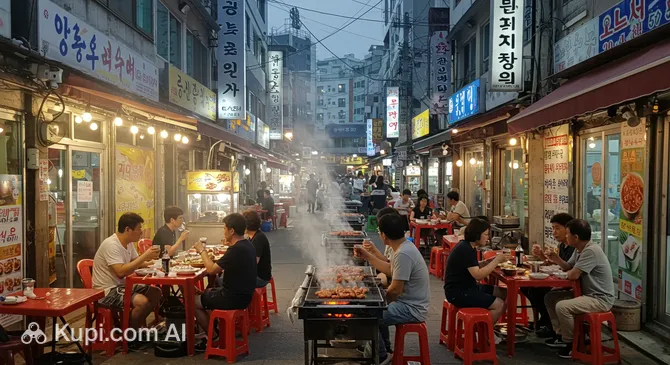
  • For adventurous foodies, Anjirang Gopchang Street offers a one-of-a-kind dining experience. This designated food alley is lined with dozens of restaurants serving seasoned grilled intestines, a beloved local delicacy.

Daegu Yangnyeongsi Museum of Oriental Medicine. Source: Kupi.Binoculars

How to Get There

Reaching this bustling metropolitan hub is convenient thanks to a well-connected network of air and rail transport. Whether you are arriving from overseas or traveling from within Korea, you have several efficient options to choose from. For a comprehensive guide on all available routes and transportation details, you can read more about how to get to Daegu.

The most direct way to fly into the city is via Daegu International Airport (IATA: TAE). Located within the city limits, it is approximately 13.4 km from the city center. This airport handles a significant volume of regional and international flights, making it a convenient entry point. A taxi or bus ride from the airport to the downtown area typically takes around 40 minutes, depending on traffic conditions.

Another major option for travelers is Gimhae International Airport (IATA: PUS), located in the neighboring city of Busan. Although it is about 83.5 km away from Daegu, it serves as a larger international hub with more frequent long-haul connections. Travelers arriving here can expect a travel time of approximately 2.5 hours by road to reach Daegu. Excellent intercity bus and train connections also link Busan's airport to Daegu, providing a reliable alternative for international arrivals.

For clarity, here is a summary of the main airports:

Airport Name City Passenger Traffic Km from City
Gimhae International Airport Busan High 83.5
Cheongju Airport Cheongju Medium 132.9
Daegu International Airport Daegu Medium 13.4
Ulsan Airport Ulsan Low 80.4
Sacheon Airport Jinju Low 93.9

If you prefer traveling by train, Daegu is a major node on the Korean high-speed railway network. The city is primarily served by Dongdaegu Station (IATA: XDK), which is one of the busiest and most significant stations in the country. Located just 10.3 km from the city center, it welcomes millions of passengers annually, including those on the high-speed KTX lines. From the station, getting to the heart of the city is quick and easy, taking approximately 35 minutes by taxi or local transit.

Here is an overview of the railway stations serving the region:

Station City Passenger Traffic Km to Center
Dongdaegu Station Daegu Very High 10.3
Daejeon Station Daejeon High 116.3
Gwangju Songjeong Station Gwangju Medium 175.7
Jinju Station Jinju 85.8
Yeosu Expo Station Yeosu 140.5

Main Attractions

Daegu offers a diverse array of sights, ranging from modern architectural marvels to streets steeped in artistic heritage. Whether you are looking for panoramic city views, cultural immersion, or a deep dive into local history, the city's main attractions provide something for every traveler.

One of the most recognizable landmarks in the city is the 83 Tower. Rising high above the skyline, this tower serves as a symbol of Daegu and offers breathtaking panoramic views of the entire cityscape. Visitors can take an elevator to the observation deck to see the urban sprawl juxtaposed against the surrounding mountains, or enjoy a meal at the rotating restaurant. It is particularly stunning at night when the city lights create a mesmerizing backdrop.

83 Tower. Source: Kupi.Binoculars

For those interested in arts and music, Kim Gwangseok Street is a culturally rich destination that pays tribute to one of Korea's most beloved folk singers. This vibrant mural alley is lined with artistic depictions of the late singer, statues, and lyrics from his songs painted on the walls. The street is filled with the sound of his music, quaint cafes, and small shops, creating a nostalgic and romantic atmosphere that draws fans and photographers alike.

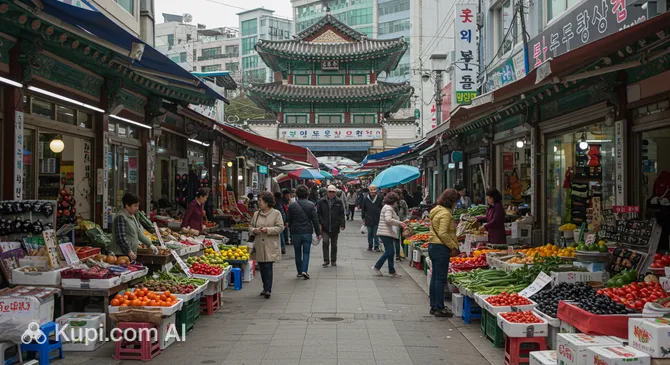
History and commerce come together at Seomun Market, one of the three largest traditional markets in the country dating back to the Joseon Dynasty. While it is famous for its high-quality textiles and fabrics, it is also a paradise for food lovers. The market comes alive with vendors selling local specialties such as flat dumplings and kalguksu (knife-cut noodles). In the evenings, the night market offers a bustling culinary adventure with an endless variety of street food options.

A striking example of modern design is The ARC, a cultural center dedicated to the four major rivers of Korea. Its futuristic, bowl-shaped architecture stands out against the natural landscape near the Nakdonggang River. Inside, visitors can explore interactive exhibits about water and nature, while the rooftop offers a breezy open space. The structure is especially beautiful after sunset when it is illuminated by colorful LED lights, making it a popular spot for evening walks.

Local Cuisine

Daegu is a true paradise for food lovers, particularly those who appreciate bold, spicy flavors. The city’s cuisine is distinct within Korea, often characterized by its fiery seasoning which locals believe helps combat the sweltering summer heat. Known for the "Daegu Ten Flavors," the local culinary scene offers unique dishes and dining experiences that you simply cannot find elsewhere in the country.

One of the most famous local specialties is Makchang (grilled beef abomasum). Unlike other regions where intestines are often used in stews, here they are grilled over charcoal to a chewy, savory perfection and dipped in a special soybean paste sauce rich with garlic and chilies. The best place to experience this authentic atmosphere is Anjirang Gopchang Street, a dedicated alley lined with dozens of restaurants serving this delicacy late into the night. The smell of grilling meat and the lively chatter of locals create an unforgettable dining environment.

Anjirang Gopchang Street. Source: Kupi.Binoculars

Another must-try dish is Dongin-dong Jjim-galbi, or spicy braised short ribs. These ribs are cooked in a mixture of crushed garlic and red pepper powder and are traditionally served in battered nickel-silver bowls that conduct heat rapidly. For those with an adventurous palate, Mungtigi (raw beef) is a premium local favorite. It consists of fresh, raw beef sliced into chunks and served immediately without seasoning, accompanied by a dipping sauce made of sesame oil, garlic, and red pepper.

Street food culture is deeply ingrained in the city's daily life. While Seomun Market is famous for its Napjak Mandu (flat dumplings filled with glass noodles and vegetables), Chilseong Market offers a different vibe, especially popular for fresh seafood and eel dishes. These markets are bustling hubs where you can sample a variety of snacks, from spicy rice cakes to savory pancakes, all at affordable prices.

When it comes to drinks, Daegu has a surprisingly robust coffee culture, boasting the highest number of coffee shops per capita in the country. The city is home to numerous independent roasteries and hosts an annual coffee fair. For alcoholic beverages, the spicy local food pairs perfectly with Soju, a clear distilled spirit. If you are looking for a unique place to enjoy a cocktail or a drink in a distinct setting, you might visit Navilera Dongseongro, a popular spot that reflects the city's vibrant nightlife.

Travel Tips

To ensure your visit to Daegu is as smooth and enjoyable as possible, it is helpful to know a few local insights before you arrive. Whether you are here for the vibrant festivals or the historic temples, these practical tips will help you navigate the city with ease and confidence.

  1. Clothing and Gear: Daegu is known for its extreme weather contrasts. If you visit in summer, bring lightweight, breathable clothing and sun protection, as the city is famous for being the hottest in the country. For winter trips, thermal layers and a heavy coat are essential to combat the dry cold. Since the city is surrounded by mountains like Palgongsan, packing a pair of sturdy, comfortable walking shoes is highly recommended for hiking or exploring steep urban areas.
  2. Transportation: The most efficient way to get around is the Daegu Metro, which consists of three lines. Do not miss a ride on Line 3, a monorail (Sky Rail) that offers fantastic city views while you travel. Buses are also extensive and reliable. To pay for public transport, purchase a reloadable transit card like T-money or Cashbee at any convenience store; these can be used in taxis and subways nationwide.
  3. Finances: The local currency is the South Korean Won (KRW). While credit and debit cards are widely accepted in most restaurants, cafes, and shops, it is crucial to carry cash if you plan to visit traditional spots like Seomun Market or buy street food. ATMs are easy to find, but check for the "Global" sign to ensure they accept international cards. Tipping is not part of the culture and is not expected anywhere.
  4. Health and Safety: Daegu is a very safe city for travelers, even at night. Pharmacies are marked with a "약" sign and are plentiful; however, they may close early, so keep basic supplies handy. If you visit in spring, be aware of the "yellow dust" air quality; wearing a mask on hazy days is a common and recommended practice.
  5. Communication: While younger locals may speak some English, it is not universally spoken, especially by the older generation or taxi drivers. It is highly advisable to download local apps like Naver Map or KakaoMap for navigation, as Google Maps functions are limited in Korea. The translation app Papago is also an invaluable tool for reading menus and communicating with locals.
  6. Local Etiquette: Politeness is paramount. When greeting someone, a slight bow is the standard gesture. When handing over cash, a card, or a gift, always use two hands (or support your right arm with your left hand) as a sign of respect. Additionally, remember to remove your shoes when entering a Korean home, temple, or certain traditional restaurants with floor seating.
  7. What to Avoid: Avoid sitting in the designated priority seats on the subway and buses, even if they are empty, as these are strictly reserved for the elderly, pregnant women, and those with disabilities. Also, refrain from talking loudly on public transport, as it is considered rude and disruptive to others.
  8. Additional Tip: Take advantage of Daegu's reputation as a coffee city. The Dongseong-ro area is packed with unique, independent cafes that stay open late. If you are looking for a break from sightseeing, spending an evening café-hopping is a quintessential local experience.

By keeping these tips in mind, you will be well-prepared to embrace the unique rhythm of life in Daegu. The city's warm hospitality and efficient infrastructure make it a delight to explore, ensuring your journey is memorable for all the right reasons.

Entertainment & Nightlife

When the sun sets, Daegu transforms into a bustling hub of energy and excitement. The city's nightlife is vibrant and diverse, catering to everyone from energetic club-goers to those seeking a relaxed evening with friends. The epicenter of this nocturnal activity is undoubtedly the Dongseong-ro district. Often compared to Seoul’s Myeongdong, this area is a maze of neon lights, pumping music, and endless entertainment options. Here, you will find "Club Alley," a specific section packed with dance clubs and lounges where local youths and travelers mingle until the early hours of the morning.

For those looking to experience the local bar scene with a welcoming, international vibe, Hello Foreign Pocha is a fantastic choice. "Pocha" is short for "Pojangmacha" (tent wagon), but modern versions like this offer a comfortable indoor setting with the same social atmosphere. It is a great place to enjoy affordable drinks, play social games, and meet people from diverse backgrounds. The dress code in most of these venues is smart casual; while some high-end clubs may require dress shoes, most bars are relaxed and accepting.

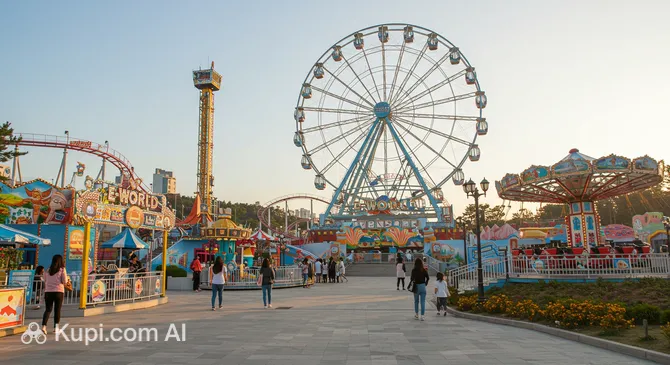
A truly unique feature of Daegu’s downtown skyline is Spark Land. Located on the rooftop of a shopping mall in Dongseong-ro, this amusement park offers a different kind of evening entertainment. Its iconic Ferris wheel illuminates the night sky and provides riders with stunning views of the glittering city below. It is a romantic and fun spot for couples and families alike, proving that theme park rides aren't just for the daytime.

Spark Land. Source: Kupi.Binoculars

Practicality and safety are key advantages of a night out in Daegu. The city is incredibly safe, and walking between venues in major districts like Dongseong-ro is common and secure. Public transport runs until around midnight, but taxis are plentiful and affordable for late-night returns. It is highly recommended to use the Kakao T app to call a taxi if you are not near a main road, although flagging one down in busy areas is usually easy. Prices for drinks and cover charges are generally lower than in the capital, making for a wallet-friendly night out.

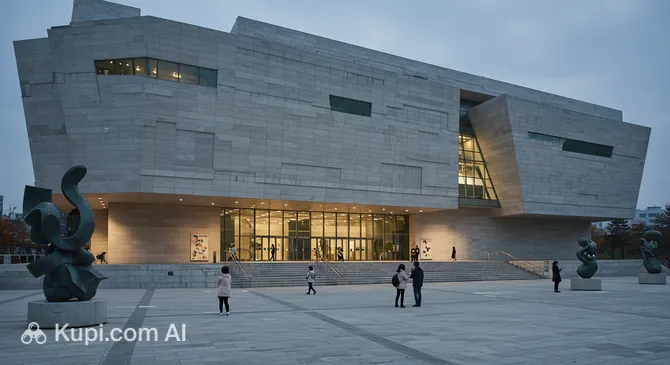
Before the evening festivities begin, Daegu offers a wealth of daytime entertainment. Culture enthusiasts can explore the Daegu Art Museum, which showcases impressive contemporary works in a spacious, modern setting. For thrill-seekers, E-World is a premier theme park built around the 83 Tower. It features exciting roller coasters, beautiful European-style gardens, and seasonal festivals that keep the atmosphere lively throughout the year.

E-World. Source: Kupi.Binoculars

Parks & Museums

Daegu is a city where urban energy meets serene landscapes and deep-rooted heritage. Beyond its bustling markets and modern shopping districts, the city offers a wealth of green spaces and cultural institutions that allow visitors to step back in time or simply relax in nature. From ancient earthen fortresses to immersive modern history museums, there is plenty to explore.

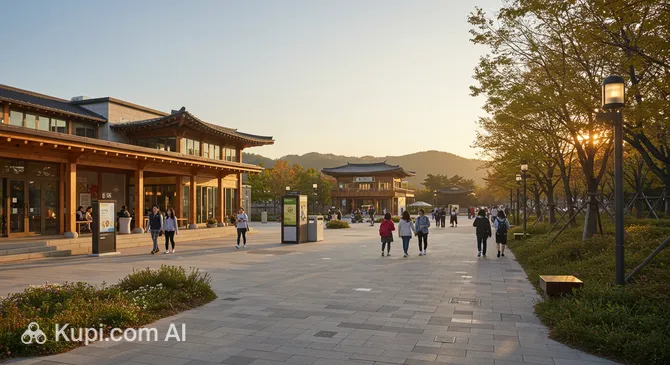
For a perfect blend of history and leisure, Dalseong Park is a favorite among locals. Built upon the site of an ancient earthen fortress dating back to the Proto-Three Kingdoms period, it is the oldest park in Daegu. Visitors can walk along the grassy fortress walls for a unique view of the city or stroll through the grounds, which also house a small zoo featuring animals like elephants and zebras. It is a peaceful spot for a morning walk, offering a quiet escape right in the city center.

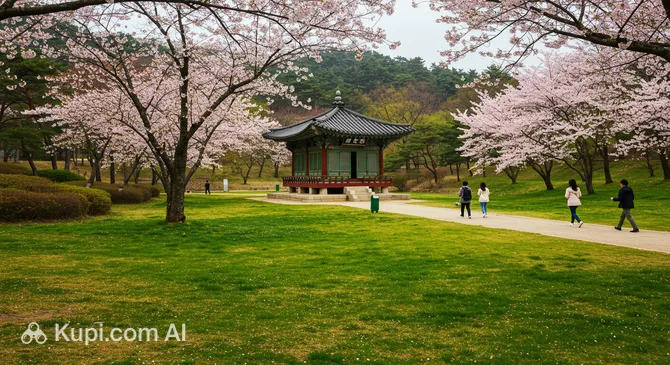
Nature enthusiasts seeking a retreat near the water should visit the Hwawon Natural Recreation Forest. Located at the confluence of the Nakdonggang and Geumhogang rivers, this area provides scenic walking trails and observation decks with sweeping river views. In spring, the riverside is painted pink with cherry blossoms, while autumn brings a stunning display of colorful foliage. It is an ideal location for a picnic or a light hike to enjoy the fresh air away from the downtown crowds.

Dalseong Park. Source: Kupi.Binoculars

To understand the rich cultural tapestry of the region, a visit to the Daegu National Museum is essential. The museum houses a vast collection of artifacts ranging from the prehistoric era to the Joseon Dynasty, with a special focus on the Silla Kingdom and the distinct Confucian culture of the Gyeongsangbuk-do province. The exhibits include exquisite Buddhist statues, ceramics, and traditional clothing, providing a comprehensive overview of the area's archaeological and artistic history.

For a more nostalgic experience, the Hyangchon Cultural Center offers a fascinating glimpse into the city's modern past. Located in a former bank building, this museum recreates the streets of Daegu during the 1950s and 60s, a time when the city was a refuge for many artists and writers during the Korean War. Visitors can dress up in school uniforms from the era and walk through realistic sets of old tea houses, music halls, and marketplaces, making history feel tangible and alive.

Hyangchon Cultural Center. Source: Kupi.Binoculars

Daegu is also home to remarkable historical sites that define its landscape. Bullo-dong Ancient Tomb Park is a visually striking area featuring over 200 large burial mounds from the Three Kingdoms period. Walking among these grassy hills, which turn golden in the sunset, offers a surreal and contemplative experience unlike anywhere else in the city. Nearby, Cheongna Hill serves as the cradle of modern Christianity in Daegu. This area is famous for its early 20th-century missionary houses built in a Western architectural style and the "90 Steps" that played a significant role in the March 1st Independence Movement.

For an authentic insider experience, take a quiet trip to the Nampyeong Moon Clan Village. This traditional village features beautiful stone walls and hanok structures that have been preserved for centuries, offering a tranquil atmosphere perfect for photographers and those looking to see the rustic side of Korean heritage.

Getting Around

Navigating Daegu is remarkably convenient thanks to its modern and well-integrated public transportation network. The city boasts a comprehensive system that combines a subway, an extensive bus fleet, and user-friendly taxi services, making it easy for travelers to reach both bustling downtown districts and quieter outskirts.

The backbone of the city's transit is the Daegu Metropolitan Subway, which consists of three lines. Lines 1 and 2 are traditional underground trains that intersect at Banwoldang Station in the city center, covering the main east-west and north-south axes. The standout feature, however, is Line 3, also known as the "Sky Rail." This elevated monorail offers a unique travel experience, gliding above the streets and providing passengers with scenic, panoramic views of the cityscape and the passing river. It is not just a mode of transport but a sightseeing opportunity in itself.

For destinations not covered by the subway, the city bus system fills the gaps effectively. Buses are color-coded to help you identify their routes: red buses are express services that make fewer stops and cover longer distances, while blue and green buses serve main lines and branch routes connecting residential areas to transit hubs. Bus stops are generally equipped with digital displays showing real-time arrival information, often with English translations.

The most practical way to pay for fares is by using a rechargeable transportation card, such as T-money or Cashbee. These cards can be purchased and topped up at any major convenience store (like CU, GS25, or 7-Eleven) or at ticket vending machines inside subway stations. Using a card is slightly cheaper than paying with cash and, more importantly, allows for free transfers between the subway and buses within 30 minutes of alighting. Remember to tap your card on the sensor both when boarding and when exiting to ensure the transfer discount is applied.

If you prefer a more direct route, taxis are plentiful and relatively affordable. You can hail them on the street—look for a red LED sign in the window indicating the car is empty—or find them at designated stands near major stations. For greater convenience, the Kakao T app is widely used to book rides without needing to speak the language; it allows you to set your pick-up and drop-off points and pay via the app or directly to the driver.

Public transport typically operates from approximately 5:30 AM until midnight. If you are exploring late into the night, be prepared to take a taxi, as subway and bus services stop running. For tourists wanting a hassle-free overview of the major attractions, the Daegu City Tour Bus is an excellent alternative. It operates on a hop-on, hop-off basis, taking visitors directly to key landmarks like Seomun Market and Apsan Park without the need to navigate complex transfer routes.

Accommodation

Accommodation:

Finding the perfect place to stay in Daegu is relatively easy, as the city offers a wide spectrum of accommodation options to suit every budget and travel style. Whether you are looking for luxurious modern hotels, efficient business stays, or traditional Korean guesthouses, the city is well-equipped to host its visitors. The hospitality standards are generally high, ensuring a comfortable experience regardless of where you choose to rest.

For most travelers, the most convenient area to base yourself is near Dongseong-ro in the city center. Staying here puts you within walking distance of the best shopping streets, nightlife, and major subway lines. Alternatively, the area around Dongdaegu Station is an excellent choice for those prioritizing connectivity. As the main transport hub for high-speed trains and intercity buses, this district is populated with numerous modern business hotels, making it ideal for travelers planning day trips to nearby regions.

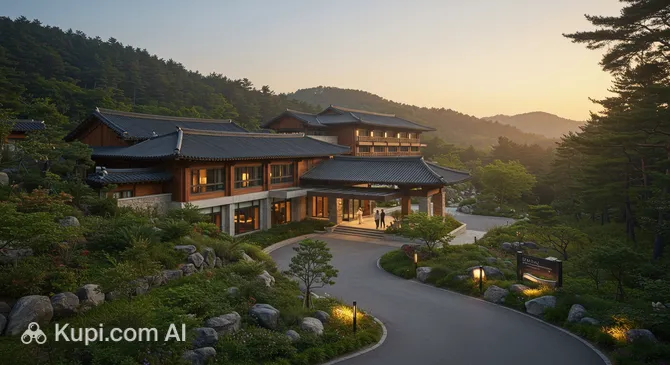
If you are seeking a more leisure-oriented experience or a family-friendly retreat, you might consider staying at a resort-style facility. For instance, Spa Valley offers a unique combination of accommodation and wellness. It is well-known for its extensive water park and hot spring facilities, allowing guests to relax and rejuvenate after a long day of sightseeing. Such resorts are often located slightly away from the bustling downtown core, providing a quieter atmosphere surrounded by nature.

Spa Valley. Source: Kupi.Binoculars

The price range for accommodation in Daegu is generally reasonable compared to the capital. Budget travelers can find clean hostels and guesthouses for approximately $20 to $50 per night. Mid-range hotels, which often include business amenities, typically range from $60 to $120. Luxury options are available for those willing to spend upwards of $150 per night. Booking is easily done through major international online platforms, though it is worth noting that some smaller traditional guesthouses (Hanoks) might require direct inquiries or use local booking sites.

Booking Tip: While Daegu usually has plenty of availability, rooms can fill up quickly during peak seasons, such as the cherry blossom period in spring or the famous Chimac (Chicken and Beer) Festival in summer. It is highly recommended to book your accommodation at least a month in advance if you plan to visit during these popular times to secure the best rates and locations.

Nearby Cities

For those looking to explore the surroundings, Daegu serves as an excellent base for day trips to several interesting nearby locations:

City Population Distance (km)
Ulsan 1,166,033 81
Changwon 1,046,054 68
Gimhae 550,758 76
Pohang 520,305 78
Masan 429,612 68

Travelers seeking a breath of fresh ocean air should consider a trip to Pohang. Located on the eastern coast, it is famous for the Homigot Sunrise Square, home to the iconic "Hand of Harmony" sculpture rising from the sea. Beyond its scenic coastal views, Pohang offers a lively atmosphere at the Jukdo Market, where visitors can enjoy some of the freshest seafood and snow crab in the region.

For history enthusiasts, Gimhae provides a fascinating journey into the ancient past. As the historic capital of the Gaya Confederacy, the city is dotted with royal tombs and museums that tell the story of a kingdom that flourished alongside Silla. Key sites include the Tomb of King Suro and the Gimhae National Museum, making it a culturally enriching destination just a short distance away.

Another worthwhile destination is Ulsan, known as an industrial powerhouse that surprisingly boasts incredible natural landscapes. Visitors can explore the Taehwagang National Garden, a massive eco-park featuring bamboo forests and seasonal flower gardens, or visit Daewangam Park for its rugged seaside rock formations and pine forests.

These nearby destinations offer a glimpse into the diverse culture and landscapes of the region.

Shopping & Souvenirs

Shopping:

Shopping in Daegu is a vibrant experience that reflects the city's reputation as a center for fashion and textiles. Known historically as the "Textile City," Daegu offers everything from high-quality fabrics and custom-made clothing to the latest trends in cosmetics and streetwear. Whether you are navigating the energetic downtown streets or exploring sprawling traditional marketplaces, the city provides a diverse range of retail therapy options to suit every budget and taste.

The heartbeat of the city's shopping scene is undoubtedly Dongseong-ro. Often compared to Seoul's Myeongdong, this massive downtown district is a pedestrian-friendly labyrinth of alleys packed with brand-name clothing stores, trendy boutiques, and cosmetic shops. It is the perfect place to soak up the youthful energy of the city, with music pumping from storefronts and street performers entertaining the crowds. Underneath the streets, the expansive underground shopping centers at Banwoldang and Jungangno offer hundreds of small stalls selling affordable clothes, accessories, and phone cases, making them a favorite among bargain hunters.

For those who prefer a more structured shopping environment with international brands, the city boasts several impressive complexes. Esiapolis Outlets is a unique lifestyle center located in the northeastern part of the city. It combines shopping with entertainment and culture, featuring a wide array of fashion brands in an open-air setting that feels like a small village. Another notable destination is Outlet Mall Daegu, where visitors can find discounted goods from well-known labels, making it a great spot for value-conscious travelers.

No shopping trip to Daegu is complete without visiting its traditional markets. Seomun Market is the largest and most famous in the region, dating back to the Joseon Dynasty. While it is renowned for its delicious street food, it is primarily a massive hub for textiles. Visitors can explore thousands of stalls selling silk, satin, linen, and cotton. It is the best place to buy high-quality bedding, fabric by the yard, or even a custom-made Hanbok (traditional Korean dress) at a reasonable price.

Seomun Market. Source: Kupi.Binoculars

When it comes to souvenirs, Daegu has several distinct specialties. Given its textile heritage, buying high-quality fabrics or summer blankets is a popular choice. The city is also famous for its oriental medicine industry; the area around the Daegu Yangnyeongsi Museum of Oriental Medicine is filled with shops selling herbal remedies, ginseng, and aromatic teas that make for unique and healthy gifts. Additionally, as the "Apple City," apple-infused products like juices, jams, and pastries are delightful local treats to bring home.

Most major department stores and shops in shopping districts are open from around 10:30 AM to 8:00 PM, with some staying open later on weekends. Traditional markets tend to open earlier but start closing down by early evening, although night markets operate well into the night. Credit cards are widely accepted almost everywhere, including taxis and convenience stores. However, it is advisable to carry cash when shopping at traditional markets or underground stalls to negotiate better prices or for small purchases.

Tourists should also take advantage of the Tax-Free shopping system available at major department stores and designated outlets. Look for the "Tax Free" or "Tax Refund" signage at the entrance or cashier. If you spend over a certain amount (usually 30,000 KRW), you can receive a refund voucher to claim your tax back at the airport or designated refund kiosks in the city, provided you have your passport with you.

Reached the end of the page?

That means the route is fully explored