Support

Yangyang

About

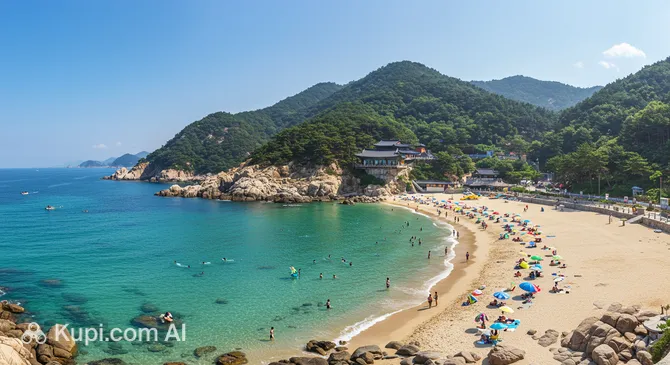
Yangyang is a scenic destination located in **Gangwon Province**, offering a stunning combination of mountainous landscapes and pristine coastal beauty. As a premier getaway in the Republic of Korea, this county is cherished for its fresh air, clear waters, and relaxed atmosphere. It serves as a major transportation hub with its own international airport, making it an accessible gateway to the majestic Seoraksan National Park.

Home to a population of approximately **25,000 residents**, Yangyang provides a peaceful escape from the busy metropolis. Despite its modest size, the area is rich in heritage and local culture. Those interested in the past can delve into the deep history of Yangyang, which is beautifully preserved in its historic sites, ancient temples, and enduring traditions.

Yangyang. Source: Kupi.Binoculars

In recent years, the city has gained fame as the country's **surfing capital**, with spots like **Surfyy Beach** attracting wave riders and young travelers seeking a vibrant beach culture. For a more spiritual experience, the cliffside **Naksansa Temple** offers iconic views of the East Sea and a chance to see the impressive Haesugwaneumsang statue. The region is also renowned for its premium pine mushrooms (songi), which are celebrated for their quality and flavor.

With its unique mix of energetic surf vibes and serene natural wonders, Yangyang is a must-visit destination for any traveler. Whether you are looking to catch a wave, hike through scenic trails, or simply relax by the ocean, this charming coastal city promises an unforgettable experience.

Weather Overview

Travelers planning a visit should be prepared for distinct seasonal variations, as the weather in Yangyang shifts significantly throughout the year. The climate is generally temperate, characterized by four clear seasons that offer different experiences for outdoor activities, from surfing in the summer to winter hiking.

The summer months of July and August are the warmest, with average temperatures rising to approximately 23.7°C and daily highs reaching around 26.3°C. This period also sees the highest frequency of rainfall, with August experiencing up to 18 wet days. Conversely, the winter season from December to February is much colder and drier. January is typically the coldest month, with average temperatures dropping to -2.6°C and minimums falling as low as -6.5°C. Spring and autumn serve as pleasant transition periods, with May and October offering moderate averages between 12°C and 15°C. Expect warm summers with frequent rain and cold, dry winters.

Interesting Facts

Beyond the main attractions, Yangyang holds many fascinating secrets that reveal its deep connection to nature and local heritage. From river ecosystems to forest treasures, there is much more to this coastal county than just its famous waves.
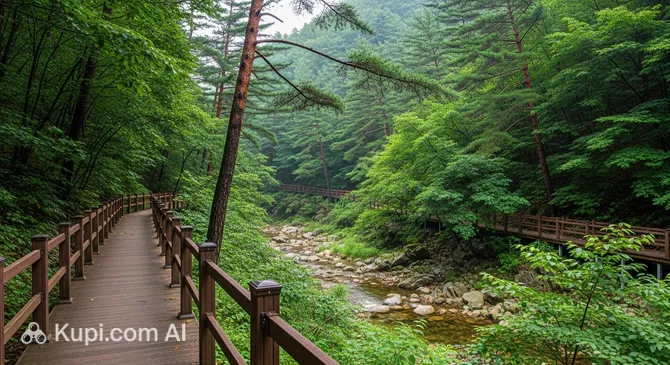
Songi Valley Natural Recreation Forest. Source: Kupi.Binoculars
  • Yangyang is home to the Namdaecheon Stream, which is celebrated as the "Mother River of Salmon" in Korea. Approximately 70% of the country's salmon return to this specific waterway every autumn to spawn after a long journey from the North Pacific, a phenomenon honored by an annual local festival.

  • The region is the most famous producer of songi, or pine mushrooms, in the entire country. These mushrooms are so prized for their aroma and quality that they grow naturally in the pine forests here; visitors can even explore the Pine Mushroom Village to learn about this expensive delicacy and sample local dishes.

  • For decades, large sections of Yangyang's coastline were restricted areas with limited public access. This isolation had the unintended positive effect of preserving the beaches in a nearly pristine, undeveloped state, which laid the foundation for the stunning natural scenery that surfers and campers enjoy today.

How to Get There

Reaching the scenic coast of Yangyang is an adventure that often begins at one of Korea's major transportation hubs. While the county has its own local airport, most international visitors arrive via the capital region. Incheon International Airport (ICN) is the primary gateway, located in Seoul approximately 203 km from Yangyang. The journey from here to the East Coast typically takes about 3 to 4 hours by road. Another significant option is Gimpo International Airport (GMP), also situated in Seoul roughly 170 km away, which offers numerous connections. For a complete guide on the best routes and transfer options, you can read more about how to get to Yangyang.

For clarity, here is a summary of the main airports in the wider region:

Airport Name City Passenger Traffic Km from City
Incheon International Airport Seoul Very High 203.2
Gimpo International Airport Seoul High 169.6
Cheongju Airport Cheongju Medium 180.6
Daegu International Airport Daegu Medium 242.4
Ulsan Airport Ulsan Low 283.5

Travelers preferring rail should note that Yangyang does not have a high-speed KTX station directly within the city limits. The closest major hub listed is Gwangmyeong Station in Gwangmyeong, located approximately 169 km away. Visitors arriving here usually transfer to an intercity bus or rent a car to complete the scenic drive across the mountains to the coast.

Below is a list of significant railway stations in the surrounding provinces:

Station City Passenger Traffic Km to Center
Dongdaegu Station Daegu High 244.0
Daejeon Station Daejeon High 220.8
Gwangmyeong Station Gwangmyeong High 169.4

Main Attractions

Yangyang is a treasure trove of natural wonders and cultural landmarks, offering visitors a perfect blend of mountains, sea, and local heritage. From ancient temples perched on cliffs to serene forests dedicated to the region's most prized delicacies, the city's attractions provide a diverse range of experiences for every type of traveler. Here are some of the must-visit spots in the area.

One of the most iconic destinations in the region is Naksansa Temple. With a history spanning over 1,300 years, this magnificent temple complex is unique for its location on a seaside cliff, offering breathtaking views of the East Sea. Visitors can admire the towering Haesugwaneumsang (Goddess of Mercy statue), stroll along the peaceful dream-fulfillment path, and watch the sunrise from the Uisangdae Pavilion. It is a place of spiritual solace and immense scenic beauty that defines the landscape of Yangyang.

For those looking to immerse themselves in the region's lush ecology, the Songi Valley Natural Recreation Forest is an exceptional choice. This eco-tourism destination is centered around the natural habitat of the pine mushroom (songi), Yangyang's most famous local product. The forest offers beautifully maintained walking trails, a museum dedicated to the mushrooms, and opportunities to experience the clean, refreshing air of the pine woods. It is an ideal spot for families and nature lovers seeking a quiet retreat.

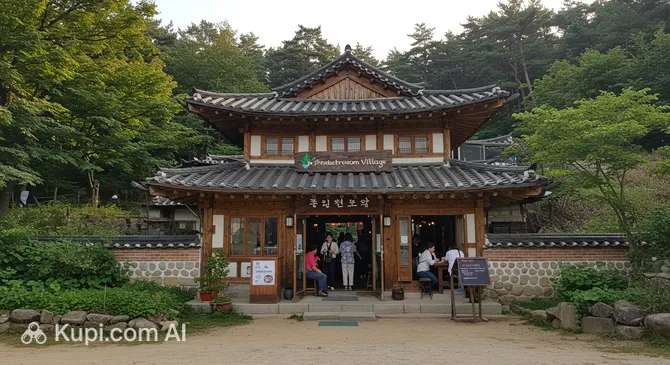
No trip to Yangyang is complete without exploring its culinary landscape, which is deeply tied to its natural resources. The Pine Mushroom Village is a specialized area where visitors can taste dishes made with premium pine mushrooms. Known for their distinct earthy aroma and health benefits, these mushrooms are the star ingredient in various local recipes, ranging from savory stews to grilled dishes. It is a fantastic place to experience the authentic flavors of Gangwon Province.

Pine Mushroom Village. Source: Kupi.Binoculars

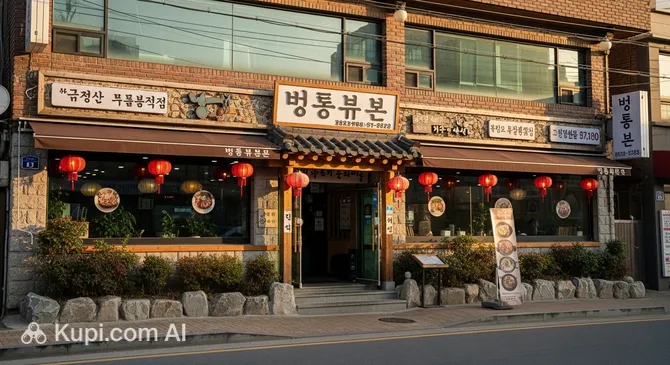
Another highlight for food enthusiasts is the chance to try authentic buckwheat noodles, a staple of the region. Beombu Buckwheat Noodles is a renowned spot that attracts both locals and tourists. The dish, known as makguksu, features buckwheat noodles served in a chilled broth or mixed with a spicy sauce, offering a refreshing taste that perfectly complements the coastal atmosphere. Visiting this establishment provides a delicious insight into the simple yet flavorful dietary traditions of the area.

Beombu Buckwheat Noodles. Source: Kupi.Binoculars

Finally, for a scenic coastal view, Hajodae offers a dramatic landscape of rocky cliffs and gnarled pine trees. This pavilion and its surrounding beach are famous for their rugged beauty and the picturesque unmanned white lighthouse nearby. It is a favorite spot for photographers and couples, especially praised for its stunning sunrise views that illuminate the rock formations jutting out of the deep blue water.

Local Cuisine

The culinary landscape of Yangyang is a delightful reflection of its geography, harmoniously blending fresh treasures from the East Sea with earthy bounties from the surrounding mountains. Visitors will find that the local food scene is defined by fresh ingredients and robust natural flavors, ranging from premium delicacies to rustic, comforting noodle dishes.

The region is most famous for its pine mushrooms, known locally as songi. Yangyang produces the highest quality pine mushrooms in Korea, prized for their intense aroma and chewy texture. These mushrooms are often enjoyed grilled or in savory hot pot dishes to preserve their natural taste. Travelers eager to experience this delicacy should visit the Pine Mushroom Village, a dedicated culinary hub where numerous restaurants specialize in varied mushroom recipes, offering a true taste of the local terroir.

Another staple of the Gangwon province found here is makguksu, or buckwheat noodles. Unlike the refined noodles found in the capital, the local style is often rougher and more textured, served in a chilled broth or mixed with a spicy red pepper paste. It is a refreshing meal, particularly popular during the warmer months. For an authentic bowl, Beombu Buckwheat Noodles is a well-regarded establishment where you can savor the nutty flavor of pure buckwheat in a traditional setting.

Given its coastal location, seafood is abundant and exceptionally fresh. The ports are lined with restaurants serving hoe (raw fish sashimi) and spicy fish stews known as maeuntang. Additionally, the Namdaecheon Stream is famous for its returning salmon, making seasonal salmon dishes a unique highlight during the autumn months. For drinks, visitors should try the local corn makgeolli (rice wine), which is sweet, creamy, and pairs perfectly with the savory local pancakes. Recently, the rising surf culture has also introduced a wave of trendy cafes and craft beer pubs near the beaches, offering a modern contrast to the traditional food markets.

Travel Tips

Welcome to Yangyang, a destination where laid-back surf vibes meet traditional Korean culture and rugged mountain scenery. To help you make the most of your trip to this unique corner of the Republic of Korea, here are some practical tips to ensure a smooth and enjoyable adventure.

  1. Clothing and Gear: The weather varies greatly by season, so pack accordingly. Summers are hot and humid, perfect for light clothing and swimwear, while winters can be freezing with strong coastal winds, requiring heavy coats and thermal layers. If you plan to visit Naksansa Temple, bring modest clothing that covers your shoulders and knees. Comfortable, slip-on shoes are highly recommended, as you will need to remove them frequently when entering temple halls or traditional accommodations.
  2. Transportation: While there are local buses, they can be infrequent and slow for tourists trying to cover multiple scenic spots. The best way to explore Yangyang is by renting a car, which gives you the freedom to visit secluded beaches and mountain trails at your own pace. Taxis are available and can be hailed via the Kakao T app, but availability may be limited in remote areas late at night.
  3. Finances: The local currency is the Korean Won (KRW). Credit cards are widely accepted at most restaurants, cafes, and convenience stores, even in Yangyang. However, it is wise to carry some cash for street food stalls at the market or small rural shops. ATMs are easily found in the town center and at convenience stores. Tipping is not part of the culture and is not expected.
  4. Health and Safety: Yangyang is a very safe destination for travelers. Pharmacies are generally marked with a "Yak" (약) sign; keeping a translation app handy will help you communicate symptoms. For medical emergencies, dial 119, or call 1339 for the Korea Disease Control and Prevention Agency's helpline, which offers assistance in English.
  5. Communication: While English is spoken by younger staff at popular spots like Surfyy Beach, it is less common in traditional markets and rural areas. Downloading Naver Map or KakaoMap is essential for navigation, as Google Maps has limited functionality in Korea. The Papago translation app is also a lifesaver for reading menus and communicating with locals.
  6. Local Etiquette: Politeness is key. A slight bow is the standard greeting. When handing over cash or a credit card, use two hands (or support your right arm with your left hand) as a sign of respect. In public spaces, especially on buses or in temples, keep your voice down to avoid disturbing others.
  7. What to Avoid: Do not wear your shoes inside temple prayer halls or traditional guest houses; look for the shoe racks at the entrance. Also, avoid sticking your chopsticks vertically into a bowl of rice, as this resembles a funeral ritual and is considered taboo.
  8. Market Days: Experience local life by visiting the Yangyang Traditional Market. It operates as a "5-day market," opening on dates ending in 4 and 9 (e.g., 4th, 9th, 14th). It is the perfect place to buy fresh local produce, including the famous pine mushrooms, and try authentic street snacks.

By keeping these practical tips in mind, you will be well-prepared to navigate the charming contrasts of Yangyang. Whether you are catching waves or hiking ancient trails, respecting local customs and planning ahead will ensure your journey is as relaxing as the coastal breeze.

Entertainment & Nightlife

Yangyang has recently earned a reputation as one of the trendiest nightlife destinations in South Korea, largely driven by its booming surfing culture. Once a quiet coastal town, the evenings here now pulse with a youthful energy, particularly during the summer months. The nightlife scene is distinctively laid-back and beach-centric, often compared to tropical party destinations rather than the polished clubs of Seoul. The atmosphere is casual, with partygoers frequently transitioning straight from the waves to the dance floor in shorts and flip-flops.

The epicenter of this nocturnal activity is Surfyy Beach near Hajodae. This area is a dedicated surfing zone that transforms into a vibrant beach party venue after sunset. The vibe here is electric, featuring DJ sets, tropical cocktails, and open-air lounging on bean bags under string lights. Another bustling district is Ingu Beach, often referred to as "Yangyang-nidan-gil." This street is lined with hip pubs, pochas (Korean street bars), and lounges that stay open late, drawing crowds who hop from one venue to another along the coast.

For those seeking specific spots to enjoy the evening, the Sunset Bar at Surfyy Beach is iconic for its beach parties and music festivals. In the Ingu area, venues like Singlefin Soul offer a unique mix of dining and pub culture with a surfer aesthetic. Before diving into the late-night festivities, visitors often start their evening with a substantial meal. You can enjoy a healthy, traditional dinner at Pine Mushroom Village, which offers a quieter setting and premium local cuisine perfect for refueling after a day of activities.

Practicality is key when enjoying a night out in Yangyang. The best time to experience the nightlife is on Friday and Saturday nights from June to August. Prices for drinks and cover charges are generally comparable to Seoul, though popular beach clubs can be slightly pricier during peak season. Getting around late at night can be challenging as taxis are scarce in these coastal villages. It is highly recommended to download the Kakao T app to call cabs or arrange a designated driver if you have a rental car. The area is very safe for night walks, but stick to well-lit main streets in the Ingu and Jukdo areas.

While the nights are for partying, the daytime offers a different kind of entertainment. Beyond the surf, you can explore the region's rich nature and culture. A visit to the Songi Valley Natural Recreation Forest provides a refreshing break with its peaceful walking trails and zip-line facilities. For history buffs, the Osan-ri Prehistory Museum offers a fascinating glimpse into the Neolithic era, making Yangyang a well-rounded destination for both excitement and relaxation.

Parks & Museums

While Yangyang is famous for its coastal allure, the city and its surroundings are also home to lush green spaces and fascinating cultural institutions that preserve the region's heritage. Visitors can easily transition from the energetic beaches to the tranquility of ancient forests or the educational halls of local museums, offering a well-rounded travel experience that connects nature with history.

One of the most significant natural areas is the southern section of Seoraksan National Park, specifically the Osaek district. This area is renowned for the breathtaking Jujeongol Valley, often called the most beautiful valley in the park during autumn due to its vibrant foliage. Hikers can explore trails that wind past dramatic rock formations, crystal-clear streams, and the famous Osaek Mineral Spring. It serves as a perfect gateway for those looking to experience the grandeur of Korea's mountains without the intense crowds found in the northern outer sections.

For a more curated nature experience, the Songi Valley Natural Recreation Forest offers a peaceful retreat dedicated to the region's ecology. Named after the prized pine mushroom, this forest provides well-maintained walking paths, log cabins, and camping decks immersed in the scent of pine trees. It is an excellent spot for "forest bathing," allowing visitors to relax and rejuvenate amidst the dense woods while learning about the local flora.

Delving into the deep past, the Osan-ri Prehistory Museum is a key cultural landmark located right by the sea. Built on the site of the oldest Neolithic settlement found in the eastern coastal region, the museum showcases excavated artifacts such as comb-pattern pottery, stone tools, and fishing hooks. The outdoor grounds feature reconstructed prehistoric dwellings, giving visitors a tangible sense of how early inhabitants lived and utilized the marine resources thousands of years ago.

Art enthusiasts should not miss the Ilhyun Museum, a contemporary art space that stands out with its striking architecture and outdoor sculpture park. The museum hosts various exhibitions featuring modern Korean and international artists, often blending art with the surrounding natural landscape. Its observation tower offers a panoramic view of the East Sea, merging cultural appreciation with scenic beauty.

For a unique, lesser-known experience, seek out the Jukdoam Hermitage Bamboo Path near Jukdo Beach. This short but enchanting trail winds through a dense grove of bamboo leading up to a small pavilion. It offers a quiet moment of zen and spectacular views of the coastline, often overlooked by surfers busy on the waves below.

Getting Around

Navigating Yangyang is a different experience compared to the bustling metropolises of the Republic of Korea. As a smaller county with a relaxed coastal atmosphere, there is no metro, tram, or train system operating within the city limits. Instead, the public transport network relies entirely on a system of rural and coastal buses. For most travelers, getting around involves a mix of these local buses, taxis, and, increasingly, rental cars, which offer the most freedom to explore the scattered beaches and mountain trails.

The local bus system generally radiates from the Yangyang Intercity Bus Terminal. These buses are typically green and connect the town center to major tourist spots such as Naksansa Temple, Hajodae, and the popular surf beaches like Ingu and Jukdo. While reliable, the frequency of these buses can be low, with intervals ranging from 30 minutes to over an hour depending on the route. It is crucial for tourists to check the timetables in advance, as missing a bus can result in a significant wait, especially in more remote areas.

Payment for public transport is seamless thanks to the nationwide integrated fare system. The most convenient method is using a transportation card, such as T-money or Cashbee. These cards can be purchased and topped up at any major convenience store (like CU, GS25, or 7-Eleven) found throughout the region. A standard bus fare is approximately 1,400 to 1,700 KRW. You must tap your card on the sensor when boarding and, importantly, tap it again when exiting to ensure you are charged the correct distance-based fare and to enable transfer discounts.

Given the gaps in bus schedules, taxis are a vital alternative for getting around efficiently. Taxis can be hailed on the street in the town center or found waiting at the bus terminal and major beaches. For tourists, using the Kakao T app is highly recommended, as it allows you to request a ride without needing to speak Korean and provides an estimated fare upfront. Base fares start around 3,800 KRW, but keep in mind that surcharges may apply late at night or if you travel outside the main city boundaries.

For those planning to visit multiple surf spots or explore the Seoraksan mountain areas, renting a car is often the most practical choice. The coastal roads are scenic and relatively easy to drive, offering a flexibility that public transport cannot match. Visitors wishing to drive must obtain an International Driving Permit (IDP) in their home country before arrival. Alternatively, in the dense surf districts like Ingu and Jukdo, renting a bicycle or simply walking is a popular way to hop between nearby cafes and beaches, allowing you to fully soak in the local vibe.

Accommodation

Where to Stay:

Accommodation in Yangyang is as diverse as its landscape, catering to everyone from backpackers chasing waves to families seeking a luxurious retreat. The region offers a wide spectrum of options, ranging from trendy surf guesthouses and budget-friendly hostels to traditional Korean minbaks (homestays) and high-end oceanfront resorts. Because of the city's reputation as a surfing mecca, many accommodations near the coast are designed with a youthful, communal vibe, often featuring equipment rentals and social lounges.

When choosing an area to stay, location is key depending on your itinerary. The **coastal strip**, particularly around **Ingu Beach**, **Jukdo Beach**, and **Hajodae**, is the most popular choice for younger travelers and surfers. Staying here puts you right in the heart of the nightlife, cafes, and surf shops. For a quieter, more family-oriented atmosphere, the area around **Naksan Beach** is ideal, offering larger hotels and easy access to the famous Naksansa Temple. Alternatively, nature lovers might prefer the **Osaek district** near the mountains, where cozy pensions provide a peaceful base for hiking in Seoraksan National Park.

Price ranges vary significantly by season and location. Budget travelers can find dormitory-style beds in surf houses for a reasonable rate, while private rooms in pensions fall into the mid-range category. Luxury resorts along the coast command higher prices, especially those offering ocean views. Most accommodations can be booked via major international online platforms, but some smaller traditional guesthouses may only be listed on local Korean apps or require direct contact.

Booking Tip: Yangyang is an extremely popular summer destination, especially during the peak surfing months of July and August. Weekends and national holidays can see accommodations fill up weeks in advance. To secure the best rates and your preferred location, it is highly recommended to book your stay well ahead of time if you plan to visit during the summer season.

Nearby Cities

For those looking to explore the surroundings, Yangyang serves as an excellent base for day trips to several interesting nearby locations. Just a short drive down the coast lies Gangneung, a city famous for its vibrant coffee culture and deep historical roots. Visitors can stroll along the famous Anmok Coffee Street, relax on Gyeongpo Beach, or visit the historic Ojukheon House.

Heading inland, Chuncheon is known as the "City of Lakes" and is a romantic destination offering scenic views of Uiamho Lake. It is also the birthplace of dakgalbi (spicy stir-fried chicken), a must-try dish for food enthusiasts. For those seeking a mix of art and nature, Wonju offers the breathtaking Museum SAN and the rugged hiking trails of Chiaksan National Park.

City Population Distance (km)
Icheon 1,076,369 135
Uijeongbu 421,579 143
Wonju 330,854 101
Chuncheon 281,596 81
Gangneung 215,677 44

These nearby destinations offer a glimpse into the diverse culture and landscapes of the region, making them perfect additions to your itinerary.

Shopping & Souvenirs

Shopping in Yangyang offers a distinct departure from the high-rise department stores and luxury boutiques of Seoul. Instead of sprawling malls, visitors will find a shopping scene that is deeply rooted in local tradition and the region's booming surf culture. The experience here is characterized by authentic traditional markets selling fresh produce and regional specialties, contrasted with modern, trendy surf shops lining the coastal beaches. It is a destination where you shop for unique local flavors and lifestyle gear rather than international fashion brands.

The primary shopping district is located in Yangyang-eup, the administrative center of the county. This area surrounds the traditional market and is lined with small shops, pharmacies, and convenience stores that cater to daily needs. For a more contemporary vibe, the coastal areas of Ingu Beach and Jukdo Beach have developed into hip shopping zones. Often referred to as "Yangyang-nidan-gil," these streets are dotted with independent boutiques, surf shops selling boards and apparel, and concept stores that reflect the youthful energy of the seaside.

Travelers should note that Yangyang does not possess large-scale shopping malls or major department stores. The retail landscape is dominated by smaller, independent businesses and local marts. For basic necessities and groceries, the Hanaro Mart chain is reliable and widely available. Visitors looking for a comprehensive shopping mall experience typically travel to the neighboring cities of Sokcho or Gangneung, which are just a short drive away and offer larger retail complexes and cinema chains.

The crown jewel of the local shopping scene is undoubtedly the Yangyang Traditional Market. This bustling hub operates as a permanent market but truly comes alive on days ending in 4 and 9 (the 4th, 9th, 14th, etc.), when the "5-Day Market" is held. During these times, the streets overflow with vendors selling fresh seafood, wild greens from the mountains, and seasonal fruits. It is an excellent place to witness the authentic lifestyle of Gangwon Province residents and to pick up fresh ingredients at affordable prices.

When it comes to souvenirs, the region's most famous product is the pine mushroom (songi). These mushrooms are highly prized for their quality and scent, making them a luxurious gift. While they are expensive, they are the signature item of the county. You can find them in the market or visit the Pine Mushroom Village area, where specialized vendors and restaurants cluster. Other popular items include dried seafood, such as squid and seaweed, and locally produced honey. For younger travelers, branded merchandise from the local surf shops—such as t-shirts and caps—serves as a cool memento of the trip.

Standard operating hours for shops in the town center are typically from 10:00 AM to 8:00 PM, though convenience stores often stay open 24 hours. Surf shops and boutiques near the beaches may open later in the morning and stay open until late evening during the summer season. Credit cards are widely accepted almost everywhere, including most stalls at the traditional market. However, carrying some cash (Korean Won) is advisable for small purchases from street food vendors or elderly merchants in rural areas.

Tax-free shopping (VAT refund) is generally less common in Yangyang compared to major tourist hubs like Seoul or Busan. While some larger franchise stores or marts may offer immediate tax refunds upon presenting a passport, it is not a standard service in small local boutiques or market stalls. Tourists should check for the "Tax Free" logo at the entrance of a shop or inquire with staff before making significant purchases.
Reached the end of the page?

That means the route is fully explored