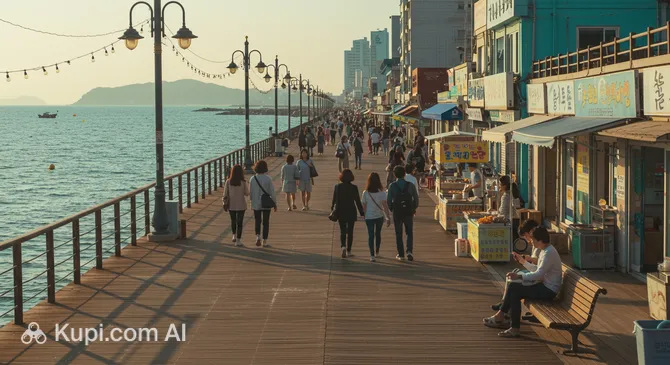
Shopping in Pohang offers a delightful mix of traditional market culture and modern retail convenience. While the city may not have the massive shopping infrastructure of Seoul, it provides a more relaxed atmosphere where visitors can find everything from high-end fashion to unique local specialties. The shopping scene here is deeply connected to the city's coastal identity, with a strong emphasis on fresh marine products and regional handicrafts.
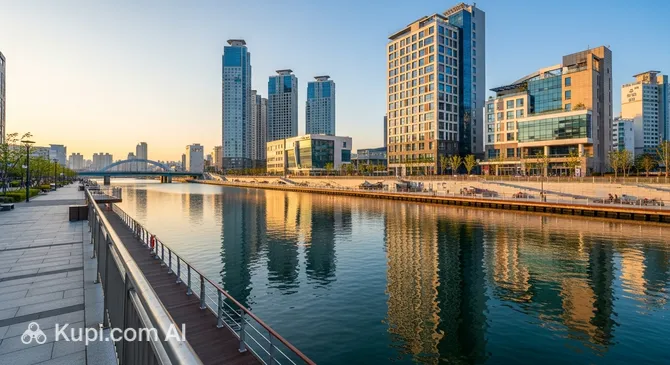
The heart of the city's retail activity is Jungang Shopping Street, often referred to as Silgaecheon Street. This vibrant pedestrian district features a man-made stream flowing through its center, creating a pleasant ambiance for walkers. The street is lined with numerous cosmetic shops, brand-name clothing stores, and trendy shoe outlets. It serves as a popular meeting point for young locals and is a great place to browse for the latest Korean beauty products or casual fashion items.
For those seeking a modern mall experience, the Lotte Department Store in the Buk-gu district is the premier destination. It houses a wide range of luxury brands, cosmetics, and household goods, along with a food court offering various international cuisines. Another key spot is Grand Avenue, a large shopping complex connected to the Intercity Bus Terminal. This mall caters to a younger demographic with affordable fashion boutiques, a multiplex cinema, and a variety of dining options, making it a convenient stop for travelers in transit.
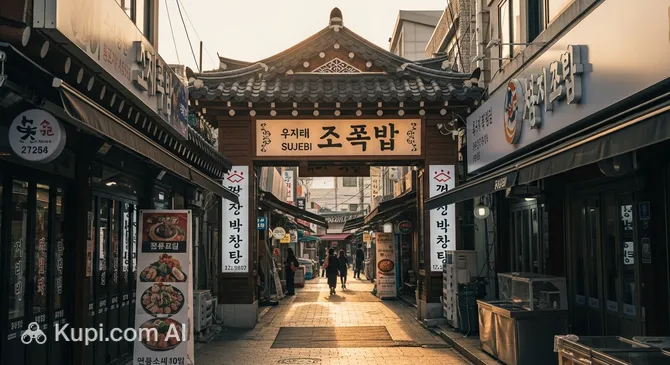
The most authentic shopping experience can be found at Jukdo Market, the largest traditional market on the east coast of Korea. This sprawling marketplace is a labyrinth of over 1,000 stalls organized into specific sections for seafood, dried goods, bedding, and clothing. It is the best place to immerse yourself in the local lifestyle, watching merchants expertly prepare fresh catch and bargaining for goods. The energy here is infectious, especially in the early morning when the fresh seafood auctions take place.
When it comes to souvenirs, Pohang is famous for its seafood products. The most iconic item to bring back is Gwamegi, half-dried Pacific saury or herring, which is a winter delicacy unique to the region. Vacuum-packed dried squid, anchovies, and kelp are also popular gifts that are easy to transport. For non-food items, traditional Korean bedding found in the markets is known for its high quality and intricate designs.
Most shops and department stores generally operate from 10:30 AM to 8:00 PM or 9:00 PM. However, traditional markets like Jukdo start their day much earlier, often at dawn, though individual stalls may close by early evening. Credit cards are widely accepted in department stores, malls, and most retail shops. While many market vendors now accept cards, it is advisable to carry some cash (Korean Won) for small purchases at street stalls or for better bargaining power in the markets.
International tourists can take advantage of the tax refund system at participating stores. Look for the "Tax Free" or "Global Blue" logos at the entrance or checkout counters. If you spend a minimum amount, typically 30,000 KRW, you can receive a refund voucher. This can be claimed either immediately at certain stores (Immediate Tax Refund) or at the airport or ferry terminal upon your departure from the country.