Support

Cheongju

About

Welcome to Cheongju, the provincial capital of North Chungcheong Province and a significant cultural hub in central Korea, Republic Of. With a population of over 830,000 residents, this bustling city offers a perfect mix of urban convenience and scenic beauty, making it an accessible and exciting destination for travelers seeking an authentic Korean experience.

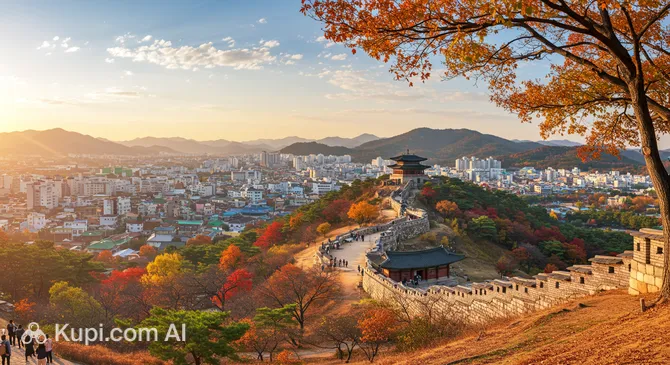
The city is deeply rooted in heritage and is celebrated globally as the birthplace of the Jikji, the world's oldest extant movable metal type print. Exploring the history of Cheongju reveals a fascinating timeline of innovation and tradition. Visitors can delve into this legacy at the Early Printing Museum or wander along the impressive stone walls of Sangdangsanseong Fortress, which commands panoramic views of the surrounding landscape.

Cheongju. Source: Kupi.Binoculars

Beyond its historical treasures, the city is famous for Cheongnamdae, the former presidential villa located on the shores of Daecheongho Lake. This sprawling complex features stunning gardens and peaceful walking trails that change beautifully with the seasons. For a relaxing break within the city, the Musimcheon Stream provides a picturesque setting for cycling and walking, especially during the spring cherry blossom season.

Whether you are a history buff, a nature lover, or simply looking to explore a vibrant city off the beaten path, Cheongju welcomes you with open arms. Its central location and rich cultural tapestry make it a must-visit destination for anyone touring the region.

Weather Overview

Travelers visiting this region will experience four distinct seasons, making the timing of your visit important for outdoor activities. The weather in Cheongju varies significantly throughout the year, ranging from hot, humid summers to cold, dry winters.

Summer is the warmest and wettest time of year. August typically sees the highest temperatures, with an average of 26.4°C and daily highs reaching up to 30.0°C. This season also brings the most rainfall, particularly in July, which records approximately 18 wet days. Conversely, winters are much colder and drier; January is usually the coldest month with an average temperature of -1.0°C and lows dropping to -5.3°C, though rain or snow is infrequent with only about 4 wet days.

For those seeking milder conditions, spring and autumn are ideal. May offers pleasant warmth with an average of 18.1°C, while October provides crisp air at around 14.6°C. Overall, you can expect warm summers with occasional rain and cold, dry winters.

Interesting Facts

Beyond the main attractions, Cheongju holds many fascinating secrets and historical distinctions that surprise many visitors. Here are some unique aspects of the city that highlight its cultural depth and transformation.

  • The city is the proud birthplace of the Jikji, the world's oldest extant book printed with movable metal type, predating Gutenberg's Bible by 78 years. You can learn about this UNESCO Memory of the World heritage at the Cheongju Early Printing Museum, which is dedicated to the history of printing culture.

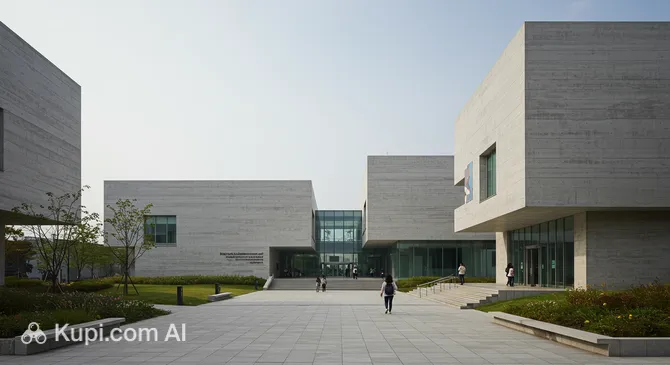
  • In a remarkable example of urban regeneration, the National Museum of Modern and Contemporary Art, Cheongju is housed in what used to be a massive tobacco processing plant. It is Korea’s first storage-style museum, allowing visitors to see artworks in a setting that preserves the industrial architecture of the past.

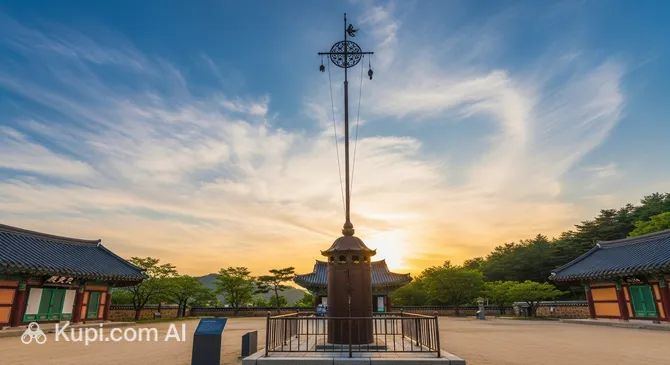
  • Hidden in the city center stands the Iron Flagpole at Yongdusa Temple Site, a rare National Treasure dating back to the Goryeo Dynasty (962 AD). Unlike most flagpoles of that era which were made of wood or stone, this unique structure consists of twenty iron cylinders and was originally used to hang flags for Buddhist ceremonies.

  • The artistic village of Suamgol has a touching history; it began as a hillside settlement for refugees during the Korean War. Today, it has been transformed into a charming destination famous for its colorful wall murals and as a filming location for popular K-dramas like "Baker King, Kim Tak-goo."

National Museum of Modern and Contemporary Art, Cheongju. Source: Kupi.Binoculars

How to Get There

Reaching this central Korean city is convenient thanks to its well-connected transportation network, which includes a local international airport and proximity to major railway hubs. Whether you are arriving from overseas or traveling within the country, there are several efficient options to consider. You can find more details about routes and schedules on the page about how to get to Cheongju.

For air travelers, the most direct option is Cheongju Airport (CJJ), which is located directly in the city, just 9.8 km from the center. It handles both domestic and international flights, making it a convenient entry point. A taxi or bus ride from here to the downtown area takes approximately 35 minutes. If you are flying into Korea's main hub, Incheon International Airport (ICN), located in Seoul about 130 km away, you can take an intercity bus directly to Cheongju. The journey by road from Incheon typically takes around 3.5 hours depending on traffic. Another viable option is Gimpo International Airport (GMP), also in Seoul, situated roughly 121 km from Cheongju.

For clarity, here is a summary of the main airports:

Airport Name City Passenger Traffic Km from City
Incheon International AirportSeoulVery Large129.9
Gimpo International AirportSeoulLarge120.8
Cheongju AirportCheongjuMedium9.8
Daegu International AirportDaeguMedium132.8
Gwangju AirportGwangjuMedium177.7

While Cheongju itself is served by local rail lines, many travelers utilizing the high-speed KTX network may arrive at major stations in neighboring cities. One of the closest significant hubs is Daejeon Station in the city of Daejeon, located approximately 32 km from Cheongju. From there, you can get a taxi or bus, which takes about 70 minutes to reach Cheongju's city center. Travelers might also pass through Gwangmyeong Station (IATA: XWU) in Gwangmyeong, which is about 103 km away and serves as a major node for the capital region.

Below is a list of nearby railway stations that can serve as transit points:

Station City Passenger Traffic Km to Center
Dongdaegu StationDaeguLarge131.8
Daejeon StationDaejeonLarge32.4
Gwangmyeong StationGwangmyeongLarge102.8
Gwangju Songjeong StationGwangjuMedium177.0
Jinju StationJinju173.4

Main Attractions

There is no shortage of things to see and do in this vibrant city, ranging from cultural landmarks to engaging family destinations. Whether you are interested in ancient history, artistic expression, or outdoor leisure, the city's diverse attractions cater to all types of travelers.

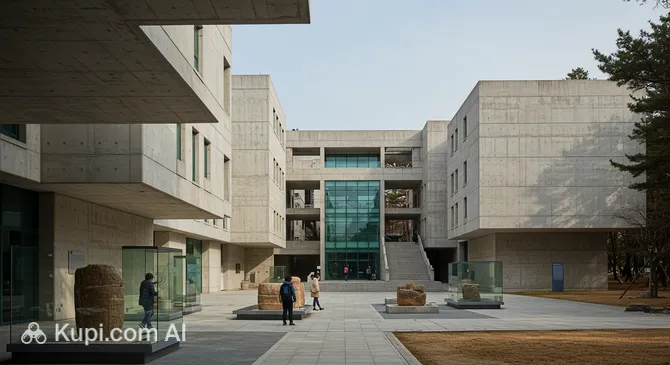
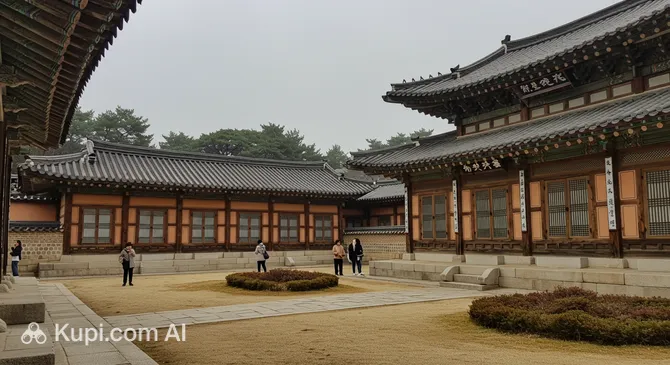
For those interested in the region's rich heritage, the Cheongju National Museum is an essential stop. Nestled at the foot of Uam Mountain, the museum is renowned not only for its extensive collection of artifacts from the Chungcheongbuk-do region but also for its stunning architecture designed by the celebrated Korean architect Kim Swoo-geun. Visitors can explore exhibits detailing the prehistoric and ancient history of the area while enjoying the serene natural surroundings that frame the complex.

Cheongju National Museum. Source: Kupi.Binoculars

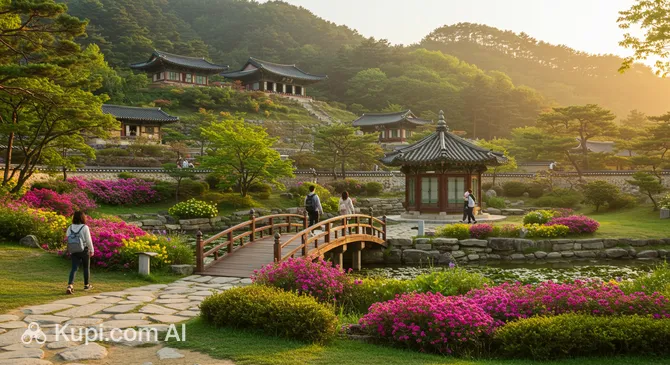
If you are looking for a more whimsical and artistic experience, a visit to Suamgol is highly recommended. Once a quiet hillside village, it has been transformed into a colorful open-air gallery filled with charming murals and art installations. The area is also famous for its "Cafe Street," where you can relax with a drink while taking in sweeping views of the city skyline, a sight that is particularly magical at sunset.

Suamgol. Source: Kupi.Binoculars

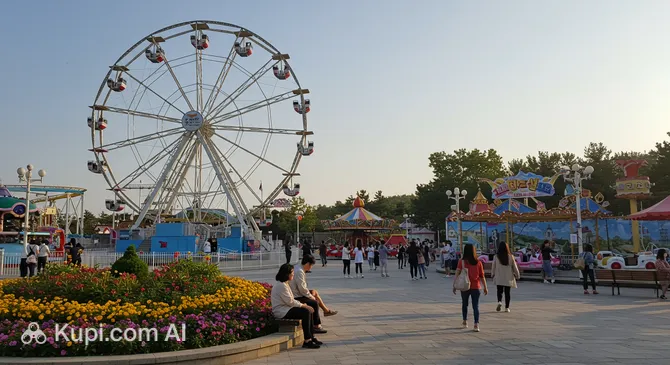
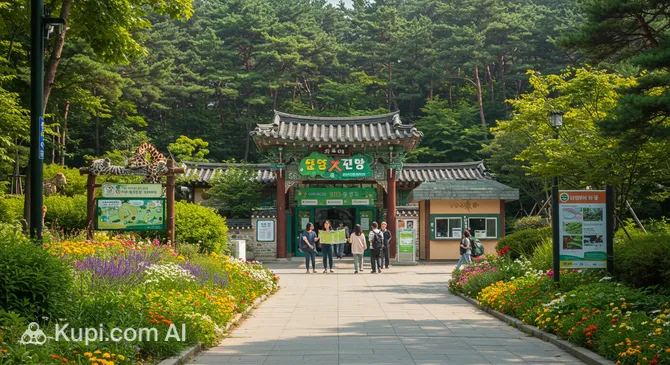
Families traveling with children will find plenty of entertainment at Cheongju Land. This comprehensive leisure complex offers a variety of facilities, including an amusement park with rides suitable for younger visitors and exhibition halls dedicated to climate and ecology. It serves as a perfect spot for a fun-filled day out, providing educational opportunities alongside recreational activities.

Cheongju Land. Source: Kupi.Binoculars

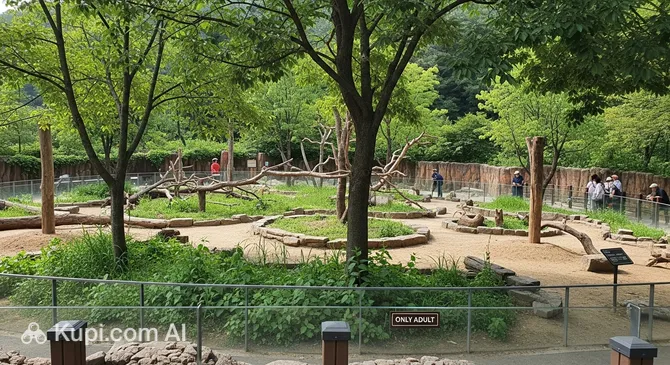
Just a short distance away lies the Cheongju Zoo, which is a favorite among locals and tourists alike. The zoo is home to a diverse range of animals and focuses on providing a natural habitat for its residents. It offers a peaceful walking course that allows visitors to observe wildlife up close, making it a relaxing addition to your itinerary.

Local Cuisine

The culinary landscape of Cheongju is a delightful reflection of its geography, blending fresh ingredients from the surrounding mountains with hearty, traditional flavors. The city is famous for its unique twist on Korean staples, offering a gastronomic experience that is both familiar and distinctively local. Food here is often characterized by its earthy tastes and generous use of fresh vegetables and wild herbs.

One dish you simply cannot miss is Cheongju-style Samgyeopsal (grilled pork belly). While pork belly is popular across Korea, Cheongju has a specific way of preparing it: the meat is dipped in a special soy sauce marinade before grilling, which gives it a tender texture and a savory, caramelized flavor. The city even has a dedicated "Samgyeopsal Street" in the Seomun Market area, where the aroma of grilling meat fills the air. Another local favorite is Jjaglei, a spicy pork stew simmered with vegetables until the broth is thick and rich, perfect for mixing with rice.

For a wholesome and traditional meal, visitors should try barley rice sets, a staple that highlights the region's agricultural roots. A great place to experience this is Cheongju Daesan Barley Rice, where you can enjoy a healthy feast accompanied by a variety of side dishes (banchan) made from seasonal produce. The combination of textures and fresh flavors makes it a comforting choice for lunch.

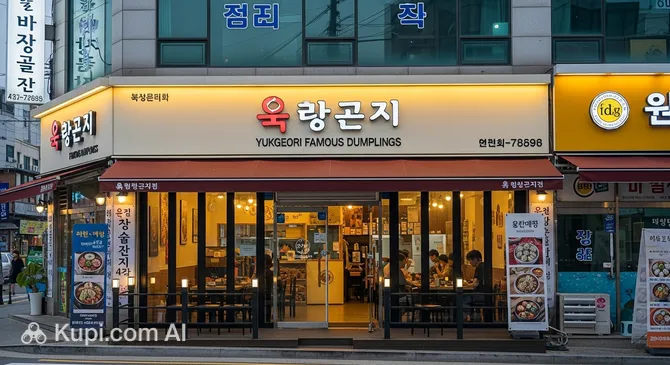
The city's vibrant market culture is best experienced at the Yukgeori Traditional Market, one of the largest in the region. Here, you can sample an array of street foods, from hotteok (sweet pancakes) to spicy rice cakes. A standout stall is Yukgeori Famous Dumplings, renowned for its steamed dumplings filled with juicy meat or spicy kimchi. It is a bustling spot where locals and tourists alike line up for a taste of these handmade treats.

Yukgeori Famous Dumplings. Source: Kupi.Binoculars

When it comes to beverages, Cheongju is historically linked to Chojeong Mineral Water, a natural sparkling water discovered hundreds of years ago and favored by King Sejong the Great. This mineral-rich water is used to make local versions of Soju and traditional rice wines, offering a crisp and clean finish. For a non-alcoholic treat, head to the cafe street in Suamgol. After a meal, sipping a coffee here while overlooking the city lights provides a perfect, relaxing end to your culinary journey.

Travel Tips

Visiting Cheongju offers a unique glimpse into Korea's blend of ancient history and modern life, but knowing a few local logistics can make your journey even more enjoyable. To help you navigate the city with ease and confidence, here is a practical guide covering everything from transportation to local customs.

  1. Clothing and Gear: The climate in Cheongju features four distinct seasons, so pack accordingly. Summers (June to August) are hot and humid, requiring light, breathable fabrics and rain gear for the monsoon season. Winters (December to February) can be freezing, so a heavy down jacket, scarf, and gloves are essential. Since you might be hiking up to Sangdangsanseong Fortress or walking through the expansive Cheongnamdae complex, bring comfortable walking shoes. Don't forget a standard two-pin power adapter (Type C or F) for your electronics.

  2. Transportation: Unlike Seoul or Busan, Cheongju does not have an inner-city subway system. The primary mode of public transport is the bus network, which is extensive and reliable. To use it, purchase a T-money card (a rechargeable transit card) at any convenience store; it works on buses and taxis nationwide. For more direct travel, taxis are affordable and plentiful. Downloading the Kakao T app is highly recommended for hailing rides without language barriers.

  3. Finances: The local currency is the South Korean Won (KRW). Credit and debit cards (Visa and Mastercard) are widely accepted in most restaurants, cafes, and shops. However, if you plan to explore traditional spots like the Yukgeori Traditional Market or buy street food, carrying cash is necessary. ATMs that accept international cards are easy to find in convenience stores and subway stations; look for signs that say "Global ATM." Tipping is not part of the culture and is not expected.

  4. Health and Safety: Cheongju is a very safe city for travelers, even at night. Pharmacies are marked with a "Yak" (약) sign and are easy to locate, though few are open 24 hours. For medical emergencies or general travel assistance, you can dial 1330, a 24-hour travel helpline available in English that can interpret for you if needed. Tap water is generally safe, but most locals and tourists prefer drinking filtered or bottled water, which is readily available.

  5. Communication: While younger residents may speak some English, it is not widely spoken by the older generation or taxi drivers. It is essential to have a translation app like Papago or Google Translate on your phone. For navigation, note that Google Maps has limited functionality in Korea; download Naver Map or KakaoMap for accurate walking and driving directions. You can easily buy a SIM card at Cheongju International Airport upon arrival.

  6. Local Etiquette: Politeness is highly valued in Korean culture. When greeting someone, a slight bow is the standard gesture. If you are handing over cash or a card to a cashier, use two hands (or support your right arm with your left hand) as a sign of respect. Always remove your shoes when entering a private home, certain traditional restaurants, or temple halls.

  7. What to Avoid: Avoid speaking loudly on public buses or in cafes, as this is considered rude. Also, do not sit in the priority seats on buses (usually marked in a different color) unless you are elderly, pregnant, or disabled, even if the bus is empty, as this can be seen as disrespectful.

  8. Shopping Tip: If you are looking for a lively atmosphere, head to Seongan-gil, the downtown fashion street. It is the pedestrian-friendly heart of the city, packed with trendy shops, photo booths, and cafes. Most shops here stay open late, usually until 10:00 PM, making it a perfect spot for an evening stroll after dinner.

With these practical tips in hand, you are ready to explore the charming streets and historical wonders of Cheongju without a hitch. Embrace the local pace of life, enjoy the delicious food, and have a wonderful trip!

Entertainment & Nightlife

When the sun sets, Cheongju transforms into a lively hub of activity, offering a diverse nightlife scene that caters to both energetic party-goers and those seeking a relaxed evening. The city’s nightlife is largely fueled by its youthful population, particularly around the university districts, ensuring a vibrant atmosphere until the early hours of the morning.

The epicenter of the action is undoubtedly the area around Chungbuk National University's Main Gate (locally known as Chungdae Jungmun). This district is packed with neon-lit streets, affordable bars, coin karaoke rooms (Noraebang), and clubs that pump out the latest K-pop and electronic beats. The crowd here is young, energetic, and casual. For a slightly more mature vibe, head to Sannam-dong. This neighborhood has emerged as a trendy "hot place" featuring sophisticated izakayas, craft beer pubs, and dining bars. It attracts office workers and locals in their 20s and 30s, offering a bustling yet slightly more polished environment.

For travelers who prefer a scenic evening over loud music, the hillside village of Suamgol is the perfect destination. While it acts as an art village by day, at night it becomes a romantic getaway famous for its "Cafe Street." Here, you can find numerous rooftop cafes and observatory decks that offer breathtaking panoramic views of the illuminated city below. It is an ideal spot to unwind with a latte or a dessert while soaking in the sparkling skyline.

Navigating Cheongju at night is convenient and safe. Taxis are abundant near major nightlife districts, and using the Kakao T app makes hailing a ride easy, even without speaking Korean. The city is generally very safe for night walks, but as with any travel, it is wise to stay in well-lit, populated areas. Most bars and pubs do not have a strict dress code; smart casual attire is perfectly acceptable almost everywhere.

While the nights are exciting, the city also offers charming daytime entertainment options. Families and nature lovers should visit Animal Village, a delightful spot where visitors can interact with various animals in a friendly environment. It provides a distinct experience from the larger zoo, focusing on closer encounters and education.

Animal Village. Source: Kupi.Binoculars

Another excellent option for daytime leisure is Cheongju Land. This extensive complex is a local favorite, featuring an amusement park with nostalgic rides, a dinosaur exhibition, and green spaces for picnics. It serves as a fantastic contrast to the bustling nightlife, offering wholesome fun for travelers of all ages.

Parks & Museums

Cheongju offers a refreshing balance of urban culture and natural serenity, making it a delightful destination for those who enjoy exploring green spaces and historical treasures. The city is dotted with beautifully maintained parks and world-class museums that celebrate its status as a center of education and heritage.

For nature lovers and hikers, the expansive grounds of Sangdangsanseong Fortress provide one of the best outdoor experiences in the region. While historically a defensive wall, today it serves as a beloved hiking destination where visitors can walk along the fortress ramparts. The path offers sweeping views of the city and the surrounding countryside, and the large grassy areas within the walls are perfect for picnics on sunny days.

Another excellent spot for connecting with nature is the Cheongju Zoo. Located on the slopes of Uam Mountain, it is more than just a place to see animals; it is a scenic retreat designed to blend with the existing forest landscape. The zoo features gentle walking paths shaded by trees, making it a relaxing environment for a leisurely stroll while observing diverse wildlife, including tigers, bears, and birds.

Cheongju Zoo. Source: Kupi.Binoculars

When it comes to museums, the city’s pride is undoubtedly the Cheongju Early Printing Museum. This institution is dedicated to the Jikji, the world's oldest movable metal type book, which was printed here in 1377. The museum offers fascinating exhibits on the evolution of printing technology, showcasing how this innovation changed the course of history. It is an educational stop that provides deep insight into Korea’s contribution to global communication.

Cheongju Early Printing Museum. Source: Kupi.Binoculars

Art enthusiasts should not miss the National Museum of Modern and Contemporary Art, Cheongju. Housed in a renovated tobacco processing plant, this venue is unique for its "open storage" concept, allowing visitors to view artworks that are typically hidden away in archives. The industrial aesthetic of the building combined with cutting-edge contemporary art creates a visually striking experience.

In the heart of the city, you will find a distinct historical landmark: the Iron Flagpole at Yongdusa Temple Site. Standing as a testament to the Goryeo Dynasty, this National Treasure is rare because it is made of iron rather than the usual stone or wood. It originally served to fly banners for Buddhist ceremonies and remains an impressive engineering feat from the 10th century.

Iron Flagpole at Yongdusa Temple Site. Source: Kupi.Binoculars

For a local insider tip, consider visiting Munam Ecological Park. It is a favorite weekend spot for residents, featuring camping grounds, expansive lawns, and playgrounds. It is less crowded with tourists than the main attractions, offering a peaceful atmosphere where you can enjoy a quiet afternoon surrounded by reeds and seasonal flowers.

Getting Around

The public transport system in Cheongju is straightforward and relies almost entirely on an extensive network of buses. Unlike larger metropolitan areas in the region, the city does not have an internal subway or metro system. Instead, a fleet of color-coded buses connects all major districts, residential areas, and tourist attractions. Blue and green buses typically serve standard city routes, while red buses operate as express services, connecting the city center to outlying areas and transportation hubs like Osong Station and Cheongju International Airport.

For the most convenient travel experience, obtaining a transportation card is essential. The T-money card (or the Cashbee card) is the standard payment method and can be used on buses and taxis nationwide. You can purchase and top up these cards at any major convenience store, such as CU, GS25, or 7-Eleven. Using a card is slightly cheaper than paying with cash and, more importantly, allows for free or discounted transfers between different buses within a specific time window, usually 30 minutes.

When using the bus, remember to tap your card on the sensor located at the front door when boarding. It is equally important to tap your card again on the reader at the rear door when exiting; failing to do so may result in being charged the maximum fare or forfeiting your transfer discount. Buses generally operate from around 5:30 AM until approximately 11:00 PM, though schedules can vary slightly depending on the route. Stops are usually announced in English, and modern buses are equipped with digital screens displaying the upcoming station.

Taxis serve as a popular and affordable alternative, especially for reaching destinations that are not directly on main bus routes. You can easily hail silver or orange taxis on the street, or find them waiting at designated stands near busy areas like bus terminals and shopping districts. For added convenience, the Kakao T app is widely used to book rides, allowing you to input your destination in English and pay automatically or by card, bridging any potential language gap.

While there is no heavy rail within the city center, the Bus Rapid Transit (BRT) lane connects the city efficiently to Osong Station, the nearby high-speed rail hub. For shorter distances within the downtown area or along the scenic Musimcheon Stream, walking or cycling is a pleasant option. Public bike paths are well-maintained along the river, offering a relaxing way to see the city at a slower pace.

Accommodation

Finding the perfect place to stay in Cheongju is relatively easy, as the city offers a wide variety of accommodation options to suit different preferences and budgets. While you may not find an abundance of ultra-luxury international resorts, the city is well-stocked with modern business hotels, comfortable mid-range stays, and affordable motels. For travelers seeking a more traditional experience, there are also guest houses that offer a cozy, home-like atmosphere.

When choosing where to base yourself, location is key. The area around the Gagyeong-dong district, where the Intercity and Express Bus Terminals are located, is highly recommended for most tourists. Staying here provides excellent access to public transportation and a wealth of dining and shopping options right at your doorstep. Alternatively, the downtown area near Seongan-gil places you in the heart of the city's vibrant youth culture and fashion district, making it a great choice for those who want to explore the city on foot. For those with early flights or business interests, the Ochang district near the airport offers high-quality modern hotels, though it is a bit further from the main cultural attractions.

In terms of pricing, accommodation in Cheongju is generally more affordable than in Seoul or Busan. Budget travelers can find clean and well-equipped motels or hostels at very reasonable rates, while mid-range business hotels offer excellent value with amenities like fitness centers and on-site restaurants. Luxury options are limited but exist, typically focusing on providing high-end service for business professionals.

Booking Tip: While it is usually possible to find a room upon arrival, it is strongly advisable to book your accommodation in advance, especially if you are visiting during the spring or autumn festival seasons. Most major hotels are listed on international booking platforms, making it easy to secure your reservation online before you travel.

Nearby Cities

For those looking to explore the surroundings, Cheongju serves as an excellent base for day trips to several interesting nearby locations:

One of the most accessible destinations is Daejeon, located just a short distance south. Often referred to as Korea's "Silicon Valley," it offers a unique blend of science and relaxation. Visitors can explore the Expo Science Park or unwind in the famous Yuseong Hot Springs, which have been a popular retreat for centuries.

For history enthusiasts, a trip to Suwon is highly recommended. The city is renowned for the UNESCO World Heritage-listed Hwaseong Fortress, an architectural masterpiece from the Joseon Dynasty. Walking along the massive fortress walls provides not only a lesson in history but also spectacular views of the cityscape.

Another culturally rich option is Icheon, celebrated as the center of traditional Korean ceramics. Travelers can visit the pottery village to see master artisans at work, browse exquisite ceramic art, or even participate in pottery-making classes for a hands-on experience.

City Population Distance (km)
Daejeon 1,475,221 31
Suwon 1,234,300 83
Icheon 1,076,369 73
Cheonan 651,661 37
Pyeongtaek 457,873 70

These nearby destinations offer a glimpse into the diverse culture and landscapes of the region.

Shopping & Souvenirs

Shopping

Shopping in Cheongju offers a delightful mix of modern retail experiences and traditional market charm. While it may not have the overwhelming scale of Seoul, the city provides a concentrated and accessible shopping environment where travelers can find everything from the latest fashion trends to unique local crafts. Whether you are looking for high-end brands or authentic Korean souvenirs, the city's districts are easy to navigate and full of hidden gems.

The heartbeat of the city's retail scene is undoubtedly Seongan-gil. Often compared to Myeongdong in Seoul, this bustling pedestrian street is the go-to destination for fashion lovers. Lined with major cosmetic brands, clothing boutiques, and shoe stores, it serves as the downtown commercial hub. The area is also dotted with trendy cafes and photo booths, making it a lively place to spend an afternoon browsing the latest Korean street styles.

For those who prefer a one-stop shopping experience, the city boasts several large complexes. The Hyundai Department Store (Chungcheong Branch), located in the modern G-Well City district, is the premier destination for luxury goods, electronics, and international brands. It is connected to a larger mall area that includes a cinema and various dining options. Another popular spot is the Lotte Outlets Cheongju, where visitors can find significant discounts on well-known sports and casual wear brands.

To experience the authentic local lifestyle, a visit to the Yukgeori Traditional Market is essential. As one of the largest traditional markets in the country, it is a sensory maze of stalls selling fresh produce, dried goods, and household items. It is an excellent place to hunt for bargains on everyday Korean goods or simply to observe the daily lives of residents. While wandering through the vibrant alleys, you might come across the famous Yukgeori Famous Dumplings, a culinary landmark that highlights the market's reputation for delicious food.

When searching for souvenirs, items celebrating Cheongju's heritage as the birthplace of the Jikji (the world's oldest movable metal type print) are particularly meaningful. You can find Jikji-themed stationery, bookmarks, and magnets at museum shops or souvenir stores near cultural sites. Additionally, locally brewed traditional liquors and Korean metal chopstick sets (Sujeo) make for elegant and practical gifts to take home.

Most shops in the city center and department stores typically open around 10:30 AM and close between 9:00 PM and 10:00 PM. Traditional markets start much earlier, with many stalls active by sunrise, though they may close a bit earlier in the evening. Major credit cards are widely accepted in department stores and road shops on Seongan-gil, but it is advisable to carry cash (Korean Won) when shopping at traditional markets or small street stalls.

International tourists should also look out for the "Tax Free" or "Global Tax Free" logos displayed at major department stores and participating retail outlets. If you spend over a certain amount, you may be eligible for an immediate tax refund at the counter or can claim a refund at the airport upon departure, provided you have your passport with you.
Reached the end of the page?

That means the route is fully explored