Support

Wonju

About

Welcome to Wonju, the most populous city in Gangwon Province and a vibrant hub of culture and nature. Known for its strategic location and scenic beauty, this dynamic city offers a perfect blend of urban convenience and outdoor adventure. Whether you are a hiking enthusiast or a lover of art, Wonju provides a refreshing escape with its lush landscapes and welcoming atmosphere.
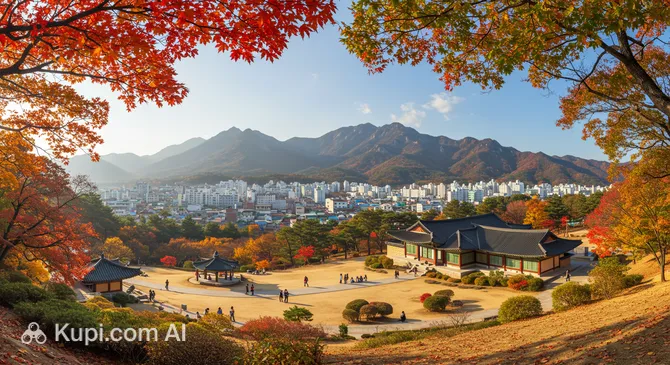
Wonju. Source: Kupi.Binoculars

Situated in the heart of the peninsula, Wonju serves as a major gateway to the mountainous regions of Korea, Republic Of. With a population of approximately 330,000 residents, it maintains a lively yet relaxed pace of life. The city is surrounded by majestic peaks, which influence the local climate, bringing distinct and beautiful seasonal changes that delight visitors year-round.

The region has long been an administrative and cultural center. For those interested in how the city has evolved over the centuries, diving into the history of Wonju reveals a fascinating tapestry of tradition and heritage. Today, this legacy is celebrated alongside modern developments, making it a unique destination where the past and present coexist harmoniously.

Travelers are often drawn to the breathtaking Chiaksan National Park, renowned for its steep trails and the serene Guryongsa Temple. For a more thrilling experience, the Sogeumsan Suspension Bridge offers sweeping views of the cliffs and river below, becoming a must-visit landmark. Additionally, the city is home to Museum SAN, a stunning architectural marvel nestled in nature that combines light, space, and art in an unforgettable setting.

From its reputation as a "Healthy City" to its rich traditional Hanji paper culture, the city invites you to explore its many charms. Whether you are passing through or planning a dedicated stay, Wonju promises a memorable journey filled with natural wonders and cultural discoveries.
Weather Overview

Travelers visiting Wonju should prepare for a climate characterized by four distinct seasons, ranging from freezing winters to humid summers. The city generally experiences cold, dry winters and warm summers with frequent rainfall, so packing according to the time of year is essential. Expect warm summers with occasional rain and cold, dry winters.

The coldest time of the year is January, where the average temperature sits around -2.6°C, with lows often dropping to -6.9°C. In contrast, August marks the peak of summer heat, with average temperatures reaching 24.9°C and daily highs climbing to 28.5°C. Spring and autumn offer milder transition periods, with comfortable temperatures ranging between 6°C and 20°C.

Rainfall patterns vary significantly throughout the year. The summer months bring the most moisture, particularly in July, which sees about 18 wet days. Conversely, the winter season is much drier; months like December and January typically record only about 4 days with precipitation. For a more detailed breakdown of seasonal conditions, you can consult the guide to weather in Wonju.

Interesting Facts

Beyond its scenic mountains and bustling streets, Wonju holds a treasure trove of historical significance and cultural pride. Discover some fascinating details and local legends that make this city truly unique.
Gangwon Gamyeong Provincial Office. Source: Kupi.Binoculars
  • For over 500 years during the Joseon Dynasty, Wonju served as the administrative capital of the entire Gangwon Province. You can still see traces of this grand history at the Gangwon Gamyeong Provincial Office, which has been beautifully restored to reflect its former importance as a center of governance.

  • The city is often referred to as the "Home of Hanji" because of its abundance of high-quality mulberry trees, the essential raw material for traditional Korean paper. This heritage is celebrated annually, and visitors can dive deeper into the craft at the Wonju Hanji Theme Park, where the versatility of this durable paper is on full display.

  • Wonju was the beloved home of Park Kyong-ni, one of South Korea's most celebrated authors, who completed her epic saga Toji (The Land) here. Her legacy is preserved at the Pak Kyongni House and Literary Park, where her garden and study remain just as she left them, offering an intimate look into her creative life.

  • A local legend gave the city's famous mountain, Chiaksan, its name, which translates to "Pheasant Mountain." The story tells of a scholar who saved a pheasant from a snake; later, the bird sacrificed itself to ring a temple bell with its head to save the scholar from danger, cementing the mountain's mythical reputation.

How to Get There

Reaching Wonju is relatively straightforward thanks to South Korea's efficient transport network. Whether you are arriving from overseas or traveling within the country, there are several convenient options to consider. You can find more detailed information and plan your specific route on the page dedicated to all ways to reach the city.

The city of Wonju does not have its own major commercial airport, but you can fly into Cheongju Airport (CJJ) in the city of Cheongju, which is about 80 km from Wonju. The journey by taxi or bus typically takes around 2 hours and 20 minutes. For most international travelers, the primary gateway is Incheon International Airport (ICN) in Seoul. Located approximately 132 km away, the travel time to Wonju is roughly 3 hours and 40 minutes by road. Another viable option is Gimpo International Airport (GMP), also in Seoul, situated about 103 km from the city.

For clarity, here is a summary of the main airports:

Airport Name City Passenger Traffic Km from City
Incheon International AirportSeoulLarge131.8
Gimpo International AirportSeoulLarge103.2
Cheongju AirportCheongjuMedium79.6
Daegu International AirportDaeguMedium173.5
Ulsan AirportUlsanSmall232.1

If you prefer traveling by train, you can utilize major railway hubs in the surrounding region to get close to your destination. You can arrive at Gwangmyeong Station (XWU) in the city of Gwangmyeong, which is about 93 km from Wonju. From there, you can get a taxi or bus, which takes about 2 hours and 40 minutes. Alternatively, Daejeon Station in Daejeon is located approximately 121 km away, offering another connection point for travelers exploring the wider area.

Below is a list of nearby major railway stations:

Station City Passenger Traffic Km to Center
Dongdaegu StationDaeguLarge174.0
Daejeon StationDaejeonLarge120.7
Gwangmyeong StationGwangmyeongLarge93.2
Gwangju Songjeong StationGwangjuMedium265.4
Jinju StationJinju243.9

Main Attractions

Wonju is a city where history breathes through ancient architecture and culture comes alive in vibrant markets and parks. Visitors can explore a diverse range of sites, from restored government complexes of the Joseon Dynasty to bustling modern spaces dedicated to art and leisure.

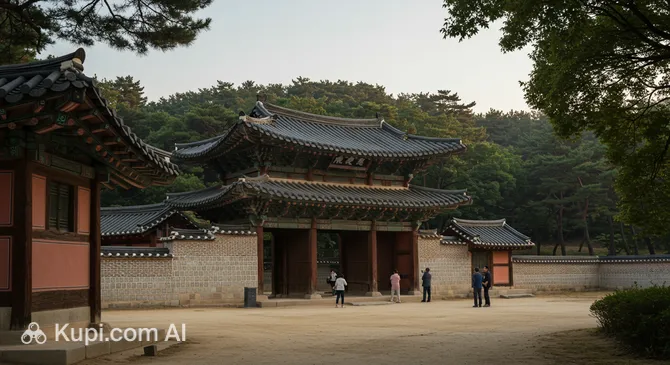
Gangwon Gamyeong Provincial Office. Source: Kupi.Binoculars

One of the most significant historical sites in the city is the Gangwon Gamyeong Provincial Office. This complex served as the administrative center for the province for 500 years. Today, it stands as a beautifully restored example of traditional Korean architecture. Tourists can walk through the majestic gates and pavilions, enjoying the serene atmosphere while learning about the region's political history. It is especially atmospheric at night when the structures are illuminated.

For those interested in local culture and craftsmanship, the Wonju Hanji Theme Park is an essential stop. Dedicated to the traditional Korean paper known as Hanji, this venue offers more than just exhibits. Visitors can participate in hands-on workshops to make their own paper crafts, explore the history of Hanji making, and admire intricate paper artworks. It is a fantastic place to understand why Wonju is considered the home of this durable and versatile material.

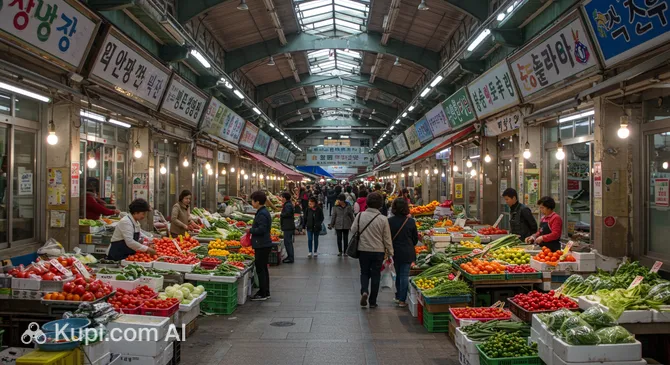
Wonju Jungang Market. Source: Kupi.Binoculars

To experience the local lifestyle, head to the Wonju Jungang Market. This traditional market has reinvented itself with the addition of the "Maze Art Market" on its second floor, where young artists and entrepreneurs have set up unique shops and cafes. It is a perfect spot to taste local street food, shop for souvenirs, and explore the winding alleys filled with murals and creative energy.

Literature lovers will find a peaceful retreat at the Pak Kyongni House and Literary Park. This space is dedicated to one of South Korea's most renowned writers. You can tour the house where she lived and wrote her masterpiece, stroll through the carefully tended gardens, and visit the exhibition hall to learn about her life and works. The park offers a quiet, contemplative environment surrounded by nature.

Wonju Treasure Island Water Playground. Source: Kupi.Binoculars

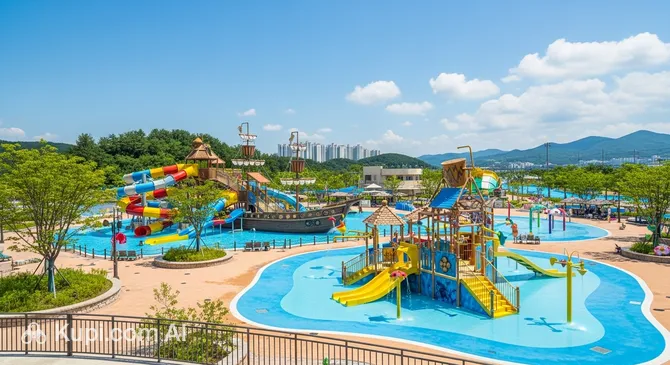
Families traveling with children might enjoy a visit to the Wonju Treasure Island Water Playground. This facility provides a fun and safe environment for kids to cool off and play, featuring various water features and play structures. It serves as a great recreational spot for locals and tourists alike looking to relax during the warmer months.

Local Cuisine

The culinary scene in Wonju is a delightful reflection of its location in Gangwon Province, offering dishes that are hearty, wholesome, and deeply connected to the land. The local cuisine is characterized by the use of fresh mountain herbs, wild vegetables, and high-quality meats, creating flavors that are both rustic and comforting. Visitors will find that the food here is not only delicious but often celebrated for its health benefits.

One signature dish you absolutely must try is Wonju-style Chueotang (Loach Soup). While this dish is eaten across Korea, the Wonju version is distinct for its spicy, red broth made with gochujang (red chili paste) rather than the milder soybean paste used elsewhere. The soup is typically boiled with wild vegetables and garlic, and the loach is often ground finely, making it a rich and savory meal that pairs perfectly with a bowl of steamed rice.

Eomeoni Son Kalguksu. Source: Kupi.Binoculars

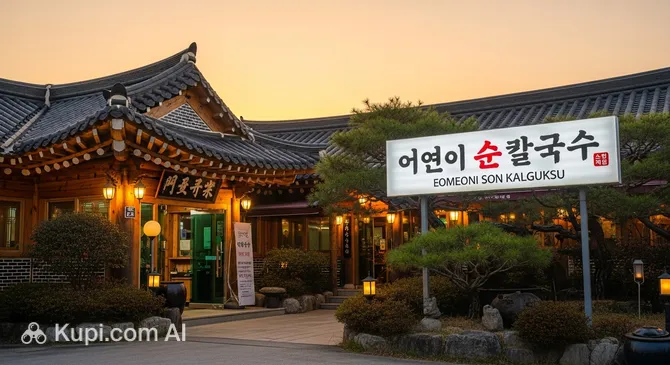
Another staple of the local diet is Kalguksu, or handmade knife-cut noodles. This comforting dish features chewy noodles served in a warm, flavorful broth, often garnished with seaweed and vegetables. For a renowned taste of this classic, many travelers head to Eomeoni Son Kalguksu. This restaurant has gained a reputation for its authentic preparation and soulful flavors, making it an ideal spot to experience a simple yet satisfying traditional meal.

When it comes to drinks, the region is famous for its traditional rice wines. Makgeolli is a popular choice, and in this province, you will often find unique variations infused with local corn (oksusu) or herbs. The corn makgeolli, in particular, has a yellowish hue and a nutty, slightly sweet taste that complements savory pancakes and spicy dishes exceptionally well.

To truly immerse yourself in the food culture, a visit to the Wonju Jungang Market is essential. This bustling hub is famous for its "Beef Alley," where locals gather to grill premium Korean beef (Hanwoo) over charcoal fires. Beyond beef, the market's winding alleys are filled with vendors selling street food favorites like buckwheat pancakes and dumplings, offering a lively and authentic dining atmosphere.

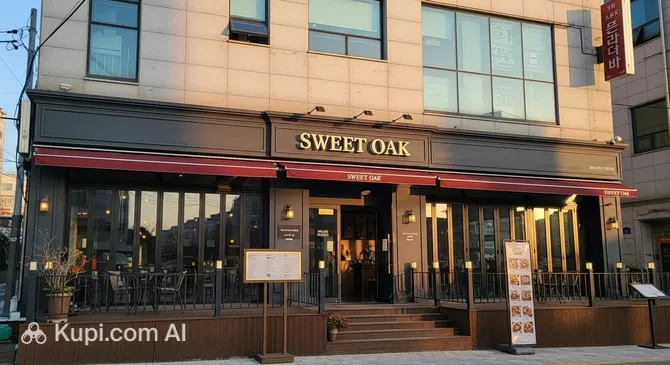
For those seeking a unique dining experience that blends local ingredients with wood-fired cooking techniques, Sweet Oak is a notable destination. While known for its barbecue, it represents the evolving gastronomic landscape of the city, providing a distinct and memorable meal for visitors looking to explore beyond traditional Korean fare.

Travel Tips

Planning a trip to Wonju? This dynamic city in Gangwon Province offers a delightful mix of urban comfort and rugged natural beauty, serving as a perfect gateway to the region's mountains. To ensure your journey is as smooth as possible, here is a collection of practical advice to help you navigate the local lifestyle and logistics with ease.

  1. Clothing and Gear: The climate varies significantly by season. Winters are cold and dry, so a heavy coat, gloves, and thermal wear are essential if visiting between December and February. Summers are hot and humid, requiring light, breathable fabrics. Since Wonju is a gateway to Chiaksan National Park, comfortable walking shoes or sturdy hiking boots are a must if you plan to explore the trails or the suspension bridge.
  2. Transportation: The city has a reliable bus system, but for tourists, taxis are often the most convenient way to get around. Downloading the Kakao T app allows you to hail rides easily without language barriers. For visiting scattered attractions like Museum SAN, consider using the Wonju City Tour Bus, which connects major sites efficiently, saving you the hassle of navigating local routes.
  3. Finances: The local currency is the South Korean Won (KRW). International credit cards are widely accepted in most restaurants and shops. However, you should always carry some cash for street food vendors at places like Wonju Jungang Market or for topping up transit cards. "Global ATMs" are available in banks and major convenience stores for withdrawing cash.
  4. Health and Safety: Wonju is an incredibly safe city for travelers. Pharmacies are marked with a "약" (Yak) sign and are plentiful. If you need medical assistance or translation help, dial 1330 for the 24-hour travel helpline. While tap water is safe, most locals and tourists prefer drinking filtered or bottled water, which is readily available.
  5. Communication: While younger locals may speak some English, it is not universally understood. It is highly recommended to download Naver Map for navigation, as global map apps can be unreliable in Korea, Republic Of. Additionally, the Papago translation app is invaluable for reading menus and communicating with taxi drivers. Wi-Fi is common in cafes, but a local SIM card or roaming data is best for staying connected on the go.
  6. Local Etiquette: Politeness is key to a positive experience. A slight bow is the standard greeting. When handing over money or a credit card to a cashier, use two hands (or support your right arm with your left hand) as a sign of respect. Be sure to remove your shoes when entering a private home or traditional restaurants with floor seating.
  7. What to Avoid: refrain from sitting in priority seats on buses, even if they are empty; these are strictly reserved for the elderly, pregnant women, and those with disabilities. Also, avoid speaking loudly on public transport, as it is considered rude and disruptive to others.
  8. Additional Tip: Purchase a T-money card at any convenience store (GS25, CU, 7-Eleven) upon arrival. This reloadable card works for buses and taxis in Wonju, as well as throughout the rest of the country. It can even be used to pay for small items at convenience stores, making it a traveler's best friend.

Armed with these tips, you are ready to explore everything Wonju has to offer, from its majestic mountain peaks to its vibrant cultural sites. We hope you have a safe, comfortable, and unforgettable adventure in this welcoming "Healthy City."

Entertainment & Nightlife

Nightlife in Wonju is surprisingly lively, driven largely by the presence of several universities and a significant young population. While it may not rival the massive scale of the capital, the city offers a spirited evening scene centered around socializing, dining, and singing. The primary hub for nightlife is Dangye-dong, a bustling commercial district packed with neon-lit streets, modern bars, pubs, and karaoke rooms (Noraebang) where locals gather to unwind after sunset.

The atmosphere is generally casual and welcoming, characterized by a mix of university students, hikers returning from the mountains, and local professionals. There is typically no strict dress code for most venues; smart-casual or comfortable attire is perfectly acceptable. Most bars and pubs stay open until the early hours of the morning, especially on weekends, creating a buzzing environment that encourages bar-hopping within the walkable district.

For a fantastic start to your evening, consider dining at Sweet Oak. This venue is renowned for its authentic wood-fired barbecue, providing a hearty and flavorful foundation before you head out to explore the local pubs. It brings a distinct culinary style to the city's dining scene and serves as a popular meeting spot for both locals and visitors looking for a high-quality meal in a relaxed setting.

Sweet Oak. Source: Kupi.Binoculars

If you prefer a more traditional evening vibe, the alleys around Wonju Jungang Market offer a different kind of charm. While the main retail shops close in the evening, the food alleys often remain active with vendors selling savory pancakes and snacks. It is an excellent place to experience the local culture, where you can enjoy local spirits and late-night bites in a lively, unpretentious atmosphere.

Safety is rarely a concern in Wonju, and the main nightlife areas are well-lit and populated. However, public transport typically stops running around midnight. It is highly advisable to have the Kakao T app installed to hail a taxi if you are staying out late, as flagging one down on the street can sometimes be difficult during peak hours. Prices for drinks and entertainment are generally reasonable, making for an affordable night out compared to larger metropolitan areas.

While the nights are for socializing, the city offers plenty of daytime diversions to fill your schedule before the sun goes down. Families can enjoy the Wonju Treasure Island Water Playground, which is a fantastic spot for children to play and cool off. Meanwhile, culture enthusiasts should visit the Wonju Hanji Theme Park to appreciate the region's artistic heritage during the day.

Parks & Museums

Wonju seamlessly blends its mountainous backdrop with a rich tapestry of cultural institutions, offering visitors a chance to explore both the great outdoors and the city's artistic heritage. From adrenaline-pumping suspension bridges to serene literary gardens and world-class art galleries, the city provides diverse experiences for nature lovers and history buffs alike.

For those seeking immersion in nature, Chiaksan National Park is the crown jewel of the region. Dominated by the towering Birobong Peak, the park is famous for its steep valleys and the ancient Guryongsa Temple nestled at its base. It is particularly stunning in autumn when the deciduous forests turn vibrant shades of red and orange. Another spectacular outdoor destination is the Ganhyeon Tourist Area, home to the famous Sogeumsan Suspension Bridge. Walking across this structure offers thrilling panoramic views of the river and cliffs, making it a favorite spot for photographers and adventure seekers.

Pak Kyongni House and Literary Park. Source: Kupi.Binoculars

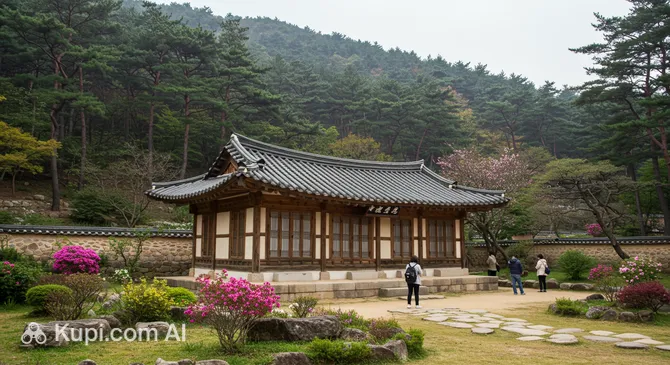
A quieter, more contemplative green space can be found at the Pak Kyongni House and Literary Park. This site preserves the residence of one of Korea's most respected authors. The park surrounding her home is beautifully landscaped, offering a peaceful garden where visitors can stroll and reflect. It serves not only as a tribute to her literary contributions but also as a calming urban oasis where culture and nature intersect.

When it comes to museums, Wonju boasts the impressive Museum SAN (Space Art Nature). Designed by the renowned architect Tadao Ando, this venue is hidden away in the mountains and is celebrated for its minimalist concrete architecture and harmonious use of light, water, and stone. The museum features a Paper Gallery, an art collection, and a meditation hall, providing a unique sensory experience that feels distinctly detached from the bustling city life.

Wonju Hanji Theme Park. Source: Kupi.Binoculars

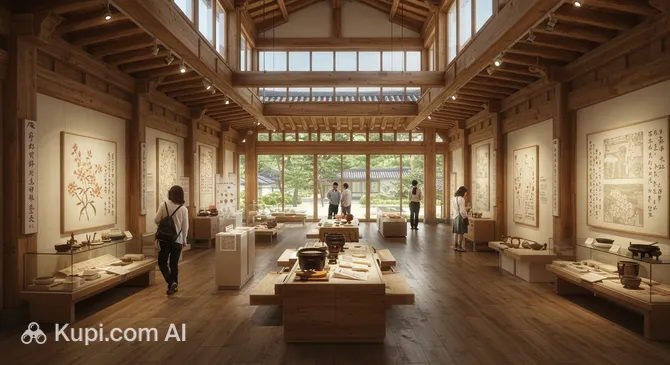
To understand the local heritage, a visit to the Wonju Hanji Theme Park is essential. This institution is dedicated to Hanji, the traditional Korean handmade paper for which the city is famous. The museum showcases the history and manufacturing process of this durable material, displaying intricate paper artworks and historical artifacts. It highlights how a simple natural resource has been transformed into a significant cultural asset over centuries.

History comes alive in the heart of the city at the Gangwon Gamyeong Provincial Office. As a restored administrative center from the Joseon Dynasty, it functions as an open-air museum where visitors can wander through traditional pavilions and courtyards. The site offers a glimpse into the architectural elegance and bureaucratic history of the region, standing in stark contrast to the modern buildings that surround it.

For a unique cultural twist, check out the second floor of the Wonju Jungang Market. Known as the "Maze Art Market," this area has been revitalized by young artists who have turned old shop spaces into small galleries, craft workshops, and retro studios. It is a fantastic place to see the contemporary creative pulse of the city while exploring a traditional setting.

Getting Around

The public transport system in Wonju primarily relies on a comprehensive network of city buses, as there is no local metro or tram service within the city limits. The bus network covers most residential areas, commercial districts, and major tourist attractions. Numbered city buses run frequently through the downtown area, connecting the central intercity bus terminals with key locations such as the train station and traditional markets. While the system is efficient, route maps at stops are often only in Korean, so having a translation app or a navigation map handy is highly recommended for non-local travelers.

For payment, the most convenient and widely accepted method is a rechargeable transportation card, such as T-money or Cashbee. These cards can be purchased and topped up at any major convenience store (like CU, GS25, or 7-Eleven) found throughout the city. Using a card is slightly cheaper than paying with cash and allows for free or discounted transfers between different bus routes if you board the next bus within 30 minutes. While some buses still accept cash, carrying exact change is necessary, and moving towards cashless payment is the general trend.

When using the bus, you must tap your card on the sensor located near the front door when boarding. It is equally important to tap your card again on the sensor near the rear door when exiting; failing to do so may prevent you from receiving transfer discounts and could result in a higher fare being charged on your next ride. Buses typically operate from around 6:00 AM until approximately 10:30 PM or 11:00 PM, though frequencies decrease significantly late at night and on weekends.

For tourists wishing to visit dispersed attractions like Museum SAN or the Sogeumsan Suspension Bridge without navigating local bus schedules, the Wonju City Tour Bus is an excellent special feature. This hop-on, hop-off service runs on a scheduled loop, stopping at the city's most famous landmarks. It offers a hassle-free way to sightsee, and a single day pass allows unlimited rides, making it a cost-effective option for a full day of exploration.

Taxis serve as a popular and affordable alternative to buses, especially for reaching destinations not directly served by the main transit lines. You can easily hail silver, white, or orange taxis on the street, or find them waiting at designated stands near bus terminals and train stations. For added convenience, using the Kakao T app allows you to request a ride to your exact location without needing to speak the language. Car-sharing services are also available for those with a valid international driving permit, but given the city's traffic and parking regulations, taxis are generally the more stress-free choice for short-term visitors.

Accommodation

Finding the right place to stay in Wonju is relatively easy, as the city offers a variety of accommodation options to suit different needs and budgets. The range typically includes modern business hotels, cost-effective motels, and charming pensions (guesthouses) located closer to the natural attractions. Whether you are here for a quick stopover or a longer exploration of the mountains, you will find facilities that provide comfort and convenience.

For most travelers, the most convenient area to stay is the city center, particularly near the Wonju Intercity Bus Terminal and the Express Bus Terminal in the Dangye-dong and Musil-dong neighborhoods. Staying here places you within walking distance of numerous restaurants, convenience stores, and transport links, making it easy to navigate the city without a car. This area is bustling with activity and offers a wide selection of mid-range hotels and clean, affordable motels.

If you prefer a quieter environment surrounded by nature, consider looking for accommodation on the outskirts of the city near Chiaksan National Park. This region is dotted with "pensions"—Korean-style holiday rentals that often feature kitchenette facilities and outdoor barbecue areas. These are particularly popular among hikers and families who want to enjoy the fresh mountain air and scenery. Additionally, the area near Oak Valley is known for its resort-style lodgings, catering to those interested in skiing during the winter or golfing in the warmer months.

Booking Tip: While finding a room is generally straightforward, it is highly recommended to book in advance if you plan to visit during the peak autumn foliage season (October) or the winter ski season. During these times, the influx of domestic tourists can lead to a shortage of rooms, especially in the popular resort areas and pensions near the mountain trails.

In terms of pricing, accommodation in Wonju is generally more affordable than in Seoul or Busan. You can expect to find budget-friendly options and comfortable mid-range stays at very reasonable rates. Most major hotels and larger pensions can be booked through international online travel platforms. However, for some smaller local motels or traditional guesthouses, options might be more visible on Korean mapping apps, though many are increasingly listing their inventory on global sites for international visitors.

Nearby Cities

For those looking to explore the surroundings, Wonju serves as an excellent base for day trips to several interesting nearby locations:

One of the most popular destinations is Chuncheon, often referred to as the "City of Lakes." It is famous for its romantic scenery, beautiful waterways, and as the gateway to Nami Island. Food enthusiasts flock here to taste the authentic Dakgalbi (spicy stir-fried chicken), which originated in the region.

Closer to home lies Icheon, a city celebrated for its rich artistic heritage. It is the center of traditional Korean ceramics, where visitors can explore the Ceramics Village to watch master potters at work or purchase unique pottery. The city is also well-known for its relaxing hot springs and premium quality rice.

For history buffs, Suwon is a must-visit. The city is dominated by the majestic Hwaseong Fortress, a UNESCO World Heritage site that encircles the original town center. Walking along the fortress walls offers a unique blend of historical architecture and views of the modern city below.

City Population Distance (km)
Seoul 23,016,000 86
Suwon 1,234,300 83
Icheon 1,076,369 43
Seongnam 948,757 73
Chuncheon 281,596 62

These nearby destinations offer a glimpse into the diverse culture and landscapes of the region.

Shopping & Souvenirs

Shopping in Wonju offers a relaxed and authentic alternative to the frantic pace of Korea's larger metropolises. While the city may not possess the endless luxury avenues of the capital, it provides a genuine local experience where modern conveniences meet traditional commerce. Visitors can explore everything from bustling department stores to historic market alleys filled with unique handicrafts and regional specialties, making it a delightful place to find both daily necessities and special treasures.

The primary shopping district is concentrated around Jungang-ro and the Cultural Street (Munhwa-ui Geori). This pedestrian-friendly zone is the heartbeat of the city's retail scene, lined with brand-name clothing stores, cosmetic shops, and trendy cafes. It is a great place to take a leisurely stroll, browse the latest Korean street fashion, and soak in the energetic atmosphere of the city center.

For a comprehensive shopping experience under one roof, AK Plaza Wonju is the city's premier department store. Located conveniently within the city, it houses a wide array of international and domestic brands, a cinema, and a food court. It is the go-to destination for fashion, electronics, and luxury cosmetics, providing a modern retail environment that contrasts with the traditional markets nearby.

The soul of the local shopping scene lies in its traditional markets. The most famous is the Wonju Jungang Market. While the ground floor is bustling with vendors selling food, clothing, and household goods, the second floor is home to the "Maze Art Market." Here, young local artists sell handmade jewelry, ceramics, and quirky accessories, making it a treasure trove for unique finds. Nearby, the Wonju Pungmul Market offers a more rustic experience, especially on days ending in 2 and 7 when the traditional five-day market expands with fresh produce and lively stalls.

When looking for gifts to take home, items made from Hanji (traditional Korean paper) are the top choice. You can find exquisite paper dolls, lamps, and stationery at the shop within the Wonju Hanji Theme Park or at artisan stalls in the Art Market. Additionally, the region is famous for its agricultural products; depending on the season, Chiaksan peaches and sweet pears make for delicious, albeit perishable, gifts. Dried wild herbs and mushrooms from the local mountains are also popular among visitors.

Most retail stores and shopping malls operate daily from approximately 10:30 AM to 9:00 PM, though some larger supermarkets may stay open later. Traditional markets open early in the morning, but individual stall hours can vary. Credit cards are widely accepted in department stores, convenience shops, and most restaurants. However, it is advisable to carry cash when visiting traditional markets or buying small items from street vendors, as they may not accept cards.

Tourists may be eligible for a tax refund on purchases made at designated "Tax-Free" stores, such as AK Plaza and major cosmetic chains. Look for the tax-free signage at the entrance or checkout counter. To claim the refund, you will generally need to present your passport and spend a minimum amount, usually around 30,000 KRW, in a single transaction.

Reached the end of the page?

That means the route is fully explored