Support

Jeju City

About

Jeju City serves as the vibrant capital and primary gateway to the stunning Jeju Island. Situated off the southern coast of the Republic of Korea, this bustling urban center offers a perfect blend of modern convenience and natural beauty. It acts as the arrival point for most travelers, welcoming them with a unique island atmosphere that differs distinctively from the mainland.

Geographically, the city is located on the northern shore of the island, boasting a scenic coastline and a backdrop of volcanic hills. With a population of approximately 435,000 residents, it is the largest city in the province and a major hub of activity. The climate here is generally mild and humid, making it a pleasant destination year-round, though it is particularly famous for its refreshing ocean breezes and lush greenery.
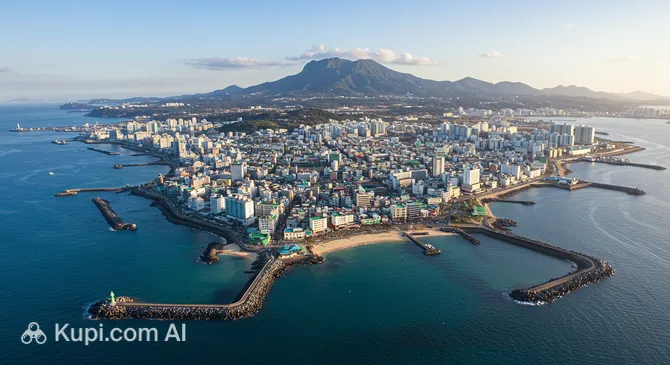
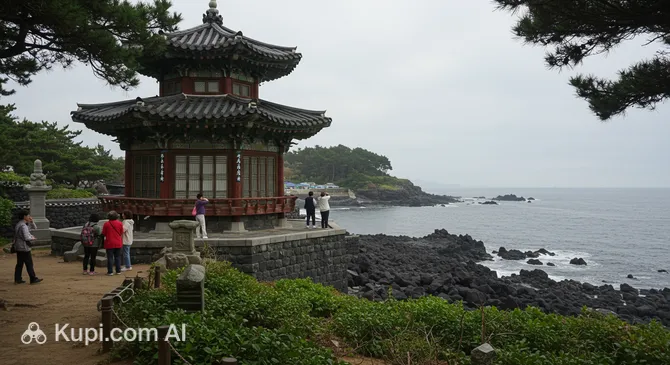
Jeju City. Source: Kupi.Binoculars

While it is a modern metropolis, the area possesses deep cultural roots. Visitors can explore the fascinating history of Jeju City, which is intertwined with unique local myths and the resilient traditions of the islanders. The city seamlessly integrates its heritage with contemporary lifestyle, offering bustling shopping districts alongside ancient sites like the Samseonghyeol shrine.

Key attractions within the city limits include the famous Yongduam Rock (Dragon Head Rock), a striking basalt formation that resembles a dragon rising from the sea. Food lovers should not miss the energetic Dongmun Traditional Market, where fresh seafood and local delicacies like Jeju tangerines are abundant. Additionally, the city serves as a convenient base for those planning to hike the majestic Hallasan Mountain nearby.

Whether you are here for a short stopover or a longer exploration, Jeju City provides an excellent starting point for your island adventure. Its welcoming vibe, diverse culinary scene, and proximity to natural wonders ensure a memorable experience for every traveler.

Weather Overview

Jeju City experiences a temperate climate with distinct seasonal variations, offering a unique atmosphere throughout the year. For travelers looking to time their visit perfectly, checking the detailed weather in Jeju City is highly recommended to ensure a comfortable stay.

Winters are generally cool but mild compared to the mainland, with average temperatures in January and February hovering around 6.0°C to 6.9°C. As the season transitions into spring, the weather becomes delightful; by May, the average temperature rises to a pleasant 16.7°C, creating excellent conditions for sightseeing.

The summer months are the warmest, with August peaking at an average of 26.6°C. However, this period also brings higher humidity and more frequent rainfall, with July, August, and September each seeing about 15 wet days on average. Expect warm summers with occasional rain and cool, relatively drier winters.

Interesting Facts

Beyond the bustling markets and scenic coasts, Jeju City holds many fascinating secrets that define its unique cultural identity. From ancient myths of origin to baffling optical illusions, here are some intriguing facts about this island capital.
  • The "Three Absences" (Sammu): Traditionally, the city and the entire island are known for lacking three things: thieves, beggars, and main gates on houses. Instead of gates, locals historically used long wooden poles called jeongnang to signal if they were home, reflecting the deep trust and safety within the community.

  • The Gravity-Defying Road: One of the city's quirky phenomena is the Dokkaebi Road, often called the "Mysterious Road." Due to a bizarre optical illusion created by the surrounding terrain, objects and cars in neutral gear appear to roll uphill, defying the laws of gravity.

  • The Oldest Building: Standing in the heart of the city is Gwandeokjeong Pavilion, the oldest existing structure on the island. Built in 1448, this historic site originally served as a training ground for soldiers and a venue for grand royal feasts.

  • Birthplace of the Founders: According to local legend, three demigods emerged from holes in the ground at a site called Samseonghyeol in the city center to found the Tamna Kingdom. These three holes are said to be unaffected by heavy rain or snow, which never accumulates inside them.

  • A World Underground: Just outside the main city area lies the Manjanggul Lava Tube, a UNESCO World Heritage site. It houses the world's largest known lava column, standing approximately 7.6 meters high, formed thousands of years ago by volcanic activity.

Gwandeokjeong Pavilion. Source: Kupi.Binoculars

How to Get There

Reaching this island destination is an exciting part of the journey, primarily involving a flight or a scenic ferry ride from the mainland. As the main gateway to the province, the city is well-connected and accessible. You can find more detailed information about all ways to reach Jeju City to help plan your arrival perfectly.

The most convenient and common way to arrive is via Jeju International Airport (IATA: CJU). Located directly in Jeju City, it is the primary hub for travelers and sits just 2.6 km from the city center. Due to its close proximity, a trip downtown is very quick; a taxi or bus ride generally takes about 20 to 25 minutes, depending on traffic. This airport handles a massive volume of passengers annually, making it a bustling and efficient entry point. For travelers coming from other parts of Korea, airports on the mainland such as Gwangju Airport (IATA: KWJ) in Gwangju or Yeosu Airport (IATA: RSU) in Yeosu serve as key departure points for domestic flights to the island.

For clarity, here is a summary of the main airports:

Airport Name City Passenger Traffic Km from City
Jeju International AirportJeju CityVery High2.6
Gwangju AirportGwangjuMedium181.9
Yeosu AirportYeosuMedium179.6
Muan International AirportGwangjuSmall165.4
Sacheon AirportJinjuSmall226.4

The city of Jeju City does not have its own railway station, as there are no train services on the island itself. However, travelers often take high-speed trains to port cities on the mainland before catching a ferry. You can arrive at Mokpo Station (IATA: XKX) in the city of Mokpo, which is approximately 143.3 km away across the sea. From Mokpo, frequent ferries depart for Jeju. Another option is Gwangju Songjeong Station (IATA: XNJ) in Gwangju, located about 183.0 km away, where you can transfer to a bus or flight to reach the island.

Below is a list of relevant railway stations on the mainland:

Station City Passenger Traffic Km to Center
Gwangju Songjeong StationGwangjuHigh183.0
Mokpo StationMokpoMedium143.3
Yeosu Expo StationYeosu179.0
Jinju StationJinju234.5

Main Attractions

Jeju City is a treasure trove of natural wonders and cultural landmarks, offering visitors a diverse range of experiences from volcanic hiking trails to immersive art installations. Whether you are seeking outdoor adventure or a deep dive into local history, the city and its surroundings have something captivating to offer.

Dominating the center of the island and visible from many parts of the city is Hallasan National Park. This UNESCO World Heritage site is home to South Korea's highest mountain, a dormant volcano that features a breathtaking crater lake at its summit. It is a paradise for hikers, offering trails of varying difficulty that wind through lush forests and vibrant fields of azaleas in the spring. Reaching the top rewards adventurers with panoramic views of the entire island and the surrounding ocean.

Hallasan National Park. Source: Kupi.Binoculars

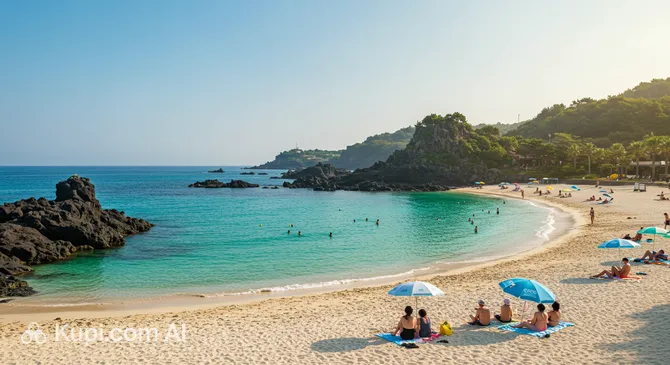
For those who prefer the coastline, Hamdeok Beach is widely regarded as one of the most beautiful spots on the island. Located just east of the city center, this beach is famous for its crystal-clear emerald waters and fine white sand. The shallow waters make it ideal for swimming and families, while the adjacent Seoubong Peak offers a short hiking trail with stunning views over the beach and the sea, especially during sunset.

Hamdeok Beach. Source: Kupi.Binoculars

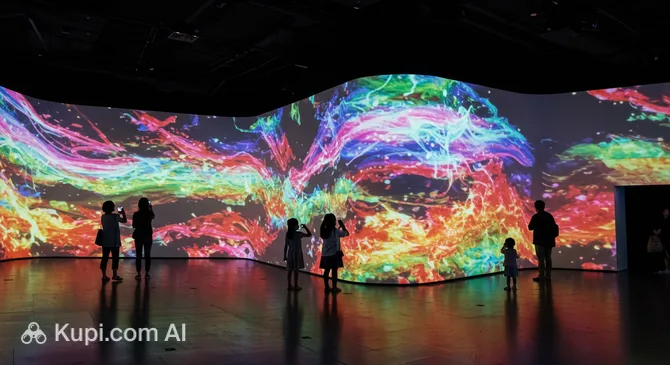
A more modern addition to the city's list of must-visit places is the Arte Museum Jeju. This immersive media art exhibition is the largest of its kind in the country, housed in a spacious former speaker factory. Visitors can wander through darkened halls illuminated by spectacular light projections that mimic waterfalls, blooming gardens, and crashing waves, accompanied by intense soundscapes that create a truly sensory experience.

Arte Museum Jeju. Source: Kupi.Binoculars

To understand the rich heritage of the region, a visit to the Jeju National Museum is essential. The museum provides a comprehensive overview of the island's unique history, from its prehistoric origins to the Tamna Kingdom era and the Joseon Dynasty. Through various artifacts, dioramas, and folklore exhibits, tourists can gain insight into the distinct culture and maritime traditions that set Jeju apart from the mainland.

Local Cuisine

The culinary scene in Jeju City is distinct from the rest of Korea, shaped heavily by its island geography and volcanic soil. The local gastronomy emphasizes fresh ingredients sourced directly from the surrounding sea and the fertile land. Travelers will find that the flavors here are robust and earthy, with a heavy reliance on seafood, pork, and locally grown produce like tangerines and carrots.

One cannot visit Jeju without trying its most famous specialty: Black Pork, or Heuk-dwaeji. This native breed is celebrated for its unique taste, chewy texture, and rich marbling. It is typically served as a Korean-style BBQ, where thick cuts of meat are grilled at the table and dipped in a salted anchovy sauce called meljeot. For a premium experience of this local favorite, Jungjong Jeju Black Pork BBQ offers high-quality cuts aged to perfection, allowing diners to savor the authentic flavor that defines the island's dining culture.

Seafood lovers will be in paradise, as the city offers an abundance of fresh catches ranging from abalone and sea urchin to the shimmering silver cutlassfish known as galchi. To experience the sheer variety of local eats in one place, a visit to the Dongmun Traditional Market is a must. By day, it is a bustling market selling fresh fish and produce; by night, it transforms into a vibrant night market offering street food delights like abalone kimbap and torch-grilled lobster.

Beyond the staples, Jeju City is home to some truly unique culinary experiments. Adventurous eaters might explore the traditional consumption of horse meat, a delicacy on the island. Horse Meat Lab presents this ingredient in creative and approachable ways, such as burgers or sushi. For those with a sweet tooth or an interest in agriculture, the island's famous citrus fruits are celebrated at the Jeju Citrus Museum, where you can learn about the sweet Hallabong tangerines. Finally, wash it all down with a local craft beer at Magpie Brewery, a pioneer in Korea's craft beer scene that brews distinct ales often using local ingredients.

Travel Tips

Welcome to Jeju City! To ensure your island getaway is as smooth and enjoyable as the refreshing ocean breeze, we have compiled a set of essential tips covering everything from local navigation to cultural nuances. These practical insights will help you travel with confidence and ease.

  1. Clothing and Gear: Jeju is famously known as the "island of wind," so bringing a windbreaker or light jacket is essential regardless of the season. If you plan to explore the scenic Olle Trails or hike Hallasan Mountain, pack sturdy, broken-in hiking boots. For summer visits, breathable fabrics are best, while layers are crucial for the changeable weather in spring and autumn.
  2. Transportation: There is no metro or train system on the island. While buses are affordable and cover major routes, they can be infrequent outside the city center. For maximum freedom, renting a car is highly recommended. Note that Google Maps often lacks precise walking or driving directions here; download Naver Map or KakaoMap for accurate navigation and bus schedules.
  3. Finances: The local currency is the South Korean Won (KRW). International credit cards are widely accepted in most hotels and restaurants, but you will need cash for street food stalls, the Dongmun Traditional Market, and to recharge T-money transportation cards. Tipping is not part of the culture and is not expected anywhere.
  4. Health and Safety: Jeju City is incredibly safe for travelers, with low crime rates. Pharmacies are easy to spot with a "약" sign and are well-stocked. In case of an emergency, dial 112 for police or 119 for medical assistance. The 1330 Korea Travel Helpline also provides 24/7 assistance in English.
  5. Communication: While staff at major hotels and tourist sites often speak English, it is less common in local eateries and taxi cabs. It is very useful to have a translation app like Papago on your phone. You can easily purchase a SIM card or rent a portable Wi-Fi router ("egg") upon arrival at Jeju International Airport to stay connected.
  6. Local Etiquette: When handing over money, credit cards, or gifts, use two hands (or support your right forearm with your left hand) as a sign of respect. Always remove your shoes when entering a private home, certain traditional restaurants, or guesthouses; look for a shoe rack at the entrance as a cue.
  7. What to Avoid: Do not sit in the priority seats on buses, which are strictly reserved for the elderly, pregnant women, and those with disabilities, even if the bus is empty. Additionally, avoid talking loudly on public transport, as silence is considered polite.
  8. Additional Tip: Be mindful of the island's strict waste disposal rules. If you are staying in an Airbnb or holiday rental, ask your host about the specific recycling system, as Jeju takes environmental preservation seriously. Also, keep an eye out for "Tax Free" signs in shops to get an immediate tax refund on your purchases.

Armed with these practical tips, you are well-prepared to navigate the charming streets and natural wonders of Jeju City. We hope this advice helps you connect more deeply with the local culture and allows you to enjoy a stress-free and memorable adventure!

Entertainment & Nightlife

While Jeju City is often celebrated for its natural wonders, its nightlife scene is a vibrant mix of energetic districts, cozy pubs, and seaside promenades that come alive after sunset. The atmosphere here is generally more relaxed than the frenetic pace of Seoul, offering a welcoming environment where locals and travelers mingle over drinks and music. The dress code is typically casual, reflecting the island's laid-back vibe, so you can feel comfortable exploring in smart-casual attire.

The nightlife is primarily concentrated in two main districts. Jeju City Hall (Sicheong) is the hub of youth culture, bustling with university students and filled with affordable bars, spirited izakayas, and karaoke rooms (noraebang) that stay open late. For a more cosmopolitan experience, head to Yeon-dong, specifically Nuajemaru Street (formerly Baozen Street). This pedestrian-friendly area is lined with neon lights, duty-free shops, modern lounges, and clubs that attract a diverse crowd of tourists and expatriates. Another popular spot is the Tapdong waterfront promenade, where people gather on warm evenings to enjoy drinks by the sea, often accompanied by impromptu street performances.

If you are looking for a unique place to spend the evening, the local craft beer scene is thriving. Venues like Magpie Brewery are local legends, offering a chance to taste beers brewed with island ingredients. For foodies, the night market at Dongmun Traditional Market is an essential stop, serving sizzling street food until late. Most bars and pubs operate until 2:00 AM or 3:00 AM, while some clubs in Yeon-dong stay open until dawn.

Safety is rarely a concern in Jeju City, making it safe to walk between venues in the main districts at night. However, public transportation winds down around 10:00 PM or 11:00 PM. The best way to get around late at night is by taxi. It is highly advisable to have the Kakao T app installed to hail cabs easily, as flagging one down on the street can sometimes be difficult during peak hours.

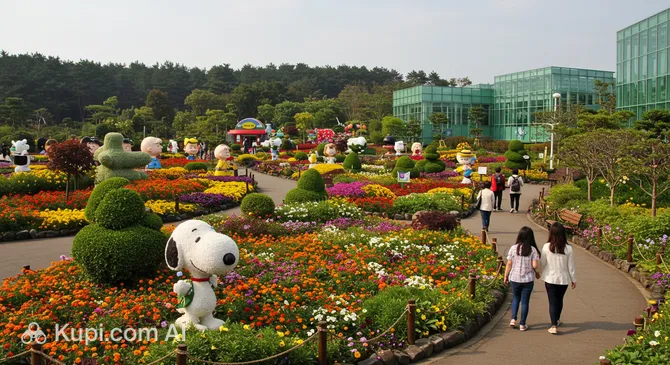
Before the sun sets and the city lights take over, there is plenty of daytime entertainment to fill your itinerary. Families and fans of pop culture will delight in visiting Snoopy Garden, a charming theme park and nature garden dedicated to the beloved Peanuts characters. It offers a peaceful yet entertaining retreat suitable for all ages.

Snoopy Garden. Source: Kupi.Binoculars

For those seeking a bit more adrenaline, Jeju Kart provides a thrilling racing experience with tracks that offer views of the island's scenery. Meanwhile, culture enthusiasts can explore the Tapdong Cinema Museum, which showcases a fascinating collection of film memorabilia and offers a nostalgic look at the history of cinema.

Parks & Museums

Jeju City is not only a bustling urban hub but also a sanctuary of lush greenery and deep-rooted heritage. The city and its surroundings offer a refreshing mix of botanical escapes and cultural institutions that allow visitors to step away from the concrete and immerse themselves in the island's natural beauty and history.

For those seeking tranquility without venturing far from the city center, Halla Arboretum is a perfect retreat. Nestled in the foothills of Gwangioreum, this expansive garden serves as a conservation area for over 1,100 species of native and subtropical plants. It is particularly enchanting in spring when the cherry blossoms are in full bloom, offering a peaceful setting for leisurely walks among bamboo forests and fern gardens.

A short drive from the city leads to the unique Ecoland, a theme park that explores the mysterious Gotjawal primeval forest. Visitors board a classic 1800s-style steam train to traverse the park, hopping off at various stations to explore lakeside boardwalks, mossy trails, and picnic areas. It is an excellent way to experience Jeju’s distinct ecosystem, where tropical and polar plants coexist, in a family-friendly environment.

Nature lovers should also explore the ancient Bijarim Forest. This designated natural monument is home to the largest single-species forest of nutmeg trees in the world. Walking beneath the canopy of 500-to-800-year-old trees, including the majestic "New Millennium Nutmeg Tree," provides a healing experience filled with fresh, phytoncide-rich air.

On the cultural front, Jeju Mokgwana offers a tangible connection to the island's administrative past. As the former government office during the Joseon Dynasty, this restored complex features elegant pavilions and traditional architecture. It frequently hosts cultural events and reenactments, allowing tourists to visualize the governance and daily life of historic Jeju.

For a more contemporary cultural experience, the Podo Museum presents thought-provoking art exhibitions. Known for focusing on themes of diversity, empathy, and social connection, the museum uses modern art and multimedia installations to engage visitors in meaningful dialogue, making it a standout destination for art enthusiasts.

If you are looking for a hidden gem that blends history with modern cafe culture, visit Myeongwol Elementary School. This defunct school has been charmingly transformed into a gallery and cafe, preserving its wooden floors and nostalgic atmosphere while serving coffee and showcasing local art.

Getting Around

Public transport in Jeju City is primarily bus-based, as the city does not have a subway or train system. The bus network is extensive and efficient, serving as the main lifeline for both locals and visitors. The system is color-coded for easy identification: red buses are express routes connecting the airport and major transit hubs to other parts of the island, blue buses operate on mainline routes within the city and inter-city roads, and green buses serve as branch lines navigating smaller neighborhoods and narrower streets. For late-night arrivals, there are also specific night buses, though they run less frequently.

To navigate the system smoothly, the most convenient payment method is a reloadable transportation card, such as T-money or Cashbee. These cards are widely used across the region and offer a slight discount compared to paying with cash. More importantly, using a card allows for free transfers between buses. To qualify for this transfer discount, you must tap your card on the reader both when boarding and when exiting the bus. The transfer window typically remains open for 30 minutes after you tap out (or up to an hour for certain longer routes).

Travelers can easily purchase and top up these cards at any major convenience store, such as GS25, CU, or 7-Eleven, as well as at the airport. Most buses operate from early morning, around 5:30 AM, until approximately 11:00 PM. Since bus schedules can be complex and global map apps often have limited functionality here, it is highly recommended to download local navigation apps like Naver Map or KakaoMap. these provide accurate, real-time arrival information and detailed route planning in English.

For those seeking alternatives to the bus, taxis are abundant and reasonably priced. They can be easily hailed on the street in busy areas or booked via the Kakao T app, which is very popular and helps overcome language barriers by allowing you to set your destination digitally. Car rentals are also incredibly popular, especially for tourists who plan to use the city as a base to explore the rest of the island's scenic coastlines and mountains at their own pace. Bike rentals are available along coastal roads for shorter, scenic trips.

A special feature worth noting for sightseers is the Jeju City Tour Bus. This hop-on-hop-off service is designed specifically for tourists and loops around the city's major attractions, including Sarabong Peak, Dongmun Market, and Yongduam Rock. It provides a convenient and stress-free way to visit multiple landmarks in a single day without having to navigate the regular public transit routes. Tickets can be purchased directly from the driver or at the airport, offering unlimited rides for the day.

Accommodation

Where to Stay:

Jeju City offers a diverse array of accommodation options catering to all types of travelers, from business professionals to families on vacation. As the main entry point to the island, the city is particularly convenient for those who wish to stay close to the airport and the bustling urban center. Whether you prefer the amenities of a large hotel or the charm of a smaller guesthouse, the city provides a comfortable base for exploring the northern side of Jeju.

For those seeking luxury and extensive facilities, the area features several high-end resorts. Nine Bridges is a premier destination, widely recognized for its world-class golf course and private, upscale atmosphere. It appeals to travelers looking for exclusivity and tranquility amidst nature. Similarly, Jeju Grand Resort offers a resort-style experience with a range of services designed to ensure a relaxing stay.

Travelers who prefer to be in the heart of the action often choose to stay in the Yeon-dong or Nohyeong-dong districts. These neighborhoods are known as the "New Jeju" area and are filled with modern business hotels that offer easy access to duty-free shopping, restaurants, and nightlife. Staying here means you are never far from convenience stores and public transportation, making it an excellent choice for those without a rental car.

For a more local and intimate experience, "pensions" (holiday rentals) and guesthouses are widely available, especially along the coastal roads near the harbor or beaches. These accommodations often provide a home-like environment and are budget-friendly. Many offer ocean views and are run by locals who can provide personalized travel tips.

It is advisable to book accommodations well in advance, particularly during the peak summer months of July and August, as well as during major Korean holidays like Chuseok and Seollal. During these times, rooms in popular hotels and resorts can fill up quickly, and prices may be higher than usual.

Nearby Cities

For those looking to explore the surroundings, Jeju City serves as an excellent base for day trips to several interesting nearby locations. While Jeju is an island, its efficient transport links make it possible to visit coastal gems and cultural hubs on the southern mainland of Korea for a short visit or an extended excursion.

One of the most attractive destinations is Yeosu, a port city famous for its romantic night seascapes and the Yeosu Maritime Cable Car. Visitors can enjoy stunning aerial views of the archipelago and explore the Odongdo Island park. It offers a different coastal vibe compared to Jeju, with a focus on modern maritime leisure and fresh seafood markets.

For travelers interested in culture and art, Gwangju is a vibrant metropolis worth visiting. Known as the city of light, it is a hub for the arts, hosting the famous Gwangju Biennale. It also serves as a gateway to Mudeungsan National Park, offering hiking opportunities with unique rock formations, and is celebrated for its rich and flavorful regional cuisine.

Another culturally significant stop is Jeonju, renowned for its well-preserved Hanok Village. Walking through its streets lined with hundreds of traditional Korean houses allows visitors to step back in time. As the birthplace of Bibimbap, it is a paradise for food lovers seeking authentic Korean flavors in a historic setting.

City Population Distance (km)
Gwangju1,490,092185
Jeonju631,532265
Jinju350,000237
Yeosu341,994175
Iksan302,310274

These nearby destinations offer a glimpse into the diverse culture and landscapes of the region, easily accessible via a short flight or ferry ride across the strait.

Shopping & Souvenirs

Shopping in Jeju City offers a delightful contrast between modern retail therapy and traditional commerce, making it a satisfying experience for all types of travelers. The city is renowned for its duty-free shopping, vibrant pedestrian streets, and bustling markets where the island's unique culture is on full display. Whether you are looking for high-end luxury brands, trendy Korean cosmetics, or authentic local handicrafts, the city provides a wide array of options to fill your suitcases.

For a modern shopping experience, head to Chilsung-ro Shopping Street near the old city center. Often referred to as the "Myeongdong of Jeju," this pedestrian-only zone is lined with major sports brands, fashion boutiques, and shoe stores, making it a favorite spot for the younger crowd. Another key district is Nuajemaru Street (formerly Baozen Street) in the Yeon-dong area. This district is particularly famous for its concentration of skincare and cosmetic shops, catering to those looking to stock up on famous Korean beauty products.

Travelers looking for international luxury goods at competitive prices should visit the city's famous duty-free stores, such as the Shilla Duty Free or Lotte Duty Free. These multi-story complexes offer a vast selection of designer bags, perfumes, and liquor. For a different kind of indoor shopping, the Jeju Jungang Underground Shopping Center creates a sprawling subterranean maze beneath the city streets, filled with hundreds of small stalls selling clothing, accessories, and souvenirs at affordable prices.

To truly understand the local lifestyle, a visit to the traditional markets is essential. The Dongmun Traditional Market is the oldest and largest permanent market on the island. It is the perfect place to hunt for souvenirs, fresh fruits, and local snacks. For a more rustic experience, try to time your visit with the Jeju Five-Day Folk Market. As one of the largest periodic markets in the country, it opens only on dates ending in 2 and 7. Here, you can find everything from grandmother's homemade side dishes to gardening tools and livestock, offering a vibrant slice of authentic island life.

When it comes to souvenirs, Jeju City has several iconic items that are distinct to the island. The most popular gifts include Hallabong tangerines and related products like citrus chocolates, teas, and tarts. Small volcanic stone statues called Dol Hareubang (Stone Grandfather) are classic keepsakes believed to bring protection and fertility. Additionally, skincare products made from local volcanic clay or green tea are highly sought after for their quality.

Most shops and department stores in Jeju City open around 10:00 AM and close between 9:00 PM and 10:00 PM. Traditional markets open much earlier in the morning, and the night market at Dongmun operates late into the evening. Credit cards are widely accepted almost everywhere, including taxis and convenience stores, though carrying some cash (Korean Won) is recommended for small purchases at street stalls or traditional markets.

Tourists should also take advantage of the Tax-Free shopping system available in South Korea. Many stores displaying the "Tax Free" or "Tax Refund" logo allow visitors to receive an immediate tax deduction at the counter upon presenting a valid passport, or provide a receipt to claim a refund at the airport before departure. This makes shopping for higher-value items even more attractive for international visitors.

Reached the end of the page?

That means the route is fully explored