Support

Tonghua

About

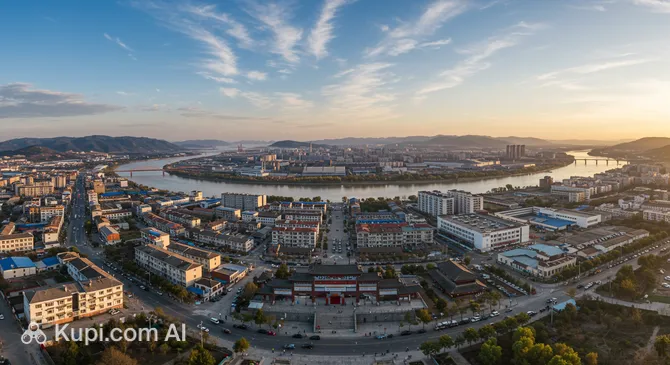
Tonghua is a vibrant city situated in the southern part of Jilin Province, nestled within the picturesque landscapes of the Changbai Mountains. Known for its rich natural resources and distinct local culture, this destination in China offers a unique blend of industrial heritage and scenic beauty. With a population of approximately 600,000, it serves as a bustling regional hub while maintaining a welcoming atmosphere for travelers seeking authentic experiences.

Tonghua. Source: Kupi.Binoculars

The city is renowned for its significant contributions to the pharmaceutical and wine industries, often referred to as the "City of Chinese Medicine" and the "City of Wine." Visitors interested in the history of Tonghua will find that its development has been deeply intertwined with these trades, as well as its strategic location. The climate here is characterized by distinct seasons, with snowy winters that transform the area into a wonderland for winter sports enthusiasts.

Nature lovers and adventure seekers will appreciate the city's proximity to stunning natural attractions. The region is famous for the Wanfeng Tonghua Ski Resort, which attracts skiers of all levels with its excellent facilities. Additionally, the lush forests surrounding the city are home to valuable resources like wild ginseng. Whether you are here to taste the famous local sweet wine or to explore the rugged mountain trails, Tonghua promises a memorable journey into the heart of the northeast.

Weather Overview

Tonghua experiences a continental monsoon climate characterized by four distinct seasons, ranging from freezing winters to warm, humid summers. When planning your trip, it is helpful to consult the forecast for the weather in Tonghua, as conditions can vary greatly depending on the time of year. The city is generally known for its crisp seasonal changes and picturesque landscapes that transform with the temperature.

Winter is the longest and coldest season, with January seeing average temperatures drop to -13.3°C and lows reaching -19.7°C. Despite the biting cold, this period is typically dry, with very few wet days, creating stable conditions for winter activities. In contrast, the summer months bring warmth and increased moisture. July is the hottest month, with an average temperature of 22.8°C, while August sees the highest frequency of rainfall, with up to 18 wet days.

The transitional seasons of spring and autumn offer milder but changeable weather. May is a pleasant time to visit, with average temperatures rising to 13.5°C, while October cools down to around 7.4°C. Overall, visitors can expect warm summers with occasional rain and cold, dry winters.

Interesting Facts

Beyond the scenic landscapes and industrial achievements, Tonghua holds several fascinating secrets that add depth to its identity. This city is not just a regional hub but a place of pioneering history and unique local treasures.
  • Tonghua is widely recognized as the "Cradle of Skiing" in China. It was home to the country's first professional ski resort, built in the late 1950s, and has historically served as the primary training ground for the nation's winter sports athletes and Olympic champions.

  • The city possesses a distinct wine culture centered around the wild Amur grape, a species capable of surviving the region's harsh, freezing winters. Unlike typical vineyards, the local industry produces a unique sweet red wine from these mountain grapes, a tradition that dates back nearly a century.

  • Thanks to its location near the Changbai Mountains, Tonghua is a powerhouse of traditional healing, often called the "Hometown of Chinese Medicine." The surrounding forests are rich in wild ginseng, gastrodia, and other medicinal herbs, making the city a critical center for pharmaceutical production and trade.

  • The region is famous for the Songhua Inkstone, a prized tool for calligraphy enthusiasts. Carved from natural stones found in the Songhua River valley, these inkstones were historically favored by Qing Dynasty emperors for their smooth texture and vibrant natural colors.

How to Get There

Reaching Tonghua is the first step of your journey into the scenic landscapes of Jilin Province. Whether you prefer flying or taking the train, there are several options to consider depending on your starting point and itinerary. For a comprehensive guide on planning your route, you can read more about how to get to Tonghua.

The most convenient way to arrive by air is via the city's own transport hub, Tonghua Sanyuanpu Airport (IATA: TNH). Located approximately 62 km from the city center, this regional airport connects the area with major Chinese cities. The journey from the airport to downtown typically takes around 50 to 60 minutes by taxi or shuttle bus. For international travelers or those looking for more flight connections, Shenyang Taoxian International Airport (IATA: SHE) is a significant alternative. Although it is located in Shenyang, about 205 km away, it serves as a major gateway to the region. The transfer from Shenyang to Tonghua by road usually takes between 2.5 and 3.5 hours via the highway.

For clarity, here is a summary of the main airports serving the region:

Airport Name City Passenger Traffic Km from City
Shenyang Taoxian International Airport Shenyang Large 204.8
Changchun Longjia International Airport Changchun Large 252.8
Changbaishan Airport Baishan Medium 143.1
Langtou Airport Dandong Small 235.0
Tonghua Sanyuanpu Airport Tonghua Small 61.6

Travelers exploring the wider region by rail often utilize major transport hubs in neighboring cities to connect to Tonghua. One such option is the Benxi Railway Station (IATA: BYE). Please note that this station is located in Benxi, not Tonghua, and is approximately 189 km away. From there, a transfer by taxi or bus would generally take about 2.5 to 3 hours. Another major hub is the Shenyang North Railway Station (IATA: VWA) in Shenyang. Situated about 209 km from Tonghua, it offers extensive connections, with the onward journey by road taking approximately 3 hours.

Below is a list of railway stations in the surrounding area that may be useful for planning your approach:

Station City Passenger Traffic Km to Center
Siping Railway Station Siping Medium 199.5
Benxi Railway Station Benxi Medium 188.9
Shenyang North Railway Station Shenyang 209.0
Fushun Railway Station Fushun 169.5
Tieling Railway Station Tieling 196.5

Main Attractions

Tonghua offers a compelling mix of outdoor adventures and cultural experiences, deeply rooted in its mountainous geography and industrial history. From world-class winter sports facilities to serene forest parks and unique culinary heritage, the city provides diverse options for travelers looking to explore the hidden gems of Jilin Province.

One of the city's premier destinations is the Wanfeng Tonghua Ski Resort. Often celebrated as the cradle of Chinese skiing, this resort has been modernized to offer excellent slopes for both beginners and professional athletes. Visitors flock here during the winter months to enjoy the high-quality powder snow and the scenic alpine views. It is not just a place for sport but a historical landmark that showcases the region's long-standing tradition of winter activities.

For nature enthusiasts, Yunufeng National Forest Park is a spectacular retreat located near the city. The park is famous for its rugged cliffs, dense forests, and the iconic Yunufeng (Jade Lady Peak). Hiking trails wind through the lush vegetation, leading to observation decks that offer breathtaking panoramic views of the surrounding valleys and the winding river below. It is a perfect spot for photography and breathing in the fresh mountain air, particularly in summer and autumn.

A visit to Tonghua would be incomplete without exploring its "City of Wine" reputation at the Tonghua Wine Cultural Museum. This facility offers a fascinating look into the history of the local wine industry, which utilizes the native wild Amur grapes capable of surviving the freezing winters. Tourists can explore the underground cellars, learn about the unique fermentation processes, and sample the region's signature sweet red wines that have been produced here for decades.

Further afield lies the stunning Longwan National Forest Park, known for its series of volcanic crater lakes. The most famous, Sanjiaolongwan (Triangular Dragon Bay), features deep, emerald waters surrounded by sheer cliffs. The park is a geological wonder that changes colors with the seasons, offering boat rides and tranquil walking paths. It is an ideal destination for those seeking peace and natural beauty away from the urban center.

Local Cuisine

Local Cuisine:

The culinary landscape of Tonghua is a delightful reflection of its geography, blending the hearty flavors of Northeast Chinese (Dongbei) cuisine with distinct Korean influences and the bounty of the surrounding Changbai Mountains. Due to the cold climate, the local diet leans towards warming, savory dishes characterized by generous portions and robust seasonings. Visitors can expect a dining experience that focuses on preserved vegetables, tender meats, and an abundance of wild ingredients gathered from the nearby forests.

One of the must-try specialties in Tonghua is Ginseng Chicken Soup. As the city is a major center for ginseng production, this dish is not only a culinary staple but also valued for its health benefits. The soup typically features a whole chicken simmered slowly with local ginseng roots, jujubes, and goji berries, resulting in a rich, herbal broth that is perfect for combating the winter chill. Another regional favorite is Iron Pot Stew (Tie Guo Dun), a communal dish where fish, goose, or ribs are braised in a large cast-iron pot set into the table, often served with cornmeal buns steamed on the side of the pot.

Given the region's proximity to the Korean peninsula, Cold Noodles (Leng Mian) are widely popular, especially during the warmer months. These chewy buckwheat noodles are served in a tangy, chilled broth topped with slices of beef, kimchi, cucumber, and apple, offering a refreshing contrast to the heavier local stews. For those exploring the street food scene, Tonghua Barbecue is a nightly ritual. Skewers of lamb, beef, and vegetables are grilled over charcoal and seasoned with cumin and chili, creating a smoky and spicy treat that pairs perfectly with local beverages.

No gastronomic tour of the city is complete without sampling the famous Tonghua Wine. Recognized as a geographical indication product, this sweet red wine is crafted from wild Amur grapes that grow in the frost-laden mountains. It has a unique, fruity flavor profile that distinguishes it from traditional dry wines. Locals and tourists alike often enjoy this drink with dinner or purchase it as a souvenir, celebrating the city's identity as the "City of Wine."

Dining in Tonghua is a social affair, ranging from bustling night markets filled with the aroma of grilling meat to cozy restaurants serving traditional banquet-style meals. Whether you are enjoying a simple bowl of noodles or a festive feast featuring wild mushrooms and game, the food here is prepared with a rustic honesty that warms the heart.

Travel Tips

Welcome to Tonghua! To ensure your visit to this scenic mountain city in China is as smooth as possible, we have compiled a list of essential travel tips. Whether you are here for the winter sports or the local heritage, these practical suggestions will help you navigate daily life with ease.

  1. Clothing and Gear: Given the distinct seasons, packing appropriately is crucial. For winter visits, you must bring heavy down jackets, thermal layers, and sturdy, non-slip boots to handle temperatures that often drop well below freezing. In summer, light and breathable fabrics are best, but carry a raincoat or umbrella as the season can be humid and wet. A universal power adapter is also recommended for your electronics.
  2. Transportation: The most convenient way to get around Tonghua is by taxi, which is generally affordable and plentiful. Public buses are available and cover most of the city, but route maps are typically in Chinese only, which can be challenging for non-speakers. Ride-hailing apps are widely used and can be a reliable alternative if you have mobile data.
  3. Finances: The local currency is the Chinese Yuan (RMB). While some major hotels may accept international credit cards, cash or mobile payments (Alipay and WeChat Pay) are the preferred methods at most restaurants and shops. It is wise to withdraw cash from ATMs at major branches like the Bank of China upon arrival, as smaller vendors often do not accept foreign cards.
  4. Health and Safety: Tonghua is generally a safe city for travelers. Pharmacies are easy to spot, often marked with a green cross, but carrying a basic first-aid kit and your own prescription medications is advisable. In winter, be extra cautious of icy sidewalks and steps; walk slowly and carefully to prevent slips on the frozen ground.
  5. Communication: Mandarin is the primary language spoken here, and English proficiency may be limited outside of high-end establishments. It is highly recommended to download a translation app and save the Chinese addresses of your hotel and destinations on your phone. Purchasing a local SIM card with a data plan is essential for navigation and communication.
  6. Local Etiquette: Politeness is highly valued in the local culture. When greeting people, a slight nod or a handshake is common. If you are invited to a meal or are handing over payment or a business card, use both hands as a sign of respect. Tipping is not customary and is generally not expected in restaurants or taxis.
  7. What to Avoid: Avoid taking unlicensed taxis, often found lingering outside train stations or the airport; stick to the official taxi queues or reputable ride-hailing services to ensure a fair price and safety. Also, avoid leaving your chopsticks sticking upright in a bowl of rice, as this resembles incense burned for the dead and is considered bad luck.
  8. Shopping Tip: Since Tonghua is famous for its wild ginseng and medicinal herbs, you might be tempted to buy some as souvenirs. However, be cautious when purchasing expensive products at tourist stalls. It is safer to buy from certified pharmacies or established specialty stores to ensure you are getting authentic, high-quality local products.

With these tips in mind, you are well-prepared to explore the unique charm of Tonghua. Embrace the local customs, stay warm during the snowy months, and enjoy every moment of your journey through this fascinating corner of Jilin Province.

Entertainment & Nightlife

Nightlife in Tonghua offers a distinct charm that reflects the city's friendly, local character. Unlike the frenetic energy of international metropolises, the evening scene here is more relaxed and community-oriented, deeply rooted in the region's love for good food and social gatherings. The atmosphere is welcoming and unpretentious, where the dress code is almost always casual, and the focus is on unwinding with friends after a day of work or exploration.

The heart of the city's evening entertainment can be found in the Dongchang District, particularly around Xinhua Street and Minzhu Road. As the sun sets, these areas come alive with neon lights and the bustle of locals heading out for dinner and entertainment. While you won't find a massive array of Western-style nightclubs, the city boasts a vibrant culture of KTV (karaoke) bars, which are the preferred nightlife venues for residents. These establishments range from opulent, multi-story venues to smaller, cozy rooms, offering a private and lively way to spend the night singing and drinking.

For food lovers, the Minzhu Road Gourmet Street is an absolute must-visit. This bustling thoroughfare transforms into a sensory delight at night, filled with the smoky aroma of Tonghua Barbecue. Here, you can sit at outdoor tables (in warmer months) or cozy indoor spots to enjoy skewers of grilled meat, seafood, and vegetables, all seasoned with the region's signature spices. It is also the perfect place to try the local sweet red wine, a staple of the city's identity, which pairs surprisingly well with the savory richness of the barbecue. The street is generally busiest between 7:00 PM and 10:00 PM, offering an authentic slice of local life at very affordable prices.

If you are visiting during the winter, the nightlife extends to the snowy slopes. The Wanfeng Tonghua Ski Resort offers night skiing sessions that are a unique highlight of the region. Gliding down illuminated runs under the starry winter sky provides an exhilarating alternative to the traditional bar scene. For a more conventional evening, the Tonghua Ouya Shopping Center is a modern hub where you can find a variety of restaurants, cafes, and a cinema on the upper floors, making it a great destination for families or those seeking a quieter night out.

Safety is a strong point in Tonghua; the city is well-lit and safe for walking at night, especially in the main commercial districts. Public transport tends to wind down early, so taxis are the best way to get around after dark. They are plentiful and inexpensive, and most drivers are honest, though it is helpful to have your destination written in Chinese. Ride-hailing apps are also a convenient option if you have mobile data.

While the nights are lively, daytime entertainment in Tonghua offers its own rewards. Visitors can explore the Yuhuang Mountain Park, which features the Jade Emperor Pavilion and offers panoramic views of the city—a sight that is particularly beautiful just before sunset. For a dose of culture, the local museums provide insight into the region's history and its famous pharmaceutical and wine industries, rounding out a travel itinerary that balances relaxation with discovery.

Parks & Museums

Tonghua offers a refreshing balance of urban green spaces and deep-rooted cultural heritage, making it a delightful destination for travelers who appreciate both nature and history. The city is dotted with scenic parks that provide a peaceful escape from the bustling streets, while its museums offer fascinating insights into the region's unique industrial legacy and storied past.

One of the most accessible and popular natural spots within the city is Yuhuang Mountain Park. Located centrally, this park is a favorite among locals for morning exercises and leisurely strolls. The highlight of the park is the magnificent Jade Emperor Pavilion, which sits atop the hill. Visitors who make the climb are rewarded with panoramic views of the entire city and the winding Hunjiang River below. In the spring and summer, the mountain is covered in lush greenery and blooming flowers, creating a vibrant backdrop for photography and relaxation.

For those who enjoy waterfront scenery, the Hunjiang Riverside Park is an excellent choice. Stretching along the banks of the Hunjiang River, this linear park serves as the city's green ribbon. It features well-maintained walking paths, sculptures, and landscaped gardens that come alive in the evenings when the city lights reflect off the water. It is a perfect setting for a casual evening walk to observe local life, where residents gather to dance, play music, and enjoy the fresh river breeze.

Delving into the cultural side of the city, the Tonghua Wine Cultural Museum provides an educational perspective on the local industry. While the famous underground cellars and tastings are often the primary draw for visitors, the museum's galleries offer a more curated historical narrative. Exhibits display vintage brewing equipment and archival photographs dating back to the 1930s, detailing how the region's specific climate and the wild Amur grape have shaped its identity as a wine-producing hub.

Another significant cultural venue is the Tonghua Science and Technology Museum, which often appeals to families and those interested in modern developments. While smaller than national museums, it provides interactive exhibits and educational displays that highlight the region's achievements in pharmaceuticals and natural resources. It serves as a testament to Tonghua's transformation from a traditional mountain town to a modern industrial hub.

For a touch of local history, travelers often visit the Yang Jingyu Martyrs Cemetery. Set within a solemn and beautifully landscaped park, this site honors the famous general and the region's historical struggles. The park itself is serene, filled with pine and cypress trees, offering a quiet space for reflection amidst the city's activity. The monuments and statues here are grand and artistically significant, drawing visitors interested in the historical narratives of Northeast China.

Insider Tip: If you visit Yuhuang Mountain Park, try to go just before sunset. The view of the city transitioning from day to night, with the lights gradually illuminating the river and streets, is truly magical and offers one of the best photo opportunities in Tonghua.

Getting Around

Navigating Tonghua is relatively straightforward, as the city is compact and well-connected. The primary mode of public transportation is the extensive bus network, which serves as the backbone of daily travel for locals and visitors alike. There is no metro system in the city, so buses are the most economical way to reach major districts, shopping areas, and tourist sites. The routes are generally efficient, though they can get crowded during peak commuting hours in the morning and late afternoon.

The payment system for public transport is simple and user-friendly. Bus fares are typically very low, usually costing a flat rate of 1 RMB per ride, regardless of the distance traveled within the city limits. While local residents often use rechargeable IC cards, these are not necessary for short-term visitors. Most buses are equipped with coin boxes, so it is essential to carry exact change, as drivers do not provide it. Alternatively, mobile payment apps like Alipay and WeChat Pay are widely accepted; you can simply scan the QR code located near the bus entrance to pay your fare.

For those seeking more comfort or flexibility, taxis are a popular and affordable alternative. Taxis can be easily hailed on the street and are distinguished by their uniform colors. They operate on a meter system, with a low starting rate that makes them a cost-effective option for short trips across town. Ride-hailing apps, such as DiDi, are also active in the area, allowing you to book a car directly from your smartphone. This is particularly useful if you do not speak the local language, as you can input your destination in the app beforehand.

A few practical tips will help ensure a smooth journey. Public transport operating hours in Tonghua may differ from larger metropolises; many bus lines stop running relatively early, often winding down between 6:00 PM and 7:00 PM, although some main routes may operate later. If you plan to stay out late, be prepared to take a taxi back to your accommodation. Additionally, bus stops and route maps are almost exclusively in Chinese. To avoid confusion, it is highly recommended to use navigation apps like Baidu Maps or Amaps (Gaode Maps), which provide accurate, real-time transit information that global apps often lack in this region.

While there are no specialized tourist transport modes like trams or cable cars within the city center, the journey to the nearby ski resorts or forest parks often involves dedicated shuttle buses or private transfers during the peak seasons. If you are arriving by train or plane, you will find ample taxi services and airport shuttle buses available to transport you into the city center, bridging the gap between regional transit hubs and the local urban network.

Accommodation

Accommodation in Tonghua caters to a diverse mix of business travelers, winter sports enthusiasts, and tourists exploring the region's natural beauty. The city offers a range of options, from budget-friendly guesthouses and standard business hotels to more upscale lodgings located near the major scenic spots. While the hospitality scene is not as extensive as in China's major metropolises, visitors will find clean, comfortable, and affordable places to stay that provide easy access to local amenities.

For most travelers, the most convenient area to stay is the Dongchang District, which serves as the city center. Staying here places you within walking distance of the Hunjiang River, bustling night markets, and the railway station. This area is populated with numerous mid-range hotels that offer reliable amenities such as Wi-Fi, breakfast buffets, and English-speaking staff in the larger establishments. It is the ideal base for those who want to explore the city's culinary scene and museums without needing extensive transport.

If your primary reason for visiting is winter sports, consider booking accommodation near the Wanfeng Tonghua Ski Resort. The area surrounding the slopes has developed significantly, offering resort-style hotels and apartments designed for skiers. These properties often provide convenient amenities like equipment storage and shuttle services to the lifts, allowing for a seamless ski-in, ski-out experience. In the summer, these same locations offer a quiet retreat surrounded by lush forests.

When planning your stay, it is important to note that Tonghua is a popular destination during the winter months (December to February). During this peak season, and especially around the Chinese New Year, rooms can fill up quickly, so it is highly recommended to book well in advance. Additionally, international travelers should confirm that their chosen hotel is licensed to host foreign guests, as regulations can vary for smaller establishments in regional cities.

In terms of pricing, Tonghua is generally very affordable. Budget options and hostels can be found for under 200 RMB per night, while comfortable mid-range hotels typically range between 200 and 500 RMB. High-end resorts near the ski areas may charge more, particularly on weekends and holidays. Booking is best done through major online travel platforms, where you can easily compare prices, read reviews, and verify foreigner acceptance policies before arrival.

Nearby Cities

For those looking to explore the surroundings, Tonghua serves as an excellent base for day trips or short visits to several interesting nearby locations:

City Population Distance (km)
Shenyang 7,964,000 209
Changchun 4,408,154 237
Siping 3,385,156 206
Tieling 2,717,732 184
Dandong 2,444,697 234

Among these destinations, a few stand out for their unique cultural and historical significance, making them well worth the journey:

Shenyang is a major metropolitan hub rich in history. As the capital of the neighboring Liaoning Province, it boasts the magnificent Mukden Palace, a UNESCO World Heritage site that dates back to the early Qing Dynasty. Visitors can explore the ancient imperial architecture and vibrant shopping districts, offering a perfect blend of the old and the new.

Dandong offers a truly distinct atmosphere due to its location on the banks of the Yalu River, directly across from the Korean peninsula. It is famous for the Great Wall at Hushan, the easternmost stretch of the Ming Dynasty wall, and the Yalu River Broken Bridge. The city provides scenic river views and a fascinating glimpse into border life.

Changchun, the capital of Jilin Province, is known as the "City of Eternal Spring" and is renowned for its broad avenues and lush greenery. It is home to the Museum of the Imperial Palace of Manchukuo, which provides deep insight into the region's 20th-century history. Additionally, film enthusiasts often visit to see the Changchun Film Century City, celebrating the city's role in Chinese cinema.

These nearby destinations offer a glimpse into the diverse culture and landscapes of the region, providing memorable experiences for travelers willing to venture a bit further afield.

Shopping & Souvenirs

Shopping in Tonghua offers a distinctive experience that blends modern retail convenience with the charm of traditional regional commerce. While the city may not be a global fashion capital, it is an excellent destination for discovering unique local specialties that are difficult to find elsewhere. Visitors will find a mix of bustling commercial streets, modern department stores, and specialized shops dedicated to the region's famous natural resources, particularly its pharmaceutical and agricultural treasures.

The commercial heartbeat of the city is located in the Dongchang District, where the most vibrant shopping activity takes place. Xinhua Street serves as a primary thoroughfare, lined with a variety of clothing boutiques, electronics stores, and local businesses. Walking down this street provides a glimpse into the daily life of residents and offers ample opportunities to browse for everyday goods. Another key area is Minzhu Road, which is not only famous for its nightlife but also hosts numerous shops and vendors during the day, making it a lively spot for window shopping.

For a more comprehensive and modern shopping experience, the Tonghua Ouya Shopping Center is the city's premier destination. This large complex houses a wide array of domestic and international brands, covering fashion, cosmetics, and household items. It provides a comfortable, climate-controlled environment that is particularly welcoming during the cold winter months. Here, tourists can find everything from winter gear suitable for the nearby ski resorts to casual wear and gifts.

Markets play a significant role in the local shopping scene, offering a more authentic atmosphere. The city's morning markets are bustling hubs where locals buy fresh produce and daily necessities, while the evening markets, particularly around the commercial districts, offer a mix of street food and small trinkets. These markets are excellent places to observe local culture and perhaps pick up inexpensive accessories or snacks.

When it comes to souvenirs, Tonghua is famous for its "Three Treasures of the Northeast." The most prominent of these is Ginseng. As a major processing hub for this medicinal root, the city offers high-quality ginseng products at various price points. Visitors can also find Deer Antler products and other traditional medicinal herbs like Gastrodia. Another must-buy item is the renowned Tonghua Wine, a sweet red wine made from wild Amur grapes that grow in the mountains. For those interested in arts and culture, the Songhua Inkstone is a prestigious local craft, prized by calligraphers for its smooth texture and natural beauty.

Most stores in Tonghua typically operate from around 9:00 AM to 9:00 PM, though smaller shops and markets may have different schedules. Payment methods are heavily digital, with WeChat Pay and Alipay being the standard everywhere, from large malls to street vendors. While cash is generally accepted, carrying small denominations is advisable. International credit cards are rarely accepted outside of major hotels or the largest department stores, so it is essential to have a mobile payment method set up or sufficient cash on hand.

Regarding tax refunds, Tonghua is not typically a designated tax-free shopping zone for international tourists, unlike major hubs like Beijing or Shanghai. Visitors should not expect to claim VAT refunds on purchases here. It is best to focus on the unique local products and reasonable prices that the city naturally offers.
Reached the end of the page?

That means the route is fully explored