Support

Tieling

About

Welcome to Tieling, a vibrant city located in the northern part of Liaoning Province. Known for its rich agricultural resources and significant role in the region's energy sector, this destination offers a unique blend of industrial heritage and scenic beauty. Situated in Northeast China, Tieling serves as an important hub connecting the provincial capital, Shenyang, with other northern cities, making it a convenient stop for travelers exploring the area.

The city is home to a population of over 2.7 million people and experiences a temperate continental monsoon climate. This results in four distinct seasons, with warm, rainy summers perfect for exploring nature, and cold, snowy winters that transform the landscape into a picturesque white wonderland. The geography is characterized by rolling hills and fertile plains, traversed by the Liao River, which has supported the local civilization for generations.
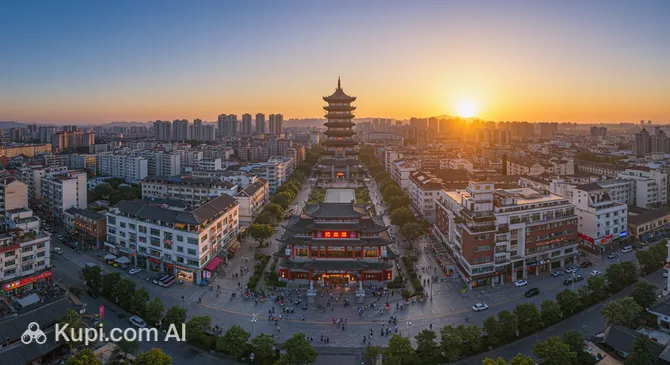
Tieling. Source: Kupi.Binoculars

Visitors interested in the past will find that the history of Tieling is deeply rooted in the Ming and Qing dynasties. The city has long been a strategic military and cultural post, often referred to in historical texts as the "throat of Liaodong." Today, remnants of this storied past can still be felt in the local culture and the layout of the older districts.

Tieling boasts several remarkable attractions that draw tourists from near and far. Longshou Mountain is perhaps the most famous landmark, offering panoramic views of the city and hosting ancient temples and pagodas along its trails. Another highlight is the Tieling Lotus Lake National Wetland Park, a serene ecological haven where visitors can observe diverse bird species and enjoy the tranquility of the vast wetlands.

Whether you are drawn by the charm of its natural landscapes or the warmth of its local people, Tieling offers a genuine experience of Northeastern Chinese life. We invite you to discover the hidden gems of this resilient and welcoming city.

Weather Overview

The climate in this region is defined by distinct seasonal changes, ranging from freezing winters to pleasant summers. January is typically the coldest month, with average temperatures around -10.3°C and lows dropping to -15.7°C, while the winter months generally see very little precipitation. For a more comprehensive breakdown of the conditions throughout the year, you can view the detailed report on the weather in Tieling.

As the year progresses, temperatures rise significantly, reaching an average of 25.7°C in July, which is the warmest month. The summer season also brings the majority of the year's rainfall, particularly in August, which experiences about 15 wet days. Overall, visitors can expect warm summers with occasional rain and cold, dry winters.

Interesting Facts

Beyond its scenic landscapes and industrial heritage, Tieling holds several fascinating cultural secrets that set it apart from other destinations. From its humorous reputation in national pop culture to its preservation of rare machinery and arts, this city offers unique stories waiting to be discovered.
  • Tieling is affectionately known across China as the "Big City," a nickname that originated from the famous comedy skits of local superstar Zhao Benshan. In his performances, he jokingly referred to Tieling as a massive international metropolis, turning the city into a beloved pop culture icon and a symbol of Northeastern humor.

  • The city manages the Diaobingshan Steam Locomotive Museum, which is one of the few places in the world where you can still see and ride fully operational steam trains. Unlike static museum displays, these vintage engines actively run on the tracks and are frequently used as dynamic props for period movies and television dramas.

  • Tieling is recognized as the birthplace of Chinese finger painting, a distinct art form pioneered by the Qing Dynasty artist Gao Qipei. Instead of using traditional brushes, local masters continue this heritage by using their fingernails, palms, and skin to create intricate and expressive masterpieces.

  • Often hailed as the "Town of Skits," the city is a breeding ground for some of the country's most renowned comedians. It is widely considered the cradle of "Errenzhuan," a traditional folk dance and song performance that has evolved into a mainstream comedic art form celebrated throughout the nation.

How to Get There

Reaching this part of Liaoning Province is relatively straightforward thanks to its proximity to major regional transport hubs. Whether you prefer flying or taking the train, there are several convenient options to choose from. For a detailed breakdown of routes and schedules, you can read more about how to get to Tieling on our dedicated page.

The city of Tieling does not have its own commercial airport, but it is well-served by the Shenyang Taoxian International Airport (SHE), located in the neighboring city of Shenyang. This is a major international hub situated approximately 78 km from Tieling. Travelers arriving here can expect a travel time of roughly 2 hours and 20 minutes by taxi or bus to reach Tieling. Given its large passenger volume, this airport offers the most frequent connections to domestic and international destinations. Alternatively, you might consider Tongliao Airport (TGO) in Tongliao, though it is significantly further away at about 195 km, making the transfer time much longer.

For clarity, here is a summary of the main airports:

Airport Name City Passenger Traffic Km from City
Shenyang Taoxian International AirportShenyangLarge77.7
Tongliao AirportTongliaoMedium194.7
Anshan Teng'ao AirportAnshanSmall154.8
Yingkou LanqiYingkouSmall230.4
Tonghua Sanyuanpu AirportTonghuaSmall153.8

Traveling by train is another excellent way to reach the area. The city is served by the Tieling Railway Station, which is located directly in Tieling, approximately 16 km from the specific city coordinates used for reference. This station connects the city to the wider national rail network. Additionally, the Shenyang North Railway Station in Shenyang is a major transit point located about 62 km away. Travelers often take a high-speed train to Shenyang North and then transfer to a local train or take a taxi to complete their journey to Tieling, which takes about 2 hours by road from Shenyang.

Below is a list of the nearest railway stations:

Station City Passenger Traffic Km to Center
Siping Railway StationSipingMedium106.0
Benxi Railway StationBenxiMedium110.5
Shenyang North Railway StationShenyang62.4
Tieling Railway StationTieling15.8
Fushun Railway StationFushun44.7

Main Attractions

While Tieling is often recognized for its industrial heritage and role in regional culture, the city offers a surprising array of scenic and historical destinations. From ancient mountain trails to unique museums, the local attractions provide a deeper look into the diverse character of Northeast China.

Longshou Mountain Scenic Area stands as the city's most iconic natural landmark. Located on the eastern bank of the Liao River, the mountain is named for its shape, which is said to resemble the head of a dragon. Beyond its natural beauty, the park is a significant cultural site, home to the historic Ciqing Temple and the Xiufeng Pagoda, a well-preserved structure from the Liao Dynasty. Visitors can hike up the stone steps to enjoy a commanding view of the city skyline and the winding river, making it a perfect spot for both exercise and sightseeing.

A truly distinctive highlight is the Diaobingshan Steam Locomotive Museum. Unlike traditional static displays, this is an active facility where visitors can see and even ride functional steam trains. It serves as a major base for steam locomotive tourism and is frequently used as a filming set for movies and TV shows requiring period transport. For railway enthusiasts and history buffs, the chance to witness these mechanical giants in operation offers an unforgettable journey back to the age of steam.

For those seeking tranquility, the Tieling Lotus Lake National Wetland Park offers a vast ecological retreat. This area is particularly spectacular in the summer when thousands of lotus flowers bloom, covering the water in vibrant shades of pink and green. The park features an extensive network of boardwalks and pavilions, allowing tourists to wander through the wetlands and observe various waterfowl in their natural habitat. It acts as a "green lung" for the region and provides a refreshing escape from the urban environment.

Another popular destination is Xiangya Mountain, often referred to as Ivory Mountain. Located in the Kaiyuan area of Tieling, this spot became famous across the country as the primary filming location for the long-running TV series "Country Love." Fans of the show flock here to see the familiar village settings, but even for those unfamiliar with the series, the mountain offers charming rural scenery, unique rock formations, and a genuine taste of Northeastern village life.

Local Cuisine

The culinary landscape of Tieling is a hearty reflection of its location in Northeast China, offering a distinct version of "Dongbei" cuisine that is famous for its generous portions, savory flavors, and heavy use of wheat-based staples. The food here is designed to warm you up during the cold winters, with a strong emphasis on stews, braised dishes, and pickled vegetables. Wheat buns, dumplings, and noodles often take precedence over rice, making for a filling and satisfying dining experience.

One of the absolute must-try local specialties is Tieling Huitou. This traditional halal snack resembles a dumpling but is distinct in its preparation and texture. Filled with savory beef or mutton and folded into a rectangular shape, the Huitou is pan-fried until the skin is soft yet slightly crisp. It is known for its juicy, flavorful filling and is widely regarded as a signature taste of the city. Another regional favorite is Stewed Chicken with Hazel Mushrooms, a classic dish that utilizes wild mushrooms gathered from the nearby mountains to create a rich, earthy flavor profile.

Vegetable lovers should not miss Di San Xian, a popular stir-fry consisting of potatoes, eggplants, and green peppers. The ingredients are fried to create a crispy exterior before being coated in a savory garlic and soy sauce glaze. During the colder months, the local Pickled Cabbage and Pork Stew becomes a staple on every table. The sourness of the fermented cabbage cuts through the richness of the pork, creating a balanced and comforting broth that locals have cherished for generations.

When it comes to beverages, the local culture leans heavily towards strong spirits and refreshing beers. Baijiu, a potent sorghum liquor, is a common accompaniment to dinner, especially during social gatherings and celebrations. Given Tieling's proximity to Shenyang, regional beers are also extremely popular and are often enjoyed with meals. For a non-alcoholic option, warm soybean milk or hawthorn juice are traditional choices that complement the savory and sometimes oily nature of Northeastern dishes.

The food culture in Tieling is unpretentious and deeply social. In the evenings, the city comes alive with the scent of Dongbei BBQ. Street food stalls and night markets are filled with locals enjoying skewers of lamb, beef, and vegetables grilled over charcoal and seasoned with cumin and chili flakes. Whether you are dining in a bustling restaurant or grabbing a skewer by the roadside, the atmosphere is typically lively, welcoming, and centered around sharing good food with friends.

Travel Tips

To ensure your visit to Tieling is as smooth and enjoyable as possible, a little preparation goes a long way in this distinct part of Northeast China. These practical tips are designed to help you navigate the local lifestyle, handle logistics with ease, and connect with the friendly residents of the "Big City."

  1. Clothing and Gear: The climate here dictates your wardrobe. If you visit between November and March, be prepared for biting cold; thermal underwear, a heavy down jacket, gloves, and non-slip boots are non-negotiable essentials. Summers are warm and humid, so light, breathable fabrics are best. Since you will likely be walking around Longshou Mountain or the wetland parks, bring sturdy, comfortable walking shoes regardless of the season.

  2. Transportation: Getting around Tieling is convenient and affordable. Taxis are ubiquitous and very cheap compared to Western standards; you can flag them down on the street or use ride-hailing apps like DiDi (the local equivalent of Uber). Public buses are extensive and cost usually just 1 or 2 RMB, but you will need exact change or a mobile payment code. Unlike its neighbor Shenyang, Tieling does not have an inner-city metro system, so cars and buses are your primary options.

  3. Finances: The currency is the Renminbi (RMB/CNY). While cash is still accepted, China is a digital-first society. It is highly recommended to download Alipay or WeChat and set up their "tourist pass" features to link your international credit card for payments. International cards (Visa/Mastercard) are rarely accepted directly at local shops or restaurants, though you can use them to withdraw cash at major ATMs like the Bank of China or ICBC.

  4. Health and Safety: Tieling is a very safe city for tourists, but standard precautions apply. Do not drink tap water; always buy bottled water, which is cheap and readily available. Pharmacies are easy to spot by a green cross sign, and many basic medicines can be bought over the counter, though labels will be in Chinese. If you need a hospital, the Tieling Central Hospital is the main facility, but keep your insurance details handy.

  5. Communication: The primary language is Mandarin, often spoken with a distinctive Northeastern (Dongbei) accent. English proficiency is quite low outside of high-end hotels. It is essential to download a translation app (like Baidu Translate or Google Translate with an offline pack) before you arrive. Also, ensure you have a roaming plan or a travel SIM card that allows access to foreign websites, as many Western apps are blocked.

  6. Local Etiquette: Northeasterners are known for being warm, straightforward, and sometimes loud; a boisterous conversation is usually a sign of friendliness, not aggression. When dining, remember that tipping is not practiced and can even be considered rude or confusing. If you are invited to a meal, be prepared for generous portions and frequent toasts, as hosting guests well is a point of pride here.

  7. What to Avoid: Avoid leaving your chopsticks sticking vertically upright in your rice bowl, as this resembles incense burning for the deceased and is considered bad luck. Additionally, try not to rely solely on Western map applications like Google Maps, as they can be outdated or inaccurate in China; local alternatives or asking for directions (via a translation app) are safer bets.

  8. Local Insight: Embrace the "BBQ culture." In Tieling, barbecue (Shao Kao) is more than just food; it is a nightly social ritual. Even if you are traveling alone, visiting a busy BBQ joint in the evening is a great way to soak up the local atmosphere. Just look for the places with the most smoke and the loudest laughter!

Armed with these tips, you are ready to explore Tieling with confidence. The city's unique charm lies in its people and its authentic atmosphere, so don't hesitate to step out of your comfort zone and experience the true spirit of the Northeast.

Entertainment & Nightlife

Nightlife in Tieling offers a distinctively authentic experience that differs from the polished clubs of China's mega-cities. Here, the evening culture is deeply rooted in social dining, lively street markets, and the region's famous comedic performances. The atmosphere is relaxed, unpretentious, and centers heavily on the "Dongbei" tradition of gathering friends for hearty food and drinks that last well into the night.

The primary hub for evening entertainment is the Yinzhou District, particularly the areas surrounding the central commercial squares and the Chaihe River. Unlike the late-night clubbing scenes found in Shanghai or Beijing, Tieling's nightlife peaks between 7:00 PM and 11:00 PM. The dress code is almost universally casual; locals prioritize comfort and warmth, especially during the chilly winter months.

For a true taste of local culture, you must experience Errenzhuan, the traditional Northeastern song-and-dance duet that made Tieling famous as a "Town of Comedy." The Tieling Grand Theatre is the premier venue for these performances. Shows here are a raucous mix of folk singing, acrobatic handkerchief twirling, and stand-up comedy. Even if you don't speak fluent Mandarin, the visual humor and infectious energy of the audience make it a memorable night out.

If you prefer a more modern entertainment experience, Yinzhou Wanda Plaza is the city's go-to complex for a one-stop night out. This massive development hosts a variety of karaoke (KTV) clubs, a cinema, and numerous restaurants on its upper floors. It is a popular gathering spot for the city's younger crowd, offering a safe and bright environment to sing the night away or enjoy late-night hot pot.

For those who enjoy open-air vibes, the banks of the Chaihe River come alive in the warmer months. The Chaihe Night Market area fills with the smoke and scent of "Shao Kao" (Chinese BBQ). Here, you can sit on small plastic stools and enjoy skewers of grilled lamb, beef, and vegetables paired with local beer. It is the best place to mingle with locals and experience the city's hospitality without spending a fortune.

Practical Advice for Night Owls:

  • Best Time: The city is most active between 7:00 PM and 10:00 PM. Most venues, except for KTVs and BBQ stalls, close by midnight.
  • Prices: Entertainment here is very affordable. A night of BBQ and beers can cost as little as 50–80 RMB per person, while theater tickets range from 100 to 300 RMB depending on the seat.
  • Safety: Tieling is extremely safe for night walks, even for solo travelers. The main commercial areas are well-lit and monitored.
  • Transport: Taxis are plentiful and start at a low base fare (around 6 RMB). Ride-hailing apps like DiDi are the most convenient way to get back to your hotel late at night.

While the nights are for socializing, daytime entertainment in Tieling offers a slower pace. Visitors can explore the Steam Locomotive Museum to see working vintage trains or take a scenic hike up Longshou Mountain, which offers beautiful views of the city and remains a popular spot for morning exercises and afternoon strolls.

Parks & Museums

While Tieling is often associated with its industrial achievements, the city places a significant emphasis on cultural preservation and ecological balance. Visitors exploring this part of Northeast China will find a variety of well-maintained parks and insightful museums that offer a deeper understanding of the region's heritage and daily life.

A highlight for history enthusiasts is the Memorial Hall of Zhou Enlai's Youth. Located in the Yinzhou District, this institution is dedicated to the early life of one of the country's most respected leaders, who spent a portion of his childhood in the city. The exhibition halls display a comprehensive collection of photographs, personal artifacts, and historical documents. These exhibits trace his formative years and education, providing a quiet and educational space to reflect on the events that shaped modern history through the lens of a pivotal figure.

For a broader look at the region's timeline, the Tieling Museum serves as an important repository of local culture. It houses artifacts ranging from ancient civilization relics found along the Liao River to items representing the folk customs of the Qing Dynasty. The museum provides valuable context for the architecture and traditions observed throughout the city, making it a worthwhile stop for those looking to connect the dots of Tieling's long history.

The city's green spaces offer a refreshing escape and a glimpse into local routines. Longshou Mountain Scenic Area is not only a scenic viewpoint but also a community hub. If you visit in the early morning, you will likely see residents practicing Tai Chi or traditional dances, adding a vibrant cultural layer to the natural setting. Similarly, the Tieling Lotus Lake National Wetland Park focuses on ecological conservation. It functions as a natural sanctuary for migratory birds and aquatic life, offering a peaceful environment for walking and birdwatching away from the urban bustle.

Finally, the Diaobingshan Steam Locomotive Museum stands as a unique "outdoor museum." While it is a major attraction for its operational trains, from a curatorial perspective, it offers an unparalleled look at the mechanics of the industrial age. It preserves a massive collection of steam locomotives that allows visitors to walk among the iron giants and understand the evolution of rail transport in the region.

Getting Around

Navigating Tieling is a relatively straightforward experience, as the public transport system is primarily designed around a comprehensive network of buses and an abundance of taxis. Unlike larger metropolitan hubs in the region, the city does not have an internal metro or subway system. Instead, the local bus network serves as the backbone of daily commuting, connecting the main residential districts, commercial centers like the Yinzhou District, and key transport hubs such as the railway stations.

For most travelers, public buses are the most economical way to get around. The fleet is generally modern and reliable, with routes covering the majority of tourist interests and government buildings. Fares are incredibly affordable, typically costing just 1 or 2 RMB per ride, regardless of the distance traveled within the city limits. Buses usually operate from early morning, around 6:00 AM, until early evening, with most lines winding down between 7:00 PM and 8:00 PM. It is important to check the specific schedule for your route, as night services are limited.

The payment system in Tieling, like much of the region, has largely gone digital. While you can still pay with cash, you must have the exact change ready to drop into the fare box upon entry, as drivers do not carry change. For a smoother experience, it is highly recommended to use mobile payment apps like Alipay or WeChat Pay. These apps have "Transport Code" mini-programs that generate a QR code, which you simply scan at the card reader near the bus entrance. Physical transport smart cards exist for locals, but setting up a mobile code is far more convenient for short-term visitors.

Taxis offer a flexible and reasonably priced alternative to buses, especially for those who do not speak the local language or prefer door-to-door service. Taxis can be easily hailed on the street, and they operate on a meter system with a low starting fare. Alternatively, ride-hailing apps like DiDi (the local equivalent of Uber) are widely used and often preferred by tourists because they allow you to input your destination in English or via map pins, eliminating communication barriers with the driver.

For short distances, shared bicycles are a popular and eco-friendly option. You will find yellow or blue bikes parked on sidewalks throughout the city center. These can be unlocked using the same Alipay or WeChat apps used for the bus. They are perfect for navigating the flat terrain of the city center or for a leisurely ride along the Chaihe River. However, always ensure you park them in designated zones to avoid penalties.

Travelers should also be aware of the distinction between the city's two main railway stations when planning local transit. Tieling Railway Station is located centrally and is well-connected by numerous local bus lines. In contrast, Tieling West Railway Station, which serves high-speed trains, is located further out. While there are dedicated bus routes connecting the West Station to the city center, the journey takes longer, and many travelers with luggage prefer to take a taxi for this specific transfer.

Accommodation

Accommodation in Tieling generally caters to domestic business travelers and tourists, offering a range of options that prioritize practicality and value. While the city may not have an extensive selection of international luxury chains found in larger metropolises, visitors can expect to find comfortable 4-star business hotels, reliable mid-range establishments, and numerous budget-friendly guesthouses. The hospitality standards here are warm and welcoming, reflecting the friendly nature of the region.

For the most convenient stay, the Yinzhou District is the preferred area for most travelers. This is the commercial and political heart of the city, where you will be within walking distance of shopping centers like Wanda Plaza, local restaurants, and the lively night markets. Staying here places you close to the action and ensures easy access to taxis and public buses. Another practical option is the area surrounding the Tieling Railway Station. This location is ideal for those with early morning departures or those using the city as a quick stopover, though it can be a bit noisier than the inner residential zones.

A rapidly developing area is the Fanhe New District (also known as the New City), located to the south of the old center. This area is characterized by wider streets, modern government buildings, and newer hotel developments. It is closer to the Tieling West Railway Station (high-speed rail) and the Lotus Lake National Wetland Park. If you prefer a quieter environment with newer facilities and don't mind a short taxi ride to the old city center, this is an excellent choice.

Booking Tips and Prices:

Room rates in Tieling are generally very affordable compared to provincial capitals like Shenyang. A stay in a high-end local hotel typically costs a fraction of what you would pay in a major tourist hub. However, an important tip for international travelers is to confirm that your chosen hotel is licensed to accept foreign guests. In smaller Chinese cities, not all accommodation providers have the requisite clearance to host non-mainland ID holders. It is highly recommended to book through major international travel platforms where you can filter for "foreigner-friendly" properties, or contact the hotel directly in advance to verify.

Peak travel periods, such as the Chinese New Year and the National Day holiday in October, can see high demand. During these times, it is wise to secure your reservation at least a few weeks early. For the rest of the year, last-minute bookings are usually easy to find, allowing for a flexible travel itinerary.

Nearby Cities

For those looking to explore the surroundings, Tieling serves as an excellent base for day trips to several interesting nearby locations. The region offers a mix of historical capitals, scenic national parks, and culturally significant sites within a manageable distance.

The most prominent destination nearby is Shenyang, the provincial capital located just a short drive away. As a historical powerhouse, it offers visitors a chance to step back in time at the UNESCO-listed Mukden Palace, which served as the imperial palace for the early Qing emperors. The city blends this rich heritage with modern shopping districts and vibrant nightlife, making it an essential stop for anyone in the region.

For nature lovers and those seeking spiritual tranquility, Anshan is a fantastic option. Known as the "Capital of Iron and Steel," it is equally famous for the Qianshan National Park. This scenic area features rugged peaks, ancient temples, and the famous Maitreya Buddha, providing a perfect setting for hiking and sightseeing. Additionally, the city is home to the Jade Buddha Palace, housing the world's largest jade Buddha statue.

Another interesting stop is Siping, a city with a strategic location and a strong historical narrative. Often visited by history enthusiasts, it offers various monuments and museums that reflect its significance in the region's development. It provides a quieter, yet culturally enriching alternative to the larger metropolitan hubs.

City Population Distance (km)
Shenyang 7,964,000 63
Anshan 3,645,884 149
Siping 3,385,156 106
Tongliao 3,139,153 200
Kuaidamao 2,324,439 173

These nearby destinations offer a glimpse into the diverse culture and landscapes of the region, allowing travelers to expand their itinerary beyond Tieling.

Shopping & Souvenirs

Shopping in Tieling offers a genuine glimpse into the daily life of Northeast China. While the city may not be a global fashion capital, it provides a mix of modern retail experiences and traditional commerce that is both practical and culturally immersing. Visitors can expect to find everything from contemporary clothing brands in large malls to local agricultural specialties in bustling street markets, all at prices that are generally lower than in the country's major metropolises.

The primary commercial hub is located in the Yinzhou District, particularly around the central squares and major intersections. This area serves as the heartbeat of the city's retail scene, where department stores and independent boutiques line the streets. It is a pedestrian-friendly zone where locals gather to shop, dine, and socialize, making it an excellent place for tourists to observe the local rhythm while browsing for goods.

For a modern shopping experience, Yinzhou Wanda Plaza is the city's premier destination. This large complex brings together a wide variety of international and domestic brands, covering fashion, electronics, and cosmetics. It is a one-stop-shop that also features a supermarket, a cinema, and numerous restaurants, offering a comfortable, climate-controlled environment that is particularly welcoming during the cold winter months or hot summer days.

To truly understand the local culture, visitors should explore the city's vibrant markets. The Morning Markets (Zao Shi) are a staple of Northeastern life. These open-air markets start very early, often around 5:00 AM, and wrap up by mid-morning. Here, you can wander through stalls piled high with fresh fruits, vegetables, and cheap clothing. The atmosphere is loud and lively, filled with the sounds of vendors hawking their wares and locals bargaining for the best price.

When it comes to souvenirs, Tieling has several unique specialties worth taking home. The region is famous for Tieling Hazelnuts (Zhenzi), which are roasted and known for their rich flavor; they are a popular snack throughout the country. Additionally, given the city's artistic heritage, Finger Paintings make for a distinctive cultural gift. You might also find high-quality ginseng and deer antler velvet products, which are traditional health tonics associated with the Northeast region.

Most shops in Tieling operate from around 9:00 AM or 10:00 AM until 9:00 PM, though street markets operate strictly in the early morning or evening. Payment is overwhelmingly digital; WeChat Pay and Alipay are used for everything from mall purchases to street food. While cash is accepted, carrying small change is advisable if you don't have mobile payment set up. International credit cards are rarely accepted outside of major hotels or the largest malls, so it is best to be prepared with alternative payment methods.

Regarding tax refunds, tourists should be aware that the tax-free shopping schemes found in Beijing or Shanghai are generally not available in smaller cities like Tieling. Visitors should assume that the listed price is final, with no option for a VAT refund at the airport upon departure.

Reached the end of the page?

That means the route is fully explored