Support

Tongliao

About

Welcome to Tongliao, a vibrant city located in the eastern part of the Inner Mongolia Autonomous Region. As a significant cultural and transport hub in China, it offers a fascinating blend of modern urban development and rich ethnic heritage. Often referred to as the "Pearl of the Grassland," the city serves as a gateway to the vast, sweeping landscapes that define this unique corner of the world.

Geographically, Tongliao sits at the intersection of the Northeast China Plain and the Mongolian Plateau, creating a diverse environment of grasslands, dunes, and forests. With a population of over 3 million people, it is a bustling center that maintains a close connection to its natural surroundings. The climate is continental with four distinct seasons, offering travelers different experiences ranging from lush, green summers to crisp, snowy winters.
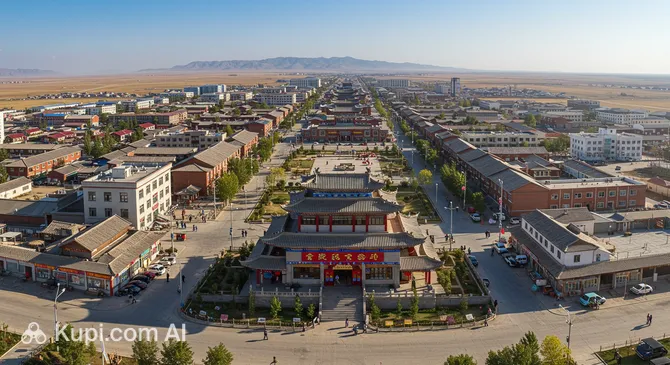
Tongliao. Source: Kupi.Binoculars

The city is deeply rooted in the past and is widely recognized as the cradle of Horqin culture. Visitors interested in the history of Tongliao will discover a legacy that dates back centuries, including significant ties to the Qing Dynasty imperial family. It is also celebrated as the "Hometown of Chinese Horsehead Fiddle Art," a title that highlights the region's strong musical traditions and enduring Mongolian spirit.

For those seeking adventure and natural beauty, the Daqinggou Nature Reserve is a must-visit destination. This rare primitive forest hidden within a sandy trench offers a stark and beautiful contrast to the surrounding arid lands. Additionally, the vast Horqin Grassland provides a perfect setting for experiencing traditional nomadic culture, where visitors can enjoy horse riding and stay in traditional yurts.

Whether you are drawn by the allure of endless steppes, unique cultural festivals, or the warmth of local hospitality, Tongliao promises an unforgettable journey. It is a destination where nature and tradition meet harmoniously, inviting travelers to explore its hidden gems.

Weather Overview

The climate in this region is continental, featuring distinct seasonal changes that travelers should consider when planning their itinerary. To get a detailed forecast for your specific travel dates, it is helpful to consult the current weather in Tongliao. Generally, visitors can expect warm summers with occasional rain and cold, dry winters.

Winters are rigorous, particularly in January, which is the coldest month with an average temperature of -11.7°C and lows plunging to -17.1°C. Precipitation is minimal during the colder months, making the air quite dry. As spring approaches, the weather warms up significantly, rising from an average of 2.5°C in March to a comfortable 18.1°C in May.

Summer is the peak season for warmth and rainfall. July is typically the hottest month, boasting an average temperature of 25.9°C and daily highs around 30.3°C. This season also brings the most moisture, with July and August experiencing about 11 wet days each. Autumn offers a brief transition with milder temperatures in September and October before the cold sets in again by November.

Interesting Facts

Beyond its scenic grasslands and bustling streets, Tongliao holds several captivating secrets that highlight its cultural and historical significance. These lesser-known aspects reveal the city's profound influence on imperial history, traditional arts, and unique local industries.

  • Tongliao is the birthplace of the legendary Empress Dowager Xiaozhuang of the Qing Dynasty. Hailing from the Horqin Mongol tribe native to this region, she is considered one of the most influential female political figures in the history of China, having played a key role in the reigns of three successive emperors.

  • The city is widely recognized as the "Capital of Mongolian Medicine". It possesses the country's largest base for research, production, and education in this traditional healing practice, preserving ancient remedies and techniques that have been passed down through generations of nomadic life.

  • While many associate the region with sheep, Tongliao is actually renowned as the "Yellow Cattle Capital". The city is a powerhouse for raising Simmental cattle, and its beef industry is a major economic pillar, supplying premium meat to markets across the nation.

  • Taking its musical heritage to a global scale, the city once set a Guinness World Record for the largest Horsehead Fiddle ensemble. Over 2,000 musicians gathered to play this soul-stirring instrument simultaneously, a testament to the local passion for preserving the "sound of the grasslands."

How to Get There

Reaching this vibrant hub in Inner Mongolia is relatively straightforward, with options ranging from direct flights to regional train connections. Whether you are coming from within China or arriving internationally, planning your route is essential for a smooth journey. You can find all ways to reach the city and detailed travel logistics to help you prepare.

The most convenient entry point for air travelers is Tongliao Airport (IATA: TGO). Located directly in the city, it is just 11.2 km from the center. A taxi ride from the airport to downtown Tongliao typically takes around 37 minutes, making it a quick and accessible option. While it is a regional hub with moderate passenger traffic, it connects the city efficiently to other parts of the country.

Alternatively, for those seeking more extensive international connections, Shenyang Taoxian International Airport (IATA: SHE) is a major gateway located in Shenyang. It is situated approximately 245.6 km from Tongliao. Due to the distance, a transfer by road (taxi or bus) from Shenyang would take roughly 6.5 hours, so many travelers choose to combine a flight to Shenyang with a high-speed train connection for the final leg of the trip.

For clarity, here is a summary of the main airports serving the region:

Airport Name City Passenger Traffic Km from City
Shenyang Taoxian International AirportShenyangLarge245.6
Changchun Longjia International AirportChangchunLarge279.4
Tongliao AirportTongliaoMedium11.2
Ulanhot AirportUlanhotMedium270.7
Songyuan Chaganhu AirportSongyuanSmall246.5

If you are exploring the wider region by rail, you might pass through several key railway hubs in neighboring cities before reaching your final destination. Siping Railway Station is one such significant stop located in Siping, approximately 186.4 km from Tongliao. Traveling by road from this station to Tongliao would take about 5 hours.

Another notable hub is Fuxin Railway Station in the city of Fuxin. It is situated roughly 191.5 km away from Tongliao. While these stations are not within the city itself, they serve as important transit points in the railway network of Northeast China, linking various provinces. A road transfer from Fuxin takes approximately 5 hours.

Below is a list of major railway stations in the surrounding area:

Station City Passenger Traffic Km to Center
Siping Railway StationSipingLarge186.4
Fuxin Railway StationFuxinMedium191.5
Shenyang North Railway StationShenyang225.8
Tieling Railway StationTieling195.9
Fushun Railway StationFushun238.9

Main Attractions

Tongliao offers a fascinating array of sights that reflect its unique position between the grasslands and the desert, as well as its deep historical roots. From geological wonders to architectural marvels, the city's attractions provide visitors with a diverse travel experience.

Daqinggou National Nature Reserve is often cited as the highlight of the region. Known as a "Green Pearl in the Sandy Sea," this geological anomaly features a lush, primitive broad-leaved forest growing deep within a trench surrounded by vast sand dunes. Tourists are drawn here not only for the striking visual contrast but also for the refreshing microclimate, which remains cool even during the hot summer months. It is an excellent spot for hiking, enjoying natural springs, and witnessing a rare ecosystem that has survived for millennia.

For those interested in the region's imperial history, the Xiaozhuang Cultural Tourism Area is an essential stop. Dedicated to the legendary Empress Dowager Xiaozhuang, who was born in the Horqin grasslands, this expansive park showcases grand Qing-style architecture, statues, and landscaped gardens. It serves as a window into the life of one of China's most influential female historical figures and offers a deep dive into the customs and history of the Horqin Mongols.

Kulun Three Temples offers a spiritual and architectural retreat located in Kulun Banner. This complex consists of three neighboring temples—Xingyuan, Xiangjiao, and Fuyuan—built during the Qing Dynasty. They are renowned for their distinctive fusion of Tibetan, Chinese, and Mongolian architectural styles. Visitors can explore the intricate wood carvings, ancient frescoes, and the serene atmosphere that has made this site a center for religious activities in the region for centuries.

Adventure seekers should head to the Naiman Silver Sand Sea. This desert attraction is part of the larger Horqin Sandy Land and is famous for its towering dunes and "whistling sands." It is a paradise for outdoor enthusiasts, offering thrilling activities such as camel trekking, sand sliding, and off-road jeep excursions. The landscape provides a dramatic backdrop for photography, particularly at sunset when the sands glow with a golden hue.

Local Cuisine

The local cuisine in Tongliao is a hearty and flavorful reflection of its location on the Horqin grasslands, offering a delicious fusion of traditional Mongolian fare and the robust cooking styles of Northeast China. The food scene here is dominated by high-quality meats and dairy products, designed to provide sustenance and warmth in the region's continental climate. For food lovers, the city is a paradise of savory textures and rich aromas.

As the "Yellow Cattle Capital," Tongliao is famous for its exceptional beef. One dish you simply must try is the Horqin Beef, often served in hot pots or roasted to preserve its natural tenderness and flavor. Another local specialty is Air-dried Beef (Fenggan Beef), a traditional snack originally developed by nomadic herdsmen for long journeys. It is chewy, incredibly savory, and makes for a perfect souvenir. Mutton also plays a central role, with Hand-grabbed Mutton being a classic feast dish where chunks of meat are boiled simply to highlight their fresh taste.

Beyond meat, the region is renowned for its grains, particularly Kulun Buckwheat Noodles. These noodles are a staple in the area, known for their nutritional value and distinct, earthy flavor. They are typically served with a savory broth or a meat sauce, offering a comforting balance to the heavy meat dishes. Dumplings and meat pies are also common, often filled with juicy beef or mutton and onions.

When it comes to beverages, Salty Milk Tea is ubiquitous. Unlike the sweet versions found elsewhere, this traditional Mongolian drink is savory, made with brick tea and fresh milk, and often mixed with stir-fried millet or butter. It is consumed throughout the day and is considered an essential part of hospitality. For those interested in alcoholic drinks, local Baijiu and other grain spirits are popular, often shared during toasts at communal dinners to celebrate friendship and guests.

The food culture in Tongliao is defined by warmth and generosity. In the city center, you will find bustling restaurants serving large, sharing-style portions typical of Northeastern dining. However, for a truly immersive experience, many tourists head to the surrounding grasslands to dine in traditional yurts. Here, meals are often accompanied by folk songs and the ritual of presenting a hada (a ceremonial silk scarf), turning a simple dinner into a memorable cultural event.

Travel Tips

Planning a trip to Tongliao is an exciting opportunity to experience the unique blend of modern urban life and traditional Horqin culture. To help you make the most of your journey into the heart of Inner Mongolia's grasslands, here are some practical tips to ensure a smooth and memorable adventure.

  1. Clothing and Gear: The continental climate means you must pack according to the season. Winters are harsh and very dry, so bring heavy down jackets, thermal underwear, gloves, and hats. Summers are warm but can be breezy, especially on the open grasslands, so light breathable clothing paired with a windbreaker for cooler evenings is ideal. Comfortable, sturdy shoes are a must for exploring nature reserves like Daqinggou.
  2. Transportation: Within the city center, taxis are plentiful and affordable, and public buses are reliable for short distances. However, to reach the scenic grasslands or nature reserves located on the outskirts, public transport can be sparse. It is highly recommended to hire a private driver or join a local tour group for these excursions, as renting a car requires a Chinese driving license.
  3. Finances: The local currency is the Chinese Yuan (CNY). While major hotels may accept international credit cards, they are rarely accepted in smaller shops or restaurants. Mobile payments like Alipay and WeChat Pay are the standard everywhere, but it is wise to carry some cash, particularly when visiting remote nomadic families or small vendors in the countryside.
  4. Health and Safety: Tongliao is generally a very safe city for tourists. The main health consideration is the dry climate; ensure you stay hydrated and bring good quality moisturizer and lip balm to prevent skin dryness. Pharmacies are easily engaging and marked with a green cross, but carrying a basic travel first-aid kit with remedies for stomach upsets is advisable.
  5. Communication: Mandarin Chinese is the primary language, though Mongolian is also widely spoken. English proficiency is relatively low outside of high-end hotels. It is essential to download a translation app that works offline (like a specialized voice translator) and have your destination names written in Chinese characters to show taxi drivers.
  6. Local Etiquette: If you visit a traditional Mongolian yurt, respect is key. Never step on the threshold when entering; step over it. When a host offers you a bowl of milk tea or alcohol, receive it with both hands or your right hand supported by your left. It is polite to at least taste what is offered, even if you do not finish it.
  7. What to Avoid: Avoid pointing your feet at the central hearth or altar in a yurt, as this is considered disrespectful. Also, try not to walk through a herd of cattle or sheep on the grasslands, as this can disturb the animals and annoy the herders.
  8. Local Insight: Don't leave without visiting a local market to buy "Fenggan" (air-dried) beef. It is not only a delicious, high-protein snack perfect for long travel days but also the city's signature specialty that locals are incredibly proud of.

By keeping these practicalities in mind, you will be well-prepared to navigate the local customs and landscapes with ease. Embrace the warm hospitality of the Horqin people, and enjoy every moment of your exploration in this fascinating "Pearl of the Grassland."

Entertainment & Nightlife

Nightlife in Tongliao offers a distinct blend of modern urban amenities and traditional hospitality, setting it apart from the frenetic pace of larger cities in China. The evening culture here is deeply rooted in social interaction, revolving around hearty communal meals, vibrant night markets, and the popular pastime of KTV (karaoke). The **Horqin District** serves as the city's primary hub for entertainment, where the streets remain lively well into the night, illuminated by neon lights and filled with locals enjoying their leisure time.

For a truly immersive experience, visitors should explore the local night markets, such as the bustling stalls located near the railway station area. These markets are the center of activity on summer evenings, filled with the smoky aroma of charcoal-grilled skewers and the sounds of animated conversation. It is the perfect setting to sample local street food delicacies, browse for small trinkets, and observe the relaxed lifestyle of the residents. The atmosphere is casual, and the markets typically operate from late afternoon until midnight.

Travelers seeking a modern indoor environment will find **Tongliao Wanda Plaza** to be a comprehensive destination. This large complex is a one-stop spot for entertainment, housing a state-of-the-art cinema, a variety of restaurants, and numerous shopping outlets. It is also home to several KTV venues, where friends gather in private rooms to sing and socialize. This is an excellent year-round option, offering a warm and comfortable refuge during the cold winter months when outdoor activities are limited.

A highlight of Tongliao’s entertainment scene is the opportunity to enjoy **traditional Mongolian dining**. Many restaurants in the city offer a cultural experience that goes beyond just food, featuring interiors decorated with ethnic motifs and serving classic dishes like roast lamb. These meals are often accompanied by performances of the Morin Khuur (horsehead fiddle) and traditional songs, creating a festive atmosphere that celebrates the region's famous hospitality and grassland spirit.

During the day, visitors looking for cultural engagement can explore the **Tongliao Printmaking Art Center**. Tongliao is celebrated as the home of "Horqin Printmaking," a unique folk art form known for its vivid depiction of local life and landscapes. The center showcases this artistic heritage and offers a quiet, inspiring contrast to the energetic nightlife, allowing travelers to gain a deeper appreciation for the region's creative history.

Practicalities for a night out in Tongliao are straightforward. The city is generally very safe for walking in the evening, though standard travel precautions apply. Taxis are abundant and affordable, making it easy to move between venues. Most entertainment spots stay open until around midnight, with some KTV clubs and barbecue joints operating even later. Prices are typically reasonable, offering great value for a memorable night out.

Parks & Museums

Tongliao offers a refreshing mix of expansive natural landscapes and rich cultural repositories, reflecting its unique position where the grasslands meet the city. Visitors can easily transition from exploring the history of the Horqin Mongols in well-curated museums to relaxing in lush urban parks that serve as the community's green lungs.

For a relaxing escape within the city limits, Xila Mulun Park is the premier destination. Located along the banks of the Xila Mulun River, this sprawling park is a favorite among locals for morning exercises and leisurely strolls. In the summer, the ponds are filled with blooming lotus flowers, creating a serene atmosphere that contrasts with the bustling city streets. It also features amusement facilities, making it a lively spot for families.

Those seeking a more immersive nature experience should visit Tongliao Forest Park. This extensive green belt provides a quiet retreat with dense tree cover and walking paths, perfect for a breath of fresh air. While it serves as a great urban getaway, travelers willing to venture further afield can explore the famous Daqinggou National Nature Reserve. Often called the "Green Pearl of the Desert," this rare primitive forest hidden in a sandy trench offers a dramatic geological landscape that is unique to this region.

To understand the deep historical roots of the area, the Tongliao City Museum (also known as the Horqin Museum) is an essential stop. It houses a vast collection of artifacts that trace the history of the Horqin grasslands, from ancient nomadic civilizations to the Qing Dynasty. The exhibits include traditional Mongolian costumes, weaponry, and items related to the legendary Empress Dowager Xiaozhuang, providing a comprehensive overview of the region's heritage.

Art enthusiasts will find a hidden gem in the Tongliao Printmaking Art Center. Tongliao is renowned as the "Hometown of Chinese Printmaking," and this venue showcases the distinctive "Horqin Print" style. These artworks are known for their bold lines, vibrant colors, and depiction of pastoral life and Mongolian folklore. It is a fascinating place to see how local culture is interpreted through visual arts and offers a different perspective from the traditional history museum.

Architectural beauty and spiritual calm converge at Dalelin Temple, located just north of Xila Mulun Park. As the largest Tibetan Buddhist temple in the region, it features magnificent halls with golden roofs and intricate wood carvings. The temple is an active place of worship, where visitors can observe the harmonious blend of Han and Tibetan architectural styles and enjoy the peaceful ambiance of the temple grounds.

For an authentic local experience, try visiting the Xila Mulun Park in the early evening. This is when the park truly comes alive with spontaneous performances of traditional Mongolian songs and dances by local residents, offering a candid and joyful glimpse into the community's vibrant social life.

Getting Around

Navigating Tongliao is relatively straightforward, as the city relies primarily on an extensive network of public buses to connect its various districts. Unlike mega-cities with complex subway systems, this city maintains a ground-level transit infrastructure that allows visitors to enjoy street views while moving between attractions. The bus system is the backbone of local transportation, covering the city center, residential areas, and major transit hubs like the railway station and the airport.

For most bus routes, the fare is incredibly affordable, typically costing 1 CNY per ride, regardless of the distance traveled within the urban area. Buses generally operate from early morning, around 6:00 AM, until early evening. It is important to note that service on many lines stops earlier than in larger metropolises, often winding down by 7:00 PM or 8:00 PM in winter, though some main routes may run slightly later in the summer.

When it comes to payment, the system has modernized significantly. While you can still pay with cash, you must have the exact change ready to drop into the fare box upon entry, as drivers do not carry change. However, the most convenient method for tourists is using mobile payment apps like Alipay (using the Transport code feature) or WeChat Pay. Simply scan the QR code located near the bus entrance to pay your fare instantly. Physical IC transport cards are available for locals but are generally not necessary for short-term visitors given the ease of mobile payments.

Taxis are a very popular and efficient alternative, especially given the city's manageable size and affordable rates. You can easily flag one down on the street; a green light on the dashboard indicates availability. Taxis are metered, and they offer a comfortable way to reach destinations that might be less accessible by bus, such as specific restaurants or hotels on the outskirts. Ride-hailing apps like DiDi are also operational here, offering the convenience of inputting your destination in English (if the app supports it) or selecting it on a map to avoid language barriers.

For short trips within the city center, shared bicycles are widely available and can be found parked on sidewalks. These can be unlocked using the same mobile apps (Alipay or WeChat) used for buses. Riding a bike is a pleasant way to explore the area around Xila Mulun Park or the city squares, especially during the milder spring and autumn months.

A crucial piece of advice for international tourists is to have your destination written in Chinese characters. While the transport system is efficient, English signage at bus stops can be limited, and taxi drivers may not speak foreign languages. having the name of your hotel or attraction saved on your phone will ensure a smooth journey across the city.

Accommodation

Accommodation in Tongliao caters to a diverse mix of travelers, ranging from business professionals to tourists seeking a cultural immersion. The city offers a solid selection of options, including modern high-end hotels with full amenities, reliable mid-range chains that provide comfortable and standardized stays, and budget-friendly guesthouses. Whether you are looking for luxury or a simple place to rest, the city's hospitality sector is well-equipped to meet various needs.

For the most convenient experience, the Horqin District (the city center) is the ideal area to base yourself. Staying downtown places you within easy reach of major shopping centers like Wanda Plaza, bustling night markets, and attractions such as Xila Mulun Park. This area is well-served by taxis and public buses, making navigation effortless. Alternatively, travelers with early departures or late arrivals might prefer the cluster of hotels located near the Tongliao Railway Station or the airport, which prioritize practicality and transit efficiency.

A unique feature of traveling to this region is the opportunity to stay in a traditional Mongolian yurt. During the peak summer season, many tourists venture to the grasslands on the city's outskirts or in nearby banners to experience this nomadic style of living. These accommodations vary significantly, ranging from authentic, basic yurts to modern "deluxe" versions equipped with private bathrooms and air conditioning. It is a memorable way to connect with local culture and wake up to the stunning scenery of the steppe.

The cost of staying in Tongliao is generally very reasonable compared to China's major metropolises like Beijing or Shanghai. Prices typically fall into the budget to mid-range categories, offering excellent value. However, the city sees a surge of visitors during the best weather months of July and August. Consequently, it is highly recommended to book your accommodation well in advance if you plan to travel during this period. International visitors should use major online booking platforms to ensure their chosen hotel is authorized to host foreign guests.

Nearby Cities

For those looking to explore the surroundings, Tongliao serves as an excellent base for day trips to several interesting nearby locations:

City Population Distance (km)
Shenyang7964000227
Changchun4408154249
Baicheng3669400224
Siping3385156179
Chaoyang3044641274

Shenyang, the capital of neighboring Liaoning Province, is a compelling destination for history enthusiasts. Located approximately 227 km away, it is home to the majestic Mukden Palace, a UNESCO World Heritage site that dates back to the early Qing Dynasty. Visitors can also explore the historic Marshal Zhang's Mansion and enjoy the bustling urban atmosphere of one of Northeast China's largest cities.

Another notable option is Changchun, known as the "City of Eternal Spring." Situated about 249 km from Tongliao, it offers a mix of modern development and historical intrigue. Key attractions include the Museum of the Imperial Palace of Manchukuo, which provides a unique window into the region's complex 20th-century history, and the Changchun Film Century City, a treat for movie buffs.

For a destination slightly closer to home, Siping lies roughly 179 km away. Often referred to as a "Hero City" due to its strategic importance in regional history, it features several memorial sites and museums dedicated to pivotal events of the past. It serves as a significant transport hub and offers a quieter, more local experience compared to the larger provincial capitals.

These nearby destinations offer a glimpse into the diverse culture and landscapes of the region.

Shopping & Souvenirs

Shopping in Tongliao offers a delightful mix of modern retail experiences and traditional ethnic discoveries. As a hub of Horqin culture, the city provides visitors with the unique opportunity to purchase authentic Mongolian handicrafts and locally produced specialties alongside standard fashion and electronics. Whether you are looking for a high-end shopping mall or a bustling local market, the city caters to a variety of tastes and budgets.

The primary commercial activity is concentrated in the Horqin District, which serves as the heart of the city. The streets surrounding the central squares are lined with various boutiques, clothing stores, and specialty shops. Walking through these busy thoroughfares allows tourists to soak in the local atmosphere while browsing for everyday items and local fashion brands that are popular in Northeast China.

For a comprehensive modern shopping experience, Tongliao Wanda Plaza is the premier destination. This large complex is a one-stop shop featuring international and domestic brands, a supermarket, and numerous lifestyle stores. It provides a comfortable, climate-controlled environment, which is particularly appreciated during the cold winters or hot summers. Here, visitors can find everything from cosmetics and apparel to electronics, making it a convenient choice for travelers needing to restock on supplies.

To truly understand the local commerce, one must visit the specialized markets. The city is famous for its agricultural products, and there are several markets dedicated to local foods. While not "shopping" in the luxury sense, visiting a local food market is the best way to find the freshest dairy products and the region's renowned beef. In the evenings, night markets near the railway station area come alive, offering inexpensive accessories, clothes, and knick-knacks alongside street food stalls.

When it comes to souvenirs, Tongliao is celebrated for its Air-dried Beef (Fenggan Beef). This savory, chewy snack is the city's signature product and is widely available in vacuum-packed gift boxes, making it an ideal present to bring home. Other popular items include Mongolian silver jewelry, intricate leather goods, and traditional instruments like the Horsehead Fiddle (Morin Khuur). Local dairy products, such as solid milk tea blocks and cheese snacks, are also unique and portable gifts.

Most shops in Tongliao operate from around 9:00 AM or 10:00 AM until 9:00 PM, with supermarkets and some malls staying open slightly later. Payment methods are heavily digital; international credit cards are rarely accepted outside of major hotels or large chains like Wanda Plaza. It is essential for tourists to set up mobile payment apps like Alipay or WeChat Pay on their phones, as these are the standard way to pay for everything from a bottle of water to a silver bracelet. Cash is accepted but is becoming less common.

Regarding tax-free shopping, tourists should be aware that Tongliao is not a major international duty-free hub like Beijing or Shanghai. Tax refund services for foreign visitors are generally not available in local stores or malls. It is best to assume that the price you see is the final price, although bargaining is acceptable and expected in smaller independent shops and open-air markets.

Reached the end of the page?

That means the route is fully explored