Support

Jinzhou

About

Welcome to Jinzhou, a captivating coastal city located in the southwestern part of Liaoning Province. Known historically as a strategic gateway connecting Northeast China with the rest of the country, this vibrant metropolis offers a fascinating mix of natural beauty, industrial energy, and cultural depth. Situated on the northern shore of the Bohai Sea, Jinzhou is home to over 3 million people, creating a lively atmosphere that balances urban development with scenic coastal landscapes.

As a key transportation hub in China, the city boasts a unique geographical setting with mountains to the north and the sea to the south. This location contributes to a distinct climate with four distinct seasons, making it a pleasant destination for exploration throughout much of the year. The city's layout and architecture reflect its evolution from an ancient garrison town to a modern economic center.

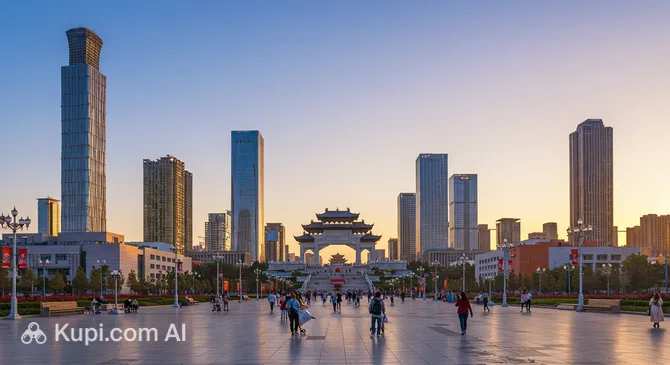
Jinzhou. Source: Kupi.Binoculars

The region possesses a rich heritage that dates back thousands of years. Travelers interested in the past can delve into the history of Jinzhou to learn about its role in ancient dynasties and its enduring cultural legacy. One of the most iconic landmarks is the Guangji Pagoda, a masterpiece of the Liao Dynasty located in Guta Park, which stands as a silent witness to the city's long timeline.

Nature lovers will be particularly drawn to Bijia Mountain (Mount Biji), a renowned scenic spot located just off the coast. It is famous for the "Sky Bridge," a natural pebble path that miraculously emerges from the sea during low tide, allowing visitors to walk dry-shod to the island. Whether you are marveling at ancient pagodas or walking across the sea, Jinzhou invites you to discover its unique charm and hidden treasures.

Weather Overview

Jinzhou experiences a climate with four distinct seasons, where travelers can expect warm summers with frequent rain and cold, dry winters. During the winter months, temperatures drop significantly, with January being the coldest month averaging -6.5°C and minimums reaching as low as -11.6°C. Precipitation is minimal during this time, resulting in crisp, dry days. Spring brings a welcome thaw, with average temperatures rising from 4.7°C in March to a pleasant 18.4°C by May.

The summer season is characterized by higher temperatures and increased humidity. July is typically the warmest month, featuring an average temperature of 26.0°C and daily highs around 29.7°C. This is also the wettest time of year; August, for example, sees approximately 13 wet days. For a more detailed forecast to help you prepare, you can check the current weather in Jinzhou. As autumn approaches, the heat subsides, and temperatures cool down to an average of 11.8°C in October, offering comfortable conditions for exploration.

Interesting Facts

Beyond its scenic coastlines and historic pagodas, Jinzhou holds several intriguing titles and distinctions that highlight its importance in the region.

  • The Barbecue Capital: The city is renowned throughout China for its unique barbecue culture. "Jinzhou Barbecue" is so culturally significant that it has been listed as a municipal Intangible Cultural Heritage. The local style is famous for its distinct garlic-chili seasoning and the sheer variety of items grilled, from seafood to vegetables.
  • A Paleontological Hub: The area surrounding the city is part of the Jehol Biota, a region famous for yielding some of the world's most significant fossils. Discoveries here include ancient birds and the earliest known flowering plants, making it a key location for understanding prehistoric life.
  • The "Throat of Liaoxi": Geographically, the city sits in the "Liaoxi Corridor," a narrow strip of land between the mountains and the sea. This unique topography has made it a vital choke point and passage connecting the North China Plain to the northeastern provinces for centuries.
  • Global Garden Stage: In 2013, the city hosted the World Landscape Art Exposition. This massive event left a lasting legacy in the form of the Jinzhou World Landscape Art Exposition Park, which features elaborate garden designs from different cultures and is the first marine-themed expo park in the world.

How to Get There

Planning a trip to this coastal destination involves choosing the right mode of transport to suit your itinerary. Whether you prefer flying directly into the city or taking a scenic route through the province, there are several options available. You can find more details and all ways to reach the city in our dedicated guide.

The most convenient entry point for air travelers is Jinzhou Airport (JNZ), located directly within the city limits. It sits approximately 21.8 km from the downtown area. A taxi or shuttle bus from here typically takes about 55 minutes to reach the city center. Although it is a smaller regional airport, it provides essential links for domestic travel. Alternatively, visitors can fly into Shenyang Taoxian International Airport (SHE) in the nearby city of Shenyang. As a large international hub, it offers more extensive flight connections. It is located about 206 km from Jinzhou, and the transfer by road generally takes around 5.5 hours.

For clarity, here is a summary of the main airports:

Airport Name City Passenger Traffic Km from City
Shenyang Taoxian International AirportShenyangLarge206.2
Chifeng AirportChifengMedium223.8
Jinzhou AirportJinzhouSmall21.8
Anshan Teng'ao AirportAnshanSmall145.1
Yingkou LanqiYingkouSmall120.6

Travelers exploring the wider Liaoning region may also encounter railway hubs in neighboring cities that serve as transit points. The Fuxin Railway Station (FFF) in the city of Fuxin is located approximately 108 km from Jinzhou. Getting to Jinzhou from there by taxi or bus takes about 3 hours. Another significant option is the Liaoyang Railway Station (LQQ) in Liaoyang, which is about 172 km away. This station handles a large volume of passengers and serves as a key node in the provincial rail network, with a road transfer time to Jinzhou of approximately 4.5 hours.

Below is a list of nearby railway stations for reference:

Station City Passenger Traffic Km to Center
Liaoyang Railway StationLiaoyangLarge172.0
Fuxin Railway StationFuxinMedium107.9
Anshanxi Railway StationAnshan149.7
Yingkou East Railway StationYingkou121.2
Bayuquan Railway StationYingkou129.7

Main Attractions

Jinzhou offers a diverse array of sights that range from ancient architectural marvels to scenic natural retreats. While the city is famous for its coastal geography, its historical depth is equally impressive, with sites that date back over a thousand years. Visitors can explore a mix of royal temples, majestic mountains, and modern landscaped parks.

One of the most significant cultural treasures in the region is Fengguo Temple, located in Yixian County. Built in 1020 AD during the Liao Dynasty, this temple is renowned for its main hall, the Daxiongbao Hall, which is considered a masterpiece of ancient wooden architecture. Inside, visitors are greeted by seven colossal clay Buddha statues, lined up in a row, which are among the best-preserved of their kind in China. The site's solemn beauty and historical authenticity have made it a popular location for films, including the acclaimed movie The Grandmaster.

For those who enjoy hiking and nature, Yiwulü Mountain is a must-visit destination. Recognized as one of the major mountains in Northeast China, it offers a stunning landscape of strange rock formations, ancient pine trees, and lush forests. The area is not only scenic but also culturally rich, hosting several historical sites such as the Beizhen Temple, which was used for royal sacrifices in ancient times. The climb rewards travelers with panoramic views and a refreshing escape into nature.

Another spiritual and scenic highlight is North Putuo Mountain, located just a short distance from the city center. Often referred to as a "Cave Heaven" in the region, this site features a complex of temples and caves set against a backdrop of rugged cliffs and greenery. It is an ideal spot for a peaceful walk, allowing visitors to explore Buddhist culture while enjoying the tranquility of the natural surroundings. The site includes the famous Guanyin Cave and offers excellent vantage points for viewing the city from afar.

For a relaxing day by the sea, the Jinzhou World Landscape Art Exposition Park offers a modern contrast to the city's ancient sites. Built originally for the 2013 World Landscape Art Exposition, this expansive park stretches along the coast and features a wide variety of themed gardens and architectural designs. It is home to the unique Mosaic Park and a ceramic museum, making it a perfect place for leisurely strolls, family outings, and enjoying the fresh sea breeze.

Local Cuisine

The culinary scene in Jinzhou is legendary throughout the country, primarily due to its reputation as the "Barbecue Capital" of China. The local food culture is a vibrant mix of hearty Northeast Chinese flavors and fresh ingredients from the nearby Bohai Sea. For tourists, dining here is not just about sustenance; it is an immersive cultural experience that often extends late into the night.

The absolute must-try dish is Jinzhou Barbecue. This is not your average grilling; it is a culinary art form recognized as a municipal Intangible Cultural Heritage. The locals believe that "everything can be grilled," and you will find an astonishing variety of skewers ranging from traditional lamb and beef to seafood, vegetables, and even tofu. The secret lies in the seasoning—a savory blend of chili, cumin, garlic, and special sauces that gives the food a distinct, mouth-watering aroma. Be sure to try grilled oysters, scallops, and the locally popular grilled eggplant.

Beyond the grill, the city is famous for Goubangzi Smoked Chicken. This traditional dish has a history spanning over a century and is renowned for its tender meat, reddish color, and unique smoky flavor. It is often sold as a souvenir or a ready-to-eat delicacy. Given the coastal location, fresh seafood is also a staple. Steamed clams, stir-fried conch, and braised prawns are widely available and highlight the natural sweetness of the ocean catch.

To wash down the rich and spicy flavors of the barbecue, locals typically opt for cold beer. The refreshing crispness of a lager pairs perfectly with the heat of the grill. For those who prefer non-alcoholic options, fruit juices like plum juice are popular for their ability to cool the palate. In colder months, a glass of baijiu (Chinese sorghum liquor) might be shared among friends to keep warm.

The best place to experience the local food culture is at the bustling night markets and street food stalls scattered throughout the city. As evening falls, the streets come alive with the smoke of charcoal grills and the chatter of diners. Eating in Jinzhou is a social affair, often enjoyed at small outdoor tables where the atmosphere is casual, loud, and incredibly friendly. Whether you choose a roadside stall or a dedicated barbecue restaurant, the energy of the city's dining scene is contagious.

Travel Tips

Preparing for a trip to Jinzhou involves understanding the distinct climate and local customs of Northeast China to ensure a smooth journey. These practical tips are designed to help you navigate the city's logistics, from handling payments to dressing for the weather, so you can focus on exploring its coastal and historical charms.

  1. Clothing and Gear: The weather varies greatly by season. Winters (November to March) are freezing and windy, so bring heavy down jackets, thermal underwear, gloves, and a hat. Summers are warm and humid, requiring light, breathable clothing. Since attractions like Yiwulü Mountain and the coastal parks involve significant walking, sturdy and comfortable shoes are a must.
  2. Transportation: Taxis are the most convenient and affordable way to get around the city; always have your destination written in Chinese characters for the driver. Ride-hailing apps like Didi are also widely used and reliable. Public buses are extensive and very cheap (usually 1 RMB), but can be crowded. Car rental is generally not recommended for tourists unless you have a Chinese driver's license and are familiar with local traffic.
  3. Finances: The local currency is the Renminbi (RMB). While cash is accepted, daily life in China is dominated by mobile payments. It is highly recommended to download Alipay or WeChat Pay and link your international credit card before arrival. International cards are rarely accepted directly at merchants, and ATMs for foreign cards are limited to major branches like the Bank of China. Tipping is not part of the culture and is not expected.
  4. Health and Safety: Jinzhou is a safe city for travelers. Pharmacies are easy to spot by their green cross signs, though staff may not speak English, so having a translation app is helpful. Tap water is not potable; always drink bottled or boiled water. Be cautious when crossing streets, as traffic flows can be heavy and right turns on red are common.
  5. Communication: Mandarin is the primary language, and English is not widely spoken outside of major hotels. A reliable translation app (such as Baidu Translate or Microsoft Translator) that works offline is essential. Purchase a local SIM card or an eSIM with a data plan to access maps and translation tools on the go, as Wi-Fi can sometimes require a local phone number to log in.
  6. Local Etiquette: Politeness is valued; when handing over money, a card, or a gift, use both hands to show respect. Dining is often a communal affair, especially when enjoying the famous local barbecue; it is polite to try a little of everything offered. A simple nod or handshake is the standard greeting.
  7. What to Avoid: Do not leave your chopsticks sticking vertically into a bowl of rice, as this resembles incense burnt for the dead and is considered very bad luck. Additionally, avoid public displays of anger or frustration, as causing someone to "lose face" is seen as highly disrespectful and will not help resolve problems.
  8. Additional Tip: If you plan to visit the famous Bijia Mountain, you must check the tide schedule in advance. The natural pebble causeway (the "Sky Bridge") that connects the island to the mainland is only accessible on foot during low tide. Arriving at the wrong time means you will have to take a boat or wait for hours.

By keeping these practicalities in mind, you can navigate Jinzhou with confidence and respect for local traditions. A little preparation regarding technology and the seasons will go a long way in making your visit to this dynamic coastal city both enjoyable and memorable.

Entertainment & Nightlife

To experience the true soul of Jinzhou, you must step out after the sun goes down. As the "Barbecue Capital" of China, the city does not simply go to sleep; it transitions into a vibrant, smoky, and neon-lit playground where food is the main event. The nightlife here is less about exclusive nightclubs and more about social dining, bustling night markets, and lively public squares where locals gather to eat, drink, and relax.

The absolute epicenter of evening entertainment is the Linghe Night Market. Located in the Linghe District, this is one of the largest and most famous night markets in Northeast China. Stretching for over 600 meters, it is a sensory explosion of neon lights, sizzling grills, and enthusiastic crowds. Here, the atmosphere is electric but unpretentious. You will find hundreds of stalls serving the city's signature barbecue—from garlic-seasoned oysters to spicy lamb skewers—alongside games, souvenir stands, and street performers. It is the perfect place to mingle with locals and soak up the "renqi" (bustling human energy) of the city.

For a mix of history and modern buzz, head to the Guta Night Market near Guta Park. The sight of the ancient Guangji Pagoda illuminated against the night sky provides a stunning backdrop for your evening stroll. This area offers a slightly more relaxed vibe than Linghe but is equally rich in food options and local culture. It is a fantastic spot to enjoy a cold beer and a plate of grilled clams while admiring the architectural heritage of the city.

If you prefer indoor entertainment or a more modern setting, the Jinzhou Wanda Plaza in the Taihe District is a major hub. This massive commercial complex houses a variety of entertainment options under one roof, including modern cinemas, video arcades, and numerous KTV (karaoke) clubs. Karaoke is a beloved pastime here, and venues inside major malls like this offer high-quality sound systems and private rooms where you can sing the night away in comfort.

The nightlife scene in Jinzhou is casual and welcoming. There is no strict dress code; jeans and a t-shirt are perfectly acceptable even in bars and KTV lounges. The crowd is diverse, ranging from families with children enjoying late-night snacks to groups of young friends toasting with local beer.

Here are some practical tips for your night out:

  • Best Time to Go: The nightlife peaks during the summer months (June to August) when the weather is warm and outdoor dining is most enjoyable. Markets typically open around 5:00 PM and stay busy until midnight or later.
  • Getting Around: Public buses often stop running between 8:00 PM and 9:00 PM. The best way to get around at night is by taxi, which is very affordable. Ride-hailing apps are also reliable.
  • Safety: The city is generally very safe for night walks, even in busy districts. However, traffic can be chaotic, so always be vigilant when crossing streets.
  • Prices: Entertainment and dining are very reasonably priced compared to larger Chinese metropolises. A hearty barbecue meal with drinks can cost as little as 50-80 RMB per person.

Before the night markets open, the city offers plenty of cultural and recreational activities. History buffs should visit the Liaoshen Campaign Memorial, a sprawling museum park dedicated to a pivotal moment in modern Chinese history. For a relaxing afternoon, a walk along the Xiaoling River offers scenic water views and lush green paths. Families might enjoy the local parks or a trip to the coast to see the unique landscape of Bijia Mountain during the day, reserving the evening for the city's legendary culinary adventures.

Parks & Museums

Exploring Jinzhou reveals a city where ancient history and modern ecological design coexist harmoniously. The urban landscape is punctuated by lush green spaces that offer respite from the bustling streets, while its museums provide a deep dive into the region's storied past, ranging from prehistoric fossils to decisive moments in modern history. Whether you are looking for a quiet morning stroll or an educational afternoon, the city's parks and cultural venues have much to offer.

One of the most beloved green spaces in the city center is Guta Park (Ancient Pagoda Park). As the name suggests, the park is centered around the magnificent Guangji Pagoda, a towering structure from the Liao Dynasty that dominates the skyline. This park serves as the living room of the city, where locals gather for morning Tai Chi, kite flying, and leisurely walks. It is an excellent spot for tourists to observe local life while admiring the blend of natural landscaping and historical architecture. The serene atmosphere makes it a perfect escape from the urban noise without leaving the downtown area.

For a more expansive and modern experience, the Jinzhou World Landscape Art Exposition Park is a must-visit destination located along the coast. Created for a major international expo, this vast area features a stunning collection of themed gardens representing different cultures and landscapes from around the world. It is the first marine-themed expo park in the world, offering visitors the chance to enjoy sea breezes while wandering through meticulously designed floral displays and artistic installations. The park also hosts the International Garden of Ancient Architecture, making it a visual treat for photography enthusiasts.

When it comes to museums, the Liaoshen Campaign Memorial stands out as the city's most significant cultural landmark. Set within a spacious park, this memorial hall is dedicated to a pivotal chapter in Chinese history. Visitors are often most impressed by the Panorama Hall, which houses a massive, 360-degree panoramic painting combined with realistic ground props and lighting effects to create an immersive visual experience. The surrounding park is also a pleasant place for a walk, featuring statues and pine forests that add a solemn dignity to the site.

Another fascinating institution is the Jinzhou City Museum, which offers a broader look at the region's heritage. The collections here span thousands of years, showcasing artifacts from the ancient Liao and Jin dynasties, including exquisite ceramics, bronze ware, and Buddhist art. Given the region's reputation as a paleontological hub, the museum also frequently displays fossils from the Jehol Biota, providing a glimpse into the prehistoric life that once thrived in this part of China. It is an ideal stop for travelers keen to understand the deep cultural roots of Western Liaoning.

For an authentic local experience, try visiting East Lake Park (Donghu Park) in the early morning or late afternoon. Less touristy than the major sites, it offers a genuine slice of local recreational culture, with residents engaging in group dancing, singing, and water calligraphy on the pavement. It is a charming, low-key spot to relax and feel the pulse of the city's daily life.

Getting Around

Public transportation in Jinzhou is primarily reliant on an extensive and affordable bus network, as the city does not currently operate a metro system. The bus lines cover the majority of the urban area, connecting key districts, railway stations, and major attractions like Guta Park and the university areas. Most buses are modern, clean, and air-conditioned, making them a comfortable option for getting around. For tourists, the bus system is the most authentic way to navigate the city alongside locals, though it requires a bit of preparation regarding routes and stops.

The payment system for public transport is straightforward but largely digital. The standard fare for most bus routes is very low, typically 1 RMB, regardless of the distance traveled. While you can still pay with cash, you must have exact change as drivers do not carry money to provide change. Simply drop your coins or notes into the fare box upon entry. However, the most convenient method for travelers is to use mobile payment apps. Alipay and WeChat Pay are universally accepted; you can scan the QR code located near the bus entrance or activate a "transport code" within the app to scan against the reader.

Operating hours for buses generally run from early morning, around 6:00 AM, until the evening. It is important to note that unlike in larger metropolises, many bus lines in Jinzhou stop running relatively early, often between 7:00 PM and 8:00 PM. Only a few major routes may operate later into the night. Stops are marked with signs, but they are predominantly in Chinese. To avoid confusion, it is highly recommended to use a navigation app on your phone to track your route in real-time and signal the driver when you need to get off.

Taxis serve as a very popular and inexpensive alternative to buses, especially for travelers carrying luggage or moving about after dark. Taxis can be easily hailed on the street, and they operate on a meter system. The starting fare is quite affordable compared to Western standards. For a more seamless experience, ride-hailing apps like DiDi are widely used and allow you to input your destination in English (depending on the app version) or pinpoint it on a map, eliminating language barriers with the driver.

For short distances, the city offers a convenient shared bicycle system. Bikes from major providers like HelloBike or Meituan are parked on sidewalks throughout the downtown area. To use them, you will need the respective app installed on your smartphone to scan the QR code on the bike lock. This is an excellent way to explore the scenic areas along the Xiaoling River or to travel between nearby attractions at your own pace.

Accommodation

Finding the right place to stay in Jinzhou is relatively straightforward, as the city offers a wide range of accommodation options to suit different budgets and travel styles. While you may not find an abundance of ultra-luxury international chains, the city is well-stocked with high-quality domestic business hotels, comfortable mid-range establishments, and budget-friendly guesthouses. The hospitality standards here are generally high, with many hotels focusing on providing modern amenities and efficient service for both business and leisure travelers.

For most tourists, the best area to stay is in the city center, particularly within the Linghe or Guta Districts. Staying here places you in the heart of the action, within walking distance of major shopping malls, the railway station, and the vibrant night markets. This location is ideal for foodies who want to explore the barbecue scene late into the night without worrying about transport. Alternatively, if you are visiting during the summer months and prefer a resort-style atmosphere, you might consider the coastal area near the Jinzhou World Landscape Art Exposition Park. Although it is further from downtown, it offers fresher air, sea views, and easy access to the water parks and beaches.

A crucial tip for international travelers planning a trip to China is to verify that your chosen accommodation is authorized to host foreign guests. In smaller cities like Jinzhou, not all budget inns or smaller hotels have the necessary license (often referred to as "shewai" capability) to register non-Mainland ID holders with the local police. To avoid any inconvenience upon arrival, it is highly recommended to book through major international travel platforms or contact the hotel directly to confirm they can accept your passport.

In terms of pricing, Jinzhou is very affordable compared to major metropolises like Beijing or Shanghai. Budget travelers can find clean and basic rooms for under 200 RMB per night. Mid-range hotels, which often include breakfast and spacious rooms, typically range from 200 to 400 RMB. Even the city's top-tier hotels are reasonably priced, often costing between 400 and 700 RMB, offering excellent value for money. Booking in advance is advisable during Chinese national holidays and the peak summer season when domestic tourism is at its highest.

Nearby Cities

For those looking to explore the surroundings, Jinzhou serves as an excellent base for day trips to several interesting nearby locations:

City Population Distance (km)
Shenyang7,964,000208
Anshan3,645,884157
Qinhuangdao3,146,300183
Chaoyang3,044,64178
Huludao2,623,54149

Located just a short distance along the coast, Huludao is a perfect spot for a quick getaway. It is best known for the ancient walled city of Xingcheng, which is one of the best-preserved Ming Dynasty fortifications in the country. Visitors can walk along the ancient walls, explore the historic streets, and then head to the nearby seaside resorts to relax by the Bohai Sea.

For travelers willing to venture a bit further, Shenyang offers a profound cultural experience as the provincial capital. It is home to the majestic Shenyang Imperial Palace (Mukden Palace), a UNESCO World Heritage site that dates back to the early Qing Dynasty. The city blends rich imperial history with modern urban energy, making it a compelling destination for those interested in architecture and museums.

Another fascinating option is Qinhuangdao, a coastal city famous for its historical significance regarding the Great Wall. Here, you can visit Shanhaiguan, known as the "First Pass Under Heaven," and see "Old Dragon's Head," the unique spot where the Great Wall meets the sea. It combines scenic coastal views with monumental history.

These nearby destinations offer a glimpse into the diverse culture and landscapes of the region.

Shopping & Souvenirs

Shopping in Jinzhou offers a delightful blend of modern convenience and traditional local character. While it may not boast the high-end luxury boutiques of Beijing or Shanghai, the city provides a robust retail experience where visitors can find everything from international fashion brands to unique regional specialties. The cost of living here is generally lower than in China's first-tier cities, making it an excellent place to pick up daily necessities, clothing, and gifts at very reasonable prices.

The commercial heart of the city is centered around Central Street (Zhongyang Street). This bustling thoroughfare has been the primary shopping artery for decades and is lined with a mix of independent boutiques, sportswear outlets, and jewelry stores. Walking down this street gives tourists a sense of the local pulse, with music blaring from storefronts and merchants showcasing their latest wares. It is a convenient starting point for anyone looking to explore the city's retail landscape.

For a modern, one-stop shopping experience, Jinzhou Wanda Plaza in the Taihe District is the premier destination. Like its counterparts across the country, this massive complex houses a wide array of fashion retailers, electronics shops, and lifestyle brands in a comfortable, climate-controlled environment. Another notable location is the Jinzhou Department Store, a more traditional establishment that has served the community for years, offering a wide range of goods from cosmetics to household items.

Markets play a significant role in the local shopping culture, particularly for food and small commodities. The Linghe Night Market, while famous for its food, also features numerous stalls selling accessories, small electronics, toys, and clothing. It is a great place to practice your bargaining skills and pick up inexpensive trinkets. For a more daytime experience, the various wholesale markets around the city offer textiles and home goods at competitive rates, though they are geared more towards locals than tourists.

When it comes to souvenirs, the most famous local product is undoubtedly Goubangzi Smoked Chicken. Vacuum-packed versions are widely available in supermarkets and specialty stores, making them easy to transport. Due to the city's coastal location, dried seafood is another popular purchase; you can find high-quality dried shrimp, fish, and scallops that are perfect for cooking. Additionally, since the region is known for its fossil discoveries, you may find fossil replicas or stone carvings in specialty craft shops, which make for unique mementos.

Most shops in the city operate from around 9:00 AM to 9:00 PM, with large shopping malls often staying open until 10:00 PM, especially on weekends. Payment methods are heavily digital; WeChat Pay and Alipay are the standard everywhere, from high-end malls to street stalls. While cash is accepted, it is becoming less common, and carrying large amounts of change can be inconvenient. International credit cards are typically only accepted at major shopping centers or international hotel chains, so it is essential to have a mobile payment method set up.

Regarding tax refunds, Jinzhou is not currently a major hub for tax-free shopping for international tourists. Unlike the designated duty-free zones in larger tourist cities, most stores here do not offer immediate tax refund services for foreign visitors. Travelers should expect to pay the listed price, which includes all applicable taxes.
Reached the end of the page?

That means the route is fully explored