Support

Huludao

About

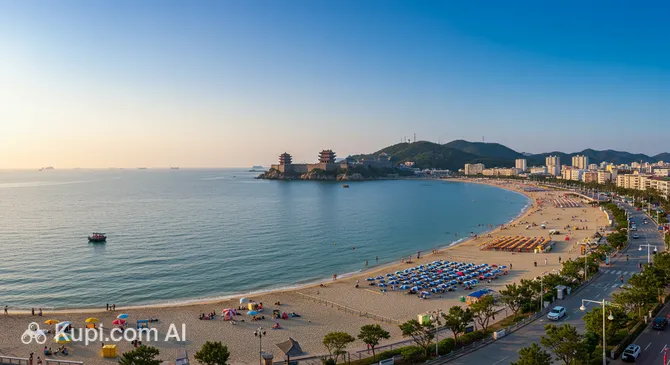
Huludao is a captivating coastal city located in the southwest of Liaoning Province, China. Known for its extensive coastline along the Bohai Sea, it offers a perfect blend of seaside relaxation and cultural depth. The city serves as a vital gateway connecting the Northeast to the rest of the country, and its name, which translates to "Gourd Island," refers to the unique shape of its peninsula.

Huludao. Source: Kupi.Binoculars

With a population of over 2.6 million inhabitants, the area boasts a pleasant maritime climate that makes it a popular summer destination. Visitors interested in the past can explore the rich history of Huludao, particularly the well-preserved Xingcheng Ancient City. This Ming Dynasty fortification is one of the few remaining complete city walls in the country and stands as a testament to the region's strategic importance. Nature lovers will appreciate the Longwan Seaside Scenic Area and the pristine sands of Xingcheng Beach, which attract tourists seeking sun and sea.

Whether you are looking to explore ancient battlements or relax by the ocean waves, Huludao provides a welcoming atmosphere and a memorable travel experience for all who visit.

Weather Overview

Huludao experiences a temperate continental monsoon climate with four distinct seasons, heavily influenced by its location on the Bohai Sea. When checking the weather in Huludao, travelers will find significant variations depending on the time of year. Winter runs from December to February and is characterized by cold, dry conditions. January is typically the coldest month, with an average temperature of -5.3°C and lows dipping to -9.5°C. Precipitation is extremely rare during this season, with usually only one or two wet days per month.

The summer months of June through August bring much warmer temperatures and higher humidity. July is generally the warmest month, featuring an average temperature of 25.7°C and highs reaching up to 28.6°C. This season also sees the most frequent precipitation, with July and August averaging around 12 wet days each. Spring and autumn are transitional periods offering milder, comfortable weather suitable for outdoor activities. Overall, expect warm summers with occasional rain and cold, dry winters.

Interesting Facts

Beyond its popular beaches and historical sites, Huludao holds a collection of fascinating secrets that often surprise visitors. Here are some unique facts about this coastal city:

  • The Swimwear Capital: Surprisingly, the city is a global powerhouse in the fashion industry. The district of Xingcheng in Huludao produces a massive percentage of the world's swimwear, exporting to dozens of countries and earning the reputation as the "Swimwear Capital of China."

  • The Great Wall on Water: While the Great Wall is famous worldwide, Huludao is home to the unique Jiumenkou section. This is the only part of the ancient structure built across a river, resembling a bridge, which has earned it the nickname "Water Great Wall."

  • Ancient Therapeutic Springs: The region sits atop a wealth of geothermal resources. The hot springs here were discovered as early as the Tang Dynasty and have been celebrated for over a thousand years for their crystal-clear water and rich mineral content.

  • A City of Heroes: Historically, the area was known as the "Corridor of Western Liaoning," a vital choke point connecting central China to the northeast. Because of this strategic location, it has been the site of numerous significant battles and events throughout the centuries.

How to Get There

Reaching this coastal destination is relatively convenient thanks to the robust transport network of Liaoning Province. While the city itself offers a quieter atmosphere, it is well-connected to major regional hubs. For a complete overview of all travel options and routes, you can read more about how to get to Huludao.

The city does not have its own airport, but travelers have several nearby options. The closest facility is Jinzhou Airport (JNZ) in the neighboring city of Jinzhou, located approximately 44.6 km away. A taxi or bus ride from there typically takes around 90 minutes. For those seeking more international connections, Dalian Zhoushuizi International Airport (DLC) in Dalian is a significant hub situated about 202.9 km from Huludao. The journey from Dalian by road takes roughly 5.5 hours, though high-speed train connections in the region can reduce travel time significantly.

For clarity, here is a summary of the main airports serving the region:

Airport Name City Passenger Traffic Km from City
Dalian Zhoushuizi International AirportDalianLarge202.9
Jinzhou AirportJinzhouMedium44.6
Qinhuangdao Beidaihe AirportYejituoMedium191.0
Anshan Teng'ao AirportAnshanSmall175.5
Yingkou LanqiYingkouSmall129.8

Travel by train is often the most efficient way to arrive, as the city is directly integrated into China's extensive railway network. Huludao Railway Station and the high-speed Huludao North Railway Station provide frequent direct services connecting the city to major centers like Beijing, Shenyang, and Dalian. These stations are located within the city limits, making arrival straightforward for most visitors.

In addition to the local stations, the broader region is served by several major railway hubs in surrounding cities. These stations may be useful for travelers planning complex itineraries or transferring from other parts of the province. Below is a list of these alternative regional connections:

Station City Passenger Traffic Km to Center
Dalian North Railway StationDalianHigh199.4
Fuxin Railway StationFuxinMedium156.8
Anshanxi Railway StationAnshan180.3
Bayuquan Railway StationYingkou121.2
Yingkou East Railway StationYingkou134.5

Main Attractions

Huludao offers a diverse array of sights, ranging from significant historical fortifications to serene coastal landscapes. The city's unique location serves as a bridge between culture and nature, providing travelers with enriching experiences that highlight the heritage of Liaoning Province.

Xingcheng Ancient City is undoubtedly one of the region's most celebrated highlights. As one of the best-preserved Ming Dynasty cities in China, it offers a rare glimpse into the nation's military past. The city is laid out in a square shape, surrounded by formidable walls that have withstood centuries of weathering and war. Visitors can walk along the ramparts for a panoramic view of the traditional architecture within, including the Drum Tower standing proudly at the center. The streets are lined with ancestral temples and stone archways, creating an atmosphere that transports you back in time.

For those fascinated by engineering marvels, the Jiumenkou Great Wall is a must-visit destination located in Suizhong County. Known as the "Water Great Wall," this section is unique because it spans the Jiujiang River, functioning like a bridge with nine arches that allow water to flow beneath the fortifications. It is the only section of the Great Wall built over water, combining defensive strategy with architectural ingenuity. Tourists can explore the restored battlements and even walk through a tunnel that was once used to hide soldiers, offering a deeper understanding of ancient defense tactics.

Nature enthusiasts will find tranquility at Longhuitou, or "Dragon Looking Back," a scenic spot famous for its breathtaking coastal views. Perched on a high cliff overlooking the Bohai Sea, this area is surrounded by lush pine forests and offers a spectacular vantage point for watching the sunrise or sunset. The name is derived from a legend suggesting that an emperor once looked back at this beautiful spot with longing. It is an excellent location for photography and a peaceful escape from the bustling city center.

Another gem is Juehua Island (also known as Chrysanthemum Island), the largest island in Liaodong Bay. Accessible by a short ferry ride from the mainland, the island is a sanctuary of Buddhist culture and natural beauty. It is home to ancient temples, historic ruins, and a dense forest of bodhi trees. The island provides a quiet retreat where visitors can wander through shaded paths, explore the rocky coastline, and enjoy the fresh sea breeze away from the crowds.

Local Cuisine

The local cuisine of Huludao is a delightful fusion of hearty Northeast Chinese (Dongbei) flavors and the fresh, abundant bounty of the Bohai Sea. As a coastal city, seafood is the undisputed star of the dining table, often prepared simply to highlight its natural sweetness and freshness. Visitors can expect generous portions, savory profiles, and a dining culture that emphasizes communal sharing and conviviality.

One of the must-try experiences is a traditional seafood feast. The local waters are teeming with crabs, clams, conch, and prawns. A particular favorite among locals is the mantis shrimp (often called pipixia), which is typically steamed or spiced with salt and pepper. Another signature delicacy is jellyfish, as Huludao is a major producer of this ingredient. It is commonly served as a refreshing cold appetizer, tossed with black vinegar, crushed garlic, and coriander to create a crisp and tangy flavor profile.

Beyond seafood, the region is famous for its agricultural products, most notably the Suizhong White Pear. This fruit is celebrated for its thin skin, juicy flesh, and sweet taste, making it a perfect dessert or light snack after a heavy meal. For those seeking warmth during the colder months, traditional Dongbei stews featuring pork, sauerkraut, and vermicelli are widely available, offering a comforting contrast to the lighter seafood dishes.

When it comes to beverages, the local food culture pairs perfectly with light, refreshing lagers. Snow Beer, which originates from the province, is the standard accompaniment to seafood dinners and barbecue nights. For a stronger taste of local tradition, Baijiu (Chinese sorghum spirit) is often shared during festive gatherings and toasts.

The food scene in Huludao is vibrant and accessible. Tourists often flock to the restaurants surrounding Xingcheng Ancient City and the beachfront areas, where tanks of live seafood allow diners to choose their meal fresh. For a more immersive local experience, visit the bustling night markets where the air is filled with the scent of charcoal-grilled skewers. Here, Dongbei barbecue is king, featuring everything from lamb and beef to grilled squid and oysters, making it an essential part of the city's nightlife.

Travel Tips

Visiting Huludao offers a unique mix of ancient history and seaside relaxation, but navigating a local Chinese city requires some know-how. Here are some practical tips to help you travel smoothly and enjoy your stay in this part of Liaoning Province.

  1. Clothing and Gear: The weather varies significantly by season. If you are visiting in summer (June to August), bring light, breathable clothing and swimwear for the beaches, but pack a raincoat as this is the wettest season. Winters are freezing, often dropping well below zero, so heavy down jackets, thermal layers, and warm boots are essential. Comfortable walking shoes are a must year-round for exploring the Xingcheng Ancient City and the Great Wall sections.
  2. Transportation: Taxis are the most convenient way to get around Huludao and are relatively inexpensive. Ride-hailing apps like DiDi (which has an English interface) are highly recommended for ease of payment and overcoming language barriers. Public buses are very cheap (usually 1 or 2 CNY) but can be confusing without Chinese knowledge; ensure you have exact change if you choose this option.
  3. Finances: The local currency is the Renminbi (CNY). While cash is accepted, China is a nearly cashless society. It is strongly advised to set up Alipay or WeChat Pay on your phone before arrival; you can often link international credit cards to these apps. International cards are rarely accepted directly at local shops or restaurants, so keep some cash for emergencies and use ATMs at major banks (like Bank of China) to withdraw money.
  4. Health and Safety: Huludao is generally very safe for tourists. However, you should never drink tap water; always boil it or purchase bottled water, which is widely available. Pharmacies are easy to spot, usually marked with a green cross, but bring a translation app to explain your symptoms. Mosquito repellent is useful during the humid summer months near the coast.
  5. Communication: Mandarin is the primary language, and English is not widely spoken outside of high-end hotels. You will definitely need a reliable translation app on your phone (one that works offline or with a VPN is best). Purchasing a local SIM card or an eSIM with data is crucial for navigation and translation apps to work.
  6. Local Etiquette: When dining, it is polite to try a little of everything if dishes are shared. Never leave your chopsticks sticking upright in a bowl of rice, as this resembles incense burned for the dead and is considered bad luck. If you visit temples or historical sites, dress modestly and ask for permission before taking photos of monks or specific religious statues.
  7. What to Avoid: Avoid raising your voice or getting angry in public disputes. "Saving face" is important in local culture, and aggressive behavior will likely result in locals ignoring you rather than helping. Also, avoid taking unlicensed taxis (black cars) at train stations; stick to the official taxi queues or ride-hailing apps.
  8. Seafood Shopping: If you want the freshest meal, visit a local seafood market in the Xingcheng district. It is a common practice here to buy your own crabs or prawns and take them to a nearby restaurant, where they will cook them for you for a small processing fee.

With these tips in hand, you are ready to explore the "Gourd Island" with confidence and ease. Embrace the local lifestyle, enjoy the incredible seafood, and have a wonderful journey along the Bohai Sea!

Entertainment & Nightlife

Entertainment and nightlife in Huludao reflect the city's laid-back coastal character. Unlike the high-energy clubbing scenes found in China's massive metropolises, the evening atmosphere here is centered around conviviality, culinary delights, and relaxation. The nightlife is dominated by vibrant night markets, lively seafood barbecue joints, and the ever-popular karaoke (KTV) parlors, where locals gather to unwind after work.

The most bustling areas after dark are typically found in the Longgang District and the Xingcheng Seaside area. During the warmer months, the seaside boardwalks come alive with activity. The Xingcheng Seaside Night Market is a prime destination for tourists. Here, the air is thick with the aroma of charcoal-grilled squid and spiced skewers. It is an open-air venue where the dress code is casual, and the crowd is a mix of vacationing families and local youth enjoying the sea breeze. Most stalls and outdoor seating areas stay open until around midnight, offering a lively but safe environment.

For those seeking a more modern entertainment experience, Wanda Plaza in the Longgang District is a central hub. This large commercial complex houses not only shopping outlets but also a variety of evening entertainment options, including cinemas and chained KTV venues. It is a great place to start the night with a meal before heading to a karaoke room. Another notable spot for evening culture is the Huludao Grand Theatre. While primarily a venue for performances, its surrounding plaza often attracts locals for evening dances and light shows, providing a glimpse into authentic local life.

If you are looking for bars or pubs, they are generally scattered rather than clustered in a single district. The vibe is usually intimate and relaxed, suitable for chatting over a beer rather than dancing. Prices in Huludao are quite affordable compared to larger cities; a night out with plenty of barbecue and beer can cost remarkably little. The best time to experience the outdoor nightlife is from May to September. In winter, activities move indoors to warm restaurants and KTV clubs.

Safety is rarely a concern in Huludao, and it is generally safe to walk around the main districts and seaside areas at night. However, as the streets can get quiet late at night, it is advisable to stick to well-lit main roads. Public transport shuts down relatively early, so taxis are the best way to get around. Ride-hailing apps are widely used and convenient; if you hail a taxi on the street, ensure the driver uses the meter.

During the day, the city offers a different pace of entertainment. Visitors can explore the local history at the city museum or enjoy family-friendly activities at various amusement parks near the beaches. Whether you are watching a performance at the Grand Theatre or enjoying a cold beer by the ocean, Huludao offers a welcoming and authentic evening experience.

Parks & Museums

Beyond its sweeping coastline and ancient battlements, Huludao offers a variety of green spaces and cultural institutions that provide a deeper understanding of the region's heritage and natural beauty. For tourists looking to step away from the waves or delve into the local history, the city's parks and museums present a perfect opportunity to explore the quieter, more contemplative side of this Liaoning destination.

Longbei Mountain Park is one of the most prominent green lungs located right in the city center. It is a favorite among locals for morning exercises and leisurely strolls. The park is dominated by the towering Longbei Tower, which visitors can climb to enjoy panoramic views of the entire city and the distant Bohai Sea. With its well-paved paths winding through lush trees and landscaped gardens, it serves as an excellent spot for photography and a peaceful escape from the urban hustle.

For those who enjoy a mix of forest and sea air, the Longwan Seaside Scenic Area extends beyond just the sandy beach into a beautiful parkland. This area features dense pine forests and meticulously maintained gardens that run parallel to the coast. It is dotted with sculptures and plazas, making it an ideal location for a relaxing afternoon picnic or a scenic walk under the shade of trees while listening to the sound of the ocean nearby.

To understand the rich cultural tapestry of the region, a visit to the Huludao Museum is essential. This facility houses a comprehensive collection of artifacts that trace the area's development from prehistoric times through the Ming and Qing dynasties. Highlights often include ancient ceramics, bronze ware, and exhibits detailing the strategic military importance of the "Liaoxi Corridor." It provides fascinating context to the sights you see around the city, explaining why this narrow strip of land was so contested throughout history.

Within the walls of the famous Xingcheng Ancient City, you will find several smaller venues that function as living museums, most notably the Residence of General Zu Dashou. This historical site offers a glimpse into the life of a high-ranking Ming Dynasty military commander. The architecture itself is an exhibit, featuring traditional courtyards, intricate wood carvings, and period furniture that transport visitors back to an era of emperors and warriors. It stands as a testament to the architectural style and domestic life of the 17th century.

For a truly authentic experience, try visiting Lianhuashan (Lotus Mountain) in the nearby Xingcheng area. Less crowded than the main coastal spots, this forest park offers hiking trails that lead to ancient temples hidden among the trees. It is a place where nature and spirituality intersect, offering a serene atmosphere that few regular tourists get to experience.

Getting Around

Navigating Huludao is relatively straightforward, as the city relies primarily on an extensive bus network and an abundance of affordable taxis. Unlike China's larger metropolises, Huludao does not have a metro or subway system. Instead, the public transport infrastructure is designed to connect the main urban districts of Lianshan and Longgang with the popular tourist destination of Xingcheng. For most visitors, a combination of buses for longer distances and taxis for convenience is the most efficient way to explore.

The public bus system is the backbone of local transit. Routes are well-numbered and cover all major residential areas, commercial centers, and train stations. For tourists, the most important connection is often the route between Huludao's city center and Xingcheng, which allows for easy access to the Ancient City and the beaches. Buses are generally clean and frequent during the day, but it is important to note that they can get crowded during rush hours. The service is strictly functional, offering a window into local daily life.

When it comes to payment, simplicity is key. The standard bus fare is typically very low, usually a flat rate of 1 CNY per ride, regardless of the distance traveled. Most buses operate on a self-service ticketing basis. You enter through the front door and drop your money into the fare box next to the driver. While locals use transport cards or scan QR codes via WeChat Pay or Alipay, these systems can be difficult for short-term visitors to set up without a local bank account. Therefore, carrying small cash denominations—specifically 1 CNY coins or notes—is highly recommended.

Taxis and ride-hailing services are excellent alternatives and are surprisingly affordable compared to Western standards. Taxis can be hailed on the street almost anywhere; look for the illuminated sign on the roof indicating vacancy. The meter starts at a low base fare, usually around 6 to 7 CNY, making it a viable option even for budget travelers. For those who prefer digital convenience, ride-hailing apps like DiDi (which has an English interface) are widely available. Using an app eliminates the language barrier, as you can input your destination in English and pay automatically.

Practical advice for tourists using the bus system includes being mindful of operating hours. Unlike in 24-hour cities, bus services in Huludao tend to wind down relatively early. Many routes stop running between 6:00 PM and 7:00 PM, although some main lines may operate until 8:00 PM or slightly later in summer. Always check the schedule at the bus stop or ask your hotel concierge. Additionally, bus stop signs are almost exclusively in Chinese. It is wise to have your destination written in Chinese characters on your phone to show the driver or fellow passengers if you need help.

While there are no trams or historic cable cars in the city center, the transport experience itself offers a local flavor. For short distances within scenic areas like the Xingcheng Ancient City or along the boardwalks, walking is the best option. In some tourist zones, you may find electric sightseeing carts or shared bicycles, which offer a leisurely way to enjoy the coastal views. However, for moving between the city's widely spaced districts, sticking to the reliable mix of buses and taxis is your best bet.

Accommodation

Finding the perfect place to stay in Huludao is relatively easy, as the city offers a diverse range of accommodation options to suit various budgets and preferences. The hospitality landscape spans from budget-friendly hostels and local guesthouses to mid-range business hotels and luxurious seaside resorts. Given the region's reputation as a summer getaway, many properties focus on leisure, providing amenities such as sea views and access to the area's famous thermal springs.

For most tourists, the district of Xingcheng is the most popular area to base themselves. Staying here places you within easy reach of the two biggest attractions: the Xingcheng Ancient City and the bathing beaches. This area is particularly known for its hot spring resorts, where visitors can relax in mineral-rich waters after a day of sightseeing. Alternatively, travelers seeking a more urban experience or those in transit might prefer the Longgang District (the main city center). This area offers modern conveniences, proximity to shopping centers like Wanda Plaza, and easier access to the railway stations.

Travelers planning a trip during the peak summer months of July and August should be aware that demand for rooms skyrockets. It is highly recommended to book accommodation well in advance during this period, as well as during major Chinese holidays like the National Day Golden Week in October. While walk-ins are possible in the off-season, securing your reservation early ensures better rates and availability.

In terms of pricing, Huludao is generally affordable compared to China's major metropolitan areas. Budget travelers can find comfortable, clean rooms at very reasonable rates, while even the higher-end resorts offer good value for money. Booking can be done through major international online platforms for larger hotels, but carrying some cash for a deposit upon check-in is a common practice in many local establishments.

Nearby Cities

For those looking to explore the surroundings, Huludao serves as an excellent base for day trips to several interesting nearby locations:

Located just a short drive to the northeast, Jinzhou is a city that blends historical significance with coastal charm. It is most famous for Bijia Mountain, a scenic spot where a natural cobblestone bridge connects an island to the mainland, revealing itself only during low tide. Visitors can walk across the sea to explore the temples and enjoy panoramic views of the bay.

To the southwest lies the celebrated tourist city of Qinhuangdao. This destination is renowned for its historical sites, particularly the Shanhai Pass and Laolongtou (Old Dragon's Head), which is the dramatic point where the Great Wall of China meets the Bohai Sea. It offers a unique opportunity to see ancient fortifications against a backdrop of crashing waves.

For nature lovers, Anshan offers a retreat into the spectacular landscapes of Qianshan National Park. Known as the "First Mountain of Northeast China," it features rugged peaks, ancient monasteries, and the world's largest jade Buddha statue, providing a spiritual and scenic escape from the coastal plains.

City Population Distance (km)
Anshan 3,645,884 187
Qinhuangdao 3,146,300 136
Jinzhou 3,126,463 49
Chaoyang 3,044,641 101
Yingkou 2,428,534 118

These nearby destinations offer a glimpse into the diverse culture and landscapes of the region.

Shopping & Souvenirs

Shopping in Huludao offers a distinct mix of modern retail convenience and authentic local flavor, heavily influenced by the city's coastal geography and industrial specialties. While it may not have the high-end luxury density of China's largest metropolises, the city provides a satisfying experience for those looking for local specialties, affordable fashion, and fresh marine products. The retail landscape is split between bustling commercial streets in the older districts and modern shopping complexes in the newer development zones.

The city's main commercial activity is concentrated in two primary areas: the Lianshan District and the Longgang District. In Lianshan, the area around Zhongyang Street (Central Street) serves as the traditional heart of the city's commerce. This bustling avenue is lined with a variety of department stores, clothing boutiques, and independent shops selling everything from electronics to shoes. It is a lively place to walk around and experience the daily rhythm of the locals.

For a more contemporary shopping experience, visitors should head to the Longgang District. The standout destination here is the Wanda Plaza, a large comprehensive mall that brings together international fashion brands, lifestyle stores, and entertainment facilities under one roof. It provides a comfortable, climate-controlled environment perfect for families or those looking for familiar western brands. Another notable spot is the Huludao Department Store, which offers a reliable selection of goods ranging from cosmetics to household items.

Markets play a crucial role in the local shopping scene, particularly for food and traditional goods. The Xingcheng Seafood Market is a must-visit for anyone interested in the local culinary culture. Here, you can find an overwhelming variety of dried seafood products, which are a specialty of the region. From dried fish and shrimp to the city's famous jellyfish, these markets offer high-quality ingredients at local prices. In the evenings, the night markets near the beaches also feature stalls selling small trinkets and handicrafts.

When it comes to souvenirs, swimwear is undoubtedly the number one purchase to make in Huludao. The Xingcheng district is known as the "Swimwear Capital of China," producing a significant portion of the world's swimwear. As a result, tourists can find an incredible variety of swimsuits, bikinis, and beach accessories at factory-direct prices. Shops dedicated to beachwear are ubiquitous, especially near the seaside resorts. Other popular souvenirs include shell carvings, which are intricate crafts made from local seashells, and boxes of dried jellyfish, a savory snack that travels well.

Standard operating hours for most shopping malls and department stores are typically from 9:30 AM to 9:00 PM or 10:00 PM, extending slightly later during the summer months and on weekends. Street markets often operate from early morning until dusk, while night markets come alive after sunset. Payment methods have largely shifted to digital platforms; WeChat Pay and Alipay are accepted almost everywhere, from high-end malls to small street stalls. While some larger stores accept credit cards, cash (Renminbi) is still useful for small purchases, though carrying large amounts is rarely necessary.

Regarding tax refunds, Huludao is not a primary hub for international tax-free shopping compared to cities like Beijing or Shanghai. Tax refund services for foreign tourists are generally not widely available in local stores. Visitors should assume that prices are final and include all applicable taxes, although you may find seasonal discounts and sales in the major shopping centers.
Reached the end of the page?

That means the route is fully explored