Support

Chengde

About

Nestled in the mountains of Hebei province, Chengde is a captivating destination that seamlessly blends natural beauty with imperial grandeur. Once a quiet village, it rose to prominence as the favored summer retreat for the emperors of the Qing Dynasty. Today, it stands as a culturally significant city in China, offering visitors a unique glimpse into the country's royal past amidst a serene and picturesque landscape.

Geographically, the city is situated northeast of Beijing, acting as a transition zone between the North China Plain and the Mongolian Plateau. This location provides a noticeably cooler climate during the summer months, which was the primary reason for its historical development as a royal getaway. With a population of approximately 550,000, the city maintains a lively yet more relaxed atmosphere compared to the bustling mega-cities of the region.
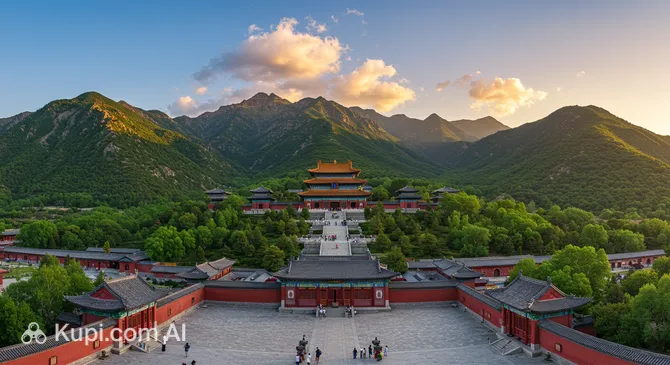
Chengde. Source: Kupi.Binoculars

The history of Chengde is most visibly preserved in its world-renowned architecture. The city is famous for the Mountain Resort, a vast complex of palaces and gardens that is recognized as a UNESCO World Heritage Site. Surrounding this imperial park are the magnificent Eight Outer Temples, which display a fusion of Han, Tibetan, and Mongolian architectural styles. Among them, the Putuo Zongcheng Temple, often called the "Little Potala Palace," is a stunning highlight that attracts travelers from around the globe.

Whether you are exploring the intricate details of ancient temples or strolling through the lush gardens of the imperial resort, this city promises an unforgettable experience. Its rich heritage and scenic environment make it an essential stop for anyone wishing to explore the diverse cultural tapestry of the region.

Weather Overview

The climate in this region is defined by distinct seasons, offering a refreshing escape during the warmer months and a crisp atmosphere in winter. January is typically the coldest month, with an average temperature of -7.7°C and dry conditions. As the year progresses, temperatures rise significantly, reaching a pleasant average of 24.0°C in July, which is traditionally the peak season for visitors.

While winters are dry with almost no precipitation, the summer brings more moisture. July is the wettest month in terms of frequency, experiencing approximately 16 wet days, though the rainfall is often manageable. Spring and autumn are mild transitional periods; for example, April sees averages around 10.1°C. For a more detailed forecast and historical climate data, you can consult the guide to the weather in Chengde.

Overall, expect warm summers with occasional rain and cold, dry winters. This seasonal contrast allows travelers to experience the city's imperial gardens and temples in widely different, yet equally striking, atmospheric conditions.

Interesting Facts

Beyond its famous imperial history, Chengde holds fascinating secrets and unique features that often surprise visitors. Here are some intriguing facts about this remarkable city:
  • Larger Than a Country: The renowned Mountain Resort is not just a simple garden; it covers an area of approximately 5.6 square kilometers. To put this in perspective, this single imperial retreat is roughly twice the size of the entire country of Monaco and is the largest existing imperial garden in the world.

  • The "Hot River" Legacy: Before it was called Chengde, the city was known as Rehe, which literally translates to "Hot River." This name originated from a local thermal spring that flows into the Wulie River, keeping the water warm enough to remain unfrozen even during the coldest winter months.

  • A Balancing Act: One of the most striking natural landmarks is Sledgehammer Peak (Qingchuifeng), a massive rock pillar that widens at the top, resembling an inverted laundry bat or hammer. Local legend playfully suggests that this balancing rock was a tool left behind by a celestial giant or deity.

  • Architectural Diplomacy: The "Eight Outer Temples" surrounding the resort were not just built for religious worship but as a political gesture. They feature architectural styles from different ethnic groups, including a "Little Potala Palace" modeled after the one in Lhasa and a replica of the Temple of Heaven, symbolizing the unity of the diverse regions under the Qing dynasty.

  • The Second Capital: For nearly two centuries, this mountain city effectively served as the second capital of China. Qing emperors would spend almost half the year here, handling state affairs and receiving foreign envoys in a setting designed to be more relaxed than the rigid Forbidden City in Beijing.

How to Get There

Reaching this historic mountain resort is relatively straightforward, with several transport options available depending on your starting point. Whether you prefer flying or taking a scenic train ride through the mountains, the city is well-connected to the surrounding region. You can find comprehensive information on routes and schedules in our guide to all ways to reach the city.

The closest facility for air travelers is the local Caledonia Airport (CDE), situated approximately 21 km from the city center. It is a convenient entry point for domestic flights, and a taxi ride to the downtown area typically takes around 50 minutes. However, international visitors often choose to fly into Beijing Capital International Airport (PEK) in Beijing, which is a major global hub located about 152 km away. While it requires a longer transfer—roughly 4 hours by road—it offers a much wider range of flight connections. Other regional options include airports in Tangshan and Chifeng, though these are less commonly used by tourists.

For clarity, here is a summary of the main airports in the vicinity:

Airport Name City Passenger Traffic Km from City
Beijing Capital International Airport Beijing Large 151.7
Chifeng Airport Chifeng Medium 162.8
Tangshan Sannuhe Airport Tangshan Small 136.7
Qinhuangdao Beidaihe Airport Yejituo Small 170.7
Caledonia Airport Chengde Small 21.1

In addition to air travel, the railway network is a highly popular method for reaching Chengde. The city is served by train stations that connect it to Beijing and other major hubs in Northern China. The introduction of high-speed rail has significantly reduced travel times, making the train a fast and comfortable alternative to driving. Standard trains are also available and offer a scenic journey through the rugged landscapes of Hebei province.

Main Attractions

Chengde Mountain Resort is undoubtedly the centerpiece of the city and the primary reason most travelers visit. As the largest existing imperial garden in the world, it offers a sprawling landscape that took nearly 90 years to complete. Unlike the rigid grandeur of Beijing's Forbidden City, this resort was designed to harmonize with nature, featuring a vast array of palaces, lakes, and plains wrapped in rugged hills. It is interesting to tourists not only for its sheer scale but for its "Garden of Ten Thousand Gardens" design concept, which replicates famous landscapes from across China, allowing you to experience the architectural styles of both the misty south and the rugged north in one location.

Just to the north of the resort lies the magnificent Putuo Zongcheng Temple, often referred to as the "Little Potala Palace." Modeled after the famous Potala Palace in Lhasa, Tibet, this temple is the largest of the "Eight Outer Temples" surrounding the imperial grounds. Visitors are captivated by its imposing red and white walls that rise dramatically against the mountain backdrop. The highlight of a visit here is reaching the main hall, where the roof is covered in gilded copper tiles, offering a stunning panoramic view of the surrounding valley and the Mountain Resort below.

Another spiritual and architectural marvel is the Puning Temple, also known as the Temple of Universal Peace. It combines Han Chinese and Tibetan architectural styles and is an active site of worship. The main draw for tourists is the Mahavira Hall, which houses the world's largest wooden statue of the Thousand-Armed and Thousand-Eyed Guanyin (Avalokitesvara). Standing over 22 meters tall and weighing roughly 110 tons, this towering statue is a breathtaking sight that showcases the incredible craftsmanship of the Qing era.

For those who appreciate natural wonders, Sledgehammer Peak National Forest Park (Qingchuifeng) offers a distinct experience. The park is named after its most famous landmark: a massive, club-shaped rock formation that balances precariously on a mountain ridge. It is a geological curiosity that has stood for millions of years. Tourists enjoy this attraction for the hiking opportunities it provides, or the option to take a chairlift for a relaxing ride up to the peak, where you can marvel at the "sledgehammer" up close and enjoy sweeping views of the temples and the city.

Finally, the Xumi Fushou Temple is worth exploring for its unique history and design. Built to accommodate the VI Panchen Lama during his visit to celebrate Emperor Qianlong's 70th birthday, it is modeled after the Tashilhunpo Monastery in Tibet. The temple is particularly famous for the golden dragons that adorn the roof of its main hall, which seem to "run" along the ridges. It offers a quieter, more contemplative atmosphere compared to the larger temples, allowing visitors to appreciate the intricate details of its fusion architecture.

Local Cuisine

The culinary landscape of Chengde is a fascinating reflection of its history as a summer retreat for the Qing emperors. The local food scene is a distinct fusion of Manchu, Mongolian, and Han Chinese traditions, often referred to as "Palace Cuisine" mixed with rugged northern flavors. Because the region historically served as a royal hunting ground, game meat and wild plants from the surrounding mountains feature heavily on menus, offering a hearty and savory dining experience that sets it apart from the lighter cuisines of the south.

One of the most famous local specialties is venison, prepared in various ways ranging from roasting to stewing. Sourced from the nearby mountains, the meat is tender and lean, often seasoned with strong spices to complement its rich flavor. Another dish deeply rooted in the city's heritage is the Roasted Whole Lamb, a nod to the Mongolian influence in the region. This festive dish is typically crispy on the outside and juicy on the inside, traditionally shared among large groups to celebrate special occasions.

For those with a sweet tooth or looking for a lighter snack, Nansha Cakes (Nansha Bing) are a must-try. These small, crispy pastries are filled with sweet red bean paste, brown sugar, or hawthorn, and legend has it that they were a favorite of the Emperor Qianlong. Another staple of the local diet is Youmian (oat noodles). Unlike wheat noodles, these are made from oat flour and have a unique, chewy texture; they are often rolled into honeycomb shapes and served with savory dipping sauces made from vinegar, garlic, and chili oil.

When it comes to beverages, Chengde is renowned for its Almond Juice (Xingren Lu). The region produces high-quality almonds, and the local drink made from them is creamy, aromatic, and refreshing. It is widely available in both hot and cold versions and is considered the quintessential non-alcoholic drink of the city. For something stronger, local spirits usually fall under the category of strong northern Baijiu, which pairs well with the heavy, meat-centric meals typical of the area.

Dining in Chengde offers a mix of experiences, from high-end restaurants serving elaborate "Imperial Court" banquets to bustling street markets. Visitors can enjoy an authentic atmosphere in local eateries where dishes are often served in generous portions, reflecting the hospitality of Northern China. Street food stalls are particularly popular for grabbing quick bites like roasted sweet potatoes, chestnuts, and buckwheat snacks, allowing tourists to sample the earthy flavors of the Hebei province while exploring the city.

Travel Tips

Planning a trip to the historic summer capital of the Qing Dynasty requires a bit of preparation to ensure a smooth journey. Here are some practical tips to help you navigate Chengde’s unique blend of imperial history and local culture with ease.

  1. Clothing and Gear: Comfortable walking shoes are non-negotiable, as the Mountain Resort and the surrounding temples cover vast areas with uneven terrain and significant walking distances. While summers are cooler here than in Beijing, bringing a light rain jacket is advisable; winters are freezing and dry, so heavy thermal layers are essential. When visiting religious sites like the Puning Temple, dress modestly by covering your shoulders and knees.

  2. Transportation: The city center is relatively compact, and taxis are an affordable and convenient way to get around; ride-hailing apps like DiDi are also widely used and efficient. Public buses are extensive and cost-effective (usually 1 or 2 RMB), but you will need exact change if you are not using a mobile payment code. Unlike larger metropolises, there is no metro system here, so plan for surface travel.

  3. Finances: The local currency is the Chinese Yuan (Renminbi). While mobile payments (Alipay and WeChat Pay) are ubiquitous and used for everything from snacks to tickets, it is wise to carry some cash, particularly smaller notes, for local buses and small street vendors. International credit cards are rarely accepted outside of major hotels, so withdraw cash from ATMs at large branches of banks like the Bank of China or ICBC.

  4. Health and Safety: Chengde is generally very safe for tourists, but standard precautions against pickpocketing in crowded areas apply. Pharmacies are easily identifiable by a green cross sign, though few operate 24/7; carrying a basic travel first-aid kit and your own prescription medications is recommended. The air quality is generally better than in the capital, but sensitive travelers might still want to check the daily index.

  5. Communication: Mandarin is the primary language, and English proficiency among locals is limited, even in many service industries. It is highly recommended to download an offline translation app and a navigation app (like Baidu Maps or Amap) before you arrive. Buying a local SIM card with data is possible at official carrier stores with your passport, which will greatly assist with on-the-go translation.

  6. Local Etiquette: When visiting the "Eight Outer Temples," show respect by following the flow of pilgrims and observing silence. Photography is often strictly prohibited inside the main halls containing Buddha statues, so please watch for and obey signage. Additionally, when handing over money or a business card, using both hands is considered a polite and respectful gesture.

  7. What to Avoid: Try to avoid visiting during major Chinese public holidays, especially the first week of October (Golden Week) or the Labor Day holiday in May. The Mountain Resort becomes incredibly crowded during these times, making it difficult to appreciate the tranquility and atmosphere of the imperial gardens.

  8. Local Insight: Wake up early to visit the Mountain Resort right when it opens or shortly after sunrise. Not only will you beat the large tour groups, but you will also witness a vibrant scene of local residents practicing Tai Chi, dancing, and writing water calligraphy on the pavement, offering a genuine slice of local life.

Armed with these practical tips, you are ready to explore the majestic landscapes and architectural wonders of this mountain city. A little preparation goes a long way in making your visit to this imperial retreat a relaxing and memorable adventure.

Entertainment & Nightlife

While Chengde is primarily known for its imperial history and daytime sightseeing, the city offers a charming and relaxed nightlife scene that comes alive, particularly during the summer months. Unlike the high-energy clubbing capitals of the south, the evening atmosphere here is more about cultural immersion, leisurely dining, and outdoor performances. The nightlife is centered around socializing in local eateries, strolling through vibrant markets, and enjoying spectacular shows that pay homage to the region's royal past.

For those seeking a bustling atmosphere, Nanyingzi Street is the undisputed heart of the city after dark. As the main commercial artery, it transforms into a lively hub where locals and tourists alike gather to shop and eat. The street is lined with shops selling everything from antiques to modern fashion, but the real draw is the night market atmosphere. Here, you can sample local street food delicacies, such as roasted chestnuts and buckwheat snacks, while soaking in the energetic vibe of the city center.

If you are looking for a place to enjoy a drink, the Shaanxi Ying area is often cited as the go-to district for bars and pubs. This neighborhood hosts a variety of venues, ranging from quiet, cozy spots perfect for a conversation over a beer to livelier bars with music. It offers a more local experience compared to western-style bar districts, providing a friendly environment where you can unwind after a day of hiking. Another emerging hotspot is Dingsheng Yuanbao Street, a cultural and leisure block that blends Qing-style architecture with modern dining and entertainment, making it a perfect place for an evening stroll and dinner.

The crown jewel of Chengde's evening entertainment is undoubtedly the Kangxi Ceremony (Kangxi Dadian). This massive outdoor live performance is staged at the Yuanbao Mountain Scenic Area and is a must-see for any visitor. With a cast of hundreds, including horses and elaborate sets, the show dramatically reenacts the history of the Qing Dynasty and the life of Emperor Kangxi. The natural mountain backdrop, combined with high-tech lighting and sound, creates an awe-inspiring spectacle that perfectly captures the grandeur of the imperial era.

When it comes to practicalities, the city is generally very safe for night walks, especially in well-lit areas like Nanyingzi and around the major hotels. Taxis are the most convenient way to get around at night and are relatively inexpensive; you can easily hail one on the street or use a ride-hailing app. Most bars and night markets operate until around midnight, though the Kangxi Ceremony usually ends earlier in the evening. Dress codes are casual everywhere, but if you are attending the outdoor show, bring a jacket, as mountain evenings can get chilly even in summer.

Beyond the nightlife, the city offers modest daytime entertainment options. The Chengde Theatre occasionally hosts cultural performances, including folk dances and acrobatics. For families or those looking for a break from historical sites, the city's parks offer boat rides and amusement facilities, allowing for a fun and lighthearted complement to the serious grandeur of the temples and palaces.

Parks & Museums

Chengde is a sanctuary of green landscapes and historical treasures, offering a remarkable fusion of imperial garden design and rugged natural scenery. Beyond its famous summer retreat, the region is dotted with expansive forest parks and museums that preserve the legacy of the Qing Dynasty, making it a paradise for those who appreciate both culture and the outdoors.

Chengde Mountain Resort is often cited as a historical site, but it is primarily a masterpiece of landscape gardening. The park is divided into distinct areas, with the Lakes District modeled after the water towns of Southern China and the Plains District reflecting the grasslands of Mongolia. It serves as the city's "central park," where ancient pine trees, lotus-filled ponds, and roaming deer create a tranquil environment perfect for leisurely walks away from the urban bustle.

For a true escape into the wild, Saihanba National Forest Park located north of the city is a stunning natural wonder. Once part of the royal Mulan Hunting Paddock, it is now celebrated as the "Green Lung of North China." The park features endless forests, wetlands, and meadows, offering a dramatic contrast to the manicured gardens of the city center and serving as a haven for photographers and hikers seeking pristine air and scenery.

The Chengde Museum, situated conveniently near the imperial complex, provides a comprehensive dive into the region's past. This modern facility houses thousands of precious cultural relics, including imperial robes, porcelain, and calligraphy from the Qing court. The exhibits vividly narrate the history of the Mountain Resort and its role in multi-ethnic unification, offering context that enriches the visit to the nearby physical sites.

Within the resort grounds lies the Palace Museum of the Mountain Resort, which displays the living quarters and administrative halls of the emperors. Visitors can view original furniture, clocks, and weapons used by Emperors Kangxi and Qianlong. Walking through the Hall of Frugality and Placidity gives a tangible sense of the austere yet majestic lifestyle led by the rulers during their summer stays, functioning effectively as a house museum of imperial life.

Among the city's architectural gems, the Pule Temple (Temple of Universal Joy) stands out for its unique design. Distinct from the larger temples, its main structure, the Pavilion of Sunrise, features a round roof similar to the Temple of Heaven in Beijing. The intricate wooden caisson ceiling inside is a testament to the exquisite craftsmanship of the era and offers a quieter, more intimate viewing experience compared to the major tourist sites.

For a unique perspective, visit the Lizheng Gate area of the Mountain Resort in the early morning. Before the tourist crowds arrive, this is where locals gather to practice Tai Chi, fly kites, and play traditional instruments, providing a genuine and authentic glimpse into the daily rhythm of the city.

Getting Around

Navigating Chengde is refreshingly simple compared to the complex transit webs of China's larger metropolises. The city does not currently have a metro or subway system, which means the public transportation network relies almost entirely on an extensive and efficient bus service. For most tourists, the city center is compact enough that a combination of bus rides, short taxi trips, and walking will cover all major itineraries, including the Mountain Resort and the surrounding Eight Outer Temples.

The public bus system is the most economical way to get around, with a fleet that connects the railway stations, the downtown commercial districts, and the key scenic spots. Standard bus fares are very affordable, typically costing 1 or 2 RMB per ride, regardless of the distance. Tourists should look out for special tourist lines (often labeled with a "You" prefix or specific numbers) that loop directly between the main railway station and the major attractions, saving time and simplifying the route planning process.

When it comes to payment, the system is modernized but requires some preparation for international travelers. While locals predominantly use mobile payment apps like Alipay or WeChat Pay to scan a QR code upon boarding, these apps now support international credit cards, making them accessible to tourists. If you prefer not to use digital payments, you must pay with cash. It is crucial to carry exact change—usually in 1 RMB coins or notes—as bus drivers do not carry change and there are no ticket machines on board. Simply drop your money into the fare box next to the driver when you enter.

Taxis are a very popular and convenient alternative, especially given the affordable rates in the city. You can easily hail a taxi on the street; they are typically painted green or yellow. All legal taxis are equipped with meters, and you should insist that the driver uses one. For those comfortable with technology, ride-hailing apps like DiDi (the local equivalent of Uber) are widely available and often easier for non-Chinese speakers, as you can input your destination in the app to avoid language barriers.

For short distances, shared bicycles are scattered throughout the city. These dockless bikes (usually blue or yellow) can be unlocked using the same mobile payment apps used for buses. They offer a pleasant way to travel between nearby temples or along the riverbanks when the weather is mild. However, be aware that the terrain can be hilly as you move away from the city center towards the temples.

Most public transport operates from early morning, around 6:00 AM, until roughly 7:00 PM or 8:00 PM. It is important to note that buses in Chengde stop running earlier than in big cities like Beijing, so if you are planning a late dinner or a night out, be prepared to take a taxi back to your accommodation.

Accommodation

Accommodation in Chengde caters to a wide spectrum of visitors, reflecting its status as a major tourist destination and a historical retreat. The city offers everything from luxurious, star-rated hotels capable of hosting international dignitaries to budget-friendly guesthouses and standard business chains. Because the city developed around the imperial summer residence, the hospitality infrastructure is robust, though it leans heavily towards domestic tourism standards.

The most popular and convenient area to stay is undoubtedly in the Shuangqiao District, particularly within walking distance of the Mountain Resort. Staying near the resort's main entrance (Lizheng Gate) or along Nanyingzi Street places you right in the heart of the action, with easy access to the palace grounds, restaurants, and the night market. For a quieter experience with scenic views, some travelers prefer hotels located slightly further north or east, near the Eight Outer Temples, where the atmosphere is more serene and the surroundings are dominated by temple rooftops and hills.

For those interested in local culture, "Nongjiale" (farmhouse stays) are available in the outskirts near scenic spots like Sledgehammer Peak. These offer a basic but authentic experience, often including home-cooked meals with fresh local ingredients. However, international travelers should be aware that amenities in these rural stays can be quite simple compared to Western standards.

Booking Tips: As Chengde is a seasonal destination, hotel availability and prices fluctuate drastically. During the peak summer months (especially July and August) and Chinese public holidays, rooms can sell out weeks in advance, and prices can double or triple. It is highly recommended to book your accommodation well ahead of time if you plan to visit during these periods. Conversely, visiting in the shoulder season or winter can yield significant discounts.

Important Note for International Travelers: When booking accommodation in China, it is crucial to confirm that the hotel is licensed to accept foreign guests. Not all budget hotels or inns have the necessary police clearance to host non-mainland Chinese citizens. It is safest to book through major international platforms or double-check the property's policy regarding foreign passports before arrival to avoid any inconvenience.

Nearby Cities

For those looking to explore the surroundings, Chengde serves as an excellent base for day trips to several interesting nearby locations:

One of the most culturally significant destinations in the vicinity is Zunhua. Located approximately 100 kilometers to the south, it is world-renowned for housing the Eastern Qing Tombs, a UNESCO World Heritage site. This massive imperial mausoleum complex is the final resting place of five emperors, including the famous Emperor Kangxi and Empress Dowager Cixi. The site features grand architecture and sacred ways lined with stone statues, making it a perfect historical complement to the summer palaces of Chengde.

For travelers seeking natural beauty and open landscapes, Fengning is a fantastic choice. It is famous for the Bashang Grasslands, often referred to as the "No. 1 Grassland North of Beijing." This area offers a refreshing escape with its rolling green hills, cool summer breezes, and opportunities for horseback riding. It also provides a unique chance to experience the local Manchu culture and stay in traditional yurts, contrasting sharply with the imperial architecture of the city.

Another interesting stop is Pingquan, known as the "Hometown of Mushrooms" in China. While less tourist-heavy than the other destinations, it offers a genuine look at local life in Hebei province. The area is surrounded by mountains and forests, making it a quiet retreat for those interested in agriculture, local markets, and off-the-beaten-path exploration.

City Population Distance (km)
Zunhua 737,011 101
Shuangqiao 733,000 3
Qian'an 728,160 123
Pingquan 110,646 62
Fengning 99,673 114

These nearby destinations offer a glimpse into the diverse culture and landscapes of the region, ranging from imperial tombs to vast grasslands.

Shopping & Souvenirs

Shopping in Chengde offers a delightful opportunity to explore local craftsmanship and regional flavors rather than a hunt for international luxury brands. As a city with deep imperial roots, the retail scene focuses heavily on cultural souvenirs, traditional folk art, and local delicacies that reflect the area's history as a royal summer retreat. Visitors will find that the best items to purchase are those that are unique to the Hebei region and its mountainous terrain.

One of the most culturally significant souvenirs is Teng's Paper-cutting, a celebrated form of local folk art that has been passed down through generations. These intricate designs, often cut from red paper, depict landscapes, flowers, animals, and figures from Chinese mythology. They are renowned for their delicate craftsmanship and expressiveness, making them excellent, lightweight gifts to take home. Similarly, wood carving is a thriving local industry. utilizing timber from the surrounding mountains, artisans create detailed sculptures, furniture, and hanging ornaments that showcase the region's artistic heritage.

For those interested in edible treats, the region is famous for its production of almonds and apricot kernels. The city is the birthplace of famous almond beverages, and visitors can easily find roasted almonds, almond powder, and other nut-based snacks in almost every supermarket and specialty shop. Additionally, due to the city's location in the mountains, wild mushrooms and ferns are popular purchases. Dried varieties, such as hazel mushrooms, are widely available and are prized for their nutritional value and rich flavor, often used in traditional northern stews.

The main commercial hub of the city is Nanyingzi Street, a bustling avenue located in the center of town. This vibrant street is lined with department stores, boutiques, and specialty shops selling everything from modern clothing to traditional handicrafts. It serves as the primary shopping destination for locals and tourists alike. For a more specific selection of souvenirs, the areas surrounding the Mountain Resort and the Eight Outer Temples are filled with stalls and small shops offering Buddhist artifacts, prayer beads, and imperial-style trinkets, though bargaining is often expected in these tourist-centric zones.

Another unique local product is brocade, which reflects the Manchu influence on the city. These rich, patterned fabrics are often used to make traditional clothing, bags, and decorative items. Whether you are browsing for fine art or sampling local snacks, shopping here provides a tangible connection to the city's blend of Han, Manchu, and Mongolian cultures.

Reached the end of the page?

That means the route is fully explored