Support

Langfang

About

Langfang is a dynamic and strategically important city located in the Hebei province of China. Often referred to as a "corridor city," it sits directly between two major metropolises: the capital, Beijing, and the bustling port city of Tianjin. This unique geographical position has shaped Langfang into a vital hub for commerce and transportation, while still maintaining its own distinct character and charm.

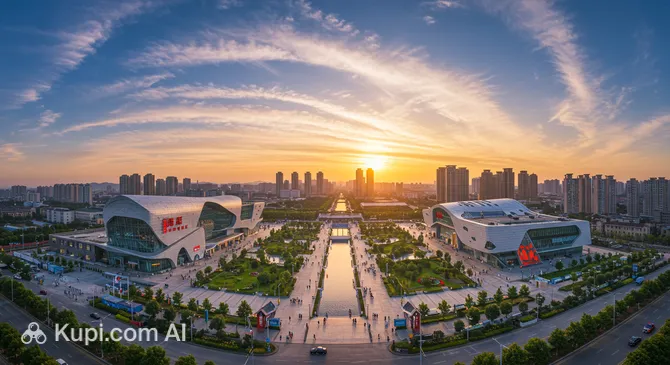
Langfang. Source: Kupi.Binoculars

Home to a population of over 5.4 million people, the city is known for its impressive urban planning and emphasis on greenery. Unlike many purely industrial centers, Langfang prides itself on being an eco-friendly garden city, offering a pleasant atmosphere for residents and visitors alike. While it is a thoroughly modern urban center today, the history of Langfang offers a fascinating glimpse into the region's development and its enduring role connecting northern China's most powerful cities.

Travelers exploring the area will find several intriguing attractions. One of the most famous is the Grand Epoch City (Xianghe), a massive cultural complex that features a stunning replica of old Beijing's city walls and temples, allowing visitors to step back in time. For nature lovers, the Langfang Nature Park provides a sprawling oasis of forests and lakes, perfect for a relaxing afternoon walk. Whether you are stopping by on a business trip or exploring the wider Hebei region, Langfang welcomes you with its blend of modern convenience and cultural heritage.

Weather Overview

The climate in this region is characterized by four distinct seasons, ranging from freezing winters to hot summers. For the most accurate packing advice, it is best to consult the forecast for the weather in Langfang closer to your travel dates. Generally, the city experiences a continental monsoon pattern which influences both temperature and rainfall significantly throughout the year.

Summers are warm and can be humid, particularly in July and August. During these months, average temperatures stay between 26°C and 28°C, though daytime highs in June can climb to 33.4°C. July is typically the dampest month, recording around 15 wet days. Conversely, winters are cold and very dry. January is the coldest month with average temperatures dropping to -2.5°C and lows reaching -7.7°C. Spring and autumn serve as pleasant transitional periods with moderate temperatures. Expect warm summers with frequent rain and cold, dry winters.

Interesting Facts

Beyond its reputation as a transit hub, Langfang holds several geographical and cultural secrets that make it unique in the region. From administrative anomalies to record-breaking markets, here are some fascinating details about the city.

  • A Geographic Exclave: Langfang contains a rare administrative feature known as the "Northern Three Counties" (Sanhe, Dachang, and Xianghe). These areas are physically separated from the rest of the city and province, forming an enclave completely surrounded by the municipalities of Beijing and Tianjin. This unusual layout creates a "flying land" that is administratively part of Hebei but geographically isolated from it.

  • Furniture Capital: Xianghe County is widely celebrated as the "Furniture Capital of Northern China." It hosts one of the largest furniture markets in the country, a sprawling commercial area where visitors can find everything from traditional mahogany pieces to modern designs, drawing shoppers from hundreds of miles away.

  • Preserving Lost Architecture: While the "About" section mentions the Grand Epoch City, few realize the specificity of its design. It features a 1:1 scale replica of the old city walls and gates of Beijing. Since many of the original walls in the capital were removed during modernization, this complex in Langfang serves as one of the few places to see the historic "Inner Nine and Outer Seven" gates as they once stood.

  • Pioneer in Greenery: Langfang was the first city in the northern part of the country to be designated a "National Garden City." Despite the heavy industrialization often associated with the region, the city maintains an exceptionally high rate of forest coverage and urban greenery, setting a standard for eco-friendly urban planning.

How to Get There

Langfang benefits significantly from its location within the bustling Beijing-Tianjin corridor, offering travelers multiple entry points through some of China's largest transport hubs. For a detailed breakdown of routes and transportation methods, you can read more about how to get to Langfang. While the city does not have its own airport, it is exceptionally well-served by the aviation facilities of its neighbors.

The most convenient gateway is Beijing Daxing International Airport (IATA: PKX), located in Beijing. It is the closest major airport, situated just 23.8 km from Langfang. This modern hub handles a large volume of passengers, and the short distance means a transfer by taxi or bus takes approximately 55 minutes. Another excellent option is Beijing Capital International Airport (IATA: PEK), also in Beijing. Located about 60.8 km away, this massive international airport connects to destinations worldwide, with a travel time to Langfang of roughly 1 hour and 50 minutes by road.

For clarity, here is a summary of the main airports:

Airport Name City Passenger Traffic Km from City
Beijing Capital International AirportBeijingVery Large60.8
Beijing Daxing International AirportBeijingLarge23.8
Tianjin Binhai International AirportTianjinMedium73.3
Tangshan Sannuhe AirportTangshanSmall114.2
Zhangjiakou Ningyuan AirportZhangjiakouSmall200.3

Regarding rail travel, the major regional stations listed for arrival are located in other cities within the Hebei province. You can arrive at Baoding Railway Station in the city of Baoding, which is approximately 128.6 km from Langfang. From there, a transfer by taxi or bus would take about 3.5 hours. Alternatively, travelers may use Shijiazhuang Railway Station in Shijiazhuang, located roughly 253.6 km away, though this requires a significantly longer ground transfer.

Below is the data for these railway stations:

Station City Passenger Traffic Km to Center
Shijiazhuang Railway StationShijiazhuangVery Large253.6
Baoding Railway StationBaodingMedium128.6

Main Attractions

While Langfang is often viewed primarily as a transit hub between Beijing and Tianjin, it boasts several destinations that offer deep cultural insights and leisure opportunities. The city's unique position has influenced its development, resulting in attractions that blend historical grandeur with modern ecological planning, making it a surprising delight for travelers who take the time to explore.

One of the most spectacular sites is the Grand Epoch City (Tianxia Diyi Cheng). Located in Xianghe County, this massive cultural resort is a 1:1 scale replica of the old walled city of Beijing during the Ming and Qing dynasties. Since the original walls of the capital were largely dismantled, this complex offers tourists a rare chance to walk through historic gates and admire traditional architecture. Inside, you will find temples, palaces, and gardens that vividly recreate the atmosphere of imperial China, making it a perfect spot for history enthusiasts and photographers alike.

For those seeking tranquility, the Langfang Nature Park is a must-visit. Situated in the Guangyang District, it serves as the city's "green lung" with a high forest coverage rate and a vast man-made lake. It is an ideal location for a family outing, offering boat rides, quiet walking paths, and a chance to escape the urban bustle. The park is particularly beautiful in the spring and summer when the greenery is lush, providing a refreshing natural retreat right on the edge of the city.

Culture lovers should explore the Langfang Cultural Art Park. This comprehensive venue combines natural landscapes with cultural facilities, including a library, museum, and theater. It is not just a park but a hub for local arts and community activities. Visitors can enjoy the "Dream Lake," distinct garden designs, and impressive sculptures. It is an excellent place to observe local life and enjoy a harmonious blend of artistic creativity and natural beauty.

Another unique attraction in the wider area is the China Bicycle Museum in Bazhou. As one of the largest museums of its kind in the world, it houses a staggering collection of bicycles from various eras and countries. The exhibits trace the evolution of the bicycle, featuring rare models and telling the story of how this mode of transport shaped the nation. It is a fascinating stop for anyone interested in industrial history or the cultural significance of cycling.

Local Cuisine

The culinary scene in Langfang is a delightful reflection of its location in the heart of the North China Plain, heavily influenced by the gastronomic traditions of its neighbors, Beijing and Tianjin. The local cuisine is characterized by savory, salty flavors and a heavy reliance on wheat-based foods like noodles, buns, and flatbreads. For foodies, the city offers a genuine taste of Hebei province, ranging from hearty meat dishes to famous local snacks that have gained a reputation across the country.

Undoubtedly, the most iconic dish you must try is the Xianghe Meat Pie (Xianghe Roubing). Originating from Xianghe County within Langfang, this delicacy is famous throughout northern China. Unlike a standard pie, it features a remarkably thin, golden-brown dough skin packed with a generous filling of minced meat and scallions. The skill lies in making the crust paper-thin while keeping the juices sealed inside. When bitten into, it is crispy on the outside and tender on the inside, offering a rich and satisfying flavor that locals are incredibly proud of.

Another highlight of Langfang's food culture comes from the Dachang Hui Autonomous County, known for its exceptional Halal cuisine. The beef and mutton from this area are renowned for their high quality and freshness. Visitors often seek out authentic Muslim restaurants to enjoy "Dachang Mutton," which is typically served in hot pots or stir-fried with scallions. The preparation is meticulous, ensuring the meat is tender and free of strong gamey odors, making it a favorite even for those who are usually hesitant about lamb.

For a quick and popular street food snack, look for the Donkey Burger (Lürou Huoshao). While famous across Hebei, it is a staple in Langfang's street food scene. It consists of savory, chopped donkey meat seasoned with green peppers and served inside a warm, flaky, rectangular bun. It is often described as the northern Chinese equivalent of a hamburger and is widely loved for its unique texture and lean, savory meat.

When it comes to beverages, the local culture mirrors the broader habits of northern China. Baijiu, a strong clear spirit made from sorghum, is the traditional alcoholic drink of choice during celebratory dinners and banquets. For non-alcoholic options, tea culture is prevalent, with Jasmine tea being particularly popular to cut through the richness of the meat-heavy local diet. In the summer, you might also find refreshing bowls of chilled sour plum soup (Suanmeitang) to cool down.

Tourists will find that dining in Langfang is a social affair. The city is dotted with bustling food streets and night markets where the atmosphere is lively and informal. Locals enjoy gathering at open-air barbecue stalls (Shao Kao) in the evenings, enjoying skewers of meat and vegetables alongside cold beer. Whether you choose a sit-down restaurant for a feast of meat pies or grab a quick bite from a street vendor, the food here is unpretentious, hearty, and deeply satisfying.

Travel Tips

Planning a trip to Langfang offers the chance to experience a city that perfectly bridges the gap between Beijing and Tianjin. To ensure your visit to this strategic hub in China is as smooth and enjoyable as possible, consider these practical guidelines.

  1. Clothing and Gear: The weather varies greatly, so pack lightweight, breathable fabrics for the humid summers and heavy, insulated coats for the freezing winters. Since attractions like the Grand Epoch City involve significant walking, bring sturdy, comfortable shoes. Also, carry a universal power adapter, as local outlets typically support Type A, C, and I plugs.

  2. Transportation: Public buses are extensive but can be crowded and confusing for non-Chinese speakers. The most convenient way to get around is by using official taxis or ride-hailing apps like DiDi (the local equivalent of Uber). For day trips to Beijing or Tianjin, the high-speed train is incredibly fast and reliable, though you should book tickets in advance.

  3. Finances: The local currency is the Renminbi (CNY). While cash is accepted, China is a nearly cashless society; downloading Alipay or WeChat Pay and setting up their international traveler options is highly recommended for convenience. Tipping is not part of the culture and is generally not expected in restaurants or taxis.

  4. Health and Safety: Langfang is safe for tourists, but standard precautions apply. Avoid drinking tap water; inexpensive bottled water is widely available everywhere. In winter, air quality can sometimes dip, so having a high-quality face mask handy is a sensible precaution. Pharmacies are marked with a green cross, but carrying a basic first-aid kit with your specific medications is wise.

  5. Communication: English is not widely spoken outside of major international hotels. It is essential to download an offline translation app and a map app that works locally (like Baidu Maps or Apple Maps) before you arrive. Additionally, remember that many western websites are blocked, so you may need a roaming plan or specific software to access your usual social media and email accounts.

  6. Local Etiquette: Politeness is valued; a slight nod or a handshake is a standard greeting. When dining, never stick your chopsticks vertically into a bowl of rice, as this resembles incense burning for the dead and is considered bad luck. It is also polite to try a bit of everything served at a communal meal.

  7. What to Avoid: Avoid taking "black taxis" (unlicensed cabs) that often wait outside train stations, as they may overcharge foreigners. Stick to the official taxi queues or use an app. Also, avoid discussing sensitive political topics, as this is considered impolite and inappropriate for casual conversation.

  8. Local Insight: Don't leave the city without trying the famous Xianghe Meat Pie at a local eatery. These spots are often busiest during lunch hours, so arrive a bit early or slightly late to grab a fresh, hot pie without the long wait.

Armed with these practical tips, you are well-prepared to navigate the streets of Langfang with confidence. Embrace the local customs and modern conveniences, and you will find this city to be a welcoming and fascinating stop on your journey.

Entertainment & Nightlife

Langfang offers a nightlife scene that is distinct from the high-energy clubbing of neighboring Beijing, focusing instead on social dining, vibrant night markets, and relaxed entertainment. The evening atmosphere here is welcoming and casual, centered heavily around "Shao Kao" (Chinese barbecue), karaoke parlors (KTV), and bustling pedestrian areas where locals gather to unwind after work. The city comes alive with neon lights and the savory scent of grilled spices, offering travelers a genuine taste of local urban life.

For a modern and convenient night out, the area around Wanda Plaza in the Guangyang District is the city's primary commercial hub. This sprawling complex is not just for shopping; in the evenings, it becomes a center for entertainment with a state-of-the-art cinema, numerous restaurants open late, and several bars and lounges in the vicinity. It is a popular meeting point for the city's younger crowd and offers a polished, contemporary environment where you can enjoy a cocktail or a late-night movie in comfort.

If you are looking for a more authentic and lively local vibe, head to the area known locally as 6th Street, situated behind People's Park. This district is famous for its concentration of open-air barbecue restaurants and beer gardens. In the warmer months, the streets here are lined with tables where diners enjoy skewers of spicy lamb and cold local beer under the trees. The dress code is casual, the prices are very affordable, and the atmosphere is boisterous and friendly, making it the perfect place to experience the "real" Langfang nightlife.

Another unique venue that transforms in the evening is the Grand Epoch City. While it is a major daytime attraction, the complex often hosts evening light shows and cultural performances that illuminate its massive replica city walls and temples. Walking through the illuminated imperial-style architecture offers a starkly beautiful contrast to the modern city center and provides excellent photo opportunities.

Practical advice for enjoying Langfang at night includes bringing cash or having mobile payment ready, as some smaller street vendors may not accept international cards. The city is generally very safe for night walks, even in less crowded areas, but it is always wise to stick to well-lit main roads. Taxis and ride-hailing services like DiDi are plentiful and affordable, making it easy to hop between the city center and your hotel without hassle.

For daytime entertainment before the sun goes down, Langfang has plenty to offer. You can explore the vast green spaces of the Langfang Nature Park, visit the impressive Langfang Museum to learn about the region's history, or catch a performance at the local theaters. These venues provide a cultural foundation to your trip before you transition into the relaxed and savory delights of the city's evening scene.

Parks & Museums

Langfang honors its reputation as a "National Garden City" not just through its massive flagship parks, but also through a network of community spaces and educational institutions. While the largest green zones are well-known, the city offers several other venues where visitors can appreciate the local commitment to ecology and history without the crowds. Exploring these spots provides a more intimate look at the daily lives of residents in this part of China.

For those interested in the region's backstory, the Langfang Museum is an essential stop. Located in the city center, this modern facility offers a comprehensive journey through time, documenting the area's transformation from a strategic corridor between capitals to a thriving metropolis. The exhibits are diverse, ranging from ancient pottery and bronze artifacts unearthed in Hebei province to displays detailing local folk customs. It serves as an excellent educational resource, providing context to the modern skyline you see outside.

To experience the authentic rhythm of local life, a visit to People's Park is highly recommended, particularly in the early morning. Unlike the sprawling nature reserves on the city's outskirts, this is a traditional urban park where the community gathers to start the day. It is a hub of social activity where you can observe groups practicing Tai Chi, playing traditional Chinese instruments, or engaging in ribbon dancing. The atmosphere here is vibrant and welcoming, offering a heartwarming glimpse into the wellness culture of Langfang's older generation.

Another noteworthy green space is the Longhe Central Park, which showcases the city's newer ecological efforts. Built along the Dragon River, this park focuses on water conservation and wetland restoration. It features scenic walking paths that wind through reeds and native plantings, making it a favorite spot for evening strolls and birdwatching. It stands as a testament to the city's ongoing project to integrate natural river systems into the urban fabric, providing a quiet respite from the concrete surroundings.

Getting Around

Navigating Langfang is relatively straightforward, as the city relies primarily on an extensive bus network and a robust fleet of taxis to move residents and visitors around. Unlike its massive neighbors, Beijing and Tianjin, Langfang does not currently have its own internal metro system. However, its urban layout is well-planned, and the public transportation options available are affordable, frequent, and cover all major districts, commercial hubs, and tourist attractions.

The public bus system serves as the backbone of local transit. Routes are numbered, and vehicles are generally modern and air-conditioned. For most tourists, this is the most economical way to travel, with fares typically set at a flat rate of 1 or 2 CNY per ride, regardless of distance. Bus stops are marked with signs, though they are predominantly in Chinese. It is highly advisable to have your destination written in Chinese characters or to use a map app to identify the correct route number before boarding.

Regarding payment, Langfang, like most modern Chinese cities, has moved towards a cashless society. While buses still accept cash, you must drop the exact fare into the box upon entry as drivers do not provide change. The most convenient method for travelers is to use mobile payments via Alipay or WeChat Pay. Both apps have "Transport Code" mini-programs that you can scan at the terminal near the bus driver. Physical transportation cards from Beijing (Yikatong) often work here due to regional integration, but setting up a mobile QR code is generally more reliable for short-term visitors.

For a more direct and comfortable alternative, taxis are widely available and inexpensive compared to Western standards. You can hail them on the street; they are easily recognizable by their green, blue, or yellow liveries. All official taxis use a meter, so ensure the driver turns it on when you start your journey. Alternatively, ride-hailing apps like DiDi (the local equivalent of Uber) are extremely popular. DiDi is particularly tourist-friendly because the app features an English interface and automatic translation for messaging drivers, eliminating the language barrier.

For short trips or "last-mile" connectivity, shared bicycles are ubiquitous throughout the city. You will see rows of blue, yellow, or green bikes parked on sidewalks. To use them, you simply scan the QR code on the bike using the Alipay or WeChat app. This is an eco-friendly and efficient way to explore parks or travel between your hotel and a nearby restaurant, provided you have mobile data and a payment account set up.

A unique feature of Langfang's transport landscape is its heavy integration with commuter transit. Because many residents work in Beijing, there is a specialized network of commuter buses that function almost like an intercity metro service. If you are traveling near the borders of the city or heading towards the capital, be aware that these routes can become extremely crowded during morning and evening rush hours (typically 7:00–9:00 AM and 5:00–7:00 PM). Avoiding these times will ensure a much more pleasant travel experience.

Practical advice for tourists includes carrying a portable power bank, as your phone is your ticket and map. Operating hours for most city buses run from roughly 6:00 AM to 8:00 PM or 9:00 PM, depending on the route. If you stay out late enjoying the night markets, be prepared to take a taxi back to your accommodation. Always have the name and address of your hotel written in Chinese to show drivers, as English proficiency among transport staff is limited.
Accommodation

Langfang offers a diverse array of accommodation options, primarily designed to cater to the influx of business travelers and tourists moving between Beijing and Tianjin. The hospitality landscape here is dominated by modern amenities, ranging from cost-effective express hotels to upscale international chains. Because the city is a major venue for exhibitions and conferences, the standard of service in mid-range and luxury establishments is generally high, ensuring a comfortable stay for international visitors.

For those seeking convenience and access to urban amenities, the Guangyang District is the most popular area to base yourself. Staying near the city center, particularly around the Wanda Plaza commercial circle, places you within walking distance of shopping malls, cinemas, and a wide variety of dining options. This area is well-connected by public transport, making it easy to explore local parks or commute to the railway station for day trips to the capital.

If you are looking for a more unique experience, consider staying in Xianghe County, home to the majestic Grand Epoch City. This vast complex is not just a sightseeing destination but also functions as a resort hotel. Guests here can sleep within architecture modeled after imperial Beijing, surrounded by gardens and lakes, offering an immersive cultural experience that stands in stark contrast to standard city hotels.

Travelers will find that accommodation prices in Langfang are significantly more affordable than in neighboring Beijing or Tianjin. A luxury room here often costs a fraction of what it would in the capital. It is highly recommended to book in advance, especially if your visit coincides with a major trade fair or national holiday, as hotels can fill up quickly. For the best rates and ease of communication, using major international booking platforms or Chinese apps like Ctrip (Trip.com) is advisable.

Nearby Cities

For those looking to explore the surroundings, Langfang serves as an excellent base for day trips to several interesting nearby locations.

Given its location within the "Golden Triangle" of Northern China, the most prominent destination for a day trip is undoubtedly Beijing. Situated less than 50 kilometers away, the capital is easily accessible via high-speed rail, allowing visitors to marvel at world-class heritage sites like the Forbidden City and the Temple of Heaven before returning to Langfang for the night. It is the perfect opportunity to experience the bustling energy and imperial history of one of the world's most important cities without the need to relocate your luggage.

Another fantastic option is the port metropolis of Tianjin. Famous for its unique blend of Chinese culture and European colonial architecture, Tianjin offers a distinct atmosphere. Travelers can stroll through the Five Great Avenues to see historic mansions, ride the massive Eye of Tianjin ferris wheel over the Hai River, or sample the city's renowned street food, such as Goubuli buns. For a more relaxed regional excursion, Bazhou is known for its geothermal resources and offers a chance to enjoy soothing hot springs, providing a stark contrast to the urban rush.

City Population Distance (km)
Beijing1852200047
Tianjin1036800067
Bazhou328314849
Sanhe65204264
Zhuozhou60353561

These nearby destinations offer a glimpse into the diverse culture and landscapes of the region.

Shopping & Souvenirs

Shopping in Langfang offers a diverse experience that reflects its status as a rapidly modernizing city nestled between two major capitals. Visitors will find a mix of contemporary shopping malls offering international brands and specialized markets that highlight the region's industrial strengths. Whether you are looking for the latest fashion trends, high-quality home goods, or traditional handicrafts, the city provides a convenient and often more affordable alternative to the bustling retail scenes of Beijing and Tianjin in China.

For a comprehensive retail experience, the Wanda Plaza in the Guangyang District is the city's premier destination. This large, modern complex houses a vast array of clothing stores, electronics shops, and lifestyle brands, making it a one-stop shop for most travelers. Another key commercial landmark is the area around the Mingzhu Building, which serves as a traditional commercial center. Here, the streets are lively and filled with smaller boutiques and department stores, offering a more local atmosphere where you can find everything from daily necessities to mid-range fashion.

Langfang is uniquely famous for its specialized trade centers, most notably the Xianghe International Furniture City. Located in Xianghe County, this is one of the largest furniture distribution centers in the northern part of the country. While carrying a large piece of furniture home might not be feasible for every tourist, the sheer scale of the market is impressive, and visitors can often find smaller home décor items, textiles, and artistic accessories that are easy to transport. For a more traditional market vibe, local pedestrian streets often feature vendors selling seasonal fruits, clothing, and small gadgets.

When searching for souvenirs, look for craftsmanship that is specific to the Hebei region. Cloisonné enamelware is a particular specialty of the nearby Dachang Hui Autonomous County; these intricate, colorful metalworks make for exquisite and culturally significant gifts. Additionally, the region is known for artistic walnut carvings and gourd handicrafts, which are traditional collectibles in northern China. For foodies, vacuum-packed local snacks or a bottle of regional liquor can serve as a flavorful memento of your trip.

Most shopping malls and department stores in Langfang operate from around 10:00 AM to 9:30 PM, staying open slightly later on weekends and holidays. While major shopping centers may accept international credit cards, smaller shops and markets rely almost exclusively on mobile payments. It is highly recommended to have Alipay or WeChat Pay set up on your phone, as this is the primary method of transaction. Tax-free shopping for tourists is not as widespread here as in major metropolitan hubs like Shanghai or Beijing, so it is generally best not to rely on tax refunds for standard purchases.

Reached the end of the page?

That means the route is fully explored