Support

Huanghua

About

Welcome to Huanghua, a dynamic coastal city located in the Hebei province of China. Situated along the shores of the Bohai Sea, this bustling urban center is home to approximately 548,000 residents and serves as a vital transportation and industrial hub for the region. Its strategic location and developing infrastructure make it an intriguing stop for travelers exploring the northern coast.

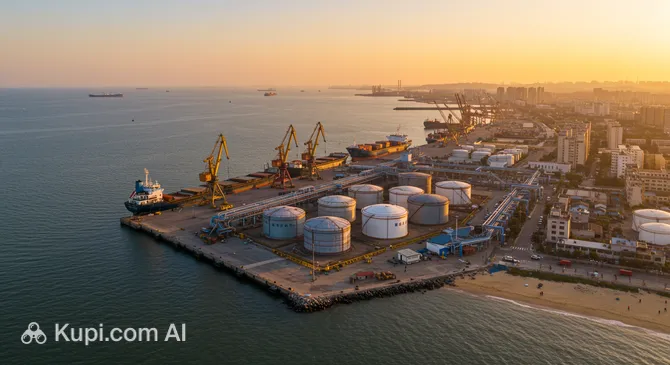
Huanghua. Source: Kupi.Binoculars

The city carries a name with deep significance, honoring the revolutionary martyr Huang Hua. Those who wish to understand the region's evolution from a traditional settlement to a modern port city should explore the history of Huanghua, which reveals a rich tapestry of local heritage and resilience. The area is not only known for its historical roots but also for its unique geological features.

One of the most remarkable attractions here is the Ancient Shell Dike. This rare geological formation, created over thousands of years by the accumulation of shells, is one of the few of its kind in the world and offers a fascinating glimpse into the earth's natural history. Additionally, Huanghua is celebrated as the "Hometown of Winter Dates." These sweet, crisp fruits are a local specialty and a delight for visitors to taste during the harvest season.

Whether you are interested in witnessing rare natural wonders or experiencing the authentic atmosphere of a Chinese coastal city, Huanghua offers a distinct and memorable journey. It is a destination that invites you to discover its unique blend of natural beauty and local culture.

Weather Overview

The climate in this coastal city is characterized by four distinct seasons, ranging from freezing winters to hot summers. When planning your visit, it is helpful to know that the area typically follows a continental monsoon pattern. Expect warm summers with occasional rain and cold, dry winters.

January is usually the coldest month, with average temperatures dropping to -1.6°C and minimums reaching -6.3°C. Precipitation is extremely rare during this time, resulting in crisp, dry days. Conversely, the summer months of July and August are the warmest, with average temperatures hovering around 28.3°C and highs exceeding 32°C. This is also when the region experiences the most moisture, with up to 13 wet days recorded in August.

Should you prefer milder conditions, spring and autumn are excellent choices. May and September offer comfortable averages between 21°C and 23°C, making them ideal for outdoor activities. To ensure you are fully prepared for your trip, check the detailed weather in Huanghua before you depart.

Interesting Facts

Beyond the main attractions, Huanghua holds many fascinating secrets that link its geological past with its vibrant cultural present. From rare natural formations to ancient agricultural traditions, the city offers unique stories waiting to be uncovered.
  • A Global Geological Rarity: Huanghua is home to one of the world's three major ancient shell dikes, the other two being in the United States and Suriname. Unlike typical sandy coastlines, this natural wonder was formed over thousands of years by the accumulation of countless sea shells, creating a spectacular ridge that serves as a natural breakwater and a window into the region's paleocoastal changes.

  • Living Fossils of Fruit: While the city is famous for its "Winter Jujubes," few know that it possesses a "Jujube Forest of Original Ecology" containing trees that are over 600 years old. These ancient trees are considered living fossils and still bear the crisp, apple-like fruit that was once reserved as a tribute for imperial families.

  • A Heroic Renaming: The city's name is not derived from a geographical feature but is a tribute to a revolutionary hero. Until 1945, the area was known as Xinqing County; it was renamed Huanghua to honor Huang Hua, a Deputy Military Commander who sacrificed his life in the region during the war, permanently etching his legacy onto the map.

  • Fields of "Snow" in Summer: The coastline of Huanghua is part of the famous Changlu Salt Field, one of China's largest sea salt production bases. During the harvest season, the vast salt pans create a surreal, snow-white landscape that stretches as far as the eye can see, contrasting sharply with the blue waters of the Bohai Sea.

How to Get There

Reaching this coastal destination is relatively straightforward thanks to its proximity to several major transportation hubs in the region. While the city itself does not have its own airport, visitors can easily fly into neighboring major cities and complete the journey by road. For a complete overview of all transportation options and routes, you can read more about how to get to Huanghua.

The most convenient gateway for air travelers is the Tianjin Binhai International Airport (IATA: TSN), located in the city of Tianjin. It is situated approximately 56 km from Huanghua, making for a reasonably short transfer. The travel time by taxi or private transfer is usually around 1 hour and 45 minutes. For those arriving on long-haul international flights, the Beijing Daxing International Airport (IATA: PKX) in Beijing is another excellent option. Although it is located about 120 km away, its status as a massive international hub offers extensive connections. A drive from there to Huanghua typically takes about 3 hours and 20 minutes. Alternatively, the historic Beijing Capital International Airport (IATA: PEK) serves as a major entry point, located roughly 170 km from the city.

For clarity, here is a summary of the main airports:

Airport Name City Passenger Traffic Km from City
Beijing Capital International AirportBeijingLarge170.2
Beijing Daxing International AirportBeijingLarge120.7
Tianjin Binhai International AirportTianjinMedium56.4
Dongying AirportDongyingMedium184.9
Tangshan Sannuhe AirportTangshanSmall137.7

Travelers preferring rail transport should note that Huanghua does not have a major passenger railway station listed in the immediate vicinity for long-distance arrivals. You may need to arrive at larger regional hubs and transfer by road. The closest major hub listed is Baoding Railway Station (IATA: BVQ), located in the city of Baoding, approximately 155 km away. The transfer from there to Huanghua by taxi or bus takes about 4 hours and 10 minutes. Another option for those coming from further inland is the Shijiazhuang Railway Station (IATA: QSJ) in Shijiazhuang. However, this station is about 249 km away, resulting in a significantly longer road transfer of approximately 6 hours and 30 minutes.

Below is a list of the regional railway stations:

Station City Passenger Traffic Km to Center
Shijiazhuang Railway StationShijiazhuangLarge249.3
Baoding Railway StationBaodingLarge154.9
Xingtai Railway StationXingtaiMedium297.3

Main Attractions

Huanghua offers a compelling mix of natural wonders, historical depth, and modern industrial grandeur. While it is often recognized for its bustling port, the city and its surroundings hide several gems that provide a deeper understanding of the region's ecological and cultural significance. Visitors can explore ancient geological formations, vast wetlands, and remnants of early trade routes.

One of the most spectacular natural sites in the region is the Nandagang Wetland. Situated along the coast of the Bohai Sea, this protected nature reserve is a paradise for birdwatchers and eco-tourists. The wetland serves as a crucial stopover for migratory birds, including rare species like the red-crowned crane. Visitors can wander along wooden boardwalks that wind through endless fields of reeds or take a boat tour to fully immerse themselves in the tranquil environment. It is a perfect escape from the urban bustle, offering fresh air and scenic water views.

For a journey into the distant past, the Ancient Shell Dike is an essential stop. As mentioned in the city's overview, this is one of the world's few shell ridges formed over thousands of years. However, seeing it up close is a distinct experience. The dike stretches along the coast, appearing like a white dragon against the landscape. It is not only a geological marvel but also an important archaeological site where pottery and artifacts from various dynasties have been found, providing evidence of early human activity in the area.

History enthusiasts should not miss the Haifeng Town Ancient Ruins. This site marks the location of an ancient port city that flourished during the Jin and Yuan dynasties. It was once a bustling hub for the maritime salt trade and porcelain transport. Today, the ruins offer a glimpse into the region's commercial heritage, with ongoing archaeological discoveries shedding light on the lives of the people who once thrived here at the terminus of the Maritime Silk Road.

Finally, for a look at modern development, a visit to the Huanghua Port area offers a different perspective. While primarily an industrial giant, the area has developed tourism zones where visitors can witness the scale of modern shipping and engineering. Nearby, the man-made Golden Beach allows travelers to enjoy the seaside atmosphere, walk along the shore, and experience the unique blend of industry and leisure that defines this coastal city.

Local Cuisine

The culinary landscape of Huanghua is deeply defined by its proximity to the Bohai Sea. As a coastal city, the local diet is heavily centered around fresh, high-quality seafood. For food lovers, this means an abundance of marine delicacies that are often caught and cooked on the same day. The flavors here tend to be savory and fresh, with cooking methods like steaming and boiling preferred to preserve the natural taste of the ingredients.

One of the absolute must-try dishes in the region is the Bohai Bay Prawn. Known for their thin shells and tender, sweet meat, these prawns are a local favorite, typically served steamed with a dipping sauce of vinegar and ginger. Another star of the table is the Mantis Shrimp (known locally as Pipi Xia). While peeling them can be a bit of a challenge, the rewarding flavor makes it a beloved activity during social meals. In the autumn months, the Swimming Crab becomes the highlight, offering rich roe and succulent meat that attracts visitors from neighboring cities.

Beyond seafood, Huanghua is famous for its agricultural treasure, the Winter Jujube (Dongzao). These are not the dried red dates often seen in Chinese cooking, but fresh, crisp fruits that taste similar to sweet apples. They are a source of local pride and make for a perfect refreshing snack after a savory meal. You might also find local wheat-based specialties, such as various types of Shaobing (baked flatbreads), which serve as a hearty staple to accompany soups and seafood dishes.

When it comes to dining culture, the atmosphere in Huanghua is casual and lively. Locals often gather in large seafood restaurants near the port area or in bustling night markets where the catch of the day is displayed in tanks. It is common to select your seafood live and have it prepared to your liking. To wash it all down, local light beers are the popular choice to balance the richness of the seafood, though traditional Chinese Baijiu is often shared during celebratory feasts/toasts.

Travel Tips

Preparing for a trip to Huanghua involves a few key considerations to ensure your journey along the Bohai Sea is smooth and enjoyable. These practical insights will help you navigate the local customs and logistics of this fascinating Hebei city with confidence.

  1. Clothing and Gear: The weather varies significantly, so pack according to the season. Winters are dry and freezing, requiring heavy coats, scarves, and thermal layers, while summers are hot and humid, calling for breathable fabrics and reliable rain gear. Since you might be exploring the muddy flats of the Nandagang Wetland or the rough terrain of the Ancient Shell Dike, bring sturdy, water-resistant walking shoes.

  2. Transportation: Huanghua does not have a metro system, so taxis and ride-hailing apps like Didi Chuxing are the most convenient ways to get around the city. Public buses are available and inexpensive but can be challenging to navigate without reading Chinese. Car rentals are generally not recommended for short-term visitors due to local traffic patterns and licensing requirements.

  3. Finances: The local currency is the Chinese Yuan (RMB). While cash is accepted, the region is heavily reliant on digital payments; it is highly recommended to set up Alipay or WeChat Pay on your smartphone and link your international card before arrival. Most vendors, from seafood restaurants to street stalls, prefer mobile payments. Tipping is not customary and is not expected in hotels or restaurants.

  4. Health and Safety: Huanghua is generally a very safe city for travelers. Pharmacies are widely available and are usually marked with a green cross, though finding English-speaking staff may be difficult. Always drink bottled or boiled water, as tap water is not safe for direct consumption. It is also wise to carry a small pack of tissues, as some public restrooms may not provide toilet paper.

  5. Communication: Mandarin is the primary language, and English proficiency is limited outside of high-end hotels. It is essential to download a translation app that works offline or without Google services. Purchasing a local SIM card upon arrival at the airport is crucial for internet access, which you will need for navigation and payment apps.

  6. Local Etiquette: When greeting locals, a polite nod or a handshake is standard. If you are invited to a meal, wait for the host to signal the start of eating. Be mindful when using chopsticks; never point them at people or stick them vertically into a bowl of rice, as this is associated with funeral rituals.

  7. What to Avoid: Avoid relying solely on international credit cards (like Visa or Mastercard) for daily purchases, as they are rarely accepted directly by local merchants. Also, avoid losing your temper or shouting in public disputes, as causing someone to "lose face" is considered extremely rude.

  8. Seasonal Delight: If you visit during September or October, take advantage of the local harvest. Buy fresh Winter Jujubes directly from roadside stalls or markets; they are a local specialty and taste significantly better and fresher here than anywhere else in the country.

By keeping these tips in mind, you will be well-equipped to immerse yourself in the unique coastal charm and historical treasures of Huanghua. We hope you have a wonderful and hassle-free adventure in this distinct part of northern China!

Entertainment & Nightlife

Nightlife in Huanghua is primarily a local affair, characterized by a lively and casual atmosphere rather than a scene dominated by high-end nightclubs or Western-style pubs. As the sun sets, the city shifts gears from its industrial bustle to a more relaxed pace, where entertainment centers around social dining, karaoke (KTV), and vibrant night markets. The culture here is welcoming and grounded, offering visitors a chance to experience how residents of a developing northern coastal city unwind.

The heart of the evening action can typically be found in the downtown area, particularly along major thoroughfares like Yingbin Avenue. This district is illuminated by neon signs and is safe for evening strolls. For a comprehensive entertainment experience, many locals head to the Yaohua Shopping Center. This large commercial complex is not just for shopping; in the evenings, it becomes a hub for social activity, housing a cinema, arcade zones, and numerous restaurants that stay open late. It is a great place to observe local life, catch a movie, or enjoy a dessert after dinner.

For a more energetic and youthful vibe, the area surrounding the Bohai Campus of Hebei Agricultural University is a must-visit. This "University Town" district comes alive at night with students and young professionals. Here, you will find the University Night Market, a bustling stretch filled with street food stalls selling everything from grilled skewers (Shao Kao) to bubble tea. The prices here are very affordable, and the atmosphere is electric with chatter and music. It is the perfect spot to try local snacks like kaolengmian (grilled cold noodles) while soaking in the energy of the crowd.

If you prefer a seaside evening, the Bohai New Area offers a different kind of nightlife. During the warmer months, the area near Golden Beach transforms into a relaxing destination where you can enjoy the cool sea breeze. Nearby seafood restaurants and open-air BBQ stands often operate late into the night, allowing you to dine on fresh catch under the stars. It is less crowded than the city center and offers a unique industrial-coastal charm.

Practical Advice for Night Owls:

  • Timing: The peak hours for nightlife are generally from 8:00 PM to 11:00 PM. Most venues, except for KTVs and some BBQ spots, close by midnight.
  • Dress Code: The style is very casual. Jeans and comfortable shoes are perfectly acceptable everywhere, including bars and KTV lounges.
  • Getting Around: Taxis and ride-hailing apps like Didi are the best way to navigate at night. They are plentiful and inexpensive. Public buses stop running early, usually around 7:00 PM or 8:00 PM.
  • Safety: Huanghua is safe for night walks, especially in well-lit districts like the city center and university areas. However, always exercise standard caution and stick to main roads.

While the nights are for socializing, daytime in Huanghua offers its own array of cultural entertainment. Visitors can explore the Huanghua City Museum to delve into the region's history or take a day trip to the Nandagang Wetland for a peaceful immersion in nature before the evening festivities begin.

Parks & Museums

Huanghua offers a surprising wealth of green spaces and cultural venues that reflect its unique identity as a coastal city with deep historical roots. From vast wetlands teeming with wildlife to museums that chronicle the region's revolutionary past and geological marvels, the city provides a diverse array of experiences for travelers seeking both relaxation and enrichment.

For nature enthusiasts, the Nandagang Wetland is undoubtedly the crown jewel of the region. Often referred to as the "Green Lung" of the Bohai Bay, this expansive nature reserve is a paradise of reeds and waterways. It serves as a critical stopover for migratory birds, including the majestic red-crowned crane. Visitors can explore the area via wooden boardwalks that wind through the tall reeds or take a boat tour to immerse themselves in the tranquil environment. It is a perfect spot for photography and breathing in fresh, coastal air away from the urban center.

Another distinct outdoor destination is Shell Lake Park (Beike Hu). Unlike typical urban parks, this scenic area highlights the region's unique geological character. The lake was formed naturally within a shell-rich terrain, and today it has been transformed into a beautiful leisure space. With its well-maintained running paths and water views, it is a favorite spot for locals to enjoy a morning jog or a sunset stroll, offering a quiet reminder of the city's connection to the sea.

To understand the local heritage, a visit to the Huanghua City Museum is essential. This institution preserves the memory of the city's namesake, the revolutionary martyr Huang Hua, and offers a comprehensive look at the region's development. Through its exhibits, visitors can trace the transformation of the area from an ancient salt-producing hub to a modern port city, gaining insight into the resilience and spirit of its people.

For a deeper dive into local traditions, the Dawa Folk Museum, located within the Nandagang area, offers a fascinating glimpse into the daily lives of the past. The museum displays a collection of traditional farming tools, fishing gear, and household items that tell the story of the people who have lived off this land and sea for generations. It is an excellent place to appreciate the rustic charm and agricultural history of the Hebei coast.

History buffs should also explore the Haifeng Town Ancient Ruins. This archaeological site marks the location of a bustling trade port from the Jin and Yuan dynasties. As the northern terminus of the maritime ceramic road, it was once a pivotal center for commerce. Today, the site offers a window into the ancient maritime civilization of northern China, with remnants that whisper stories of distant voyages and ancient merchants.

Insider Tip: If you plan to visit the Nandagang Wetland, try to time your trip for the migration seasons in spring or late autumn. This is when the bird population is at its peak, offering the most spectacular viewing opportunities. Also, bring a pair of binoculars, as some of the rarer species are best admired from a distance to avoid disturbing them.

Getting Around

The public transport system in Huanghua is relatively simple and straightforward, relying primarily on a network of buses and taxis. Unlike China's massive metropolises, this county-level city does not have a metro or light rail system. For most travelers, getting around involves a mix of public buses for main routes and ride-hailing services for more direct or specific journeys.

Public Buses serve as the backbone of local transportation. The network covers the main urban districts, the port area, and key connections to university campuses. Buses are generally clean and run frequently during the day, typically from 6:30 AM to around 7:00 PM or 8:00 PM, depending on the season and the specific route. While they are an economical way to travel, route maps and announcements are almost exclusively in Mandarin, so it is advisable to have your destination written in Chinese characters to show the driver or fellow passengers.

The payment system for buses is modernized and digital-first. A single journey usually costs a flat rate of 1 or 2 RMB, regardless of the distance traveled. While you can still pay with cash, you must have the exact change in coins or small notes, as drivers do not provide change. The most convenient method for tourists is to use mobile payment apps like Alipay or WeChat Pay. Within these apps, you can activate a "Transport Code" (often found under "City Service" or "Transport") which generates a QR code that you scan upon boarding.

Taxis are a very popular and affordable alternative, especially given the lack of a subway. You can hail standard taxis on the street; they are equipped with meters, and you should always ensure the driver turns the meter on at the start of the trip. Fares start with a base rate for the first few kilometers and increase incrementally. Most taxi drivers accept mobile payments via QR codes displayed in the vehicle, though cash is also accepted.

For a more seamless experience, ride-hailing apps are highly recommended. Didi Chuxing (the local equivalent of Uber) operates extensively in Huanghua. The app is available in English and allows you to input your destination and pay automatically, eliminating the language barrier and the need to handle cash. This is often the most stress-free option for international visitors.

For short distances, shared bicycles are widely available throughout the city. You will see rows of colorful bikes (usually blue or yellow) parked on sidewalks. To use them, you simply scan the QR code on the bike using Alipay or WeChat. It is an inexpensive and pleasant way to explore the city center or travel between the university area and nearby shops, provided you have mobile data and a linked payment method.

Accommodation

Accommodation in Huanghua primarily caters to business travelers and visitors from nearby regions, offering a practical selection of hotels ranging from budget-friendly chains to comfortable mid-range establishments. While the city does not feature the ultra-luxury international resorts found in major metropolises like Beijing, travelers can expect clean, modern, and reliable lodging options that provide good value for money. The hospitality landscape here is functional and welcoming, with a focus on convenience and accessibility.

For most tourists, the most convenient area to stay is the City Center (Downtown), particularly around Yingbin Avenue or near the Yaohua Shopping Center. Staying here places you within walking distance of local restaurants, shopping malls, and entertainment venues. It also serves as a central point for catching taxis to the wetland reserves or the historical sites. Another option is the University District near the Hebei Agricultural University (Bohai Campus), which tends to have more affordable guesthouses and youth-oriented accommodations. The Port Area (Huanghua Port) is quite distant from the city center and is generally recommended only for those with specific business in the industrial zone, as it lacks the recreational amenities of the downtown core.

When planning your stay, a crucial booking tip is to verify that your chosen accommodation is authorized to host international guests. In smaller Chinese cities, some budget hotels are licensed only for mainland citizens. Using major international booking platforms or contacting the hotel directly can help ensure they are able to process foreign passports. It is also advisable to book well in advance if you are traveling during major Chinese holidays, such as the Spring Festival or the National Day Golden Week, as rooms can fill up quickly.

In terms of pricing, Huanghua is very affordable compared to its larger neighbors. Budget options and economy chains are widely available, often costing significantly less than similar options in Tier 1 cities. Mid-range business hotels offer a higher standard of comfort, typically including breakfast and reliable Wi-Fi, at very reasonable rates. Most bookings are best made through online travel agencies, which offer the most transparency regarding prices and policies. While digital payments like Alipay and WeChat Pay are standard, it is wise to carry some cash, as some smaller establishments may still require a cash deposit upon check-in.

Nearby Cities

For those looking to explore the surroundings, Huanghua serves as an excellent base for day trips to several interesting nearby locations. The region is well-connected, allowing travelers to easily experience the contrast between smaller historic towns and major metropolitan hubs.

One of the top recommendations is Tianjin, a massive municipality located just a short drive away. It is famous for its unique blend of European colonial architecture, seen in the Five Great Avenues area, and its modern skyline along the Haihe River. Another worthwhile destination is Cangzhou, the prefecture-level city that governs the area. Known as the "Hometown of Martial Arts," it offers rich cultural heritage and is home to the famous Iron Lion, a cast-iron sculpture dating back to 953 AD. For food enthusiasts, a trip to Hejian offers the chance to try the authentic Hejian Donkey Burger, a famous local snack that has gained popularity across China.

City Population Distance (km)
Tianjin10,368,00050
Cangzhou7,544,30050
Bazhou3,283,14863
Renqiu822,45599
Hejian810,306101

These nearby destinations offer a glimpse into the diverse culture and landscapes of the region, ranging from bustling urban centers to areas steeped in ancient tradition.

Shopping & Souvenirs

Shopping in Huanghua offers a grounded and authentic experience, blending the convenience of modern retail with the charm of local commerce. While the city may not possess the high-end luxury avenues of China's major metropolises, it provides a satisfying array of options for travelers. From bustling commercial streets to vibrant markets showcasing regional produce, visitors can find everything from daily necessities to unique local specialties that reflect the city's coastal and agricultural heritage.

The primary hub for retail therapy is located in the downtown area, particularly along Yingbin Avenue. This major thoroughfare serves as the commercial artery of the city, lined with a variety of clothing boutiques, electronics shops, and local department stores. It is a lively area perfect for a casual afternoon stroll, where you can browse through domestic fashion brands and observe the daily rhythm of local life.

For a more comprehensive, modern shopping experience, the Yaohua Shopping Center is a standout destination. As one of the city's most prominent commercial complexes, it offers a "one-stop" environment featuring a large supermarket, cosmetics counters, and numerous fashion retailers. It is a popular gathering spot for locals, providing a comfortable, climate-controlled space to shop, dine, and escape the weather, whether it be the summer heat or winter chill.

Given Huanghua's location on the Bohai Sea, its markets are an essential part of the local culture. The city's seafood markets are vibrant and colorful, filled with fresh catches of crab, shrimp, and shellfish. While travelers might not be buying fresh fish to cook, these markets offer a fascinating glimpse into the culinary backbone of the region. Additionally, traditional street markets near residential areas are excellent places to find seasonal fruits and local snacks at affordable prices.

When it comes to souvenirs, the most famous local product is undoubtedly the Winter Jujube (Dongzao). Huanghua is renowned as the "Hometown of Winter Dates," and these crisp, sweet fruits make for a perfect gift if you are visiting during the autumn harvest. For a longer-lasting memento, look for dried seafood products, which are high in quality and easy to pack. You may also find unique handicrafts made from sea shells, a nod to the region's famous ancient shell dikes.

Most large shopping malls and department stores in Huanghua operate daily from approximately 9:30 AM to 9:30 PM. Smaller independent shops and market stalls may open earlier and close later depending on the flow of customers. Payment methods are heavily digital; while cash is accepted, the vast majority of transactions—from mall counters to street vendors—are conducted via Alipay or WeChat Pay. It is highly recommended to have one of these apps set up on your phone for a seamless experience.

Travelers should be aware that Huanghua is not a designated tax-free shopping destination. The tax refund services for tourists that are available in some of China's largest international hubs are generally not found here. Prices displayed are typically final, although bargaining is a common and accepted practice in open-air markets and smaller independent shops.

Reached the end of the page?

That means the route is fully explored