Support

Shijiazhuang

About

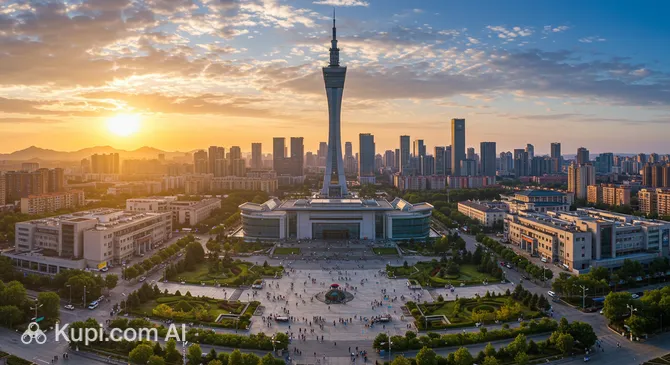
Shijiazhuang, the capital of Hebei province, is a bustling metropolis that serves as a vital economic and transportation hub in northern China. Often overshadowed by its famous neighbor Beijing, this dynamic city offers a unique blend of modern urban energy and deep-rooted cultural heritage. With a population exceeding 4 million people, it sits on the edge of the North China Plain, acting as a strategic gateway to the region's vast landscapes and diverse experiences.

Shijiazhuang. Source: Kupi.Binoculars

While the city center is characterized by rapid development and contemporary architecture, the surrounding area is steeped in antiquity. Exploring the history of Shijiazhuang reveals that this region has been significant for centuries, witnessing the rise and fall of various dynasties. Today, travelers can experience an authentic atmosphere where modern lifestyle seamlessly meets traditional Chinese customs, making it an intriguing destination for those looking to step off the beaten path.

Visitors will find several remarkable sites just a short distance from the city. The Zhaozhou Bridge, the world's oldest open-spandrel stone segmental arch bridge, is an architectural marvel that has stood the test of time for over a millennium. Nature lovers and film enthusiasts should not miss Cangyan Mountain, famous for its stunning hanging palace and dramatic scenery featured in the movie Crouching Tiger, Hidden Dragon. Additionally, the Hebei Museum in the city center offers an impressive collection of artifacts that showcase the artistic evolution of the province.

Whether you are passing through on a high-speed train or planning a dedicated visit, Shijiazhuang welcomes you with open arms. It is a city that rewards curiosity, offering a genuine and unhurried glimpse into local life away from the most crowded tourist trails.

Weather Overview

Shijiazhuang experiences a distinct four-season climate, characterized by hot, somewhat humid summers and cold, dry winters. To pack appropriately for your trip, it is helpful to review the detailed weather in Shijiazhuang before you go. Generally, the city sees a wide variation in temperatures throughout the year, so layering is often the best strategy.

Summer, spanning from June to August, brings the highest temperatures, with June seeing daily highs reach up to 33.6°C. This season also marks the wettest period of the year; July and August typically feature around 13 wet days each, although the total rainfall volume remains moderate. Travelers visiting during these months should be prepared for warm days and occasional rain showers.

In contrast, winter (December to February) is chilly and very dry. January is usually the coldest month, with an average temperature of -1.5°C and lows dipping to -6.9°C. Precipitation is negligible during winter, often recorded as 0mm, resulting in crisp, cold air. The transitional seasons of spring and autumn offer pleasant conditions, with average temperatures in May and September hovering comfortably between 21°C and 22°C, making them ideal times for outdoor exploration.

Interesting Facts

Beyond the main attractions and its reputation as a transit hub, Shijiazhuang holds several fascinating secrets and cultural quirks that surprise many visitors. From unexpected musical roots to architectural oddities, here are a few unique facts about the city.

  • The "Rock Home Town" Connection: Shijiazhuang has an unusual nickname derived from a direct translation of its characters. "Shi" means rock, "Jia" means home, and "Zhuang" can mean town or village. Putting these together, locals playfully call it "Rock Home Town." Embracing this pun, the city has developed a vibrant underground rock music scene and is often associated with the history of rock and roll in China.

  • A City "Pulled by Trains": Unlike many Chinese cities with ancient imperial histories, Shijiazhuang is a relatively young metropolis. At the beginning of the 20th century, it was merely a small village with a few hundred households. Its transformation into a major provincial capital was driven entirely by the construction of intersecting railways, earning it the moniker "The City Pulled by Trains."

  • The "Hogwarts" of Hebei: Travelers exploring the outskirts of the city might stumble upon a surreal sight at the Hebei Academy of Fine Arts. The campus features a massive, European-style castle complex that bears a striking resemblance to the school of magic from the Harry Potter films. This "Cinderella Castle" has become a viral spot for photographers seeking a fairytale backdrop in northern China.

  • The Medicine Capital: While it may not be a standard tourist fact, Shijiazhuang is a powerhouse in the pharmaceutical world. It is one of the largest bases for the bio-pharmaceutical industry in the country, often referred to as the "Medicine Capital," producing a significant portion of the nation's antibiotics and vitamins.

How to Get There

Reaching this bustling capital of Hebei province is relatively straightforward thanks to its status as a major transportation hub in northern China. Whether you are arriving from domestic locations or international destinations, you have several reliable options. For a complete guide on transportation planning, you can read more about how to get to Shijiazhuang and choose the route that best suits your itinerary.

The most direct way to arrive by air is via Shijiazhuang Daguocun Airport (SJW). This is the city's primary aviation gateway, located approximately 31 km from the city center. It is a significant regional hub handling a large volume of passengers annually. A trip from the airport to downtown by taxi or airport bus typically takes around 65 minutes, depending on traffic conditions.

Another option for travelers is Taiyuan Wusu International Airport (TYN). However, please note that this airport is located in the city of Taiyuan, roughly 169 km away from Shijiazhuang. While it is a major airport with extensive connections, traveling by road from Taiyuan to Shijiazhuang is a longer journey, taking approximately 4.5 hours. Many visitors arriving here opt to transfer to a high-speed train for the final leg of the trip.

For clarity, here is a summary of the main airports in the region:

Airport Name City Passenger Traffic Km from City
Taiyuan Wusu International AirportTaiyuanLarge169.1
Shijiazhuang Daguocun AirportShijiazhuangLarge30.9
Handan AirportHandanMedium168.7
Xinzhou WutaishanXinzhouSmall148.5
Xingtai AirportXingtaiSmall128.9

Shijiazhuang is famously known as a city "pulled by trains," making rail travel one of the most popular and efficient ways to visit. The main hub is Shijiazhuang Railway Station, which is conveniently situated just 3.1 km from the city center. As a massive transportation node with very high passenger traffic, it connects the city to Beijing and other major destinations. The commute from the station to the heart of the city is quick, taking only about 25 minutes by taxi.

Below is a list of the nearest railway stations serving the area:

Station City Passenger Traffic Km to Center
Shijiazhuang Railway StationShijiazhuangVery Large3.1
Baoding Railway StationBaodingLarge123.6
Xingtai Railway StationXingtaiMedium108.0

Main Attractions

Shijiazhuang and its surrounding areas are home to a fascinating array of historical and cultural sites that often surprise visitors with their depth and significance. From ancient Buddhist temples to scenic mountain fortresses, the city offers diverse experiences that showcase the region's rich heritage. Here are some of the most compelling places to explore during your visit.

Longxing Monastery, located in the nearby historic town of Zhengding, is undoubtedly one of the region's premier highlights. Often cited as one of the best-preserved Buddhist temples in China, it dates back to the Sui Dynasty and features spectacular Song Dynasty architecture. The monastery is famous for housing a towering 21.3-meter bronze statue of the Thousand-Handed and Thousand-Eyed Guanyin, which is an awe-inspiring sight for any traveler. Walking through its ancient halls, particularly the unique Mani Hall with its complex wooden structure, offers a peaceful and profound connection to China's religious history.

For those seeking a blend of hiking and history, Baodu Zhai (Mount Baodu) is an exceptional choice. Known as an "ancient village on a precipice," this unique mountain features a flat, table-like summit surrounded by sheer cliffs. Visitors can take a cable car or hike up to explore the fortified settlement on top, which includes the impressive Hall of 500 Arhats and offers panoramic views of the North China Plain. Legend has it that the famous general Han Xin once stationed his troops here, adding a layer of military intrigue to the scenic beauty.

Literature enthusiasts will find a special treat at Rongguo House. This extensive architectural complex was built as a filming set for the renowned TV adaptation of the classic Chinese novel, Dream of the Red Chamber. Designed strictly according to the descriptions in the book, it authentically recreates a noble mansion from the Ming and Qing dynasties. Wandering through its courtyards and gardens allows visitors to step directly into the world of one of China's most beloved literary masterpieces.

Back in the city center, the Hebei Museum stands as a treasure trove of regional history. It is a must-visit for anyone interested in archaeology, as it houses thousands of precious artifacts, including the world-famous jade burial suits sewn with gold wire unearthed from the Han Dynasty tombs in Mancheng. The museum's vast collection provides a comprehensive overview of the civilization that flourished in this province over thousands of years, making it a perfect educational stop.

Local Cuisine

The local cuisine in Shijiazhuang is a perfect reflection of its location in the heart of the North China Plain: hearty, savory, and dominated by wheat-based staples. While it may not possess the fiery spice of the southwest or the delicate sweetness of the south, the food here is famous for its robust flavors and down-to-earth character. Visitors will find that the culinary scene is unpretentious, focusing on satisfying portions and traditional cooking methods that have been passed down through generations.

Undoubtedly, the most iconic dish to try is the Donkey Meat Burger (Lürou Huoshao). Although it originated in neighboring cities, it has become a ubiquitous staple in Shijiazhuang's street food culture. The dish consists of savory, chopped donkey meat—often seasoned with green peppers and cilantro—stuffed into a crispy, warm, rectangular or round bun. There is a famous local saying, "In heaven there is dragon meat, on earth there is donkey meat," highlighting the high regard locals have for this savory delicacy.

Another must-try snack is Ganglu Shaobing, a type of baked sesame biscuit unique to the region. These crispy, golden pastries are cooked in traditional clay ovens and can be eaten plain or served as an accompaniment to soups and meat dishes. For noodle lovers, the city offers various forms of hand-pulled and sliced noodles, often served with rich meat gravies or simple vinegar and garlic dressings that showcase the local love for wheat products.

When it comes to beverages, the drinking culture is quite traditional. On the alcoholic side, Baijiu is the spirit of choice for celebrations and social gatherings. Hebei province is home to several famous distilleries, and the local variety is known for its strong, distinct aroma and high alcohol content. For a non-alcoholic refresher, visitors should try the local Snow Pear Juice. Hebei is famous for its high-quality pears, and the sweet, soothing juice is a popular drink, especially during the dry autumn and winter months to help hydrate the throat.

The food culture in Shijiazhuang is best experienced on the streets rather than in high-end establishments. The city comes alive at night with bustling night markets where steam rises from countless stalls selling skewers, grilled cold noodles, and dumplings. Locals enjoy a lively, communal atmosphere, often sitting on small stools at roadside tables. For a genuine experience, travelers should head to these markets or the small "fly restaurants" (hole-in-the-wall eateries) scattered throughout the city, where the food is cheap, authentic, and packed with flavor.

Travel Tips

Planning a trip to Shijiazhuang offers the excitement of exploring a city that perfectly balances its role as a modern transit hub with deep historical roots. To help you navigate the "Rock Home Town" with ease and make the most of your visit to Hebei's capital, here are some practical tips designed to ensure a smooth and enjoyable journey.

  1. Clothing and Gear: The city experiences distinct seasons, so packing requires attention to the calendar. Summers are hot and can be humid, so light, breathable fabrics are essential. However, winters are notoriously cold and very dry; you will definitely need a heavy down jacket, thermal layers, and a good moisturizer or lip balm to combat the aridity. Since many top attractions like the Zhaozhou Bridge or Mount Baodu require significant walking, bring sturdy, comfortable shoes.
  2. Transportation: Shijiazhuang has an efficient and expanding metro system that is tourist-friendly and connects major train stations with the city center. For areas not reached by the subway, ride-hailing apps like DiDi are far more convenient than hailing taxis on the street, though you will need a mobile data connection. Buses are extensive but can be crowded and confusing if you cannot read Chinese characters.
  3. Finances and Payments: While the local currency is the Renminbi (CNY), physical cash is becoming increasingly rare in daily transactions. Most vendors, from shopping malls to street food stalls selling donkey burgers, prefer mobile payments. It is highly recommended to download Alipay or WeChat Pay and link your international credit card before arrival. Carry a small amount of cash for older establishments, but rely on your phone for most purchases.
  4. Health and Safety: Shijiazhuang is generally very safe for travelers. However, the air quality can fluctuate, especially in winter, so packing a few high-quality face masks (N95) is a wise precaution for hazy days. Tap water is not potable; always buy bottled water or boil it first. Pharmacies are marked with a green cross, but English service is rare, so having a translation app ready is crucial if you need medicine.
  5. Communication: English is not widely spoken outside of high-end hotels and major universities. To get around, download a reliable translation app that works offline or a VPN-enabled service to access your usual tools. Buying a local SIM card upon arrival (available at the airport or major telecom shops with your passport) is vital for using maps and translation tools in real-time.
  6. Local Etiquette: In Shijiazhuang, people are generally straightforward and hospitable. When dining, it is polite to try a bit of everything served. If you are toasting with locals, hold your glass slightly lower than theirs as a sign of respect. Public displays of affection are less common here than in the West, and it is best to maintain a polite reserve in public spaces.
  7. What to Avoid: Avoid discussing sensitive political topics or criticizing local government policies, as this is considered rude and uncomfortable for locals. Also, do not leave your chopsticks sticking vertically upright in your rice bowl; this resembles incense burned for the dead and is considered a serious bad omen.
  8. Local Insight: Don't limit yourself to the modern city center. Shijiazhuang's true charm often lies in its satellite counties like Zhengding. A great "life hack" is to visit the night markets in the evening; not only is the food cheaper, but the atmosphere is also the best way to see the authentic, lively side of local culture that you won't find in guidebooks.

By keeping these practicalities in mind, you will be well-prepared to look past the skyscrapers and discover the rich culture and warm hospitality that define Shijiazhuang. Enjoy your adventure in this dynamic northern city!

Entertainment & Nightlife

Shijiazhuang comes alive after dark with a nightlife scene that perfectly balances modern energy with traditional charm. While it may not have the frenetic pace of China's largest coastal metropolises, the city offers a diverse array of entertainment options, from thumping dance clubs to bustling food streets that stay open late into the night. The atmosphere is generally welcoming and unpretentious, making it easy for visitors to mingle with locals and experience the city's authentic social culture.

For those seeking a vibrant bar scene, Nanxiao Jie (Nanxiao Street) is a historic hub often referred to as Shijiazhuang's answer to Beijing's famous bar districts. This area features a mix of eclectic art shops and watering holes, offering everything from quiet spots for a conversation to livelier venues with music. Another key area is the district around the Lerthai Center, a modern commercial complex where you can find upscale lounges and trendy bars catering to a younger, fashion-conscious crowd. The dress code in most places is smart-casual; while you don't need formal wear, looking neat is appreciated, especially in the newer downtown venues.

If you are looking for specific venues to experience the local vibe, Scotland Bar is a well-established favorite among both locals and expats. It is known for its relaxed British-pub style atmosphere and live music performances, making it a great place to unwind. for a more energetic night out, Jinsha Fengqing Bar offers a clubbing experience with DJs and a dance floor, perfect for travelers wanting to let loose. For a different kind of evening, the Tianshan Sea World complex is not just a water park but a comprehensive entertainment zone that often features evening activities and dining options.

A true highlight of Shijiazhuang's nightlife is its incredible night market culture. The Zhengding Night Market has recently gained nationwide fame, transforming a massive parking lot into a culinary paradise with hundreds of stalls. It is the perfect place to try local specialties like grilled cold noodles and spicy skewers in a loud, joyous, and smoky atmosphere. Another excellent spot is the Zhaiying Night Market, often called a "food haven," where you can sample snacks from all over Hebei province for very reasonable prices.

Practical advice for a night out includes heading out around 9:00 PM for bars, while night markets are best visited closer to 7:00 PM when the food is freshest. Taxis and ride-hailing apps like DiDi are the most convenient ways to get around at night, as they are affordable and reliable. Shijiazhuang is generally very safe for night walks, particularly in well-lit commercial districts and night markets, but it is always wise to keep an eye on your belongings in crowded areas.

During the day, the city offers a different pace of entertainment. Visitors can explore the rich cultural exhibits at the Hebei Museum or enjoy family-friendly fun at the Tianshan Sea World indoor water park, which is a popular attraction year-round. Whether you are soaking in history or splashing in the pools, the city provides plenty of ways to stay entertained before the sun goes down.

Parks & Museums

While Shijiazhuang is often recognized for its industrial strength, the city has made significant strides in cultivating green spaces and preserving its cultural narrative. Beyond the bustling avenues, visitors can find tranquility in expansive botanical gardens and gain deeper insights into the region's heritage through its dedicated museums and galleries.

For a refreshing escape from the urban environment, the Shijiazhuang Botanical Garden is the premier destination. Covering a massive area in the northwest of the city, this horticultural park is designed to showcase plant diversity from across northern China and beyond. It features over a dozen specialized gardens, including a peony garden, a rose garden, and a tropical greenhouse. The park is centered around a large lake, making it a perfect spot for leisurely boat rides and long walks among the meticulously landscaped flora.

Another vital green lung is Chang'an Park, located right in the heart of the city. As one of the oldest parks in Shijiazhuang, it serves as a central gathering place for locals. The park is designed in the style of a traditional Chinese garden, complete with rockeries, pavilions, and winding paths. In the mornings, it transforms into a lively social hub where residents practice Tai Chi, dance, and play traditional instruments, offering tourists a genuine slice of local daily life.

In terms of cultural venues, the Shijiazhuang Museum offers a focused look at the local history and revolutionary past of the city. Unlike the provincial museum, this facility concentrates specifically on the development of the city itself, from a small village to a major railway hub. It often hosts exhibitions displaying local folk art, historical photographs, and relics that tell the story of the people who built the metropolis.

Art enthusiasts should visit the Hebei Provincial Art Museum. This venue is the center for visual arts in the province, regularly hosting exhibitions of traditional Chinese calligraphy, ink wash paintings, and contemporary oil works by regional artists. It provides a quiet and contemplative atmosphere where visitors can appreciate the artistic evolution of the Hebei region without the crowds often found in larger general history museums.

For those interested in historical architecture beyond the famous Zhaozhou Bridge, the Zhengding Ancient City Wall is a remarkable site. Located just north of the city proper, the remnants of these fortifications date back to the Northern Zhou dynasty, with significant expansions during the Ming dynasty. Walking along the restored sections of the wall offers panoramic views of the ancient towers and temples of Zhengding, providing a tangible connection to the city's strategic military past.

A true hidden gem for culture lovers is the Pilu Temple. Often overlooked by mainstream tourism, this temple houses some of the most exquisite Ming dynasty wall paintings in China. The "Water and Land" murals here are renowned for their incredible detail, vibrant colors, and the sheer number of figures depicted, rivaling the famous artworks of Dunhuang. It is a quiet, authentic spot where you can admire master craftsmanship in near solitude.

Getting Around

Navigating Shijiazhuang is becoming increasingly convenient for visitors thanks to rapid infrastructure development. The backbone of the city's public transportation is the Shijiazhuang Metro. Currently, the system operates with several key lines (Lines 1, 2, and 3) that connect the major railway station, the downtown commercial districts, and key suburban areas. The metro is modern, clean, and reliable, with signage and announcements typically available in both Chinese and English, making it the most tourist-friendly option for getting around the core urban area.

Complementing the subway is an extensive public bus network that reaches virtually every corner of the city. Buses are frequent and offer a very affordable way to travel, with fares usually set at a flat rate of 1 or 2 RMB depending on whether the vehicle is air-conditioned. While the bus system is comprehensive, route maps at stops are almost exclusively in Chinese. Therefore, using a navigation app on your phone is essential to identify the correct bus number and track your journey in real-time.

When it comes to paying for rides, Shijiazhuang is highly digitized. The most common and convenient method is using mobile payment apps like Alipay or WeChat Pay. Both platforms have "Transport" mini-programs where you can generate a QR code to scan at metro turnstiles or upon boarding a bus. For those who prefer physical media, you can purchase a rechargeable IC Card (Yikatong) at metro stations or designated service centers. Single-journey tokens for the metro can also be bought at automatic vending machines in stations, which accept cash and mobile payments.

For a more direct and private mode of transport, taxis are plentiful and relatively inexpensive compared to many Western cities. You can hail them on the street; they are usually green or blue. However, most locals and savvy travelers prefer using ride-hailing apps like DiDi (the local equivalent of Uber), which can be accessed via a standalone app or within Alipay/WeChat. This eliminates the language barrier, as you can input your destination in English, and the payment is handled automatically.

For short distances or "last-mile" connections, the city is filled with shared bicycles and electric scooters. You will see rows of colorful bikes (typically blue for HelloBike, yellow for Meituan, and green for Didi Bike) parked on sidewalks. To use them, simply scan the QR code on the bike using the corresponding app. This is a fantastic, low-cost way to explore the city at your own pace, especially in the flatter downtown areas or near parks.

Travelers should note that public transport typically operates from around 6:00 AM to 10:00 PM or 11:00 PM, depending on the specific line or route. It is advisable to avoid the morning (7:30 AM – 9:00 AM) and evening (5:30 PM – 7:00 PM) rush hours when buses and metro carriages can become extremely crowded. If you are paying with cash on a bus, be sure to have exact change, as drivers do not carry coins to break large bills.

Accommodation

Where to Stay:

Finding a place to stay in Shijiazhuang is generally convenient and affordable compared to China's major tourist hubs like Beijing or Shanghai. The city offers a broad spectrum of accommodation options, ranging from luxury international chains and high-end business hotels to cost-effective local franchises and budget guesthouses. Whether you are visiting for business, a quick stopover, or a cultural exploration, there is likely a room that fits your needs.

For most travelers, the best area to stay is in the Chang'an District or Qiaoxi District, which form the commercial and cultural heart of the city. Staying here places you close to major attractions like the Hebei Museum and Chang'an Park, allowing for easy sightseeing on foot or by short taxi rides. Alternatively, the area surrounding the Shijiazhuang Railway Station is highly practical for those on a short layover or planning to explore the surrounding province by train. For a more modern vibe with easy access to shopping and dining, the Yuhua District, particularly around the Wanda Plaza, is a popular choice offering a lively urban atmosphere.

The city hosts several well-known international hotel brands that ensure a comfortable standard of service for global travelers. You can expect to find names like InterContinental, Hilton, and Holiday Inn in the city center or high-tech zones. In the mid-range category, domestic chains such as Atour and Ji Hotel are ubiquitous; they offer clean, modern, and reliable rooms often at a fraction of the price of international brands. These local chains are often designed with a "modern Zen" aesthetic and provide excellent value for money.

When booking, it is important to note that accommodation prices in Shijiazhuang are quite reasonable. Budget options can be found for under 200 CNY per night, while comfortable mid-range hotels typically cost between 300 and 600 CNY. Luxury stays generally start around 800 CNY. A crucial tip for international visitors is to verify that your chosen hotel is licensed to accept foreigners, as some smaller budget inns are restricted to mainland citizens. Using major online platforms like Trip.com is recommended, as they usually filter for foreigner-friendly listings.

It is advisable to book your room in advance, especially if you are visiting during major Chinese holidays like the Spring Festival or the October Golden Week, when availability drops and prices rise significantly.

Nearby Cities

Shijiazhuang's strategic location in central Hebei province makes it an excellent base for exploring the wider region. Beyond the urban core, several smaller cities and counties offer unique historical sites and local experiences. Thanks to the area's well-developed transportation network, these destinations are easily accessible for day trips or short excursions.

One of the most notable nearby destinations is Zhengding, a historic town located just north of the city. It is famous for its ancient architecture and temples, serving as a cultural counterpoint to the modern capital. Similarly, Zhao County is renowned for its ancient engineering marvels, including the Zhaozhou Bridge. For those looking to venture slightly further afield, the surrounding towns provide a glimpse into the everyday life of the North China Plain.

The following table lists the closest cities and towns to Shijiazhuang, along with their population and distance from the city center:

City / Town Population Distance (km)
Zhengding 158,599 13
Huolu 78,250 18
Luancheng 84,068 20
Zhao County 127,545 39
Zanhuang 66,255 43

Most of these locations can be reached quickly by taxi, bus, or suburban rail services. Whether you are interested in ancient history or simply want to see more of the province, these nearby towns offer convenient and rewarding options for your itinerary.

Shopping & Souvenirs

Shopping in Shijiazhuang offers a pragmatic and diverse experience that reflects its status as a major transportation and logistics hub in northern China. While it may not rival the high-fashion glamour of Shanghai or Beijing, the city is a powerhouse of commerce where visitors can find everything from luxury international brands to incredibly affordable wholesale goods. The retail scene is a mix of sprawling modern shopping complexes and bustling traditional trade markets, providing ample opportunities for both window shopping and bargain hunting.

The primary commercial artery of the city is Zhongshan Road. This bustling thoroughfare stretches across the city center and is lined with the most prestigious department stores and commercial plazas. It serves as the backbone of Shijiazhuang's retail environment, where you can walk for blocks and encounter a continuous stream of shops, boutiques, and eateries. For tourists, staying near this road ensures easy access to the best shopping the city has to offer.

For a modern retail experience, the Beiguo Shopping Mall is a local institution. Located centrally on Zhongshan Road, it is the flagship of the local retail giant Beiguo Group and houses a vast array of cosmetics, jewelry, and fashion brands. Another top destination is the Lerthai Center, a massive mixed-use complex that combines shopping, dining, and entertainment. It is particularly popular with the younger crowd for its trendy international stores like H&M and Uniqlo, as well as its impressive architecture and vibrant atmosphere.

Shijiazhuang is famous across China for its wholesale markets, and the most renowned among them is the Nansantiao Market. Often cited as one of the largest small-commodity distribution centers in northern China, this sprawling market area is a chaotic but fascinating place to explore. Here, you can find an endless variety of goods, including clothing, toys, luggage, and textiles, often at wholesale prices. It is a great spot to soak up the gritty, energetic commercial culture of the city, though be prepared to haggle.

When looking for souvenirs to take home, consider seeking out Hebei paper cuttings. The province is famous for this intricate folk art, and you can find beautifully detailed red paper designs depicting zodiac animals or traditional scenes. Another unique local specialty is Luancheng Palace Noodles (Gongmian). These hollow, hand-made noodles date back to the Tang Dynasty and were once a tribute to the imperial court; they make for a lightweight and culturally significant gift. Vacuum-packed donkey meat is also a popular, albeit adventurous, edible souvenir for foodies.

Most shopping malls and department stores in Shijiazhuang operate daily from around 10:00 AM to 10:00 PM. Markets like Nansantiao typically open earlier, around 8:30 AM, and close by late afternoon, so it is best to visit them in the morning. Payment methods are heavily digital; while major malls may accept international credit cards, the vast majority of transactions, especially in markets and smaller shops, are done via WeChat Pay or Alipay. Carrying some cash is advisable if you do not have these apps set up.

Regarding tax refunds, while China has a tax-free shopping policy for international tourists, it is primarily implemented in major gateways like Beijing and Shanghai. In Shijiazhuang, tax refund services are limited. Some high-end department stores may offer this service, but it is not guaranteed. Tourists should look for "Tax Free" signage at the entrance or customer service desk of large malls to confirm eligibility before making significant purchases.
Reached the end of the page?

That means the route is fully explored