Support

Changzhi

About

Changzhi is a captivating destination located in the southeast of the Shanxi province in China. Often referred to as a "Garden City" due to its extensive green spaces and clean environment, it serves as an important industrial and cultural hub in the region. Situated between the majestic Taihang and Taiyue mountain ranges, the city enjoys a temperate continental monsoon climate with distinct seasons, making it a pleasant place to explore year-round.

The area boasts a deep cultural heritage, historically known as Shangdang. Visitors interested in the past can explore the fascinating history of Changzhi, which dates back thousands of years and is steeped in ancient mythology. The region is famously associated with several Chinese legends, including the tale of the mythical goddess Nuwa repairing the sky.
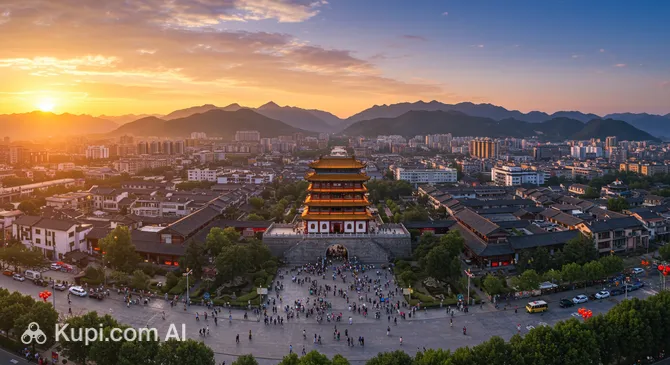
Changzhi. Source: Kupi.Binoculars

Travelers are drawn to Changzhi for its stunning natural landscapes and historical sites. The breathtaking Taihang Mountains offer spectacular scenery with deep canyons and towering peaks, providing a perfect backdrop for nature lovers and hikers. Within the city, the iconic Shangdang Gate stands as a proud symbol of the region's architectural legacy, offering a glimpse into the grandeur of ancient times.

Whether you are looking to immerse yourself in ancient legends or explore rugged mountain trails, Changzhi offers a unique blend of history and nature. It is a welcoming destination that promises a memorable experience for every traveler looking to discover the hidden gems of Shanxi.

Weather Overview

Changzhi experiences a temperate climate with four distinct seasons, offering a variety of atmospheric conditions for travelers. To plan your trip effectively, it is helpful to check the weather in Changzhi, which is generally characterized by significant seasonal variations.

Summer brings the most warmth and moisture to the region. During July and August, average temperatures sit comfortably around 22°C to 23°C, with daily highs occasionally reaching nearly 28°C. However, this is also the wettest period, with July seeing approximately 16 wet days. In contrast, winters are cold and notably dry. January is typically the coldest month, where average temperatures drop to -2.7°C and lows can dip to -8.1°C, though snow and rain are rare.

The transitional seasons of spring and autumn offer mild and pleasant conditions, with May and September averaging around 17°C to 18°C. Overall, you can expect warm summers with occasional rain and cold, dry winters, making layers essential for winter visits and light rain gear advisable for summer trips.

Interesting Facts

Beyond the scenic landscapes and historical gates, Changzhi holds a treasure trove of cultural secrets and legendary tales. Here are a few intriguing facts that make this city truly unique and worth exploring in depth.
  • The Cradle of Myths: Changzhi is often celebrated as the "Hometown of Chinese Mythology." While the story of Nuwa is famous, the region is also the legendary setting for other foundational tales, such as "Jingwei Filling the Sea" and "Houyi Shooting the Suns," making it a significant spiritual landmark in Chinese folklore.

  • Birthplace of Go: The city is home to Qizi Mountain (Chess Piece Mountain), which is widely believed to be the origin of Weiqi (Go), one of the world's oldest board games. The mountain is known for its natural, round pebbles that closely resemble Go stones, which are said to have been used by ancient sages.

  • A Culinary Gem: In the realm of local gastronomy, Changzhi is renowned for its Shangdang donkey meat. There is a popular local saying, "In the sky, there is dragon meat; on earth, there is donkey meat," highlighting the delicacy's status as a prized regional specialty known for its unique flavor and tenderness.

How to Get There

Reaching Changzhi is convenient thanks to its well-connected transport network, offering various options for travelers. Whether you prefer flying directly into the city or taking a scenic route via ground transport, you can easily plan your journey. For a comprehensive guide on all available travel methods, you can read more about how to get to Changzhi.

The most direct way to arrive is by flying into Changzhi Airport (CIH). Conveniently located within the city itself, it is just 5.8 km from the center. A taxi or bus ride from the airport to the downtown area is very quick, typically taking around 30 minutes. This regional hub handles a significant number of passengers annually, ensuring regular connections.

Alternatively, if direct flights are unavailable, you can fly into Linfen Qiaoli Airport (LFQ) in the neighboring city of Linfen. It is situated approximately 133.3 km from Changzhi. The journey by road from Linfen to Changzhi takes about 3 hours and 40 minutes. Another option is Handan Airport (HDG) in Handan, roughly 123.2 km away, with a travel time of approximately 3.5 hours by taxi or shuttle.

For clarity, here is a summary of the main airports:
Airport Name City Passenger Traffic Km from City
Linfen Qiaoli Airport Linfen Medium 133.3
Changzhi Airport Changzhi Medium 5.8
Handan Airport Handan Medium 123.2
Xingtai Airport Xingtai Small 140.1
Anyang Hongqiqu Airport Anyang Small 126.5

For those traveling by train, while Changzhi has local connections, you can also access the region via major railway hubs in nearby cities. One significant option is Shijiazhuang Railway Station (QSJ), located in Shijiazhuang. It is a major transport hub situated about 237.9 km from Changzhi. From there, travelers can arrange a transfer by bus or taxi, which takes approximately 6 hours.

Another accessible point is Xingtai Railway Station (HXN) in the city of Xingtai. This station is located about 156.2 km from Changzhi. A transfer from Xingtai to Changzhi by road typically takes around 4 hours and 15 minutes.

Here is an overview of the nearby railway stations:
Station City Passenger Traffic Km to Center
Shijiazhuang Railway Station Shijiazhuang Very Large 237.9
Xingtai Railway Station Xingtai Large 156.2
Zhengzhou Railway Station Zhengzhou 170.0

Main Attractions

Changzhi offers a remarkable array of attractions that blend breathtaking natural wonders with profound historical depth. From the rugged peaks of the Taihang Mountains to ancient temples hidden in the hills, the city provides travelers with diverse experiences. Here are some of the most captivating places to visit in the region.

Taihang Mountain Grand Canyon is undoubtedly the crown jewel of the area's natural scenery. Located in Huguan County, this expansive national forest park is a paradise for outdoor enthusiasts and photographers. The canyon is famous for its towering vertical cliffs, lush forests, and deep valleys. Visitors can explore its various sections, such as the Eight Springs Gorge (Baquan Gorge), where boat rides offer a unique perspective of the dramatic rock formations rising from the water. It is a perfect spot to witness the majestic scale of the Taihang mountain range.

Another spectacular natural site is Tongtian Gorge, often praised as the "Little Jiuzhai of the North" due to its crystal-clear waters and scenic beauty. Situated in Pingshun County, this attraction features a stunning combination of high mountains and deep valleys. In summer, the gorge is a cool retreat with cascading waterfalls and emerald pools, while in winter, it transforms into a winter wonderland with magnificent frozen waterfalls and ice hangings. The site is equipped with modern facilities, including a cable car that whisks visitors to the peak for panoramic views.

For those interested in history and architecture, Faxing Temple on Cuiyun Mountain offers a serene cultural experience. This ancient temple is renowned for its preservation of rare historical artifacts, including a unique Tang Dynasty stone pagoda and exquisite Song Dynasty painted sculptures. Unlike grand, bustling tourist spots, Faxing Temple provides a quiet atmosphere where visitors can admire the intricate craftsmanship of ancient Chinese art and learn about the region's spiritual heritage.

Huangya Cave offers a compelling mix of geological splendor and historical significance. Located in Licheng County, the area is characterized by its precipitous cliffs and rugged terrain, which once served as a natural fortress. Today, it is a popular destination for hikers who come to challenge the steep trails and admire the reddish sandstone canyon walls. The site stands as a testament to the area's natural defenses and offers some of the most striking cliff scenery in Shanxi province.

Local Cuisine

The local cuisine of Changzhi is a delightful reflection of wider Shanxi traditions, characterized by its hearty wheat-based dishes, savory flavors, and the region's signature love for aged vinegar. As a city with a deep agricultural heritage, the food here is comforting and unpretentious, often centering on noodles, flatbreads, and tender meats that provide warmth during the distinct four seasons.

One of the most famous culinary treasures you must try is Lucheng Donkey Meat. This delicacy is so revered in the region that a popular local saying claims, "In the sky, there is dragon meat; on earth, there is donkey meat." The meat is typically slow-cooked until it is incredibly tender and flavorful, then chopped and stuffed into a crispy, warm roasted bun known as a huoshao. It is a savory street food staple that offers a unique and memorable taste of Changzhi.

For a warming meal, especially during the cooler months, Huguan Mutton Soup is a local favorite. This rich, milky-white broth is made by simmering high-quality mutton and bones for hours, resulting in a soup that is aromatic and deeply nourishing. It is often served with dumplings or pieces of flatbread soaked in the broth, making it a popular breakfast choice to start the day with energy.

Another unique dish is Changzi Stir-Fried Pancake (Changzi Chao Bing). Despite its name, this dish resembles noodles; thin strips of pancake are stir-fried with garlic, vegetables, and a splash of vinegar. The result is a dish with a chewy texture and a fragrant, appetizing aroma that perfectly showcases the local skill with wheat flour.

When it comes to beverages, the region is known for Lujiu, a locally produced fermented drink with a long history. For a non-alcoholic option, you might encounter herbal teas or soups infused with Shangdang Codonopsis (Dang Shen), a famous local ginseng-like herb believed to have health benefits. Exploring the food scene in Changzhi is best done at bustling local markets and small street-side eateries, where the atmosphere is lively and the food is freshly prepared, offering an authentic glimpse into the daily life of the locals.

Travel Tips

Planning a trip to Changzhi? This "Garden City" in the Shanxi province of China offers a unique mix of industrial heritage and breathtaking natural scenery. To help you navigate the local lifestyle and make the most of your journey to the Taihang Mountains, here are some essential travel tips.

  1. Clothing and Gear: The climate varies significantly by season. Summers (June to August) are warm and require light clothing, while winters (December to February) are cold and dry, necessitating heavy coats and thermal layers. Since Changzhi is the gateway to the Taihang Mountains, sturdy hiking boots are essential if you plan to explore the canyons or visit the Eight Springs Gorge.

  2. Transportation: The city relies mainly on buses and taxis rather than a metro system. Taxis are affordable and easy to find, but few drivers speak English. It is highly recommended to use a ride-hailing app like DiDi (which has an English version) or write down your destination in Chinese characters to show the driver.

  3. Finances: The local currency is the Chinese Yuan (CNY). While high-end hotels may accept international credit cards, mobile payments via Alipay or WeChat Pay are the dominant payment methods everywhere, from malls to street vendors. It is wise to set up one of these apps before you arrive, though carrying some cash is always a good backup.

  4. Health and Safety: Changzhi is a safe city for travelers. Pharmacies are easily engaging and marked with a green cross, but bring a translation app to communicate your needs. As the climate can be quite dry, especially in winter and spring, keep yourself hydrated and carry moisturizer or lip balm.

  5. Communication: Mandarin is the primary language, and English is not widely spoken outside of major tourist hotels. A reliable translation app that works offline is your best friend here. Purchase a local SIM card immediately upon arrival to ensure you have internet access for maps and translation tools.

  6. Local Etiquette: Politeness is valued highly. When visiting cultural sites like the Faxing Temple, dress modestly and observe silence. When handing over money or a business card, use both hands as a sign of respect. Tipping is not customary in restaurants or taxis.

  7. What to Avoid: Avoid drinking tap water directly; always opt for bottled or boiled water. Additionally, avoid leaving your chopsticks sticking upright in a bowl of rice, as this resembles incense burning for the dead and is considered bad luck.

  8. Local Insight: Embrace the local food culture by trying the famous donkey meat huoshao (burgers) for breakfast or lunch. These are a point of local pride, and you will find the best ones in small, busy shops where the locals eat, rather than in fancy tourist restaurants.

With these practical tips in mind, you are well-prepared to explore the hidden wonders of Shanxi. Enjoy the stunning gorges, the rich history, and the warm hospitality that make Changzhi a memorable stop on your Chinese adventure.

Entertainment & Nightlife

While Changzhi is not known for the high-octane clubbing scene found in China's largest metropolises, its nightlife offers a warm, authentic, and lively atmosphere that reflects the local culture. The evening entertainment here is centered less on exclusive nightclubs and more on social dining, karaoke (KTV), and vibrant night markets where friends and families gather to unwind. The vibe is casual and welcoming, making it easy for visitors to blend in and enjoy the local rhythm of life.

The city's energy after dark is most concentrated in the central districts, particularly around Yingxiong Road (Hero Road) and the bustling Bayi Square. This area serves as the commercial heart of the city, where neon lights illuminate a mix of shopping centers, restaurants, and entertainment venues. In the warmer months, the square itself becomes a stage for spontaneous social dancing and evening strolls, offering a charming look at local community life.

For a true taste of Changzhi's evening spirit, you must visit the Chenghuang Miao (City God Temple) Night Market. Located near the historic temple, this area transforms at night into a sensory delight of sizzling street food and lively crowds. It is the perfect place to try local snacks like barbecue skewers (shao kao) and spicy noodles while soaking in the bustling atmosphere. The dress code here is entirely casual, and the prices are very affordable, allowing you to feast without breaking the bank.

If you prefer a more modern entertainment experience, Wanda Plaza is a go-to destination. Like many such complexes in China, it houses a variety of options under one roof, including a cinema, indoor amusement arcades, and numerous restaurants that stay open late. It is also common to find bars or KTV lounges in the immediate vicinity, where locals go to sing their hearts out in private rooms—a staple of Chinese nightlife.

For those interested in daytime diversions before the sun sets, Changzhi offers several culturally enriching options. The Changzhi Museum provides a fascinating deep dive into the region's ancient history and bronze culture. Alternatively, Taihang Park is a sprawling green space perfect for a relaxing afternoon walk or a boat ride on the lake, offering a peaceful counterpoint to the city's evening buzz.

Practical advice for your night out includes carrying a translation app, as English is not widely spoken in local bars or taxis. The city is generally very safe for night walks, even in the late hours, but it is always wise to stay in well-lit, populated areas. Taxis are plentiful and inexpensive, and ride-hailing apps like DiDi are the most convenient way to get back to your hotel. Most venues are busiest between 8:00 PM and midnight, so plan your evening accordingly to experience the peak atmosphere.

Parks & Museums

Changzhi proudly holds the title of a "National Garden City," a distinction that becomes immediately apparent through its lush boulevards, expansive wetlands, and well-maintained urban parks. Beyond its natural beauty, the city preserves its deep historical roots through a selection of museums and cultural sites that showcase the region's legacy as the ancient commandery of Shangdang. For travelers, this combination offers a refreshing mix of outdoor leisure and educational exploration.

Taihang Park is the city's most prominent green space and a favorite gathering spot for locals. Situated in the heart of the city, this sprawling park is centered around a large, tranquil lake where visitors can rent boats or simply stroll along the willow-lined embankments. A defining feature of the park is the towering statue of the goddess Nuwa, paying homage to the local legend of "Nuwa Repairing the Sky." It is an ideal place to witness the daily life of residents, from kite flying on the lawns to traditional dance groups practicing in the plazas.

For a more immersive nature experience without leaving the urban area, the Zhangze Lake National Urban Wetland Park is a spectacular destination. This vast ecological preservation area features extensive wooden boardwalks that wind through reed marshes and over the water, offering excellent opportunities for birdwatching and photography. The park is particularly beautiful in the summer when the lotus flowers are in bloom, creating a sea of pink and green against the backdrop of the distant mountains.

Just a short distance from the city center lies Laoding Mountain National Forest Park, often referred to as the "natural oxygen bar" of Changzhi. This park combines vigorous hiking trails with cultural discovery. As you ascend the pine-covered slopes, you will encounter ancient temples and pavilions nestled in the woods. The summit offers a panoramic view of Changzhi, making the climb rewarding for both nature lovers and those seeking a spiritual retreat.

To understand the profound history of the region, a visit to the Changzhi Museum is essential. Located near Taihang Park, this modern facility houses a comprehensive collection of artifacts that trace the city's development from the Stone Age to the present. The exhibits highlight the region's unique bronze culture, ancient ceramics, and folk customs. It provides excellent context for the mythological stories and archaeological sites found throughout Shanxi, making it a great starting point for history enthusiasts.

While not a traditional museum, the Shangdang Gate serves as a vital open-air archive of the city's architectural past. As the only remaining part of the ancient government office of the Shangdang Commandery, this imposing structure dates back to the Sui Dynasty, with reconstructions from the Ming era. Visitors can climb the stone steps to the gate tower to admire the intricate wood carvings and enjoy a bird's-eye view of the surrounding old town district, effectively walking through a physical timeline of the city's governance.

For a truly authentic local experience, try visiting Taihang Park or the city squares shortly after sunrise. You will find them teeming with locals practicing Tai Chi, whipping spinning tops, or writing calligraphy with water on the pavement. It is a peaceful and inspiring way to start the day and offers a genuine connection with the community's focus on health and tradition.

Getting Around

Navigating Changzhi is straightforward and affordable, primarily relying on a comprehensive bus network and a plentiful supply of taxis. Unlike some of the larger metropolises in the region, the city does not currently have a metro system, but the public transport infrastructure is well-organized and sufficient for reaching all major districts, commercial hubs, and tourist attractions. The pace of life here is slightly more relaxed, and the traffic is generally manageable, making getting around a relatively stress-free experience for visitors.

The public bus system serves as the backbone of local transportation. The fleet is modern, with many electric vehicles contributing to the city's green reputation. Routes are extensive, covering the downtown area thoroughly and extending to the railway station and the airport. For most tourists, the bus is a convenient option for short hops between the city center's parks and shopping districts. Fares are incredibly low, typically costing just 1 or 2 RMB per ride, regardless of the distance traveled within the urban zone.

When it comes to payment, the system has largely shifted towards digital solutions, mirroring the trend across the region. While you can still pay with cash, you must have the exact change as drivers do not carry money to break bills. The most convenient method for travelers is to use a mobile payment code via Alipay or WeChat Pay. These apps have "Transport" features that generate a QR code, which you simply scan upon boarding. Physical IC transport cards exist for locals, but for a short-term stay, mobile payments or small change are far more practical.

For those seeking more comfort or direct travel, taxis and ride-hailing services are excellent alternatives. Regular taxis are easily distinguishable by their color and can be hailed on the street. They run on a taximeter, and rates are quite reasonable compared to larger cities. Alternatively, ride-hailing apps like DiDi are highly recommended for international tourists. The app allows you to input your destination in English (or select it on a map), which eliminates the language barrier with drivers who may not speak foreign languages.

Shared bicycles provide a flexible way to explore the city at your own pace, especially for short distances or "last mile" connections. You will find colorful bicycles from major providers like HelloBike or Meituan parked along sidewalks throughout Changzhi. To use them, you simply scan the QR code on the bike using the respective app or via Alipay/WeChat. It is a pleasant way to travel between the city's various parks and wetlands when the weather is mild.

A few practical tips will help ensure a smooth journey. Be aware that bus operating hours in Changzhi may end earlier than in major capitals, with many routes winding down between 7:00 PM and 8:00 PM, although some main lines run later. If you plan to stay out late, be prepared to take a taxi back to your accommodation. Additionally, since English signage on bus stops can be limited, it is wise to have the name of your destination or hotel written in Chinese characters on your phone to show to a driver or a helpful local if you need assistance.

Accommodation

Accommodation in Changzhi is diverse and generally very affordable compared to China's major tourist hubs. The city offers a solid range of options, from modern high-end hotels catering to business travelers to efficient mid-range chains and budget-friendly guesthouses. Whether you are here for a quick stopover or an extended exploration of the surrounding mountains, you will find comfortable places to rest that suit various travel styles.

For most visitors, the most convenient area to stay is the City Center, particularly within the Luzhou District. staying near Bayi Square or along Yingxiong Road places you right in the heart of the action, with easy access to shopping centers, restaurants, and the bustling night markets. This central location also ensures that taxis and public transport are readily available for day trips to the outskirts. Alternatively, if your primary goal is to hike the Taihang Mountains, you might consider booking accommodation in the nearby counties of Huguan or Pingshun, where local guesthouses offer closer proximity to the canyon entrances, though amenities may be simpler than in the city.

When planning your stay, a crucial tip for international travelers is to confirm that your chosen hotel is licensed to accept foreign guests. Not all budget or smaller establishments in smaller Chinese cities have this authorization. It is highly recommended to book your room in advance, especially if you are visiting during peak travel periods like the National Day holiday in October or the Lunar New Year, when availability can tighten significantly.

The price range for accommodation in Changzhi is quite reasonable. You can expect to find comfortable mid-range hotels for approximately 200 to 400 CNY per night, while luxury options typically cost between 400 and 700 CNY. Budget travelers can find clean, basic rooms for under 150 CNY. For the smoothest experience, it is advisable to use major international booking platforms or reliable Chinese travel apps that support English, as these will clearly indicate which properties welcome international tourists.

Nearby Cities

For those looking to explore the surroundings, Changzhi serves as an excellent base for day trips to several interesting nearby locations:

Located just across the provincial border in Henan, Anyang is a destination of immense historical significance. It is renowned as one of China's ancient capitals and the site of the UNESCO-listed Yin Ruins, where the earliest known Chinese writing on oracle bones was discovered. A visit here offers a fascinating deep dive into the origins of Chinese civilization and the Shang Dynasty.

For nature enthusiasts, Jiaozuo offers a spectacular escape into the wild. The city is the gateway to the famous Yuntai Mountain Geopark, a landscape characterized by dramatic red sandstone gorges, cascading waterfalls, and lush vegetation. It is a perfect spot for hiking and photography, offering a refreshing contrast to the urban environment.

To the west lies Linfen, a city steeped in mythology and often associated with the legendary Emperor Yao. While the city itself hosts the impressive Yao Temple, it also serves as a primary hub for visiting the majestic Hukou Waterfall on the Yellow River, the largest yellow waterfall in the world, known for its thunderous power and golden mist.

City Population Distance (km)
Xingtai 7,111,106 158
Anyang 5,500,000 115
Linfen 4,316,610 144
Jiaozuo 3,590,700 109
Handan 2,708,015 136

These nearby destinations offer a glimpse into the diverse culture and landscapes of the region.

Shopping & Souvenirs

Shopping in Changzhi offers a pleasant blend of modern convenience and authentic local character. While the city may not be a global fashion capital, it provides a robust retail scene where visitors can find everything from international brands in polished shopping centers to unique regional specialties in lively street markets. It is an excellent place to purchase practical goods and explore the commercial side of daily life in Shanxi province.

The city's commercial pulse beats strongest along Yingxiong Road (Hero Road), which serves as the primary shopping artery. This bustling street is lined with a mix of department stores, independent boutiques, and clothing shops, making it a favorite destination for pedestrians. The area surrounding Bayi Square is another vibrant hub, where shopping naturally blends with social activities, offering a lively atmosphere particularly in the evenings.

For a comprehensive modern retail experience, Wanda Plaza is the standout destination. This large complex offers a one-stop solution for travelers, housing numerous fashion retailers, electronics stores, and lifestyle brands under one roof. It provides a comfortable, climate-controlled environment perfect for browsing, with the added convenience of having restaurants and entertainment facilities nearby.

To experience a more traditional atmosphere, the area around the Chenghuang Miao (City God Temple) is a must-visit. While famous for its evening food stalls, the surrounding streets and daytime markets are great for finding small trinkets, local handicrafts, and daily necessities. It is a spirited place where you can observe local commerce in action and perhaps practice your bargaining skills.

When searching for unique souvenirs, Changzhi has several distinctive offerings rooted in its culture and geography. The region is famous for Shangdang Codonopsis (Dang Shen), a prized herbal root used in traditional Chinese medicine and cooking, which makes for a thoughtful gift for health-conscious friends. Additionally, given the city's connection to the origins of the game, Go (Weiqi) sets or themed items can be meaningful keepsakes. Local aged vinegar and vacuum-packed donkey meat products are also popular among food enthusiasts.

Stores in Changzhi generally open around 9:00 AM or 10:00 AM and stay open until 9:30 PM or 10:00 PM, especially in major commercial districts. Payment is heavily digitized, with Alipay and WeChat Pay being the dominant methods everywhere, from high-end malls to street vendors. While cash is legally accepted, it is used less frequently, and international credit cards are rarely accepted outside of 5-star hotels or specific luxury outlets.

Travelers should note that tax-free shopping or VAT refund services are generally not available in Changzhi. The price you see on the tag is the final price, so it is best to plan your budget without expecting a refund at the airport.

Reached the end of the page?

That means the route is fully explored