Support

Xinzhou

About

Welcome to Xinzhou, a captivating destination located in the Shanxi province of China. Often referred to as the "Lock of Northern Shanxi," this city serves as a vital gateway connecting the northern frontiers with the central plains. With a population of over 3 million residents, Xinzhou offers a fascinating blend of bustling local life and serene natural landscapes, making it a unique stop for travelers seeking an authentic cultural experience away from the most crowded tourist hubs.

The geography of the region is defined by its dramatic mountainous terrain and fertile basins, creating a scenic backdrop for exploration. The city has played a significant strategic role for centuries due to its location. Visitors interested in the deep roots of this area can explore the history of Xinzhou, which reveals a rich tapestry of ancient military defense, trade, and cultural exchange that has shaped the city into what it is today.

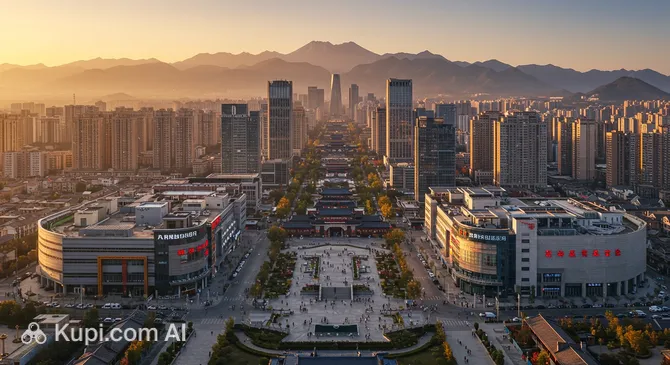
Xinzhou. Source: Kupi.Binoculars

Xinzhou is home to some of the country's most profound historical and spiritual landmarks. The most renowned attraction is undoubtedly Mount Wutai (Wutaishan), one of the Four Sacred Mountains of Buddhism, which draws pilgrims and tourists alike to its ancient temples and mist-covered peaks. Another highlight is the majestic Yanmen Pass, a crucial defensive pass on the Great Wall known for its rugged beauty and historical significance. These sites offer a powerful glimpse into the heritage of the region.

Whether you are a spiritual seeker, a history enthusiast, or a lover of nature, Xinzhou provides a memorable journey. Its combination of sacred sites, historical fortifications, and welcoming atmosphere makes it a truly rewarding place to visit. We invite you to discover the enduring charm and hidden treasures of this remarkable northern city.

Weather Overview

Travelers planning a trip to the region should be prepared for a continental climate with four distinct seasons. The weather typically features warm, somewhat humid summers and cold, dry winters, so packing the right clothing is essential depending on the time of year. Winter months can be quite sharp; January is usually the coldest time, with average temperatures dropping to -5.9°C and lows reaching as far down as -12.3°C, while precipitation remains near zero.

In contrast, the summer season brings pleasant warmth and the majority of the year's rainfall. July is generally the warmest month, boasting an average temperature of 22.6°C and daily highs around 27.4°C. This period also sees an increase in humidity and rain, with July and August experiencing about 15 wet days each. To help you choose the best dates for your adventure, you can consult the detailed guide to the weather in Xinzhou for current forecasts and seasonal trends.

Spring and autumn offer mild transition periods that are often ideal for sightseeing. May, for instance, sees comfortable highs of 22.7°C, while September maintains a pleasant average of 16.6°C before the air begins to cool. Regardless of when you visit, the skies are often clear outside of the peak summer rainy season, providing excellent visibility for exploring the surrounding mountains and landmarks.

Interesting Facts

Beyond the well-known pilgrimage sites and mountain vistas, Xinzhou holds many fascinating secrets and cultural distinctions that surprise even seasoned travelers. Digging deeper into the local heritage reveals a city rich in unique traditions and geological wonders.

  • The Hometown of Wrestling: Xinzhou is officially recognized as the "Hometown of Wrestling" in China. Unlike modern competitive sports, the local style is a traditional folk activity deeply embedded in the culture, often performed enthusiastically by locals during festivals and temple fairs.

  • A Frozen Wonder: Located within the city's administrative area is the Ningwu Ice Cave, a geological marvel believed to have formed during the Ice Age. Astonishingly, the cave remains frozen year-round, displaying spectacular icicles and ice waterfalls even when outside temperatures soar during the summer months.

  • Legendary Beauty: Local folklore claims Xinzhou as the birthplace of Diaochan, one of the Four Beauties of ancient China. Visitors can find sites dedicated to her memory, blending history with the romanticized legends of the Three Kingdoms period.

  • Geothermal Hub: The region sits atop significant geothermal fields, making it a premier destination for wellness. The local hot springs, particularly those in the Qicun area, are renowned for their mineral-rich waters and have been used for therapeutic purposes for decades.

How to Get There

Reaching Xinzhou is a straightforward part of your journey through Shanxi province, with several convenient options available depending on your starting point. Whether you prefer flying directly into the region or taking a scenic route via ground transport, the city is well-connected to the rest of the country. For a comprehensive guide on planning your arrival, you can read more about how to get to Xinzhou and explore the best routes for your itinerary.

For air travelers, the most direct option is the local Xinzhou Wutaishan (IATA: WUT). Located approximately 29 km from the city center, this airport primarily serves domestic routes and offers a quick entry point for visitors. The drive from the airport to downtown Xinzhou typically takes about 1 hour by taxi or shuttle bus. However, for a wider range of international and domestic connections, many travelers choose to fly into Taiyuan Wusu International Airport (IATA: TYN). Although this major transport hub is located in the neighboring city of Taiyuan, roughly 75 km away, it handles a significantly larger volume of passengers. A transfer from Taiyuan Wusu to Xinzhou generally takes about 2 hours and 15 minutes by road.

For clarity, here is a summary of the main airports:

Airport Name City Passenger Traffic Km from City
Taiyuan Wusu International AirportTaiyuanLarge74.9
Shijiazhuang Daguocun AirportShijiazhuangLarge172.2
Datong AirportDatongMedium193.6
Lüliang DawuLuliangSmall161.7
Xinzhou WutaishanXinzhouSmall28.6

If you prefer traveling by train, it is important to note that while Xinzhou has rail connections, some travelers may arrive via major regional hubs in neighboring provinces. One significant nearby hub is the Shijiazhuang Railway Station (IATA: QSJ), located in the city of Shijiazhuang. This station is approximately 158 km from Xinzhou. It is a major transit point with very high passenger traffic, offering extensive high-speed connections. From there, you can get a taxi or bus, which takes about 4 hours and 15 minutes to reach Xinzhou.

Below is a list of significant railway stations in the broader region:

Station City Passenger Traffic Km to Center
Shijiazhuang Railway StationShijiazhuangHuge158.3
Baoding Railway StationBaodingLarge243.6
Xingtai Railway StationXingtaiMedium214.9

Main Attractions

Xinzhou is a destination where history is etched into the very landscape, offering a diverse array of sites that range from sacred mountains to ancient fortifications. The city's attractions provide a deep dive into Chinese heritage, architecture, and natural beauty, making it a compelling stop for any traveler exploring Shanxi province.

Mount Wutai (Wutaishan) is undoubtedly the crown jewel of the region and a UNESCO World Heritage Site. As one of the Four Sacred Mountains of Buddhism in China, it is famous for its five flat peaks which are said to resemble the hand of Buddha. The area is home to dozens of ancient temples, including the iconic Tayuan Temple with its massive Great White Pagoda that towers over the valley. It is a place of profound spirituality and scenic grandeur, attracting pilgrims and hikers alike who come to experience its serene atmosphere and cultural depth.

For those fascinated by military history and the Great Wall, Yanmen Pass is an essential visit. Known historically as the "First Pass of the Nine Passes," this strategic stronghold played a crucial role in defending ancient China from northern nomads. Visitors can hike along the restored sections of the wall, walk through the formidable gate towers, and admire the rugged mountain scenery that surrounds this legendary fortification. It offers a tangible connection to the past and breathtaking views of the frontier landscape.

To experience the vibrant local culture, a trip to Xinzhou Ancient City is highly recommended. This restored historical district brings the city's 1,800-year history to life with its majestic city walls, traditional courtyards, and bustling alleyways. It is particularly enchanting in the evening when the streets are illuminated by lanterns and filled with the aroma of local snacks. Travelers can enjoy leisurely walks, watch traditional performances, and immerse themselves in the lively atmosphere of a bygone era.

Architecture enthusiasts should not miss the Foguang Temple, located in Wutai County. This temple is renowned for its Great East Hall, which dates back to the Tang Dynasty (857 AD) and is one of the oldest preserved wooden structures in China. Rediscovered by famous architect Liang Sicheng, the temple is celebrated for its intricate "dougong" brackets, ancient sculptures, and frescoes. It stands as a quiet, majestic testament to the ingenuity of ancient Chinese craftsmanship, far removed from the crowds of more commercialized sites.

Local Cuisine

The cuisine of Xinzhou is a delightful reflection of the broader Shanxi culinary tradition, heavily influenced by the region's cool climate and mountainous agriculture. Known as part of "Jin cuisine," the local food scene is dominated by wheat and coarse grains, resulting in a staggering variety of noodle dishes and flour-based staples. Visitors will quickly notice that the locals have a deep affection for Shanxi aged vinegar, a dark and aromatic condiment that accompanies almost every meal to enhance flavors and aid digestion.

One cannot visit Xinzhou without trying the famous Youmian Kaolaolao. These are unique, honeycomb-shaped steamed rolls made from oat flour, a staple grain in this high-altitude region. They are typically served with a savory dipping sauce made of vinegar, garlic, and chilies, or a rich tomato and egg sauce. Another "must-try" is the iconic Knife-Cut Noodles (Daoxiaomian). Chefs expertly shave strips of dough directly into boiling water, creating noodles that are thick in the middle and thin at the edges, offering a uniquely chewy texture that pairs perfectly with minced meat or pork rib broths.

Due to the spiritual significance of Mount Wutai, Xinzhou is also a premier destination for exceptional vegetarian cuisine. The Buddhist influence here has cultivated a sophisticated tradition of meat-free dining that utilizes wild mushrooms, locally foraged fungus, and tofu. Chefs create intricate dishes that are both healthy and flavorful, often mimicking the texture of meat so effectively that they surprise many diners. A traditional "Eight Bowls" banquet is a popular way to sample a variety of these local specialties in one sitting.

For beverages, the region is famous for its seabuckthorn juice. The rugged mountains around Xinzhou are abundant with wild seabuckthorn bushes, and the bright orange berries are pressed into a sweet-and-sour drink that is rich in Vitamin C and incredibly refreshing. In the evenings, the food culture comes alive in the streets, particularly around the ancient city areas. Here, tourists can wander among vendors selling Fried Oil Cakes (You Gao), a crispy, golden treat made from millet flour and filled with sweet bean paste or sugar, providing a warm and satisfying end to a day of exploration.

Travel Tips

Visiting Xinzhou offers a unique opportunity to experience the authentic lifestyle of northern China, but navigating a city that is less westernized than Beijing or Shanghai requires a bit of preparation. To help you focus on the stunning temples and mountain scenery rather than logistical hiccups, here are some essential practical tips for your journey.

  1. Pack for Altitude and Seasons: The climate in Xinzhou is continental, meaning summers are warm and winters are biting cold. However, if you plan to visit Mount Wutai, remember that the temperature there can be significantly lower than in the city center due to the high altitude. Even in summer, bringing a light jacket or layers is essential for mountain excursions. Comfortable, broken-in walking shoes are a must, as you will likely be doing a lot of hiking and climbing stairs at historical sites.

  2. Mastering Local Transport: Within Xinzhou city limits, taxis and ride-hailing apps are the most convenient ways to get around. The local bus system is extensive and very cheap, but routes are often only in Chinese. For ride-hailing, download the Alipay app, which has a built-in "Didi" mini-app (similar to Uber) that often accepts international credit cards and features an English interface. Note that there is no metro system in Xinzhou itself, unlike the provincial capital, Taiyuan.

  3. Digital Payments are King: Cash is becoming increasingly rare in daily transactions. While you should carry some Renminbi (CNY) for small vendors or temple donations, your primary method of payment should be digital. Before you arrive, link your international credit card to Alipay or WeChat Pay. These apps are accepted almost everywhere, from street food stalls to luxury hotels. Tipping is not part of the culture and is generally not expected.

  4. Stay Connected and Overcome Language Barriers: English is not widely spoken in Xinzhou outside of major hotels. It is crucial to have a reliable translation app installed on your phone; apps that work offline or have image translation features are lifesavers for reading menus. Since many western apps (like Google Maps or WhatsApp) are blocked in China, ensure you have a roaming plan that bypasses the firewall or install a compliant VPN before you arrive to stay connected.

  5. Health and Safety Basics: Xinzhou is generally very safe for tourists. Pharmacies are easily identifiable by a green cross, though staff may not speak English. Tap water is not potable; always drink bottled water or boiled water provided in hotels. If you are visiting the mountains, be mindful of the sun; the UV index can be high, so sunscreen and sunglasses are recommended regardless of the temperature.

  6. Respect Temple Etiquette: As a major hub for Buddhism, you will likely visit several sacred sites. When entering a temple hall, always step over the wooden threshold, never on it. Dress modestly—avoid short skirts or sleeveless tops. Photography is often prohibited inside the main halls where statues are kept; look for signage or observe what locals are doing before snapping a picture.

  7. What to Avoid: Avoid public displays of frustration or anger. Chinese culture places a high value on "saving face" and social harmony; raising your voice will not resolve problems faster and may cause locals to withdraw from helping you. Also, avoid discussing sensitive political topics; stick to safe subjects like food, scenery, and history.

  8. Lunchtime is Sacred: In smaller cities like Xinzhou, the midday break is taken quite seriously. Between 12:00 PM and 2:00 PM, you might find that some smaller shops close or service slows down significantly as locals enjoy lunch and a nap. Plan your schedule accordingly, perhaps by enjoying a leisurely meal of local oat noodles during this time.

By keeping these practicalities in mind, you will find it much easier to immerse yourself in the rich history and spiritual atmosphere of Xinzhou. The locals are generally curious and welcoming to foreign visitors, so a smile and a little patience will go a long way in making your trip an unforgettable adventure in Shanxi.

Entertainment & Nightlife

While Xinzhou may not possess the frenetic 24-hour energy of China's largest metropolises, its nightlife offers a charming blend of traditional culture and modern leisure. The evening atmosphere here is generally relaxed and social, centered heavily around dining, night markets, and entertainment complexes. For tourists, the transition from day to night transforms the city's historic areas into vibrant spectacles of light and sound, providing a perfect backdrop for evening exploration.

The undisputed heart of the city's nightlife is the Xinzhou Ancient City. As the sun sets, this restored district comes alive with thousands of lanterns and LED lights that outline the majestic city walls and traditional architecture. It is not just a sightseeing spot but a bustling social hub where locals and visitors gather. The atmosphere is festive yet family-friendly, with folk performances often taking place in the open squares. You can find small bars, teahouses, and souvenir shops nestled within the alleyways, offering a place to sit and enjoy local rice wine or tea while watching the crowds pass by.

For those seeking a more modern entertainment experience, the area around Wanda Plaza serves as a primary destination. This large commercial complex is a one-stop shop for evening activities, housing a modern cinema, video arcades, and numerous restaurants that stay open late. It is a popular spot for the city's younger crowd. The dress code throughout the city is casual; comfortable walking shoes are recommended, especially if you plan to navigate the stone-paved streets of the historic district.

Dining is a major part of the night out in Xinzhou. The North City Gate Food Street is a specific venue within the ancient city area that you should not miss. Here, the air is filled with the aroma of sizzling barbecue and steaming noodles. It operates like a night market, where you can hop from stall to stall sampling affordable local snacks. Another popular activity is Karaoke (KTV), which is the standard nightlife pastime in China. You will find numerous KTV clubs around the city center where you can rent a private room, order fruit platters and drinks, and sing with friends until the early hours.

From a practical standpoint, the best time to experience the nightlife is between 7:00 PM and 10:00 PM. Most shops in the ancient city begin to close around 10:00 PM, though bars and KTV venues stay open much later. Xinzhou is very safe for night walks, even in less crowded areas. Getting around is easy; taxis are plentiful and affordable at night, and ride-hailing apps like Didi are reliable ways to get back to your hotel.

Before the sun goes down, the city offers several daytime entertainment options to fill your itinerary. The Xinzhou Museum provides a fascinating look into the region's archaeological history and is a great indoor activity. For outdoor enthusiasts, Yuquan Park is a lovely spot for a leisurely afternoon walk or a boat ride on the lake. Additionally, local theaters occasionally host Shanxi opera performances, offering a colorful and dramatic glimpse into the province's artistic heritage.

Parks & Museums

Xinzhou offers a compelling mix of natural beauty and deep-rooted cultural heritage, where verdant landscapes meet centuries-old history. For travelers, the city and its surroundings provide diverse opportunities to explore everything from serene riverfronts and mysterious caves to preserved academies that tell the story of the region's intellectual past.

Yunzhong River Scenic Area is one of the city's most popular green spaces, serving as a modern ecological retreat for locals and visitors alike. Located along the banks of the Yunzhong River, this expansive park features beautifully landscaped gardens, walking paths, and calm waters that reflect the surrounding hills. It is an ideal spot for a leisurely afternoon stroll or a picnic, offering a refreshing break from the urban bustle while showcasing the city's commitment to integrating nature into daily life.

For those seeking a more adventurous natural experience, Yuwang Cave National Forest Park is a must-visit destination located just outside the city. Known as the "First Karst Cave in North China," it boasts a magnificent underground world filled with stalactites, stalagmites, and stone pillars formed over millions of years. The cave stays cool throughout the year, making it a perfect escape during the summer months, while the surrounding forest park offers scenic hiking trails with panoramic views of the rugged Shanxi terrain.

Immersing yourself in the local culture is best done at the Xiurong Academy Museum, situated within the heart of Xinzhou Ancient City. Historically a center for learning during the Qing Dynasty, this site has been transformed into a museum that preserves the city's educational and cultural lineage. Visitors can wander through its traditional courtyards and examine exhibits that detail the region's history, calligraphy, and the lives of scholars who once studied there, providing an intimate look at the intellectual spirit of old Xinzhou.

Another significant cultural landmark is the Former Residence of Yan Xishan in nearby Dingxiang County. Often described as a "Little Forbidden City," this massive architectural complex was the home of the warlord who governed Shanxi for decades in the early 20th century. The residence is a fascinating labyrinth of caves, courtyards, and western-style buildings that reflects a unique blend of Chinese and Western architectural styles. It serves as a sprawling museum, offering insights into the turbulent history of the Republican era and the life of one of modern China's most influential figures.

For a truly authentic local experience, consider visiting the Duncun Hot Springs area. While not a traditional museum, this geothermal field is a living part of Xinzhou's heritage, famous for its mineral-rich waters that have been used for therapeutic bathing for generations. It offers a relaxing way to end a day of sightseeing, allowing you to soak in the "water of longevity" just as locals have done for centuries.

Getting Around

The public transport system in Xinzhou is primarily based on an extensive network of buses, as the city does not currently operate a metro or light rail system within its urban core. The bus fleet is largely modern and electric, offering a clean and quiet way to navigate the main streets, connecting residential areas with commercial districts, the railway stations, and major tourist sites like the Ancient City. For visitors, the bus network is the most economical way to travel, with routes covering the majority of the city center and extending to the immediate suburbs.

Fares for local buses are very affordable, typically set at a flat rate of 1 RMB per ride, regardless of the distance traveled. While cash is still accepted, it requires exact change as drivers do not handle money. The dominant payment method is digital; locals almost exclusively use QR codes via ubiquitous mobile apps like Alipay or WeChat Pay. For tourists, the "Transport" mini-apps within these platforms are incredibly useful, allowing you to generate a travel QR code that scans instantly upon boarding.

For those who prefer more direct and private transportation, taxis are abundant and relatively inexpensive compared to larger metropolitan areas. You can easily hail a taxi on the street, and they generally use meters; always ensure the driver turns the meter on when you start your journey. Alternatively, ride-hailing services are extremely popular and often more convenient for non-local speakers. Using the Didi Chuxing mini-app inside Alipay allows you to input your destination in English (or pin it on a map) and pay automatically, eliminating language barriers and the need for cash.

A popular alternative for short distances is the shared bicycle system. You will find rows of colorful bicycles parked along sidewalks throughout the city. These can be unlocked by scanning a QR code with your smartphone. They are perfect for "last-mile" connectivity, such as getting from a bus stop to your hotel or exploring the scenic paths along the Yunzhong River at your own pace. Be sure to park them in designated zones when you are finished to avoid extra fees.

While there is no subway, Xinzhou benefits from a high-speed railway connection that functions almost like a rapid commuter service to the provincial capital, Taiyuan. Trains from Xinzhou West Station can reach Taiyuan in roughly 30 minutes, making it a viable option for quick regional day trips. Additionally, special tourist bus lines often operate seasonally from the city center to major outlying attractions like Mount Wutai, offering a direct and hassle-free transfer for hikers and pilgrims.

When planning your travel, keep in mind that public transport in Xinzhou generally operates from early morning, around 6:00 AM, until the evening. Most regular bus lines stop running between 7:00 PM and 8:00 PM, which is earlier than in many larger cities. If you plan to stay out late enjoying the night markets or the illuminated ancient city walls, be prepared to take a taxi or a ride-share back to your accommodation.

Accommodation

Finding accommodation in Xinzhou is generally a straightforward process, though the options can vary significantly depending on which part of the region you plan to visit. The accommodation landscape ranges from modern, high-rise hotels in the urban center to traditional guesthouses and boutique inns located near major scenic spots. Whether you are looking for a budget-friendly hostel, a comfortable mid-range business hotel, or a more luxurious resort experience, the area caters to a diverse mix of travelers.

For those using Xinzhou as a transit hub or exploring the urban districts, the City Center is the most convenient area to stay. Hotels here are typically clustered around major transport arteries, such as Xinzhou West Railway Station and the bustling Wanda Plaza area. Staying in the city center offers easy access to restaurants, shopping malls, and local transport, making it an excellent choice for visitors who prioritize convenience and modern amenities. The Xinzhou Ancient City area is also becoming a popular spot, offering a chance to stay within walking distance of the illuminated historic streets and night markets.

If your primary destination is Mount Wutai (Wutaishan), it is highly recommended to book accommodation directly within the scenic area rather than in Xinzhou city, which is quite a distance away. The town of Taihuai, located in the heart of the mountain valley, is the main hub for pilgrims and tourists. Here, you will find a unique mix of options, ranging from simple family-run "nongjia le" (farmhouse stays) to upscale hotels designed with traditional Chinese aesthetics. Staying here allows you to wake up amidst the misty peaks and temple chants, maximizing your time for exploration.

Booking Tips: It is important to note that accommodation availability can fluctuate wildly with the seasons. Summer is the peak tourist season, especially for Mount Wutai, where cool temperatures attract crowds escaping the heat. During this time and Chinese public holidays, rooms can sell out weeks in advance, so booking early is essential. Additionally, foreign travelers should confirm that their chosen hotel is licensed to accept international guests, as some smaller or budget properties may only be authorized to host mainland Chinese citizens.

In terms of pricing, Xinzhou is generally more affordable than China's major metropolises like Beijing or Shanghai. Budget travelers can find clean and basic rooms for very reasonable rates, while mid-range hotels offer excellent value with spacious rooms and reliable service. Booking is best done through major international or Chinese travel apps, which often provide the most competitive rates and up-to-date availability. Whether you choose a modern suite in the city or a quiet courtyard near a temple, the region offers a comfortable base for your Shanxi adventure.

Nearby Cities

For those looking to explore the surroundings, Xinzhou serves as an excellent base for day trips to several interesting nearby locations. Just a short journey south lies Taiyuan, the provincial capital of Shanxi. It is a bustling metropolis that houses the renowned Jinci Temple and the impressive Shanxi Museum, offering a deep dive into the region's ancient civilization. To the southeast, the district of Yuci attracts visitors with its well-preserved Ancient City, a sprawling complex of traditional courtyards and temples that frequently serves as a backdrop for historical dramas. Further north, Shuozhou offers a glimpse into the frontier history of China and serves as a gateway to the magnificent Yingxian Wooden Pagoda, the oldest and tallest wooden pagoda in the world.

City Population Distance (km)
Taiyuan 3,875,053 63
Shuozhou 1,714,857 105
Yangquan 1,368,502 97
Yuci 840,000 80
Yuanping 491,213 35

These nearby destinations offer a glimpse into the diverse culture and landscapes of the region.

Shopping & Souvenirs

Shopping in Xinzhou offers a delightful mix of modern convenience and traditional charm, reflecting the city's role as a regional hub in Shanxi province. While it may not boast the high-end luxury avenues of China's largest metropolises, the city provides a genuine retail experience where visitors can find everything from contemporary fashion to unique local handicrafts. The shopping scene is particularly rewarding for those interested in agricultural specialties and folk art, making it an excellent place to hunt for authentic gifts that represent the culture of northern China.

For a shopping experience steeped in atmosphere, the Xinzhou Ancient City is the primary destination for tourists. As you wander through its restored stone streets, you will encounter numerous boutique shops housed in traditional architecture. This area is perfect for leisurely browsing, offering a variety of local handicrafts, calligraphy, and traditional snacks. The pedestrian-friendly layout allows you to explore at your own pace, moving from souvenir stalls to tea shops while soaking in the historical ambiance.

If you are looking for a more conventional modern shopping experience, Wanda Plaza is the city's premier commercial complex. Located in the newer district, this large mall houses a wide array of domestic and international brands, covering clothing, electronics, and cosmetics. It serves as a one-stop destination where travelers can find familiar goods, visit a supermarket for daily necessities, or enjoy a meal in the extensive food court. It provides a comfortable, climate-controlled environment that is popular with local families and young people.

Markets in Xinzhou are vibrant and focused heavily on the region's rich agricultural output. While there are fewer dedicated "flea markets" for tourists, the local food and produce markets are a spectacle in themselves. Here, you can see the abundance of the local harvest, including the famous varieties of coarse grains that the region is known for. In the evenings, the streets around the ancient city often transform into bustling night markets, where vendors sell small trinkets, accessories, and handmade items alongside street food.

When it comes to souvenirs, Xinzhou has several distinct specialties worth bringing home. The region is famous for its paper cuttings, an intricate folk art that requires great skill and patience. Another top choice is Sea-buckthorn products; the local mountains are rich in this berry, and you can find it processed into juices, oils, and teas. For foodies, Wutai Mountain Mushrooms (known as "Tai Mo") are a prized ingredient known for their nutritional value and flavor. Additionally, high-quality coarse grains like millet and oats are packaged beautifully as gifts, reflecting the healthy local diet.

Most shops and malls in Xinzhou operate from around 10:00 AM to 9:30 PM or 10:00 PM. Smaller independent stores in the ancient city may close a bit earlier or stay open later depending on the flow of tourists. Payment is almost exclusively digital; WeChat Pay and Alipay are the standard methods used everywhere, from large department stores to street vendors. While some larger establishments may accept credit cards, it is rare, and carrying a small amount of cash is advisable for very small purchases, though digital payment is preferred.

Regarding tax refunds, Xinzhou is not typically a designated hub for tax-free shopping for international tourists. The Tax-Free Shopping (TRS) scheme in China is generally limited to specific authorized stores in major gateway cities like Beijing or Shanghai. Therefore, visitors should not expect to claim VAT refunds on purchases made within Xinzhou and should budget accordingly.
Reached the end of the page?

That means the route is fully explored