Support

Heze

About

Welcome to Heze, a vibrant city located in the southwestern part of Shandong Province. Often celebrated as the "Peony Capital," this destination offers a unique blend of natural beauty and deep cultural roots. Situated on the North China Plain, Heze serves as an important regional hub in China, connecting travelers to the rich heritage of the Yellow River basin.

The city boasts a legacy that stretches back thousands of years. As you explore the history of Heze, you will discover its reputation as one of the birthplaces of Chinese martial arts and its significant connection to the classic novel Water Margin. With a population of over 8 million people, Heze is a bustling metropolis that maintains a strong connection to its traditions, making it a fascinating stop for culture enthusiasts.

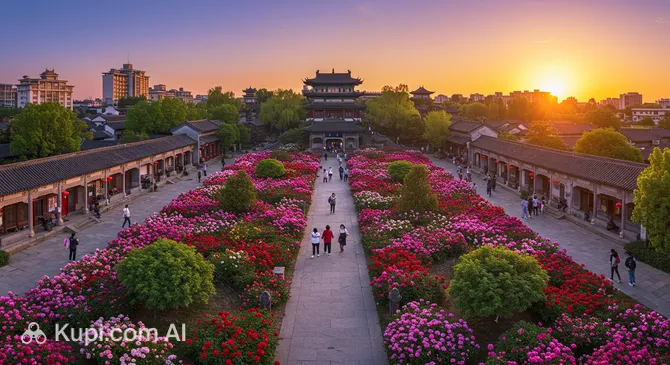
Heze. Source: Kupi.Binoculars

Visitors are primarily drawn to the city's spectacular floral displays. The Caozhou Peony Garden is the most famous attraction, offering a breathtaking sea of colors when the flowers are in full bloom during the spring. Beyond the gardens, the city is known for its exquisite paper-cutting art and local opera, providing an immersive cultural experience that is hard to find elsewhere.

Whether you are a flower lover, a history buff, or simply looking to explore a less crowded but culturally rich part of the country, Heze has something special to offer. Plan your visit to witness the stunning peonies and experience the warm hospitality of this historic city.

Weather Overview

Heze experiences a temperate climate with distinct seasonal changes, so checking the forecast before your trip is highly recommended. The weather in Heze transitions from dry, chilly winters to hot, humid summers, offering a variety of atmospheric conditions throughout the year.

Spring is a delightful time to visit, with temperatures rising steadily from an average of 12.0°C in March to 22.7°C in May. As the season progresses into summer, the city heats up significantly; June and July are typically the hottest months, with average temperatures around 28°C and highs reaching up to 33.3°C. Summer also brings the most precipitation, particularly in July and August, which can see between 12 and 14 wet days per month.

Autumn brings a pleasant cooling trend, with averages dropping from 23.4°C in September to a crisp 10.2°C by November. Winter is generally cold and very dry, with January being the coldest month, featuring average temperatures of just 1.3°C and lows dipping to -3.7°C. Overall, expect warm summers with occasional rain and cold, dry winters.

Interesting Facts

Beyond its reputation for martial arts and blooming peonies, Heze holds a collection of fascinating distinctions that range from ancient legends to unique industrial achievements. Delving into these local specifics reveals a city that plays a surprising role on both the national and international stage.

  • The Legend of the Qilin: Heze is steeped in folklore and is traditionally identified as the site where the Qilin, a sacred mythical beast, was captured during the Spring and Autumn period. This event is historically pivotal, as it is said to have prompted Confucius to conclude his writing of the Spring and Autumn Annals.
  • A Unique Export: In a remarkable example of specialized global trade, Cao County in Heze produces approximately 90% of the coffins used in Japan. The region's abundance of high-quality paulownia wood and skilled craftsmanship have made it indispensable to this niche international market.
  • Reviving Traditional Fashion: The city has emerged as a primary production hub for Hanfu, the traditional clothing of China. A significant portion of the garments sold nationwide originates here, fueling a cultural resurgence and fashion trend across the country.
  • Hometown of Longevity: The region is frequently recognized for the longevity of its residents, boasting a notably high number of centenarians. Locals often attribute this long life expectancy to the area's distinct alkaline soil, water quality, and a wholesome diet rich in local grains.

How to Get There

Reaching this destination is straightforward, with several transport options available depending on your starting point. You can read our detailed guide on how to get to Heze to plan the most convenient route for your trip.

The most direct way to arrive by air is via Mudan (IATA: HZA), which is located directly in Heze. It is a convenient regional hub situated approximately 23.4 km from the city center, with a transfer time of around 55 minutes by taxi or bus. This airport handles a moderate volume of passengers and connects the city to various domestic locations.

Alternatively, travelers can fly into Jining Airport (IATA: JNG) in the neighboring city of Jining. It is located about 77.9 km away, and the journey to Heze takes approximately 2 hours and 20 minutes by road. For more extensive international and domestic connections, Zhengzhou Xinzheng Airport (IATA: CGO) is a major option. Although it is located in Zhengzhou, about 169.6 km away, it serves millions of passengers annually. The ground transfer from there to Heze takes roughly 4.5 hours.

For clarity, here is a summary of the main airports:

Airport Name City Passenger Traffic Km from City
Zhengzhou Xinzheng Airport Zhengzhou Large 169.6
Jining Airport Jining Medium 77.9
Mudan Heze Medium 23.4
Bozhou Airport Bozhou Small 148.8
Anyang Hongqiqu Airport Anyang Small 116.4

If you prefer traveling by train, you can utilize major railway hubs in the surrounding region. One significant option is the Zhengzhou Railway Station located in the city of Zhengzhou, approximately 164.6 km from Heze. From there, you can take a taxi or bus to reach your final destination, which takes about 4.5 hours. Another alternative is the Xingtai Railway Station (IATA: HXN) in Xingtai, situated 222.6 km away, with a transfer time of nearly 6 hours by road.

Below is a summary of the nearby railway stations:

Station City Passenger Traffic Km to Center
Xingtai Railway Station Xingtai Medium 222.6
Zhengzhou Railway Station Zhengzhou 164.6

Main Attractions

Heze is a city deeply rooted in Chinese history and culture, offering a fascinating mix of natural beauty and legendary tales. The most iconic destination is undoubtedly the Caozhou Peony Garden. As the centerpiece of the "Peony Capital," this expansive garden is the largest of its kind in the world, boasting over 1,000 varieties of peonies. It is a spectacular sight, especially from mid-April to early May when the flowers are in full bloom, creating a vibrant sea of colors. Visitors can wander through the meticulously landscaped grounds, admire pavilions and statues, and learn about the city's long history of peony cultivation.

For those interested in Chinese literature and martial arts, the Water Margin Hero City (Shuihu Haohan Cheng) in Yuncheng County is a must-visit. This cultural theme park is dedicated to the classic novel Water Margin (Shuihu Zhuan), one of the Four Great Classical Novels of Chinese literature. The attraction features well-preserved ancient architecture, including city walls and government offices, and offers immersive experiences such as live martial arts performances and reenactments of famous scenes from the book. It provides a unique window into the chivalrous spirit of the legendary "108 Heroes" who are said to have roamed this region.

Another significant historical site is the Sun Bin Tourist City, located in Juancheng County. This complex commemorates Sun Bin, a renowned military strategist from the Warring States period and a descendant of Sun Tzu. The site includes the Sun Bin Memorial Hall, temples, and gardens designed in a traditional style. It is an educational destination where tourists can delve into ancient military philosophy and pay respects at the tomb of this influential historical figure. The peaceful atmosphere and traditional architecture make it a reflective stop for history buffs.

If you have time to explore further, the Heze Museum offers a comprehensive look at the region's past. It houses a vast collection of artifacts, including pottery, jade, and calligraphy that trace the area's development from the Neolithic age to the present day. It is an excellent place to gain context on the local culture, including the city's famous paper-cutting traditions and folk arts, before heading out to see the physical landmarks.

Local Cuisine

The culinary scene in Heze is a delightful reflection of its dual identity as the "Peony Capital" and a historic hub in Shandong. The local food is deeply rooted in the traditions of Lu cuisine, known for its fresh ingredients, savory flavors, and hearty portions. One cannot visit this city without experiencing its unique flower-based gastronomy. During the blooming season, many local restaurants and the Caozhou Peony Garden offer a specialized "Peony Banquet." This exquisite meal features dishes like crispy fried peony petals, refreshing petal salads, and delicate peony cakes, turning the city's floral symbol into an edible art form.

Beyond flowers, Heze is famous across China for its savory soups, specifically the Shanxian Mutton Soup (Shanxian Yang Tang). This dish is considered a masterpiece of the region, renowned for its milky white broth that is achieved by boiling mutton and sheep bones for hours until rich and flavorful. It is not just a meal but a morning ritual for many locals; waking up to a steaming bowl of this soup, garnished with coriander and chili oil, is the authentic way to start the day. It is typically served with Shaobing, a crispy sesame flatbread that is perfect for dipping.

For those looking for a substantial bite, Zhuang Mo is another must-try specialty. This is a large, pan-fried flatbread stuffed with a savory meat filling, usually beef or lamb, which is crispy on the outside and tender on the inside. The street food culture here is vibrant, with vendors often selling these hearty breads alongside other wheat-based staples like steamed buns and dumplings. The "Eight Plates and Eight Bowls" traditional banquet style is also preserved in the countryside, showcasing the generous hospitality of the region with a feast of various braised meats and vegetable dishes.

When it comes to beverages, Peony Tea is the signature non-alcoholic drink of the city. Made from dried peony stamens or petals, it offers a subtle floral aroma and is believed to have health benefits. For something stronger, the locals, like most in Shandong, enjoy Baijiu (Chinese white spirit). Dining in Heze is a communal affair, often loud and lively, whether you are sitting on a small stool at a morning soup stall or enjoying a banquet in a restaurant.

Travel Tips

Planning a trip to the "Peony Capital" requires a bit of preparation to navigate the local customs and logistics smoothly. Here is a practical guide to help you make the most of your visit to Heze, ensuring a comfortable and memorable experience.

  1. Clothing and Gear: The climate in Heze varies significantly by season. If you are visiting during the peak peony season (April to May), pack layers; mornings can be crisp, while afternoons get warm. For a winter visit, bring heavy coats and thermal wear, as it gets quite cold and dry. Comfortable walking shoes are a must, especially for exploring the expansive Caozhou Peony Garden. Since standard outlets are Type A, C, and I, bringing a universal travel adapter is highly recommended.
  2. Transportation: While there is a public bus system, it can be challenging to navigate without reading Chinese. The most convenient way for tourists to get around is by taxi or ride-hailing apps like DiDi (the local equivalent of Uber). Taxis are affordable and plentiful. It is crucial to have the name and address of your destination written in Chinese characters to show the driver, as few will speak English.
  3. Finances: The local currency is the Chinese Yuan (CNY/RMB). China is rapidly becoming a cashless society, so downloading Alipay or WeChat Pay and linking your international credit card before arrival is essential for daily transactions. Most small shops and restaurants do not accept foreign credit cards (Visa/Mastercard). Always carry some cash for small vendors, but be prepared to pay digitally almost everywhere.
  4. Health and Safety: Heze is generally very safe for travelers. Pharmacies are easily identifiable by a green cross sign, though you may need a translation app to describe your symptoms. Tap water is not safe for drinking; always buy bottled water or boil it first. In case of a medical emergency, dial 120, but be aware that English services might be limited at local hospitals.
  5. Communication: Mandarin is the primary language, and English proficiency is relatively low outside of major hotels. A reliable translation app that works offline or without a VPN (like Baidu Translate or Microsoft Translator) is indispensable. Wi-Fi is common in hotels and cafes, but to stay connected on the go, purchasing a local SIM card or an eSIM upon arrival is the best option to access maps and translation tools.
  6. Local Etiquette: Greetings are usually formal; a nod or a polite handshake is appropriate. When dining, it is common to share dishes from a rotating "lazy Susan" at the center of the table. Wait for the host or the eldest person to start eating before you begin. If you are visiting temples or historical sites, speak softly and respect the peaceful atmosphere.
  7. What to Avoid: Never pick the flowers in public parks or gardens, especially the peonies. The locals take immense pride in their floral heritage, and damaging the plants is considered extremely disrespectful and can result in fines. Additionally, avoid discussing sensitive political topics, as this is generally frowned upon in social interactions.
  8. Local Tip: Embrace the local morning ritual by trying a bowl of Shanxian Mutton Soup for breakfast. It is not just a meal but a cultural experience. Look for busy spots filled with locals—that is usually where the soup is freshest and most authentic.

By keeping these practical tips in mind, you will be well-equipped to navigate the city with confidence. Enjoy the stunning blooms, the rich history, and the warm hospitality that Heze has to offer!

Entertainment & Nightlife

Nightlife in Heze offers a captivating mix of illuminated history and modern leisure, distinct from the high-energy clubbing scenes of China's Tier-1 cities. The evenings here are defined by a relaxed yet lively atmosphere, where locals gather to socialize in scenic ancient districts or bustling commercial centers. The city feels safe and welcoming, making it easy for visitors to immerse themselves in the local culture after dark.

The primary hub for evening entertainment is the Caozhou Ancient City. As dusk falls, this restored district transforms into a glowing spectacle, with traditional architecture outlined in brilliant golden lights. The centerpiece is the majestic Yong'an Tower, which overlooks Qingnian Lake. Visitors often gather here to watch the musical fountain shows, where water jets dance to a mix of traditional and modern melodies. The streets are lined with tea houses and casual bars where you can enjoy a quiet drink while soaking in the "old China" vibe.

For those seeking a more contemporary experience, the area surrounding Wanda Plaza in the Mudan District is the go-to destination. This commercial zone is a magnet for the city's youth and features a concentration of modern amenities. You will find numerous KTV (karaoke) clubs, which are the most popular form of nightlife entertainment in the region. These venues range from budget-friendly to upscale, offering private rooms where groups can sing and drink in comfort. The plaza also houses a modern cinema and is surrounded by western-style pubs and late-night eateries.

No night out in Heze is complete without exploring its culinary landscape. The night markets within the ancient city are famous for their sensory overload of sights and smells. Be sure to try local street food staples like charcoal-grilled lamb skewers (chuan'r) and spicy crayfish, which are best enjoyed with a cold local beer. The Caozhou Ancient City Snack Street is particularly recommended for its variety of vendors selling everything from savory "Water Fried Buns" to sweet desserts.

From a practical standpoint, Heze is very affordable. A night out here will cost a fraction of what you might spend in Beijing or Shanghai. The city is extremely safe for night walks, with well-lit streets and a visible police presence in busy areas. Public transport winds down in the evening, so the best way to get around is by taxi or ride-hailing apps like DiDi. Most drivers do not speak English, so having your destination written in Chinese is essential.

While the nightlife is the highlight, daytime entertainment also offers cultural depth. The Heze Grand Theatre stands as a modern architectural marvel and occasionally hosts performances of local opera and concerts. For a more laid-back afternoon, Tianxiang Park provides a green escape that remains popular into the early evening, where you can watch locals practicing traditional dances before heading to the night markets.

Parks & Museums

While Heze is globally renowned for its spectacular floral displays, the city also offers a variety of serene green spaces and cultural institutions that provide deeper insight into its local heritage. Beyond the famous peony fields, visitors can find tranquility in well-designed urban parks and explore galleries that celebrate the region's artistic legacy, particularly its status as a hub for calligraphy and painting.

Zhaowang River Scenic Area is one of the city's most prominent natural retreats, often referred to as the "green lung" of Heze. This expansive wetland park stretches along the river, offering a refreshing contrast to the urban environment. It features lush walking paths, traditional pavilions, and calm waters that are perfect for a leisurely boat ride. The park is designed to harmonize water conservation with recreation, making it a popular spot for locals to enjoy morning exercises or evening strolls amidst willow trees and lotus ponds.

Another accessible green space is Tianxiang Park, located in the heart of the city. While it serves as a lively community hub in the evenings, during the day it offers a peaceful environment featuring its own impressive peony gardens, which are a great alternative for viewing flowers if you want to stay within the city center. The park also includes a scenic lake and amusement facilities, making it a versatile destination for families and those looking to relax after a day of sightseeing.

For culture enthusiasts, the Caozhou Calligraphy and Painting Institute is a must-visit destination that highlights Heze's reputation as the "Hometown of Calligraphy and Painting." This institution functions as both a museum and a gallery, housing a vast collection of works by renowned contemporary artists and historical masters from the region. The architecture itself is striking, designed in a traditional style with courtyards and corridors that enhance the artistic atmosphere. Visitors can admire intricate brushwork and learn about the deep-rooted scholarly traditions that flourish here.

Additionally, the Juye Museum offers a fascinating look into the ancient history of the surrounding counties. It is known for its collection of cultural relics that date back to various dynasties, including pottery, porcelain, and stone carvings. The museum plays a crucial role in preserving the local folklore, including artifacts related to the legend of the Qilin (Chinese unicorn), which is deeply associated with the area's mythology. It provides a quiet and educational experience for those interested in the archaeological past of the Shandong province.

For a truly authentic experience, look out for smaller, private folk art galleries scattered throughout the city. These hidden gems often showcase Heze's other intangible cultural heritage: paper cutting. Unlike the larger museums, these intimate spaces often allow you to watch artisans at work, creating delicate red paper designs that depict flowers, animals, and scenes from rural life. It is a unique opportunity to see the living history of the region up close.

Getting Around

Navigating Heze is relatively straightforward, with a transport network primarily relying on an extensive public bus system and a fleet of affordable taxis. Unlike some of the larger metropolises in the region, the city does not currently have a metro system. However, the bus routes are well-developed, covering the city center, major residential areas, and key tourist attractions such as the peony gardens and historical sites.

The public bus is the most economical way to get around. Most buses are modern, air-conditioned, and operate on a flat-rate fare system, typically costing 1 to 2 CNY per ride regardless of the distance. During the peak tourism season in April and May, when the peonies are in bloom, the city often deploys special tourist bus lines that connect the railway stations and the city center directly to the major gardens, making it much easier for visitors to reach the main sights without transfers.

For payment, the system is heavily digitized. While you can still use cash, you must have the exact change ready to drop into the fare box as drivers do not handle money. The most convenient method for travelers is to use mobile payment apps like Alipay or WeChat Pay. Within these apps, you can activate a "Transport Code" specific to the city or region, which you simply scan upon boarding. Physical transit cards (T-Union) are also available but are generally less practical for short-term visitors compared to mobile options.

If you prefer a more direct and comfortable mode of transport, taxis are plentiful and inexpensive compared to Western standards. You can hail them on the street, and they generally use a meter. For a smoother experience, ride-hailing apps like DiDi are highly recommended. These apps allow you to input your destination in English (or select it on a map), which eliminates the language barrier with drivers who may not speak foreign languages. This is often the best choice for reaching the airport or the high-speed railway station, Heze East.

For short distances, shared bicycles are a popular and eco-friendly alternative. You will find yellow (Meituan) or blue (HelloBike) dockless bikes parked along sidewalks throughout the city. To use them, you simply scan the QR code on the bike using the respective app or via Alipay/WeChat. This is an excellent way to explore the local streets at your own pace, especially in the flatter downtown areas.

A few practical tips will help ensure a smooth journey. Public buses typically operate from around 6:00 AM to 7:00 PM or 8:00 PM, with some main lines running slightly later. Night service is limited, so plan to take a taxi if you are out late. Since English signage at bus stops can be inconsistent, it is crucial to have your destination written in Chinese characters or saved on a map app to show to drivers or locals if you need assistance.

Accommodation

Finding a place to stay in Heze is generally straightforward and affordable, with options catering to a variety of needs. The accommodation landscape is dominated by practical mid-range business hotels and budget-friendly chains, which provide comfortable and clean amenities. While the city does not have an extensive array of ultra-luxury resorts found in larger Chinese metropolises, travelers can still find several upscale properties that offer international standards of service, alongside numerous cost-effective guesthouses and inns.

For the most convenient experience, the Mudan District (the city center) is the best area to base yourself. Staying here places you close to major shopping hubs like Wanda Plaza, a wide selection of restaurants, and vibrant nightlife options. This central location also ensures easy access to public transportation for reaching the peony gardens or the railway station. Alternatively, if your primary goal is to see the flowers, there are hotels located closer to the Caozhou Peony Garden, allowing you to beat the morning crowds during the peak viewing season.

A crucial booking tip for anyone planning a trip to Heze is to be mindful of the calendar. During the Peony Festival in April and May, the city sees a massive influx of tourists. Consequently, room rates can double or triple, and the best hotels sell out weeks in advance. It is highly recommended to secure your reservation at least a month ahead if you intend to visit during this blooming period to guarantee availability and a reasonable price.

In terms of pricing, Heze is very wallet-friendly compared to Tier-1 cities in China. Budget options and standard rooms are quite inexpensive, while even the higher-end hotels remain relatively affordable. For international travelers, booking through major global platforms is advisable to ensure the hotel is licensed to accept foreign guests. However, carrying your passport and having your booking confirmation handy in both English and Chinese will ensure a smooth check-in process.

Nearby Cities

For those looking to explore the surroundings, Heze serves as an excellent base for day trips to several interesting nearby locations:

One of the most culturally significant destinations nearby is Jining. Located to the east, it is widely revered as the "Hometown of Confucius and Mencius." Within its jurisdiction lies Qufu, the birthplace of Confucius, which houses the UNESCO World Heritage sites of the Temple, Cemetery, and Mansion of Confucius. A visit here offers a profound dive into the philosophical roots of Chinese civilization and traditional architecture.

To the south lies Shangqiu, a city with a history spanning thousands of years. It is celebrated as one of the cradles of the Chinese nation and the birthplace of the Shang Dynasty. The well-preserved Shangqiu Ancient City is a highlight, featuring a unique layout shaped like a copper coin, surrounded by water and ancient walls. It provides a fascinating glimpse into the urban planning and defensive structures of ancient China.

Another worthwhile stop is Liaocheng, often called the "Water City North of the Yangtze." Famous for the expansive Dongchang Lake and the Grand Canal that runs through it, the city offers beautiful waterfront scenery. It is also home to the Guangyue Tower, a wooden masterpiece, and connects to the Water Margin tales, making it a great companion trip to Heze's own literary history.

City Population Distance (km)
Jining 9,120,000 103
Shangqiu 7,816,831 92
Liaocheng 5,952,128 143
Anyang 5,500,000 137
Bozhou 4,996,844 156

These nearby destinations offer a glimpse into the diverse culture and landscapes of the region.

Shopping & Souvenirs

Shopping

Shopping in Heze offers a distinct mix of modern retail experiences and deep-rooted cultural discoveries. While the city may not have the luxury fashion reputation of China's coastal metropolises, it excels in offering local handicrafts and specialty products that you cannot find anywhere else. Visitors can expect a blend of large, air-conditioned malls providing standard international and domestic brands, alongside vibrant local markets where the city's heritage as the "Peony Capital" truly shines.

The primary commercial hub of the city is centered around Zhonghua Road and the surrounding streets in the Mudan District. This bustling area serves as the commercial artery of Heze, lined with department stores, boutiques, and electronics shops. It is a convenient place to find everything from clothing and cosmetics to daily necessities. Walking through this district gives you a feel for the local pace of life, with plenty of opportunities to stop for a snack or a drink at the many tea shops scattered along the way.

For a comprehensive one-stop shopping experience, the city features several modern complexes. Wanda Plaza in the Mudan District is the most popular destination for both locals and tourists. It houses a wide array of fashion retailers, lifestyle stores, and a cinema, making it a perfect retreat for an afternoon of leisure. Another notable location is the Inzone Shopping Mall (Yinzuo), a well-known chain in Shandong province that offers a slightly more upscale selection of goods, including high-quality cosmetics, jewelry, and a well-stocked supermarket in the basement.

If you are looking for a more traditional atmosphere, the local markets are where the city's character comes alive. Given Heze's fame for flowers, you will find numerous vendors selling peony-related products. While fresh flowers are seasonal, specialty shops and markets often sell peony bulbs and seeds year-round, allowing gardening enthusiasts to take a piece of Heze's beauty home. Additionally, the night markets near the ancient city area offer a lively environment to browse for inexpensive accessories, phone cases, and local handicrafts amidst the aroma of street food.

When it comes to souvenirs, Heze offers unique items that reflect its cultural identity. The most iconic gift is Peony Tea or Peony Seed Oil, both of which are local specialties known for their health benefits. For art lovers, Caozhou wood carvings and traditional paper-cuttings make for lightweight and intricate keepsakes. Furthermore, the region is famous for producing Hanfu (traditional Chinese clothing); nearby Cao County is one of the largest manufacturing hubs for these garments in the country, and you can find exquisite, affordable sets in various shops throughout the city.

Most shops and malls in Heze operate daily from around 10:00 AM to 9:30 PM or 10:00 PM. Supermarkets may open earlier, often around 8:30 AM. Payment methods are heavily digital; Alipay and WeChat Pay are universally accepted and are the preferred way to pay for everything from a bottle of water to a new coat. While major shopping malls may accept international credit cards, it is rare for smaller shops or market vendors to do so. It is advisable to have mobile payment set up on your phone, though carrying a small amount of cash is always a good backup.

Regarding tax refunds, Heze is not typically a designated tax-free shopping zone for international tourists compared to major entry ports like Beijing or Shanghai. Visitors should generally not expect to claim VAT refunds on purchases made in the city. Prices are usually fixed in malls and department stores, but some bargaining is expected and acceptable in street markets and smaller independent stalls.
Reached the end of the page?

That means the route is fully explored