Support

Luoyang

About

Luoyang. Source: Kupi.Binoculars

Luoyang is a captivating destination that serves as a profound window into the past, celebrated as one of the Four Great Ancient Capitals of China. Situated in the western part of Henan Province, where the Luo River meets the Yellow River, this city blends its monumental heritage with the vibrancy of modern urban life. With a population of over 2.3 million inhabitants, it remains a bustling hub that has maintained its strategic and cultural importance throughout the centuries.

The profound history of Luoyang is woven into the very fabric of the city, having served as the capital for 13 different dynasties. Visitors are often drawn to its spiritual and artistic treasures, most notably the breathtaking Longmen Grottoes. This UNESCO World Heritage site features tens of thousands of Buddhist statues carved into limestone cliffs, showcasing the pinnacle of Chinese stone carving art. Another must-visit landmark is the White Horse Temple, traditionally regarded as the first Buddhist temple in the country, offering a serene atmosphere for reflection.

Beyond its ancient relics, Luoyang is famous as the "City of Peonies." The annual Luoyang Peony Festival transforms the city into a sea of color, celebrating the flower that symbolizes prosperity and honor in local culture. Whether you are an archaeology enthusiast, a lover of nature, or simply a traveler seeking to understand the roots of Chinese civilization, Luoyang offers an unforgettable journey through time.

Weather Overview

Luoyang experiences four distinct seasons, offering a climate that transitions from cold, dry winters to hot, humid summers. Understanding these patterns is essential for planning your activities, whether you are exploring outdoor heritage sites or indoor museums. For a more detailed forecast and historical data, you can consult the guide to weather in Luoyang.

Winter runs from December to February and is generally cold. Average temperatures hover between 1.3°C and 4.2°C, with January nights often dropping to around -3.8°C. This season is typically dry, with very few wet days, making it suitable for travelers who don't mind the chill. Spring (March to May) sees a rapid warming trend, with average temperatures rising from 11.7°C to a comfortable 22.0°C, providing pleasant conditions for sightseeing.

Summer, spanning June through August, is the warmest and wettest time of the year. Daily highs frequently exceed 30°C, and July brings the most frequent rainfall, with approximately 15 wet days recorded on average. Autumn (September to November) offers a reprieve from the summer heat as temperatures cool from 22.2°C down to 9.5°C, and the frequency of rain decreases significantly, marking a return to drier conditions.

Interesting Facts

Beyond the main attractions and historical significance, Luoyang holds many fascinating secrets and legends that surprise even seasoned travelers.

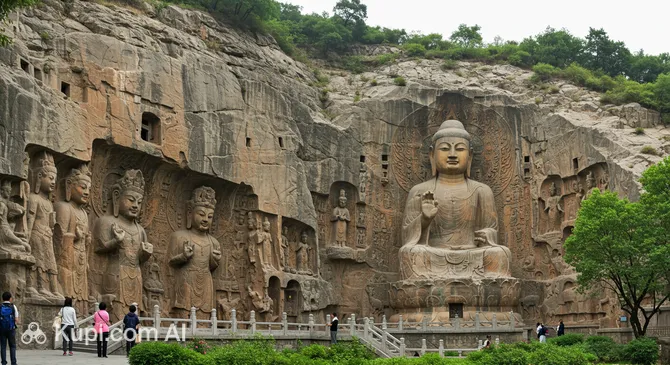
Longmen Grottoes. Source: Kupi.Binoculars
  • The largest statue within the Longmen Grottoes, the majestic Vairocana Buddha, is widely believed to bear the likeness of China's only female emperor, Wu Zetian. History suggests she funded the statue's creation with her own cosmetics money, immortalizing her image in the limestone cliff.

  • Luoyang is famous for a unique culinary tradition known as the "Water Banquet" (Shuixi), which dates back over a thousand years. The meal consists of 24 distinct courses, mostly soups and broths, served one after another like flowing water to ensure the dishes stay hot and the guests remain engaged.

  • Due to the immense number of historical burials in the area, the city is home to the Luoyang Ancient Art Museum, formerly known as the Ancient Tombs Museum. It is one of the few museums in the world located underground, allowing visitors to walk into actual relocated burial chambers from various dynasties.

  • A popular local legend explains why Luoyang is the "City of Peonies." It is said that Empress Wu Zetian banished the peonies from her capital in Chang'an because they refused to bloom on her command in winter; rather than withering in exile, the flowers flourished in Luoyang's soil, becoming a symbol of resilience and beauty.

How to Get There

Reaching this historic capital is relatively straightforward thanks to its modern transport connections. Whether you prefer flying directly or traveling via a major regional hub, there are several options to suit your itinerary. For a comprehensive guide on all available routes and travel tips, you can read more about how to get to Luoyang.

The most convenient entry point by air is Luoyang Beijiao Airport (IATA: LYA), located directly in the city. It is a regional hub situated approximately 14.8 km from the city center, making the transfer very quick; a taxi or bus ride typically takes around 45 minutes. For international travelers or those seeking more flight connections, the Zhengzhou Xinzheng Airport (IATA: CGO) is a significant alternative. Although this large international airport is located in the city of Zhengzhou, about 127.7 km away, it handles a much higher volume of passenger traffic. The journey from Zhengzhou Xinzheng to Luoyang by road takes approximately 3.5 hours.

For clarity, here is a summary of the main airports:

Airport Name City Passenger Traffic Km from City
Zhengzhou Xinzheng AirportZhengzhouLarge127.7
Yuncheng AirportYunchengMedium140.9
Luoyang Beijiao AirportLuoyangMedium14.8
Nanyang AirportNanyangMedium182.2
Linfen Qiaoli AirportLinfenSmall183.5

If you are traveling by train through the region, you might arrive at one of the major stations in neighboring cities. The Zhengzhou Railway Station is a key transport node located in the city of Zhengzhou, roughly 121.9 km from Luoyang. From there, a transfer by road would take about 3.5 hours. Another option further afield is the Shiyan Railway Station in Shiyan, which is approximately 272.1 km away, involving a significantly longer transfer time of around 7 hours by road.

Below is a summary of these railway stations:

Station City Passenger Traffic Km to Center
Shiyan Railway StationShiyanHigh272.1
Zhengzhou Railway StationZhengzhouUnknown121.9

Main Attractions

Luoyang is a treasure trove of Chinese history, offering visitors a chance to walk through the capitals of ancient dynasties. The city's attractions are deeply rooted in its spiritual and imperial past, making it a fascinating destination for culture lovers and history buffs alike.

Longmen Grottoes. Source: Kupi.Binoculars

Undoubtedly the most famous site is the Longmen Grottoes. Located along the banks of the Yi River, this UNESCO World Heritage site represents the pinnacle of Chinese Buddhist art. Stretching for a kilometer, the limestone cliffs are honeycombed with over 2,300 caves and niches containing more than 100,000 Buddhist statues. The carvings range from tiny figurines to the massive Vairocana Buddha, which stands over 17 meters tall. It is a breathtaking display of devotion and craftsmanship that spans centuries.

Another site of immense historical significance is the White Horse Temple (Baima Si). Established in 68 AD during the Eastern Han Dynasty, it is widely honored as the "Cradle of Chinese Buddhism." As the first Buddhist temple built in China by the government, it holds a unique place in religious history. The temple complex is serene and expansive, featuring ancient architecture, towering statues, and the tombs of the two Indian monks who brought Buddhist scriptures to China on white horses.

For those interested in delving deeper into the region's rich heritage, the Luoyang Museum is an essential stop. It is one of the premier museums in Henan Province, housing a vast collection of cultural relics that date back to the Xia, Shang, and Zhou dynasties. Visitors can marvel at exquisite bronze wares, Tang Dynasty tri-colored pottery (Sancai), and imperial treasures that tell the story of Luoyang's time as the capital for 13 dynasties. The modern architecture of the building itself is also a sight to behold.

Finally, the Guanlin Temple offers a mix of military history and religious reverence. It is built on the site where the head of the legendary General Guan Yu was buried with full honors during the Three Kingdoms period. The complex serves as a temple, a forest, and a tomb, attracting those who wish to pay respects to the general known for his loyalty and righteousness. The ancient cypress trees and traditional opera stages within the grounds add to the solemn yet beautiful atmosphere.

Local Cuisine

The culinary landscape of Luoyang is as historic and distinctive as its ancient architecture, with a local food culture that revolves heavily around soups. In this city, liquids are not just an accompaniment but the heart of the meal; there is a popular local saying that one can go without meat, but never without soup. This preference for warm, liquid-based dishes is deeply rooted in the region's dry climate and geography, designed to keep locals hydrated and warm.

The crown jewel of the local gastronomy is the Luoyang Water Banquet (Shuixi). This unique dining tradition boasts a history spanning over a millennium and is unlike anything else in Chinese cuisine. The name "Water Banquet" refers to two characteristics: the dishes are brought out one after another like flowing water, and nearly a third of the 24 courses are soups or semi-fluid broths. The flavors are typically peppery and sour, designed to stimulate the appetite. The most famous dish in this banquet is the Peony Swallow Dish (Yan Cai), which is actually made from finely shredded radish steamed and seasoned to resemble the texture of bird's nest soup, often arranged to look like a blooming peony flower.

Beyond the formal banquets, the city offers incredible street food options that are perfect for a quick, hearty meal. Bufan Soup (Noodle Soup) is a breakfast staple you will see locals enjoying on street corners. It consists of green bean noodles, fried tofu, and various spices in a sour and savory broth. Another must-try is the Carp Crossing the Dragon Gate, a fish dish named after the legend associated with the nearby Longmen Grottoes. The fish is fried to a golden crisp and positioned on the plate to resemble a leaping dragon, symbolizing success and prosperity.

When it comes to drinks, Luoyang is the home of Dukang Wine, one of the most famous and historically significant alcoholic beverages in China. Legend has it that Dukang, the inventor of wine in Chinese mythology, lived in this region. It is a strong grain liquor (baijiu) that pairs well with the robust flavors of Henan cuisine. For non-alcoholic options, the soups themselves often serve as the primary beverage during meals, but you can also find plenty of local herbal teas and soybean milk to accompany your breakfast.

To truly experience the food culture, tourists should head to the Old Town District, particularly around the Lijing Gate area. As night falls, the streets here transform into a bustling night market filled with the aroma of grilling meat, steaming buns, and spicy soups. It is the perfect place to sit on a small stool, mingle with the locals, and enjoy the authentic "soup city" atmosphere after a day of sightseeing.

Travel Tips

Planning a trip to Luoyang is an exciting venture into the heart of Chinese civilization, but a little preparation goes a long way in ensuring a smooth experience. To help you navigate the ancient capitals, bustling streets, and cultural nuances with ease, here are some practical tips designed to make your journey smoother and more enjoyable.

  1. Clothing and Gear: Your wardrobe should align with the distinct seasons; pack lightweight, breathable fabrics for the hot, humid summers and warm, layered clothing for the chilly, dry winters. Most importantly, bring sturdy, comfortable walking shoes. Visiting the Longmen Grottoes involves climbing many steep stairs and walking significant distances, so your feet will thank you for the extra support. When visiting religious sites like the White Horse Temple, dress modestly by covering your shoulders and knees.

  2. Transportation: Getting around Luoyang is convenient and affordable. The city has a developing metro system that connects major hubs, and an extensive bus network that is very cheap (usually 1 RMB). For more direct travel, taxis are plentiful, but it is highly recommended to use ride-hailing apps like DiDi (the local equivalent of Uber), which often have an English interface and remove the language barrier regarding destinations. Avoid unlicensed drivers at train stations or tourist sites.

  3. Finances: The local currency is the Renminbi (RMB or CNY). While cash is still accepted, China has largely moved to digital payments. It is strongly advised to download Alipay or WeChat Pay and link your international credit card before you arrive, as even small street vendors prefer mobile payments. International credit cards are rarely accepted directly at shops or restaurants outside of high-end hotels. Keep some cash for emergencies, but rely on digital wallets for daily ease.

  4. Health and Safety: Luoyang is generally a very safe city for tourists, but standard precautions apply. Tap water is not potable; always drink bottled or boiled water. Pharmacies are widely available and can be identified by a green cross, though English-speaking staff may be rare. If you are visiting during the peak of summer, stay hydrated and carry sun protection, as the heat at open-air sites can be intense.

  5. Communication: Mandarin is the primary language, and English proficiency can be limited among taxi drivers and shopkeepers. It is essential to have a translation app installed on your phone; apps that work offline or feature image translation are particularly useful for reading menus and signs. Additionally, remember that many Western websites and apps are blocked, so ensure you have a suitable roaming plan or a VPN installed prior to arrival to stay connected.

  6. Local Etiquette: When visiting Buddhist temples, show respect by not stepping on the raised threshold at the entrance; step over it instead. Be mindful of photography signs, as taking photos of Buddha statues is often prohibited to preserve the sanctity of the site. In restaurants, it is common to share dishes, and tipping is not customary or expected in local culture.

  7. What to Avoid: Try to avoid planning your trip during major Chinese holidays, such as the National Day "Golden Week" in early October or the Lunar New Year. During these times, popular sites like the Longmen Grottoes become incredibly crowded, making sightseeing difficult. Also, avoid buying expensive antiques or jade from street stalls unless you are an expert, as authenticity is hard to verify.

  8. Local Insight: If you are visiting in April for the famous Peony Festival, be aware that hotel prices can double or triple, so book months in advance. For a truly local start to your day, visit a public park early in the morning. You will see residents practicing Tai Chi, dancing, or writing calligraphy with water on the pavement—a charming slice of daily life in this historic city.

By keeping these practical tips in mind, you will be well-equipped to look beyond the logistics and fully immerse yourself in the wonders of Luoyang. From the grandeur of imperial history to the simple pleasure of a hot bowl of soup, this city rewards those who travel with curiosity and respect.

Entertainment & Nightlife

Entertainment in Luoyang offers a fascinating contrast between the ancient and the modern, transforming the city as the sun sets. While the days are often spent exploring historical ruins, the nights come alive with glowing red lanterns, bustling food streets, and a growing scene of modern bars and clubs. The atmosphere is generally welcoming and safe, with a mix of locals enjoying family outings and young people gathering in lively districts.

The heart of Luoyang's nightlife beats strongest in the Old Town District (Laocheng). Here, the historic Lijing Gate serves as a majestic entrance to a vibrant world of culinary delights and local culture. Passing through the gate, you will find yourself immersed in a lively night market where the aroma of grilled meats and spicy soups fills the air. The most famous thoroughfare here is Cross Street (Shizi Jie), a pedestrian zone lined with hundreds of stalls selling local snacks, crafts, and souvenirs under a canopy of traditional lanterns. It is the perfect place to experience the city's "Water Banquet" dishes in a casual, street-side setting.

For those seeking a more contemporary evening, the Xigong District and areas around Wanda Plaza in the Jianxi District offer a different vibe. This is where you will find the city's concentration of modern bars, nightclubs, and KTV (karaoke) lounges. The crowd here is younger and more fashion-forward, and the venues range from quiet pubs suitable for a conversation to energetic dance clubs with DJs. Establishments in these areas typically stay open late, often until 2:00 AM or 3:00 AM.

A unique nocturnal experience is the seasonal night tour of the Longmen Grottoes. When available, usually during holidays or specific tourist seasons, the limestone cliffs and thousands of Buddha statues are illuminated by grand lighting effects, creating a mystical and breathtaking atmosphere that is entirely different from the daytime view. It is a serene way to appreciate the magnitude of this UNESCO site without the midday heat.

Before the night begins, Luoyang offers plenty of daytime entertainment beyond its famous heritage sites. Visitors can enjoy traditional performances of Henan Opera at local theaters, which is known for its high-pitched singing and dramatic storytelling. For a more relaxed afternoon, Wangcheng Park provides a mix of amusement rides, a zoo, and beautiful peony gardens, making it a popular spot for families and casual strollers.

Practical advice for enjoying Luoyang at night includes using ride-hailing apps like DiDi or regular taxis, which are plentiful and affordable. The city is very safe for night walks, especially in the busy Old Town and well-lit commercial districts. Most night markets operate from around 6:00 PM until midnight, while bars and clubs pick up momentum after 9:00 PM. Prices are generally reasonable, with street food being incredibly cheap and modern bars charging prices comparable to other second-tier Chinese cities.

Parks & Museums

Luoyang is a city where the beauty of nature and the depth of history are inextricably linked, offering visitors a wealth of green spaces and cultural institutions. The city’s parks are not merely recreational areas but are often built upon ancient ruins, while its museums provide a rare glimpse into the burial customs, artistic achievements, and daily lives of civilizations that flourished here thousands of years ago.

Wangcheng Park is perhaps the city's most iconic green space, serving as the primary venue for the annual Peony Festival. Situated on the site of the ancient capital of the Eastern Zhou Dynasty, the park blends historical significance with botanical beauty. While it features amusement rides and a zoo, its true highlight is the extensive peony gardens, which burst into a spectacular display of color every April. Visitors can wander through traditional pavilions and admire thousands of peony varieties, which are revered as the "King of Flowers" in Chinese culture.

For a more expansive natural retreat, the Sui and Tang Dynasty City Ruins Botanical Garden offers a vast landscape of water features, meticulously landscaped gardens, and historical echoes. Built over the ruins of the ancient city, this park is divided into numerous thematic gardens, including wild interest gardens and aquatic plant areas. It is an ideal spot for a leisurely afternoon walk or a boat ride on the large central lake, providing a peaceful escape from the urban bustle while keeping you connected to the city's imperial past.

Delving into the city's rich archaeological heritage, the Museum of Luoyang Eastern Zhou Royal Horse and Chariot Pits is a fascinating and specific site located at Eastern Zhou Imperial City Square. This museum protects the sacrificial pits of the Eastern Zhou Dynasty royalty. The centerpiece is a remarkably preserved pit containing the skeletal remains of horses and chariots arranged in battle formation, including a rare six-horse chariot that was the exclusive privilege of the Emperor. It offers a stark and impressive look at ancient military and funeral rites.

Another unique institution is the Luoyang Ancient Art Museum, often referred to as the Ancient Tombs Museum. Unlike traditional galleries, this museum is largely subterranean, allowing visitors to walk through actual restored burial chambers relocated from various construction sites around the region. The complex spans multiple dynasties, from the Han to the Song, and features exquisite murals, intricate brick carvings, and grave goods. It provides an immersive experience that explores the Chinese perspective on the afterlife and ancestor worship.

For those seeking a more local and relaxed experience, take a stroll along Luopu Park. Stretching for miles along the banks of the Luo River, this linear park is where the locals go to unwind. It is less about grand monuments and more about authentic daily life; you will see residents flying kites, playing traditional instruments, and practicing calligraphy on the pavement, offering a genuine slice of modern life in this ancient capital.

Getting Around

Navigating Luoyang is becoming increasingly convenient thanks to a rapidly modernizing public transport network that blends new infrastructure with established services. The city recently became the first non-provincial capital in central China to operate its own subway system, significantly easing travel between major districts and transport hubs. For tourists, this means getting around is affordable, safe, and relatively straightforward, provided you have a few navigation tools at hand.

The Luoyang Metro is the fastest way to traverse the city. Currently, the system consists of two main lines: Line 1, which runs east-west, and Line 2, which runs north-south, connecting the railway stations with the city center. The stations are modern, clean, and equipped with bilingual signs in English and Chinese, making them user-friendly for international visitors. Ticket machines are available at every station, allowing you to purchase single-journey tokens using cash or mobile payments. The metro is particularly useful for skipping surface traffic during rush hours.

For destinations not covered by the subway, the public bus system offers extensive coverage. Buses in Luoyang are incredibly cheap, typically costing just 1 RMB or 1.5 RMB per ride, regardless of the distance. You will find dedicated tourist lines that connect key attractions like the Longmen Grottoes and the White Horse Temple directly to the city center and railway stations. When boarding a bus, you enter through the front door and pay immediately. If you are paying with cash, you must have the exact change (coins or small bills) to drop into the fare box, as drivers do not carry change.

Payment methods are shifting heavily towards digital solutions. While locals use the "Luoyang Tong" transport card or scan QR codes via Alipay and WeChat, tourists can still rely on cash for buses and ticket machines for the metro. However, setting up the transport code feature on Alipay is highly recommended for convenience. If you plan to use cash, it is wise to stockpile 1 RMB coins and notes, as breaking large bills on the go can be difficult.

Taxis and ride-hailing services are excellent alternatives for more direct travel. Taxis are plentiful and can be hailed on the street; they are metered and generally very affordable compared to Western standards. Alternatively, the DiDi app (similar to Uber) is widely used and often features an English interface, which helps overcome language barriers by allowing you to input your destination digitally. If you take a regular taxi, always have your destination written in Chinese to show the driver.

For short distances, shared bicycles are a popular and eco-friendly way to explore the city. You will see blue (HelloBike) and yellow (Meituan) dockless bikes parked on sidewalks throughout Luoyang. These can be unlocked using the respective mini-programs in Alipay or WeChat. They are perfect for the "last mile" of your journey, such as getting from a metro station to a museum entrance or cruising along the Luo River parks.

Most public transport operates from early morning, around 6:00 AM, until late evening. The metro and major bus lines usually stop running between 10:00 PM and 11:00 PM, so be sure to check the schedule if you are out late. During the Peony Festival in April, the city often extends operating hours and adds special bus routes to handle the influx of visitors, ensuring that the famous gardens are easily accessible to everyone.

Accommodation

Where to Stay:

Accommodation in Luoyang caters to a wide spectrum of preferences and budgets, ranging from luxurious international chains to charming local guesthouses. As a major tourist destination, the city is well-equipped to host visitors, though the style of lodging can vary significantly depending on the district. Travelers can find modern high-rise hotels with full amenities, efficient business hotels, and budget-friendly youth hostels that offer a more social atmosphere.

Choosing the right area to base yourself is key to a convenient trip. The Xigong District is often considered the heart of the modern city; staying here places you close to major shopping malls, department stores, and excellent transport links, making it a practical choice for those who want easy access to everything. For a more atmospheric experience, the Old Town District (Laocheng) is ideal. Hotels in this area are often within walking distance of the Lijing Gate and the vibrant night markets, allowing you to immerse yourself in the local culture and food scene right outside your doorstep.

Another popular option is the Luolong District, particularly near the Luoyang Longmen Railway Station. This newer part of the city is spacious and modern, offering proximity to the high-speed train station and a shorter commute to the famous Longmen Grottoes. It is a strategic location for travelers who prioritize quick transit connections or plan to spend significant time at the southern attractions.

Booking Tips and Prices:

The cost of accommodation in Luoyang is generally reasonable compared to China's largest metropolises. Budget travelers can find hostel beds or simple rooms for approximately $15 to $30 USD per night. Mid-range hotels, which offer comfortable and clean standards, typically range from $40 to $80 USD. Luxury options, including 5-star properties with extensive facilities, usually start around $100 USD and can go higher depending on the season.

A critical factor for planning your stay is the Luoyang Peony Festival in April. During this month, the city sees a massive influx of tourists, causing room rates to double or even triple, and vacancy rates to plummet. If you plan to visit during this floral peak, it is essential to book your accommodation several months in advance. Additionally, international travelers should confirm that their chosen hotel is licensed to accept foreign guests, as some smaller or budget establishments may only be authorized to host mainland Chinese citizens. Booking through major international platforms is usually the safest way to ensure your hotel can accommodate you.

Nearby Cities

For those looking to explore the surroundings, Luoyang serves as an excellent base for day trips to several interesting nearby locations:

City Population Distance (km)
Zhengzhou5621593108
Yuncheng5134779140
Pingdingshan4904701116
Zhumadian4379998146
Jiaozuo359070098

Zhengzhou is the bustling capital of Henan Province and a vital transportation hub in central China. Just a short train ride away, it offers a mix of modern urban energy and deep historical significance. Visitors are often drawn to the Henan Museum, which houses an impressive collection of prehistoric artifacts and ancient bronzes. Furthermore, Zhengzhou acts as the gateway to the famous Shaolin Temple on Mount Song, the birthplace of Zen Buddhism and Chinese Kung Fu.

Jiaozuo, located to the north of Luoyang, is a prime destination for nature lovers. The city is renowned for the Yuntai Mountain Global Geopark, a stunning natural area characterized by dramatic red sandstone gorges, lush forests, and cascading waterfalls. It provides a refreshing escape from the city and offers excellent hiking opportunities through scenic valleys like the Red Stone Gorge.

These nearby destinations offer a glimpse into the diverse culture and landscapes of the region.

Shopping & Souvenirs

Shopping in Luoyang offers a delightful mix of modern convenience and deep cultural heritage, allowing visitors to purchase everything from high-end fashion to exquisite local handicrafts. The city is renowned for its specific artistic traditions, particularly pottery and stone carving, making it an excellent place to hunt for unique souvenirs that reflect the region's imperial history. Whether you are browsing through gleaming shopping malls or wandering down ancient pedestrian streets, the retail experience here is vibrant and diverse.

For a concentration of modern retail, the Xigong District serves as one of the city's primary commercial hubs. The streets here are lined with department stores, boutiques, and electronic shops, bustling with activity throughout the day. Another key area is the Old Town District (Laocheng), specifically the streets surrounding the Lijing Gate. This area offers a stark contrast to the modern districts, featuring traditional architecture and shops selling local specialties, antiques, and crafts in an atmosphere that feels like stepping back in time.

Travelers looking for a comprehensive one-stop shopping experience should visit the city's major malls. Wanda Plaza, located in the Jianxi District, is a popular destination that combines international fashion brands, dining, and entertainment under one roof. Similarly, the Wangfujing Department Store offers a wide selection of cosmetics, clothing, and household goods, catering to both mid-range and upscale shoppers. These malls provide a comfortable, air-conditioned environment perfect for escaping the summer heat or winter chill.

If you prefer a more local and atmospheric setting, the markets in the Old Town are unmissable. The streets near West Street (Xijie) and the area inside Lijing Gate transform into lively bazaars where you can find an array of goods ranging from calligraphy brushes to handmade paper cuts. While there are specific antique markets in the city, visitors should be cautious and knowledgeable when purchasing expensive "ancient" artifacts, as high-quality replicas are common.

When it comes to souvenirs, Luoyang is famous for Tang Sancai (Tang Dynasty Tri-colored Pottery). These glazed ceramic figures, often depicting horses, camels, or ladies, are iconic to the region and come in various sizes suitable for transport. Another unique local treasure is the Peony Stone, a natural stone found in the area that features patterns resembling blooming peony flowers. Additionally, peony-related products, such as Peony Cakes and essential oils, make for fragrant and delicious gifts that celebrate the city's floral symbol.

Store opening hours in Luoyang generally follow standard Chinese practices. Large shopping malls and department stores typically operate from 10:00 AM to 9:30 PM or 10:00 PM. Smaller street shops may open earlier and close later, especially in night market areas. Payment is overwhelmingly digital; Alipay and WeChat Pay are accepted almost everywhere, from luxury counters to street food stalls. International credit cards are rarely accepted outside of major hotels and large international chains, so it is advisable to have mobile payment apps set up or carry sufficient cash (RMB) for smaller purchases.

Regarding tax refunds, while China has been expanding its tax-free shopping policies for international tourists, the availability of such services in Luoyang may be more limited compared to major metropolises like Beijing or Shanghai. Tourists should look for the "Tax Free" signage at the entrance of large department stores and inquire at the service desk about the specific requirements and minimum spending thresholds for claiming a VAT refund.

Reached the end of the page?

That means the route is fully explored