Support

Nanyang

About

Nanyang is a captivating destination located in the southwestern part of Henan Province, China. As one of the cradles of Chinese civilization, this city seamlessly blends its profound cultural heritage with the energy of a modern metropolis. With a staggering population of over 10 million residents, Nanyang is a bustling hub that sits in a basin surrounded by mountains, offering a unique geographical setting and a generally mild climate that makes exploration pleasant throughout much of the year.
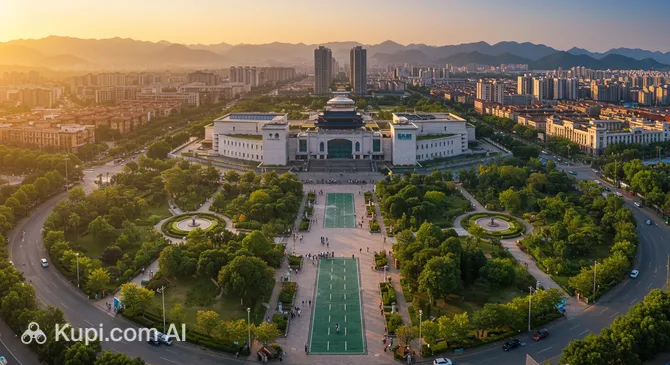
Nanyang. Source: Kupi.Binoculars

Steeped in antiquity, the city boasts a legacy that stretches back thousands of years. Visitors fascinated by the past should delve into the history of Nanyang to understand its pivotal role during the Han Dynasty and its status as a historical cultural city. It is famously the home of the "Medical Saint" Zhang Zhongjing and the legendary strategist Zhuge Liang, figures who have left an indelible mark on the region's identity.

Travelers will find plenty to admire among the city's key attractions. The Temple of Marquis Wu is a must-visit site dedicated to Zhuge Liang, featuring serene gardens and ancient architecture. Another highlight is the Memorial Temple of Medical Saint Zhang Zhongjing, which offers insight into traditional Chinese medicine. Additionally, the city is renowned for its exquisite Dushan Jade, and browsing the local markets for these intricate carvings is a delightful experience for art lovers.

Whether you are drawn by its ancient relics or the vibrant local culture, Nanyang promises an enriching journey. It is a destination that invites you to walk through the pages of history while enjoying the hospitality of central China.

Weather Overview

The climate in this region is characterized by distinct seasons, ranging from chilly winters to hot summers. To help you pack appropriately for your trip, it is helpful to review the current weather in Nanyang. Generally, the city experiences a temperate climate that changes significantly throughout the year.

Winters are typically cold and dry, with January being the coldest month. Average temperatures during this time sit around 2.7°C, often dropping to lows of -2.0°C. Rainfall is scarce in winter, with December seeing practically no precipitation. As the season shifts to spring in March and April, the weather warms up pleasantly, with average temperatures climbing from 12.3°C to 16.9°C.

Summer brings the heat, particularly in July and August, where average temperatures reach approximately 28°C and highs can exceed 31°C. This season also sees the most frequent rainfall; July, for instance, typically records about 16 wet days. Autumn offers a comfortable transition back to cooler weather, with September averages around 23.5°C dropping to 11.3°C by November. Expect warm summers with occasional rain and cold, dry winters.

Interesting Facts

Beyond the famous historical sites, Nanyang holds fascinating secrets that often escape the average visitor's radar. This city is not just a relic of the past but a place of geological wonders and scientific milestones.

  • Hometown of Dinosaur Eggs: Nanyang is globally significant for paleontology, specifically in Xixia County. It boasts one of the world's largest collections of dinosaur egg fossils, earning it the nickname "The Ninth Wonder of the World" among fossil enthusiasts due to the sheer quantity and variety found there.

  • Birthplace of the Seismoscope: The city was the home of Zhang Heng, a brilliant ancient scientist who invented the world's first earthquake-detecting instrument during the Han Dynasty. His pioneering contributions to astronomy and mathematics add a layer of scientific heritage to the region's history.

  • A Vital Water Source: The Danjiangkou Reservoir in the Nanyang region serves as the headwork for the middle route of China's South-to-North Water Transfer Project. This massive engineering feat is crucial for delivering fresh water to Beijing and other major northern cities.

  • The City of Four Saints: While the Medical Saint and the Strategist are well-known, Nanyang is actually celebrated for nurturing "Four Saints." The city also honors Zhang Heng as the Science Saint and Fan Li as the Business Saint, showcasing an incredible concentration of historical talent in one area.

How to Get There

Reaching this bustling city in Henan Province is relatively straightforward, with options ranging from direct flights to regional train connections. Whether you are arriving from within China or from abroad, planning your journey is essential for a smooth trip. You can find comprehensive details and more about how to get to Nanyang on our dedicated transport page.

The most convenient entry point for air travelers is Nanyang Airport (NNY), which is located directly in the city, just 8.2 km from the center. This regional hub handles a significant number of passengers annually and offers easy access to the downtown area. Alternatively, you can fly into Xiangyang Airport (XFN) in the neighboring city of Xiangyang. Situated approximately 95.8 km away, it serves as another viable option, though it requires a transfer by road to reach your final destination.

For clarity, here is a summary of the main airports serving the region:

Airport Name City Km from City
Nanyang Airport Nanyang 8.2
Xiangyang Airport Xiangyang 95.8
Xinyang Minggang Xinyang 153.6
Shiyan Wudangshan Shiyan 158.1
Luoyang Beijiao Airport Luoyang 194.4

Travelers exploring the wider region by rail may also consider major stations in nearby cities if direct routes to Nanyang are unavailable or fully booked. Shiyan Railway Station is located in the city of Shiyan, approximately 169.6 km from Nanyang. Another significant hub is the Xinyang East Railway Station in Xinyang, about 179.4 km away. While these stations handle a large volume of passengers, the transfer to Nanyang involves additional travel by road.

Below is a list of regional railway stations that can serve as transit points:

Station City Km to Center
Shiyan Railway Station Shiyan 169.6
Xinyang East Railway Station Xinyang 179.4
Jingmen Railway Station Zhongxiang 217.0
Xiaogan North Railway Station Guangshui 222.3
Zhengzhou Railway Station Zhengzhou 227.6

Main Attractions

Nanyang offers a rich tapestry of historical and cultural sites that reflect its status as a cradle of Chinese civilization. From ancient government complexes to serene temples and geological wonders, the city provides a diverse range of experiences for every type of traveler. Exploring these attractions allows visitors to connect with the legends of the Three Kingdoms period and witness the grandeur of China's imperial past.

Nanyang Wuhou Shrine is undoubtedly one of the city's most significant cultural landmarks. Dedicated to Zhuge Liang, the legendary strategist of the Three Kingdoms era, this sprawling complex is situated on Wolong Ridge, where he is said to have lived in seclusion before joining Liu Bei. The shrine features elegant ancient architecture, stone inscriptions, and the iconic thatched cottage that symbolizes his humble beginnings. It is a place of pilgrimage for those interested in Chinese history and offers a peaceful atmosphere amidst cypress trees and traditional gardens.

Another highlight is the Nanyang Ancient Government Office, also known as Nanyang Fuya. Located in the heart of the city, this is one of the best-preserved prefectural-level government offices in China. Walking through its majestic gates and courtyards, visitors can step back in time to see how officials lived and worked during the Yuan, Ming, and Qing dynasties. The complex is renowned for its strict layout and solemn atmosphere, providing a fascinating glimpse into the feudal bureaucratic system.

For a unique journey into prehistoric times, the Xixia Dinosaur Relics Park is a must-see destination located in Xixia County. This site is famous worldwide for its abundance of dinosaur egg fossils, which are celebrated for their quantity and variety. The park includes a museum and excavation sites where visitors can marvel at these ancient treasures, earning the area the nickname "The Ninth Wonder of the World" among paleontology enthusiasts.

Travelers willing to venture a bit further should visit the Neixiang County Government Office. Often referred to as the "Forbidden City of the North" for county-level offices, it stands as the most complete ancient county magistrate's office in mainland China. The site is an architectural masterpiece that offers deep insights into the judicial and administrative processes of imperial China, complete with prison cells and interrogation rooms that have been meticulously preserved.

Local Cuisine

The local cuisine of Nanyang is a delightful reflection of its location in central China, blending the hearty, wheat-based traditions of the north with the savory and intricate flavors of Henan Province. The food here is unpretentious yet deeply satisfying, characterized by rich soups, aromatic spices, and a strong emphasis on noodle dishes that comfort the soul.

One cannot talk about Nanyang food without mentioning the legendary Jiaozi (dumplings). Nanyang is celebrated as the birthplace of this iconic Chinese dish. According to local lore, they were invented here by the "Medical Saint" Zhang Zhongjing to treat frostbitten ears during a harsh winter. Today, enjoying a plate of steaming dumplings—typically filled with minced pork, vegetables, or mutton—is not just a meal but a tribute to the city's cultural history.

Another signature dish that defines the local palate is Nanyang Beef Noodles. Distinct from other regional varieties, this dish features a broth simmered with a secret blend of Chinese herbal medicines, giving it a unique aroma and health benefits. The noodles are chewy and served with generous slices of beef, often topped with cilantro and chili oil for an extra kick. It is a staple that locals enjoy at any time of day.

For breakfast, the city wakes up to the spicy and savory aroma of Hu La Tang (Spicy Pepper Soup). This thick, peppery soup is packed with beef, vermicelli, and gluten, usually eaten alongside You Tiao (fried dough sticks) or flatbreads. It is a warming way to start the day and offers a true taste of the local lifestyle.

When it comes to drinks, Nanyang is famous for Shedian Laojiu, a historic brand of baijiu (Chinese liquor) that originates from the nearby town of Shedian. It has a smooth, lingering finish and is often the beverage of choice during festive dinners. For non-alcoholic options, herbal teas and soybean milk are widely available and perfectly complement the rich flavors of the local food.

The food culture in Nanyang is vibrant and accessible. While there are plenty of sit-down restaurants, the true heart of the culinary scene beats in the street stalls and night markets. Here, tourists can rub shoulders with locals to enjoy freshly made snacks, grilled skewers, and bowls of noodles in a lively, communal atmosphere.

Travel Tips

Visiting Nanyang offers a unique glimpse into the origins of Chinese civilization, but navigating a city of this size requires some insider know-how to ensure a smooth journey. To help you make the most of your time exploring the home of ancient sages and historical wonders, here is a set of practical tips designed for travelers.

  1. Clothing and Gear: The weather in Nanyang varies significantly by season, so pack accordingly. Summers are hot and often humid, requiring light, breathable fabrics, while winters can be quite cold, making a warm coat and layers essential. Since visiting attractions like the Wuhou Shrine involves a fair amount of walking, bring sturdy, comfortable shoes. A universal power adapter is also necessary for your electronics.
  2. Transportation: While there is an extensive bus network, it can be challenging to navigate without reading Chinese. For most tourists, the most convenient way to get around is by using taxis or ride-hailing apps like DiDi (the local equivalent of Uber). These are affordable and reliable. If you plan to visit sites outside the city center, such as the dinosaur parks in Xixia, hiring a private driver for the day is often the best option.
  3. Finances: The local currency is the Renminbi (RMB). While credit cards are accepted at major hotels, cash is still useful for smaller shops and street food vendors. However, the primary method of payment in China is via mobile apps like Alipay or WeChat Pay. It is highly recommended to set up the international version of these apps on your phone before arrival, as they make daily transactions much smoother.
  4. Health and Safety: Nanyang is generally a safe city for tourists. Pharmacies are widely available and can be identified by a green cross sign, though you may need a translation app to communicate specific needs. As a general precaution, avoid drinking tap water; stick to bottled or boiled water. If you have respiratory sensitivities, checking the air quality index (AQI) daily is a good habit.
  5. Communication: English is not widely spoken outside of high-end hotels and major tourist centers. A translation app on your smartphone is an absolute must for reading menus, asking for directions, and communicating with locals. Buying a local SIM card upon arrival (available at the airport or official telecom stores) ensures you have the data needed to use navigation and translation tools on the go.
  6. Local Etiquette: Politeness is highly valued in Henan culture. When handing over money, a business card, or a gift, use two hands as a sign of respect. Greeting people with a nod or a smile is common. If you are invited to a meal, wait for the host to start eating or drinking before you begin, and try a little bit of everything offered to show appreciation.
  7. What to Avoid: Avoid public displays of anger or frustration, as causing someone to "lose face" is considered very rude and unhelpful in resolving conflicts. Additionally, avoid leaving your chopsticks sticking upright in a bowl of rice, as this resembles incense burned for the dead and is considered bad luck.
  8. Shopping Tip: Nanyang is famous for its Dushan Jade, one of the four famous jades of China. If you visit the jade markets to buy a souvenir, remember that bargaining is expected and part of the shopping culture. Approach it with a smile and a friendly attitude to get a fair price.

With these practical tips in mind, you are well-prepared to navigate the streets of Nanyang with confidence and ease. Embrace the local customs, savor the rich history, and enjoy the warm hospitality that this fascinating city has to offer.

Entertainment & Nightlife

Entertainment in Nanyang transforms as the sun sets, shifting from the historical exploration of the day to a vibrant mix of culinary delights and riverside relaxation. While the city may not have the frenetic clubbing scene of Shanghai or Beijing, it offers a lively atmosphere centered around socializing, dining, and enjoying the illuminated cityscape. The nightlife here is distinctively local, characterized by bustling night markets, karaoke (KTV) venues, and scenic evening walks.

The heart of the evening action can often be found along the Baihe River Scenic Belt. This area comes alive at night with dazzling light shows reflecting off the water, drawing crowds of locals and tourists alike. It is the perfect spot for a leisurely stroll or to find a riverside tea house or bar. The atmosphere here is relaxed and welcoming, making it an ideal place to unwind after a day of sightseeing. In the warmer months, the riverbanks are filled with people enjoying the cool breeze and the view of the lit-up bridges.

For those seeking a more energetic vibe, the commercial districts around Nanyang Fuya (the Ancient Government Office) offer a blend of history and modern commerce. The streets surrounding this landmark transform into a hub of activity, with numerous shops and food stalls staying open late. This area is particularly famous for its Snack Street, where you can dive into the local food culture. Expect to see groups of friends gathering for "Shao Kao" (Chinese BBQ) and beers, a staple of Nanyang's nightlife. The crowd here is diverse, ranging from students to families, and the dress code is casual.

If you are looking for modern entertainment, Nanyang Wanda Plaza in the Wolong District is a reliable destination. This large complex houses a cinema, various restaurants, and often features bars or pubs in its vicinity. It serves as a one-stop-shop for evening entertainment, offering a clean and contemporary environment. Another popular area for shopping and night activity is the 360 Plaza, which attracts a younger, fashion-conscious crowd.

Practical advice for enjoying Nanyang at night includes staying central. The city is generally very safe for night walks, especially in well-lit areas like the Baihe River bank and major commercial centers. Taxis are plentiful and affordable, and ride-hailing apps like DiDi are the most convenient way to get around if you don't speak Chinese. Most bars and night markets operate until late, with peak hours between 8:00 PM and midnight. Average prices for drinks and food are significantly lower than in China's tier-one cities, offering great value.

While the nights are for dining and relaxing, daytime entertainment in Nanyang offers a different kind of enrichment. Visitors can explore the city's rich cultural tapestry at the Nanyang Museum of Han Stone Carving or enjoy a peaceful afternoon at the People's Park. These venues provide a quiet counterpoint to the bustling energy of the city's evening markets.

Parks & Museums

Nanyang is a city where the echoes of ancient civilization resonate amidst lush landscapes, offering visitors a harmonious blend of cultural depth and natural beauty. Beyond its bustling streets, the city maintains a refreshing array of green spaces and world-class museums that preserve the artistic and historical legacy of the Han Dynasty.

For nature lovers, the Baihe River National Urban Wetland Park is the ecological heart of the city. Spanning a vast area along the Baihe River, this park is often referred to as the "living room" of Nanyang. It features extensive walking paths, scenic bridges, and lush vegetation that provide a habitat for various water birds. It is an ideal spot for a leisurely afternoon stroll or a boat ride, allowing tourists to experience the serene water scenery right in the middle of the urban landscape.

Another significant natural retreat is Dushan Forest Park, located just north of the city center. This park is not only a green sanctuary but also the source of the famous Dushan Jade. The hill offers a rewarding hike with panoramic views of Nanyang from the summit. The park is dotted with temples and Taoist shrines, making it a culturally enriching experience as well as a physical one. In spring, the area comes alive with vibrant wildflowers, attracting hikers and photographers alike.

Delving into the city's rich history, the Nanyang Museum of Han Stone Carving is an essential stop for any cultural traveler. Nanyang is renowned for its Han Dynasty stone reliefs, which are considered "stone-carved history books." This museum houses a massive collection of these intricate carvings, depicting everything from mythological creatures and astronomical constellations to scenes of daily life and royal banquets. It offers a fascinating and visual window into the beliefs and society of China over 2,000 years ago.

Complementing the stone carvings is the Nanyang Museum, a comprehensive venue that showcases the broader history of the region. The museum's collection includes ancient bronzes, pottery, and jade artifacts unearthed in the area. It provides a well-rounded narrative of Nanyang's development from a prehistoric settlement to a strategic military and commercial hub in central China. The exhibits are well-curated, helping visitors piece together the complex timeline of the Central Plains.

For a truly authentic experience, consider visiting the Nanyang Chinese Rose Garden if you are traveling between late April and May. Nanyang is known as a major production base for Chinese roses, and during the blooming season, the garden transforms into a spectacular sea of color and fragrance, a sight often missed by tourists who stick strictly to historical sites.

Getting Around

Navigating Nanyang is a straightforward experience, as the city relies primarily on an extensive network of public buses to connect its various districts, historical sites, and commercial hubs. Unlike some of the larger metropolises in the region, Nanyang does not currently operate a metro or subway system. Consequently, the bus remains the backbone of public transportation, offering a reliable and authentic way to move around the city alongside the locals.

The municipal bus system is comprehensive, covering the city center as well as suburban areas and major transport hubs like the railway stations and the airport. Buses are generally modern and air-conditioned, providing a comfortable respite during the humid summers and chilly winters. Most routes operate from early morning, around 6:00 AM, until the evening, typically winding down between 8:00 PM and 9:00 PM, although some major lines may run slightly later. Bus stops are marked with signs, but since route information is almost exclusively in Chinese, having a navigation app or a translated map is essential for non-local speakers.

Fares for public buses are very affordable, typically costing a flat rate of 1 to 2 RMB per journey, regardless of the distance traveled. Payment is simple but requires preparation. If you prefer using cash, you must have the exact change ready to drop into the fare box upon entry, as drivers do not carry change. However, the most convenient method for travelers is digital payment. The "Ride Code" feature within popular mobile apps like Alipay or WeChat is widely accepted. Tourists can simply scan the QR code on the bus reader to pay, eliminating the need to carry coins.

For those seeking more flexibility or traveling with luggage, taxis are a popular and reasonably priced alternative. You can hail standard taxis on the street, which are metered and generally easy to find in busy areas. Alternatively, ride-hailing apps are the preferred method for many, as they allow you to input your destination in English (depending on the app version) and see the estimated fare upfront. This bridges the language gap effectively and ensures a hassle-free journey to your destination.

A charming feature of the city's transport landscape is the abundance of shared bicycles. Visitors will notice rows of colorful bikes parked along sidewalks and near major intersections. These can be unlocked using the same mobile apps used for payments. Cycling is an excellent way to explore the city at a leisurely pace, particularly along the scenic Baihe River, where dedicated paths offer a pleasant ride away from heavy traffic.

To ensure a smooth trip, it is highly recommended to have your destination written in Chinese characters to show to bus drivers or taxi drivers, as English proficiency can be limited. Avoid traveling during peak rush hours (7:30–9:00 AM and 5:30–7:00 PM) if possible, as traffic congestion can significantly increase travel times. With a little preparation, getting around Nanyang is efficient and offers a great opportunity to observe the daily rhythm of this historic city.

Accommodation

Accommodation in Nanyang caters to a diverse range of travelers, offering everything from cost-effective hostels and business inns to upscale hotels and comfortable apartments. As a developing tourist destination and a significant regional hub, the city provides a hospitality landscape that blends modern convenience with local charm. Whether you are visiting for the historical sights or a business trip, you will find suitable lodging that fits your budget and preferences.

For those who want to be in the heart of the action, staying in the Wolong District or near the city center is the most convenient option. This area places you within walking distance of major attractions like the Ancient Government Office and the bustling commercial pedestrian streets. It is an excellent choice for travelers who enjoy stepping out of their hotel directly into a lively atmosphere filled with shops, restaurants, and night markets.

Another popular area for accommodation is along the Baihe River. Hotels situated here often offer scenic views of the water and easy access to the riverside parks, which are perfect for evening strolls. This location is generally quieter than the immediate city center but remains well-connected to the rest of the city by taxi and bus. For travelers with early morning or late-night connections, there are also numerous practical hotels clustered around the railway station and the airport.

When planning your stay, it is important to note a specific requirement for international travelers in China. Not all hotels in smaller cities like Nanyang are authorized to host foreign guests. Therefore, it is highly recommended to verify that your chosen accommodation accepts foreign passports before confirming your reservation. Booking through major international travel platforms is often the safest way to filter for such properties.

In terms of pricing, Nanyang is generally quite affordable compared to China's major metropolises. Budget travelers can find clean and basic rooms for very reasonable rates, while mid-range and luxury options offer excellent value for money, often including amenities like breakfast buffets and concierge services. It is advisable to book your accommodation in advance, especially if you are traveling during major Chinese holidays such as the Spring Festival or National Day, when availability can be limited.

Nearby Cities

For those looking to explore the surroundings, Nanyang serves as an excellent base for day trips to several interesting nearby locations:

One of the most compelling destinations nearby is Xiangyang, located just across the provincial border in Hubei. This city shares a deep connection with the Three Kingdoms history that permeates the region. Visitors can walk along the remarkably preserved Ancient City Wall or explore the Longzhong Scenic Area, which is celebrated as the residence of the strategist Zhuge Liang. It offers a perfect historical complement to a stay in Nanyang.

To the north lies Pingdingshan, a city known for its industrial heritage and impressive natural sights. The highlight for many travelers is the colossal Spring Temple Buddha in Lushan County, which stands as the tallest statue in the world. The surrounding mountains and the Shimantan National Forest Park provide excellent opportunities for hiking and enjoying the outdoors.

Another worthwhile excursion is to Xinyang, situated to the southeast. Famous across China for its exquisite Maojian tea, this city invites visitors to tour lush tea plantations and taste the fresh brew at its source. For a scenic retreat, Jigong Mountain offers a refreshing climate and a unique collection of historic architecture nestled within the forest.

City Population Distance (km)
Zhumadian 7,231,234 140
Xinyang 6,234,401 174
Xiangyang 5,062,000 115
Pingdingshan 4,904,701 106
Zhumadian 4,379,998 167

These nearby destinations offer a glimpse into the diverse culture and landscapes of the region.

Shopping & Souvenirs

Shopping in Nanyang offers a fascinating mix of modern retail experiences and deep-rooted traditional craftsmanship. While the city has its share of contemporary shopping centers, it is most renowned as a hub for cultural goods, particularly jade and folk arts. Visitors will find that the shopping scene here is less about high-end international luxury fashion and more about discovering authentic local treasures, making it a rewarding destination for those seeking unique souvenirs and gifts.

For a bustling, modern shopping atmosphere, the areas around Renmin Road and Wenhua Road in the city center are the primary destinations. These streets are lined with a variety of department stores, clothing boutiques, and electronics shops, pulsing with energy from morning until late at night. Walking through these districts provides a glimpse into the daily life of the locals and offers plenty of opportunities to browse for casual fashion and accessories.

Travelers looking for a comprehensive one-stop shopping experience should visit Nanyang Wanda Plaza or 360 Plaza. These large, modern malls feature a wide array of domestic and international brands, along with cinemas, restaurants, and supermarkets. They provide a comfortable, air-conditioned environment perfect for escaping the summer heat or winter cold while browsing for clothes, cosmetics, and lifestyle products.

The soul of Nanyang's commerce, however, lies in its specialized markets. The city is famous for its jade industry, and you will find numerous shops and markets dedicated to Dushan Jade carvings. While the massive wholesale markets are located in the nearby Zhenping County (Shifosi), the city center has plenty of reputable dealers where you can admire and purchase intricate pendants, bracelets, and statues. Additionally, the streets surrounding the Nanyang Ancient Government Office often host stalls selling local handicrafts and snacks, creating a lively market vibe.

When it comes to souvenirs, Dushan Jade is undoubtedly the top choice; it is one of the four famous jades of China and comes in a variety of colors. Another unique local craft is Nanyang Pyrography, a form of "fire needle embroidery" where artists burn intricate designs onto wood, silk, or gourds. It is a distinctive art form that makes for a lightweight and culturally significant gift. The region is also known for its high-quality Tussah silk products, including rugs and clothing, as well as Mugwort products, reflecting the city's heritage in traditional Chinese medicine.

Most shops and malls in Nanyang operate from around 10:00 AM to 9:30 PM or 10:00 PM. Payment methods have gone largely digital, with Alipay and WeChat Pay being the standard everywhere, from high-end malls to street vendors. While major department stores and hotels may accept international credit cards, they are rarely used in smaller shops, so carrying some cash (RMB) is advisable if you do not have mobile payment apps set up.

Regarding tax refunds, Nanyang is not typically a major hub for tax-free shopping for international tourists compared to cities like Beijing or Shanghai. Visitors should generally expect to pay the listed price including tax, and tax refund counters are rare or non-existent in most local retail establishments.

Reached the end of the page?

That means the route is fully explored