Support

Jingzhou

About

Jingzhou is a captivating city located in the southern part of Hubei province, sitting gracefully on the banks of the mighty Yangtze River. Known for its profound cultural heritage and strategic historical importance, this destination in China offers travelers a unique glimpse into the country's ancient past. With its blend of historic architecture and modern development, the city serves as a vital transportation hub and a fascinating stop for those exploring the central region.

The city is perhaps most famous for its pivotal role during the Three Kingdoms period, a legendary era of heroes and battles. Visitors are encouraged to delve into the rich history of Jingzhou, which has been immortalized in classic Chinese literature and remains a source of local pride. Walking through the streets, one can almost feel the echoes of the past, where ancient Chu culture flourished and strategic military maneuvers once shaped the nation's destiny.
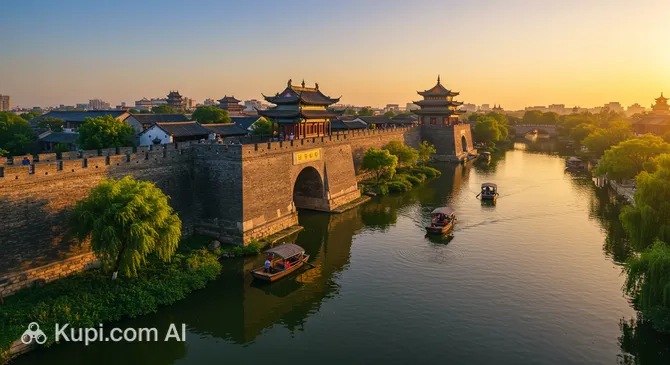
Jingzhou. Source: Kupi.Binoculars

Among the top attractions is the remarkably well-preserved Jingzhou Ancient City Wall, which encircles the old town and stands as a testament to the city's defensive strength in bygone eras. Another highlight is the Jingzhou Museum, renowned for its extensive collection of artifacts, including exquisite lacquerware and silk from the Warring States period. These sites provide an immersive experience for history buffs and culture enthusiasts alike.

Whether you are interested in exploring ancient fortifications or simply want to experience the local atmosphere of a storied riverside city, Jingzhou welcomes you with open arms. It is a destination that promises an enriching journey through time, making it a worthy addition to any travel itinerary in the region.

Weather Overview

Jingzhou experiences a distinct four-season climate, offering a variety of atmospheric conditions depending on when you choose to visit. To ensure you are fully prepared for your trip, it is advisable to consult the detailed forecast for the weather in Jingzhou before your departure. Generally, the city enjoys a subtropical environment characterized by hot summers and cool winters.

During the winter months, particularly in January and December, the weather is quite chilly. Average temperatures typically hover between 4.3°C and 6°C, with nighttime lows occasionally dropping near the freezing point. Conversely, the summer season brings significant heat. July is usually the warmest month, with average temperatures around 29°C and daily highs regularly reaching 32°C, making it the perfect time for light clothing.

Precipitation patterns also shift throughout the year. The summer period is not only the hottest but also the wettest in terms of frequency, with July seeing up to 16 wet days. In contrast, the winter months are much drier; December, for instance, typically has only about 4 days with precipitation. Overall, travelers can expect warm summers with occasional rain and cold, dry winters.

Interesting Facts

Beyond the well-known historical sites, Jingzhou holds fascinating secrets that bring its rich heritage to life. This city is not just a backdrop for ancient battles but a treasure trove of cultural oddities and architectural marvels that often surprise visitors.

  • A Wall Built with Rice: The incredible durability of the Jingzhou Ancient City Wall is often attributed to a unique ingredient in the mortar. Legend and historical analysis suggest that builders used a mixture of lime and glutinous rice soup, creating a "sticky rice" bond that was far stronger than standard lime mortar, allowing the fortification to withstand centuries of weathering and warfare.

  • A Famous Idiom: The city is the subject of a widely known Chinese saying: "Liu Bei borrowed Jingzhou." This idiom refers to borrowing something with no intention of returning it, stemming from the historical standoff where the warlord Liu Bei occupied the strategic city and repeatedly found excuses not to return it to his ally, Sun Quan.

  • The Cradle of Chu Culture: Long before the Three Kingdoms period, the area served as the capital of the State of Chu for over 400 years. It was the heart of a sophisticated civilization in China that revered the phoenix totem and produced distinctively romantic literature, setting it apart from the cultures of the central plains.

  • A 2,000-Year-Old Resident: The local museum is home to "Mr. Sui," a remarkably well-preserved male corpse from the Western Han Dynasty. Discovered in 1975, his body remains flexible with elastic skin despite being over two millennia old, making him a rare archaeological phenomenon comparable to the famous Lady Dai.

How to Get There

Reaching this historic city is quite convenient, with options ranging from direct flights to regional railway connections. Whether you are arriving from within China or from abroad, you can find all ways to reach the city and choose the one that best suits your itinerary.

The most convenient air gateway is Shashi (SHS), located directly in Jingzhou. It is situated approximately 20.6 km from the city center, and a taxi ride to the downtown area typically takes about 50 minutes. While it is a smaller airport, it offers direct access to the heart of the region.

For international travelers or those seeking more flight options, Wuhan Tianhe International Airport (WUH) is a major hub. However, it is located in Wuhan, about 195 km from Jingzhou. Traveling by taxi or bus from there can take around 5 hours, so many visitors prefer connecting via high-speed train. Another viable alternative is Yichang Sanxia Airport (YIH) in Yichang, which is about 85 km away, with a transfer time of roughly 2.5 hours by road.

For clarity, here is a summary of the main airports:

Airport Name City Passenger Traffic Km from City
Wuhan Tianhe International AirportWuhanVery Large195.2
Yichang Sanxia AirportYichangMedium85.3
Xiangyang AirportXiangyangMedium201.4
Changde AirportChangdeSmall167.4
ShashiJingzhouSmall20.6

If you prefer rail travel, the city is well-connected by the high-speed train network. The primary hub is Jingzhou Railway Station, located just 5.3 km from the city center. It is a busy station that links the city to many other parts of China. Once you arrive, a taxi or local bus can get you to the main districts in approximately 28 minutes.

Below is a list of railway stations serving the area:

Station City Passenger Traffic Km to Center
Tianmen South Railway StationXiantaoMedium116.3
Jingzhou Railway StationJingzhouMedium5.3
Qianjiang Railway StationQianjiang-63.2
Zhijiang Railway StationZhijiang-48.1
Jingmen Railway StationZhongxiang-79.7

Main Attractions

Jingzhou is a city where history feels incredibly tangible, offering visitors a chance to walk through the pages of the Three Kingdoms era. While the city is famous for its ancient fortifications, it also houses temples, residences, and towers that tell the stories of legendary generals and statesmen.

The Jingzhou Ancient City Wall is the city's most iconic landmark and one of the best-preserved defensive structures in China. While its history is well-known, the experience of visiting it is what makes it special. Tourists can walk or cycle along the top of the broad ramparts, enjoying panoramic views of the modern skyline contrasting with the traditional rooftops of the old town. The East Gate, often the main entrance for visitors, features an impressive tower that served as a command post in ancient times.

For fans of the Three Kingdoms lore, the Guan Yu Temple is an essential stop. Located just inside the South Gate, this temple is dedicated to the revered general Guan Yu, who governed the city and is worshipped as a symbol of loyalty and righteousness. The complex features grand halls, towering statues of the general, and serene courtyards. It is a vibrant place where local culture and legend merge, offering a spiritual glimpse into the hero worship that defines the region.

Standing majestically on the banks of the Yangtze River, the Wanshou Pagoda (Pagoda of Longevity) is a unique architectural marvel built during the Ming Dynasty. What makes this stone pagoda fascinating to tourists is its position relative to the river levee; due to the rising riverbed over centuries, the base of the pagoda now sits below the top of the dyke. It offers a scenic spot to view the mighty river and appreciate the resilience of local engineering against the elements.

Another cultural gem is Zhang Juzheng's Former Residence, the home of the illustrious Grand Secretary from the Ming Dynasty. This attraction provides a more intimate look at historical life in Jingzhou. The residence has been restored to reflect the architectural style of the period, complete with classical gardens, study halls, and exhibits detailing the life and reforms of one of China's most influential politicians. It is a quiet, educational retreat for those interested in the scholarly history of the nation.

Local Cuisine

The local cuisine of Jingzhou is a delightful reflection of its location in the heart of the "Land of Fish and Rice." Deeply rooted in historic Chu culture and influenced by the abundant resources of the Yangtze River, the city's food scene is characterized by fresh aquatic ingredients, savory flavors, and sophisticated steaming techniques. For food lovers, this city offers a unique gastronomic journey that blends ancient legends with mouthwatering tastes.

The most iconic dish you must try is the Jingzhou Fish Cake, locally known as Yugao. There is a famous saying here: "eating fish without seeing the fish." This delicacy is made from fresh freshwater fish, with the bones carefully removed and the meat processed into a smooth paste, mixed with egg whites, pork fat, and starch. The result is a tender, snow-white cake that is steamed and sliced. It has a soft, melt-in-the-mouth texture and is a staple at every festive banquet, symbolizing prosperity and rising fortune.

Another dish steeped in history is the Dragon and Phoenix Match (Long Feng Pei). This traditional specialty typically combines eel (representing the dragon) and chicken (representing the phoenix), cooked together in a savory sauce. It is often associated with the Three Kingdoms period and the marriage of Liu Bei to Lady Sun. The dish is not only delicious, featuring a rich and savory profile, but also serves as a cultural symbol of auspicious unions and harmony.

When it comes to street food, the Jingzhou Guokui is a legendary snack that you will find on many corners. This is a type of crispy, stuffed flatbread baked in a cylindrical charcoal oven, similar to a tandoor. The fillings can range from spicy beef to brown sugar, and the high heat renders the bread incredibly thin and crunchy. For breakfast, locals partake in the Hubei tradition of "Guo Zao," often enjoying a bowl of Zao Tang Mian (Morning Soup Noodles), which features chewy alkaline noodles in a rich bone broth, topped with braised pork or eel.

To accompany these meals, the local drinking culture is vibrant. The region is the home of Baiyunbian, a famous brand of Chinese liquor (baijiu) produced in the nearby Songzi area. It is known for its smooth finish and is frequently served at dinners and celebrations. For a non-alcoholic option, green tea is widely consumed, given Hubei's status as a major tea-producing province. In the humid summers, a bowl of chilled mung bean soup is also a popular way to cool down.

Dining in Jingzhou ranges from bustling street stalls serving hot noodles at dawn to elegant restaurants specializing in Chu cuisine. The atmosphere is generally casual and welcoming, with food being a central part of social life. Visitors should not miss the chance to explore the local night markets, where the aroma of spiced crayfish—another regional favorite—fills the air, offering a perfect end to a day of exploration.

Travel Tips

Planning a trip to Jingzhou is the start of an exciting journey into the heart of Chu culture and the Three Kingdoms history. To help you navigate the local lifestyle smoothly and make the most of your visit to this historic city in China, here are some essential practical tips to keep in mind.

  1. Clothing and Gear: The climate in Hubei can be quite distinct. Summers are hot and humid, so pack lightweight, breathable fabrics and sun protection. Winters can feel penetratingly cold due to the humidity, even if temperatures don't drop extremely low, so bring a warm, windproof coat and layers. Since exploring the Jingzhou Ancient City Wall involves a fair amount of walking, a pair of sturdy, comfortable walking shoes is a must.
  2. Transportation: Jingzhou does not currently have a metro system, so the best way to get around is by taxi or ride-hailing apps like DiDi (the local equivalent of Uber), which is integrated into Alipay and WeChat. Public buses are very affordable (usually 1 or 2 RMB) and cover most tourist sites, but route maps are almost exclusively in Chinese. It is highly recommended to have your destination written in Chinese characters to show drivers.
  3. Finances: The local currency is the Renminbi (RMB/CNY). While cash is accepted, China is a nearly cashless society. Most vendors, from shopping malls to street food stalls, prefer mobile payments via Alipay or WeChat Pay. Fortunately, both apps now allow international tourists to link foreign credit cards. It is still wise to carry a small amount of cash for emergencies, but don't rely on using physical credit cards directly at local shops.
  4. Health and Safety: Jingzhou is generally a safe city for travelers. However, tap water is not safe to drink; always buy bottled water or boil tap water before consumption. Pharmacies are marked with a green cross sign and are widely available, but staff may not speak English, so have a translation app ready or a photo of the medicine you need.
  5. Communication: Mandarin is the primary language, and English proficiency is relatively low outside of major hotels. A reliable translation app on your phone is indispensable. Additionally, remember that many Western apps (Google, Facebook, Instagram) are not accessible without a VPN or a roaming data plan that bypasses the firewall. Buying a local SIM card or an eSIM upon arrival is recommended for constant connectivity.
  6. Local Etiquette: "Face" (social reputation) is important in Chinese culture; avoid criticizing people or causing a scene in public. When dining, never stick your chopsticks vertically into a bowl of rice, as this resembles incense burning for the dead and is considered very bad luck. It is polite to try a little bit of everything served at a shared meal.
  7. What to Avoid: Do not rely solely on Google Maps, as the data can sometimes be outdated or offset in China. Instead, use Apple Maps (which works well locally) or Baidu Maps if you can navigate the interface. Also, avoid visiting popular attractions like the museum or the city wall during major Chinese holidays (like Golden Week in October) if you dislike large crowds.
  8. Local Tip: One of the best ways to experience the massive Jingzhou Ancient City Wall is by bicycle. You can often find bike rentals near the entrance gates. Cycling along the top of the ramparts offers a breezy, scenic perspective of the city that walking might not fully capture, allowing you to cover more ground with ease.

By keeping these practicalities in mind, you will be well-prepared to immerse yourself in the rich history and vibrant daily life of Jingzhou. Enjoy the delicious local cuisine, the ancient architecture, and the warm hospitality of the people in this fascinating riverside city.

Entertainment & Nightlife

While Jingzhou is steeped in ancient history, its nightlife offers a vibrant slice of modern Chinese culture, blending lively street scenes with contemporary entertainment. The city does not have the overwhelming clubbing scene of Shanghai or Beijing, but it boasts a bustling atmosphere centered around social dining, karaoke (KTV), and riverside leisure. For visitors, the night here is best spent soaking up the local energy in the Shashi District or enjoying the illuminated beauty of the historic fortifications.

The heartbeat of the city's evening entertainment is undoubtedly the Shashi District. This area serves as the commercial downtown and remains active well into the night. A prime destination here is Jingzhou Wanda Plaza. This massive complex is not just for shopping; it acts as a hub for nightlife, surrounded by a variety of bars, cinemas, and restaurants that stay open late. It is a popular meeting point for young locals and a convenient place for tourists to find a mix of entertainment options in one location.

For a more traditional and atmospheric experience, head to the area around the East Gate of the Ancient City. At night, the ancient walls and the gate tower are beautifully lit, creating a stunning backdrop for an evening stroll. Nearby, you will find bustling night markets and food streets. This is the perfect place to dive into Jingzhou's famous "Shao Kao" (barbecue) culture. The streets fill with the aroma of spiced crayfish—a local specialty—and grilled skewers, with locals sitting on small plastic stools enjoying beer and conversation until the early hours.

If you prefer a more relaxed evening, a walk along Binjiang Park by the Yangtze River is highly recommended. In the evenings, this riverside park is full of life, with locals dancing in public squares, flying LED-lit kites, or simply enjoying the cool river breeze. It offers a safe and family-friendly environment to observe local life. For those seeking a drink, the bars in Jingzhou tend to be lounge-style venues or "clear bars" (quiet pubs) rather than rowdy dance clubs, often featuring live acoustic music or dice games.

Practically speaking, nightlife in Jingzhou is very affordable compared to China's Tier-1 cities. A night out with drinks and a hearty barbecue meal is easy on the wallet. The city is generally very safe for night walks, even in the late hours, provided you stay in well-lit, populated areas. Getting around is simple; taxis are plentiful and cheap at night, and ride-hailing apps are the most convenient way to return to your hotel. Dress codes are casual almost everywhere, so there is no need to dress up formally unless you are visiting a high-end hotel lounge.

During the daylight hours, the city offers a different kind of entertainment. Apart from the historical sites, visitors can explore the Jingzhou Museum to see ancient artifacts or catch a performance at one of the local theaters showcasing traditional Chu culture. For families, the city's parks provide ample space for relaxation before the sun sets and the neon lights of the night markets take over.

Parks & Museums

Exploring Jingzhou offers a perfect balance between immersing yourself in ancient history and enjoying serene natural landscapes. The city is dotted with lush green spaces and world-class cultural institutions that preserve the legacy of the Chu culture and the Three Kingdoms period, providing visitors with a profound understanding of this storied region in China.

For those seeking relaxation amidst nature, Shashi Zhongshan Park is a premier destination. As one of the oldest and largest parks in the region, it serves as a green oasis in the bustling Shashi District. The park is beautifully landscaped with traditional pavilions, winding bridges, and calm lakes, making it a favorite spot for locals to practice Tai Chi or enjoy a leisurely boat ride. It also houses historical monuments, including the Spring and Autumn Pavilion, blending natural beauty with cultural significance.

Another significant green space is Binjiang Park, which stretches along the banks of the Yangtze River. This park is not only a scenic promenade offering expansive views of the mighty river but also home to the famous Iron Bull of Zhenjiang, a cast-iron statue dating back to the Qing Dynasty intended to suppress river floods. It is an ideal location for a sunset walk, allowing travelers to feel the cool river breeze while observing the daily life of the local people.

When it comes to museums, the Jingzhou Museum is an absolute must-visit. Ranked as a national-level museum, it boasts a staggering collection of over 130,000 artifacts. It is particularly renowned for its exquisite lacquerware and silk textiles from the Warring States period, which are considered some of the finest in the world. The museum also houses a rare exhibition of a well-preserved Western Han Dynasty male corpse, offering a fascinating, albeit slightly macabre, glimpse into ancient preservation techniques.

For a deep dive into the region's archaeological wonders, the Xiongjiazhong National Archaeological Site Park is a spectacular venue often referred to as the "Terracotta Warriors of the South." Located a short distance from the city center, this site features the grand chariot and horse pits of the Chu Kings. The sheer scale of the excavation and the orderly arrangement of the chariots provide a breathtaking visual of the military might and royal grandeur of the ancient Chu State.

The city's historical landscape is dominated by the Jingzhou Ancient City Wall. While it is a fortification, the area surrounding and atop the wall functions as a massive linear park. Visitors can cycle or walk the entire 11-kilometer loop, passing through gate towers and enjoying panoramic views of the moat and the old city architecture. Inside the walls, the Kaiyuan Temple stands as a serene Taoist site, known for its ancient architecture and peaceful courtyards that contrast with the busy streets outside.

For an authentic local experience, try visiting the East Gate Scenic Area early in the morning. This is where the city wakes up; you will find elderly residents flying kites, playing traditional instruments, or practicing sword dancing in the shadow of the ancient ramparts. It is a photographer's dream and offers a genuine slice of Jingzhou life that most tourists miss by arriving later in the day.

Getting Around

Navigating Jingzhou is primarily reliant on an extensive public bus network, as the city does not currently operate a metro system. The buses serve as the backbone of local mobility, connecting key areas such as the historic Shashi District, the Jingzhou Railway Station, and the ancient city zone. The fleet is generally modern and air-conditioned, offering a reliable and cost-effective way to move between major attractions and commercial hubs.

The payment system for public transport is highly digitized and user-friendly. The standard fare for most bus routes is a flat rate, typically around 1 or 2 RMB. While you can still pay with cash by dropping the exact change into the fare box upon entry, the most convenient method is using a mobile payment app. International tourists can utilize the transport codes within Alipay or WeChat Pay, which now support foreign credit cards, eliminating the need to hunt for small coins.

For those seeking more comfort or speed, taxis are a popular and affordable alternative. You can easily hail a taxi on the street, especially near transport hubs and shopping malls. Additionally, ride-hailing apps like DiDi are widely used and can be accessed in English through the Alipay or WeChat platforms. This is often the best option for visitors, as it removes the language barrier by allowing you to input your destination digitally before the ride begins.

Shared bicycles are another excellent way to cover short distances or explore the city at a leisurely pace. You will find rows of colorful bikes parked along sidewalks throughout the city. These can be unlocked simply by scanning the QR code on the frame with your mobile payment app. Given Jingzhou's relatively flat terrain, cycling is a pleasant option, particularly for trips along the Yangtze River or within the vicinity of the ancient walls.

A special feature designed specifically for tourists is the electric sightseeing shuttle service operating around the Jingzhou Ancient City Wall. Since the fortifications cover a vast perimeter, these eco-friendly carts provide a convenient "hop-on, hop-off" style service. They connect the various city gates and major historical sites, allowing you to save energy while enjoying a guided route around the historic ramparts.

To make your travel experience smoother, it is important to note that public bus operations usually wind down between 9:00 PM and 10:00 PM, which is earlier than in some larger metropolises. Since bus stop signs and route maps are almost exclusively in Chinese, it is highly recommended to have your destination written in Chinese characters or marked on a map app to show to drivers or locals if you need assistance.

Accommodation

Finding the perfect place to stay in Jingzhou is relatively straightforward, as the city offers a welcoming mix of accommodation options suited to various budgets and travel styles. While it may not have the sheer volume of luxury chains found in Beijing or Shanghai, travelers can choose from reliable modern hotels, comfortable mid-range business lodgings, and smaller, budget-friendly guesthouses. The hospitality sector here is well-developed, ensuring a comfortable base for exploring the region's rich history.

When choosing a location, most visitors gravitate towards two main areas: the Shashi District and the Jingzhou District (the Ancient City area). Shashi is the commercial heart of the city, bustling with shopping malls, restaurants, and nightlife. It is the best choice if you prefer modern conveniences, proximity to transport hubs like the port or the long-distance bus station, and a lively urban atmosphere. Many of the city's higher-end hotels are clustered here, particularly around the Wanda Plaza area, offering river views and extensive amenities.

For those who wish to be immersed in history, staying within or near the Ancient City Wall in the Jingzhou District is ideal. This area is quieter and places you within walking distance of major attractions like the Jingzhou Museum and the Guan Yu Temple. Accommodation here tends to be more modest but atmospheric, ranging from older established hotels to newer boutique-style inns that cater to tourists looking for a cultural experience.

Booking Tips: A crucial tip for international travelers in China is to confirm that your chosen hotel is licensed to accept foreign guests. Not all budget properties or smaller inns have the authorization to host non-mainland ID holders. It is highly recommended to book through major international platforms where this information is clearly stated, or to contact the hotel directly before arrival to avoid any check-in issues.

In terms of pricing, Jingzhou is generally very affordable. Budget travelers can find clean and basic rooms for very reasonable rates, while mid-range options offer excellent value with spacious rooms and breakfast included. Even luxury stays in the city are often priced significantly lower than comparable hotels in China's Tier-1 cities. Booking in advance is advisable if you plan to visit during Chinese national holidays, such as the Spring Festival or Golden Week in October, when demand spikes significantly.

Nearby Cities

For those looking to explore the surroundings, Jingzhou serves as an excellent base for day trips to several interesting nearby locations. The region is rich in history and natural beauty, offering travelers the chance to experience the diverse landscapes of Hubei province within a short travel time.

Yichang is arguably the most famous neighbor, known globally as the gateway to the Three Gorges. Located just upstream along the Yangtze River, it offers spectacular scenery and is the primary access point for visiting the massive Three Gorges Dam, a marvel of modern engineering. Visitors can also enjoy river cruises through the breathtaking Xiling Gorge, making it a perfect spot for nature lovers.

To the south lies Changde, a city celebrated for its association with the "Peach Blossom Land" (Taohuayuan). This scenic area is inspired by a classic Chinese fable describing an ethereal utopia, offering lush gardens and peaceful landscapes. The city is also home to the expansive Liuye Lake, which is ideal for leisurely boat rides and waterfront walks.

Another culturally significant destination is Tianmen, renowned as the hometown of Lu Yu, the "Sage of Tea." As the birthplace of the author of The Classic of Tea, the city is steeped in tea culture and history. It offers a quieter, more educational experience for those interested in the traditions that have shaped Chinese society for centuries.

City Population Distance (km)
Changde 5,827,200 154
Yichang 4,137,900 100
Yicheng 1,285,785 154
Tianmen 1,247,400 96
Xiantao 1,140,100 117

These nearby destinations offer a glimpse into the diverse culture and landscapes of the region.

Shopping & Souvenirs

Shopping in Jingzhou offers a pleasant mix of modern retail convenience and traditional cultural discovery. While the city may not be a massive international fashion hub, it provides a distinct experience where visitors can browse through contemporary shopping centers or hunt for unique local handicrafts that reflect the region's deep historical roots in Chu culture.

The primary commercial heartbeat of the city is found in the Shashi District. This area serves as the modern downtown and is home to bustling pedestrian streets lined with clothing boutiques, electronics shops, and department stores. It is the go-to area for locals and tourists alike who are looking for branded goods, daily necessities, or a lively urban atmosphere.

For a comprehensive shopping experience, Jingzhou Wanda Plaza in the Shashi District is the most prominent destination. This large, modern mall houses a wide array of domestic and international brands, covering everything from fashion and cosmetics to sportswear. It is a convenient stop for travelers who need to restock on travel supplies or prefer a climate-controlled environment with diverse dining and entertainment options under one roof.

If you are interested in more traditional commerce, the areas surrounding the Ancient City offer a different vibe. The markets near the city gates, particularly in the evenings, often feature stalls selling small trinkets, accessories, and local crafts. While these markets are heavily focused on street food, they are also excellent places to find inexpensive souvenirs and observe the local bargaining culture.

When it comes to souvenirs, Jingzhou boasts several unique specialties worth bringing home. The region is famous for Chu-style lacquerware, known for its exquisite craftsmanship and dramatic red and black color schemes. Silk embroidery is another culturally significant purchase. For those who enjoy culinary gifts, vacuum-packed Jingzhou fish cakes or high-quality local tea are popular choices that allow you to share the flavors of Hubei with friends back home.

Standard operating hours for malls and major retail stores are typically from 10:00 AM to 10:00 PM, though smaller independent shops may close earlier. As with most of China, digital payments are ubiquitous; Alipay and WeChat Pay are the preferred methods for everything from mall purchases to street stall snacks. While cash is legally accepted, carrying a mobile payment option is highly recommended for a smoother experience.

Tourists should note that Jingzhou is generally not a designated tax-free shopping zone for immediate refunds. unlike some of the country's major international gateways. Visitors should not expect VAT refund counters in local malls and should plan their shopping budget with the understanding that the listed price is final.

Reached the end of the page?

That means the route is fully explored