Shopping in Wuhan offers a dynamic mix of historical charm and ultramodern retail therapy, reflecting the city's status as a commercial powerhouse in central China. Visitors can explore everything from century-old pedestrian streets lined with colonial architecture to colossal shopping complexes that rank among the largest in the country. Whether you are looking for high-end international luxury brands, trendy local fashion, or traditional handicrafts, the city provides a diverse retail landscape that caters to every budget and taste.
The crown jewel of the city's shopping scene is undoubtedly Jianghan Road Pedestrian Street. Stretching over a kilometer, it is one of the longest pedestrian streets in China and serves as an open-air museum of architecture, featuring styles ranging from Roman to Byzantine. It is a bustling hub where department stores and brand-name boutiques coexist with snack stalls. Another must-visit destination is the Chu River and Han Street. This modern cultural and commercial project is designed along a man-made river, offering a scenic shopping experience with a blend of modern fashion brands, cafes, and unique red-and-grey brick architecture that pays homage to the traditional style of the region.
For those who prefer the comfort of large-scale malls, Wuhan International Plaza in the Hankou district is a premier destination for luxury shopping, housing top-tier global brands and an indoor ice skating rink. Alternatively, the Optics Valley Pedestrian Street offers a completely different vibe. Popular with the city's massive student population, this sprawling complex mimics European architecture with sections designed like Spanish, Italian, and German streets, providing a youthful atmosphere filled with affordable fashion, cinemas, and endless dining options.
To experience the city's trading heritage, a visit to Hanzheng Street is essential. Historically known as the "First Street of Small Commodities" in China, it remains a bustling wholesale market where you can find clothing, household goods, and accessories at bargain prices. While it can be chaotic and crowded, it offers a fascinating glimpse into the raw commercial energy of the city. Bargaining is common here, so be prepared to negotiate for the best deals.
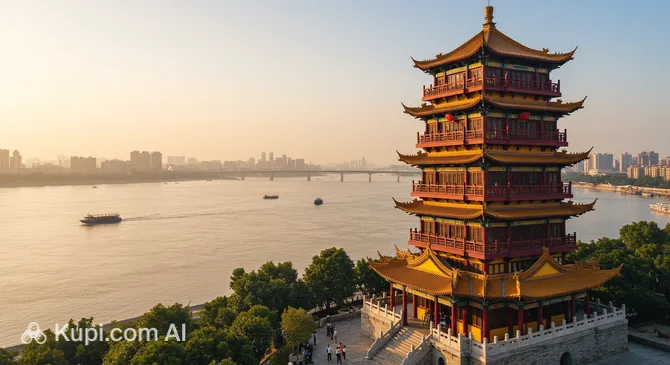
When searching for authentic gifts to take home, look for items that represent Hubei's cultural heritage. Turquoise is a popular local specialty, as the province is a major producer of this gemstone. Traditional Han embroidery, known for its vibrant colors and imaginative patterns, makes for a sophisticated souvenir. For food lovers, vacuum-packed duck necks are the quintessential local snack, allowing you to bring the spicy flavor of the city back with you. You can also find high-quality tea and souvenir replicas of ancient bells near major landmarks like the Yellow Crane Tower.
Most shopping malls and department stores operate daily from around 10:00 AM to 10:00 PM. Independent shops and street markets may open earlier and close later depending on the flow of customers. As with the rest of the country, digital payments via Alipay and WeChat Pay are the norm and are accepted almost everywhere, from high-end boutiques to street vendors. While major malls accept international credit cards, it is advisable to carry some cash for smaller transactions in markets.
International tourists should note that tax-free shopping is available at designated large department stores and malls. If you purchase eligible goods exceeding a certain amount (typically 500 RMB) in one store on the same day, you may be entitled to a VAT refund. Look for the "Tax Free" signage at the entrance or service counters, and ensure you have your passport handy to process the refund forms before leaving the country.