Support

Jiujiang

About

Jiujiang, situated on the southern banks of the majestic Yangtze River in Jiangxi Province, is a city that beautifully blends natural splendor with urban vitality. Known historically as a vital transportation hub, this bustling metropolis serves as a key gateway to the region. As a significant port city in China, it boasts a population of nearly 5 million residents and offers a unique atmosphere where bustling commerce meets serene landscapes.

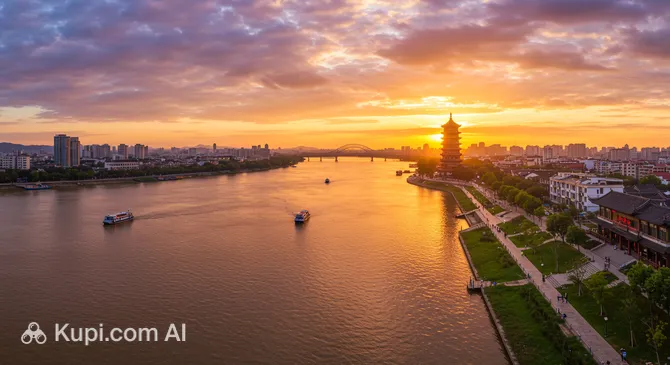
Jiujiang. Source: Kupi.Binoculars

The city's strategic location near the confluence of the Yangtze and Poyang Lake—the country's largest freshwater lake—has shaped its identity for centuries. Visitors interested in the region's deep cultural roots can explore the history of Jiujiang, which reveals its long-standing importance as a center of tea trade and spirituality dating back over 2,000 years.

Jiujiang is perhaps best known as the primary access point to the renowned Mount Lushan, a UNESCO World Heritage site famous for its misty peaks, cascading waterfalls, and historical architecture. In addition to the mountain, the city itself features attractions like the ancient Xunyang Tower, which offers panoramic views of the river, and the peaceful Nengren Temple. Whether you are drawn by the allure of nature or the charm of local heritage, Jiujiang invites you to discover its many treasures.

Weather Overview

The climate in Jiujiang is marked by distinct seasonal changes, offering travelers a mix of hot, humid summers and cool winters. For a more detailed breakdown of what to expect during your specific travel dates, you can consult the guide on the weather in Jiujiang.

Summer is the warmest period, particularly in July and August, when average temperatures hover around 30°C and daily highs frequently reach 33°C. This season is also quite wet, with June seeing the highest frequency of precipitation, recording approximately 20 wet days. In contrast, winters are chilly, with January averages dropping to 5.5°C and minimum temperatures nearing 2.4°C.

Spring and autumn offer milder transitions, though travelers should be prepared for damp conditions in spring, which sees about 14 to 16 wet days per month. Overall, expect warm summers with occasional rain and cold, drier winters during your stay.

Interesting Facts

Beyond the misty peaks of Mount Lushan, Jiujiang holds many fascinating secrets that are often overlooked by visitors. This historic port city is not just a transit point but a place steeped in legends, literary masterpieces, and enduring mysteries.

  • The "Bermuda Triangle of the East": The northern part of Poyang Lake, specifically the waters near Laoye Temple, is shrouded in mystery. Known locally as the "Bermuda Triangle of the East," this area has a reputation for sudden storms and unexplained ship disappearances. Legends dating back centuries speak of strange whirlpools and supernatural forces that have baffled sailors and scientists alike.

  • A Scholar and his Deer: The White Deer Grotto Academy, located at the foot of Mount Lushan, is one of the oldest institutions of higher learning in the world. It was originally the study retreat of Li Bo (a Tang Dynasty scholar, distinct from the famous poet Li Bai), who raised a white deer that accompanied him everywhere. This unique companion gave the academy its memorable name, and the site later became a premier center for Confucian studies.

  • Birthplace of a Masterpiece: Jiujiang, historically known as Jiangzhou, is the setting for one of China's most beloved poems, "Pipa Xing" (Song of the Pipa). The renowned poet Bai Juyi wrote this melancholic masterpiece while exiled here in the 9th century, inspired by a chance encounter with a talented musician on the Yangtze River.

  • The Meaning of "Nine Rivers": The name "Jiujiang" literally translates to "Nine Rivers." Ancient geographers believed that nine different rivers converged here to flow into the Yangtze, making it a critical junction for trade and transport throughout imperial history.

How to Get There

Reaching this historic port city is relatively straightforward thanks to its strategic location along the Yangtze River and its proximity to several major transport hubs. Whether you prefer flying or taking the train, there are convenient options to suit your itinerary. For a comprehensive guide on all available routes and transport modes, you can check the detailed page on how to get to Jiujiang.

Travelers looking to fly have a few viable choices. The most direct option is the local Jiujiang airport (IATA: JIU), situated approximately 25 km from the city center. A taxi ride from here to downtown typically takes around 60 minutes. However, flight schedules to this smaller regional airport can be limited. For a wider range of international and domestic connections, many visitors choose to fly into Nanchang Changbei International Airport (IATA: KHN) in the nearby city of Nanchang. Located about 88 km away, this major hub handles significantly more traffic. The journey from Nanchang Changbei to Jiujiang by road usually takes about 2.5 hours.

For clarity, here is a summary of the main airports:

Airport Name City Passenger Traffic Km from City
Nanchang Changbei International Airport Nanchang Large 88.4
Anqing Tianzhushan Airport Anqing Medium 146.9
Jiujiang Jiujiang Medium 25.0
Jingdezhen Airport Jingdezhen Medium 123.7
Ezhou Huahu Ezhou Medium 116.9

China's extensive railway network makes train travel another excellent way to arrive. The city is served directly by the Jiujiang Railway Station (IATA: JJJ), which is conveniently located just 6.9 km from the city center, making the final leg of your journey a quick 30-minute taxi ride. If you are unable to find a direct ticket, you might consider routing through the Nanchang Railway Station in Nanchang, roughly 115 km away. Nanchang acts as a major rail hub for the province, offering frequent high-speed connections to other parts of the country, after which you can easily transfer to Jiujiang.

Below is a list of relevant railway stations in the region:

Station City Passenger Traffic Km to Center
Wuhan Railway Station Wuhan Very Large 181.5
Nanchang Railway Station Nanchang Large 115.7
Huangshi Railway Station Huangshi Medium 112.5
Macheng North Railway Station Macheng Medium 190.7
Jiujiang Railway Station Jiujiang 6.9

Main Attractions

Jiujiang offers a captivating mix of natural wonders and historical landmarks, serving as a cultural bridge between the bustling Yangtze River and the serene landscapes of Jiangxi. From misty mountains to ancient architectural gems, the city's top sights provide a deep dive into the region's rich heritage and ecological beauty.

Undoubtedly the crown jewel of the region, Mount Lushan is a UNESCO World Heritage site renowned for its breathtaking scenery. Visitors are drawn to its mist-covered peaks, dramatic cliffs, and cascading waterfalls. It has long been a favored summer retreat due to its cooler climate, and it holds deep cultural significance with its historic villas and ancient temples nestled in the lush greenery. The mountain is not just a scenic spot but a cultural landscape that has inspired poets and painters for millennia.

For a touch of literary history, Xunyang Tower is a must-visit destination. Situated on the banks of the Yangtze River, this architectural gem is famously associated with the classic Chinese novel The Water Margin. It offers tourists panoramic views of the river traffic and a chance to immerse themselves in the traditional architecture and calligraphy that adorn the structure. It is an ideal spot to watch the sunset over the water while reflecting on the legends of the past.

Nature enthusiasts will be mesmerized by Poyang Lake, China's largest freshwater lake. It serves as a vital habitat for migratory birds, making it a paradise for birdwatchers, especially in winter when thousands of Siberian cranes arrive. The lake's vast, shifting waters create a dynamic landscape that changes dramatically with the seasons, offering serene boat rides and picturesque horizons that seem to merge with the sky.

Located at the northwest foot of Mount Lushan, Donglin Temple stands as a serene testament to the region's spiritual heritage. Founded in the Eastern Jin Dynasty, it is considered the birthplace of the Pure Land sect of Buddhism. The temple complex features imposing halls, tranquil courtyards, and ancient trees, providing a peaceful atmosphere for contemplation and a fascinating glimpse into China's religious history.

Another iconic landmark is the Suojiang Tower, a pagoda standing guard by the river. Built originally to suppress the "river dragons" and prevent floods according to local legend, it has guided sailors for centuries. The surrounding park offers a quiet escape from the city noise, and the tower itself presents a striking silhouette against the backdrop of the Yangtze, making it a popular subject for photography.

Local Cuisine

Jiujiang’s culinary scene is a delightful reflection of its geography, blending the spicy, savory notes of Gan cuisine (Jiangxi cuisine) with the fresh abundance of the Yangtze River and Poyang Lake. The local food is characterized by its rich flavors, liberal use of chili peppers, and a heavy emphasis on freshwater fish. Visitors will find that meals here are hearty, often stewed or braised to perfection, and designed to combat the region's humid climate.

No trip to the region is complete without trying the famous "Three Stones of Lushan" (Lushan San Shi), a trio of delicacies found on the nearby mountain. This includes Stone Chicken (actually a type of frog living in rock crevices), which is prized for its tender meat; Stone Fish, a small, transparent fish often fried with eggs; and Stone Fungus, a nutritious mushroom usually stewed in soups. Down by the water, the signature dish is undoubtedly the Poyang Lake Fat Fish Head, usually braised in a spicy sauce with red peppers, offering a melt-in-the-mouth texture that pairs perfectly with rice.

For a lighter snack, you must try the Jiujiang Tea Biscuit (Cha Bing). Dating back to the Song Dynasty, this small, golden pastry is filled with a sweet mixture of sesame, osmanthus, and tea oil. It is crisp on the outside and soft on the inside, making it an ideal souvenir or a quick treat while exploring. Another popular street food is the pan-fried bun stuffed with beef and radish, known for its crispy bottom and juicy filling.

When it comes to drinks, the city is renowned for its premium green tea, Lushan Yunwu Tea (Cloud and Mist Tea). Grown on the misty peaks of Mount Lushan, this tea is famous for its clear broth, lasting fragrance, and sweet aftertaste. It is the quintessential local beverage and is often served to welcome guests. For something stronger, locals enjoy various types of rice wine and baijiu, which are staples at dinner gatherings and celebrations.

The food culture in Jiujiang is vibrant and unpretentious. Locals love to dine in bustling restaurants where round tables encourage communal sharing of dishes. In the evenings, the city comes alive with night markets and snack streets, particularly near the riverfront, where the air is filled with the aroma of spicy crayfish, grilled skewers, and frying chilies. Whether you are sitting in a lakeside pavilion or grabbing a bite from a street vendor, the bold flavors of Jiujiang are sure to leave a lasting impression.

Travel Tips

Welcome to Jiujiang! To ensure your journey through this historic port city and the breathtaking Mount Lushan region is as smooth as it is memorable, we have compiled a set of essential travel guidelines. These practical tips will help you navigate local customs, logistics, and daily life with the confidence of a seasoned traveler.

  1. Clothing and Gear: Jiujiang experiences a humid subtropical climate with four distinct seasons. For summer visits (June to August), pack lightweight, breathable fabrics and reliable rain gear, as humidity is high and showers are frequent. Winters can be damp and chilly, so a warm coat and thermal layers are necessary. If you plan to hike Mount Lushan, sturdy walking shoes are non-negotiable. Additionally, bring a universal power adapter (Type A, C, or I) to keep your devices charged.
  2. Transportation: The city has an extensive and affordable bus network, usually costing 1-2 RMB per ride, though route maps are predominantly in Chinese. For international tourists, ride-hailing apps like DiDi (often accessible via Alipay in English) are the most convenient way to get around, eliminating language barriers with drivers. Taxis are also plentiful; just ensure the driver uses the meter. Car rental is generally not recommended due to complex local traffic regulations and the requirement for a Chinese driving license.
  3. Finances: The local currency is the Chinese Yuan (CNY or RMB). While cash is still accepted, China is a digital-first society. It is highly recommended to download Alipay or WeChat Pay and link your international credit card, as this is the primary payment method for everything from street snacks to taxi rides. ATMs at major banks like the Bank of China or ICBC usually accept foreign cards for cash withdrawals. Tipping is not part of the local culture and is not expected in restaurants or taxis.
  4. Health and Safety: Jiujiang is generally very safe for tourists. Pharmacies are easy to identify by a green cross sign, though few operate 24/7 outside the city center. A crucial health tip is to never drink tap water; always opt for bottled water or boiled water, which is commonly provided in hotels. In summer, carry insect repellent if you are exploring nature reserves or lakeside areas.
  5. Communication: Mandarin is the primary language, and the local dialect (Jiujiang dialect) is also spoken. English proficiency is limited outside of high-end hotels and major tourist sites. It is essential to have a translation app installed on your phone (such as Baidu Translate or an offline version of Google Translate). Purchasing a local SIM card upon arrival or setting up an eSIM with a roaming package is vital for accessing maps and translation tools, as many Western apps may be inaccessible without roaming or a VPN.
  6. Local Etiquette: Politeness is highly valued. When greeting locals, a nod or a smile is sufficient; handshakes are common in formal situations. When dining, wait to be seated and never stick your chopsticks vertically into a bowl of rice, as this resembles incense burning for the dead. If you visit temples like Donglin Temple, dress modestly (covering shoulders and knees) and ask for permission before taking photos of monks or worshippers.
  7. What to Avoid: Avoid taking unlicensed taxis or "black cars" (heiche) that may approach you at train stations or tourist entrances; they often overcharge. Additionally, try to avoid traveling during major Chinese holidays like the National Day Golden Week (early October) or Chinese New Year, as popular spots like Mount Lushan become extremely crowded.
  8. Local Insight: If you are visiting Mount Lushan in the summer to escape the city heat, be aware that the temperature on the mountain is significantly lower than in downtown Jiujiang. Even in July, it is wise to bring a light jacket for the evenings. Also, don't miss the chance to buy "Lushan Cloud and Mist Tea" directly from local shops; it makes for a lightweight and authentic souvenir.

With these tips in hand, you are well-prepared to explore the scenic beauty and cultural depth of Jiujiang. Whether you are sipping tea by the Yangtze or climbing the misty peaks of Lushan, we hope your adventure is safe, comfortable, and full of discovery.

Entertainment & Nightlife

Jiujiang comes alive after sunset with a nightlife scene that perfectly balances its historic charm with modern energy. While it may not have the frenetic pace of China's mega-cities, the city offers a welcoming mix of lively entertainment districts, riverside promenades, and bustling night markets. The primary hub for evening activities is the Xunyang District, particularly the areas along the Yangtze River and around Gantang Lake, where locals gather to socialize, dine, and enjoy the cool river breeze.

For those seeking a classic nightclub experience, Jiurui Avenue is a key destination. This thoroughfare is known for hosting some of the city's most energetic venues. One of the prominent spots here is 88 Club, a popular destination for both locals and visitors looking to dance to electronic music, play traditional dice games, and experience the high-energy atmosphere typical of Chinese nightclubs. The crowd here is generally young and fashionable, and the peak hours are usually from 10:00 PM to 2:00 AM.

If you prefer a more relaxed setting with a view, the Binjiang Road area along the riverfront is an excellent choice. Here you can find places like Lisa Bar, which offers a vantage point to appreciate the lights reflecting off the Yangtze River. For music lovers, Happy Time Music Bar on Xunyang Road provides a cozy environment where you can enjoy live performances and a wide selection of drinks. The dress code for most bars and clubs in Jiujiang is smart-casual; there is rarely a need for formal attire.

No night out in Jiujiang is complete without exploring its vibrant street food culture. As the evening deepens, the aroma of spicy crayfish and charcoal-grilled skewers (Shao Kao) fills the air. The streets around Yanshui Pavilion and the pedestrian areas near the city center transform into bustling food havens. These night markets are the perfect places to try local specialties at very affordable prices, often staying open until the early hours of the morning.

Safety is generally not a concern in Jiujiang, and walking around the main commercial and riverside areas at night is considered very safe. Public transport winds down around 9:00 PM or 10:00 PM, so taxis and ride-hailing apps are the best ways to get around late at night. Taxis are inexpensive and plentiful, making it easy to hop between dinner, a bar, and your hotel.

During the day, Jiujiang offers a different kind of entertainment focused on culture and nature. History buffs should visit the Jiujiang Museum to understand the region's past or take a boat ride on Gantang Lake for a peaceful afternoon. Of course, the city serves as the primary gateway to the majestic Mount Lushan, where visitors can spend their days hiking and exploring ancient villas before returning to the city for the evening festivities.

Parks & Museums

Jiujiang is a city where urban life is deeply intertwined with nature and history, offering visitors a variety of lush green spaces and cultural institutions. Beyond the famous mountains nearby, the city center itself is dotted with scenic lakes and parks, while its museums provide fascinating insights into the region's role as a historic port and center of learning in China.

One of the most beloved natural areas in the heart of the city is Gantang Lake. This expansive body of water acts as a central park for locals and tourists alike, offering a serene escape from the bustling streets. The lake is famous for the Yanshui Pavilion, located on an island in the center, which is accessible via a zigzag bridge. It is a perfect spot for a leisurely stroll or a boat ride, allowing visitors to appreciate the poetic scenery that has inspired writers for centuries. The surrounding pathways are lined with willows, making it an ideal location for photography and relaxation.

Connected to Gantang Lake is Nanhu Park (South Lake Park), which offers a more expansive green space for recreation. It features beautifully landscaped gardens, traditional pavilions, and wide promenades that are popular with morning joggers and families. The park creates a harmonious ecological environment within the city, often filled with the sounds of local musicians practicing traditional instruments. It serves as a "green lung" for Jiujiang, providing fresh air and a peaceful atmosphere just steps away from the commercial districts.

For those interested in delving deeper into the local heritage, the Jiujiang Museum is an essential stop. Located near the scenic Nanhu Lake, this modern facility houses a comprehensive collection of artifacts that trace the city's history from ancient times to the present. Highlights include exquisite porcelain pieces—reflecting the region's proximity to the ceramic capital of Jingdezhen—as well as ancient bronzes and calligraphy. The museum effectively narrates the story of Jiujiang's rise as a pivotal trade hub on the Yangtze River.

Although situated at the foot of Mount Lushan, the White Deer Grotto Academy acts as a significant open-air museum of Chinese education and philosophy. As one of the Four Great Academies of ancient China, it offers a profound look into traditional Confucian culture. Visitors can explore the well-preserved lecture halls, stone archways, and tranquil courtyards where scholars once studied. It is a place of immense cultural weight, reflecting the intellectual spirit that has permeated the region for over a thousand years.

For a truly unique local experience, seek out the 98 Flood Fighting Memorial Square near the riverfront. It commemorates the city's resilience during the massive Yangtze River floods of 1998. The site features a striking monument and a captured boat used in the flood defense, offering a poignant reminder of the powerful relationship between the city and the river.

Getting Around

Navigating Jiujiang is convenient and affordable, with a well-developed road network connecting the urban center to the scenic outskirts. While the city does not currently operate a metro system, visitors can rely on an extensive fleet of public buses, plentiful taxis, and modern ride-hailing services to explore the area efficiently.

The public bus system is the most economical way to move around, with routes covering all major districts, railway stations, and tourist sites. Fares are typically very low, generally costing 1 to 2 RMB per ride depending on the season (air-conditioned buses charge more in summer and winter). Most buses operate from early morning until around 9:00 PM or 10:00 PM. Payment is usually made via exact cash change or by scanning a transport QR code within apps like Alipay or WeChat. Since bus stop signs and announcements are predominantly in Chinese, it is highly recommended to use a navigation app to track your route in real-time.

Taxis are ubiquitous in China and offer a flexible alternative for travelers. In Jiujiang, they can be easily hailed on the street and are generally inexpensive compared to larger metered cities. The drivers are legally required to use the meter, so ensure it is switched on when you start your journey. For those who prefer a digital experience, ride-hailing apps like DiDi are widely available and extremely popular. Using an app is often easier for international tourists as it removes the language barrier by allowing you to input your destination in English (if the app version supports it) and pay automatically.

For visitors heading to the famous Mount Lushan, specific transport options are available. Dedicated tourist buses depart from the Jiujiang Long-Distance Bus Station and the railway station area, taking passengers directly to the mountain's entrance or the town of Guling on the summit. Alternatively, many travelers opt to take a taxi or bus to the Lushan Ropeway lower station, where a scenic cable car ride whisks you up the mountain in just minutes, offering spectacular aerial views of the landscape below.

Accommodation

Finding the perfect place to stay in Jiujiang is relatively easy, as the city offers a diverse range of accommodation options to suit various budgets and travel styles. From economical hostels and efficient business hotels in the bustling city center to luxurious resorts and historic villas, travelers can find lodgings that match their needs. Whether you are a backpacker passing through or a family looking for a comfortable retreat, the local hospitality sector is well-equipped to welcome you.

When choosing where to stay, most visitors decide between two distinct areas based on their itinerary: the downtown area (Xunyang District) or the scenic Mount Lushan. Staying in the city center, particularly near Gantang Lake or the Yangtze River waterfront, places you within walking distance of local night markets, restaurants, and historical sites like Xunyang Tower. This area is ideal for those who want to experience the urban pulse of the city. Alternatively, travelers focused on nature often head directly to Guling Town, a charming settlement located on top of Mount Lushan. Staying here offers a unique alpine experience, surrounded by colonial-style architecture and misty peaks, though it requires a journey up the mountain.

For those prioritizing convenience, the area surrounding the Jiujiang Railway Station offers a high concentration of mid-range and budget hotels. This location is particularly practical for travelers arriving late by train or planning an early departure. These hotels generally provide modern amenities and easy access to public transport, making them a solid base for short stopovers before heading to the mountain or other parts of Jiangxi Province.

Booking Tip: If you plan to visit during the peak summer months (July and August) or during major Chinese holidays like the National Day Golden Week, it is essential to book your accommodation well in advance. This is especially true for hotels in Guling Town on Mount Lushan, which is a famous summer retreat for domestic tourists and fills up quickly. Additionally, international travelers should confirm that their chosen hotel is licensed to accept foreign guests, as regulations can vary by property.

In terms of pricing, Jiujiang is generally quite affordable compared to major metropolises like Shanghai or Beijing. Budget travelers can find clean and comfortable rooms for under 200 RMB per night, while mid-range hotels typically range from 250 to 500 RMB. Luxury options, particularly the resort-style hotels on the mountain or high-end chains in the city, can cost significantly more. Booking is best done through major international platforms or reputable Chinese travel apps to ensure a smooth check-in process.

Nearby Cities

For those looking to explore the surroundings, Jiujiang serves as an excellent base for day trips to several interesting nearby locations:

Just a short distance away lies Nanchang, the capital of Jiangxi Province. It is a vibrant metropolis famous for the historic Pavilion of Prince Teng, which offers commanding views of the Gan River, and its significant role in China's revolutionary history. To the north, across the Yangtze River in Anhui Province, is Anqing. This city is renowned for its deep cultural roots, particularly as the birthplace of Huangmei Opera, and serves as a gateway to the scenic Tianzhu Mountain. Another interesting option is Huangshi in Hubei Province, known for its unique industrial heritage tourism and the beautiful Cihu Lake.

City Population Distance (km)
Tongshan 9083790 99
Huanggang 6333000 136
Anqing 4723000 145
Nanchang 3576547 109
Huangshi 2471700 107

These nearby destinations offer a glimpse into the diverse culture and landscapes of the region.

Shopping & Souvenirs

Shopping in Jiujiang offers a delightful blend of modern convenience and traditional charm, reflecting the city's status as a bustling port and tourist hub. While it may not rival the high-end luxury scene of China's largest metropolises, the city provides a vibrant commercial atmosphere where visitors can find everything from international brands to unique local handicrafts. The shopping experience here is less about haute couture and more about discovering authentic regional specialties and enjoying the lively street life.

The commercial heart of the city beats strongest along Xunyang Road. This major thoroughfare is lined with department stores, boutiques, and electronic shops, making it a one-stop destination for general needs. Connected to this area is the popular Dazhong Road Pedestrian Street. This vehicle-free zone is a favorite among locals for an evening stroll, packed with clothing stores, souvenir shops, and snack vendors. The atmosphere here is energetic, especially after dark when the neon lights illuminate the bustling crowds.

For a more modern, air-conditioned shopping experience, Jiujiang Wanda Plaza is the city's premier lifestyle center. Located in the Lianxi District, this large complex houses a wide array of fashion retailers, restaurants, a cinema, and entertainment facilities. It is an excellent place to escape the summer heat or winter chill while browsing well-known domestic and international brands. Another notable destination is the Liansheng Plaza, a well-established shopping hub that caters to a mix of mid-range and upscale preferences.

Travelers looking for authentic local flavor should explore the city's specialty markets. Given the region's fame for tea production, there are numerous tea shops and wholesale markets scattered throughout the city, particularly near the city center and the base of Mount Lushan. These markets allow visitors to sample different grades of tea before purchasing, offering a cultural experience alongside the transaction.

When it comes to souvenirs, Lushan Yunwu Tea (Cloud and Mist Tea) is undoubtedly the top choice. Grown on the misty peaks of the nearby mountain, this green tea is renowned across the country for its delicate flavor and is often sold in beautiful gift tins. Another excellent gift is the Jiujiang Tea Biscuit, a sweet and crispy traditional pastry that pairs perfectly with tea. Additionally, due to Jiujiang's proximity to Jingdezhen (the porcelain capital), you can often find high-quality ceramics and porcelain sets in local shops at competitive prices.

Most shopping malls and department stores in Jiujiang operate from around 10:00 AM to 10:00 PM daily. Smaller street shops may have more flexible hours, often staying open late into the evening. Payment methods have gone largely digital; while major shopping centers may accept international credit cards, the vast majority of vendors, including taxi drivers and market stalls, prefer mobile payments via Alipay or WeChat Pay. It is highly recommended to set up one of these apps on your phone. Cash is accepted but is becoming less common for small transactions.

Regarding Tax-Free shopping, it is important to note that Jiujiang is not a primary hub for international duty-free shopping. The tax refund schemes found in major gateway cities like Beijing or Shanghai are generally not available here. Visitors should expect to pay the listed price, which includes all applicable taxes, and bargaining is acceptable and expected in street markets and independent stalls, but not in department stores or malls.
Reached the end of the page?

That means the route is fully explored