Support

Chizhou

About

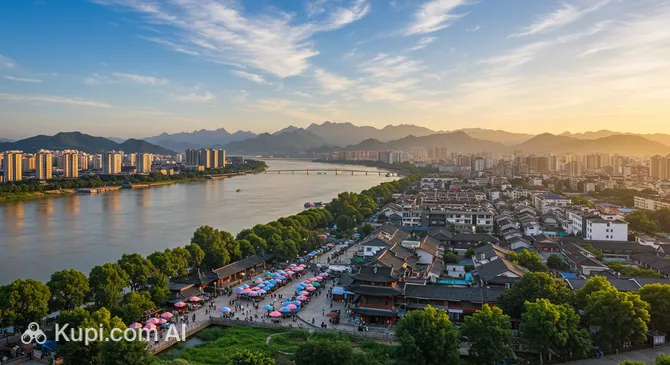
Nestled along the southern banks of the mighty Yangtze River, Chizhou is a captivating destination in the Anhui province of China. With a population of over 1.4 million, this city strikes a harmonious balance between urban living and breathtaking natural landscapes. Often celebrated for its ecological preservation, Chizhou offers a serene atmosphere that stands in contrast to the bustle of larger metropolises, making it a refreshing retreat for travelers.

The region boasts deep cultural roots that have influenced Chinese literature for centuries. To truly appreciate the local heritage, visitors should explore the fascinating history of Chizhou, which is renowned as the "City of Poets." Celebrated figures like Li Bai and Du Mu once roamed these lands, leaving behind verses that are still recited today, adding a layer of literary romance to the city's scenic beauty.

Chizhou. Source: Kupi.Binoculars

One of the main reasons tourists flock to this area is Mount Jiuhua, one of the four sacred mountains of Chinese Buddhism. Its misty peaks and ancient temples provide a profound sense of peace and spirituality. For nature enthusiasts, the Guniujiang Nature Reserve offers lush primitive forests and crystal-clear waters, while the legendary Xinghua Village allows visitors to step into a scene straight out of classic pastoral poetry.

Whether you are seeking spiritual enlightenment, a connection with pristine nature, or a walk through living history, Chizhou welcomes you with open arms. It is an ideal stop for those looking to experience the quieter, more soulful side of the region.

Weather Overview

Chizhou experiences a distinct seasonal climate that brings significant changes to the landscape throughout the year. To help you pack appropriately for your trip, it is recommended to check the current weather in Chizhou before your departure.

Summers in the region are typically hot and humid. During July and August, average temperatures hover around 29°C, with daily highs often reaching 32.5°C. This period also marks the wettest part of the year, with June and July seeing up to 16 rainy days per month. Travelers visiting during this time should be prepared for both heat and frequent showers.

In contrast, the winter months bring a noticeable chill. January is usually the coldest month, with average temperatures dropping to approximately 4.8°C and minimums nearing 1.2°C. While rainfall is less intense than in summer, damp days are still possible. Generally, you can expect warm summers with frequent rain and cold, drier winters.

Interesting Facts

Beyond its misty mountains and poetic heritage, Chizhou holds a treasure trove of cultural and natural secrets waiting to be discovered. Here are some intriguing facts that reveal the unique character of this riverside city.

  • A Living Fossil of Drama: Chizhou is the custodian of Nuo Opera, an ancient folk art form often described as the "living fossil of Chinese opera." Dating back thousands of years, this performance involves actors wearing distinct wooden masks to perform ritualistic dances intended to ward off evil spirits and pray for good harvests, offering a glimpse into the dawn of theater in the region.

  • The Mystery of the Flesh Bodies: The sacred Mount Jiuhua is famous for a rare and mystical phenomenon known as the "Flesh Body Bodhisattvas." Several monks who passed away on the mountain have left behind bodies that did not decay but naturally dried and remained intact for centuries. These preserved figures are plated in gold and enshrined in temples, attracting pilgrims and curious visitors from around the world.

  • A Land of Longevity: The soil in Chizhou is exceptionally rich in selenium, a trace element vital for human health. This unique geological feature has led to the production of selenium-rich tea and rice, and it is widely believed to contribute to the high longevity rate among the local population, making the city a burgeoning destination for health and wellness tourism.

How to Get There

Reaching this scenic destination in Anhui province is relatively straightforward, with several transport options available to suit different itineraries. Whether you prefer the speed of air travel or a scenic journey by road, planning your arrival is the first step toward exploring the region. You can find more about how to get to Chizhou and detailed route suggestions on our dedicated transport page.

The most convenient gateway for air travelers is the Chizhou Jiuhuashan Airport (JUH), which is located directly in Chizhou, just 21 km from the city center. This proximity allows for a quick transfer, with a taxi or bus ride taking approximately 50 minutes. Alternatively, you can fly into Anqing Tianzhushan Airport (AQG) in the neighboring city of Anqing. Situated about 43 km away, this airport serves as a viable option, with a travel time to Chizhou of roughly 1 hour and 25 minutes by road.

For clarity, here is a summary of the main airports:

Airport Name City Passenger Traffic Km from City
Wuhu Xuanzhou Airport Wuhu High 122.2
Huangshan Tunxi International Airport Huangshan Medium 126.9
Anqing Tianzhushan Airport Anqing Medium 43.3
Chizhou Jiuhuashan Airport Chizhou Medium 21.0
Jingdezhen Airport Jingdezhen Medium 150.1

If you are considering rail travel, please note that you may need to connect through major hubs in the surrounding area. You can arrive at the Hefei Railway Station (KFI) in the city of Hefei, which is approximately 137 km from Chizhou. From there, you can get a taxi or bus, which takes about 3 hours and 45 minutes. Another significant option is the Lu'an Railway Station (LLQ) in Lu'an, located roughly 150 km away, offering connections for travelers coming from different directions.

Below is a list of major railway stations in the vicinity:

Station City Passenger Traffic Km to Center
Huzhou Railway Station Huzhou Very High 242.9
Hefei Railway Station Hefei High 136.6
Lu'an Railway Station Lu'an High 150.4
Huangshi Railway Station Huangshi High 241.8
Jiujiang Railway Station Jiujiang 178.5

Main Attractions

Chizhou is a destination where nature and spirituality intertwine, offering visitors a chance to explore sacred mountains, ancient forests, and culturally significant villages. The city's attractions cater to those seeking tranquility, history, and outdoor adventure. Here are some of the most captivating places to visit during your stay.

Mount Jiuhua is undoubtedly the crown jewel of the region and a must-visit for anyone traveling to Chizhou. As one of the four sacred mountains of Chinese Buddhism, it is dedicated to Ksitigarbha Bodhisattva. The area is renowned for its sea of clouds, jagged peaks, and dozens of ancient temples nestled in the misty landscape. Visitors can hike up the stone paths or take a cable car to witness the breathtaking views from the summit. The mountain is not only a place of worship but also a scenic marvel, featuring waterfalls, strange rock formations, and a serene atmosphere that has attracted pilgrims for centuries.

For nature lovers, the Guniujiang Nature Reserve offers a pristine escape into one of the most ecologically diverse areas in eastern China. Often referred to as the "Green Treasury," this reserve is home to lush primitive forests, crystal-clear streams, and rare wildlife. It is an excellent spot for hiking and photography, with trails leading through dense vegetation to discover hidden waterfalls and emerald pools. The air here is exceptionally fresh, making it a perfect retreat for those looking to disconnect from urban life and immerse themselves in the wild.

Stepping into Xinghua Village feels like walking into a classic Chinese painting. This location is famous throughout the country due to a well-known poem by the Tang Dynasty poet Du Mu, which immortalized the "Apricot Blossom Village." Today, the site has been revitalized to reflect its historical charm, featuring traditional architecture, rustic wine shops, and beautiful gardens. It is a cultural landmark where tourists can learn about local folklore, enjoy traditional performances, and appreciate the poetic heritage that defines the city's identity.

Another fascinating site is the Shenxian Cave, also known as the Cave of Immortals. This karst cave complex is a geological wonder filled with stalactites and stalagmites in various fantastic shapes. The cave features an underground river and illuminated pathways that guide visitors through its cool, mysterious chambers. It provides a distinct contrast to the outdoor mountain scenery, offering an underground adventure that showcases the unique subterranean geography of the Anhui province.

Local Cuisine

The local cuisine of Chizhou is a delightful reflection of its geography, blending the fresh flavors of the Yangtze River with the rustic, earthy ingredients of the mountains. As part of the Anhui province, the city's food scene is deeply rooted in Hui cuisine, known for its emphasis on stewing, braising, and preserving the natural taste of ingredients. However, Chizhou adds its own unique spiritual touch, particularly through the renowned vegetarian traditions of Mount Jiuhua.

One of the most authentic local experiences is trying the Jiuhua Vegetarian Feast. Developed over centuries by Buddhist monks, this cuisine uses mountain delicacies like bamboo shoots, wild mushrooms, and the local specialty Huangjing (Solomon's seal) to create dishes that are both healthy and flavorful. These meals often feature creative "mock meat" dishes made from tofu and gluten, which mimic the texture of meat so perfectly that they often surprise first-time diners.

For a more casual bite, you must try Chizhou Xiao Baba. This savory baked cake is a beloved street food staple, traditionally cooked in a clay oven until golden and crispy. Filled with ingredients like minced pork, pickled vegetables, or radishes, it is a favorite breakfast item among locals. Another regional classic worth seeking out is the Stinky Mandarin Fish (Chou Gui Yu). While its pungent aroma might be intimidating at first, the tender, fermented flesh offers a savory and slightly spicy taste that is considered a masterpiece of Anhui cooking.

When it comes to drinks, tea culture is central to daily life here. The misty peaks of the region produce the exquisite Jiuhua Yunwu Tea (Cloud and Mist Tea), a green tea known for its delicate orchid fragrance and sweet aftertaste. For something stronger, locals might offer Huangjing Wine, a traditional alcoholic beverage infused with medicinal herbs, believed to have health benefits and often consumed during festive gatherings.

The food culture in Chizhou is a tale of two worlds. In the city center and around the lively markets, you will find bustling street stalls serving hot cakes and spicy river snails to energetic crowds. In contrast, the area surrounding Mount Jiuhua offers a serene dining atmosphere, where tourists and pilgrims sit in quiet, wood-paneled restaurants to enjoy slow-cooked vegetarian meals. For a rustic experience, many visitors head to "Nongjiale" (farmhouse restaurants) in the countryside, where families serve home-cooked dishes made from fresh vegetables picked right from their gardens.

Travel Tips

Visiting Chizhou offers a unique blend of spiritual tranquility and natural splendor, but like any travel destination in China, a smooth trip requires a bit of local know-how. To help you navigate the "City of Poets" and its sacred surroundings with ease, here are some practical tips to keep in mind before you pack your bags.

  1. Clothing and Gear: Since much of Chizhou's appeal lies in its outdoor landscapes, such as Mount Jiuhua and the Guniujiang Nature Reserve, sturdy, broken-in walking shoes are essential. If you plan to visit temples, remember to dress modestly; cover your shoulders and knees to show respect. The weather can be changeable, especially in the mountains, so bringing a lightweight rain jacket and dressing in layers is highly recommended regardless of the season.
  2. Transportation: Getting around the city center is relatively easy with taxis, which are affordable and plentiful. However, few drivers speak English, so it is crucial to have your destination written in Chinese characters to show them. For more convenience, download the Alipay or WeChat app, which often includes a ride-hailing mini-program (like Didi) that may offer English interfaces. Public buses are an option but can be challenging to navigate without knowledge of Mandarin.
  3. Finances: China is rapidly becoming a cashless society. While major hotels may accept international credit cards, most local shops, restaurants, and ticket counters rely on mobile payments. It is strongly advised to set up Alipay or WeChat Pay with your international bank card before arrival. Carry a small amount of cash (Renminbi/CNY) for emergencies, but do not rely on it as your primary method of payment. Tipping is not part of the local culture and is generally not expected.
  4. Health and Safety: Chizhou is a very safe city for tourists. Pharmacies are easily found and can be identified by a green cross sign, though you may need a translation app to communicate your needs. Tap water is generally not safe to drink directly; always opt for bottled water or boiled water provided in hotels. If you are hiking in the nature reserves during summer, bring effective insect repellent.
  5. Communication: English is not widely spoken outside of high-end hotels and major tourist centers. A reliable translation app on your phone is your best friend; apps that can translate text via camera are particularly useful for reading menus and signs. Be aware that many Western social media and navigation apps may not work without a roaming plan or specific software, so plan your digital connectivity in advance.
  6. Local Etiquette: When visiting the sacred Buddhist sites on Mount Jiuhua, maintain a respectful silence. It is generally forbidden to take photographs of Buddha statues inside the temple halls. When handing something to someone, such as a payment or a card, using two hands is considered a sign of politeness.
  7. What to Avoid: Avoid leaving your chopsticks sticking vertically upright in a bowl of rice. This resembles incense sticks used in funeral rituals and is considered highly inauspicious. Also, avoid visiting popular scenic spots during major Chinese holidays (like Golden Week in October) if you dislike large crowds, as domestic tourism peaks during these times.
  8. Additional Tip: If you plan to stay overnight on Mount Jiuhua to catch the sunrise, book your accommodation well in advance. The mountain area is a township in itself, and staying "on the mountain" allows you to experience the serene atmosphere after the day-trippers have left, offering a truly magical morning amidst the sea of clouds.

By keeping these practicalities in mind, you will be well-prepared to immerse yourself in the culture and beauty of Chizhou without the stress of logistical surprises. Embrace the local rhythm, enjoy the stunning scenery, and have a wonderful journey through this historic part of Anhui.

Entertainment & Nightlife

While Chizhou may not rival the frenetic energy of China's largest metropolises, its nightlife offers a refreshing blend of laid-back charm and local authenticity. The city's evening entertainment is less about thumping mega-clubs and more about social dining, relaxed bars, and scenic night walks. The atmosphere here is welcoming and unpretentious, reflecting the "slow living" philosophy that permeates this riverside city.

The heart of the action lies in the Guichi District, particularly around the bustling Changjiang Road and the commercial areas near the city center. Here, you will find a variety of KTVs (karaoke lounges), which are the cornerstone of Chinese nightlife. These venues are perfect for groups, offering private rooms, fruit platters, and plenty of drinks. For those seeking a more Western-style pub experience, small bars and lounges are scattered throughout the downtown area, often frequented by younger locals and the occasional expat.

For a truly atmospheric evening, head to the Qingxi River Scenic Belt. As darkness falls, the riverbanks are illuminated by soft lights, creating a romantic setting for a stroll. Locals gather here to dance, exercise, or simply enjoy the cool breeze. Nearby, you can find open-air tea houses and barbecue stands serving "Shao Kao" (Chinese BBQ)—a must-try late-night snack consisting of spiced skewers of meat and vegetables grilled over charcoal. The dress code is almost universally casual, and the vibe is safe and friendly.

If you are interested in a cultural twist to your evening, Xinghua Village is a fantastic destination. Known for its deep poetic history, this cultural tourism area often hosts evening light shows or traditional performances, especially during festivals. Walking through the illuminated ancient-style architecture allows you to step back in time and experience the city's heritage in a magical new light. Another unique option is the area around Mount Jiuhua; while far quieter, the foothills offer serene vegetarian dining experiences and peaceful tea ceremonies that provide a spiritual end to the day.

Practicalities for a night out in Chizhou are straightforward. The peak time for nightlife is generally from 8:00 PM to midnight. Prices are very reasonable compared to Shanghai or Beijing; a night of drinks and food will cost significantly less here. Getting around is easy, with taxis being plentiful and affordable. Ride-hailing apps like DiDi are also widely used and convenient for getting back to your hotel safely. The city is generally very safe at night, but as with any travel, it is wise to stick to well-lit main streets.

During the day, Chizhou offers a different array of entertainment. Visitors can explore the Chizhou Museum to delve into the region's rich past or catch a performance of traditional Huangmei Opera at a local theater. For outdoor enthusiasts, the city's numerous parks and the nearby mountains provide ample opportunity for hiking and sightseeing before the sun goes down.

Parks & Museums

Chizhou is often celebrated as a garden city where urban development harmonizes with the natural environment. Beyond the famous mountains nearby, the city itself offers a collection of serene parks, green belts, and cultural institutions that allow visitors to explore its artistic heritage and ecological beauty at a relaxed pace.

Pingtian Lake Scenic Area is the city's premier natural attraction, often compared by locals to the famous West Lake in Hangzhou due to its misty waters and scenic causeways. The lake is a vast expanse of tranquility, surrounded by rolling hills and dotted with traditional pavilions. It is an ideal spot for cycling or a leisurely boat ride, especially in summer when the lotus flowers are in full bloom, painting the water surface in shades of pink and green. The "Water Road," a wooden boardwalk that stretches across the lake, offers a unique sensation of walking on water and provides stunning photo opportunities.

For a green escape right in the heart of the city, the Qingxi River Scenic Belt serves as the ecological spine of Chizhou. This linear park follows the river and features lush landscaping, walking trails, and sculptures that depict local legends. It is a favorite among residents for morning exercises and evening strolls. The park effectively blends flood control with recreation, creating a vibrant public space where you can observe local life, listen to amateur musicians practicing, or simply enjoy the fresh river breeze.

To deepen your understanding of the region's rich past, a visit to the Chizhou Museum is essential. Located near Pingtian Lake, this modern facility houses an impressive collection of artifacts ranging from ancient bronze ware to calligraphy. Its most compelling exhibit is dedicated to Nuo Opera, the ancient "living fossil" of Chinese theater. Here, visitors can examine the intricate, often fierce-looking wooden masks used in these ritualistic performances and learn about the folk traditions that have survived in Anhui for millennia.

Architecture enthusiasts should look for the Xiushan Gate (Xiushan Men), one of the surviving gates of the ancient city wall. While much of the old fortification is gone, this restored gatehouse stands as a proud reminder of Chizhou's historical significance as a strategic riverside port. Climbing the tower offers a perspective on how the city was once guarded and provides a nice vantage point over the older districts.

Another significant cultural venue is the Xinghua Village Cultural Park. While often categorized as a scenic spot, it functions as an open-air museum dedicated to the poetry of the Tang Dynasty. The park recreates the atmosphere of the famous poem "The Mourning Day" by Du Mu, featuring wine shops, rustic bridges, and memorial halls. It is a place where literature comes to life, allowing tourists to walk through the scenes that inspired one of China's most beloved verses.

For an authentic local experience, try visiting the wetlands bordering Pingtian Lake early in the morning. This area is a haven for birdwatchers, attracting migratory birds including swans and egrets. It is a quiet, lesser-known corner of the city where you can watch the sunrise burn off the river mist, offering a moment of pure zen before the day begins.

Getting Around

Navigating Chizhou is relatively straightforward and stress-free, as the city is compact compared to China's sprawling metropolises. Unlike larger cities, Chizhou does not currently have a metro or light rail system. Instead, the public transportation network relies primarily on an extensive bus system that connects the urban center with major transportation hubs and scenic areas. For most tourists, a combination of buses, taxis, and walking will be sufficient to explore the city comfortably.

The public bus system is the backbone of local transit. Routes are well-planned, covering key locations such as the railway station, Pingtian Lake, and the downtown commercial districts. Buses are modern and generally air-conditioned. For travelers heading to the famous Mount Jiuhua, there are dedicated tourist shuttle buses that depart from the Chizhou Railway Station and the long-distance bus terminal. These shuttles are a convenient and affordable way to reach the mountain base without negotiating with private drivers.

When it comes to payment, Chizhou follows the digital trend prevalent throughout the country. While you can still pay with cash, you must have the exact fare (usually 1 or 2 RMB for city routes) as drivers do not carry change. The most convenient method for tourists is using a mobile payment app like Alipay or WeChat Pay. Both apps have "Transport Code" features that allow you to scan a QR code upon boarding. Physical transit cards exist but are less practical for short-term visitors compared to the ease of mobile scanning.

Taxis and ride-hailing services offer a flexible alternative, especially if you are traveling with luggage or in a group. Taxis can be hailed on the street and are strictly metered; always ensure the driver turns the meter on at the start of the journey. Alternatively, ride-hailing apps like DiDi (often accessible via Alipay or WeChat) are extremely popular. They allow you to input your destination in English (in some versions) or by selecting a map pin, bridging the language gap and providing a fixed price estimate before you ride.

For short distances within the city center or around the scenic lakes, bike-sharing is a fantastic option. You will see rows of colorful bicycles (typically blue or yellow) parked on sidewalks. These can be unlocked using the scan function in Alipay or WeChat. It is an eco-friendly way to enjoy the "Garden City" atmosphere, particularly along the dedicated paths near the Qingxi River and Pingtian Lake.

A unique feature of transport in the wider Chizhou region is the cable car system on Mount Jiuhua. While not urban transport, these cableways are essential for visitors wishing to ascend the sacred peaks without an arduous hike. They offer spectacular aerial views of the bamboo forests and temples below. Operating hours for cable cars vary by season, so it is wise to check the schedule upon arrival at the mountain base.

Practical advice for tourists includes planning your travel times carefully. City buses typically operate from around 6:00 AM to 6:00 PM or 7:00 PM, with only a few main lines running later into the evening. If you plan to stay out late enjoying the nightlife, be prepared to take a taxi back to your hotel. Additionally, since bus stop signs are predominantly in Chinese, using a navigation app on your phone to track your route and stops in real-time is highly recommended to avoid missing your destination.

Accommodation

Accommodation in Chizhou caters to a wide spectrum of travelers, ranging from pilgrims seeking spiritual solace to business travelers and nature enthusiasts. The city offers a diverse mix of lodging options, including modern luxury hotels, efficient mid-range business chains, and charming family-run guesthouses. Whether you prefer the convenience of the urban center or the serene atmosphere of the mountains, you will find suitable places to rest after a day of exploration.

For most visitors, the choice of where to stay depends largely on their itinerary. The Guichi District (the main city center) is the most convenient area for transit, offering easy access to the railway station, shopping districts, and local museums. Staying here provides a comfortable base with plenty of dining options nearby. Alternatively, many tourists choose to stay near Mount Jiuhua. Accommodation here is divided into two main zones: the town at the foot of the mountain (Kecong Town), which has larger hotels and resorts, and the "Jiuhua Street" area on the mountain itself, which offers a unique experience surrounded by temples and mist, though often at a higher price point.

In terms of style, the city center features several well-equipped hotels that meet international standards, often situated near scenic spots like Pingtian Lake. For a more authentic and budget-friendly experience, especially in the rural areas surrounding the Guniujiang Nature Reserve or Xinghua Village, look for "Nongjiale" (farmhouse stays). These guesthouses offer simple, clean rooms and home-cooked meals, providing a warm insight into local life. On Mount Jiuhua, some temples even offer basic accommodation for pilgrims, allowing for a deeply immersive spiritual stay.

Prices in Chizhou are generally reasonable compared to major Chinese tourist hubs. Budget travelers can find comfortable rooms in guesthouses or hostels for a modest fee, while mid-range hotels offer excellent value. Luxury resorts, particularly those with mountain views or spa facilities, command higher rates. Booking is best done through major online platforms like Trip.com or Agoda, which accept international payment methods. A crucial tip for travelers is to book well in advance if visiting during Chinese public holidays or major Buddhist festivals, as accommodation on Mount Jiuhua fills up rapidly during these peak times.

Nearby Cities

For those looking to explore the surroundings, Chizhou serves as an excellent base for day trips to several interesting nearby locations.

Just a short distance away lies Anqing, a city with deep cultural significance located on the northern bank of the Yangtze River. It is celebrated as the birthplace of Huangmei Opera, one of the five major opera genres in China. Beyond its artistic heritage, Anqing is the gateway to the majestic Tianzhu Mountain, known for its granite peaks and caves, making it a perfect spot for both culture seekers and hikers.

For a mix of history and modern urban life, a trip to Hefei, the capital of Anhui province, is highly recommended. The city is rich in Three Kingdoms history and is home to the famous Lord Bao Park, dedicated to the legendary Song Dynasty judge Bao Zheng. Hefei offers extensive shopping, dining, and green spaces, providing a bustling contrast to the quieter atmosphere of Chizhou.

Travelers interested in family entertainment might enjoy visiting Wuhu. This dynamic port city is renowned for its large theme parks, including Fantawild Adventure, which attracts visitors from all over the region. Additionally, Wuhu features beautiful riverside parks and a lively food scene, offering a fun and relaxed environment for a day out.

City Population Distance (km)
Lu'an 5,611,701 150
Jiujiang 4,896,800 185
Anqing 4,723,000 43
Hefei 4,216,940 131
Wuhu 3,842,100 118

These nearby destinations offer a glimpse into the diverse culture and landscapes of the region.

Shopping & Souvenirs

Shopping in Chizhou offers a relaxed and authentic experience that contrasts with the frantic pace of China's larger metropolises. While you may not find an abundance of international luxury boutiques, the city is an excellent destination for discovering local handicrafts, high-quality teas, and unique cultural souvenirs rooted in the region's deep spiritual heritage. The retail scene here is a mix of modern commercial centers and traditional shops that reflect the local lifestyle.

The commercial heart of the city lies in the Guichi District, particularly along Changjiang Road and Qiupu Road. These bustling thoroughfares are lined with a variety of stores ranging from clothing boutiques and shoe shops to electronics retailers. In the evenings, the pedestrian areas near the city center come alive with locals enjoying a night out, making it a vibrant place to browse for casual fashion or simply soak up the energetic atmosphere.

For a more comprehensive shopping experience, travelers can visit the modern shopping malls situated in the downtown area. Complexes such as the Shangzhi Shopping Center or the large commercial plazas anchored by major supermarkets like RT-Mart provide a one-stop solution. Here, you can find domestic fashion brands, cosmetics, and well-stocked grocery sections that are perfect for picking up snacks or travel essentials in a comfortable, air-conditioned environment.

To truly understand the local flavor, exploring the city's markets is a must. The local farmers' markets are colorful and chaotic in the best possible way, overflowing with fresh seasonal fruits, vegetables, and river products. While these are geared more towards residents, they offer tourists a fascinating glimpse into daily life in Anhui. Near the tourist areas of Mount Jiuhua, the "markets" transform into rows of stalls selling religious artifacts, incense, and local mountain delicacies, catering specifically to pilgrims and visitors.

When it comes to souvenirs, Chizhou has several distinctive specialties worth taking home. The most famous is Jiuhua Yunwu Tea (Cloud and Mist Tea), a premium green tea grown in the high-altitude, foggy environment of the sacred mountain. It is renowned for its delicate aroma and is often sold in beautiful gift boxes. Another popular item is Huangjing (Solomon's Seal), a medicinal herb often processed into snacks, wines, or dried slices, celebrated for its health benefits. For those interested in culture, Buddhist crafts such as sandalwood rosaries, amulets, and incense burners from Mount Jiuhua make for meaningful keepsakes.

Shops in Chizhou typically open around 9:00 AM or 10:00 AM and remain open until 9:30 PM or 10:00 PM, especially in busy commercial districts. Payment methods are overwhelmingly digital. While large supermarkets and hotels may accept credit cards, the vast majority of smaller shops, market stalls, and convenience stores rely on WeChat Pay or Alipay. It is highly recommended to have one of these mobile payment apps set up on your phone. Cash is accepted but is becoming less common for small transactions.

Regarding tax-free shopping, Chizhou is not a major international commercial hub, and tax refund services for tourists are generally not available in standard retail stores. Visitors should expect to pay the listed price, which includes all applicable taxes.
Reached the end of the page?

That means the route is fully explored