Support

Macheng

About

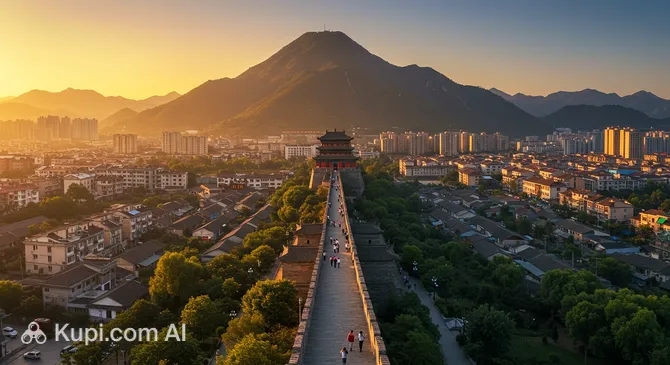
Nestled in the eastern part of Hubei Province, Macheng is a captivating destination that blends natural beauty with cultural depth. Located at the southern foot of the Dabie Mountains, this county-level city in China serves as a significant transport hub and a gateway to the region's scenic wonders. With a population of over 800,000 residents, it offers a lively yet authentic atmosphere for travelers seeking to explore the heart of the country.

Macheng. Source: Kupi.Binoculars

The city is widely renowned as the "City of Azaleas," particularly famous for the stunning Guifeng Mountain (Turtle Peak). Here, visitors can witness a spectacular sea of ancient azaleas that bloom vibrantly in late spring, creating a breathtaking red landscape that draws photographers and nature enthusiasts from afar. Beyond its floral splendor, the long and storied history of Macheng adds another layer of intrigue, with roots stretching back to the Spring and Autumn Period and a significant legacy as a "Red City" during the revolutionary era.

Whether you are hiking through the lush trails of the Dabie Mountains or immersing yourself in local traditions, Macheng promises a memorable experience. It is an ideal stop for nature lovers and history buffs alike, offering a unique glimpse into the diverse heritage and ecological splendor of Hubei.

Weather Overview

Travelers planning a visit to the region should prepare for distinct seasonal variations. The weather in Macheng typically features warm, humid summers and cool, drier winters. During the peak of summer in August, temperatures are at their highest, with averages around 28.5°C and daily highs reaching up to 32.2°C.

Rainfall is most frequent during the mid-year months; July is particularly notable for having about 18 wet days, so packing rain gear is advisable for summer trips. Conversely, the winter season is significantly drier but colder, with January seeing average temperatures dip to approximately 4.2°C. For those seeking milder conditions, spring and autumn offer comfortable temperatures, such as the pleasant 17.7°C average often experienced in October.

Interesting Facts

Beyond its scenic landscapes and floral fame, Macheng preserves intriguing stories and historical distinctions that often escape the casual observer. Here are some fascinating facts that highlight the city's unique place in history and culture:

  • Ancestral Cradle of the Southwest: Macheng is widely considered the ancestral home for millions of people in Sichuan and Chongqing. During the massive "Huguang Fills Sichuan" migration in the Ming and Qing dynasties, the city served as a primary departure point. To this day, many families in southwestern China trace their lineage back to "Xiaogan Township in Macheng," making it a significant site for genealogy tourism.

  • The "General County": The city holds the prestigious title of the "First General County" in the country. It is the birthplace of 36 founding generals of the People's Republic, a remarkably high concentration for a single locality, which underscores its pivotal role in 20th-century military history.

  • The 600-Year-Old "King": While the azalea blooms are well-known, the "Azalea King" on Guifeng Mountain is a specific marvel. This single, ancient tree is estimated to be over 600 years old. Its massive canopy covers more than 100 square meters, and it produces thousands of blossoms each spring, standing as a living monument to the region's botanical heritage.

  • Mythological Origins: Local folklore is deeply intertwined with the legend of Magu, a famous Taoist goddess associated with longevity. It is said that she ascended to immortality within the mountains here, and landmarks such as the "Magu Immortal Cave" continue to attract visitors seeking blessings and good fortune.

How to Get There

Reaching this destination is relatively straightforward, thanks to its proximity to major transport hubs in Hubei Province. Visitors can choose from various modes of transport depending on their itinerary. For a comprehensive guide on planning your journey, you can read more about how to get to Macheng and explore all available routes.

The city of Macheng does not have its own airport, but it is well-served by major aviation hubs in neighboring cities. The most convenient option for international and long-distance travelers is Wuhan Tianhe International Airport (WUH) in Wuhan. It is a large international airport located approximately 88 km from Macheng. The journey by taxi or shuttle bus from the airport to the city typically takes around 2.5 hours. Another option is Ezhou Huahu Airport (EHU) in Ezhou, situated about 92 km away. While smaller, it offers an alternative entry point, with a travel time of roughly 2.5 to 3 hours by road.

For clarity, here is a summary of the main airports:

Airport Name City Passenger Traffic Km from City
Wuhan Tianhe International Airport Wuhan Very High 87.8
Fuyang Airport Fuyang Medium 201.3
Xinyang Minggang Xinyang Small 175.3
Jiujiang Jiujiang Small 202.8
Ezhou Huahu Ezhou Small 92.1

Traveling by train is often the most direct way to reach the city center. The area is served locally by Macheng North Railway Station, which is conveniently located just 5.6 km from the heart of the city. A taxi ride from this station to the downtown area takes only about 25 to 30 minutes. For those connecting from other major lines, Wuhan Railway Station in Wuhan is a significant high-speed rail hub located approximately 84 km away. Travelers can arrive in Wuhan and then transfer to a local train or take a bus or taxi to complete the journey to Macheng.

Below is a list of the nearest railway stations:

Station City Passenger Traffic Km to Center
Wuhan Railway Station Wuhan Very High 84.2
Xinyang East Railway Station Xinyang High 132.5
Huangshi Railway Station Huangshi Medium 100.8
Macheng North Railway Station Macheng Medium 5.6
Xiaogan North Railway Station Guangshui Medium 88.3

Main Attractions

Macheng is a destination where nature and culture intertwine, offering visitors a chance to explore ancient mountains, poetic villages, and vibrant floral landscapes. The city’s attractions are deeply rooted in its ecological diversity and historical legends, making it a perfect spot for those who appreciate the great outdoors and traditional Chinese heritage.

Undoubtedly the most famous landmark in the region is Guifeng Mountain (Turtle Peak). Named for its striking resemblance to a giant turtle lifting its head towards the sky, this scenic area is a geological marvel. While it is renowned for its massive ancient azalea communities that paint the slopes red in late spring, the mountain offers much more than just flowers. Hikers can explore rugged trails, marvel at the precipitous cliffs, and enjoy panoramic views from the summit. The area is also home to the exhilarating International Sport Park, where adventurous travelers can experience outdoor activities amidst the stunning backdrop of the Dabie Mountains.

For a blend of spiritual tranquility and natural beauty, Wunao Mountain National Forest Park is a must-visit. Located just a short distance from the city center, it serves as a serene retreat known for its lush forests and Taoist culture. The park is historically significant as the site of the ancient Di Zhu Temple, a place of worship for centuries. In autumn, the park transforms into a colorful wonderland with its grand chrysanthemum exhibitions, while the tea camellia gardens offer a fragrant escape during the blooming season. It is an ideal spot for a leisurely hike and a breath of fresh air.

Travelers interested in cultural history should make their way to Xinghua Village (Apricot Blossom Village) in Qiting Town. This rustic locale is celebrated as the setting of a famous poem by the Tang Dynasty poet Du Mu, which depicts a rainy spring day and a search for a tavern. The village retains a charming, pastoral atmosphere that transports visitors back in time. Walking through the area, you can admire traditional architecture, ancient wells, and, true to its name, beautiful apricot blossoms that come alive in the spring, offering a poetic and picturesque experience unique to Macheng.

Local Cuisine

The local cuisine in Macheng is a delightful reflection of Hubei’s culinary traditions, blended with the rustic flavors of the Dabie Mountains. Known for being hearty, savory, and often spicy, the food here relies heavily on fresh local ingredients. The city is widely recognized as a major producer of chili peppers, so visitors should expect a pleasant kick of heat in many traditional dishes.

One of the most famous signature dishes you must try is Macheng Rougao (Meat Cake). This unique delicacy is a centerpiece at festivals and family gatherings but is available in restaurants year-round. It is typically made from a mixture of pork, fish, and starch, which is steamed into a large cake and then sliced into rectangular pieces. The slices are often cooked in hot pots or stir-fried, offering a texture that is smooth, tender, and rich in flavor without being greasy.

Given the city's location near the mountains, Black Goat Stew is another local favorite, particularly cherished during the cooler months. The goats raised in the Dabie Mountains provide meat that is tender and flavorful. It is usually slow-cooked in a clay pot with local chilies, ginger, and aromatic spices, creating a warming dish that perfectly showcases the region's love for robust flavors.

When it comes to beverages, the city is renowned for Macheng Old Rice Wine (Lao Mi Jiu). This is not a strong spirit but a traditional fermented rice wine with a low alcohol content and a sweet, mellow taste. It is deeply embedded in the local culture and is often termed the "King of Beverages" in the area. Locals drink it to cool down in the summer or warm it up for a comforting treat in the winter; it is also a customary drink offered to welcome guests.

The food culture in Macheng is casual and welcoming, with a focus on communal dining. Tourists can enjoy authentic meals in lively local restaurants where large portions are shared among friends and family. For a more informal experience, the city's markets and street stalls offer a variety of snacks, including roasted chestnuts and dishes cooked with locally produced tea oil, which add a distinct nutty aroma to the food.

Travel Tips

Preparing for a trip to Macheng is an exciting prospect, as this city offers a unique blend of spectacular mountain scenery and rich cultural heritage. To help you navigate the "City of Azaleas" with ease and confidence, here are some practical tips designed to make your journey as smooth and enjoyable as possible.

  1. Clothing and Gear: Since Macheng experiences distinct seasons, your packing list should depend on when you visit. Summers are hot and humid, especially in July and August, so bring breathable fabrics and reliable rain gear for sudden showers. If you plan to hike Guifeng Mountain or explore the Dabie range, sturdy and comfortable walking shoes are essential. For winter visits, pack warm layers and a heavy coat, as temperatures can drop close to freezing. Don't forget a universal power adapter (China uses types A, C, and I) to keep your devices charged.

  2. Transportation: The most convenient way to get around the city and reach scenic spots like Wunao Mountain is by using taxis or ride-hailing apps like DiDi (the local equivalent of Uber). While public buses are available, routes can be confusing for non-Chinese speakers. If you are arriving by high-speed train at Macheng North Station, taxis are readily available at the exit. Renting a car is generally not recommended for short-term visitors due to the requirement for a Chinese driver's license and complex road conditions.

  3. Finances: The local currency is the Chinese Yuan (CNY or RMB). While major hotels may accept international credit cards, cash and mobile payments are king in Macheng. The most widely used payment methods are Alipay and WeChat Pay; it is highly advisable to set up the international version of one of these apps before you arrive. Always carry some cash for small vendors or local transport, as many smaller shops and restaurants do not accept foreign cards.

  4. Health and Safety: Macheng is generally a very safe city for tourists. Pharmacies are easy to identify by a green cross sign, but they may not have English-speaking staff, so having a translation app or a photo of your required medication is helpful. If you are hiking in the mountains during spring or summer, bring insect repellent to protect against mosquitoes. Tap water is not potable; always drink bottled or boiled water.

  5. Communication: The primary language is Mandarin, often spoken with a heavy local Hubei accent. English is not widely spoken outside of high-end hotels. It is crucial to download a reliable translation app (like Baidu Translate or an offline version of Google Translate) on your phone. Buying a local SIM card upon arrival at the airport in Wuhan is the best way to ensure you have mobile data for maps and translation tools throughout your trip.

  6. Local Etiquette: Politeness is highly valued. A simple nod or a smile is a common greeting. When dining with locals, remember that it is polite to try a little bit of everything served. If you are drinking the famous Lao Mi Jiu (Old Rice Wine) with hosts, it is customary to toast others at the table. In public, avoid loud or boisterous behavior, which is generally frowned upon.

  7. What to Avoid: Never pick the flowers, especially the wild azaleas on Guifeng Mountain. These ancient plants are strictly protected, and damaging them is considered a serious offense and is culturally disrespectful. Additionally, avoid relying solely on one form of payment; technology can glitch, so having a backup cash reserve is always a smart move.

  8. Seasonal Timing: If your goal is to see the famous sea of red azaleas, timing is everything. The peak bloom usually occurs from mid-April to early May. Be aware that this is the busiest time for tourism in Macheng, so book your accommodation and train tickets well in advance to avoid disappointment.

By keeping these practicalities in mind, you will be well-equipped to immerse yourself in the local lifestyle and enjoy the natural wonders of Hubei. Macheng is a welcoming city with a relaxed pace, ready to offer you warm hospitality and unforgettable scenic views.

Entertainment & Nightlife

While Macheng may not boast the high-energy clubbing scene of China's largest metropolises, its nightlife offers a charming and authentic glimpse into local culture. The evening entertainment here is centered around socializing, dining, and relaxing, with a friendly atmosphere that welcomes visitors to join in. As the sun sets, the city lights up with vibrant night markets, lively pedestrian streets, and cozy venues where friends gather to unwind.

The heartbeat of the city's nightlife can be found along the Macheng Pedestrian Street. This bustling thoroughfare is the go-to destination for both locals and tourists, lined with a variety of shops, snack stalls, and entertainment options. It is the perfect place to experience the "Shao Kao" (Chinese BBQ) culture, where you can sit at outdoor tables and enjoy skewers of grilled meat and vegetables accompanied by local beer. The crowd here is diverse, ranging from families enjoying an evening stroll to young people catching up after work. Shops and stalls typically stay open until around 10:00 PM or 11:00 PM, making it a lively spot for most of the evening.

For a more immersive local experience, head to Macheng Square. In the evenings, this expansive public space transforms into a hub of activity. You will likely see groups of residents participating in traditional square dancing, a popular fitness and social activity in China. It is a fantastic spot to observe local life, and the atmosphere is incredibly safe and welcoming. Nearby, you can find several KTV (karaoke) venues, which are the cornerstone of indoor nightlife in the region. These private rooms offer a fun way to sing the night away in a comfortable environment with drinks and snacks.

Another highlight is the Macheng Night Market, often located near the city center's commercial districts. This is a paradise for foodies, offering everything from spicy crayfish—a Hubei specialty—to roasted chestnuts and stinky tofu. The prices are very affordable, with a hearty meal costing significantly less than in bigger cities. The dress code everywhere is casual; comfort is key as you navigate the busy stalls and streets.

When it comes to safety, Macheng is generally very safe for night walks, even in the later hours. Main areas like the Pedestrian Street and Macheng Square are well-lit and populated. To get around, taxis are readily available and inexpensive. You can hail one on the street or use ride-hailing apps if you have access to them. Most drivers are honest, but it is always good practice to ensure the meter is running.

During the daytime, the city offers a different kind of entertainment. Nature lovers should not miss a trip to the famous Guifeng Mountain to see the ancient azaleas or explore the hiking trails. For those interested in history, the local museums provide fascinating insights into the region's revolutionary past and cultural heritage, offering a quiet counterpoint to the lively evenings.

Parks & Museums

Macheng offers visitors a harmonious blend of reflective green spaces and deep-rooted cultural heritage. While the city is famous for its mountains, its urban parks and dedicated museums provide a quieter, yet equally enriching, perspective on the region's "Red" history and its unique role in Chinese genealogy.

For those seeking tranquility within the city limits, the Macheng Revolutionary Martyrs' Cemetery acts as a significant green sanctuary. Far from being a somber place, it is a beautifully landscaped park filled with lush cypress and pine trees, offering a serene environment for walking and contemplation. It stands as a tribute to the city's legacy as the "First General County" of China, featuring monumental sculptures and spacious plazas where locals often gather for morning exercises. Another refreshing spot is the scenic belt along the Baita River. This riverside area serves as a linear park for the community, perfect for a leisurely evening stroll to enjoy the breeze and observe the daily life of Macheng's residents away from the tourist crowds.

To understand the soul of the city, a visit to the Xiaogan Xiang Cultural Park is essential. This sprawling complex is more than just a park; it is an immersive open-air museum dedicated to the "Huguang Fills Sichuan" migration. Through traditional architectural reproductions, statues, and landscaped gardens, it tells the story of the millions of people who migrated from Macheng to the southwest centuries ago. It is a place of pilgrimage for many seeking their ancestral roots and offers tourists a picturesque setting for photography and cultural learning.

For a more traditional museum experience, the Macheng Museum provides a comprehensive overview of the local history. The collections here range from ancient pottery and bronze artifacts unearthed in the region to exhibits detailing the revolutionary struggles of the 20th century. It is an excellent stop for history buffs wanting to connect the dots between the area's ancient civilization and its modern identity.

Beyond the main museums, the city is dotted with historical markers. The Former Residence of Wang Shusheng, one of the founding generals, offers a glimpse into the humble beginnings of the nation's military leaders. Architecturally, the city preserves elements of its past in towns like Qiting, where traces of the Tang Dynasty's influence can still be felt in the layout and enduring local legends.

For a truly authentic experience, explore the smaller, lesser-known chrysanthemum gardens in the outskirts during autumn. While the azaleas get all the fame, Macheng's chrysanthemum industry is robust, and visiting a local farm offers a chance to taste chrysanthemum tea fresh from the source, a delightful and aromatic insider tip for the cooler months.

Getting Around

Navigating Macheng is relatively straightforward and convenient, primarily relying on a comprehensive network of public buses. As a county-level city, it does not have a metro or subway system. Instead, the public bus network serves as the backbone of local transportation, connecting major residential areas, commercial districts, and key transport hubs like the Macheng North Railway Station. The buses are generally modern and air-conditioned, providing a comfortable respite during the humid summer months.

For payment, the system has largely transitioned to digital methods, mirroring the trends seen across the region. While you can still pay with cash, exact change is required—typically 1 or 2 CNY per ride—so it is wise to keep small coins or notes handy if you opt for this method. However, the most convenient way to pay is through mobile apps. Both Alipay and WeChat Pay have "Transport Code" or "Ride Code" mini-programs that allow you to scan a QR code upon boarding. Physical IC transport cards are used by locals but are generally not necessary for short-term visitors given the ubiquity of mobile payments.

Taxis offer a flexible and affordable alternative to buses, especially if you are traveling with luggage or in a small group. You can hail taxis on the street; they are easily recognizable and operate on a metered system. For a more seamless experience, ride-hailing apps like DiDi (accessible via a standalone app or within WeChat/Alipay) are highly recommended. These apps allow you to input your destination in English or by dropping a pin on the map, effectively bridging the language gap and ensuring you get a fixed price estimate before the ride begins.

For "last mile" connectivity or short trips within the downtown area, shared bicycles are extremely popular. You will find rows of colorful bikes parked on sidewalks throughout the city. To use them, simply scan the QR code on the bike using Alipay or WeChat. This is an eco-friendly and inexpensive way to explore the city streets at your own pace, though you should be mindful of designated parking zones when ending your ride to avoid penalties.

Tourists should be aware of the operating hours for public transport. Unlike in major metropolises where buses might run until midnight, bus services in Macheng typically start around 6:00 AM and may wind down as early as 7:00 PM or 8:00 PM, depending on the route. It is advisable to check the schedule if you plan to stay out late. For navigation, relying solely on international map apps can be hit-or-miss; downloading a local map app like Baidu Maps or Amap (Gaode Maps) will provide the most accurate routes and real-time bus information.

A special feature of the local transport network becomes apparent during the peak tourism seasons, particularly in late spring when the azaleas bloom. During these times, special tourist bus lines are often established to ferry visitors directly from the city center and railway stations to the Guifeng Mountain Scenic Area. These dedicated routes offer a hassle-free way to reach the famous floral landscapes without navigating transfers, making them an excellent option for nature lovers.

Accommodation

Accommodation in Macheng is designed to suit a variety of needs, catering primarily to domestic travelers and those visiting for the scenic landscapes. The city offers a range of options, from efficient business hotels and mid-range chains to budget-friendly guesthouses. While you will not find many ultra-luxury international hotel brands here, the local establishments provide comfortable, clean, and modern amenities suitable for a pleasant stay.

For most visitors, the most convenient area to stay is the city center, particularly near the Macheng Pedestrian Street or Macheng Square. Staying here places you within walking distance of local restaurants, night markets, and shopping centers, allowing you to easily experience the city's vibrant evening atmosphere. Another popular location is the area surrounding the Macheng North Railway Station. Hotels here are ideal for travelers on a tight schedule or those arriving late by high-speed train, offering quick access to transport links.

If your primary reason for visiting is to explore the natural scenery, you might consider staying closer to Guifeng Mountain (Turtle Peak). In the vicinity of the scenic area, there are several resort-style hotels and local "Nongjiale" (farm stays). These options offer a more rustic and immersive experience, allowing you to wake up to fresh mountain air and easy access to hiking trails, although dining options may be more limited compared to the downtown area.

Booking Tip: Timing is critical when planning your accommodation in Macheng. During the peak tourism season from mid-April to early May, when the azaleas are in full bloom, the city sees a massive influx of visitors. Hotels can book out weeks in advance, and prices often rise significantly. It is highly recommended to secure your reservation well ahead of time if you plan to visit during this floral festival.

In terms of pricing, Macheng is generally very affordable compared to major provincial capitals like Wuhan. Most comfortable mid-range hotels fall into a budget-friendly price bracket. When booking, it is advisable to use major international or Chinese online travel platforms to ensure the property is licensed to host foreign guests. While many hotels welcome international travelers, some smaller guesthouses may not have the necessary registration systems, so checking in advance is a smart precaution.

Nearby Cities

For those looking to explore the surroundings, Macheng serves as an excellent base for day trips to several interesting nearby locations. Just a short journey south lies Wuhan, the vibrant capital of Hubei Province. It is a major cultural and historical hub, famous for the iconic Yellow Crane Tower, the expansive East Lake, and its renowned "Hot Dry Noodles." A bit closer to home is Huanggang, the prefecture-level city that governs the region. It attracts visitors with the historic Dongpo Red Cliff, a site immortalized by the poetry of Su Dongpo. To the north, crossing into Henan Province, travelers can visit Xinyang, a city celebrated for its premium Maojian tea and the scenic summer retreat of Jigong Mountain.

City Population Distance (km)
Wuhan 10251000 93
Tongshan 9083790 180
Huanggang 6333000 81
Xinyang 6234401 139
Lu'an 5611701 157

These nearby destinations offer a glimpse into the diverse culture and landscapes of the region, ranging from bustling metropolises to serene historical sites.

Shopping & Souvenirs

Shopping in Macheng offers a delightful mix of modern convenience and traditional local flavor. While the city is not a global fashion capital, it provides a genuine retail experience where visitors can find everything from contemporary clothing brands to unique agricultural products. The shopping scene is concentrated in the bustling city center, making it easy for tourists to explore various stores on foot while soaking up the energetic atmosphere of this Hubei city.

The heartbeat of the local commercial activity is undoubtedly the Macheng Pedestrian Street. Located in the downtown area, this vibrant thoroughfare is lined with a multitude of shops selling fashion, footwear, and accessories. It is a popular destination for locals to stroll, shop, and socialize, especially in the late afternoon and evening. Walking down this street offers a window into the daily life of residents, with music playing from storefronts and vendors selling popular snacks along the way.

For those seeking a more air-conditioned and modern retail environment, the city features several shopping malls and department stores situated near the central commercial districts. These complexes typically house a variety of domestic fashion labels, electronics stores, and supermarkets. They provide a comfortable escape from the summer heat or winter chill and often include food courts where you can grab a quick meal between shopping sprees.

Markets play a crucial role in the local lifestyle, particularly for purchasing fresh produce and regional specialties. The city’s farmers' markets are colorful and lively places where you can see the abundance of the Dabie Mountains on display. Here, you can find seasonal fruits, freshly picked tea leaves, and local nuts. These markets are excellent spots for travelers who want to engage with local vendors and see the raw ingredients that define Macheng's cuisine.

When it comes to souvenirs, Macheng is famous for several high-quality local products that make for perfect gifts. The most renowned is the Macheng Chrysanthemum (specifically the "Fu Bai Ju" variety), which is a protected geographical indication product. You can buy premium dried chrysanthemum flowers to make a soothing and aromatic tea at home. Another must-buy is Macheng Old Rice Wine, a traditional beverage with a sweet, mellow flavor that is unique to the region. Additionally, the city is known for its chestnuts and high-quality camellia oil, both of which are widely available in local specialty stores.

Retail stores in Macheng generally operate from around 9:00 AM to 9:00 PM or 10:00 PM, with supermarkets and malls often staying open slightly later. Payment methods have gone largely digital; while cash is accepted, the vast majority of transactions are handled via mobile apps like WeChat Pay and Alipay. It is highly recommended to have one of these payment methods set up on your phone, as even small street vendors prefer digital payments over cash.

Tourists should be aware that Macheng does not typically offer tax-free shopping or VAT refund services for international visitors. The tax refund schemes found in major Tier-1 cities or international airports in China are generally not available here, so the price you see on the tag is the final price you pay.
Reached the end of the page?

That means the route is fully explored