Support

Jingdezhen

About

Welcome to Jingdezhen, a city renowned worldwide as the "Porcelain Capital." For centuries, this destination has been the beating heart of ceramic production, attracting artists, collectors, and travelers from all corners of the globe. Its unique atmosphere is defined by a deep respect for craftsmanship, where the smoke of ancient kilns once filled the sky and where creativity continues to thrive in every workshop and market stall.

Located in the northeastern part of Jiangxi Province in China, the city sits near the transition between the mountains of Anhui and the plains of Poyang Lake. With a population of approximately 1.6 million residents, it serves as an important regional hub that perfectly blends its industrial heritage with modern urban life. The climate here is generally mild and humid, characterized by distinct seasons that add to the scenic beauty of the surrounding hills and rivers.

The history of Jingdezhen spans over 1,700 years, a testament to its enduring legacy in the art of pottery. It famously produced imperial porcelain for emperors across multiple dynasties, establishing a standard of excellence that is still revered today. Visitors can feel this rich past echoing through the city's alleyways, which are often paved with shards of discarded ceramics from eras gone by.
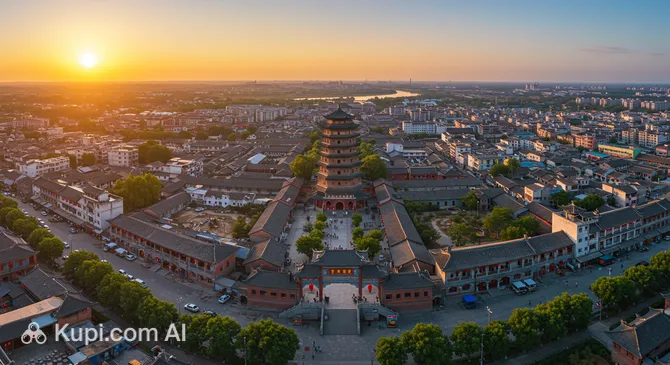
Jingdezhen. Source: Kupi.Binoculars

Travelers visiting the city should not miss the Ancient Kiln Folk Customs Expo Area, a fascinating site where you can witness traditional porcelain-making processes and see historic kilns in action. Another highlight is the Jingdezhen Ceramics Museum, which houses an extensive collection of masterpieces that narrate the evolution of the craft. For those looking to take a piece of art home, the bustling weekend markets offer everything from antique-style vases to contemporary ceramic jewelry.

Whether you are an art aficionado or simply a curious explorer, Jingdezhen offers a cultural experience unlike any other. We invite you to walk its historic streets, try your hand at the potter's wheel, and discover the timeless beauty that has made this city a legend in the world of art.

Weather Overview

Travelers planning a trip to this historic city should be prepared for distinct seasonal changes. The weather in Jingdezhen is generally characterized by hot summers and cool winters, offering different experiences depending on when you visit. Expect warm summers with frequent rain and cold, drier winters.

The summer months, particularly July and August, are the warmest, with average temperatures hovering around 30°C and highs reaching up to 33.9°C. This season also brings the most moisture; June is typically the wettest month, recording approximately 20 wet days and 15mm of precipitation. Visitors arriving during this time should definitely pack rain gear and light, breathable clothing.

In contrast, the cooler months offer a respite from the heat. October is often considered a pleasant time to explore, with comfortable average temperatures of 20.3°C and significantly less rainfall, seeing only about 6 wet days. Winter requires warmer attire, as January is the coldest month with average lows dropping to 2.7°C, though precipitation remains relatively low compared to the summer peak.

Interesting Facts

Beyond the main attractions, Jingdezhen holds many fascinating secrets and unique urban details that reflect its deep obsession with ceramics.

  • Many linguists and historians believe that the English name "China" is actually derived from Changnan, the ancient name of Jingdezhen. The city's pottery was so famous along the Silk Road that foreign traders began referring to the country by the name of the city that produced its finest exports.

  • The city is the namesake source of Kaolin, the essential white clay required to make true porcelain. The term comes from "Gaoling," a mountain located in the eastern suburbs of the city where this specific clay was first mined centuries ago.

  • The local dedication to ceramics is visible even in the public infrastructure. Visitors are often surprised to see that many streetlights and traffic light poles are made of or decorated with blue and white porcelain, turning the streets themselves into an open-air gallery.

  • In many older parts of the city, you can find walls and pavements embedded with ceramic shards. Historically, imperfect pieces were destroyed to protect the reputation of the imperial kilns, and locals repurposed these fragments as durable construction materials.

How to Get There

Reaching the "Porcelain Capital" is a straightforward journey, with options catering to both speed and scenic travel. Whether you prefer flying directly into the heart of the region or taking a train to a nearby hub, there are several convenient routes available. For a detailed breakdown of all transport modes, you can view all ways to reach the city.

The most direct way to arrive is via Jingdezhen Airport (JDZ). Located just 7.8 km from the city center, this airport offers a quick and easy connection to the downtown area. A taxi ride from the terminal to the city usually takes only about 30 minutes, making it the most efficient option for travelers who want to start exploring immediately. The airport handles a moderate volume of passengers annually, ensuring a relatively smooth and uncrowded arrival experience.

Alternatively, travelers can fly into Nanchang Changbei International Airport (KHN), which serves as a major regional hub. Please note that this airport is located in the city of Nanchang, approximately 131.9 km away from Jingdezhen. Due to the distance, you should plan for an additional transfer time of around 3.5 to 4 hours by taxi or bus to reach your final destination. With a passenger traffic of over 10 million people per year, it offers a wider range of flight connections compared to the local airport.

For clarity, here is a summary of the main airports:

Airport Name City Passenger Traffic Km from City
Nanchang Changbei International AirportNanchangLarge131.9
Huangshan Tunxi International AirportHuangshanMedium116.1
Shangrao Sanqingshan AirportShangraoSmall124.9
JiujiangJiujiangSmall135.6
Jingdezhen AirportJingdezhenSmall7.8

If you prefer traveling by rail, you might consider arriving at one of the major stations in the surrounding province. Jiujiang Railway Station is a notable option, though it is located in the city of Jiujiang, roughly 124 km from Jingdezhen. The transfer from there by road typically takes about 3.5 hours. While not in the city itself, it serves as a viable entry point for those exploring the wider Jiangxi region.

Another significant hub is Nanchang Railway Station, situated in the provincial capital of Nanchang, about 153.1 km away. This is a large station with high passenger traffic, offering extensive connections across China. From here, travelers can arrange a transfer to Jingdezhen, which generally takes around 4 hours by car or bus. While direct trains to Jingdezhen are available, these regional hubs provide alternative routes if direct tickets are sold out.

Below is a list of nearby railway stations that can serve as transit points:

Station City Passenger Traffic Km to Center
Nanchang Railway StationNanchangLarge153.1
Hefei Railway StationHefeiLarge290.6
Lu'an Railway StationLu'anLarge279.2
Huangshi Railway StationHuangshiLarge236.4
Jiujiang Railway StationJiujiang124.0

Main Attractions

While the city's reputation is built on its history, its landmarks offer a dynamic mix of ancient tradition and contemporary creativity. Beyond the well-known museums, there are several distinct areas where the spirit of the "Porcelain Capital" comes to life in unique ways.

One of the most vibrant spots in the city is Taoxichuan Ceramic Art Avenue. Transformed from the former Universe Porcelain Factory, this district has become a trendy hub for art and culture. It features industrial-style red brick buildings that now house galleries, museums, cafes, and design studios. It is particularly interesting for tourists on Friday and Saturday evenings, when the creative market comes alive with young artists selling their unique, handmade ceramic works, offering a modern twist on the city's ancient craft.

For a more tranquil experience, travelers should head to Sanbao International Ceramic Art Village. Nestled in a valley on the outskirts of the city, this area serves as a retreat for potters and artists from around the world. The architecture here is a highlight in itself, featuring rustic buildings made from rammed earth and embedded with ceramic shards. Visitors love this location for its peaceful blend of nature and art, as well as the opportunity to visit open studios and enjoy traditional food in a scenic setting.

History enthusiasts will appreciate the Imperial Kiln Ruins Park, located in the heart of the old town. This site was the center of porcelain production for the imperial court during the Ming and Qing dynasties. Today, it is home to a stunning museum designed with unique brick vaults that pay homage to traditional kiln structures. It is a fascinating place to explore because it allows you to walk through archaeological excavations and see the layers of history beneath your feet, bridging the gap between the past and present.

A truly unique attraction is the Porcelain Palace, located in the nearby village of Xinping. This circular building was constructed by a local artist using thousands of ceramic pieces, plates, and vase fragments. The result is a dazzling, colorful structure that resembles a traditional round house but is covered entirely in porcelain. It captures the imagination of tourists with its eccentric beauty and stands as a passionate tribute to the region's ceramic identity.

Local Cuisine

The culinary landscape of Jingdezhen is as distinct and memorable as its ceramics, deeply rooted in the spicy and savory flavors of Jiangxi cuisine, also known as Gan cuisine. Food here is characterized by its bold use of chili peppers, oil, and rich seasonings, designed to awaken the palate and combat the region's humidity. For travelers, dining in this city is an adventure in texture and heat, offering a genuine taste of local life that goes far beyond the standard tourist fare.

The undisputed king of local street food is Leng Fen (Cold Noodles). Unlike typical noodles found elsewhere in the country, these are thick, round, and translucent, boasting a chewy texture similar to udon but made from rice. They are served cold or at room temperature, tossed in a vibrant mixture of soy sauce, chili oil, pickled vegetables, and diced orange peel. This dish is a breakfast staple for locals but can be enjoyed at any time of day, offering a fiery kick that perfectly embodies the spirit of the city.

Another must-try delicacy is Jiao Zi Ba, a unique type of dumpling that reflects the region's reliance on rice. These are not your average wheat-wrapper dumplings; instead, they are crafted with a translucent rice flour dough and steamed to perfection. They typically come in two shapes to indicate their filling: ear-shaped ones usually contain spicy radish, while coin-shaped ones might hold chives or tofu. They are often enjoyed as a morning snack or a light lunch, frequently accompanied by a dipping sauce of vinegar and chili.

For those who enjoy a hearty start to the day, Niu Gu Fen (Beef Bone Rice Noodles) is a local favorite that shouldn't be missed. This soup noodle dish features a rich, spicy broth made from simmering beef bones for hours, served with tender meat and smooth rice noodles. It is incredibly popular and widely available at small breakfast stalls throughout the city, where locals gather to slurp down steaming bowls before heading to their workshops.

Given Jingdezhen's proximity to Fuliang County, a historic tea-producing area, the local drinking culture revolves heavily around tea. Green tea and black tea from this region are highly regarded, and you will often find tea houses using exquisite local porcelain teaware, enhancing the experience. It is the perfect way to cleanse the palate after a spicy meal.

The food culture in Jingdezhen is casual and social, with the best flavors often found in humble settings rather than upscale restaurants. Street food stalls and night markets are the heart of the dining scene, particularly around the popular ceramic markets where artists and visitors congregate. Eating here is an immersive experience where the clatter of porcelain bowls and the aroma of chili oil create a lively atmosphere that welcomes everyone to pull up a stool and dig in.

Travel Tips

Visiting Jingdezhen is a unique journey into the heart of China's artistic heritage, but like any specialized destination, it has its own rhythm and requirements. To help you navigate the bustling markets and historic kiln sites with ease, we have compiled a set of practical travel tips.

  1. Clothing and Gear: Since the city experiences a humid subtropical climate, pack lightweight, breathable fabrics for the hot and rainy summers, and bring warm layers for the damp, chilly winters. Most importantly, wear extremely comfortable walking shoes; you will spend hours exploring expansive sites like Taoxichuan and the Ancient Kiln Folk Customs Expo Area, often walking on uneven stone paths or brick-paved alleyways.
  2. Transportation: There is no metro system in Jingdezhen, so the best way to get around is by taxi or ride-hailing apps like DiDi, which often have an English interface. Public buses are available and very affordable, but routes are listed only in Chinese, making them challenging for non-native speakers. For exploring the nearby countryside or ceramic villages like Sanbao, hiring a private driver for the day is often the most efficient option.
  3. Finances: The local currency is the Chinese Yuan (CNY/RMB). While cash is accepted, the city runs primarily on mobile payments like Alipay or WeChat Pay, even in small street stalls and night markets. It is highly recommended to set up the international version of these apps on your phone before arrival. International credit cards are rarely accepted outside of major hotels, so keep some cash handy as a backup.
  4. Health and Safety: Jingdezhen is generally very safe for tourists, but standard precautions apply in crowded markets. Pharmacies are easily identifiable by a green cross sign, though staff may not speak English, so having a translation app is vital. Do not drink tap water; stick to bottled or boiled water. Be mindful of your surroundings in shops—backpacks can be hazardous in narrow aisles filled with fragile porcelain!
  5. Communication: Mandarin is the main language, and the local dialect can be quite distinct. English is not widely spoken, especially by taxi drivers and market vendors. Download an offline translation app and a map app that works in China (like Apple Maps or Baidu Maps) before you arrive. purchasing a local SIM card or an eSIM with data roaming is essential for staying connected and using payment apps.
  6. Local Etiquette: When browsing in ceramic shops or markets, always ask for permission before picking up an item. If you do handle a piece, use both hands to show respect and ensure safety. Bargaining is acceptable and expected in outdoor markets and independent stalls, but do so with a smile and a friendly attitude. In museums or artists' studios, ask before taking photos, as some designs are considered intellectual property.
  7. What to Avoid: Avoid buying expensive "antiques" unless you are a certified expert or have one with you. The reproduction skills in Jingdezhen are legendary, and high-quality modern replicas can easily pass for ancient artifacts to the untrained eye. Enjoy them for their craftsmanship rather than their purported age to avoid disappointment.
  8. Shipping and Packing: If you fall in love with a large or fragile piece of porcelain, do not worry about how to fit it in your suitcase. Most reputable shops and galleries in Jingdezhen are experts in logistics and offer professional shipping services to international addresses. It is often safer and more convenient to have them ship your purchases directly to your home.

By keeping these practicalities in mind, you can focus entirely on the beauty and creativity that surrounds you. Jingdezhen is a welcoming city where the shared love of art bridges many cultural gaps, ensuring your visit is as smooth as the finest porcelain.

Entertainment & Nightlife

Entertainment and nightlife in Jingdezhen reflect the city's unique identity: artistic, relaxed, and deeply social. Unlike the high-energy clubbing scenes found in China's mega-cities, the evening atmosphere here is defined by creative gatherings, live music in industrial-chic settings, and vibrant night markets. The nightlife is concentrated in revitalized industrial zones where old factories have been transformed into trendy spaces for locals and visitors to unwind.

The undisputed hub of evening activity is the Taoxichuan Ceramic Art Avenue. When the sun goes down, this former factory complex lights up with a warm glow, and the chimneys are illuminated to create a dramatic backdrop. This area is home to the city's best bars, craft beer pubs, and coffee shops that stay open late. It is a favorite spot for young artists, students, and tourists to gather. The atmosphere is cosmopolitan yet laid-back, with a dress code that is casual and stylish. On Friday and Saturday nights, the avenue hosts a massive night market where you can browse handmade crafts under the stars, often accompanied by street performers and live bands.

For a more gritty and authentic youth culture vibe, head to the Sculpture Factory (Diaosu Cichang). While famous for its morning market, the area has developed a cool evening scene with small, independent bars and eateries tucked into the alleyways. It attracts a hipster crowd and is the perfect place to strike up a conversation with local potters. Another notable venue for cultural entertainment is the Taoxichuan Grand Theatre, which regularly hosts concerts, dramas, and operas, offering a sophisticated night out for those interested in the performing arts.

Practicalities for a night out in Jingdezhen are straightforward. The cost of entertainment is generally moderate compared to Shanghai or Beijing; a cocktail or craft beer typically costs between 40 and 60 RMB. The best time to head out is around 8:00 PM, as venues begin to fill up after dinner. Getting around is easy and safe; ride-hailing apps like DiDi are widely used and reliable even late at night. The city is very safe for walking, particularly in well-lit districts like Taoxichuan, but it is always wise to have your hotel address written in Chinese for the driver.

While the nights are for socializing, daytime entertainment in Jingdezhen offers a different pace. Visitors can explore the city's rich heritage at the Jingdezhen China Ceramics Museum or enjoy family-friendly activities at local amusement parks. However, the true daytime allure remains in the interactive workshops scattered throughout the city, where entertainment means getting your hands dirty with clay before washing up for a drink in the evening.

Parks & Museums

While Jingdezhen is globally famous for its industrial prowess in ceramics, the city is also home to serene landscapes and world-class institutions that chronicle its artistic journey. Visitors will find a harmonious balance here, where lush green spaces offer a respite from the bustle of the markets, and meticulously curated museums provide a deep dive into the history that shaped the region.

For those seeking fresh air and scenic views, Changnan Lake National Wetland Park is a standout destination. This expansive park combines natural beauty with cultural elements, featuring a massive lake surrounded by walking paths and modern landscaping. It is particularly famous for its iconic architecture, including a building shaped like a giant porcelain bowl, which illuminates beautifully at night. It is an excellent spot for a leisurely afternoon stroll or for watching the sunset reflect off the calm waters.

Another significant natural area is the Gaoling National Mining Park, located in the suburbs. This site is pivotal to the city's identity, as it is the original source of Kaolin clay, the essential ingredient for porcelain. Beyond its historical importance, the park offers a fantastic hiking experience with ancient trails winding through dense forests, past old mining pits, and along scenic streams. It provides a unique opportunity to understand the geological roots of the ceramic industry while enjoying the tranquility of the mountains.

When it comes to cultural institutions, the Jingdezhen China Ceramics Museum is the premier facility for understanding the timeline of Chinese pottery. The museum houses a staggering collection of over 50,000 artifacts, ranging from Neolithic pottery to exquisite pieces from the Ming and Qing dynasties. Visitors can walk through history chronologically, observing how techniques and aesthetics evolved over centuries. It serves as an educational anchor for any trip, offering context to the art seen in the city's markets.

A marvel of contemporary architecture and history is the Jingdezhen Imperial Kiln Museum. Designed by the renowned Studio Zhu-Pei, the building itself is a work of art, featuring sweeping brick vaults that echo the shape of traditional kilns. Located on the site of the ancient imperial kilns, the museum integrates archaeological ruins with exhibition spaces. It focuses on the "imperfect" pieces that were broken and buried to protect the emperor's standards, offering a fascinating look at the rigorous quality control of the imperial era.

For a journey further back in time, Yaoli Ancient Town is a must-visit historical site nestled in the mountains. Often referred to as the "source of the ceramic river," this town features well-preserved Ming and Qing dynasty architecture set against a backdrop of camphor trees and flowing rivers. Unlike the city center, Yaoli offers a slower pace where you can explore ancient ancestral halls and walk across historic stone bridges that have withstood the test of time.

An authentic, lesser-known experience can be found at the Hutian Ancient Kiln Site. While less polished than the major museums, this archaeological site offers a raw look at the kiln mounds that produced the famous shadow-blue (Qingbai) porcelain of the Song dynasty. It is a quiet, contemplative place often overlooked by tour groups, allowing you to stand directly amidst the layers of history that fueled the city's rise to fame.

Getting Around

Navigating Jingdezhen is relatively straightforward, though the options differ slightly from China's larger metropolises. As the city does not currently have an underground metro system, the public transport network relies entirely on road-based options. For most tourists, a combination of public buses, taxis, and ride-hailing apps provides the most efficient way to explore the various ceramic districts and scenic spots.

The public bus system is extensive and covers all major areas, including the city center, the railway stations, and key attractions like the Ancient Kiln Folk Customs Expo Area. Buses are modern and air-conditioned, making them a comfortable option. The fare is very affordable, typically costing 1 to 2 RMB per ride, regardless of distance. However, route maps and stop announcements are almost exclusively in Chinese, which can be a challenge for international visitors without a translation app.

For payment, the system has largely moved towards digital solutions. While you can still pay with cash, you must have the exact change (coins or small bills) as drivers cannot provide change. The most convenient method is to use the "Transport" or "Ride Code" feature within mobile apps like Alipay or WeChat. You simply scan the QR code on the bus card reader upon entry. Physical transport smart cards exist for locals, but they are generally not necessary for short-term visitors given the ease of mobile payments.

Taxis are ubiquitous and are often the preferred choice for tourists due to their low cost and convenience. You can hail them on the street, and they are strictly metered. Fares start at a low base rate, making even cross-town journeys quite economical. Alternatively, ride-hailing apps, particularly DiDi (which has a mini-app inside Alipay/WeChat with an English interface), are highly recommended. They allow you to input your destination in English or via a map pin, eliminating language barriers with the driver.

For shorter distances, shared bicycles and electric scooters are scattered throughout the city. Operated by major platforms (often blue or yellow bikes), these can be unlocked by scanning a QR code with your payment app. They are perfect for navigating the flat, pedestrian-friendly areas around Taoxichuan or for a leisurely ride along the riverbanks. Be aware that you need a verified account on the respective app to use them.

Operating hours for public transport are generally tourist-friendly. Most bus lines run from early morning, around 6:00 AM, until approximately 9:00 PM or 10:00 PM. If you plan to stay out late enjoying the nightlife at the ceramic markets, be prepared to take a taxi back to your accommodation, as bus services will likely have ceased.

A crucial tip for all travelers is to have the names of your hotel and intended destinations written in Chinese characters on your phone or a piece of paper. Since English is not widely spoken by bus drivers or taxi operators, showing the address is the surest way to get where you need to go. Additionally, using a local map app like Amap (Gaode) or Baidu Maps is far more accurate than Western alternatives for checking bus routes and arrival times.

Accommodation

Accommodation in Jingdezhen has undergone a remarkable transformation in recent years, evolving from standard business hotels to a diverse array of options that reflect the city's artistic soul. Today, visitors can choose from a wide spectrum of lodging, ranging from budget-friendly youth hostels and comfortable mid-range chains to unique boutique hotels and luxury resorts. A growing trend in the city is the rise of "art hotels," where the decor features locally made ceramics, and some even offer pottery workshops directly on-site.

When choosing where to stay, the location largely depends on the type of experience you are seeking. The City Center is the most convenient area for transport links and accessing standard amenities. It is a practical choice for those with early trains or those who want to be close to the main shopping streets. However, for a more atmospheric stay, many travelers prefer the Taoxichuan area. Staying here places you right in the heart of the arts district, surrounded by red-brick industrial architecture, galleries, and the bustling night market, all within walking distance of your hotel.

For a truly unique experience, consider staying in the Sanbao International Ceramic Art Village. Located in a scenic valley on the outskirts of the city, this area is dotted with rustic guesthouses and high-end retreats nestled among the hills. It is particularly popular with artists and those looking for tranquility. The accommodations here often feature traditional rammed-earth architecture and beautiful courtyards, offering a peaceful escape from the urban center while still being accessible by taxi.

Booking Tips: Jingdezhen is a year-round destination, but accommodation can become scarce and more expensive during peak times. It is highly recommended to book well in advance if you plan to visit during the International Ceramic Fair in October or during major Chinese holidays like the National Day "Golden Week" (early October) and the Lunar New Year. During these periods, the best boutique hotels in Sanbao and Taoxichuan sell out weeks, if not months, ahead of time.

The cost of staying in the city is generally reasonable compared to China's major metropolises. Budget travelers can find hostels and basic guesthouses ranging from 50 to 150 RMB per night. Mid-range options, including comfortable business hotels, typically cost between 250 and 500 RMB. For those seeking luxury, high-end resorts in Sanbao or designer hotels in Taoxichuan usually start from 800 RMB. Most properties can be booked via major international travel platforms, ensuring a smooth process for overseas visitors.

Nearby Cities

For those looking to explore the surroundings, Jingdezhen serves as an excellent base for day trips to several interesting nearby locations:

One of the most scenic options is Shangrao, located to the east. This region is the gateway to the stunning Mount Sanqing (Sanqingshan), a UNESCO World Heritage site famous for its granite peaks and Taoist heritage. The area is also well-known for the idyllic countryside of Wuyuan, which falls under its jurisdiction. Here, visitors can admire ancient Hui-style architecture and vibrant fields of rapeseed flowers, often cited as some of the most beautiful rural landscapes in China.

To the west lies Jiujiang, a historic port city on the banks of the Yangtze River. It is best known as the entry point to Mount Lu (Lushan), a renowned summer resort area with a cool climate, misty peaks, and a unique collection of European-style villas from the early 20th century. A trip here offers a perfect mix of hiking, history, and breathtaking natural scenery.

For those interested in urban history and culture, the provincial capital, Nanchang, is accessible for a longer day trip. The city blends modern development with deep historical roots, centered around the magnificent Tengwang Pavilion. As one of the Four Great Towers of China, it offers panoramic views of the Gan River and provides a deep dive into the region's literary and architectural past.

City Population Distance (km)
Shangrao6,810,700117
Jiujiang4,896,800126
Anqing4,723,000142
Nanchang3,576,547144
Yushan2,092,496125

These nearby destinations offer a glimpse into the diverse culture and landscapes of the region, ranging from misty mountains to bustling river cities.

Shopping & Souvenirs

Shopping in Jingdezhen is a distinct experience that revolves almost entirely around its identity as the "Porcelain Capital." While you can find standard retail stores, the true allure lies in the endless array of ceramics available at every turn. From high-end galleries showcasing masterworks to dusty wholesale markets and trendy street stalls, the city offers an overwhelming variety of pottery. Visitors come here not just to buy goods, but to hunt for treasures, whether they are looking for antique shards, everyday tableware, or contemporary art pieces created by young designers.

For a modern and comfortable shopping environment, the Taoxichuan Ceramic Art Avenue is the premier destination. This revitalized industrial district is lined with stylish boutiques and galleries where quality is guaranteed. It is the best place to find sophisticated designs, modern tea sets, and unique jewelry. Another key area is Zhushan Road, the commercial heart of the city. This bustling street is home to a mix of traditional shops, clothing stores, and larger ceramic showrooms, making it a convenient spot for general shopping needs.

While the city focuses heavily on street markets and independent shops, there are commercial centers for those seeking a more conventional retail experience. The Jingdezhen Department Store on Zhushan Middle Road is a long-standing establishment offering a variety of goods, from clothing to local specialties. Newer developments in the Changnan District also feature modern shopping complexes that provide a mix of international brands, dining, and entertainment, offering a break from the ceramic-centric scene.

The soul of Jingdezhen's shopping culture is found in its markets. The Jingdezhen Ceramics Market (Guomao) is a massive complex that feels like a maze of pottery. It is the place to go for wholesale prices on dinnerware, vases, and tea sets; expect to dig through piles of goods to find hidden gems. For a more atmospheric experience, the Sculpture Factory Morning Market (held on weekends) is a favorite among young people and artists, selling creative and quirky handmade items. Early risers should not miss the famous "Ghost Market" on Shuguang Road, which opens before dawn on Mondays. Here, vendors sell antique porcelain shards, old tools, and curiosities, attracting serious collectors and history buffs.

When it comes to souvenirs, porcelain is naturally the top choice. Popular items to bring back include delicate tea sets, which are a staple of local culture, and "Linglong" porcelain, known for its translucent rice-grain patterns. For something smaller and easier to pack, look for hand-painted ceramic jewelry, chopstick holders, or the unique "tea pets" that sit on tea trays. Visitors also often buy bags of ceramic shards as unique, historical mementos to display at home.

Most shops and markets typically open around 9:00 AM or 10:00 AM and stay open until 9:00 PM, though night markets often run later. Payment in Jingdezhen is overwhelmingly digital; Alipay and WeChat Pay are accepted virtually everywhere, from upscale galleries to small street stalls. While some larger stores may accept credit cards, it is rare, and cash is becoming less common, though still accepted. Bargaining is standard practice in outdoor markets and independent stalls, so do not hesitate to negotiate politely for a better price.

Tax-free shopping is not widely available in Jingdezhen compared to major international hubs like Shanghai or Beijing. Most ceramic purchases, especially in markets and artist studios, are not eligible for VAT refunds. However, if you are purchasing expensive art pieces from large, government-authorized galleries or department stores, it is worth asking if they participate in the tax refund scheme for tourists, though you should generally assume the price you see is the final price including tax.

Reached the end of the page?

That means the route is fully explored