Support

Wuhu

About

Wuhu is a dynamic city located in the southeastern part of Anhui Province, nestled along the southern bank of the majestic Yangtze River. Often referred to as the "Giant Port of the Yangtze," this bustling metropolis in China offers a fascinating blend of riverside charm, commercial vitality, and modern urban energy. Known historically as a "Land of Fish and Rice," Wuhu has evolved into a significant regional hub that welcomes visitors with its unique atmosphere and scenic beauty.
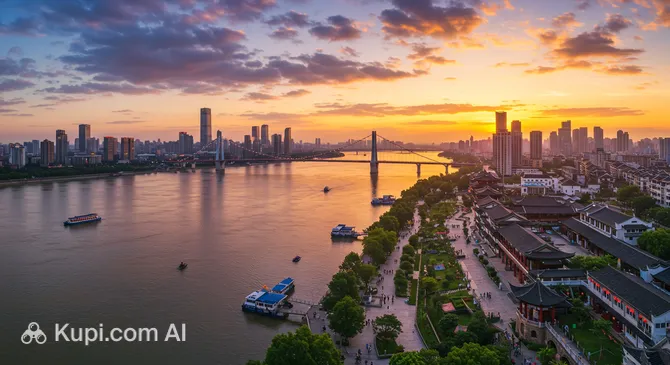
Wuhu. Source: Kupi.Binoculars

With a population of over 3.8 million people, the city is a lively center of activity that enjoys a subtropical monsoon climate, characterized by distinct seasons and plentiful rainfall. Beyond its modern skyline, the deep history of Wuhu as a major trading port has left a lasting cultural imprint on the region. It was traditionally one of the four major rice markets in the country, and its strategic location continues to play a vital role in its development today.

For tourists, Wuhu offers a variety of engaging attractions. It is widely famous for hosting Fantawild Adventure, a collection of large-scale, high-tech theme parks that provide thrilling entertainment for families and adventure seekers. For those preferring nature and tranquility, Zheshan Park offers lush landscapes and hiking trails right in the city center, while the serene Mirror Lake (Jinghu) is a perfect spot for a relaxing evening stroll surrounded by willow trees and pavilions.

Whether you are eager to experience cutting-edge amusement parks or simply wish to gaze out over the waters of the Yangtze, Wuhu is a delightful destination to add to your itinerary. Its mix of natural splendor and contemporary fun makes it a standout stop in Anhui Province.

Weather Overview

Travelers visiting Wuhu will experience four distinct seasons, typical of a subtropical climate. The weather in Wuhu varies significantly throughout the year, ranging from hot, humid summers to chilly, drier winters. Understanding these patterns is key to planning a comfortable trip to this riverside city.

Summers are generally hot, with July and August being the peak months. Average temperatures hover around 29°C, with daytime highs often reaching 32.6°C. This season also brings the most frequent rainfall; July, for instance, typically sees about 17 wet days. In contrast, winters are cold and much drier. January is usually the coldest month, with an average temperature of 4.5°C and lows dipping near 0.6°C.

Spring and autumn offer the most moderate conditions. April and May see temperatures rising from 17.5°C to 22.3°C, creating a pleasant environment for outdoor activities. Similarly, October provides mild weather with averages around 18.4°C before the cooler November air sets in. Overall, expect warm summers with occasional rain and cold, dry winters.

Interesting Facts

Beyond the popular parks and scenic lakes, Wuhu holds fascinating secrets that showcase its unique blend of artistic heritage and industrial might. Digging a little deeper reveals stories that define the true character of this dynamic city.

  • Wuhu is the birthplace of a distinctive art form known as Iron Pictures (Tiehua). Recognized as a national intangible cultural heritage, this craft involves using hammers and iron as "brushes" and "ink" to forge intricate landscapes and figures. The resulting artworks mimic the style of traditional Chinese paintings but with a striking, three-dimensional metallic texture.

  • The name "Wuhu" has a literal translation that points to its geography: it means "Weed Lake," referring to a body of water overgrown with weeds. Historically, the area was known by the ancient name Jiuzi, which is often associated with the aquatic birds that populated the region. This nomenclature highlights the city's enduring connection to the wetland ecosystems of the Yangtze River basin.

  • During the Qing Dynasty, Wuhu was celebrated as one of the Four Major Rice Markets in China. Its strategic location on the Yangtze made it a vital hub for grain distribution, and it was said that the harvest in this region could influence food security for the entire country.

  • In the modern era, the city has gained fame as the headquarters of Chery Automobile, one of the country's largest car manufacturers. Founded here in 1997, the company has transformed Wuhu into a significant automotive industrial base, marking a major shift from its agricultural past to a high-tech future.

How to Get There

Reaching this dynamic city is increasingly convenient thanks to its strategic location in Anhui Province. Whether you are traveling domestically or arriving from abroad, there are several viable entry points. You can find more about how to get to Wuhu and detailed route planning on our dedicated transport page.

The most direct way to arrive by air is via Wuhu Xuanzhou Airport (WHA), which is located approximately 35 km from the city center. As a local transport node, it handles a growing number of domestic flights. A taxi or bus ride from this airport to downtown Wuhu generally takes around 75 minutes.

For international travelers or those seeking more flight connections, Nanjing Lukou International Airport (NKG) is an excellent alternative. Although it is located in the city of Nanjing, it is situated just 59.4 km from Wuhu, making it a very practical option. It is a large international hub with extensive traffic. The transfer from Nanjing Lukou to Wuhu by road typically takes about 1 hour and 50 minutes.

For clarity, here is a summary of the main airports:

Airport Name City Passenger Traffic Km from City
Nanjing Lukou International Airport Nanjing Very Large 59.4
Hefei Xinqiao Airport Hefei Large 155.8
Changzhou Airport Changzhou Medium 142.3
Wuhu Xuanzhou Airport Wuhu Medium 35.0
Chizhou Jiuhuashan Airport Chizhou Small 98.2

While Wuhu is integrated into the national rail network, travelers might also consider transiting through major railway stations in nearby key cities if direct tickets are unavailable. One significant hub is Hefei Railway Station (KFI), located in the provincial capital of Hefei, approximately 121.8 km from Wuhu. The road journey from there to Wuhu takes roughly 3.5 hours.

Another regional option is Zhenjiang Railway Station (ZUJ) in the city of Zhenjiang. It sits about 132.9 km away from Wuhu. Please note that these stations are not located within Wuhu itself, so additional ground transport will be required to reach your final destination.

Station City Passenger Traffic Km to Center
Hangzhou Railway Station Hangzhou Very High 206.5
Huzhou Railway Station Huzhou High 160.5
Hefei Railway Station Hefei Medium 121.8
Lu'an Railway Station Lu'an Medium 188.4
Zhenjiang Railway Station Zhenjiang Medium 132.9

Main Attractions

Wuhu is a city where modern entertainment meets ancient culture, offering a diverse range of experiences for every type of traveler. From adrenaline-pumping theme parks to serene historical sites, the city’s attractions reflect its status as a vibrant cultural and economic hub in Anhui Province. Below are some of the top places to visit during your stay.

Undoubtedly the most famous draw for tourists is the extensive Fantawild theme park complex. Wuhu is home to several distinct parks under this brand, including Fantawild Adventure, Fantawild Dreamland, and Fantawild Oriental Legend. These parks are renowned for their high-tech approach, featuring spectacular 4D rides, holographic performances, and roller coasters that rival those found internationally. It is a must-visit destination for families and thrill-seekers, offering a unique blend of Chinese folklore and cutting-edge technology that brings ancient myths to life.

For those seeking tranquility and panoramic views, Zheshan Park is the perfect choice. Located in the heart of the city, this scenic area encompasses two hills and serves as a green oasis amidst the urban landscape. The park is interesting not only for its lush forest paths but also because it houses the historic Guangji Temple, a prominent Buddhist site with a history stretching back over a thousand years. Climbing to the top of the hill rewards visitors with a sweeping view of the city skyline and the distant Yangtze River.

Another gem in the city center is Mirror Lake (Jinghu) Park. Often described as the "Pearl of Wuhu," this park features a crystal-clear lake surrounded by weeping willows and traditional pavilions. It is a favorite spot for locals to relax, making it an excellent place for tourists to observe authentic daily life. The park is adjacent to a bustling pedestrian street, allowing visitors to easily combine a scenic boat ride or a sunset stroll with shopping and tasting local snacks.

Finally, the majestic Wuhu Yangtze River Bridge stands as a symbol of the city's industrial strength. As a massive combined highway and railway bridge, it is an engineering marvel that spans the mighty Yangtze. Visitors can head to the riverside parks nearby to admire the sheer scale of the structure and watch the heavy river traffic pass beneath it. It offers a powerful perspective on the river's role as a golden waterway and provides a striking backdrop for photography, especially at dusk.

Local Cuisine

As a city historically celebrated as a "Land of Fish and Rice," Wuhu offers a culinary landscape deeply rooted in the fresh abundance of the Yangtze River. The local cuisine is a sub-branch of Anhui cuisine (Wan cuisine), specifically known for its emphasis on river delicacies, strict selection of ingredients, and control of heat. The flavors here are generally fresh, crisp, and moderately salty, often retaining the original taste of the ingredients.

A trip to Wuhu is incomplete without trying its most iconic dish: Shrimp Roe Noodles (Xiazi Mian). This delicacy features high-quality, handmade noodles boiled to a firm texture and served in a savory broth made from pork bones and river shrimp. The dish is topped with a generous spoonful of dried shrimp roe and scallions, creating a rich, umami-packed flavor that locals have cherished for generations. It is not just a meal; it is a symbol of the city's gastronomic heritage.

Another highlight of the local food scene is the vibrant morning tea culture. Much like in Canton, breakfast in Wuhu is a leisurely ritual. Visitors should head to traditional tea houses to sample Wuhu Tangbao (soup dumplings). These steamed buns are famous for their paper-thin skins and rich, juicy fillings. Eating them requires a bit of skill—bite a small hole to sip the broth first, then enjoy the meat and dough—to avoid burning your tongue while savoring the flavor.

For dinner or a late-night snack, the city's food streets come alive. Phoenix Food Street (Fenghuang Meishi Jie) is a popular destination where tourists can explore a wide variety of stalls. Here, you can find Red-braised Duck, a regional specialty with a glossy, crispy skin and tender meat, often seasoned with a blend of local spices. Freshwater fish dishes are also a staple, usually braised in brown sauce to highlight the tenderness of the catch from the nearby river.

To accompany these rich meals, locals often prefer green tea, as Anhui Province is one of China's premier tea-producing regions. A cup of locally sourced tea helps cleanse the palate after a hearty meal of dumplings or noodles. For those interested in alcoholic beverages, local rice wines and standard Chinese spirits (Baijiu) are widely available, often enjoyed during social gatherings and festive dinners.

Travel Tips

Planning a trip to Wuhu is an exciting prospect, but navigating a new city in Anhui Province can be much smoother with a little insider knowledge. To ensure your visit to this "Giant Port of the Yangtze" is as enjoyable and hassle-free as possible, here are some essential practical tips to keep in mind.

  1. Clothing and Gear: The climate in Wuhu dictates your wardrobe. If visiting in summer (June–August), pack lightweight, breathable fabrics and rain gear, as it gets hot and humid with frequent monsoon showers. For winter (December–February), a heavy coat and thermal layers are necessary due to the damp chill. Bring comfortable walking shoes for exploring Zheshan Park and a universal power adapter (Types A, C, and I are common in China).
  2. Transportation: Wuhu boasts a modern Rail Transit (Monorail) system that is not only efficient but offers great elevated views of the city. For door-to-door convenience, ride-hailing apps like DiDi (the local equivalent of Uber) are widely used and often easier than hailing a taxi on the street. Public buses are affordable, but routes can be confusing for non-Chinese speakers.
  3. Finances: The local currency is the Renminbi (RMB/CNY). While credit cards are accepted in international hotels, daily life revolves around mobile payments. It is highly recommended to download Alipay or WeChat Pay and link your international bank card before arrival. Carry a small amount of cash for older vendors, but note that tipping is not part of the local culture and is generally not expected.
  4. Health and Safety: Wuhu is generally very safe for tourists. However, you should never drink tap water; always opt for bottled or boiled water. Pharmacies are easy to spot by a green cross sign, and many have translation apps to help you communicate your needs. Standard travel insurance is recommended for any medical emergencies.
  5. Communication: English is not widely spoken outside of major hotels and the Fantawild theme parks. A reliable translation app (like Baidu Translate or a voice translator) is essential. Since many Western apps and websites are blocked, consider purchasing a local SIM card or an eSIM with a roaming data package to stay connected and access maps (Baidu Maps or Amap are more accurate locally than Google Maps).
  6. Local Etiquette: When greeting locals, a nod or a polite handshake is standard. If you are invited to a meal, wait to be seated, and remember that sticking your chopsticks vertically into a bowl of rice is considered a taboo, as it resembles incense burning for the dead. Presenting money or cards with two hands is a sign of respect.
  7. What to Avoid: Avoid visiting the popular Fantawild theme parks during major Chinese holidays, such as the National Day Golden Week (early October) or Chinese New Year. The crowds can be overwhelming, leading to very long wait times for rides and attractions.
  8. Local Insight: Embrace the local "Morning Tea" tradition. Unlike a quick coffee run, breakfast in Wuhu is a leisurely affair involving soup dumplings and noodles. Visit popular spots early (before 8:30 AM) to get the freshest food and beat the mid-morning rush.

By keeping these practical tips in mind, you will be well-prepared to explore everything Wuhu has to offer, from its high-tech amusement parks to its serene riverside promenades. A little preparation goes a long way, ensuring your memories of the city are filled with fun, discovery, and delicious food.

Entertainment & Nightlife

As the sun sets over the Yangtze River, Wuhu transforms from a busy industrial port into a vibrant city of lights, flavors, and entertainment. While it may not have the overwhelming nightlife intensity of Shanghai, the city offers a lively and welcoming atmosphere where tourists can enjoy everything from bustling night markets to modern lounge bars. The nightlife here is centered around socializing, dining late into the evening, and enjoying the illuminated riverside views.

The heart of the action is undoubtedly Zhongshan Road Pedestrian Street. This commercial hub is bustling with activity well into the night, lined with shopping malls, street vendors, and entertainment venues. It is the perfect place to start your evening with a stroll, soaking in the neon lights and the energy of the local crowd. For a more gastronomic experience, Phoenix Food Street (Fenghuang Meishi Jie) is an absolute must-visit. This dedicated culinary avenue stays awake late, offering a sensory overload of sizzling hotpots, spicy crayfish, and local street snacks. It is noisy, crowded, and incredibly authentic—the ideal spot to dine like a local.

For those seeking a drink and a place to unwind, the city has a diverse nightlife scene that caters to different tastes. Instead of a single centralized bar district, you will find various options scattered near the city center. KTVs (Karaoke TV) are extremely popular here, offering private rooms where groups can sing and socialize in comfort. For a more relaxed setting, several hotels offer sophisticated lounges perfect for a quiet cocktail. If you prefer a casual vibe, there are numerous small bars and pubs located in the alleys around the pedestrian street, often frequented by a mix of locals and visitors enjoying music and conversation.

The atmosphere in Wuhu's nightlife spots is generally casual and friendly. There is rarely a strict dress code, although "smart casual" is appropriate for the nicer venues. Prices are very reasonable compared to China's Tier-1 cities; a night out here won't break the bank. Taxis are plentiful and easy to flag down at night, and ride-hailing apps are highly efficient for getting back to your hotel safely. The city is very safe for night walks, especially around the well-lit Jiuzi Square and Mirror Lake areas, where you can often see locals enjoying public dancing or evening exercises.

Parks & Museums

While Wuhu is often celebrated for its industrial achievements and bustling port, the city also dedicates significant space to greenery and cultural preservation. For visitors looking to slow down, the city offers a refreshing selection of landscaped parks and insightful museums that provide a deeper understanding of the region's artistic and natural heritage.

One of the most culturally significant green spaces is Shenshan Park (Mt. Shen Park). Unlike a typical city park, this area is home to the remarkable Wuhu Sculpture Park. Nestled within a lush forest environment, the park features over 150 sculptures created by artists from around the world. It serves as an open-air gallery where nature and modern art intersect, making it a fascinating place for a hike that stimulates both the body and the mind.

For those drawn to the water, Binjiang Park offers a magnificent experience along the banks of the Yangtze River. Stretching for kilometers, this riverside belt is the perfect vantage point for admiring the sheer power of the river and the impressive Wuhu Yangtze River Bridge. It acts as a natural "oxygen bar" for the city and is particularly lively in the evenings, when locals gather to enjoy the cool river breeze and watch the ships navigate the waterway.

To dive into the local history, a visit to the Wuhu Museum is essential. This modern facility is an architectural landmark in itself, designed to reflect the city's identity. Inside, expansive exhibitions trace the development of Wuhu from a prehistoric settlement to a major rice market and trading port. The collections include ancient pottery, bronze ware, and exquisite examples of the famous Wuhu Iron Pictures, offering a comprehensive overview of the region's "Fish and Rice" culture.

Another venue worth exploring is the Wuhu Science and Technology Museum. While it focuses on scientific principles, it also highlights the city's rapid technological advancement. It is an interactive space that appeals to families and curious minds, showcasing how Wuhu has transformed from a traditional agricultural hub into a center for innovation and automobile manufacturing.

For a truly authentic experience, look for the smaller galleries or workshops dedicated to Iron Picture art (Tiehua) often found near the historic districts or within cultural centers. Watching a master craftsman manipulate cold iron into delicate, painting-like landscapes is a mesmerizing experience that you won't find anywhere else in the world.

Getting Around

Navigating Wuhu is increasingly convenient thanks to a modernizing public transport network that blends efficiency with unique sightseeing opportunities. The backbone of the city's transit system is the Wuhu Rail Transit, which is distinct from the underground subways found in many other large cities. Wuhu utilizes an elevated monorail system, specifically Line 1 and Line 2. This straddle-beam monorail not only connects major hubs like the Wuhu Railway Station, Jiuzi Square, and the Fantawild theme parks but also offers passengers sweeping views of the cityscape and the Yangtze River as they travel above the streets.

Complementing the monorail is an extensive public bus network that covers virtually every corner of the city. Buses are the most affordable way to get around, with fares typically set at a flat rate of 1 or 2 RMB depending on the season (air-conditioned months may cost slightly more). While the bus system is comprehensive, route maps and announcements are almost exclusively in the local language, so having a translation app or a navigation map on your phone is essential for identifying the right stop.

When it comes to paying for rides, the system is heavily digitized. The most common method is scanning a QR code via mobile apps like Alipay or WeChat. You can activate the "Transport" code within these apps to pay for both the monorail and buses instantly. Physical transport cards, known as "Yikatong," are available at service centers and are valid in many cities across the region, but for short-term visitors, mobile payment is far more convenient. If you prefer cash, you must have exact change for the bus fare boxes, as drivers cannot provide change.

For those seeking a more direct route, taxis are plentiful and relatively inexpensive compared to Western standards. You can hail them on the street; they are easily recognizable by their distinct colors. However, most local drivers do not speak English. A popular alternative is using ride-hailing apps like DiDi (accessible via a standalone app or within WeChat/Alipay), which allow you to input your destination in English and pay automatically, eliminating language barriers and payment hassles.

For short distances or "last-mile" connections, shared bicycles and electric scooters are scattered throughout the city. Platforms like HelloBike and Meituan Bike allow you to unlock a bike by scanning a QR code with your phone. This is a fantastic way to explore the scenic paths around Mirror Lake or the riverside parks at your own pace. Just be sure to park them in designated zones to avoid penalties.

Tourists should note that public transport in Wuhu typically operates from around 6:00 AM to 10:00 PM, though times can vary slightly by line and season. The monorail is generally punctual and avoids traffic jams, making it the best option during rush hours (7:00–9:00 AM and 5:00–7:00 PM). To ensure a smooth journey, it is highly recommended to download a reliable navigation app like Amaps (Gaode Ditu) or Baidu Maps, as these provide the most accurate real-time transit data.

Accommodation

Finding the right place to stay in Wuhu is relatively easy, as the city offers a broad spectrum of accommodation options to suit various budgets and travel styles. As a developing regional hub in China, the hospitality sector here has matured significantly. Visitors can choose from high-end international luxury hotels offering panoramic views of the Yangtze River, reliable mid-range business chains, and affordable guesthouses or hostels catering to backpackers and students.

For most tourists, the most convenient area to base yourself is the Jinghu District, particularly around Mirror Lake and Zhongshan Road Pedestrian Street. Staying here places you right in the heart of the action, with easy access to shopping centers, local food streets, and major parks like Zheshan. It is an ideal location for those who want to explore the city's culture and nightlife on foot. Alternatively, travelers seeking a scenic and upscale experience often opt for the Binjiang (Riverside) area, where many premium hotels are located, offering stunning vistas of the river traffic and the sunset.

If your primary reason for visiting is the Fantawild theme parks, you might consider staying in the Jiujiang District or the areas specifically developed around these attractions. While these locations are further from the traditional city center, they offer proximity to the parks, which is a significant advantage for families who want to maximize their time on the rides and avoid morning traffic.

Booking Tips and Prices:

Accommodation prices in Wuhu are generally very reasonable compared to major metropolises like Shanghai or Beijing.

  • Budget: Clean and basic rooms can be found for approximately 150–250 RMB per night.
  • Mid-Range: Comfortable business hotels typically range from 300–500 RMB.
  • Luxury: High-end 5-star properties usually start around 600 RMB and go up depending on the season and room type.
It is highly recommended to book your accommodation in advance through major online platforms, especially if you plan to visit during Chinese national holidays (such as the Golden Week in October or the Spring Festival), when demand surges and prices can double.

Nearby Cities

For those looking to explore the surroundings, Wuhu serves as an excellent base for day trips to several interesting nearby locations. The region is rich in history and natural beauty, offering travelers a chance to experience the broader cultural landscape of Anhui and neighboring provinces.

One of the most compelling destinations is Nanjing, located less than 100 kilometers away. As one of the Four Great Ancient Capitals of China, it offers a wealth of historical sites, including the impressive Ming City Wall and the majestic Sun Yat-sen Mausoleum on Purple Mountain. It is a must-visit for anyone interested in the country's imperial past.

Another great option is Hefei, the capital of Anhui Province. This city blends modern development with deep cultural roots, featuring attractions like the Lord Bao Park, which honors the legendary upright official Bao Zheng. It provides a mix of urban energy and historical reflection.

For a more scenic experience, Yangzhou is famous for its exquisite traditional gardens and the poetic Slender West Lake. Known for its relaxed pace and beautiful waterways, it offers a tranquil escape perfect for a leisurely day of sightseeing.

City Population Distance (km)
Nanjing 8,422,000 86
Yangzhou 4,559,797 148
Hefei 4,216,940 126
Chuzhou 3,987,054 100
Changzhou 3,601,079 155

These nearby destinations offer a glimpse into the diverse culture and landscapes of the region.

Shopping & Souvenirs

Shopping in Wuhu offers a delightful mix of modern convenience and traditional charm. As a historic trading port along the Yangtze River, the city has long been a commercial hub, and today it boasts everything from high-end shopping centers to bustling local markets. Visitors can expect to find a wide array of goods, ranging from international fashion brands to unique local handicrafts that reflect the region's rich cultural heritage.

The heartbeat of the city's retail scene is undoubtedly Zhongshan Road Pedestrian Street. Located in the city center near Mirror Lake, this vibrant avenue is closed to vehicle traffic and lined with a dense concentration of shops, boutiques, and department stores. It is the perfect place to stroll, window shop for clothes and electronics, and soak up the lively atmosphere. At night, the street lights up with neon signs, making it a popular destination for both shopping and leisure.

For a comprehensive one-stop shopping experience, travelers should head to one of the major malls such as Wanda Plaza or Suning Plaza. These modern complexes offer a comfortable, climate-controlled environment filled with well-known domestic and international brands, cinemas, and extensive food courts. They are particularly convenient for families, providing entertainment options alongside retail therapy.

When it comes to souvenirs, Wuhu is famous for its exquisite Iron Pictures (Tiehua). These unique artworks are forged from iron to resemble traditional Chinese ink paintings and are a recognized national intangible cultural heritage; they make for a distinct and lasting memento. Another popular local specialty is roasted seeds and nuts, particularly the famous "Shazi" sunflower seeds, which originated here. Additionally, as part of Anhui Province, the city is a great place to purchase high-quality green tea and locally produced silk products.

Most shops in Wuhu operate daily from around 10:00 AM to 10:00 PM, including weekends. While major shopping malls and large supermarkets may accept international credit cards, smaller shops and street vendors rely almost exclusively on mobile payments like Alipay and WeChat Pay. It is highly recommended to have these apps set up on your phone. Tax-free shopping services are generally not available for international tourists in Wuhu, so visitors should not expect VAT refunds on their purchases.

Reached the end of the page?

That means the route is fully explored