Support

Changzhou

About

Changzhou is a vibrant metropolis located in the southern part of Jiangsu Province, China. Situated in the highly developed Yangtze River Delta, it lies conveniently between Shanghai and Nanjing. Often referred to as the "Dragon City," Changzhou is a place where ancient cultural heritage seamlessly blends with modern innovation and urban development. With a population of over 3.6 million people, it serves as an important industrial and cultural hub in the region, offering a comfortable climate with four distinct seasons.

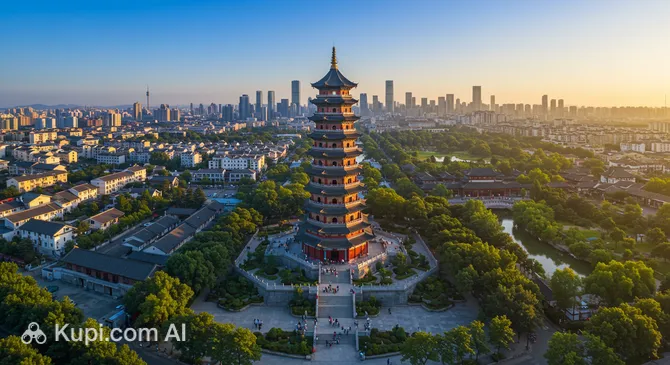
Changzhou. Source: Kupi.Binoculars

The city boasts a rich cultural legacy that dates back over three millennia. Visitors interested in the past can explore the fascinating history of Changzhou, which is closely linked to the ancient Grand Canal, a UNESCO World Heritage site that runs through the city. This waterway has shaped the local lifestyle and architecture for centuries, creating a picturesque landscape of water towns and historic bridges.

For modern travelers, Changzhou offers several unique attractions. It is famous for the China Dinosaur Park, a massive theme park that combines science museum elements with thrilling rides, making it a favorite for families. Another must-see landmark is the Tianning Temple, home to the Tianning Pagoda, which stands as the tallest wooden pagoda in the world and offers panoramic views of the city. Whether you are seeking thrilling adventures or spiritual tranquility, Changzhou provides a memorable experience for every visitor.

Weather Overview

Changzhou features a climate with four distinct seasons, offering a variety of atmospheric conditions depending on when you visit. To help organize your itinerary, it is helpful to review the specific weather in Changzhou before your journey. The city generally experiences a pattern of hot, humid summers and chilly, drier winters.

During the peak of summer in July and August, average temperatures rise to approximately 29°C, with highs reaching over 32°C. This is also the wettest time of year; July alone typically sees about 17 wet days. In contrast, the winter months are significantly colder. January is the coolest time, with average temperatures dropping to 4.2°C and minimums often nearing the freezing point. Precipitation decreases notably during this season, with December and November seeing only about 6 wet days each.

Spring and autumn provide a pleasant middle ground with milder temperatures, ranging from 12°C to 24°C. Overall, visitors should expect hot summers with regular rainfall and cold, relatively dry winters.

Interesting Facts

Beyond the popular theme parks and towering pagodas, Changzhou holds intriguing stories and unique traditions that define its local character. Digging a bit deeper reveals a city rich in ancient craftsmanship and literary history.

  • The City of Combs: Changzhou is historically celebrated as the "City of Combs." For over 1,500 years, local artisans have crafted exquisite wooden and bamboo combs, which were once exclusively used by royalty as imperial tributes. Today, you can visit the historic "Comb Lane" (Biji Xiang) near the Grand Canal, where this delicate art form is still preserved.

  • Unique Ancient Ruins: The Yancheng Ruins in the southern part of the city are a marvel of ancient urban planning. Dating back to the Spring and Autumn Period, this site features a distinctive layout of "three rivers guarding three cities." It is considered the best-preserved ancient ground city from that era in all of China.

  • A Poet’s Beloved Home: The celebrated Song Dynasty poet Su Dongpo had a profound connection with Changzhou. He visited the city fourteen times throughout his life and loved it so much that he eventually chose to settle here for his final days. His legacy is honored at Dongpo Park, a scenic spot that commemorates his literary contributions and affection for the region.

  • A Culinary Treasure: While many cities have famous dishes, Changzhou is renowned for a simple yet labor-intensive specialty: dried radish. Often referred to as one of the city's "treasures," this pickled delicacy is prepared using a traditional recipe passed down for generations, resulting in a unique sweet and savory flavor that locals cherish.

How to Get There

Reaching this dynamic city in Jiangsu Province is straightforward thanks to its strategic location in the Yangtze River Delta. Whether you are arriving by air or utilizing the extensive rail network of the region, there are multiple options available. For a complete overview of all travel methods and routes, you can read more about how to get to Changzhou on our detailed page.

Travelers preferring to fly directly have the convenient option of Changzhou Airport (CZX). This airport is located directly in Changzhou, approximately 22 km from the city center. A taxi or shuttle bus ride from here typically takes around 55 minutes, making it the most direct entry point. It handles a medium volume of passengers, ensuring a relatively efficient arrival process.

Alternatively, if you cannot find a direct flight, you can fly into Sunan Shuofang International Airport (WUX) in the neighboring city of Wuxi. Located about 55.6 km from Changzhou, it serves as a major regional hub. The transfer time by road is approximately 1 hour and 45 minutes. For even more international connections, travelers often choose Nanjing Lukou International Airport (NKG) in Nanjing. Although it is situated 105.6 km away, it is a large transport hub with extensive flight options; the journey to Changzhou by car takes roughly 3 hours.

For clarity, here is a summary of the main airports serving the region:

Airport Name City Passenger Traffic Km from City
Nanjing Lukou International Airport Nanjing High 105.6
Sunan Shuofang International Airport Wuxi Medium 55.6
Changzhou Airport Changzhou Medium 22.0
Nantong Xingdong Airport Nantong Medium 99.1
Yangzhou Taizhou Airport Yangzhou Medium 86.8

The region is also well-connected by rail, with several stations facilitating travel in the surrounding area. While Changzhou has its own local connections, you might find yourself transiting through major hubs in nearby cities depending on your itinerary. One such option is the Zhenjiang Railway Station (ZUJ), located in the city of Zhenjiang. It is situated about 67.3 km from Changzhou. From there, you can get a taxi or bus, which takes about 2 hours.

Another significant transport node is the Huzhou Railway Station (HZC) in Huzhou. This is a large station handling significant passenger traffic. It is located approximately 104.9 km from Changzhou, and a road transfer from this station would take around 3 hours. These stations provide viable alternatives for travelers exploring the wider Jiangsu and Zhejiang provinces.

Below is a list of railway stations in the vicinity that may be useful for your travel planning:

Station City Passenger Traffic Km to Center
Huzhou Railway Station Huzhou High 104.9
Zhenjiang Railway Station Zhenjiang Medium 67.3
Tongxiang Railway Station Nanqiaotou Medium 151.8
Jiaxing South Railway Station Shenjiabang Medium 146.6
Suzhou Yuanqu Railway Station Suzhou Small 80.4

Main Attractions

Changzhou is a destination that surprises visitors with its diverse range of experiences, from adrenaline-pumping theme parks to serene historical sites. The city has developed a unique tourism landscape where ancient religious traditions coexist with modern entertainment complexes. Below are some of the most captivating places to explore during your visit.

China Dinosaur Park is arguably the city's most famous landmark, earning Changzhou the nickname "Jurassic Park of the East." This massive theme park is unique because it functions as both a thrilling amusement park and a serious scientific museum. It houses a vast collection of dinosaur fossils and minerals in its museum section, while the outdoor areas feature high-speed roller coasters and water rides. It is interesting to tourists because it offers a rare combination of education and entertainment, making it perfect for families and thrill-seekers alike.

For a touch of spiritual grandeur, the Tianning Temple is an essential stop. The complex is renowned for the Tianning Pagoda, which soars to a height of nearly 154 meters, making it the tallest wooden pagoda in the world. The structure is an architectural marvel, adorned with gold and bronze, and houses rare Buddhist relics. Visitors are drawn here not only for the peaceful atmosphere of the temple grounds but also for the opportunity to climb the pagoda and enjoy a breathtaking panoramic view of the entire city.

Nature lovers and history enthusiasts will find Hongmei Park to be a delightful retreat. Located just north of the Tianning Temple, this extensive public garden is named after the red plum blossoms that bloom vibrantly in late winter and early spring. The park features the historic Red Plum Pavilion, scenic lakes, and traditional stone bridges. It is a favorite spot for tourists because it offers a glimpse into the local lifestyle, where one can watch residents practicing Tai Chi or playing traditional instruments amidst beautiful scenery.

Yancheng Wildlife World offers a wilder adventure, situated in the Wujin District. Unlike traditional zoos, this sprawling safari park allows visitors to drive their own cars or take a guided train through open zones where animals roam relatively freely. It is home to rare species such as giant pandas, golden monkeys, and white tigers. This attraction is particularly interesting for the immersive experience it provides, allowing for close-up encounters with wildlife in a semi-natural environment.

Finally, the Oriental Salt Lake Resort near Mount Mao (Maoshan) provides a culturally immersive experience based on Taoist philosophy. This tourism village is designed to reflect the "mountains, rivers, and salt" of the region, featuring traditional architecture, museums, and spectacular performances. It is fascinating for tourists seeking a deeper understanding of Chinese culture, offering everything from paper-cutting workshops to mesmerizing night shows that utilize modern light and sound technology.

Local Cuisine

Changzhou's culinary scene is a delightful reflection of its location in the heart of the Yangtze River Delta. Belonging to the renowned Huaiyang school of cuisine, the local food is celebrated for its emphasis on fresh aquatic ingredients, meticulous knife work, and a flavor profile that leans towards light, fresh, and slightly sweet notes. Dining here is not just about sustenance; it is a way to connect with the city's rich agricultural and cultural heritage.

A visit to Changzhou would be incomplete without tasting the legendary Tianmu Lake Fish Head Casserole. This signature dish is prepared using fresh bighead carp caught from the deep, clean waters of Tianmu Lake. The fish is stewed in a ceramic pot with pure spring water until the broth achieves a milky white consistency. The soup is rich and savory, while the fish meat remains remarkably tender, making it a "must-try" delicacy that attracts foodies from across the province.

Another culinary icon is the Silver Thread Noodle (Yinsi Mian). Often eaten for breakfast, these noodles are famous for being incredibly fine—resembling silver threads—while maintaining a pleasant texture. They are typically served in a clear, high-quality chicken broth, allowing the natural flavors of the wheat and the soup to shine without being overpowered by heavy spices. It is a comforting, elegant dish that showcases the sophistication of simple ingredients.

For a quick bite or a souvenir, look for the Changzhou Sesame Cake. These round, oven-baked pastries are coated in sesame seeds and possess a distinctively crispy, flaky texture. They are available in both sweet and savory versions, with fillings ranging from sugar and sweet bean paste to spiced pork fat and scallions. They are widely available at street stalls and bakeries throughout the city.

To accompany these meals, locals often turn to the region's excellent teas. Tianmu Lake White Tea is highly prized for its delicate orchid fragrance and refreshing taste, serving as the perfect palate cleanser. On the alcoholic side, the local dining culture often features Yellow Wine (Huangjiu). This amber-colored grain wine is mild and aromatic, traditionally warmed up to enhance its flavor, and it pairs exceptionally well with the region's river crabs and fish dishes.

The dining atmosphere in Changzhou ranges from bustling street markets to elegant lakeside restaurants. A hub for food lovers is the historic Shuangguifang Food Street, where you can wander among dozens of stalls selling traditional snacks and small eats. Whether you are sitting down for a formal banquet to enjoy fresh river seafood or grabbing a sesame cake on the go, the city offers a diverse and satisfying gastronomic journey.

Travel Tips

Visiting Changzhou is an exciting opportunity to witness the dynamic blend of China's ancient heritage and its rapid modern development, but navigating a Chinese metropolis requires a bit of preparation. To help you explore the "Dragon City" with confidence and ease, we have compiled a list of essential practicalities that cover everything from packing the right gear to mastering local digital tools.

  1. Clothing and Gear: The climate in Changzhou varies significantly, so pack according to the season. Summers (June to September) are hot and humid, requiring lightweight, breathable fabrics and rain gear for the "plum rain" season. Winters are cold and damp, so bring thermal layers and a heavy coat. Since you will likely be walking a lot at the massive China Dinosaur Park or climbing the Tianning Pagoda, comfortable walking shoes are a must. For electronics, bring a universal travel adapter; China typically uses Type A (two flat pins) and Type I (three angled pins) outlets.
  2. Transportation: The city has an excellent public transport network. The Changzhou Metro is modern, bilingual, and easy to navigate, connecting major hubs like the railway station and the Dinosaur Park. Changzhou is also famous for its extensive BRT (Bus Rapid Transit) system, which is fast and very affordable. For convenience, use ride-hailing apps like DiDi (the local equivalent of Uber), which often features an English interface. Car rental is generally not recommended for tourists due to complex traffic rules and the requirement for a Chinese driving license.
  3. Finances: The local currency is the Renminbi (RMB or CNY). While cash is still legal tender, China is an almost cashless society. Most vendors, from shopping malls to street food stalls, use mobile payments like Alipay or WeChat Pay. It is highly recommended to download one of these apps and link your international credit card before arrival. International physical cards (Visa/Mastercard) are rarely accepted outside of 5-star hotels. ATMs at major banks (like Bank of China) usually accept foreign cards for withdrawing cash.
  4. Health and Safety: Changzhou is a very safe city for tourists, even at night. Pharmacies are widespread and can be identified by a green cross sign, though English-speaking staff may be rare. It is advisable to drink only bottled or boiled water, as tap water is not safe for direct consumption. In case of an emergency, dial 110 for police or 120 for an ambulance.
  5. Communication: Mandarin is the primary language. English proficiency is generally low among taxi drivers and shopkeepers, though younger people may speak some. It is crucial to have a translation app on your phone (like Baidu Translate or Microsoft Translator) that works offline or without restricted internet access. Buying a local SIM card with a data plan is essential for navigation; you can purchase one at the airport or official telecom stores (China Mobile, China Unicom) upon presentation of your passport.
  6. Local Etiquette: Chinese culture values respect and "face." When handing over a business card, money, or a gift, use two hands as a sign of respect. In dining situations, wait for the host or the eldest person to start eating before you begin. If you are invited to a local's home, remember to remove your shoes at the door.
  7. What to Avoid: Never leave your chopsticks sticking vertically upright in a bowl of rice. This resembles incense sticks used at funerals and is considered extremely inauspicious and offensive. Additionally, avoid losing your temper or shouting in public; causing a scene makes everyone lose "face" and will not help resolve problems.
  8. Additional Tip: Changzhou is historically known as the "City of Combs." For a unique and authentic souvenir, visit Comb Lane (Biji Xiang) near the Grand Canal. Here, you can buy beautifully crafted wooden or bamboo combs that are specific to the region's cultural history, often painted with traditional scenes.

By keeping these tips in mind, you will be well-equipped to navigate the streets of Changzhou and interact with its welcoming residents. Whether you are marveling at dinosaur fossils or enjoying a quiet moment by the canal, a little preparation ensures your journey through this Jiangsu gem is as smooth and enjoyable as possible.

Entertainment & Nightlife

As the sun sets over the Grand Canal, Changzhou transforms from a busy industrial hub into a city of vibrant lights and diverse entertainment. The nightlife here offers a compelling mix of modern sophistication and traditional charm, catering to everyone from club-goers to foodies. While it may not have the frenetic pace of Shanghai, the "Dragon City" provides a welcoming and safe environment for evening exploration, with distinct districts offering their own unique flavor.

One of the most atmospheric areas to visit is the Canal 5 Creative Campus (Yunhe Wuhao). Built on the site of a former textile factory, this district has been revitalized into a trendy zone filled with art studios, cafes, and bars. It is particularly popular among the city's creative crowd and younger locals. Just nearby lies Sanbao Street, a historic thoroughfare that comes alive at night. Here, the vibe is casual and bustling, with rows of stalls selling barbecue (shao kao), local handicrafts, and trendy snacks. It is an excellent spot to soak up the local culture and enjoy a relaxed evening stroll by the water.

For those seeking a classic pub experience, the city center hosts several establishments that are long-standing favorites, particularly among the international community. These venues typically offer a friendly environment with pool tables and a wide selection of imported beers, making them great places to socialize. If you prefer live music and a more artistic setting, the bars in the creative districts often host jazz bands and local musicians, providing a sophisticated backdrop for a night out. For a high-energy clubbing experience, the city's premier nightlife destinations feature top-tier sound systems and guest DJs that keep the dance floor moving until the early hours.

In the Xinbei District, near the China Dinosaur Park, the nightlife takes on a more modern and upscale tone. You will find stylish lounges that offer panoramic views of the city skyline, perfect for enjoying a cocktail in a more refined setting. This area is also home to several large shopping complexes, which remain lively well into the evening with cinemas, KTV (karaoke) parlors, and late-night restaurants.

Practicalities for a night out in Changzhou are straightforward. The dress code is generally casual to smart-casual; you will rarely need formal attire unless attending a specific high-end event. Prices are reasonable compared to larger coastal cities; a beer in a bar typically costs between 30 to 50 RMB, while cocktails range from 50 to 80 RMB. The city is very safe for walking at night, even in quieter areas. For transportation, taxis are plentiful and affordable, with flag-fall rates starting around 10-12 RMB. Alternatively, ride-hailing apps are widely used and convenient for getting back to your hotel.

While the nightlife is engaging, Changzhou also offers plenty of daytime entertainment. Families should not miss the thrilling rides and fossil exhibits at the China Dinosaur Park, while history buffs can explore the ancient Yancheng Ruins. For a cultural fix, the Changzhou Museum provides deep insights into the region's heritage. Whether day or night, the city ensures a memorable experience for every traveler.

Parks & Museums

Changzhou offers a refreshing balance between urban development and natural beauty, boasting an impressive array of green spaces and cultural institutions. The city is often recognized for its efforts to integrate nature into the metropolis, resulting in lush parks that sit alongside world-class museums dedicated to preserving the region's unique heritage.

One of the city's most significant green lungs is Qingfeng Park. Located in the Zhonglou District, this sprawling area is designed as an urban forest, featuring dense groves of bamboo, osmanthus, and camphor trees that provide a cool retreat from the city heat. It is particularly interesting to tourists for its large man-made lake and the "Hundred Gardens," a section showcasing various styles of traditional Chinese gardening. It is an ideal spot for a leisurely afternoon walk or a boat ride, offering a genuine slice of local recreational life.

Another gem is Dongpo Park, a site that beautifully merges natural scenery with literary history. Situated at the junction of the Grand Canal and the Old Canal, it is dedicated to the famous Song Dynasty poet Su Dongpo. Visitors are drawn here not only for the historic "Yizhou Pavilion" and the ancient ferry crossing but also for the panoramic views of the water traffic passing through the Grand Canal. The park's layout, with its winding paths and stone bridges, serves as a living tribute to classic Jiangnan garden design.

For those looking to delve deeper into the local culture, the Changzhou Museum is an essential stop. This modern facility in the Xinbei District houses a vast collection of over 20,000 cultural relics, ranging from ancient jade and porcelain to calligraphy and paintings. Unique to this museum is its dual focus; it also features a comprehensive natural history section with diverse specimens, making it fascinating for both history buffs and nature enthusiasts. It provides a complete narrative of the region's evolution from prehistoric times to the present day.

Given the city's reputation as the "City of Combs," the Changzhou Comb Museum offers a specialized and intriguing experience. Located within the historic Comb Lane block, this museum details the intricate history of comb-making, a craft that has been central to Changzhou's identity for over a millennium. Tourists can observe the delicate process of creating "white boxwood combs" and "figured bamboo combs," and appreciate why these items were once chosen as imperial tributes. It is a rare opportunity to see intangible cultural heritage in action.

In terms of historical architecture, the city is dotted with remnants of its ancient past. The Grand Canal itself acts as an open-air museum, lined with historic wharves and stone bridges that have witnessed centuries of trade. Walking along the canal banks near the Ming Dynasty city walls allows visitors to trace the footsteps of ancient merchants and poets.

For a truly authentic experience, try visiting the parks in the early morning, around 7:00 AM. This is when they are most alive with locals practicing Tai Chi, sword dancing, and water calligraphy on the pavement. Joining in or simply observing this daily ritual offers a warm and personal connection to the community that you won't find in any guidebook.

Getting Around

Navigating Changzhou is a seamless experience, thanks to the city's forward-thinking urban planning and highly integrated public transportation network. Unlike many sprawling metropolises where getting from point A to point B can be a chore, Changzhou offers a variety of efficient, affordable, and user-friendly options. Whether you prefer the speed of the subway, the extensive reach of the bus system, or the convenience of a private car, moving around the "Dragon City" is both easy and safe for tourists.

The Changzhou Metro is the newest and most modern way to travel. Currently, the system operates two main lines that form a cross through the city center, connecting key transport hubs and attractions. Line 1 runs from north to south, linking the Changzhou North Railway Station with the southern university districts. Line 2 runs from east to west, providing easy access to the commercial downtown area and the Grand Canal. The stations are clean, air-conditioned, and feature bilingual signage in English and Chinese. Ticket machines are user-friendly, and tourists can easily pay for single rides using Alipay or WeChat Pay directly at the turnstiles.

A standout feature of the city's infrastructure is its world-class Bus Rapid Transit (BRT) system. Often cited as a model for other cities in China, the Changzhou BRT functions much like a surface subway. Buses run in dedicated lanes in the center of the road, bypassing regular traffic jams, which ensures punctuality. The stations are enclosed platforms where passengers pay before boarding, allowing for quick entry and exit. The fare is incredibly low—typically 1 or 2 RMB—and allows for free transfers between different bus lines within the same station, making it the most economical way to explore the city.

For those who prefer direct transport, taxis are plentiful and can be hailed on the street or found at designated stands near hotels and shopping malls. They are generally metered, with a flag-fall rate that is quite reasonable compared to Shanghai or Beijing. Alternatively, ride-hailing apps like DiDi are widely used and often more convenient for non-Chinese speakers, as the app allows you to input your destination in English and pays the driver automatically, eliminating communication barriers and the need for cash.

Changzhou is also a very bike-friendly city, with flat terrain and dedicated cycling lanes on most major roads. Shared bicycles (such as HelloBike or Meituan Bike) are scattered throughout the city and can be unlocked via their respective apps or Alipay. This is a popular option for short trips, such as riding from a metro station to a specific park or restaurant. Walking is also a pleasant option in the city center, particularly along the scenic banks of the Grand Canal or around the pedestrian-friendly Qingguo Lane.

Accommodation

Finding the perfect place to stay in Changzhou is relatively easy, as the city offers a diverse range of accommodation options to suit every budget and travel style. As a rapidly developing metropolis in China, the hospitality sector here is well-established, featuring everything from opulent international luxury chains to comfortable mid-range business hotels and budget-friendly guesthouses. Whether you are visiting for a family adventure at the theme parks or a business trip in the high-tech zones, you will find a location that fits your needs.

For families and leisure travelers, the Xinbei District (New North District) is often the top choice. This area is home to the famous China Dinosaur Park, and many hotels here cater specifically to tourists visiting the attraction. You can find several high-end international brands in this district, offering spacious rooms, family suites, and premium amenities like swimming pools and extensive buffet breakfasts. Staying here also places you close to the municipal government buildings and modern shopping malls like the Wanda Plaza, ensuring plenty of dining and entertainment options right on your doorstep.

If you prefer to be close to historical sites and the bustling local atmosphere, the city center in the Tianning and Zhonglou districts is ideal. Accommodation here ranges from established 4-star hotels to efficient business inns. Staying in the downtown core offers the convenience of being within walking distance of the Tianning Temple, Hongmei Park, and the Grand Canal. Transportation is excellent in this area, with easy access to the metro and the BRT system, making it a strategic base for exploring the city's cultural heritage.

Travelers seeking a quieter environment or those visiting the southern attractions might consider the Wujin District. This area has seen significant development in recent years and is close to the Yancheng Wildlife World and the Yancheng Ruins. The hotels here are often newer and offer excellent value for money, with large rooms and modern facilities. It is a great option if you are driving or if you prefer a more relaxed pace away from the busy city center.

When booking your stay, it is important to note a few practicalities. While most 4-star and 5-star hotels are authorized to host foreign guests, some smaller budget hotels or inns (especially those not listed on major international booking platforms) may not have the necessary license to register non-Chinese citizens. It is always best to confirm this before booking. Additionally, be prepared to pay a refundable deposit upon check-in, which can usually be done via credit card or mobile payment apps. During peak travel seasons like the Chinese New Year or the National Day holiday in October, booking well in advance is highly recommended to secure your preferred dates and rates.

Nearby Cities

For those looking to explore the surroundings, Changzhou serves as an excellent base for day trips to several interesting nearby locations. The city's strategic position in the Yangtze River Delta, combined with a highly efficient high-speed rail network, allows travelers to easily discover some of the most culturally significant destinations in China.

One of the most popular choices is Suzhou, often referred to as the "Venice of the East." It is world-renowned for its UNESCO-listed classical gardens, elegant stone bridges, and intricate canal system, offering a romantic glimpse into traditional Jiangnan life. For history enthusiasts, Nanjing provides a monumental experience as an ancient capital, where you can explore the majestic Ming City Wall and the solemn Sun Yat-sen Mausoleum. Closer to Changzhou, Wuxi offers stunning natural scenery along the shores of Lake Taihu and is home to the awe-inspiring Grand Buddha at Ling Shan.

City Population Distance (km)
Nanjing 8,422,000 115
Suzhou 5,352,924 81
Yangzhou 4,559,797 84
Wuxi 3,245,179 48
Zhenjiang 3,210,418 67

These nearby destinations offer a glimpse into the diverse culture and landscapes of the region.

Shopping & Souvenirs

Shopping in Changzhou offers a dynamic mix of experiences, ranging from ultra-modern mega-malls to quaint, historic lanes filled with traditional handicrafts. As a prosperous city in the Yangtze River Delta, it provides access to both high-end international luxury brands and unique local products. Whether you are looking for the latest fashion trends, electronic gadgets, or culturally significant souvenirs, the city's retail landscape caters to diverse tastes and budgets.

The commercial heart of the city beats strongest along Nandajie (South Main Street). This is the oldest and most bustling shopping district in Changzhou, functioning as a vibrant pedestrian street. Here, visitors can wander through a maze of department stores, boutique clothing shops, and snack stalls. It is a place where local life converges with commerce, offering everything from affordable streetwear to gold jewelry. The atmosphere is energetic, especially in the evenings when the neon lights illuminate the crowds.

For a more contemporary and expansive shopping experience, the city boasts several impressive shopping malls. The Jiangnan Global Harbor is a standout destination, often described as more of a tourism complex than just a mall. Famous for its European-style architecture and a massive rooftop Ferris wheel, it houses hundreds of brands, a wide array of restaurants, and entertainment facilities. Another reliable option is the Wanda Plaza (located in both Xinbei and Wujin districts), which provides a standard, high-quality mall experience with cinema complexes, supermarkets, and popular fashion retailers.

Travelers interested in a more traditional market atmosphere should head to Comb Lane (Biji Xiang). While it is a historical site, it also functions as a specialized market for the city's most famous craft. Walking down this lane, you will find numerous workshops and storefronts dedicated to traditional comb making. It is less about haggling for produce and more about observing artisans and purchasing high-quality, culturally specific items directly from the source.

When it comes to souvenirs, the Changzhou Comb is the undisputed choice. These combs, made from boxwood or bamboo, are often hand-painted with exquisite designs featuring historical figures or landscapes. They are not just functional items but works of art that have been celebrated for centuries. Another excellent gift is Random Stitch Embroidery (Luanzhen Xiu), a local art form developed in Changzhou that uses crossing lines of silk to create oil-painting-like effects. For foodies, vacuum-packed sweet dried radish or boxes of crispy sesame cakes make for delicious and portable gifts.

Store opening hours in Changzhou are generally tourist-friendly. Major shopping malls and department stores typically operate from 10:00 AM to 10:00 PM daily. Smaller street shops and boutiques usually open around 9:00 AM and close between 9:00 PM and 10:00 PM. Payment methods are heavily digitized; while cash is accepted, the vast majority of transactions are done via Alipay or WeChat Pay. International credit cards are usually only accepted in large malls or high-end hotels, so it is advisable to have a mobile payment app set up or carry enough cash for smaller purchases.

Regarding tax refunds, international tourists may be eligible for a Value-Added Tax (VAT) refund on purchases made at designated "Tax Free" stores. This usually applies to purchases exceeding 500 RMB in a single day at one store. However, the availability of this service can vary, and it is less common than in major hubs like Shanghai or Beijing. Look for the "Tax Free" signage at the entrance of large department stores and be prepared to present your passport to process the paperwork.
Reached the end of the page?

That means the route is fully explored