Support

Jiaxing

About

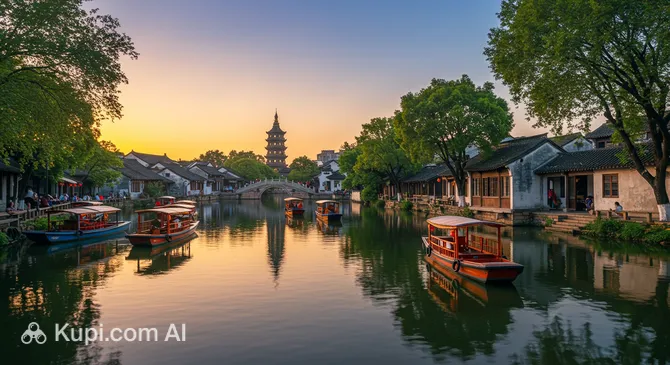
Jiaxing. Source: Kupi.Binoculars

Welcome to Jiaxing, a captivating city that seamlessly blends ancient water town charm with modern vitality. Located in the northern part of Zhejiang Province, this historic destination is renowned as the "Home of Silk" and boasts a cultural tapestry that dates back thousands of years. As you explore the scenic canals and lush landscapes, you will discover why this city is considered a hidden gem in China, offering a tranquil escape from the bustling metropolises nearby.

Geographically, Jiaxing holds a strategic position on the Yangtze River Delta, nestled conveniently between Shanghai and Hangzhou. The city is crisscrossed by rivers and lakes, including the famous Grand Canal, which has shaped its development and lifestyle for centuries. With a population of over 1.5 million residents, it maintains a lively yet approachable atmosphere, characterized by a humid subtropical climate that brings distinct seasons and blooming beauty, especially in spring.

The history of Jiaxing is deeply intertwined with ancient traditions and significant cultural milestones. Visitors are often drawn to the iconic South Lake, a site of great historical importance and natural splendor. Beyond the city center, the region is celebrated for its exquisite water towns, such as Wuzhen and Xitang, where ancient stone bridges, narrow alleyways, and traditional architecture transport travelers back in time.

Whether you are savoring the famous local delicacy, zongzi (sticky rice dumplings), or taking a leisurely boat ride along the misty waterways, Jiaxing promises an unforgettable experience. It is a perfect destination for those seeking to immerse themselves in authentic culture and picturesque scenery, making it a must-visit stop on your journey through the region.
Weather Overview

Jiaxing experiences a humid subtropical climate with four distinct seasons, offering a variety of atmospheres throughout the year. When planning your trip, it is helpful to check the current weather in Jiaxing, as conditions shift significantly between summer and winter. Generally, you can expect hot, humid summers with frequent rain and cool, drier winters where temperatures drop considerably.

July and August are typically the warmest months, with average temperatures hovering around 30°C and daily highs often reaching nearly 33°C. Rainfall is most prevalent during the early summer, with June seeing the highest frequency of precipitation at approximately 17 wet days. In contrast, January is the coldest month, featuring an average temperature of 5.5°C and lows that can dip to around 2°C. For comfortable sightseeing, the transitional months of spring and autumn provide milder temperatures and fewer rainy days, especially in October.

Interesting Facts

Beyond the main attractions and scenic waterways, Jiaxing holds many fascinating secrets that reveal its depth as a city of contrasts and hidden industry. Here are a few unique facts that might surprise you during your visit.

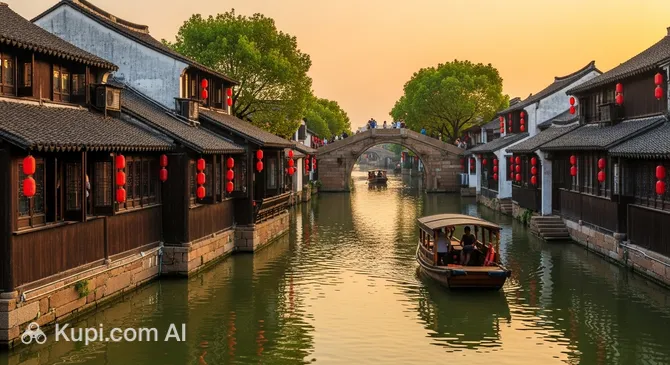
Wuzhen West Scenic Zone. Source: Kupi.Binoculars
  • Ancient Town, Modern Tech: The historic Wuzhen West Scenic Zone is not just a preservation of the past; it is the permanent host of the World Internet Conference. This creates a striking contrast where cutting-edge technology leaders meet amidst ancient stone bridges and traditional wooden boats, symbolizing the perfect harmony between China's history and its digital future.

  • The Button Capital of the World: You might be wearing a piece of Jiaxing right now without knowing it. The town of Dayao, located within the city's jurisdiction, is known as the "Button Capital of China." It produces billions of buttons annually, accounting for a significant percentage of the global supply, proving that this tranquil region is also a manufacturing powerhouse.

  • A Culinary Pit Stop: While highway service areas are usually just for refueling, the ones near Jiaxing are a destination in themselves. The city is famous for its zongzi (glutinous rice dumplings wrapped in bamboo leaves), and travelers often plan their driving routes specifically to stop here and buy them by the box, making it the unofficial "Zongzi Capital" of the country.

  • A City of Bridges: While Venice is world-famous for its canals, the water towns under Jiaxing's administration, such as Xitang, boast an incredible density of ancient bridges. Xitang alone features over 100 bridges built during the Ming and Qing dynasties, earning it the nickname "living thousand-year-old town" where residents still live their daily lives by the water.

How to Get There

Jiaxing is strategically located in the heart of the Yangtze River Delta, making it easily accessible from major neighboring hubs like Shanghai and Hangzhou. Whether you are arriving by air or high-speed train, the city's convenient position ensures a smooth journey. For a detailed guide on all transport options and routes, you can read more about how to get to Jiaxing.

The city of Jiaxing does not have its own commercial airport, but it is well-served by major international aviation hubs in nearby cities. One of the most convenient options is Hangzhou Xiaoshan International Airport (HGH), located in Hangzhou, approximately 66 km from Jiaxing. Travelers can reach the city center from here by taxi or airport shuttle bus, a journey that typically takes about 2 hours depending on traffic conditions. As a major regional hub, it offers numerous domestic and international connections.

Another excellent entry point is Shanghai Hongqiao International Airport (SHA) in Shanghai, situated about 74 km away. This airport is particularly convenient because it is integrated with a high-speed railway station, allowing for seamless transfers to Jiaxing. If you choose to travel by road from here, expect the trip to take around 2 hours and 10 minutes. For long-haul international flights, Shanghai Pudong International Airport (PVG) is the primary gateway. Although it is further away—about 109 km from Jiaxing—it handles a massive volume of global traffic. A road transfer from Pudong to Jiaxing generally takes around 3 hours.

For clarity, here is a summary of the main airports:

Airport Name City Passenger Traffic Km from City
Shanghai Pudong International Airport Shanghai Very High 108.9
Shanghai Hongqiao International Airport Shanghai High 74.0
Hangzhou Xiaoshan International Airport Hangzhou High 65.9
Ningbo Airport Ningbo Medium 123.1
Sunan Shuofang International Airport Wuxi Medium 87.9

Traveling by train is often the most efficient way to reach the city, thanks to China's extensive high-speed rail network. The primary station serving the area is Jiaxing South Railway Station, located in the Shenjiabang area, just 7.7 km from the city center. It is a key stop on the busy Shanghai-Hangzhou high-speed line, with frequent trains stopping throughout the day. From this station, a short taxi ride of about 30 minutes will bring you into the heart of Jiaxing.

While Jiaxing South is the main local hub, travelers might also pass through or transfer at larger regional stations. For instance, Hangzhou Railway Station in Hangzhou is a major transit point located about 73 km away. However, for direct access to Jiaxing, aiming for the local South Station is the best choice.

Below is a list of relevant railway stations in the region:

Station City Passenger Traffic Km to Center
Hangzhou Railway Station Hangzhou Very High 73.4
Huzhou Railway Station Huzhou High 71.9
Tongxiang Railway Station Nanqiaotou Medium 30.3
Jiaxing South Railway Station Shenjiabang Medium 7.7
Suzhou Yuanqu Railway Station Suzhou Low 65.6

Main Attractions

Jiaxing is a city where water and history intertwine, offering visitors a chance to explore ancient towns, serene lakes, and cultural landmarks. From the bustling canals of world-renowned water towns to the quiet dignity of its historic lakes, the city's attractions provide a deep dive into the rich heritage of the Yangtze River Delta.

One of the most iconic destinations is the South Lake (Nanhu). Often cited alongside Hangzhou's West Lake and Nanjing's Xuanwu Lake as one of the three famous lakes in the Jiangnan region, it is a place of scenic beauty and historical significance. Visitors can take a boat ride to the central island to visit the Misty Rain Tower, a pavilion that offers panoramic views of the surrounding waters and gardens. The lake is also famous for the "Red Boat," a preserved vessel that marks a significant moment in modern Chinese history, drawing many visitors interested in the country's past.

For those seeking the quintessential water town experience, the Wuzhen West Scenic Zone is unmissable. Unlike other parts of the town, the West Scenic Zone is meticulously preserved and beautifully illuminated at night, making it perfect for an evening stroll or an overnight stay. The area is a maze of ancient stone bridges, traditional wooden houses built over the water, and winding canals. Visitors can explore local workshops producing indigo-dyed fabric and soy sauce, or simply enjoy a peaceful gondola ride through the misty waterways.

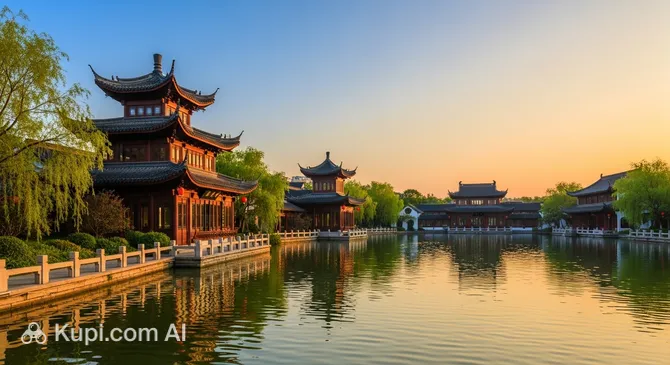
Yuanyang Lake. Source: Kupi.Binoculars

Another scenic highlight is Yuanyang Lake, which is composed of two connected bodies of water resembling a pair of mandarin ducks—a traditional symbol of eternal love in Chinese culture. This romantic spot offers a tranquil atmosphere perfect for leisurely walks along the shore. The lush greenery and traditional pavilions dotting the landscape make it a favorite spot for photography and relaxation, allowing travelers to escape the city noise and enjoy nature.

Finally, a trip to Jiaxing would be incomplete without visiting Xitang Water Town. Famous for its unique covered corridors, known as Langpeng, Xitang allows tourists to explore the riverside streets comfortably regardless of the weather. The town boasts over a hundred ancient bridges and a vibrant atmosphere where locals still live by the river. It has gained international fame as a filming location for major movies, yet it retains a laid-back, authentic charm with its narrow alleyways and traditional tea houses.

Local Cuisine

Jiaxing's culinary scene is a delightful reflection of its location in the heart of the Yangtze River Delta, offering a "Jiangnan" style of cuisine known for its freshness, moderate sweetness, and emphasis on river produce. The food here is characterized by meticulous preparation and a harmonious balance of flavors, making it a treat for travelers who appreciate subtle yet rich tastes. From bustling street stalls to elegant riverside restaurants, the city offers a gastronomic journey that is deeply rooted in local tradition.

The undisputed king of local food is the Jiaxing Zongzi. While these glutinous rice dumplings are eaten across China during the Dragon Boat Festival, in Jiaxing, they are a daily staple and a year-round obsession. The city is famous for its fresh pork zongzi, which are savory, rich, and wrapped in fragrant bamboo leaves. The fat from the marinated pork melts into the sticky rice during the steaming process, creating a moist and flavorful bite that is unlike any other. Sweet versions filled with red bean paste are also popular, but the savory meat variety is the true local signature.

Beyond dumplings, the region offers unique seasonal specialties such as the South Lake Water Caltrop (Nanhu Ling). Unlike other varieties, this local water caltrop is hornless and has a tender, crisp texture that can be eaten raw as a fruit or stir-fried as a vegetable. Another must-try dish, particularly if you are visiting the water towns, is Braised Mutton. Cooked slowly in soy sauce, yellow wine, and spices until it is incredibly tender, this dish is a warming comfort food often enjoyed during the cooler months.

To accompany these meals, locals often turn to Yellow Rice Wine (Huangjiu), a traditional alcoholic beverage that pairs perfectly with the rich flavors of braised meats and river seafood. For a non-alcoholic option, the local tea culture is vibrant, influenced by the nearby tea plantations of Zhejiang. Sipping a cup of fresh green tea in a traditional teahouse is a quintessential way to relax after a meal.

The dining atmosphere in Jiaxing is just as important as the food itself. While you can find excellent zongzi at street corners and specialized shops throughout the city, the most memorable meals are often found in the historic districts. For a truly atmospheric experience, visitors often head to the Wuzhen West Scenic Zone. Here, you can dine at wooden tables set right beside the canals, enjoying local braised duck or mutton while watching traditional boats glide through the misty waterways.

Travel Tips

To ensure your journey through the scenic canals and historic streets of Jiaxing is as smooth as it is memorable, we have compiled a list of essential travel advice. These practical tips will help you navigate local customs, transportation, and daily logistics with the confidence of a seasoned explorer.

  1. Clothing and Gear: Jiaxing has four distinct seasons, so pack accordingly. Summers are hot and humid, requiring breathable fabrics and sun protection, while winters can be damp and chilly, making thermal layers and a warm coat necessary. Since visiting water towns like Wuzhen and Xitang involves a lot of walking on ancient, uneven cobblestones, bring your most comfortable walking shoes. If you plan to visit in late spring or summer, packing insect repellent is highly recommended due to the proximity to water.
  2. Transportation: The most efficient way to arrive is via high-speed train to Jiaxing South Railway Station. Within the city, ride-hailing apps like DiDi (often available in English within Alipay) are more convenient and reliable than hailing taxis on the street. Be aware that the famous water towns are located on the outskirts, roughly 30 to 60 minutes from the city center, so you may need to arrange a taxi or take a dedicated tourist bus from the main bus station.
  3. Finances: The local currency is the Chinese Yuan (CNY/RMB). While cash is accepted, China is a nearly cashless society. It is strongly advised to set up Alipay or WeChat Pay on your phone before arrival; both now allow you to link international credit cards for payments. International physical cards (Visa/Mastercard) are rarely accepted outside of high-end hotels, so keep some cash for small vendors or emergency situations.
  4. Health and Safety: Jiaxing is a very safe city for tourists. Pharmacies are marked with a green cross, but staff may not speak English, so have a translation app ready or a photo of the medicine you need. Tap water is not safe to drink; always opt for bottled or boiled water. In the humid summer months, stay hydrated and protect yourself from heatstroke while exploring outdoor scenic zones.
  5. Communication: Mandarin is the official language, though locals often speak the Wu dialect among themselves. English proficiency is generally low outside of major hotels and tourist information centers. It is crucial to download a translation app (like Baidu Translate or a globally accessible one with offline Chinese packages) and an offline map. Remember that many Western apps and websites are blocked in China, so ensure you have a roaming plan or a suitable solution to access the internet.
  6. Local Etiquette: Politeness is highly valued. When handing over money or a business card, use both hands as a sign of respect. In dining situations, never stick your chopsticks vertically into a bowl of rice, as this resembles incense burning for the dead. While the water towns are touristy, many locals still live there; respect their privacy by not photographing into private homes through open doors.
  7. What to Avoid: Avoid taking unlicensed taxis, often referred to as "black taxis," which may linger around train stations; they often overcharge foreigners. Also, try to avoid visiting popular spots like South Lake or Wuzhen during major Chinese public holidays (like the National Day Golden Week in October), as the crowds can be overwhelming.
  8. Local Insight: Don't leave without trying the city's famous zongzi (sticky rice dumplings). For the most authentic experience, look for the brand Wu Fang Zhai, a time-honored brand originating here. Buying a vacuum-packed bag of these savory treats makes for a delicious and culturally significant souvenir.

With these tips in hand, you are well-prepared to embrace the slow-paced beauty and rich culture of Jiaxing. Whether you are navigating the digital payment landscape or strolling across a thousand-year-old bridge, we hope your adventure is filled with wonderful discoveries and stress-free travel!

Entertainment & Nightlife

While Jiaxing may not rival the frenetic energy of neighboring Shanghai, its nightlife offers a unique blend of modern entertainment and historical charm. The city's evening scene is less about thumping mega-clubs and more about atmospheric lounges, lively music bars, and scenic night walks along ancient canals. Whether you prefer sipping a cocktail in a renovated historic district or enjoying live folk music by the water, Jiaxing provides a relaxing yet vibrant end to your day.

The heart of the action in the city center is undoubtedly the Moon River (Yuehe) Historic District. As the sun sets, the traditional lanterns light up, and the "Bar Street" along the canal comes alive. This area is a favorite among locals and tourists alike, offering a mix of quiet pubs for conversation and livelier venues featuring live bands. The atmosphere here is distinctively "Jiangnan"—you can enjoy a beer while looking out over the reflection of stone bridges on the water. It is the perfect place to experience the city's fusion of old and new.

For a truly immersive experience, many travelers head to the Wuzhen West Scenic Zone. Unlike many traditional tourist spots that close early, Wuzhen West is famous for its dazzling night scenery and bustling nightlife. The area features a dedicated bar street where you can find venues ranging from quiet teahouses to energetic pubs. Old Wood Music Space is a popular choice here (and also has a presence in Moon River), known for its rustic wooden decor and live singers performing ballads and pop-rock. Another notable spot is Ripples, a bar that offers a more elegant vibe right by the waterside, perfect for a relaxing evening drink.

If you are looking for practical advice, the nightlife typically kicks off around 8:00 PM and winds down by 1:00 AM or 2:00 AM. The dress code is generally casual; you will feel comfortable in smart-casual attire at almost any venue. Prices are reasonable compared to Shanghai, with cocktails and beers averaging between 40 to 80 RMB. For transportation, ride-hailing apps like DiDi are the most convenient way to get around at night, as they are safe, reliable, and overcome the language barrier better than hailing street taxis.

Jiaxing is a very safe city for night walks, particularly in well-lit areas like Moon River and the major scenic zones. However, always exercise standard precautions and avoid unlicensed "black taxis" that may congregate outside entertainment districts late at night. Stick to official apps or marked taxis to ensure a fair fare and a safe journey back to your hotel.

Beyond the nightlife, Jiaxing offers plenty of daytime entertainment to fill your itinerary. Culture enthusiasts should visit the Jiaxing Museum to learn about the region's prehistoric Majiabang culture. For a mix of history and nature, a boat ride on South Lake to visit the Revolutionary Memorial Hall is a classic daytime activity. If you are traveling with family, the city's various parks and the nearby amusement facilities in the greater Zhejiang area offer fun alternatives before the sun goes down.

Parks & Museums

Jiaxing is a city where nature and culture are inextricably linked, offering travelers a delightful mix of expansive green spaces and insightful cultural institutions. Beyond its famous waterways, the city boasts well-preserved parks and museums that provide a deeper understanding of its ecological efforts and its long-standing status as a cultural hub in the Yangtze River Delta.

Key Parks and Green Spaces

For those seeking tranquility and fresh air, Shijiuyang Wetland Park is a standout ecological marvel. Located in the Nanhu District, this park is not only a beautiful recreational area with winding wooden boardwalks and lush reed marshes, but it also functions as a natural water purification system for the city. It is an excellent spot for birdwatching and enjoying a quiet escape from the urban center. Another gem is Lanxiu Park, which embodies the elegance of traditional Chinese gardening. With its carefully arranged pavilions, rockeries, and serene ponds, it offers a picturesque setting that changes colors beautifully with the seasons, particularly in spring and autumn.

Nature lovers should also explore Yuanyang Lake, a scenic area composed of two connected lakes that are often compared to a pair of mandarin ducks, symbolizing eternal love. The lake is surrounded by verdant landscapes and traditional architecture, making it a favorite destination for romantic strolls and photography. The calm waters and shaded paths provide a perfect respite for visitors looking to relax amidst nature.

Museums and Galleries

To truly understand the region's heritage, a visit to the Jiaxing Museum is essential. This comprehensive facility showcases the rich history of the area, with a special focus on the Majiabang Culture, a Neolithic culture that originated here over 7,000 years ago. The exhibits include ancient pottery, jade artifacts, and interactive displays that trace the city's evolution from a prehistoric settlement to a modern hub. It provides a fascinating context for the sights you will see around the city.

For a more unique cultural experience, the Jiaxing Zongzi Cultural Museum offers a delightful look at the city's most famous culinary export. As the only museum of its kind in China, it details the history, ingredients, and preparation methods of zongzi (sticky rice dumplings). Visitors can see antique cooking utensils and even watch demonstrations of the intricate wrapping process, celebrating a tradition that has put Jiaxing on the culinary map.

Historical and Architectural Sites

While many visitors flock to the water towns, the Moon River (Yuehe) Historic District within the city proper offers a condensed and accessible taste of old Jiaxing. This vibrant neighborhood features traditional Huizhou-style architecture with white walls and black tiled roofs, lining the banks of the Grand Canal. It is a living heritage site where historic pharmacies, old banks, and spice shops operate alongside modern boutiques, allowing you to walk through centuries of commercial history.

Authentic Experiences

For a truly immersive experience, consider visiting the Wuzhen West Scenic Zone not just for its scenery, but to explore its specialized internal museums. Hidden within the ancient houses are fascinating collections, such as the Chinese Footbinding Culture Museum and the traditional Soy Sauce Workshop. These smaller, often overlooked venues offer a poignant and tangible connection to the daily lives and customs of the past, far beyond what general sightseeing reveals.

Getting Around

Navigating Jiaxing is convenient and affordable, thanks to a well-developed public transport network that blends modern infrastructure with the city's aquatic heritage. While the city does not have a heavy-rail subway system like its larger neighbors, it has recently introduced a modern tram network that serves as the backbone of urban transit. This, combined with an extensive bus system and unique water transport options, makes getting around efficient for visitors.

The Jiaxing Tram is the newest and most comfortable way to travel through key parts of the city. Currently, Line 1 connects the Jiaxing South Railway Station directly to the city center, making it an excellent option for travelers arriving by high-speed train. The trams are modern, air-conditioned, and offer large windows perfect for sightseeing as you move through the urban landscape. They run frequently from early morning until late evening, providing a smooth alternative to road traffic.

For destinations not covered by the tram, the public bus system is comprehensive and reaches every corner of the city, including the suburban water towns. Buses are generally clean and safe. You may notice buses marked with a "K" (e.g., K1, K2), which indicates air-conditioned vehicles, though nearly all buses now fit this standard. Operating hours typically run from 6:00 AM to around 9:00 PM or 10:00 PM, depending on the route. It is advisable to have the destination name written in Chinese characters to show the driver or to compare with the route map at the stop.

A special feature of Jiaxing's transport network is the Water Bus. Given the city's location on the Grand Canal, these boats are a functional and scenic mode of public transport rather than just a tourist attraction. They operate on specific routes along the city's canals and lakes, allowing you to travel between the city center and scenic spots like South Lake while avoiding road congestion. It is a uniquely atmospheric way to experience the "city of water" for a very low fare.

Regarding payments, Jiaxing is highly digitized. The most convenient method for tourists is to use Alipay or WeChat Pay. Both apps have a "Transport" or "Ride Code" feature that you can activate to generate a QR code, which is scanned upon boarding buses or entering tram platforms. If you prefer physical cards, the Jiaxing Citizen Card (transport version) is available, though it is less necessary for short-term visitors. Cash is still accepted on buses and trams, but you must have the exact change (usually 2 RMB for buses, with tram fares varying by distance), as drivers cannot provide change.

For more flexibility, taxis and ride-hailing services are widely available. Taxis can be hailed on the street, but most locals and travelers use apps like DiDi (accessible within Alipay) to book rides. This is particularly recommended for international tourists, as the app allows you to input your destination in English, removing the language barrier with the driver. Fares are reasonable, starting with a base rate for the first few kilometers.

Finally, due to Jiaxing's flat terrain, bicycling is a popular alternative. The city is filled with shared bicycles (such as HelloBike or Meituan Bike) that can be unlocked via their respective apps or Alipay. Riding a bike is often the best way to explore the scenic areas around South Lake or the Moon River Historic District at your own pace, allowing you to stop freely and enjoy the views.

Accommodation

Jiaxing offers a diverse range of accommodation options that cater to various budgets and travel styles, reflecting its dual identity as a modern city and a custodian of ancient traditions. Visitors can choose from highly rated international chain hotels in the bustling city center, budget-friendly hostels for backpackers, or exquisite boutique inns located directly within the historic water towns. Whether you are looking for the convenience of a modern high-rise or the charm of waking up to the sound of oars paddling through a canal, this city has something to suit your needs.

For those prioritizing convenience and transport links, the Nanhu District (City Center) is the most practical area to stay. This central hub places you close to the major shopping malls, the railway station, and the iconic South Lake. Here, you will find well-known domestic and international hotel brands offering reliable amenities, business facilities, and English-speaking staff. It serves as an excellent base for travelers who plan to explore the city's museums and parks during the day and enjoy the urban nightlife in the evening.

However, for the quintessential Jiaxing experience, staying overnight in one of the water towns is highly recommended. The Wuzhen West Scenic Zone is particularly famous for its unique accommodation management system. Unlike other towns where individual landlords operate guesthouses, accommodation here is centrally managed, ensuring a high standard of quality and service. Options range from youth hostels with bunk beds to luxurious, private courtyards and "Minsu" (homestays) housed in restored Qing-dynasty buildings. Staying inside the scenic zone allows you to enjoy the town's serene atmosphere late at night and early in the morning, long after the day-trippers have left.

Booking Tip: If you plan to stay in a popular water town like Wuzhen or Xitang, it is crucial to book your accommodation well in advance. These unique stays are in high demand, especially on weekends and during Chinese public holidays (such as the Lunar New Year or National Day in October). Rooms with canal views often sell out weeks ahead of time.

Regarding costs, prices in Jiaxing are generally reasonable compared to nearby Shanghai. Budget travelers can find hostel beds or simple guesthouses for around 150–300 RMB per night. Mid-range hotels typically charge between 400–700 RMB, while luxury resorts and high-end boutique inns in the scenic zones can range from 1,000 RMB to over 3,000 RMB per night. For international visitors, booking through major online platforms like Trip.com or Booking.com is recommended, as they provide English support and accept international payment methods.

Nearby Cities

Jiaxing boasts an enviable location in the center of the Yangtze River Delta, often referred to as the "backyard" of Shanghai and Hangzhou. Its strategic position means that travelers can easily venture out to explore some of China's most dynamic and historically significant cities, all reachable within a short journey.

The closest major destination is Suzhou, located just 63 km away. Renowned for its exquisite classical gardens and intricate canals, Suzhou offers a refined cultural experience that pairs perfectly with a trip to Jiaxing. A bit further to the southwest is Hangzhou (79 km), the provincial capital. Famous for the legendary West Lake and lush tea plantations, it is often described as "Paradise on Earth" and serves as a major hub for history and nature lovers.

To the northeast lies the global metropolis of Shanghai, approximately 86 km from the city. Visitors can immerse themselves in the bustling energy of the Bund or explore the futuristic skyline of Pudong (91 km). For those interested in lakeside scenery and Buddhist culture, Wuxi is another excellent option, situated 92 km away on the shores of Lake Tai.

Here is a quick reference for these nearby destinations:

City Distance (km) Travel Appeal
Suzhou 63 Classical Gardens & Silk
Hangzhou 79 West Lake & Tea Culture
Shanghai 86 The Bund & Modernity
Pudong 91 Skyscrapers & Finance
Wuxi 92 Taihu Lake & Grand Buddha

Shopping & Souvenirs

Shopping in Jiaxing offers a delightful contrast between the old and the new, reflecting the city's status as both a historical cultural center and a modern developing hub. While it may not have the sheer density of luxury boutiques found in nearby Shanghai, Jiaxing is famous as the "Home of Silk," making it a premier destination for high-quality textiles. Visitors can expect a retail experience that ranges from browsing ancient lanes for traditional handicrafts to exploring sprawling modern complexes filled with international brands.

For a shopping experience steeped in atmosphere, the Moon River (Yuehe) Historic District is the place to be. Walking along its cobblestone streets, you will find a variety of small boutiques housed in traditional architecture. This area is excellent for hunting down antiques, local calligraphy, and tea sets. It is also a hub for specialty food shops where you can buy pre-packaged local snacks to take home. The vibe here is relaxed and scenic, allowing you to shop while enjoying the view of the canals.

If you are looking for a more contemporary retail environment, the city center around Zhongshan Road and the Nanhu District hosts several large shopping malls. Wanda Plaza is a popular one-stop destination offering a mix of fashion retailers, electronics, and lifestyle brands, along with a wide array of dining options. Another key spot is the Intime Department Store, which carries a good selection of cosmetics, clothing, and accessories, catering to both mid-range and upscale shoppers.

When it comes to souvenirs, silk products are the undisputed highlight. Given the region's long history of sericulture, you can find exquisite silk scarves, pajamas, and bedding at very reasonable prices compared to international markets. Another unique local craft is Blue Calico, a traditional indigo-dyed fabric with white patterns. This is particularly abundant if you visit the Wuzhen West Scenic Zone, where you can buy tablecloths, bags, and clothing made from this distinctive material directly from the workshops.

Food items also make for excellent gifts. The city's famous sticky rice dumplings, Zongzi, are available in vacuum-packed gift boxes specifically designed for travelers. The brand "Wu Fang Zhai" is the most renowned and has outlets throughout the city. Additionally, locally produced South Lake Water Caltrops and specialized pastries are popular choices to bring a taste of Jiaxing back to friends and family.

Most shops in Jiaxing operate daily from around 10:00 AM to 10:00 PM, particularly the large malls. Smaller independent boutiques in historic areas may close a bit earlier. As with the rest of China, digital payments via Alipay and WeChat Pay are the norm and are accepted almost everywhere, from street vendors to department stores. While major malls accept credit cards, it is advisable to have mobile payment set up or carry some cash for smaller transactions in the old towns.

Reached the end of the page?

That means the route is fully explored